
ASEAN Analysis & Commentary
Every analysis published on ASEAN Rising is sourced, datestamped and signed. We're more interested in being right in 12 months than first in 12 minutes.
Foundation pieces
Start here. The three pieces below set out the lens ASEAN Rising uses to read every story.
ASEAN Rising's core lens. Execution Economics is the study of whether countries, companies and institutions can convert obvious potential into delivered outcomes - and which six pillars decide the answer.
The region has capital, demographics, location and policy ambition. None of that has ever been the binding constraint. The next decade is an execution test, not a potential test - and it is already being scored.
Malaysia is the test case for whether ASEAN's middle powers can turn FDI, semiconductors and data centres into compounding domestic capability. Read the live coverage and execution scorecard.
Analysis tagged #indonesia
 Indonesia
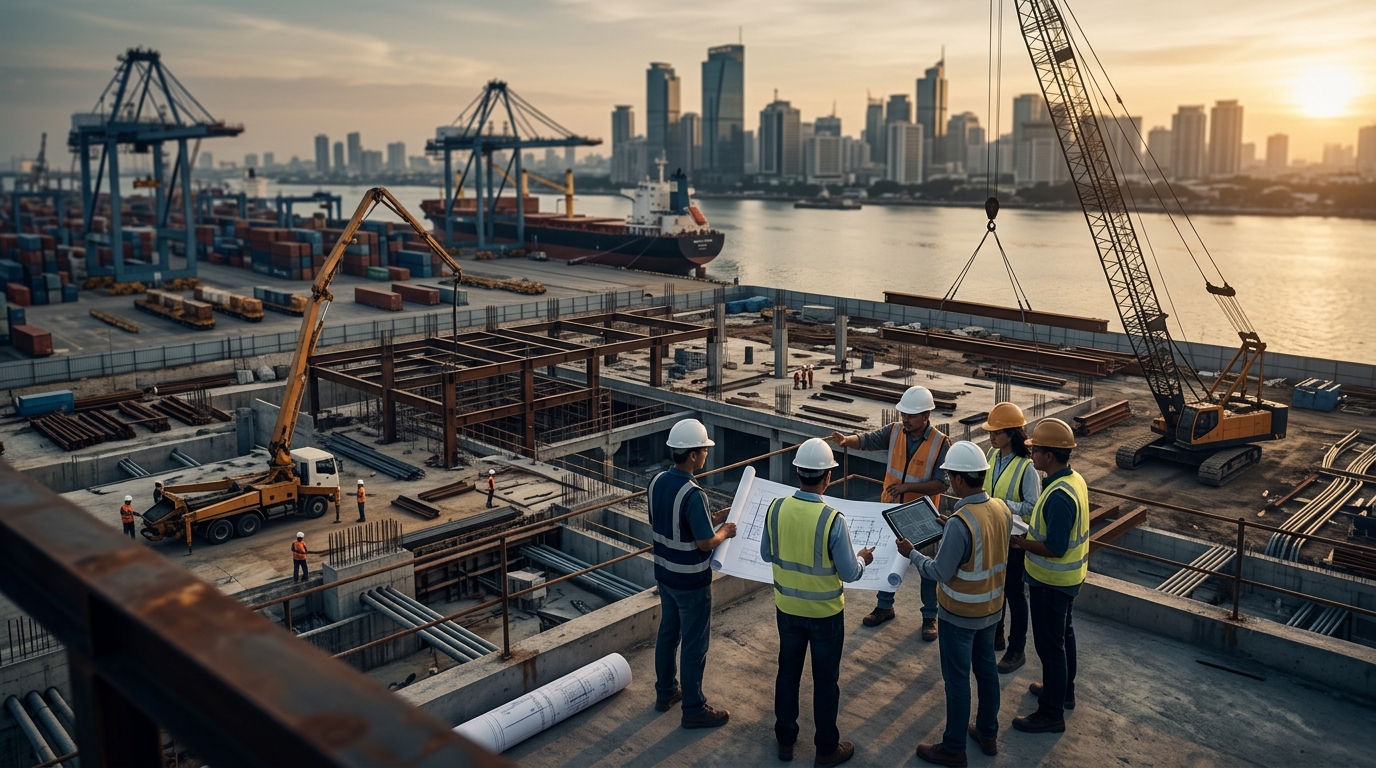
 and the test of FDI realisation
FDI announcements travel quickly. Realised flows depend on the slower work of land, permits, power and talent reaching the ground.
 Indonesia
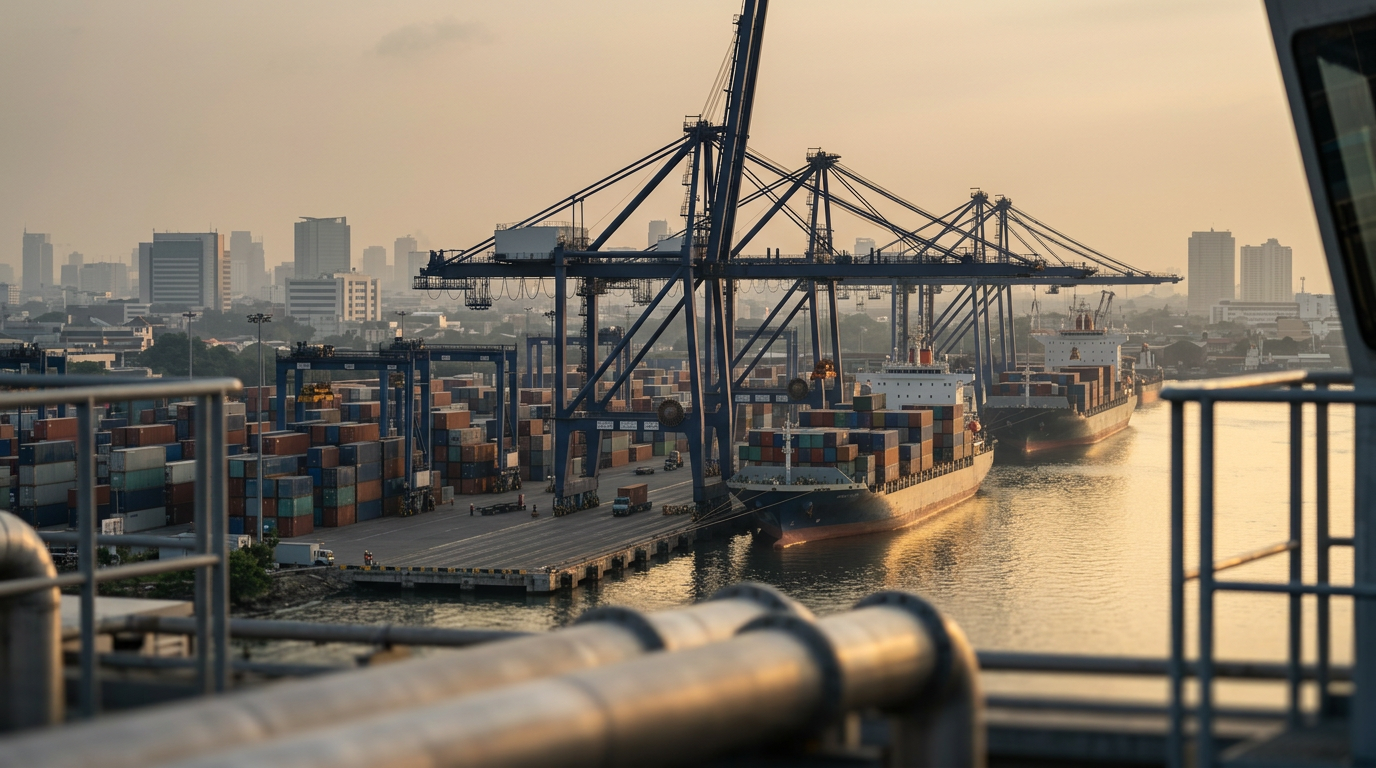
's Commodity Data Platform Aims to Manage Trade Dependency
Indonesia's new commodity export monitoring platform is a step toward managing trade dependency, a structural feature of ASEAN's relationship with China.
 Indonesia
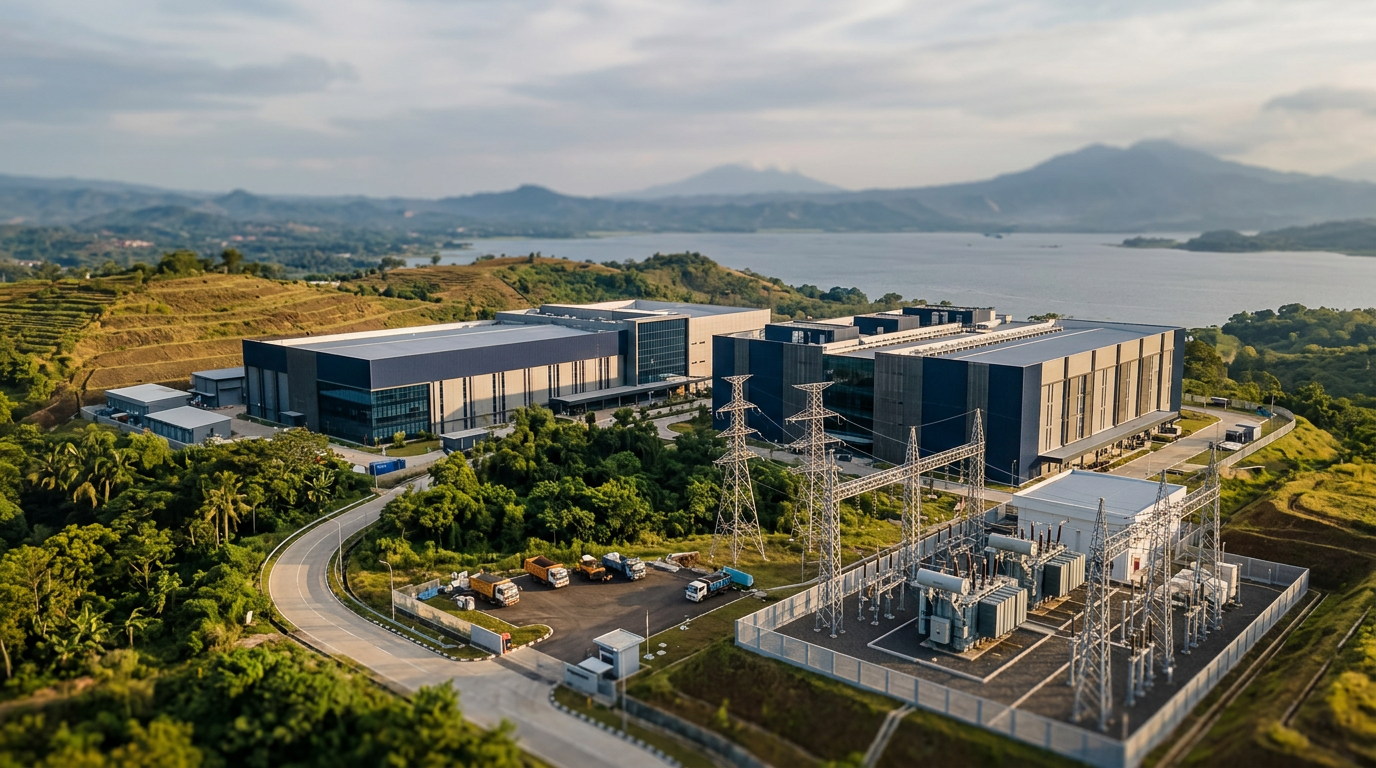
's Hyperscale Ambition Moves to Jatiluhur
A major new data center campus in West Java tests Indonesia's ability to coordinate infrastructure and power at scale. The 640 MW project is a bet on a new location, moving away from established hubs like Jakarta and Cikarang.
 Indonesia
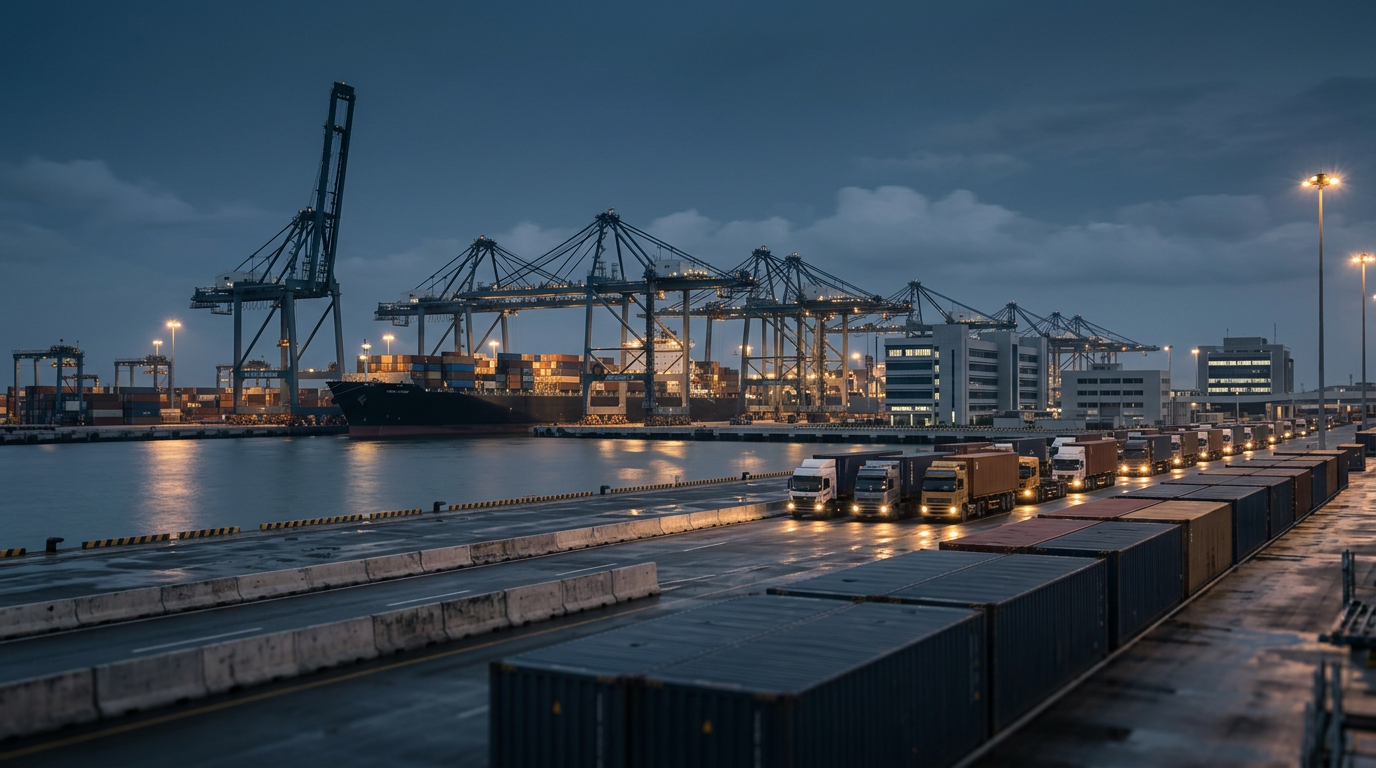
's Commodity Single Door: A Step Toward Managed Dependency?
Indonesia is centralizing its commodity export system. This move is a practical example of an ASEAN state managing its deep trade relationship with China.
 Indonesia
From New York to Nusantara: Gulf Capital Meets Indonesian Institutions
Foreign direct investment from the Gulf is welcome, but Indonesia's institutional capacity to absorb it is the decisive factor. Announcements travel at the speed of news, but capital flows at the speed of trust and execution.
 Indonesia
's Single-Door Export System Aims to Deepen Trade Control
Jakarta is launching a new export system for key commodities by year-end, a move that reflects a broader ASEAN trend of managing trade dependencies and asserting strategic control over supply chains.
 Indonesia
 Turns to the Gulf for FDI. Can Institutions Keep Up?
Jakarta is courting Gulf capital for its infrastructure and energy ambitions. Success depends on the slower work of turning headline announcements into realised investment on the ground.
 Indonesia
From New York to Nusantara: Gulf Capital Meets Indonesian Institutions
Foreign ministers of ASEAN and the Gulf Cooperation Council met in New York, but the real work of turning investment promises into projects on the ground in Indonesia is just beginning.
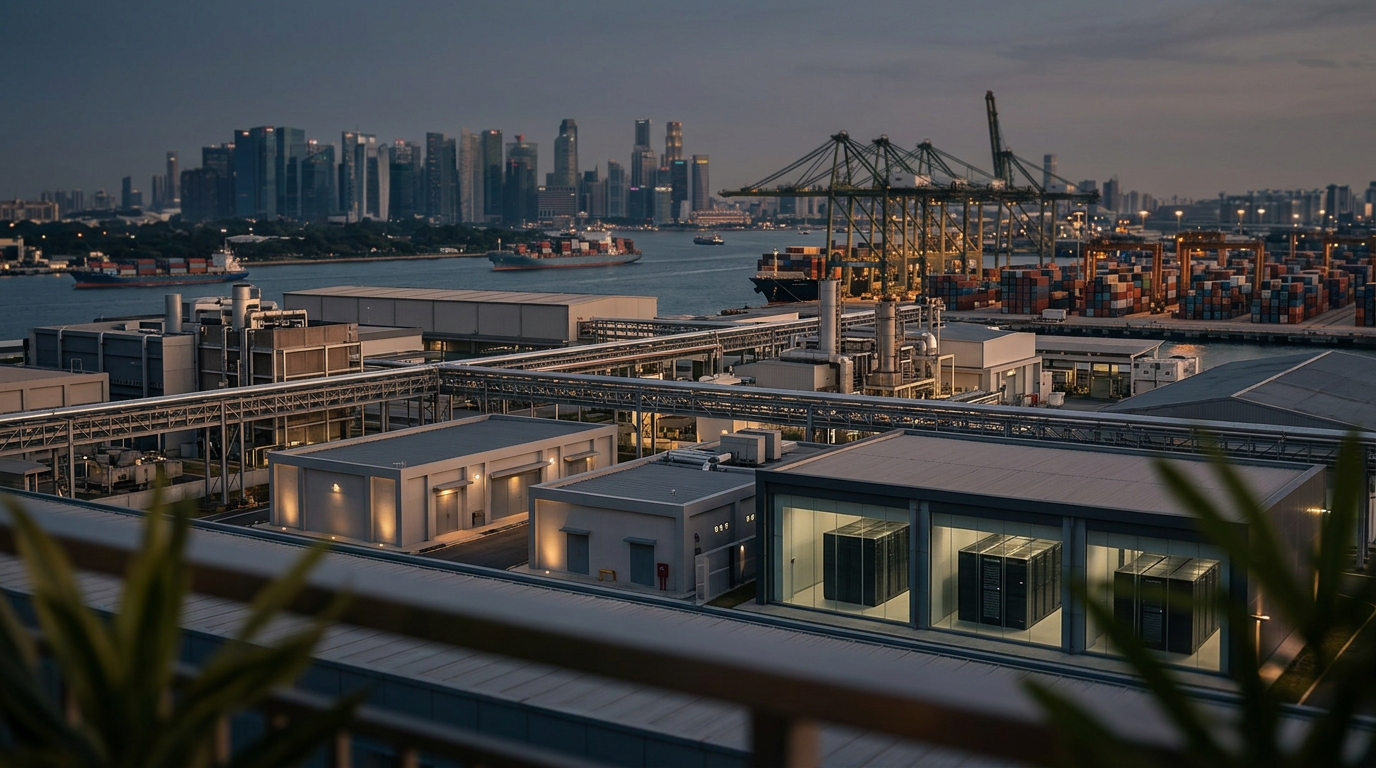
 Singapore
, AI, and ASEAN's Next Manufacturing Shift
Singapore's industrial surge from AI demand shows its institutional strengths. Can its ASEAN neighbors follow the same playbook?
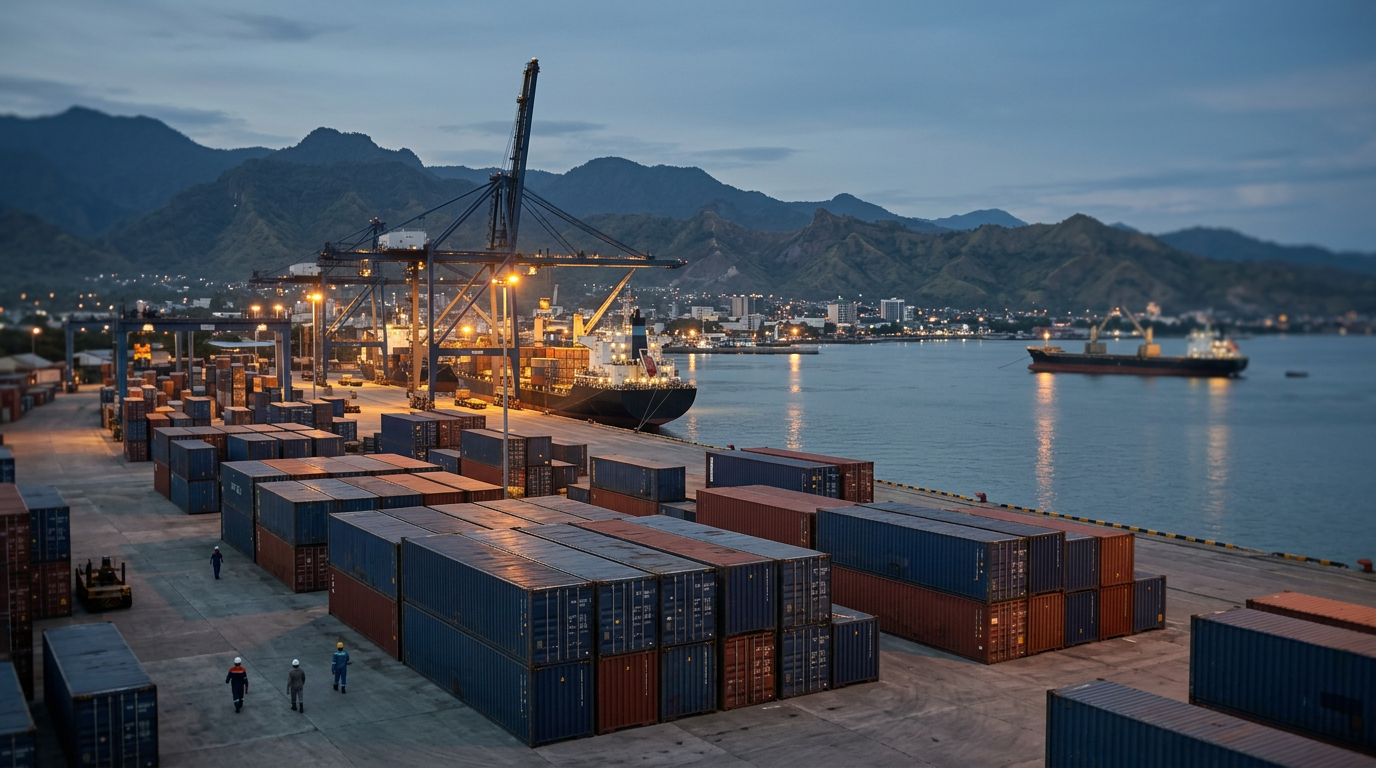 Indonesia
, China, and the MSME Export Question
An export clinic for MSMEs in Palu, Sulawesi highlights a deeper structural question for Indonesia: how to manage its trade dependency on China while building sustainable, broad-based export growth.
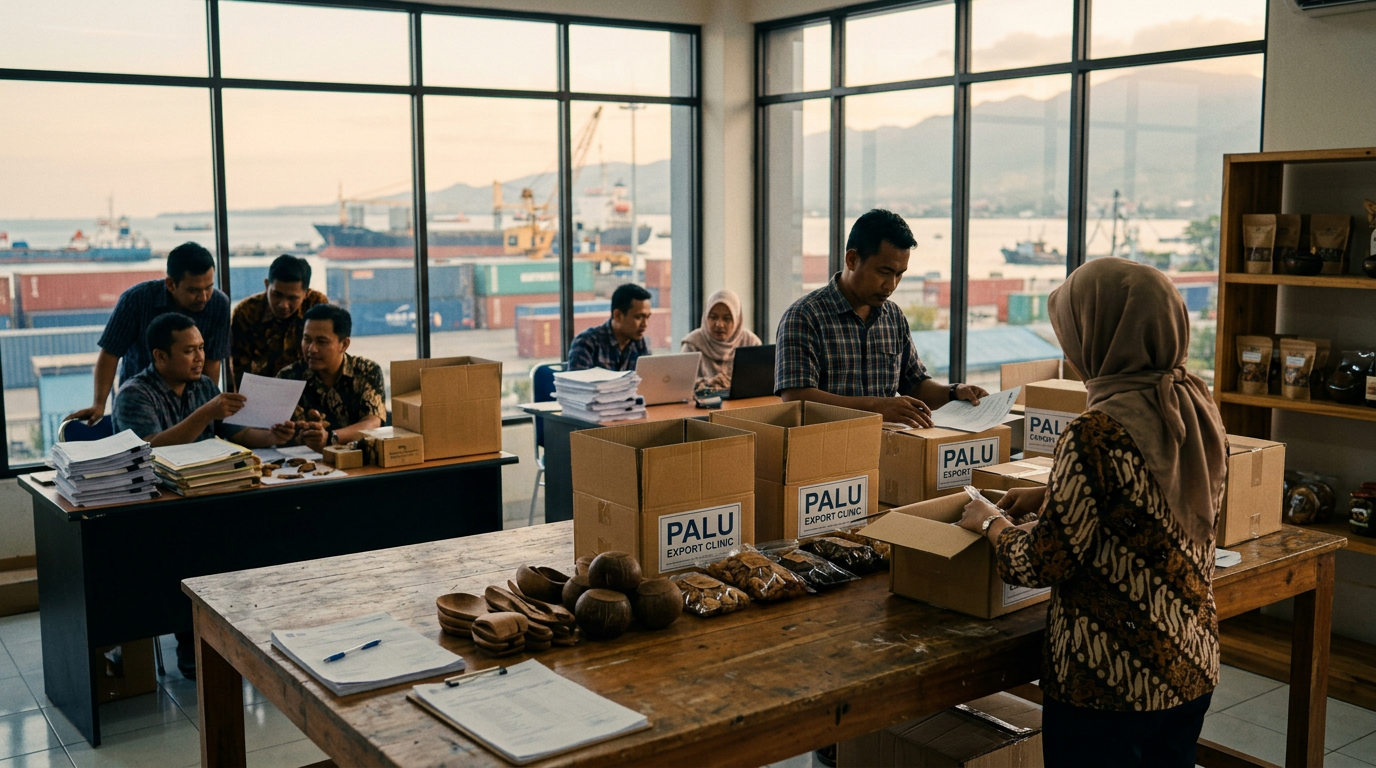 Indonesia
, China, and the MSME Export Question
An export clinic in Palu is a small but significant indicator of how Indonesian policymakers are thinking about the country's trade relationship with China, focusing on building institutional capacity for smaller firms to manage dependency and access new markets.
 Singapore
's Property Investment Boom Highlights an ASEAN Divide
Singapore's high-value investment environment is a function of its institutional strength, not just its location. Other ASEAN members must do the slow work of reform to compete.
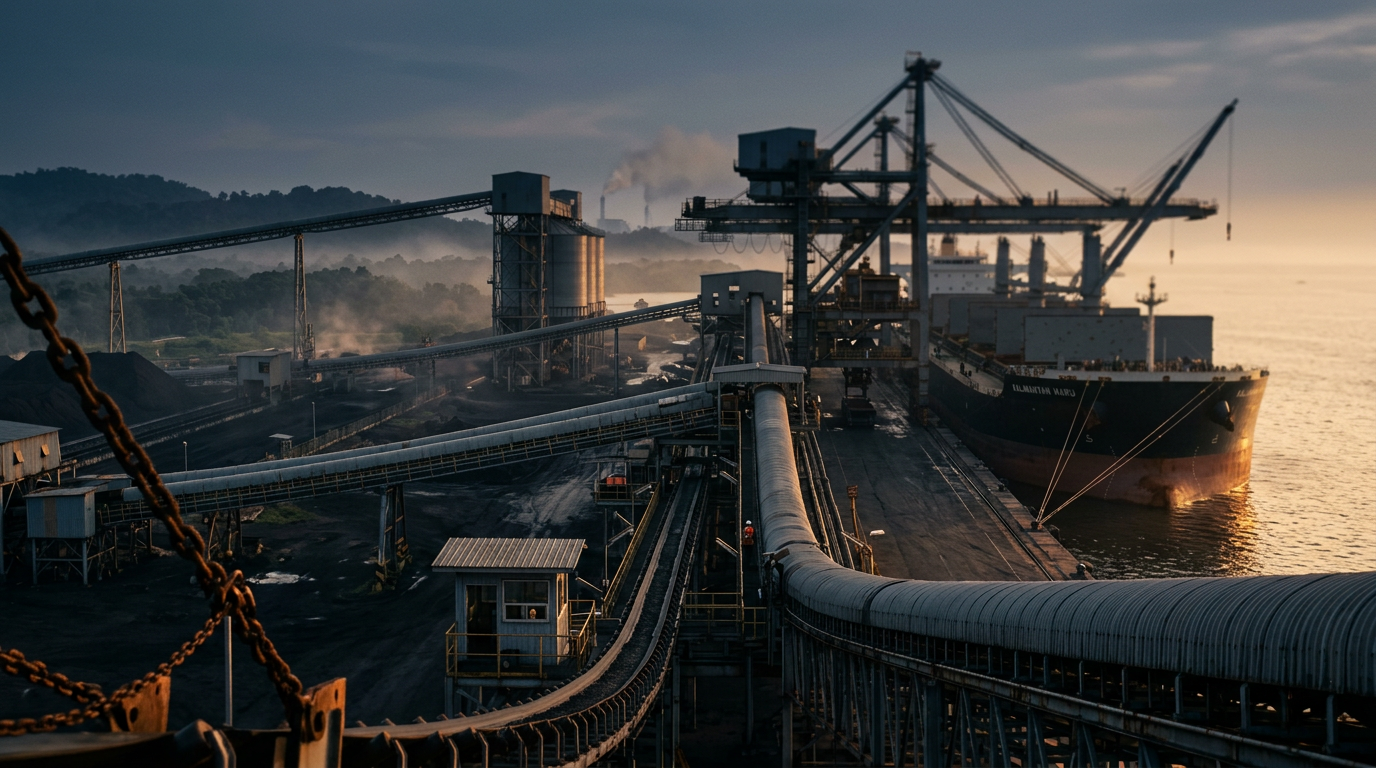 Indonesia
 Rethinks Its Mining Quotas
Indonesia's mining quota revision highlights the gap between FDI announcements and realized investment. Execution on permits, power, and land remains the real work.
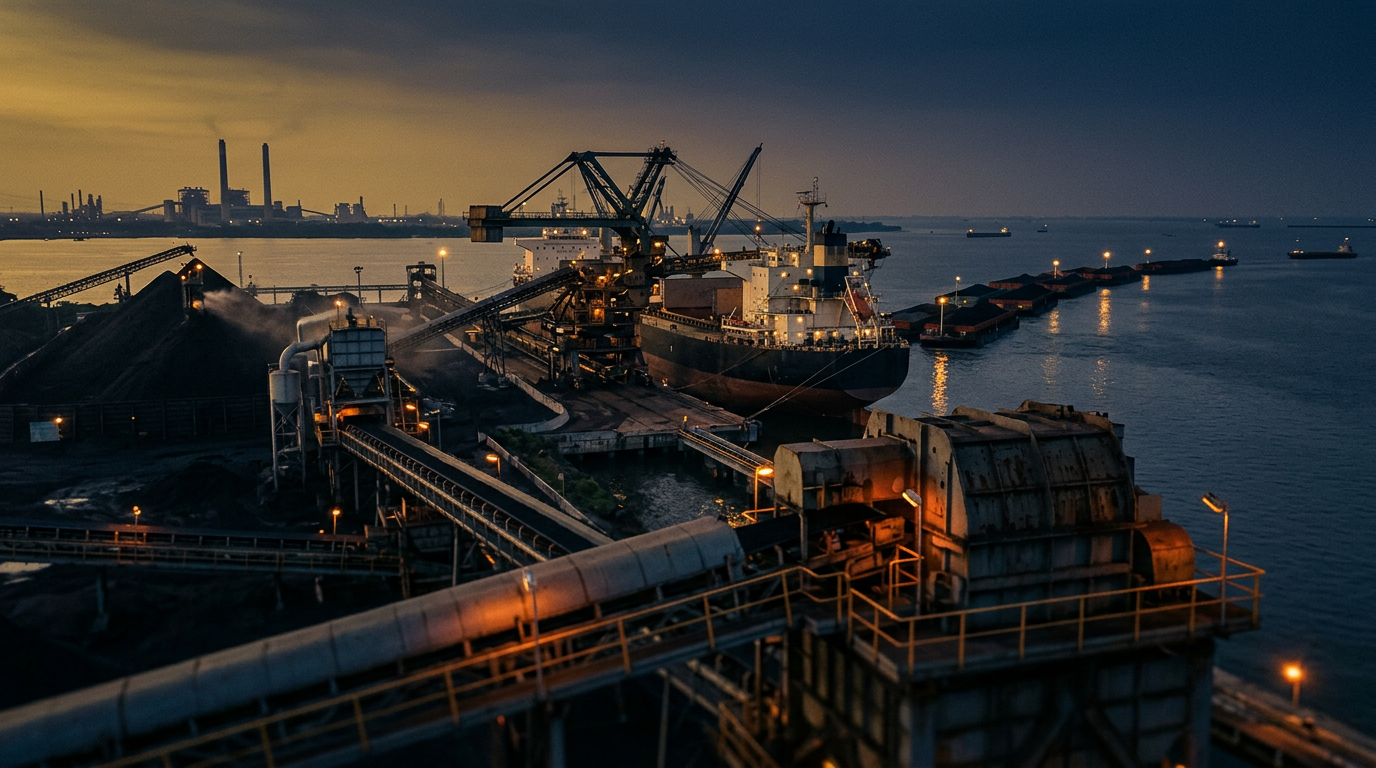 Indonesia
's Investment Bottlenecks on Display in Bayan Coal Case
A recent force majeure at a major Indonesian coal producer highlights the institutional growing pains that can throttle investment, even in a market defined by its immense scale.
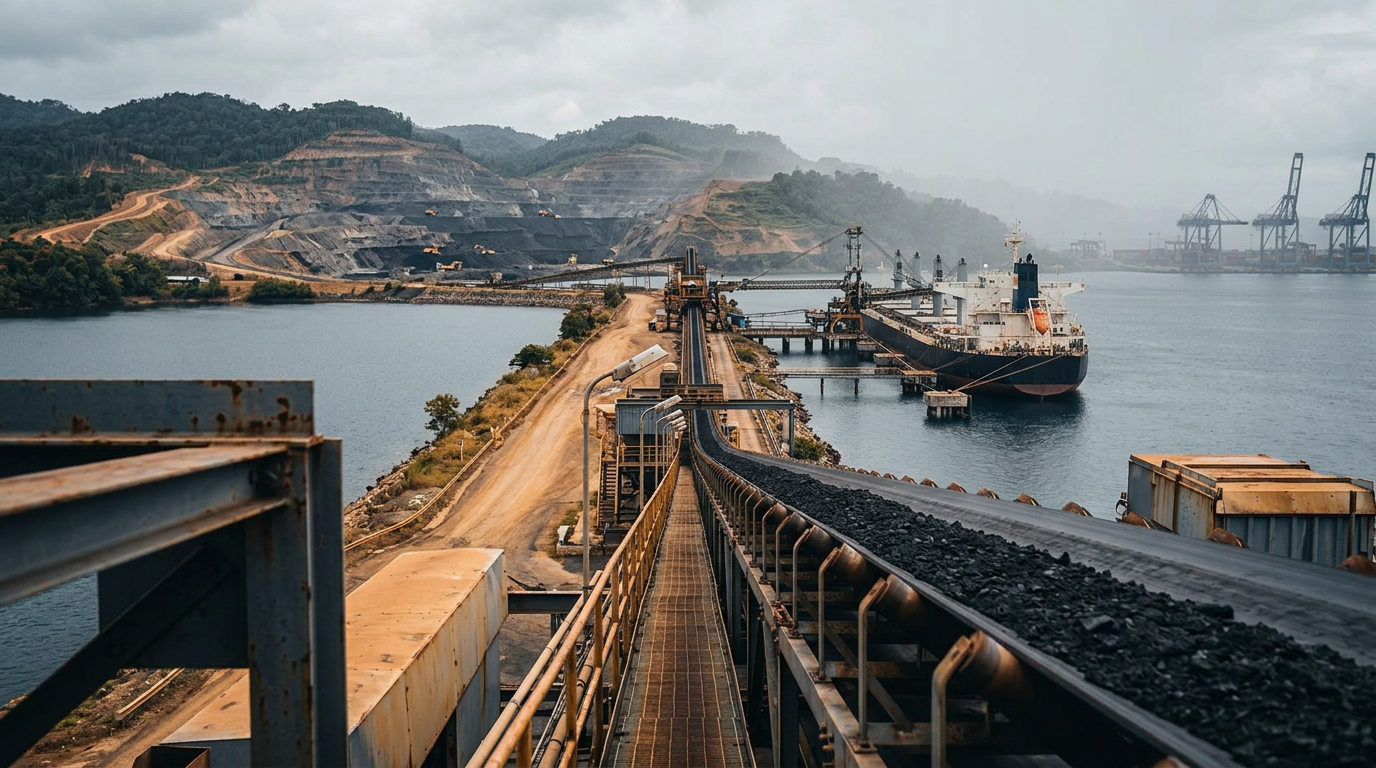 Indonesia
's Mining Quotas: A Test of Institutional Capacity
A recent force majeure at a major Indonesian coal miner highlights the gap between foreign direct investment announcements and the slower, harder work of institutional execution.
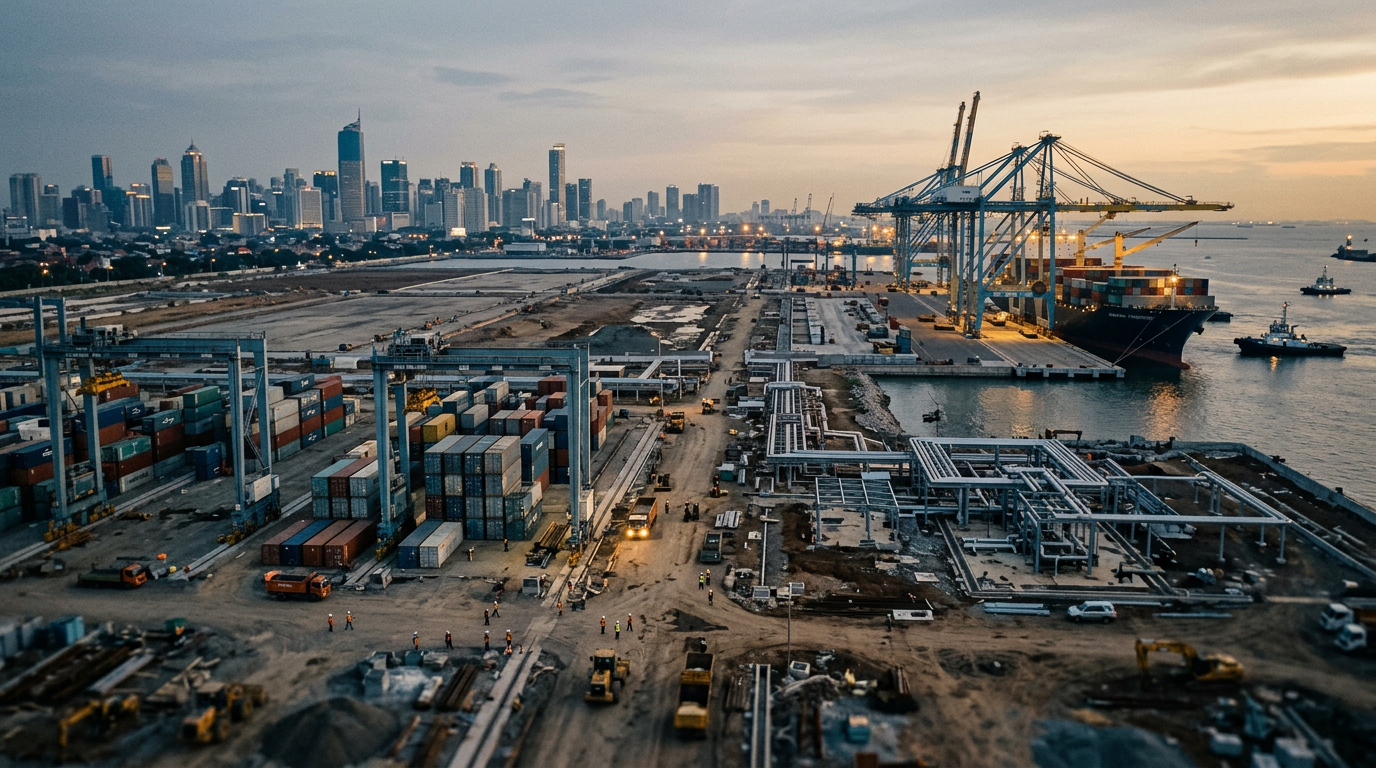 Indonesia
, Gulf FDI, and the Long Road from Announcement to Execution
Foreign direct investment announcements travel quickly. Realised flows depend on the slower work of land, permits, power and talent reaching the ground. For Indonesia, turning Gulf interest into real assets will be a test of institutional capacity.
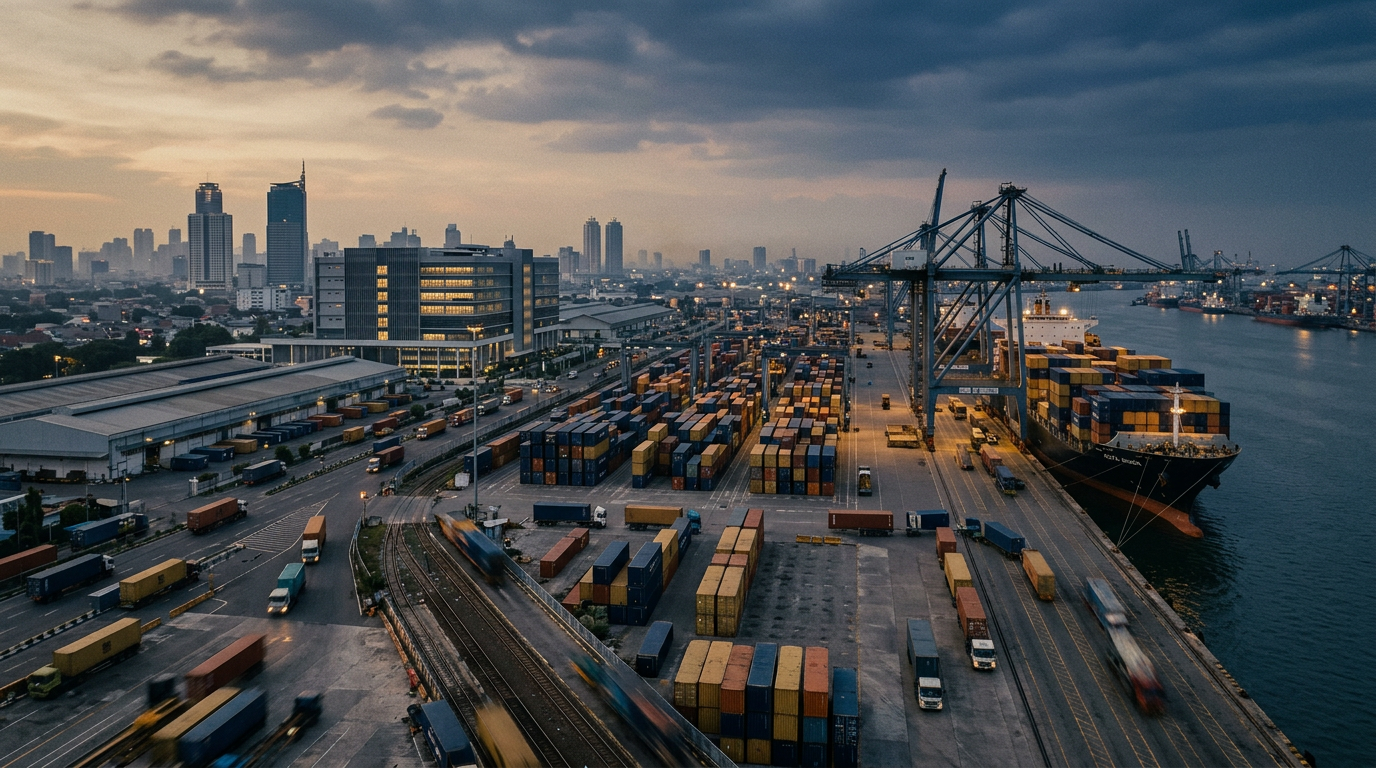 Indonesia
 Overhauls Commodity Exports, Balancing Trade and Dependency
Jakarta's single-door export system is a test of institutional capacity, aiming to manage trade flows more effectively, especially with its largest partner, China.
 Indonesia
's AI Ambition Meets the Infrastructure Test
Foreign direct investment in data centers is flowing into Indonesia, drawn by the promise of a massive digital market. But turning these announcements into operational assets depends on the slower, harder work of securing land, power, and talent.
 Indonesia
's "Single-Door" Export System and the Question of Optionality
Indonesia plans to fully implement a centralized export mechanism for key natural resources by December. This move is a clear example of an ASEAN state managing its deep trade relationship with China while seeking to maintain strategic and economic optionality, a central theme.
 Indonesia
 Sees Resilient Exports Amid Oil Price Surge
Indonesia's Trade Minister projects export growth will continue despite rising global crude oil prices, a resilience that reflects the country's deep and structural trade relationship with China.
 Indonesia
, ASEAN Power Grid, and the Cost of Friction
Indonesia is not yet ready to connect to the ASEAN Power Grid. This hesitation is not just about electricity, but about the long-term institutional commitments that underpin regional infrastructure projects. A sober look at the costs and benefits is warranted for all parties.
 Indonesia
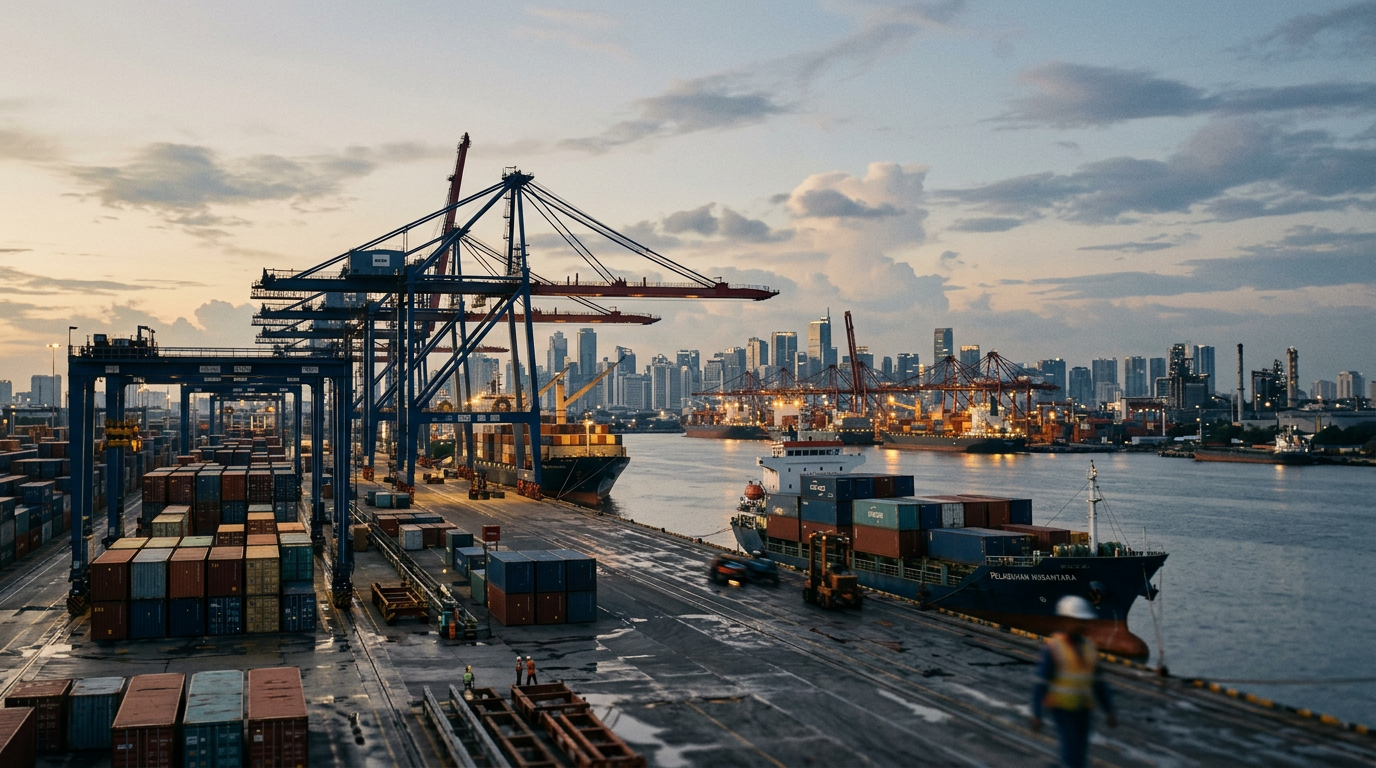
Coordinating Capital: The Data Center Boom in Indonesia
Singapore-based BDx's new 640 MW AI data center in Indonesia is a significant step, but its success will depend on more than just capital. It requires a complex interplay of infrastructure, regulatory alignment, and talent development, echoing the growth models of established.
 Indonesia
's Commodity Centralization and the China Question
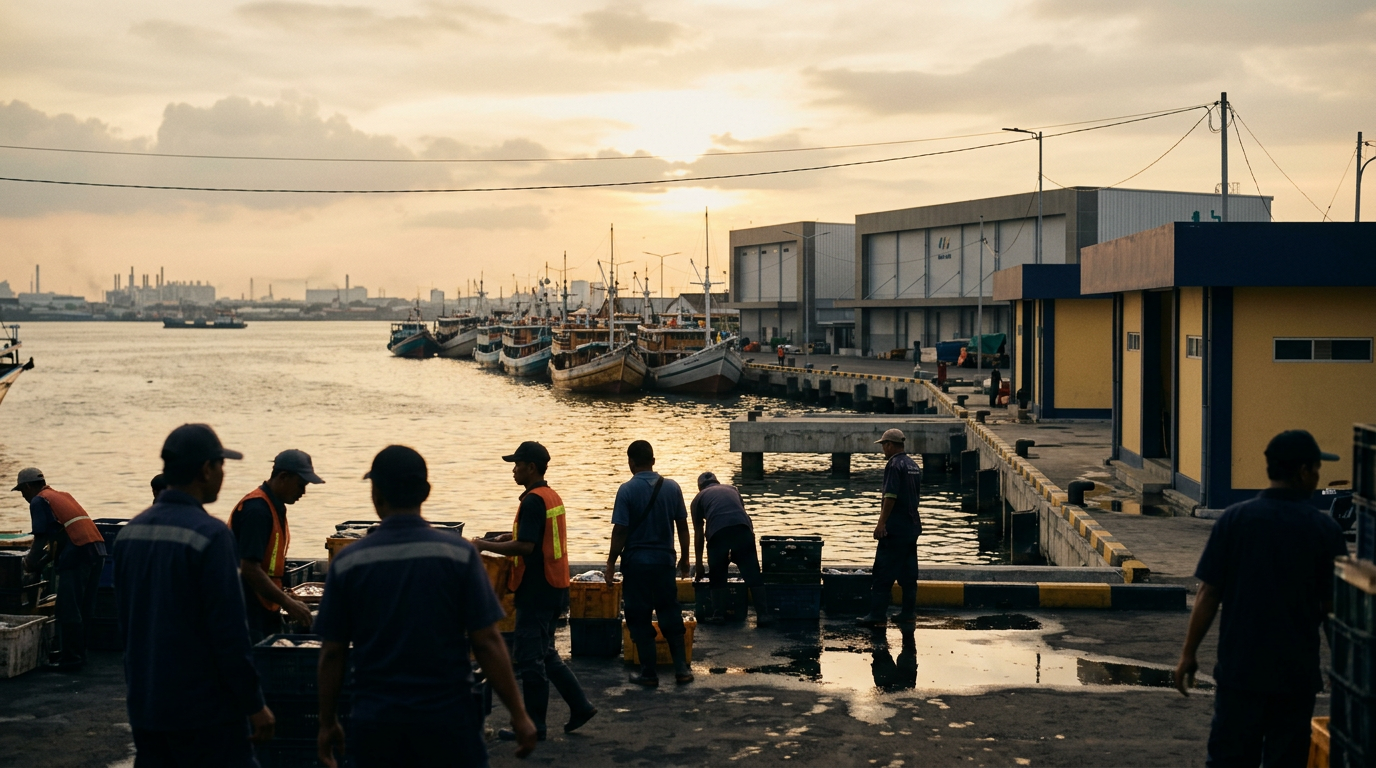
Prabowo Subianto's plan to centralize strategic commodity exports is a move to manage dependency. While it could improve state revenue and oversight, it poses risks to institutional capacity and execution, particularly in how it shapes the trade relationship with China.
 Indonesia
, Japan, and the Value of Usable Infrastructure
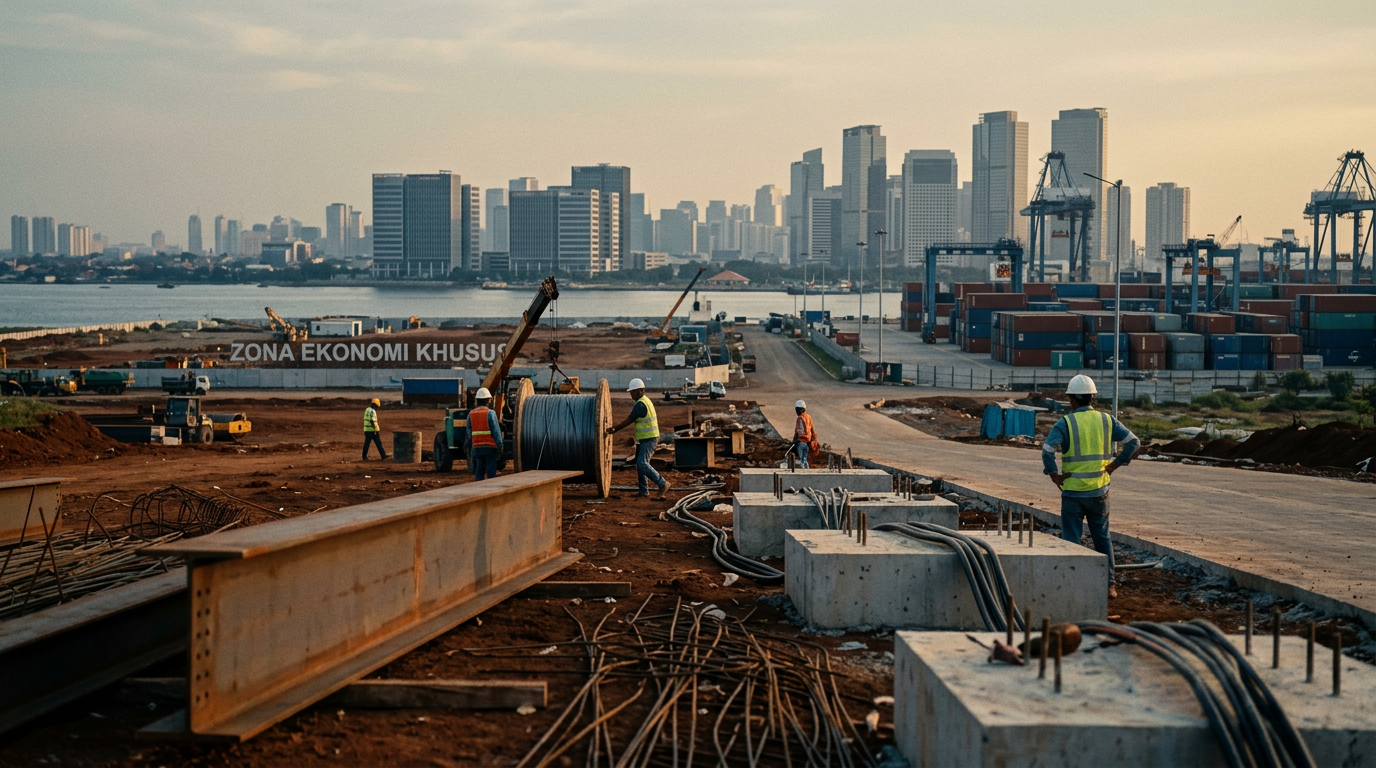
Japan's ODA-funded upgrades to Indonesian fishing ports are a signal of institutional capacity, not just a plan for new infrastructure.
 Indonesia
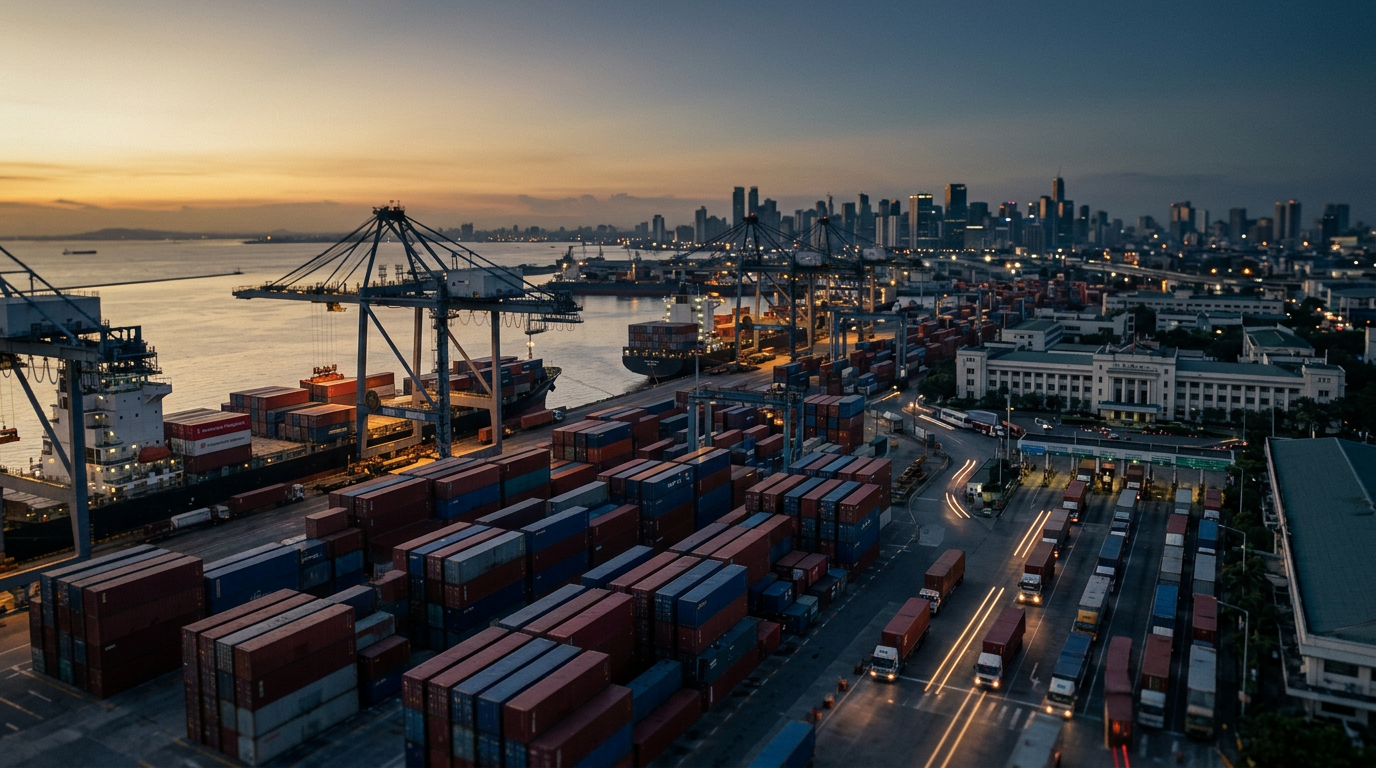
Announcements are not arrivals: Translating FDI interest into realised investment in Indonesia
FDI announcements travel quickly. Realised flows depend on the slower work of land, permits, power and talent reaching the ground.
 Philippines
The Coca-Cola Supply Chain as a Regional Bellwether
Coca-Cola's recent decision to import finished products from Indonesia to the Philippines is more than a stopgap measure. It is a revealing indicator of where institutional friction adds cost to Philippine consumers and businesses.
 Indonesia
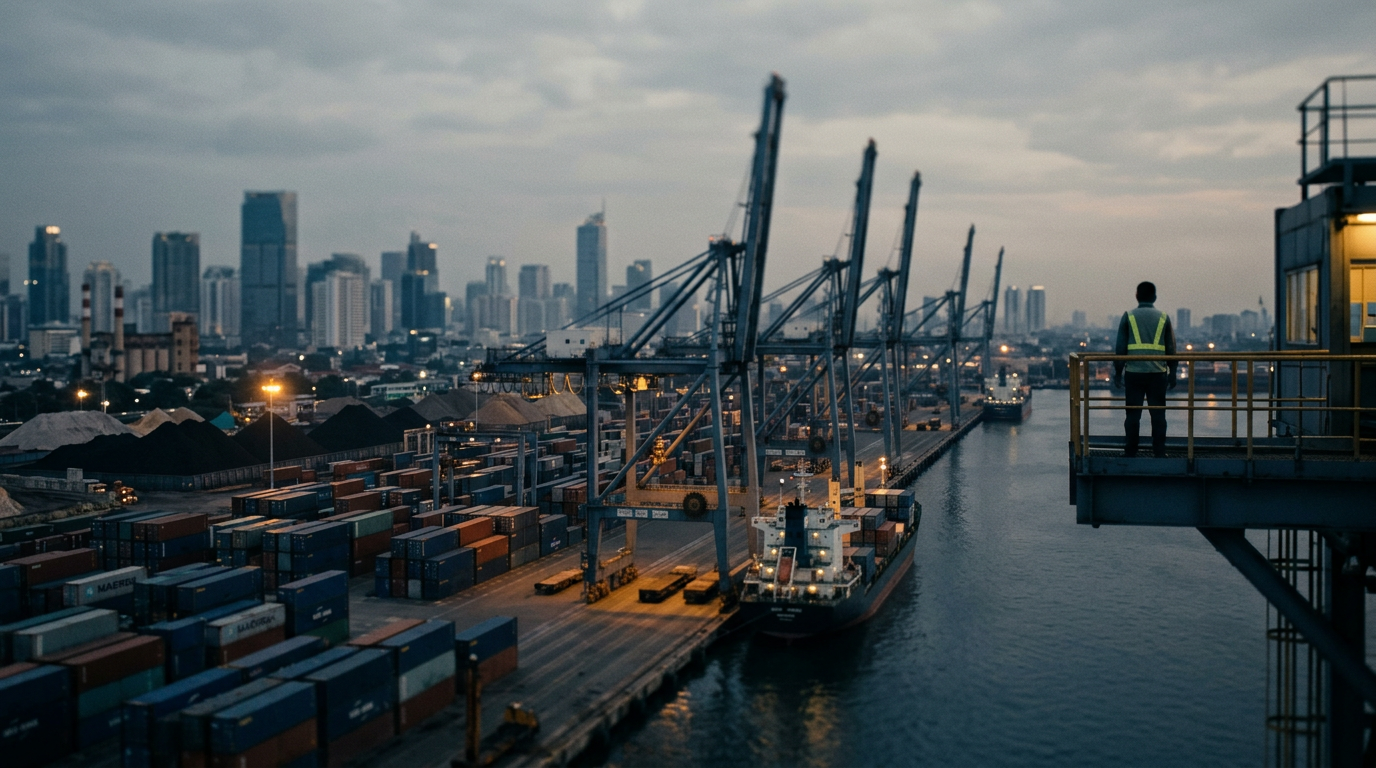
's Deindustrialization Risk in a China-Centric ASEAN
An economist warns that Indonesia faces a risk of deindustrialization due to manufacturing stagnation. This reflects a structural dependency on commodity exports and a failure to capture higher value-add in regional supply chains.
 Indonesia
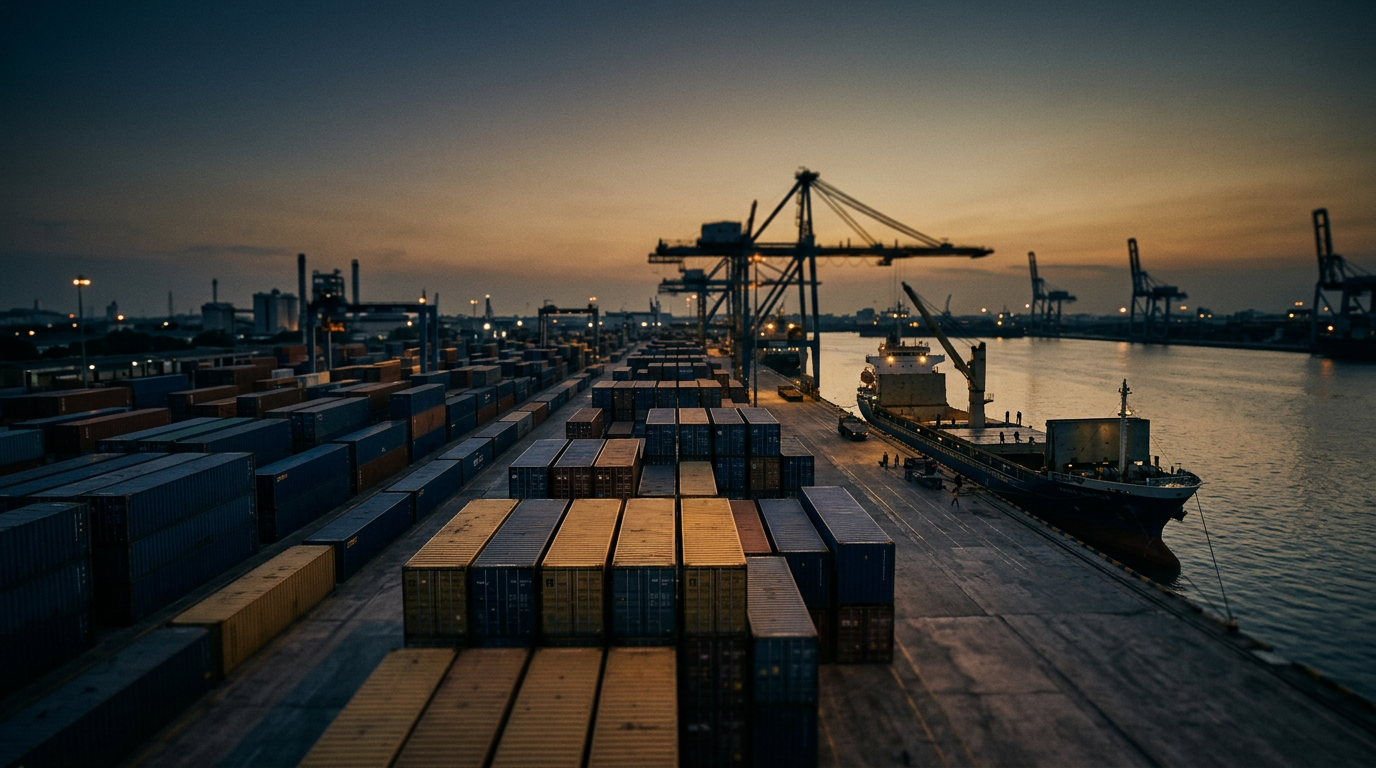
's Commodity Exchange and the Question of Trade Depth
Indonesia has ambitions to become a price-setter, not just a price-taker. Success depends on building credible benchmarks and getting producers and traders on board.
 Singapore
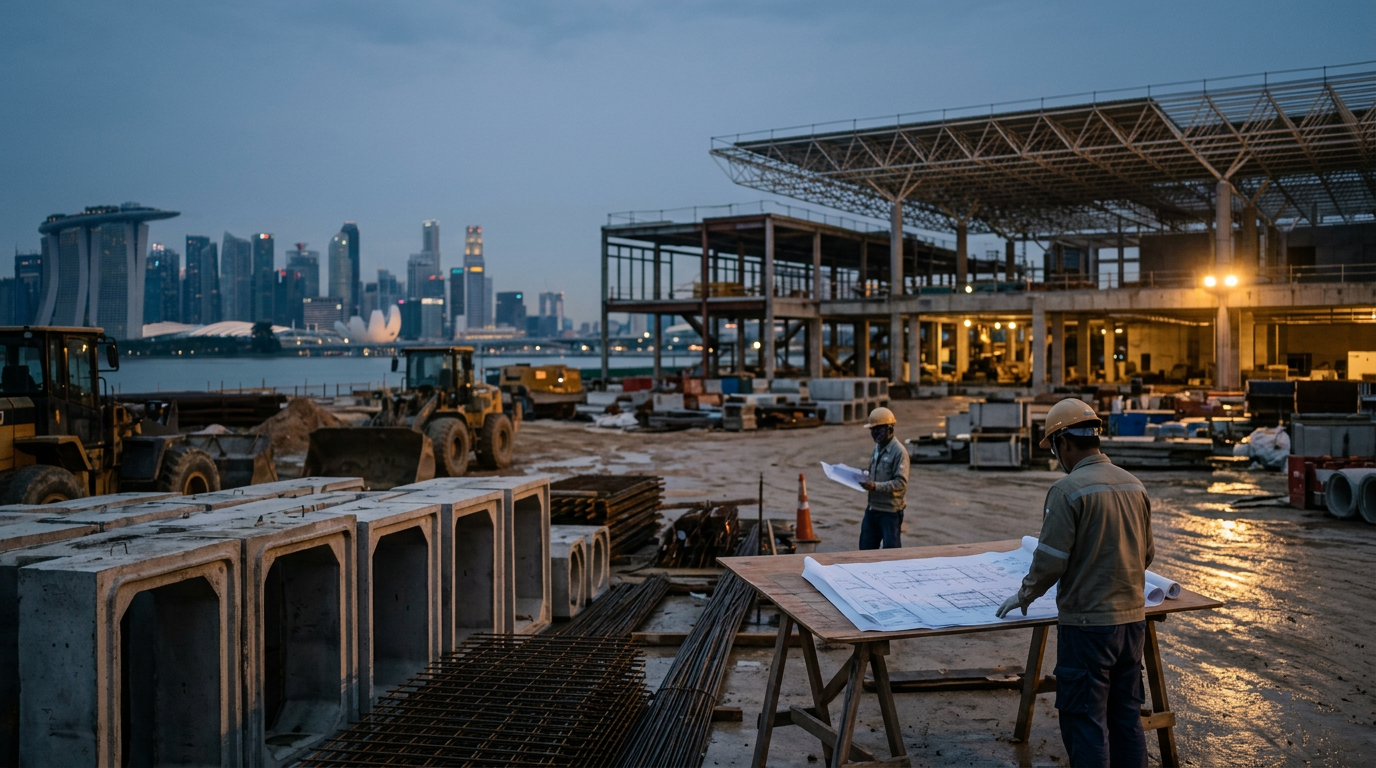
The Hard Work of Airport Investment
Foreign direct investment announcements travel quickly. Realised flows depend on the slower work of land, permits, power, and talent.
 Indonesia
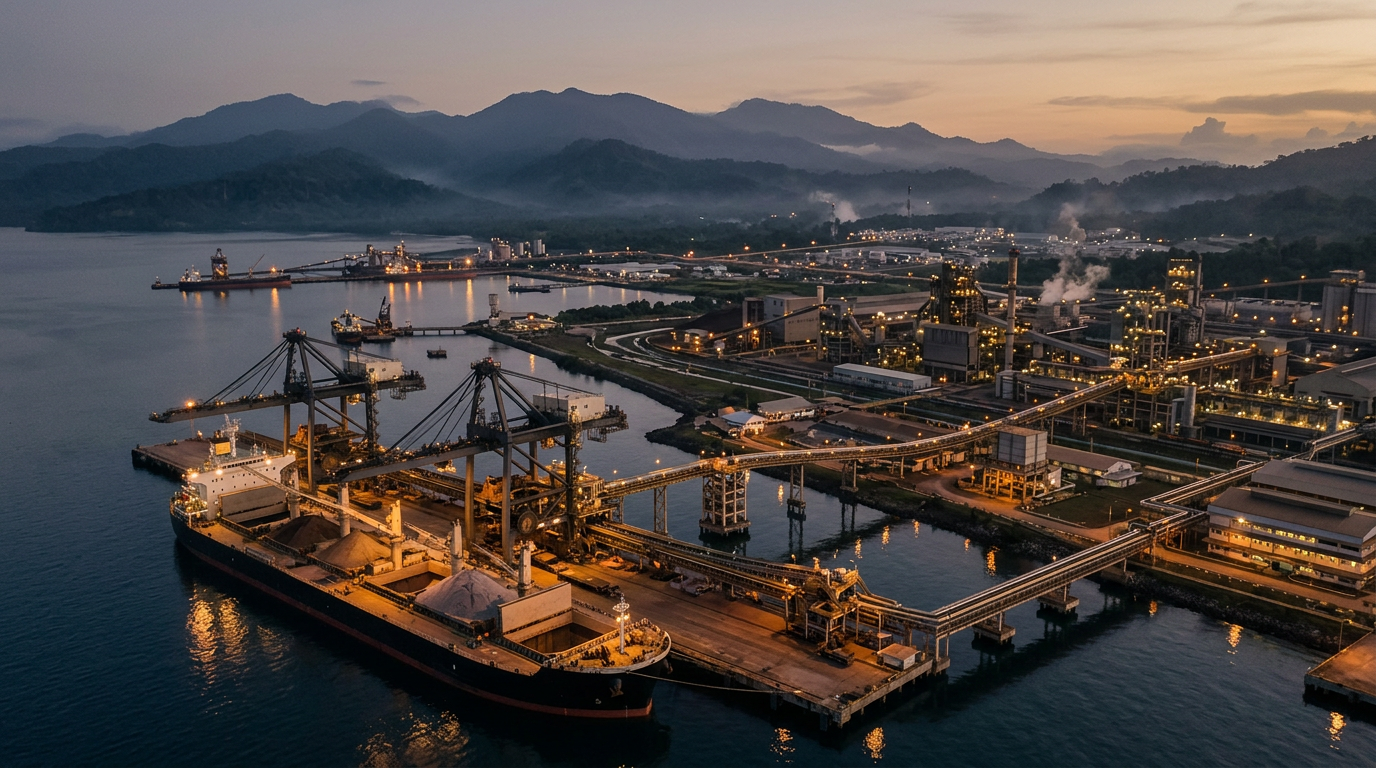
, China, and the New Politics of Nickel
Indonesia is leveraging its nickel reserves to build domestic value, a strategy that deeply involves Chinese capital and technology, testing its ability to manage dependency while maximizing national gains.
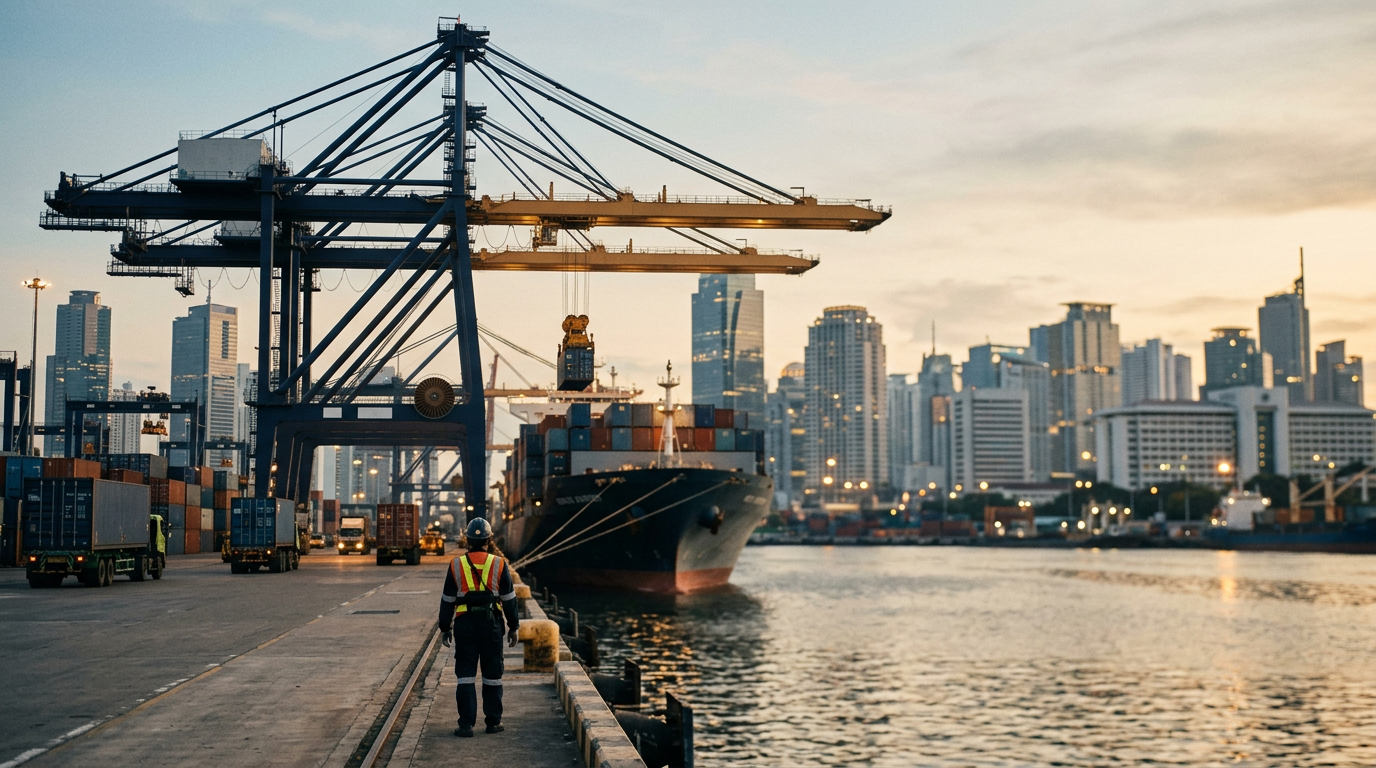 Indonesia
 and the FDI Litmus Test
Foreign investment pledges are one thing; realised investment is another. For Indonesia, turning headline FDI wins into real capital flows depends on the hard work of institutional reform.
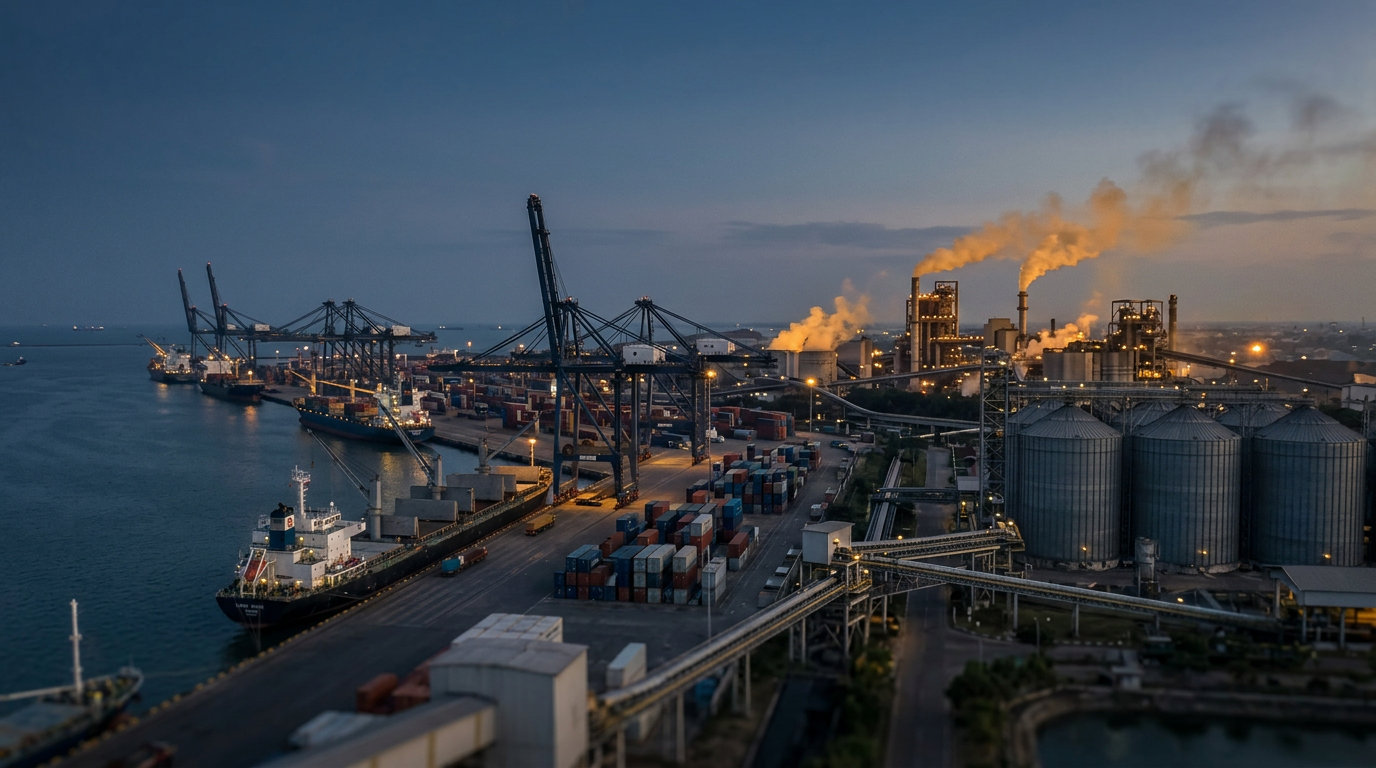 Indonesia
's Commodity Strategy and the China Question
Indonesia wants to set its own prices for key commodities. This tests its ability to manage dependency on China while building its own institutions.
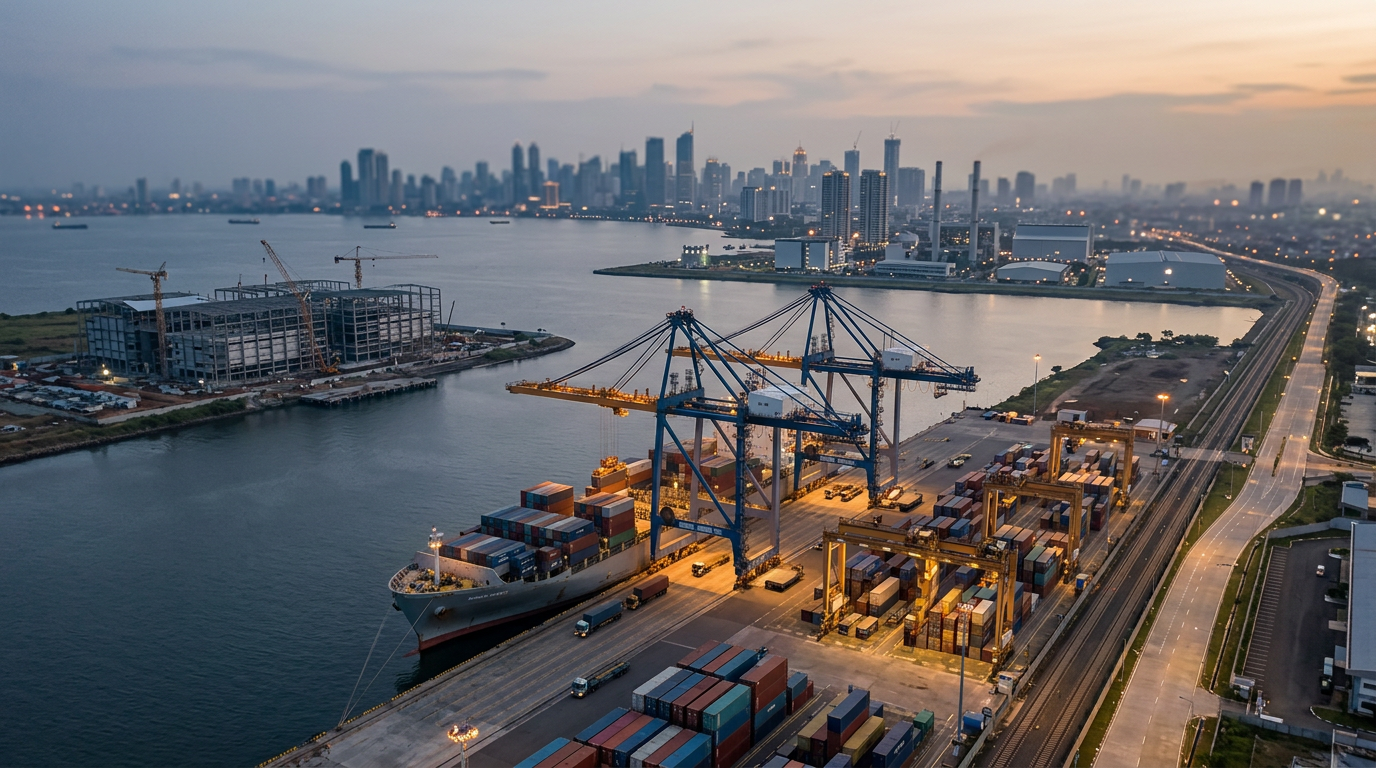 Indonesia
From FDI Pledges to Realised Projects in Indonesia
Indonesia has secured high-profile FDI commitments for industrial development and energy transition. The slow work of turning these announcements into productive assets depends on institutional capacity to deliver land, permits, power, and talent.
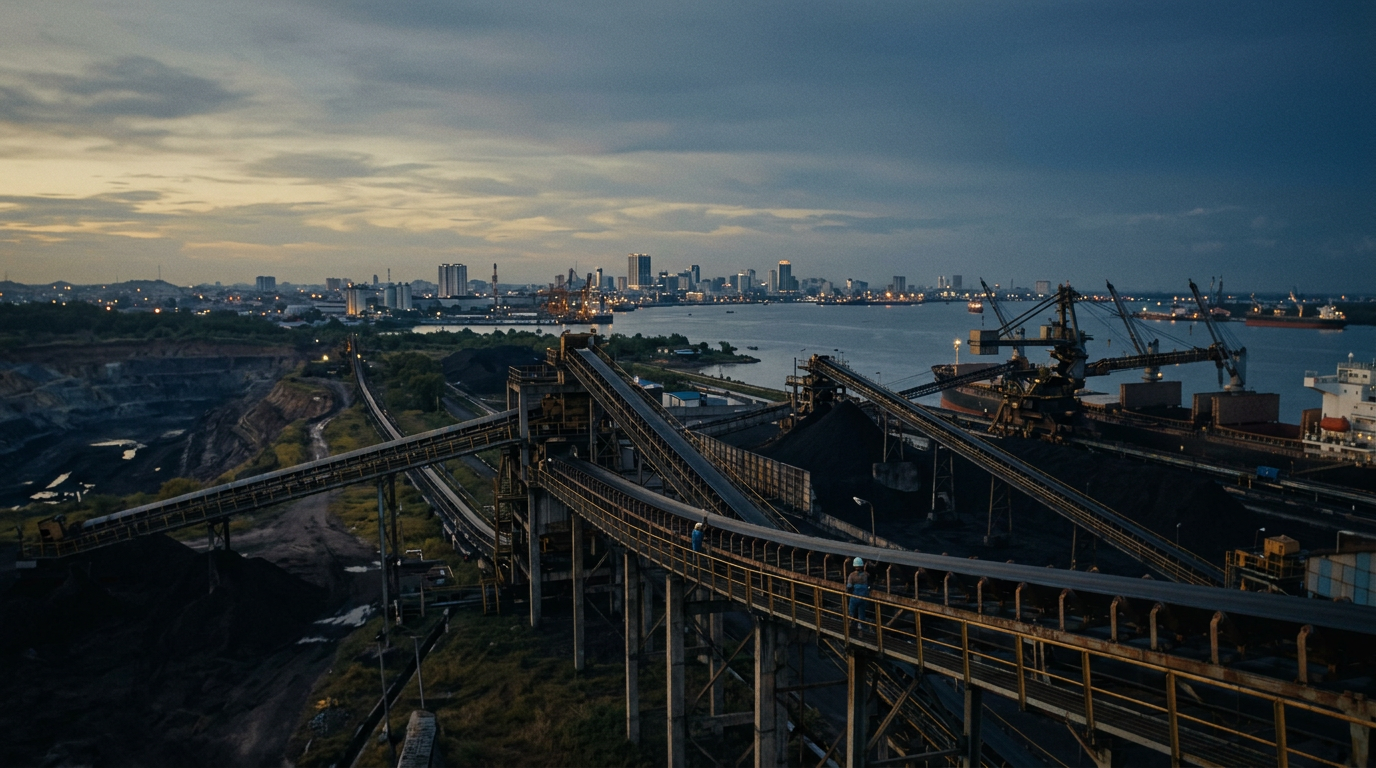 Indonesia
's Coal Sector at a Crossroads
A potential change in ownership at a major Indonesian coal producer highlights the institutional and infrastructure challenges that will shape the country's economic future.
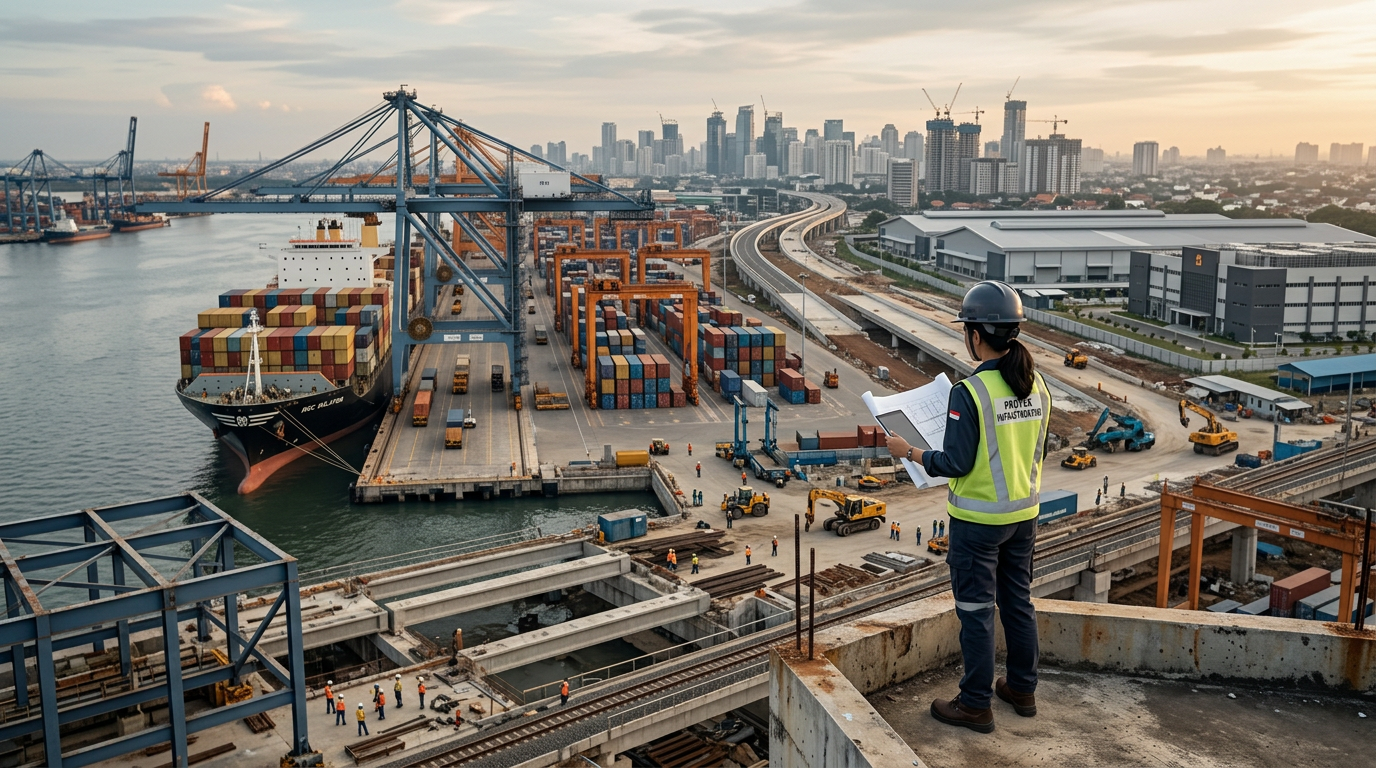 Indonesia
The Hard Work of Turning FDI Pledges into Reality
Foreign direct investment announcements are easy. The real test is the slower work of building the infrastructure and institutions needed to absorb that capital.
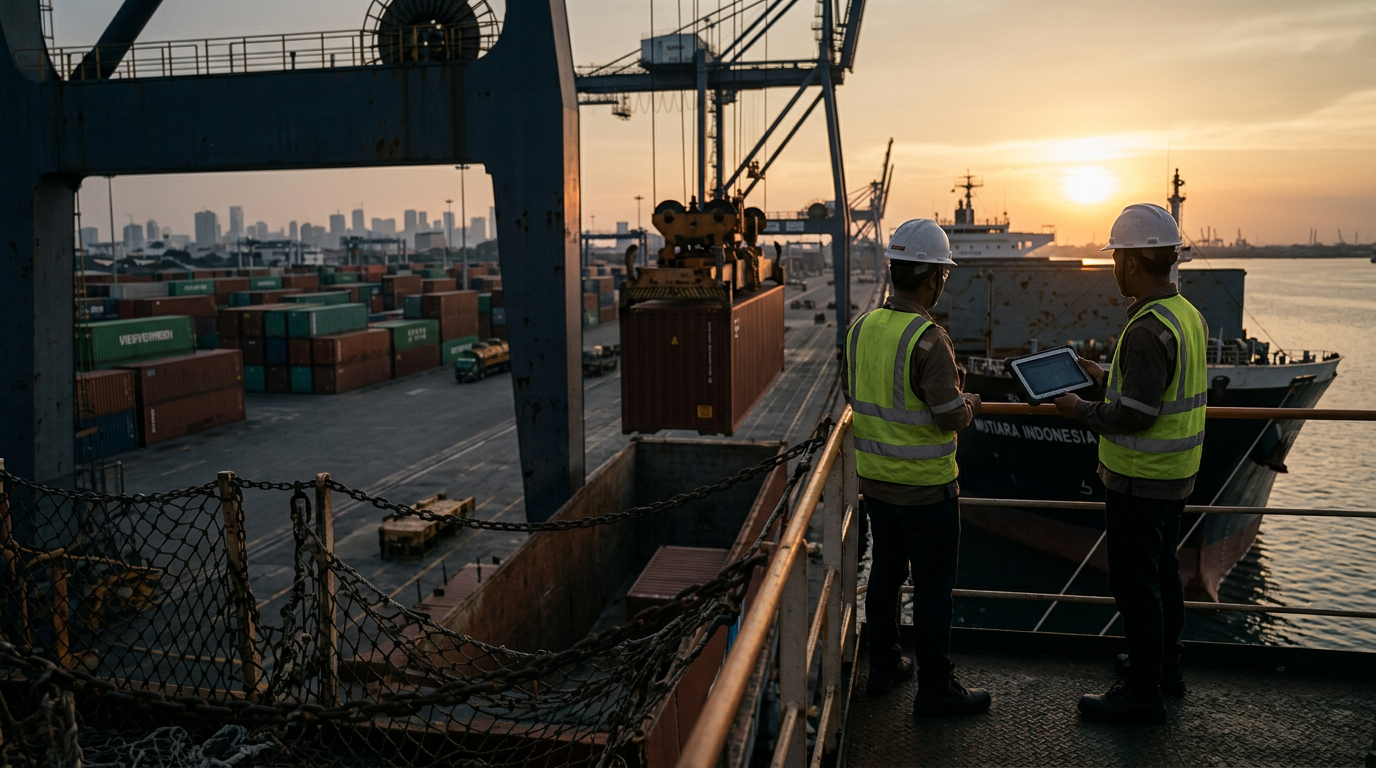 Indonesia
's Danantara: A Test of Institutional Capacity
The launch of PT Danantara Sumber Daya Indonesia (DSI) to track commodity exports is a case study in institution-building. Its success will depend on a clear mandate and the capacity to execute.
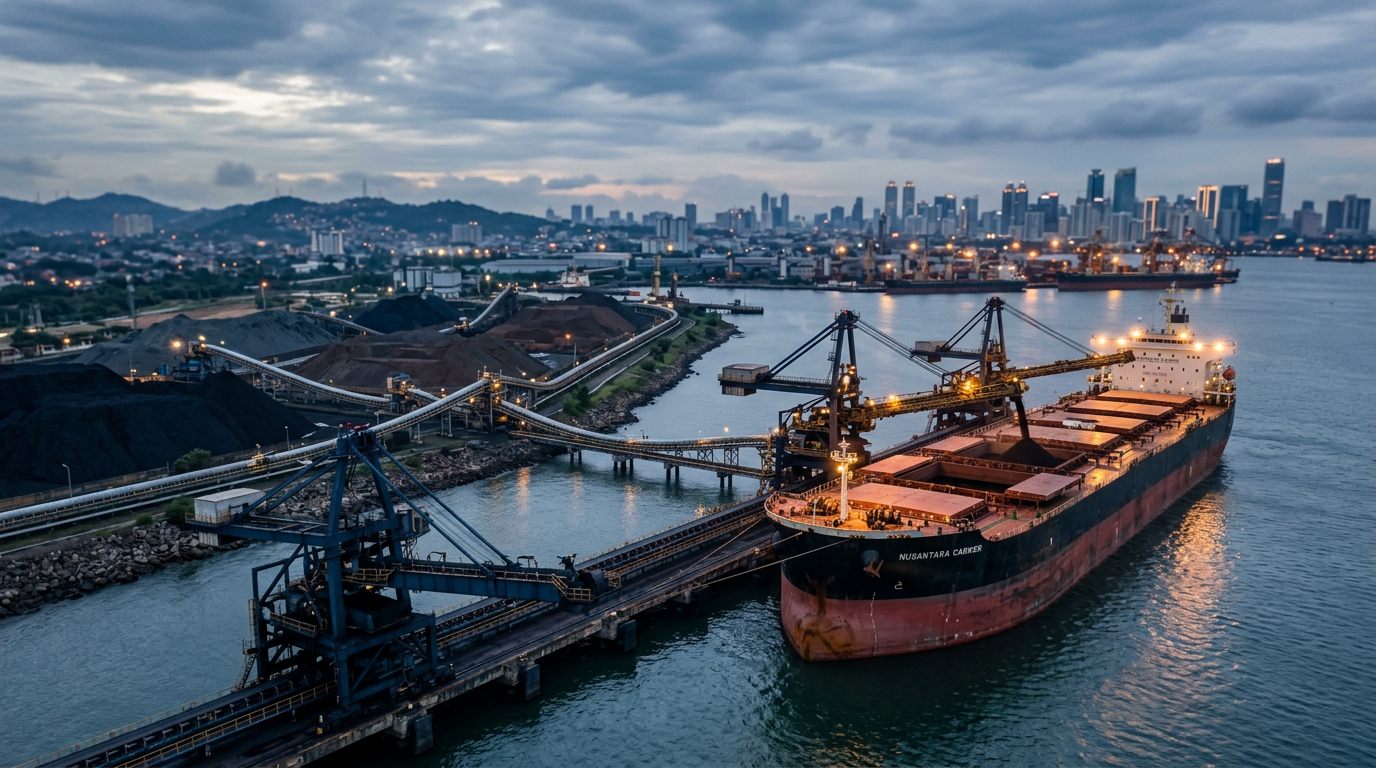 Indonesia
, Commodities, and the Question of Optionality
Indonesia is working to increase its commodity market credibility. This move reflects a broader ASEAN trend: managing economic dependency, particularly on China, without sacrificing strategic choice.
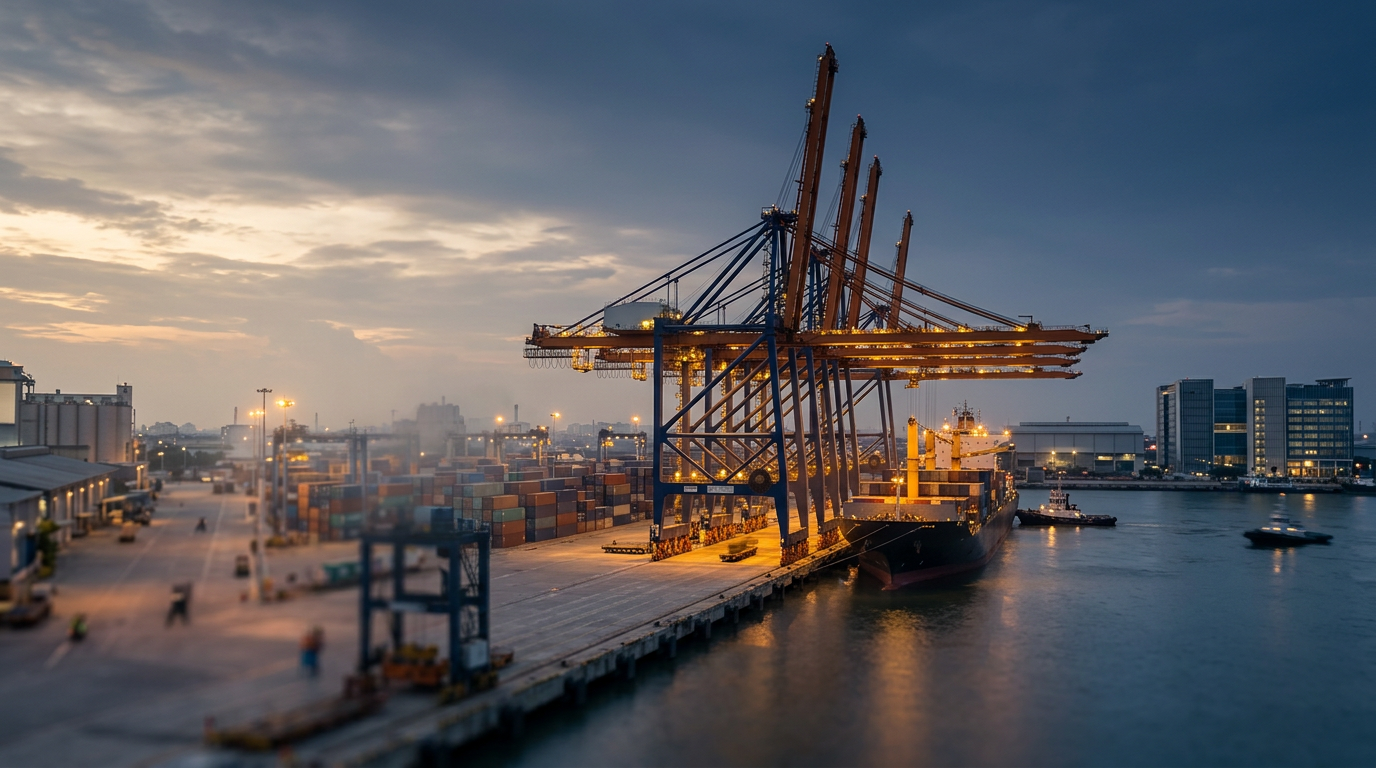 Indonesia
, Mercosur, and the Challenge of Turning Diplomatic Interest into FDI
Diplomatic overtures to Mercosur are logical for Indonesia, but turning broad market access discussions into tangible foreign direct investment requires a persistent focus on institutional execution.
 Indonesia
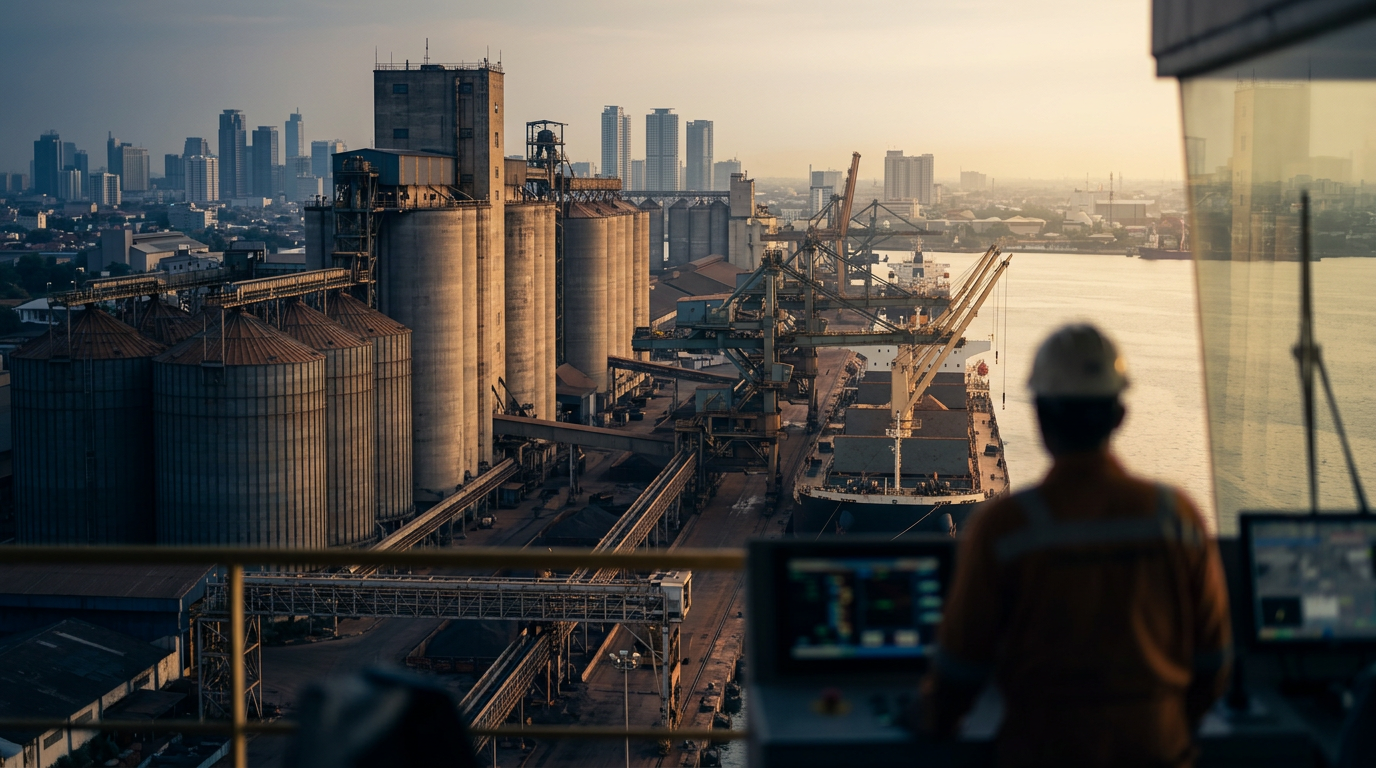
's Commodity Exchange and the Search for Price Control
Indonesia plans a new national commodity exchange to gain more control over the pricing of its key exports like palm oil and nickel, a move that reflects a broader ASEAN trend of managing dependency in global trade.
 Indonesia
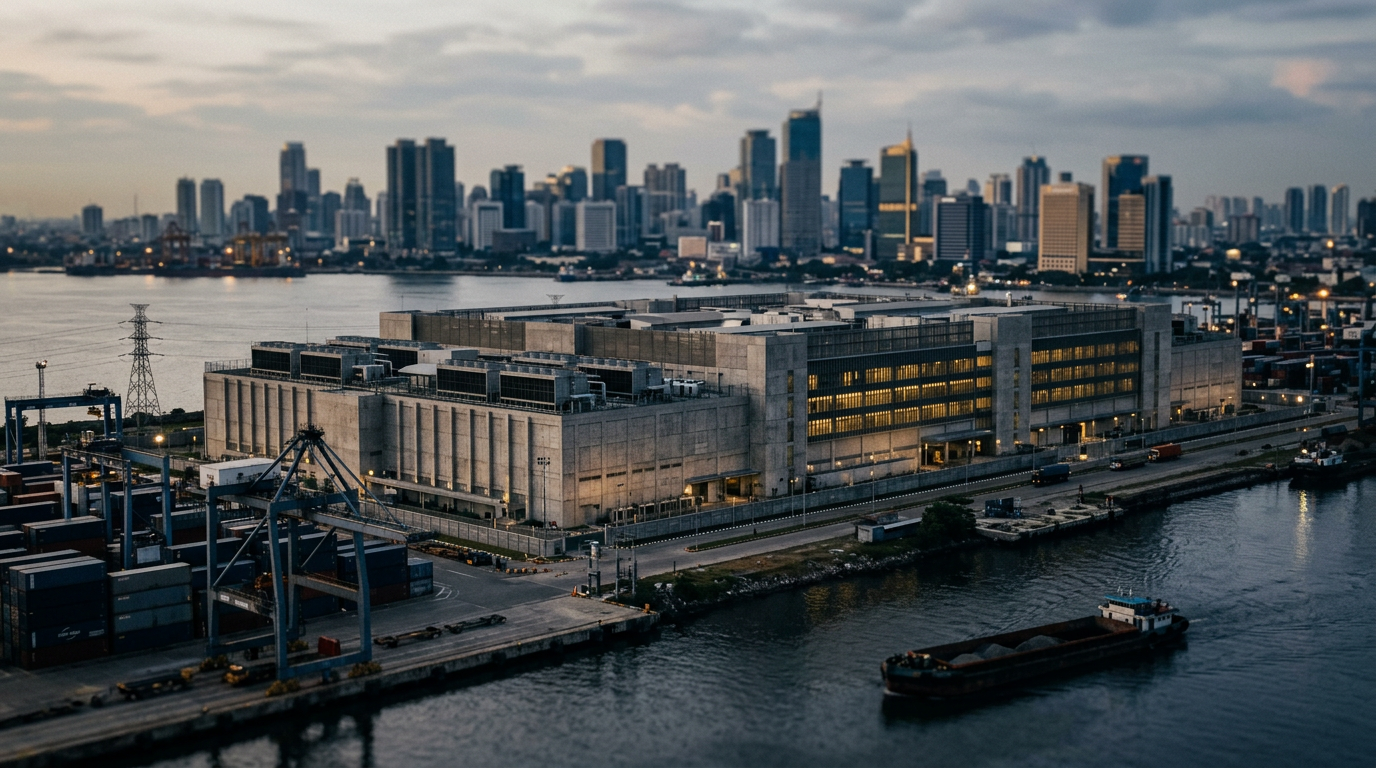
Aligning Data Centre Investment with Indonesia's Economic Goals
Indonesia has attracted significant foreign investment in data centres, but realising these long-term projects requires strong institutions and a consistent regulatory framework.
 Indonesia
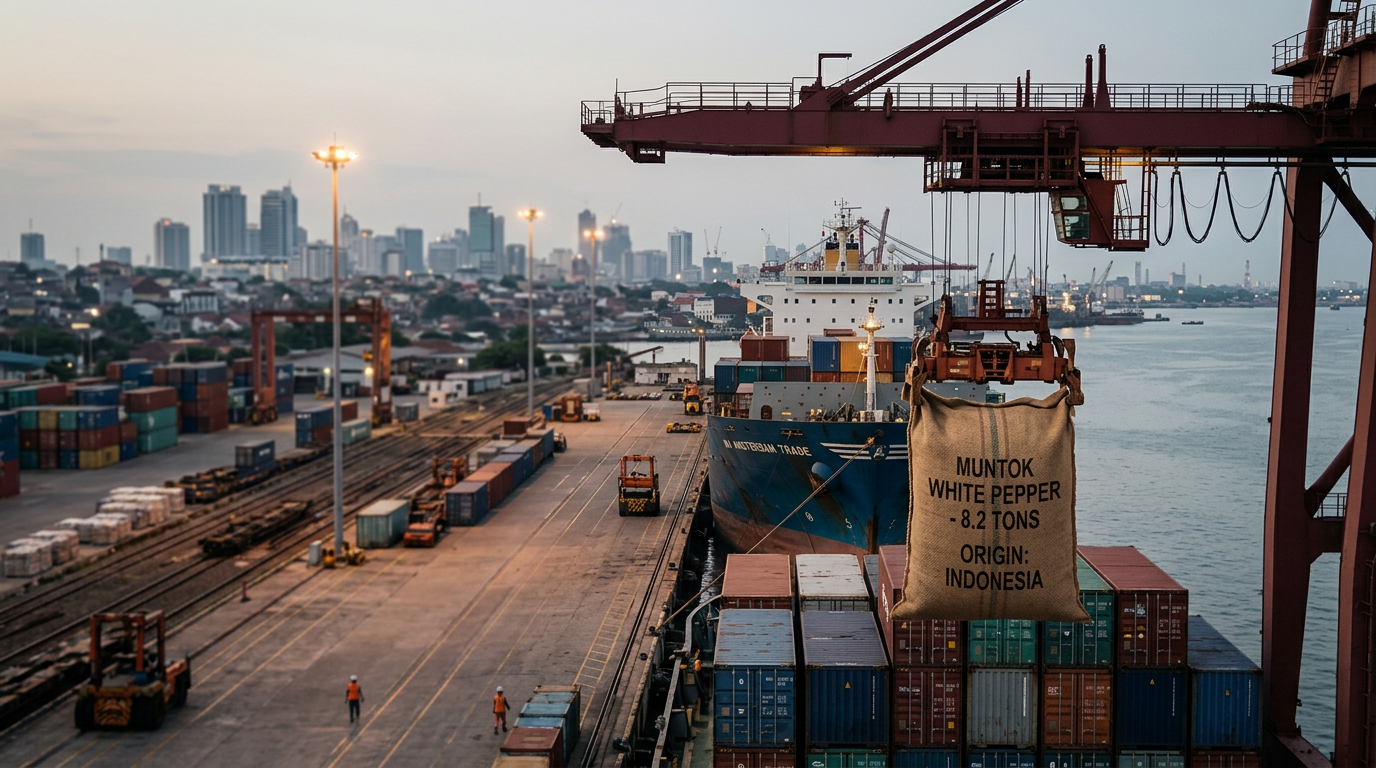
, Muntok White Pepper, and the Global Market
An 8.2 ton shipment of Muntok white pepper from Indonesia to the Netherlands shows how ASEAN producers are navigating global trade, balancing established European markets with the structural pull from China.
 Indonesia
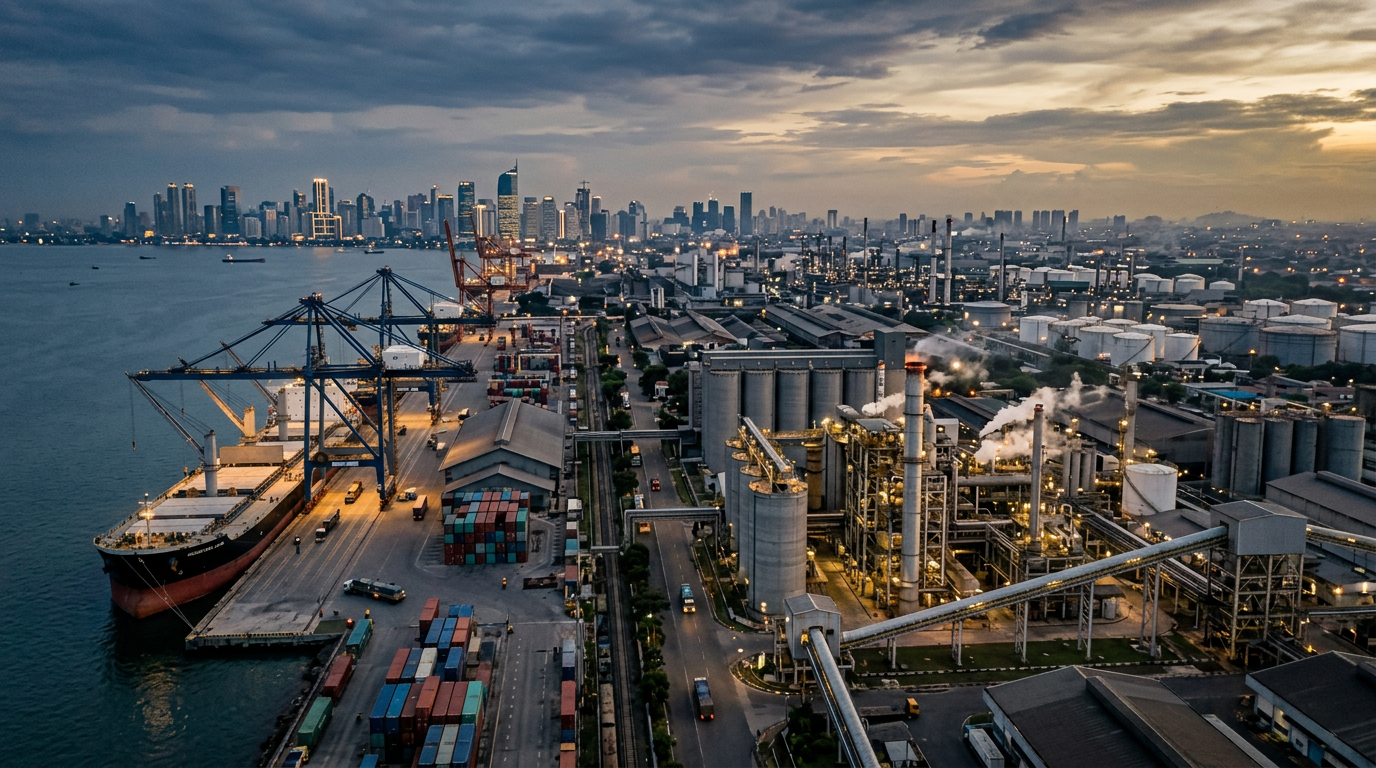
 Rethinks Commodity Strategy
Indonesia is re-evaluating its commodity export strategy, a move that highlights a core ASEAN dilemma: how to manage economic dependency on China while building downstream industries.
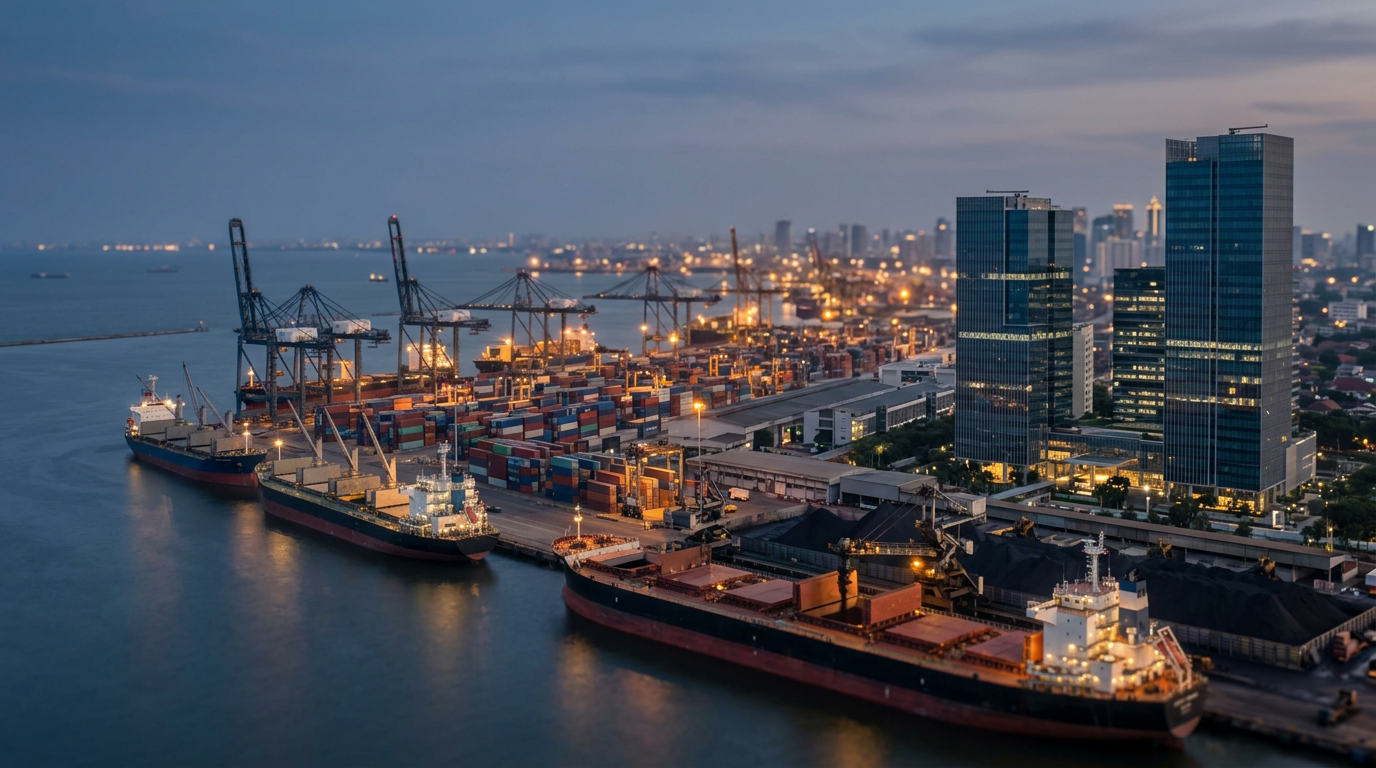 Indonesia
's Commodity Exchange: A Test of Institutional Capacity
Indonesia plans to launch its Strategic Mineral and Commodities Exchange in early 2027. This move is a direct attempt to gain more control over the pricing and export of its strategic minerals, particularly nickel, a key component in electric vehicle batteries. The initiative.
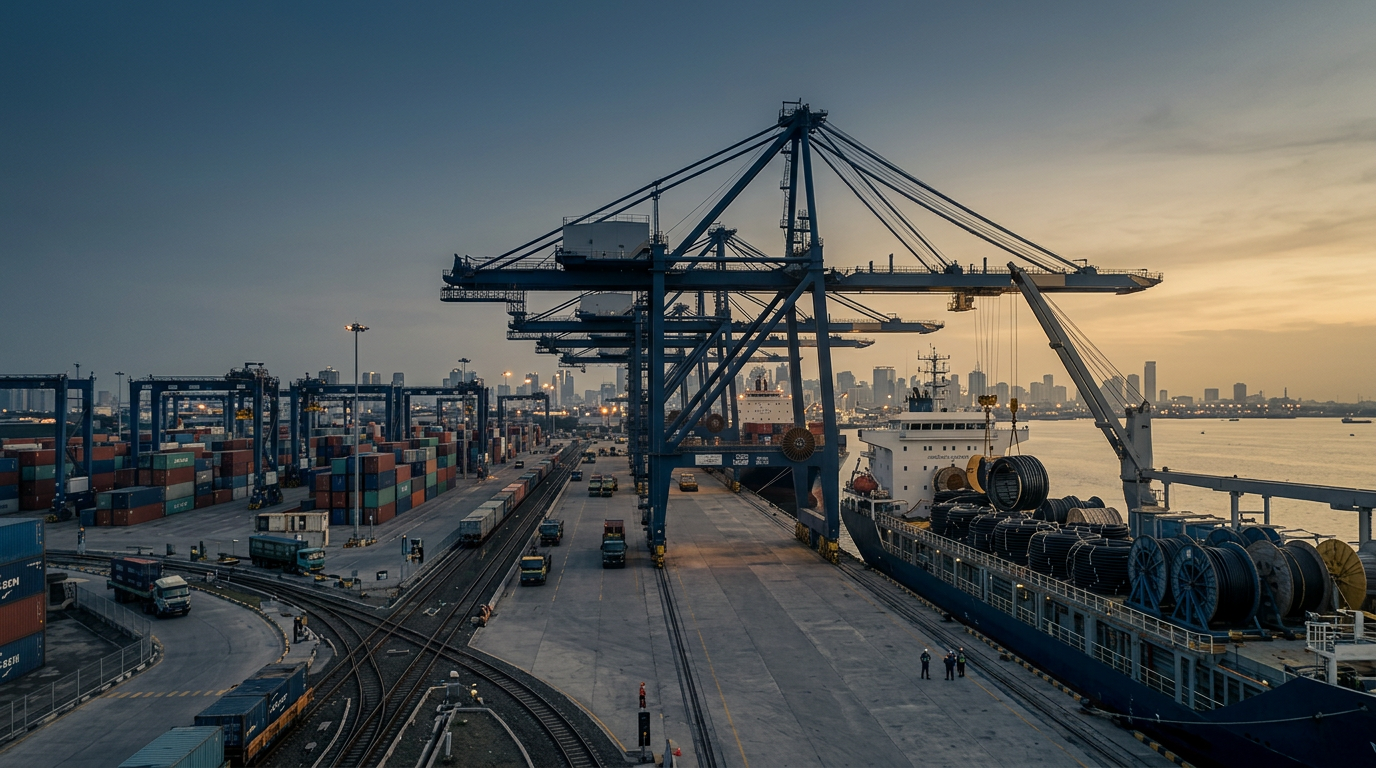 Indonesia
Telkom Indonesia's InfraCo Spin-Off Tests State Capacity
Telkom Indonesia has spun off its network infrastructure assets into a new $4.8 billion entity. This move tests Indonesia's state capacity to execute complex transactions and deliver reliable digital infrastructure, a key theme in the book "ASEAN Rising".
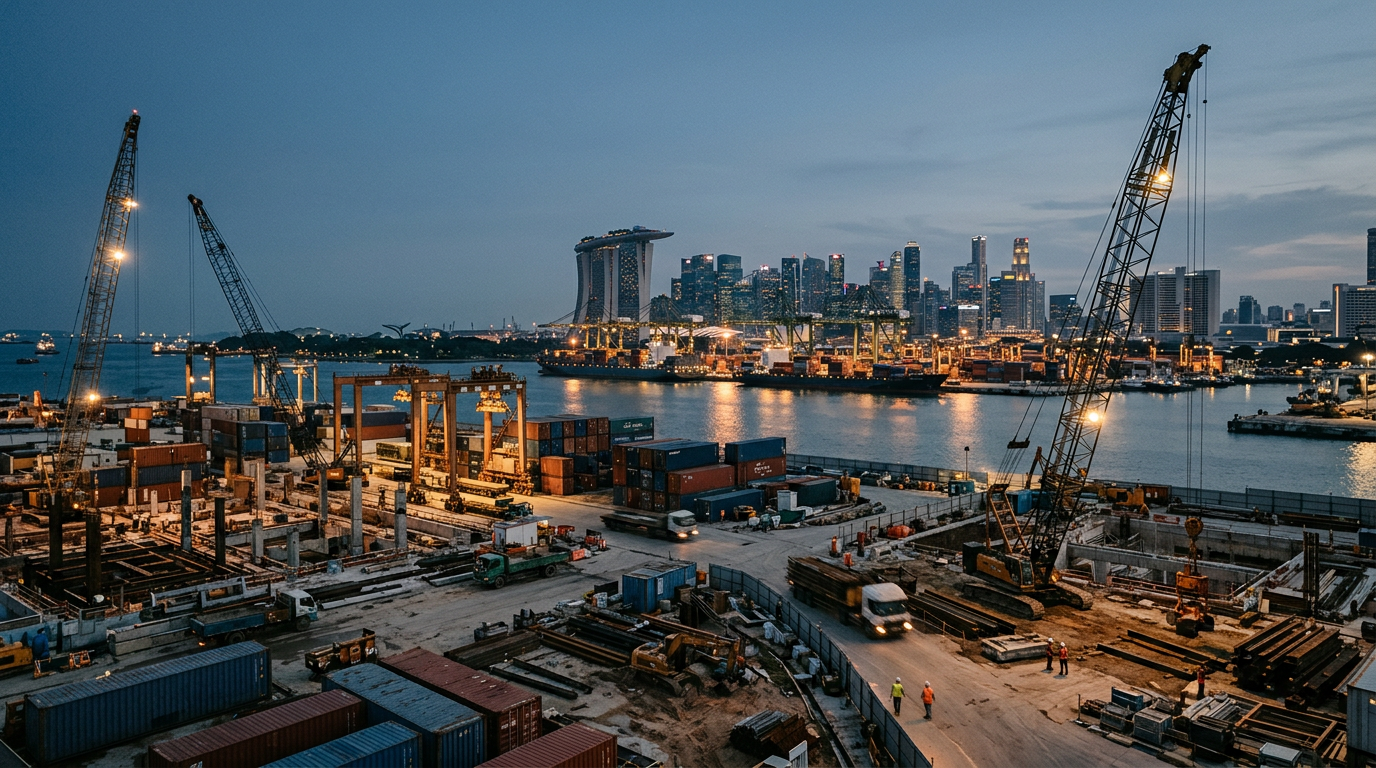 Singapore
The Hard Work of Matching Capital to Opportunity
FDI announcements travel quickly. Realised flows depend on the slower work of land, permits, power and talent reaching the ground. This holds true for ASEAN nations seeking investment, and for external partners.
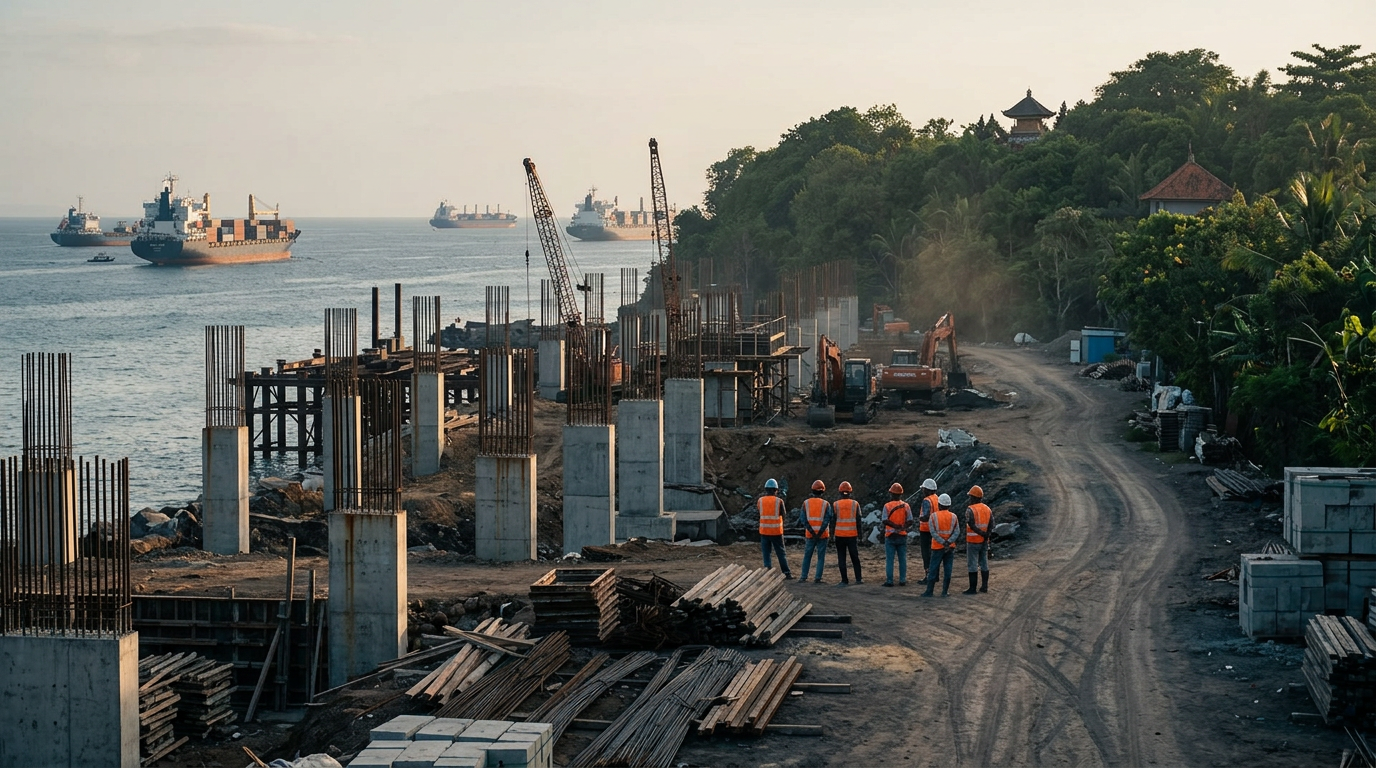 Indonesia
Bali FDI Blockage Highlights Indonesia's Execution Challenge
Bali has blocked foreign investment in 18 business categories, a move that illustrates the persistent gap between announced FDI and realized investment flows in Indonesia.
 Indonesia
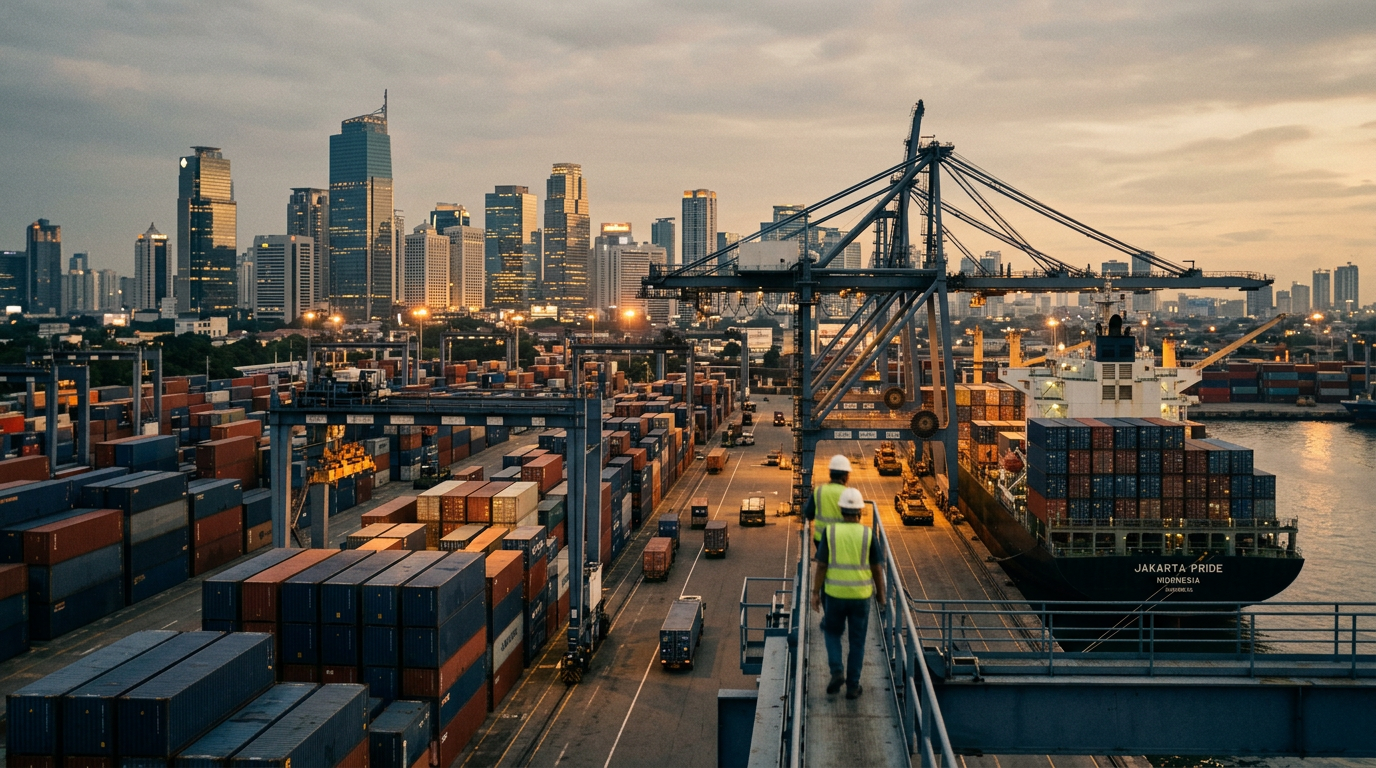
 Looks Beyond China for Trade
Indonesia's export diversification strategy to Central Asia and Africa reflects a broader ASEAN trend: managing economic dependency on China without sacrificing growth. This move is not about decoupling, but about building resilience and maintaining strategic options in a.
 Indonesia
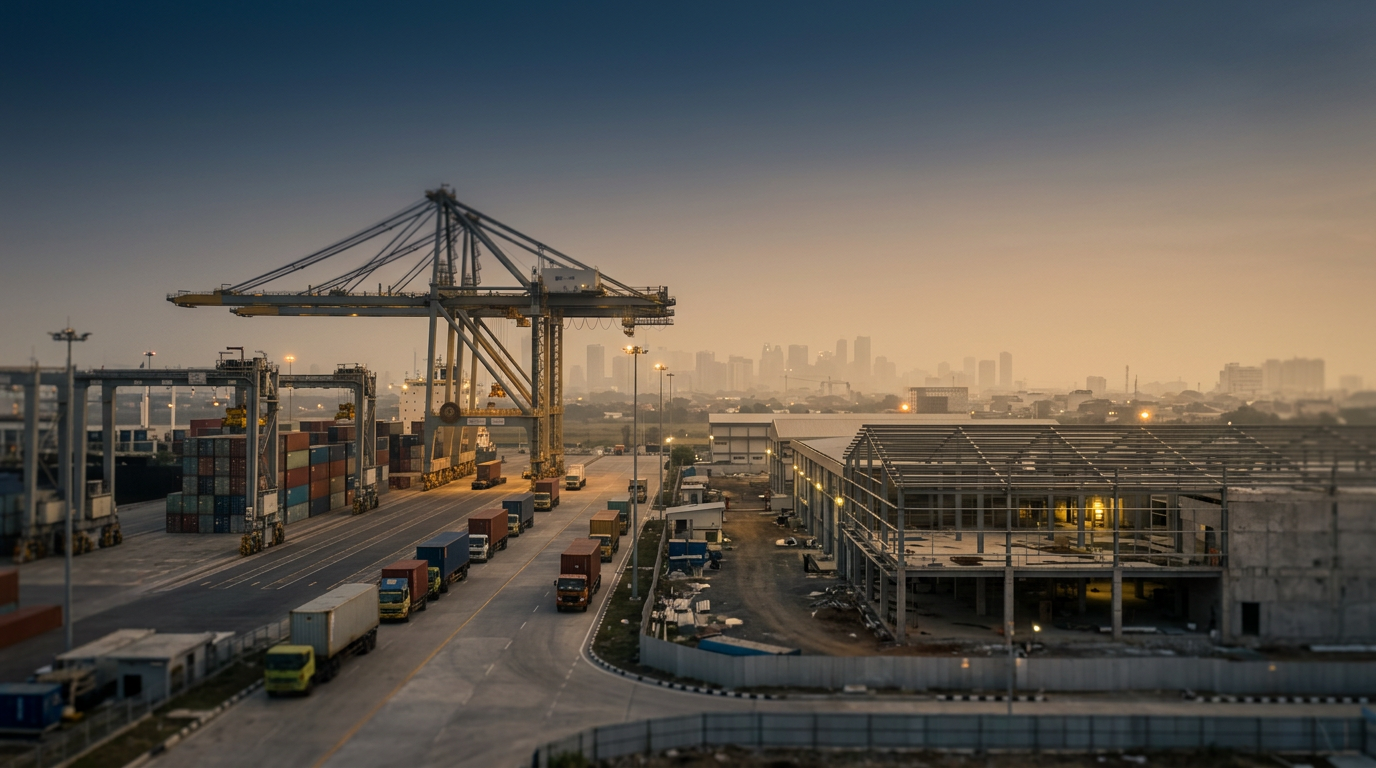
's FDI Boom Meets the Execution Test
Headline FDI growth in Indonesia is strong, but turning announced projects into productive assets depends on the unglamorous work of improving institutions and infrastructure.
 Singapore
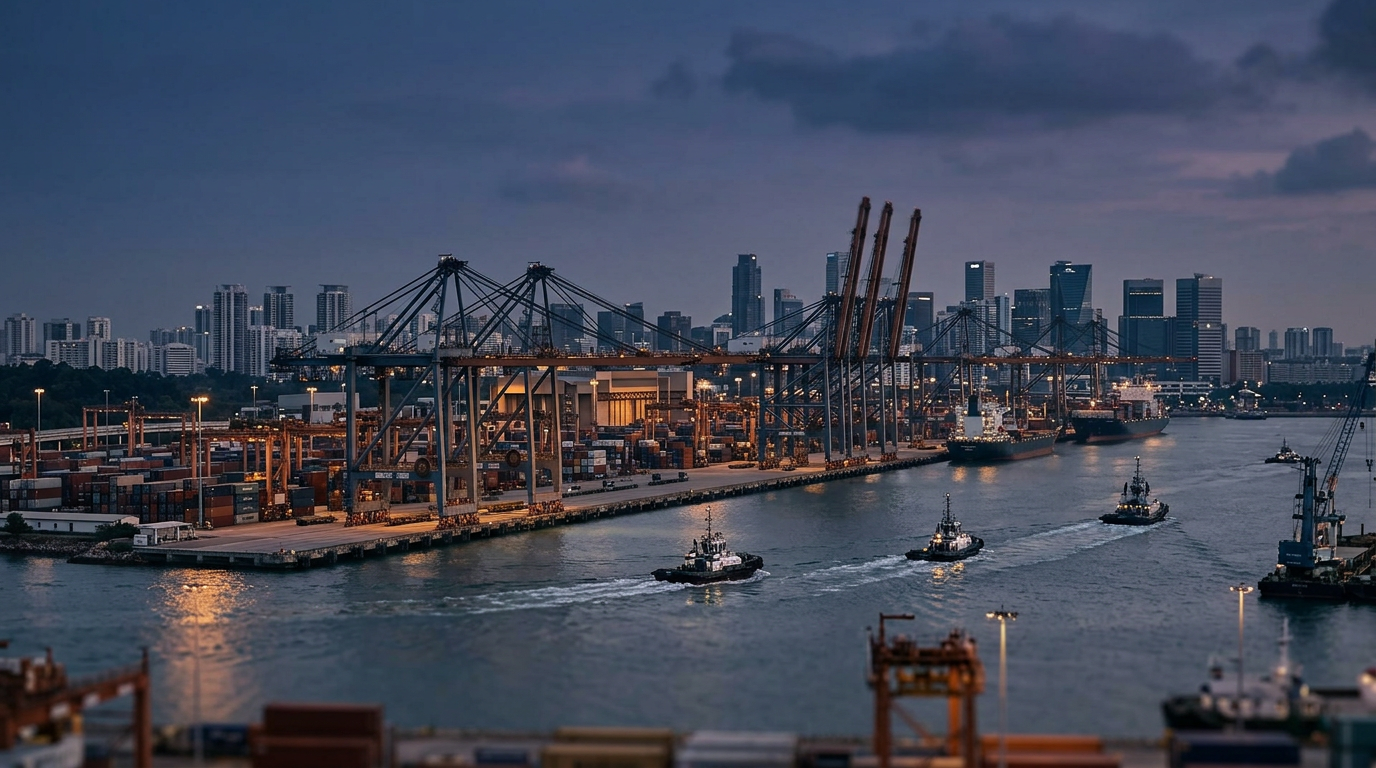
Indonesia's Data Center Push Tests a Core ASEAN Challenge: Coordination
CoreWeave's plan for 360MW of data center capacity in Indonesia is a major test of the country's ability to coordinate capital, infrastructure, and policy to compete in ASEAN's booming digital economy.
 Indonesia
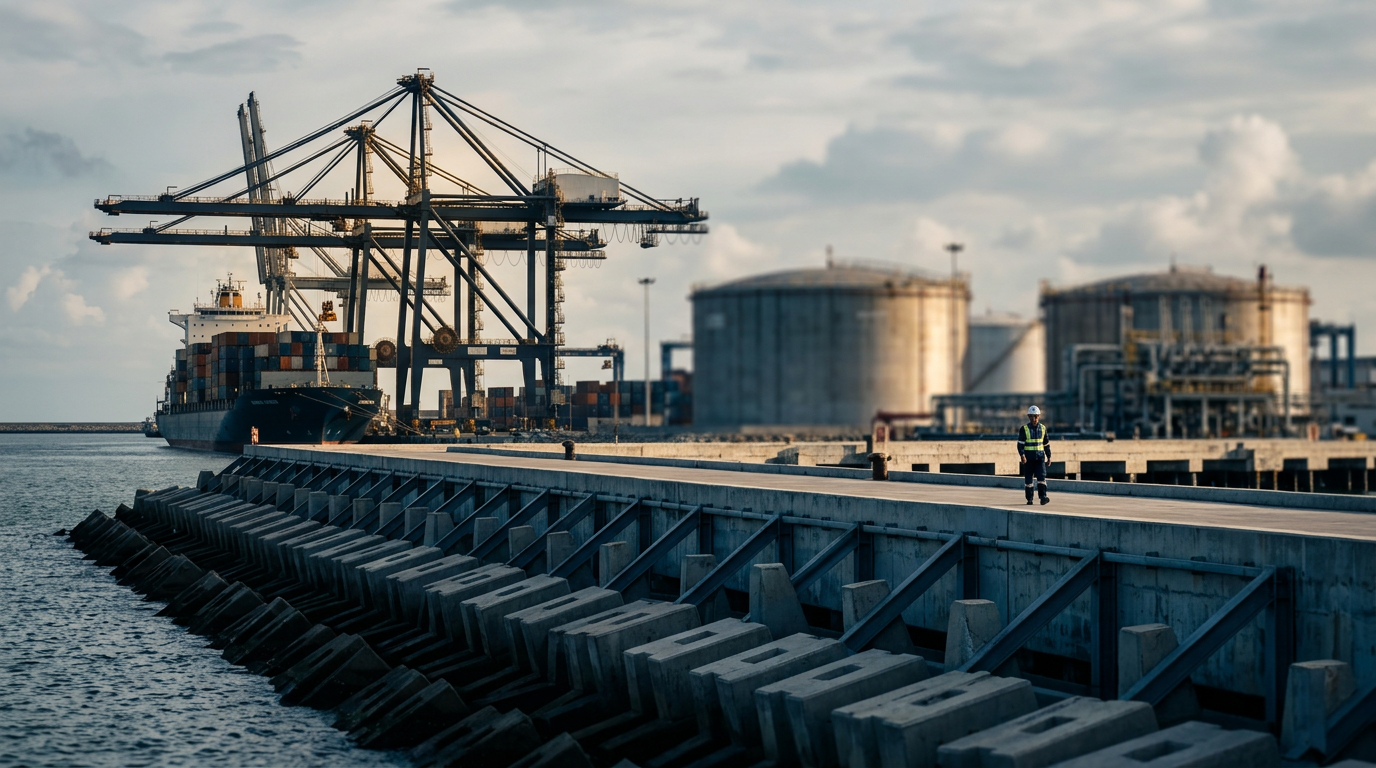
Disaster Readiness and Investor Confidence in Indonesia
A recent ASEAN meeting on disaster management in Bandung is more than a headline. It's a signal about Indonesia's institutional capacity, a factor that directly impacts its ability to convert announced foreign investment into tangible assets.