Indonesia
's Commodity Single Door: A Step Toward Managed Dependency?
Indonesia is centralizing its commodity export system. This move is a practical example of an ASEAN state managing its deep trade relationship with China.
Indonesia is moving to centralize its commodity export system, with full implementation of a single-door policy expected by the end of the year. As reported by Tempo.co, the system will consolidate the verification process for key exports, including coal, palm oil, and ferroalloys. The government's stated aim is to streamline trade and improve data accuracy. This administrative reform, however, also has strategic implications for how Indonesia manages its trade relationships, particularly with China, its largest trading partner.
Institutions for Trade Management
This single-door system is a classic example of building institutional capacity to manage trade flows. By channeling commodity exports through a single point of verification, the Indonesian government gains a much clearer, near-real-time view of its export landscape. This centralized data is a tool for more than just efficiency; it provides the state with better instruments for oversight and control. It allows for more precise monitoring of export quotas, tariff collection, and compliance with national standards.
In the context of the deep economic ties between ASEAN nations and China, such institutional tools are essential. As the book "ASEAN Rising" notes, the focus for governments has shifted from debating engagement with China to developing mechanisms to manage the resulting dependency. Indonesia's policy is a case in point. By strengthening its administrative grip on its most valuable commodity exports, Jakarta is better positioned to ensure that the benefits of this trade are aligned with its national economic and strategic interests. It is a move to formalize and regulate a trade relationship that has grown enormously in scale and importance.
Capital, Infrastructure, and Execution
The implementation of the single-door system is also a story about the execution of policy. The success of this initiative will depend on the digital infrastructure supporting it and the government's ability to enforce its use among powerful commodity producers. Building a robust, unified digital platform for trade verification is a significant undertaking that requires substantial capital investment and technical expertise. The government's ability to bring this system online by December will be a measure of its execution capacity.
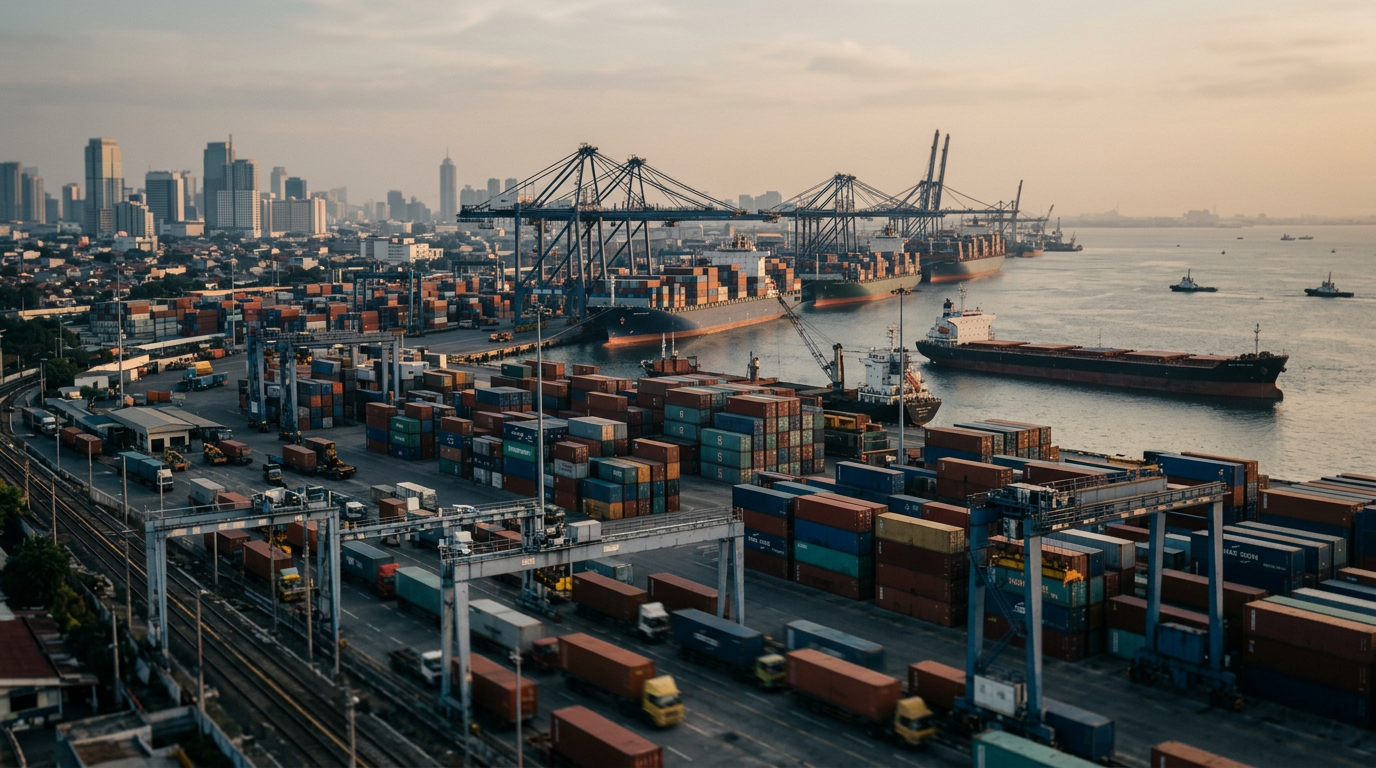
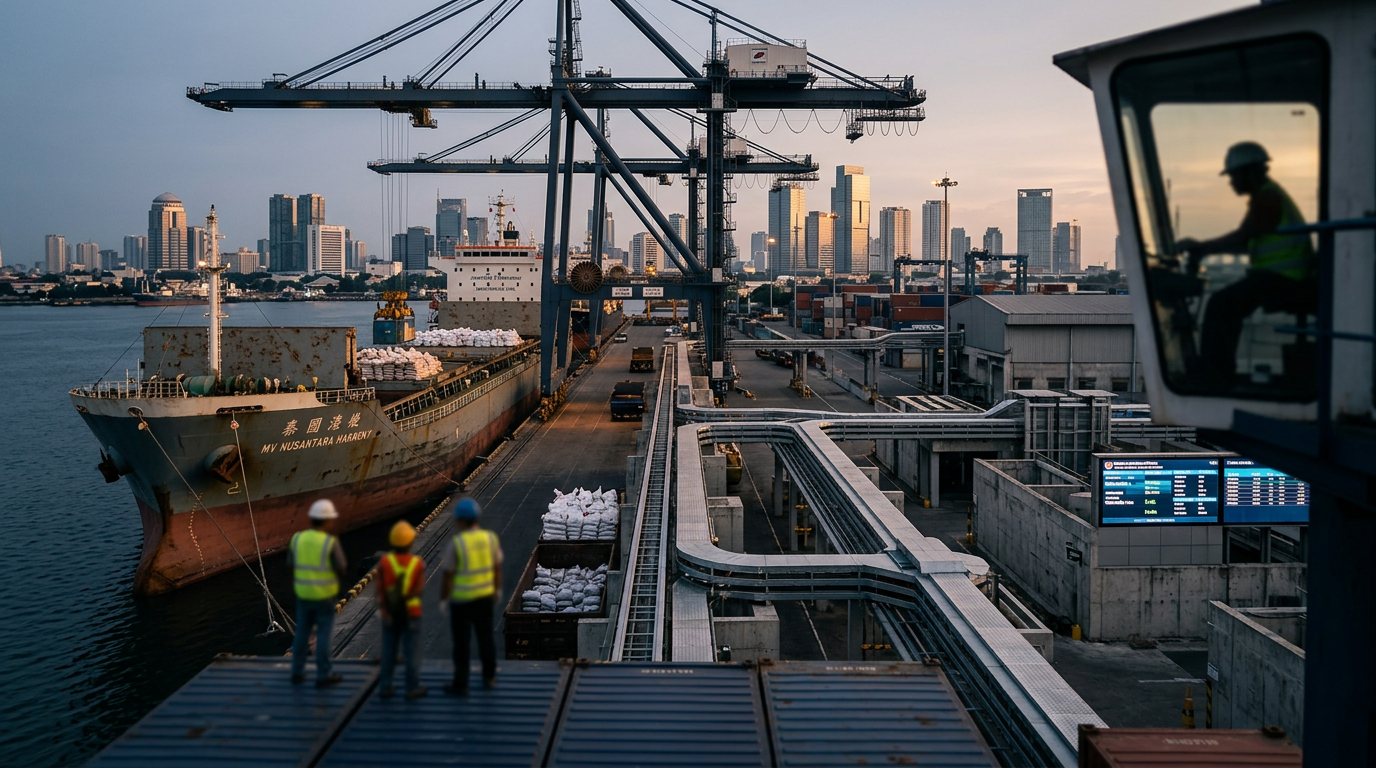
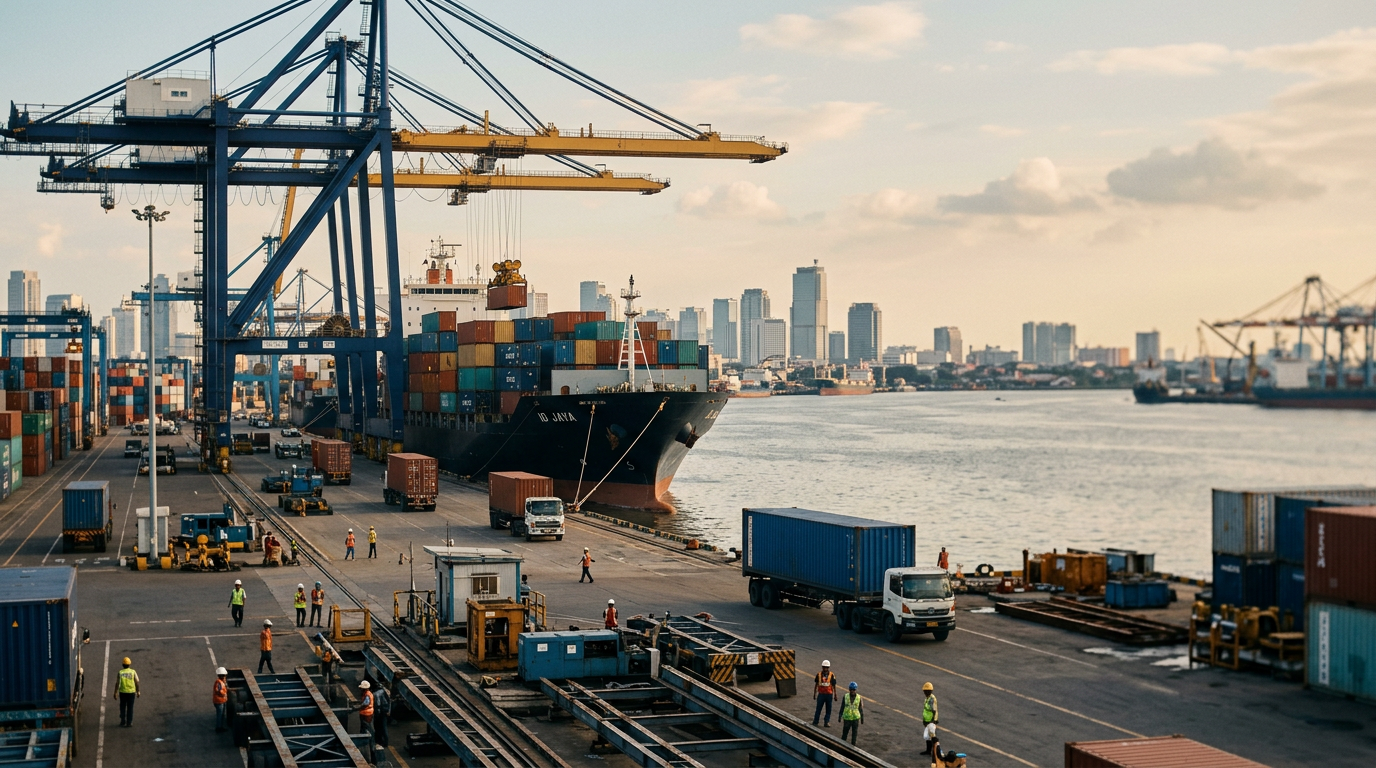
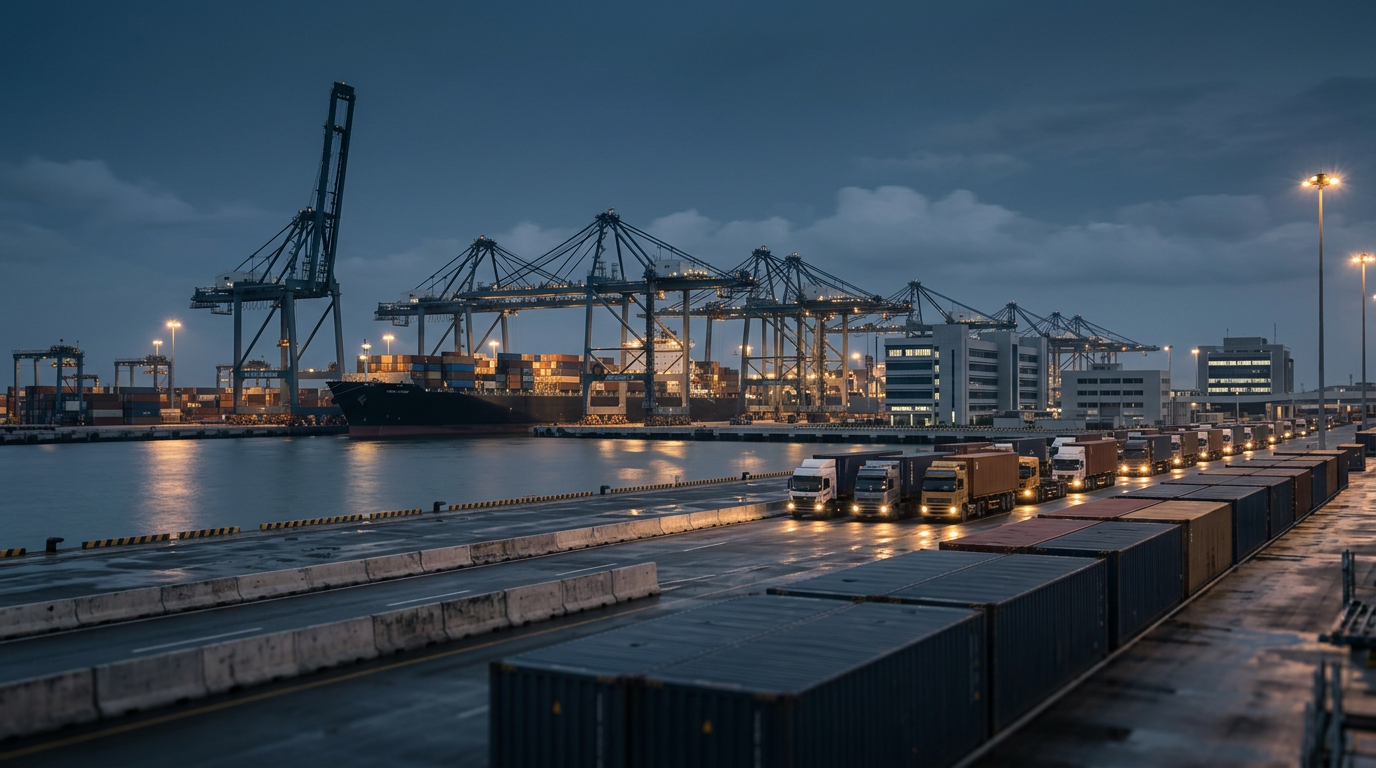
Furthermore, the policy connects directly to the physical infrastructure of trade. The commodities covered - coal, palm oil, ferroalloys - are foundational to Indonesia's export economy and are largely destined for industrial consumers in China. The efficiency of ports, railways, and logistics networks is directly linked to the value captured from this trade. A streamlined administrative process can reduce costly delays at export terminals, but only if the underlying physical infrastructure is also adequate. The single-door system, therefore, highlights the interplay between administrative reform and the hard infrastructure needed to move goods to market.
The Strategic Dimension
While presented as a trade facilitation measure, the single-door policy gives the Indonesian state a powerful lever. The system enhances its ability to manage the flow of strategic commodities, which has clear implications for its relationship with major buyers. For China, a stable and predictable supply of raw materials like coal and ferroalloys is vital for its industrial sector. By creating a single point of control, Indonesia is subtly enhancing its strategic weight in this bilateral relationship.
This policy reflects a broader trend across ASEAN. Governments are grappling with how to handle their economic interdependence with China. The book ASEAN Rising describes this challenge as one where "trade depth with China is now a structural feature, not a cyclical one." States are not seeking to decouple, but rather to build the tools that allow them to manage this interdependence to their advantage. Indonesia