Indonesia
Indonesia's Mining Quotas: A Test of Institutional Capacity
A recent force majeure at a major Indonesian coal miner highlights the gap between foreign direct investment announcements and the slower, harder work of institutional execution.
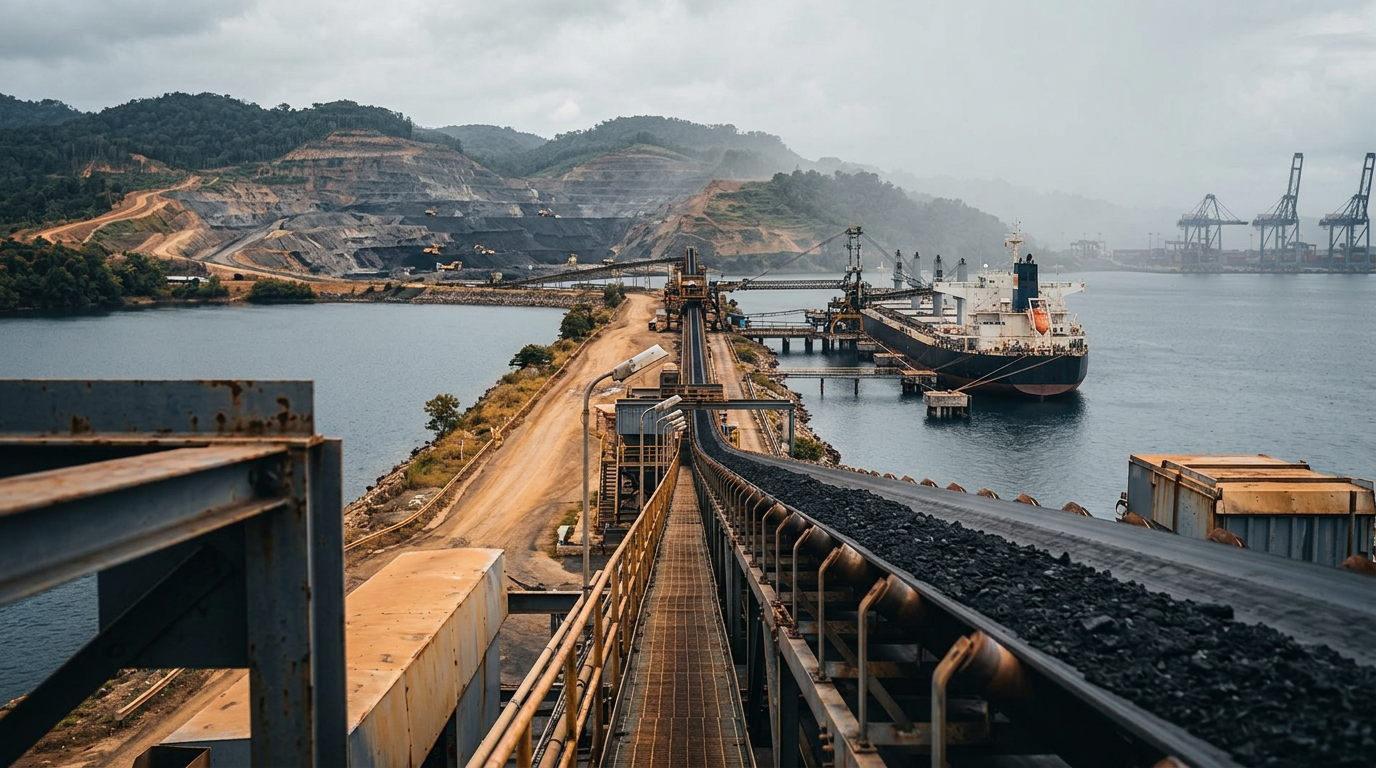
A recent operational halt at the Indonesian coal miner PT Bayan Resources has been lifted, according to a report from VnExpress. The company had declared force majeure after delays in securing government approval for its mining quotas. The resolution of this issue, which followed a significant ownership transfer, puts a sharp focus on the institutional processes that govern large-scale investment in Indonesia.
The Machinery of Investment
Indonesia possesses immense scale, a key attraction for foreign capital. However, translating that scale into productive, long-term investment requires more than just headline-grabbing announcements. As the book "ASEAN Rising" notes, the journey from initial interest to realized investment is a long one. "Realised flows depend on the slower work of land, permits, power and talent reaching the ground."
The Bayan Resources case is a practical example of this principle. The company's operations were directly impacted by the speed and clarity of the government's quota approval process, known as the RKAB. For investors, particularly in capital-intensive sectors like mining, such administrative hurdles are not minor details; they are fundamental to operational stability and financial planning. Delays or uncertainty in these core institutional functions can disrupt supply chains and deter future investment, regardless of the country's underlying resource wealth.
Sovereignty and Execution
Indonesia's government rightfully exercises sovereignty over its natural resources, using mechanisms like the RKAB to manage the sector. The stated goal of these regulations is often to ensure sustainable practices, domestic supply obligations, and a fair return to the state. These are legitimate and necessary objectives for any resource-rich nation managing its endowment.
However, the effectiveness of these policies hinges entirely on their execution. When the process for securing essential permits becomes slow or unpredictable, it creates operational friction. This can lead to situations like the force majeure declared by Bayan, which introduces uncertainty for the company, its international customers, and the market at large. The challenge for Jakarta is to build an administrative apparatus that is both robust in its enforcement of national priorities and efficient in its day-to-day functioning. Predictability in permitting is a cornerstone of investor trust.
Capital and Trust
The resolution of the Bayan issue coincided with its founder, Low Tuck Kwong, agreeing to sell a 30% stake in the company. While the specifics of the deal are not public, the sequence of events highlights the deep connection between regulatory processes and corporate decision-making. Access to capital is contingent on trust in the operating environment. Investors need assurance that the rules of the game are clear, stable, and administered fairly.
For Indonesia to continue attracting the foreign direct investment needed to power its economic ambitions, it must continuously refine the institutions that oversee its markets. The country's scale and strategic importance are undeniable, but it is the quality of its governance and the reliability of its regulatory framework that will ultimately determine its success in converting potential into realized economic depth. Streamlining bureaucratic processes, from land acquisition to mining quotas, is not just a matter of convenience but a critical component of building a resilient and attractive investment destination. What to watch
Observers should monitor the Indonesian government's ongoing efforts to reform its permitting and licensing systems, particularly in the natural resources sector. The speed and transparency of the RKAB approval process for other miners in the coming year will be a key indicator of institutional improvement. Additionally, watch how international investors respond to these administrative conditions and whether future large-scale investments face similar hurdles.