
 Philippines
The Coca-Cola Supply Chain as a Regional Bellwether
Coca-Cola's recent decision to import finished products from Indonesia to the Philippines is more than a stopgap measure. It is a revealing indicator of where institutional friction adds cost to Philippine consumers and businesses.
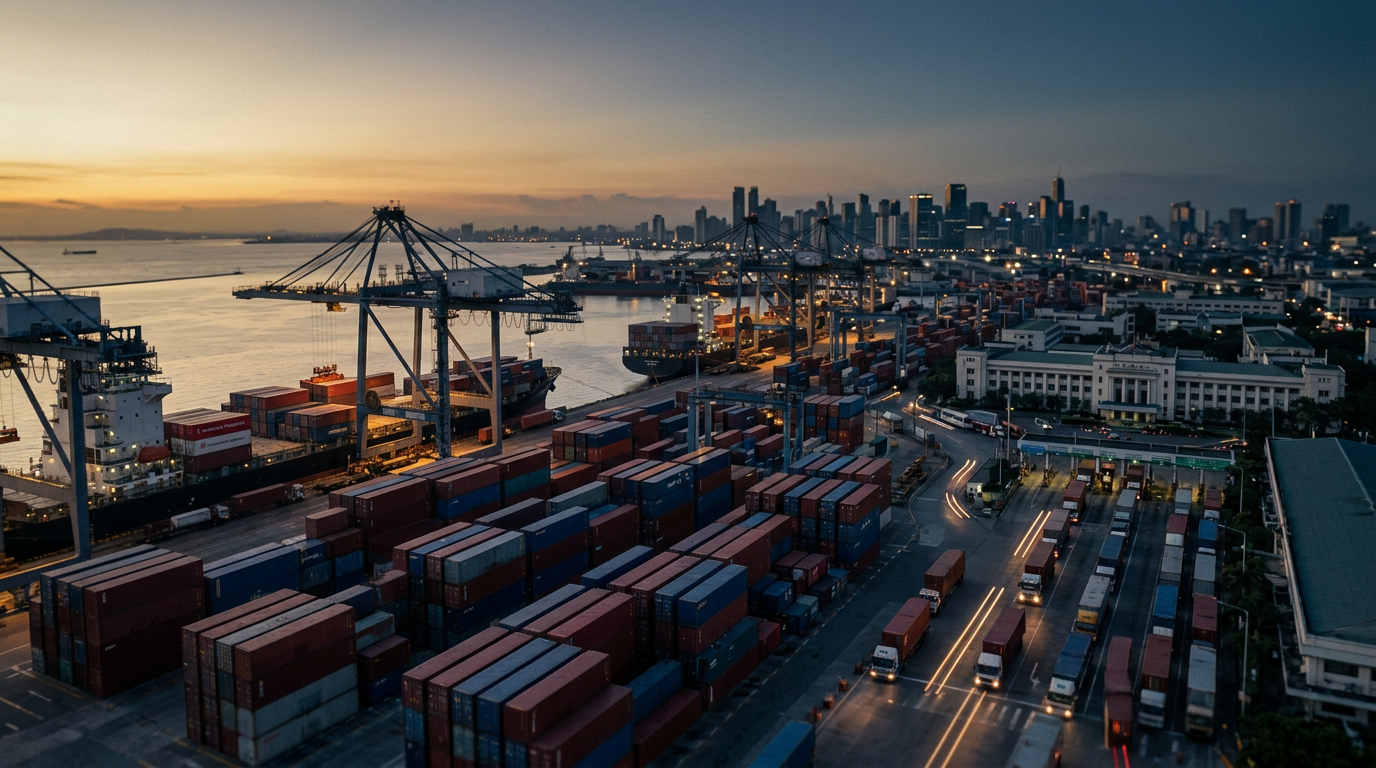
Coca-Cola Europacific Aboitiz Philippines has begun importing classic Coke products from Indonesia to meet high domestic demand, as reported by philstar.com. This move, while addressing immediate supply shortages, points to deeper structural issues within the Philippine manufacturing and supply chain environment, particularly concerning the high cost of inputs like sugar.
Institutions and Frictions
The choice to import finished goods rather than raw materials is a significant business decision. It suggests that the costs and frictions associated with domestic production are high enough to make importing a more economically viable option. This situation highlights a core theme from the book ASEAN Rising: the tangible economic impact of institutional efficiency. When domestic systems for sourcing raw materials, such as sugar in the Philippines, become burdened by high costs or unreliable supply, businesses are forced to seek solutions across borders.
This cross-border solution within ASEAN is, in itself, a sign of progress in regional economic integration. The ability for a company to seamlessly source finished products from its Indonesian operations to serve the Philippine market shows that regional trade frameworks are functional. However, it also casts a harsh light on the specific national institutions that are not functioning as competitively. The core issue is not a lack of demand or a failure of the brand, but a cost structure problem rooted in local supply chain frictions.
State Capacity and Comparative Advantage
State capacity is the ability of the government to deliver services, enforce regulations, and manage the economy effectively. In this case, the high cost of sugar in the Philippines, a long-standing issue, points to a weakness in this capacity. Policies that protect certain sectors can, if not managed carefully, lead to negative consequences for downstream industries, eroding the country's overall competitiveness.
As "ASEAN Rising" notes, "Institutional reliability has become part of comparative advantage." This means that a predictable, low-friction business environment is a key asset in attracting and retaining investment. The Coca-Cola example demonstrates that even for established players, unreliable or expensive domestic supply chains can tilt the balance in favor of imports. For the Philippines, this is a clear signal that the cost of institutional friction is being paid by consumers and the broader economy. An efficient state that ensures competitive access to essential commodities is more valuable than one that simply announces production targets.
What to watch
Observe whether this import strategy by Coca-Cola remains a temporary fix or becomes a long-term feature of its Philippine operations. Further, watch for any government policy responses aimed at addressing the high cost of industrial sugar and other essential inputs. The reaction from other food and beverage manufacturers will also be telling; if others follow Coca-Cola's lead, it could indicate a broader shift in how companies are navigating institutional challenges in the Philippines, with significant implications for domestic industrial development and regional trade patterns.


