

Philippines, business & markets coverage
Capital: Manila
Youthful demographics, services-led growth, BPO and remittance backbone of Southeast Asia.
 Malaysia
 Singapore
 Indonesia
 Thailand
 Vietnam
 Brunei
 Cambodia
 Laos
Laos Myanmar
 Timor-Leste
Execution lens
How Philippines scores on the six Execution Economics pillars: institutions, capital, infrastructure, talent, technology and trust. Country scorecards are published progressively as research is completed.
Latest from Philippines
 Philippines
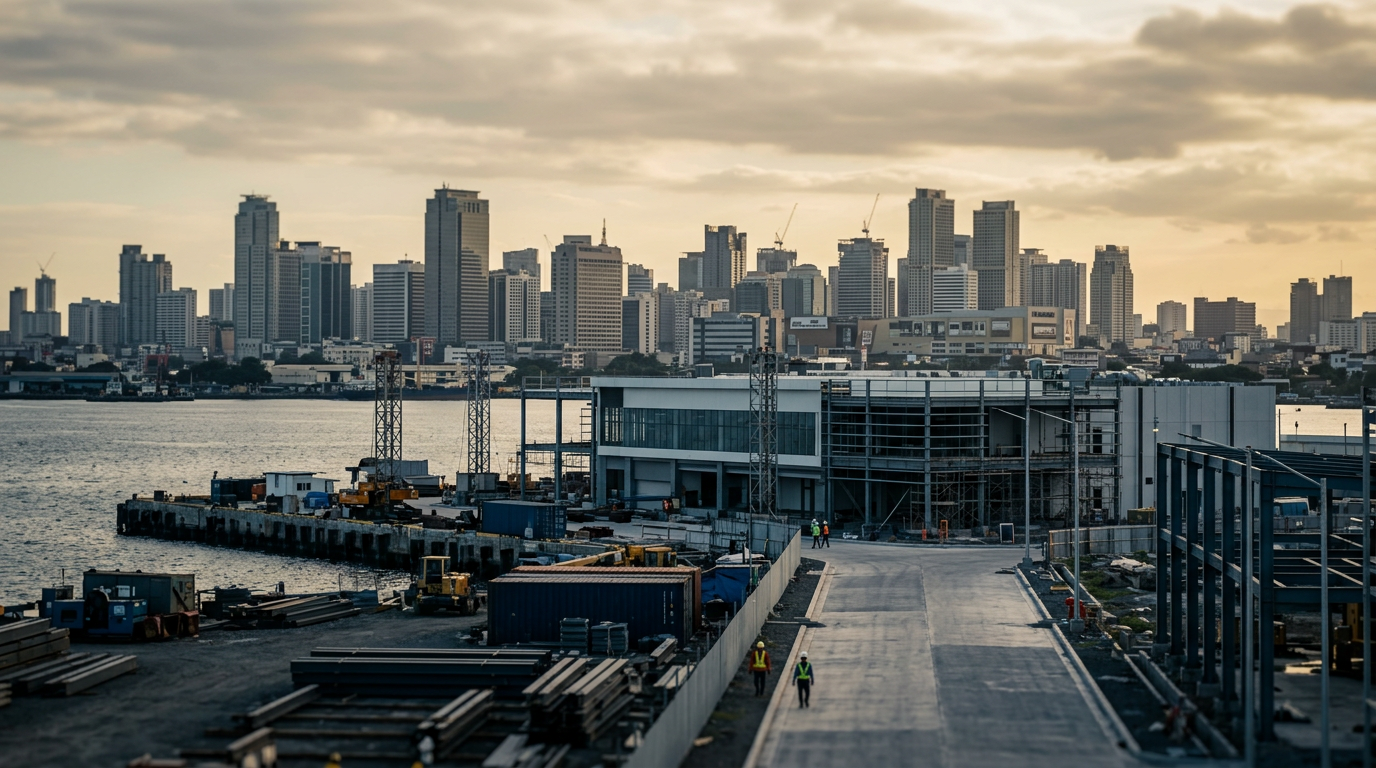
Visa's Philippine Expansion Signals More Than Growth
When a global firm like Visa expands its footprint in the Philippines, it reflects a broader narrative about the country's improving business environment and institutional reliability.
 Philippines
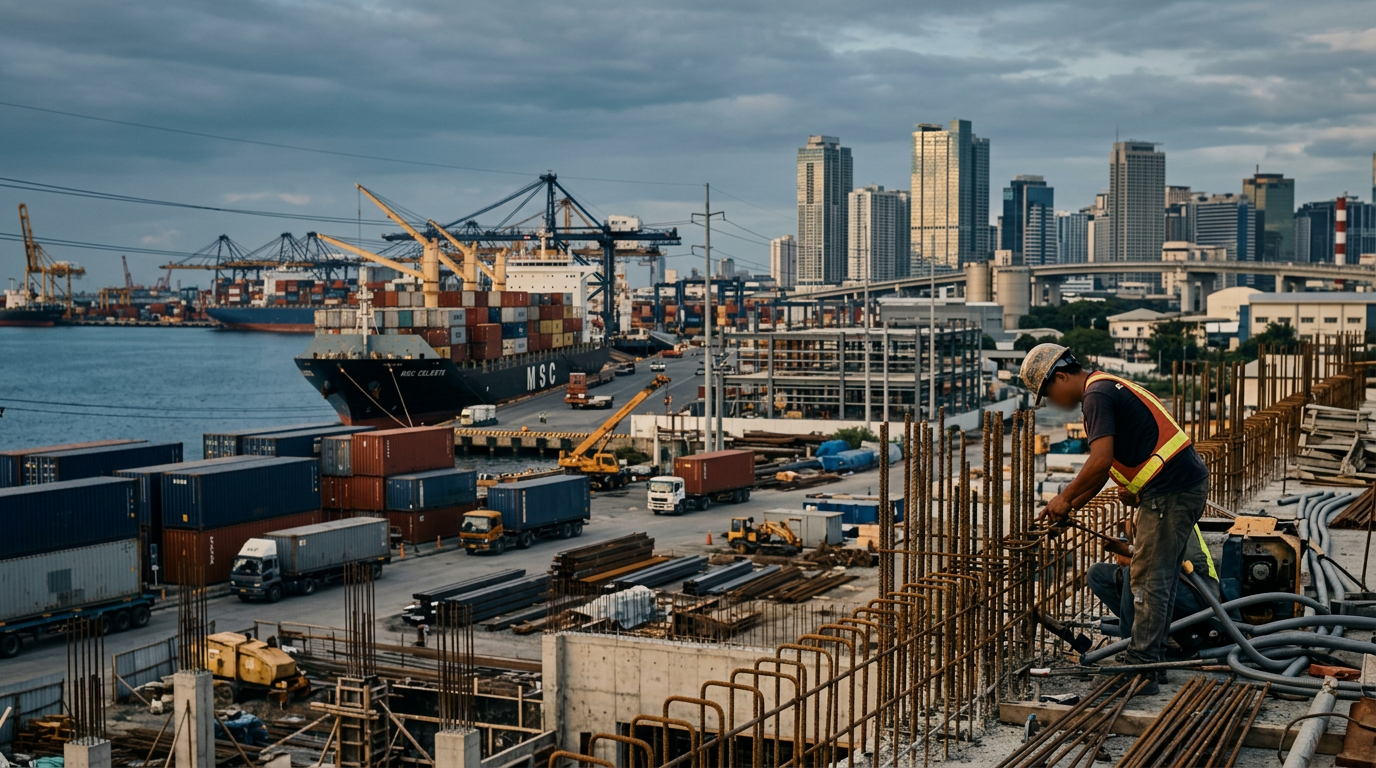
The Philippines and the FDI Gap
Announced foreign investment pledges are one thing; realised investment is another. The Philippines' recent slump in FDI highlights the gap and the work required to close it.
 Philippines
The Philippines: FDI Flows Follow Execution, Not Just Announcements
Net inflow of foreign direct investments in the Philippines fell in the first half of the year. For capital to be realised, it must be met with land, permits, power, and talent on the ground.
 Philippines
The Real Test of Sovereign AI in the Philippines
A recent call for the Philippine government to adopt AI for good governance highlights the deeper challenge for ASEAN nations: controlling the foundational layers of compute, data, and digital identity.
 Philippines
NAIA
The recent agreement between the US Trade and Development Agency and the New NAIA Infrastructure Corp. to upgrade security at Manila's airport is a step forward. However, the true measure of success will be in the execution, a key theme in the analysis of regional state capacity.
 Philippines
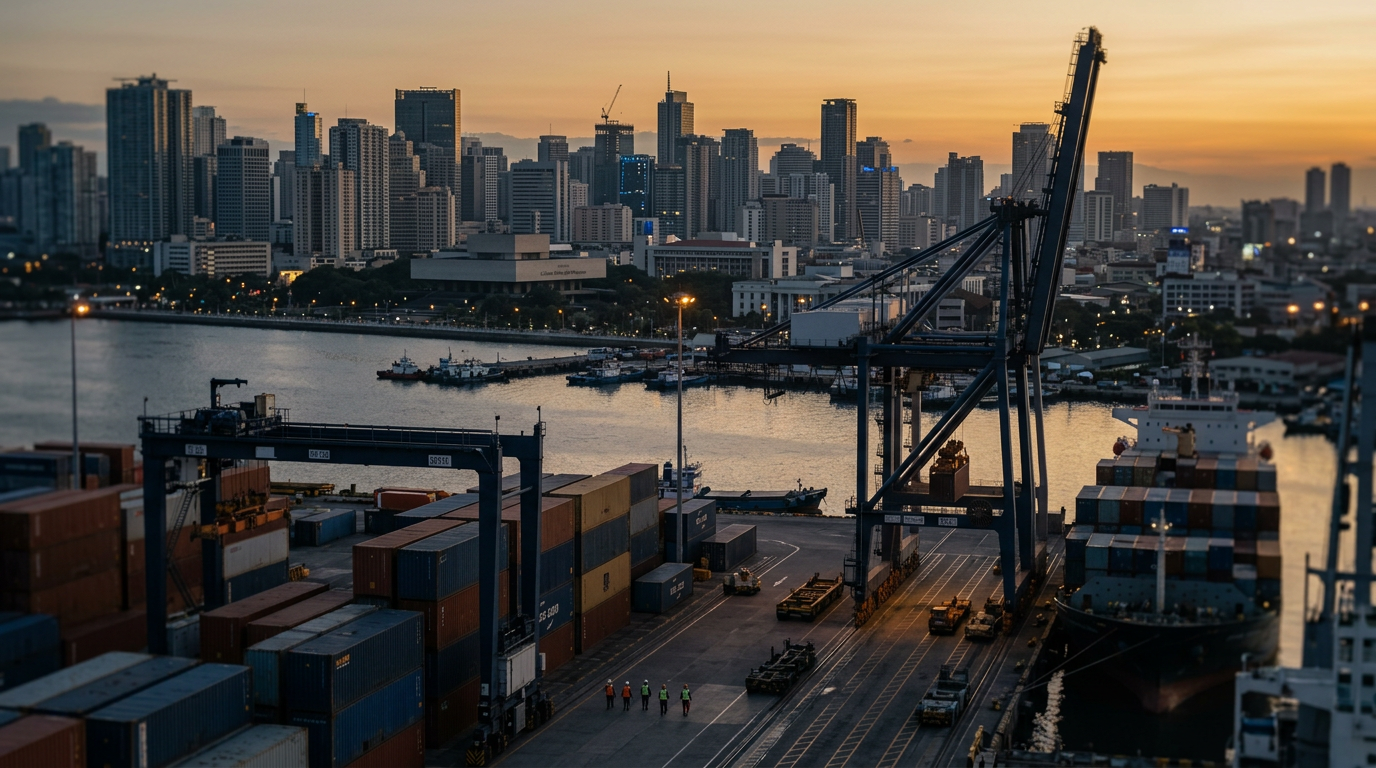
Manila
New port equipment at Manila South Harbor is a small but meaningful upgrade. For the Philippines, the bigger test is institutional capacity to execute large-scale infrastructure projects.
 Philippines
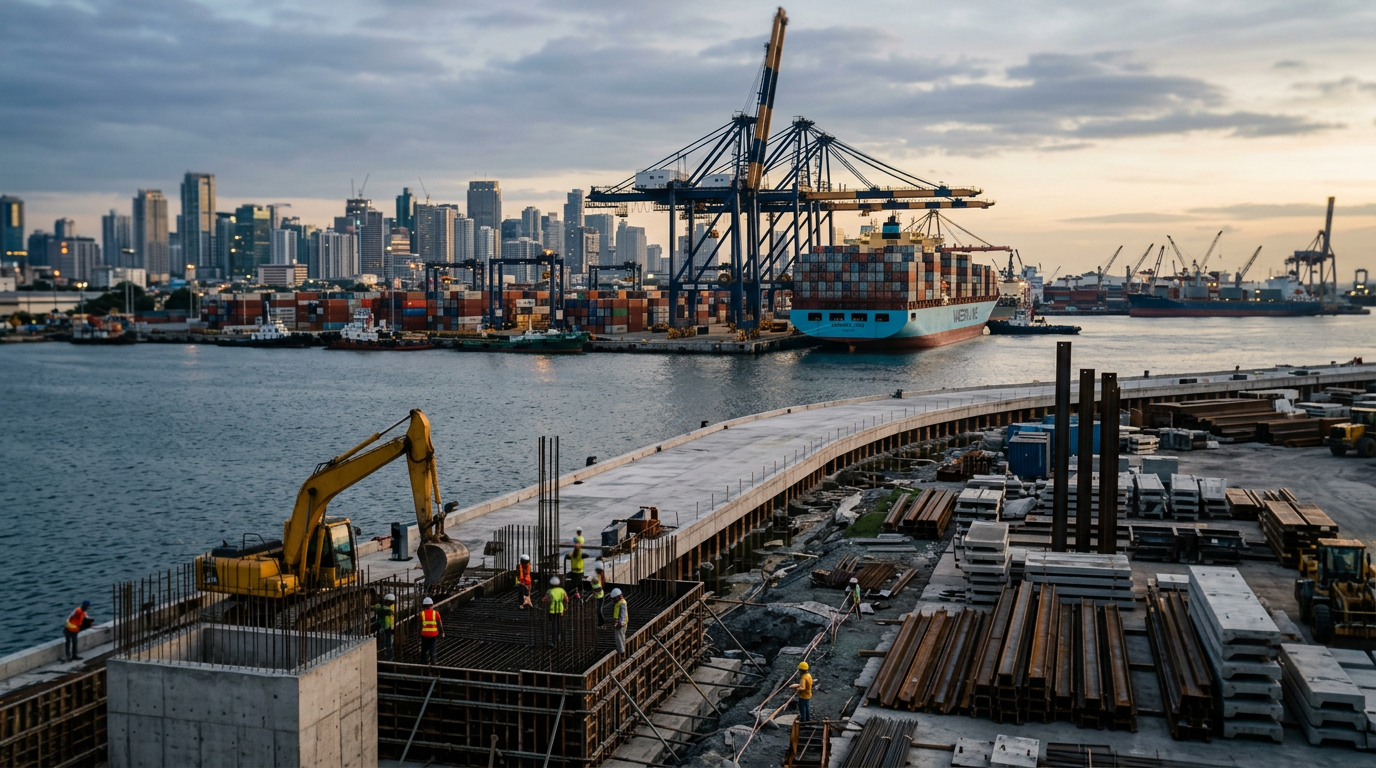
The Philippines Upgrades Ports, But Execution is What Matters
The Philippine Ports Authority has approved P1.75 billion for port upgrades. This is a step towards improving maritime infrastructure, but the real test lies in the execution and timely delivery of these projects, a key factor in national competitiveness.
 Philippines
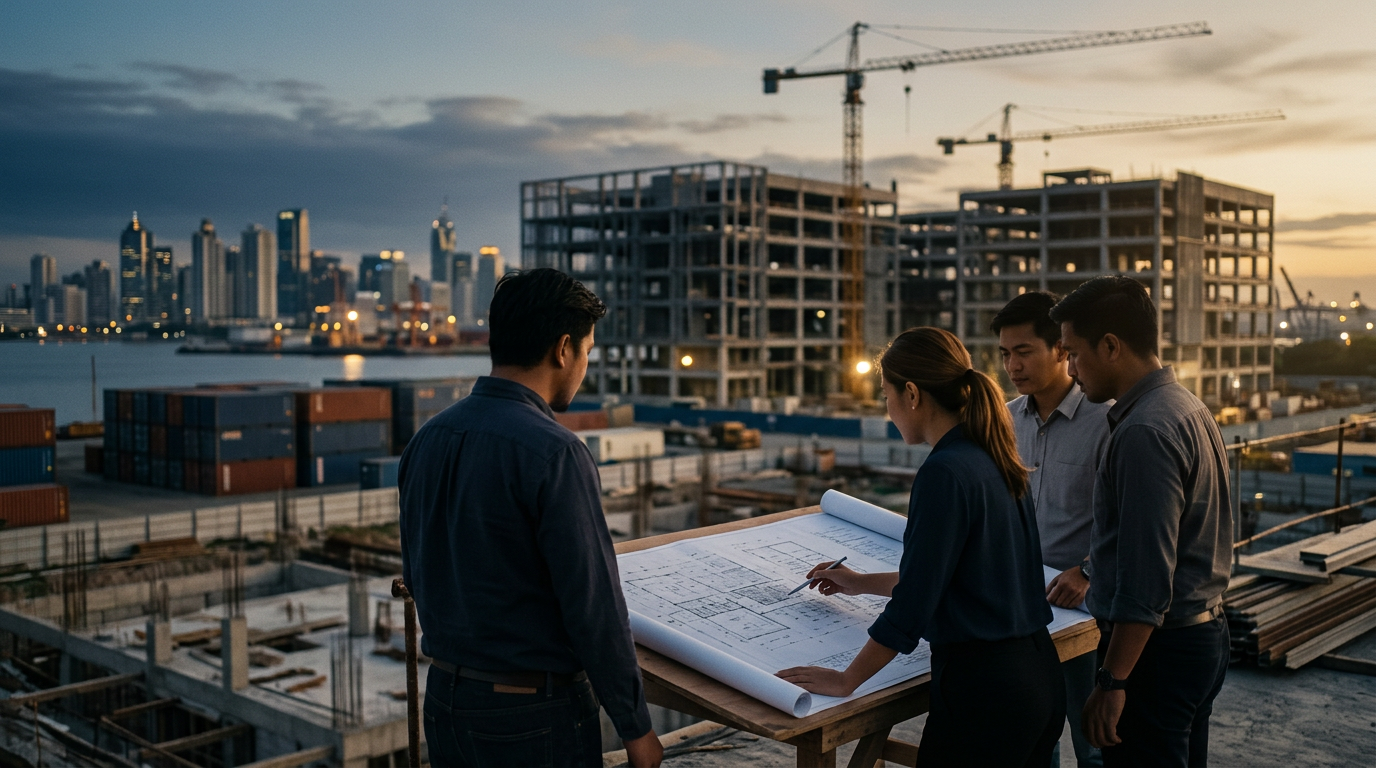
The Philippines' FDI Lag: A Question of Execution
A recent survey of European firms shows the Philippines lagging its ASEAN peers in attracting new investment. This is not a failure of scale, but of the institutional capacity to turn announced projects into realised flows.
 Philippines
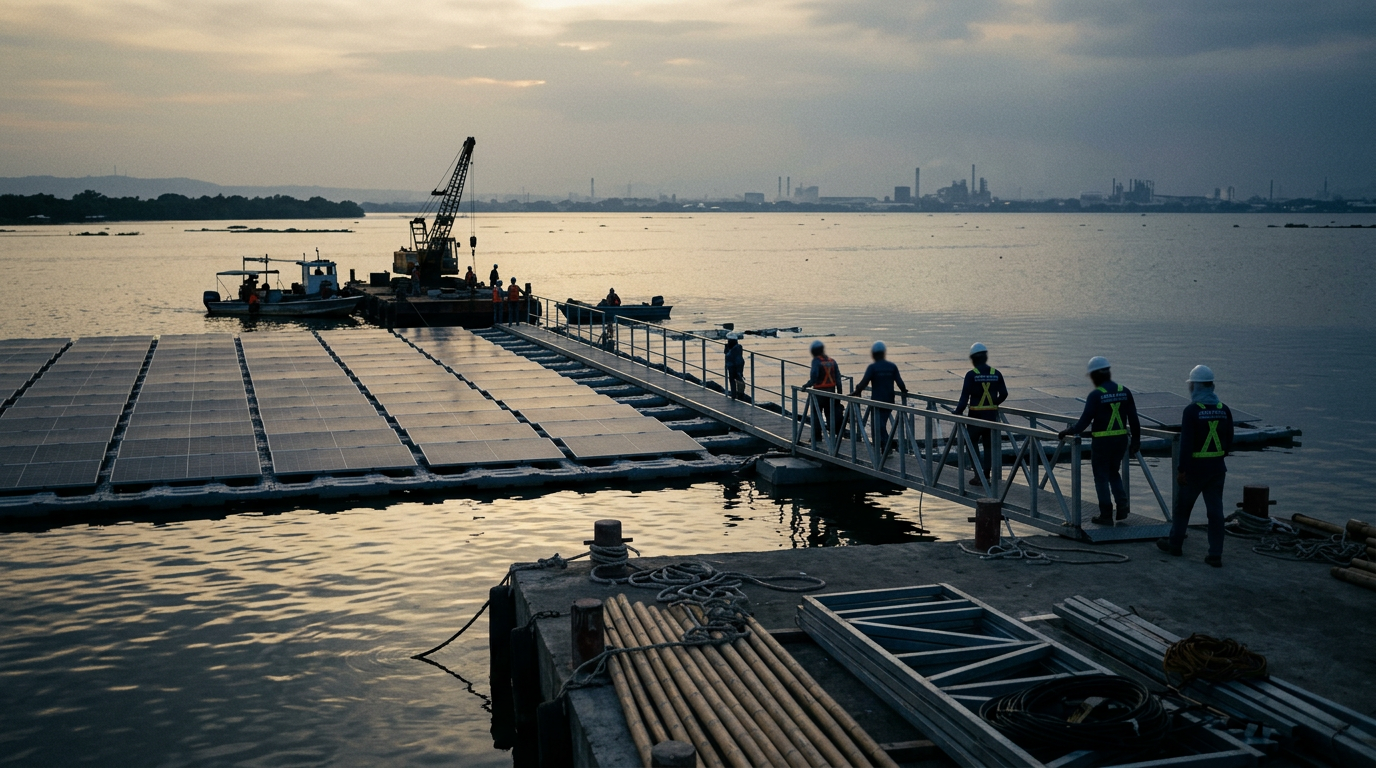
From Announcement to Execution on Laguna Lake
A major new solar project in the Philippines is a test case for turning ambitious FDI announcements into realised flows on the ground.
 Philippines
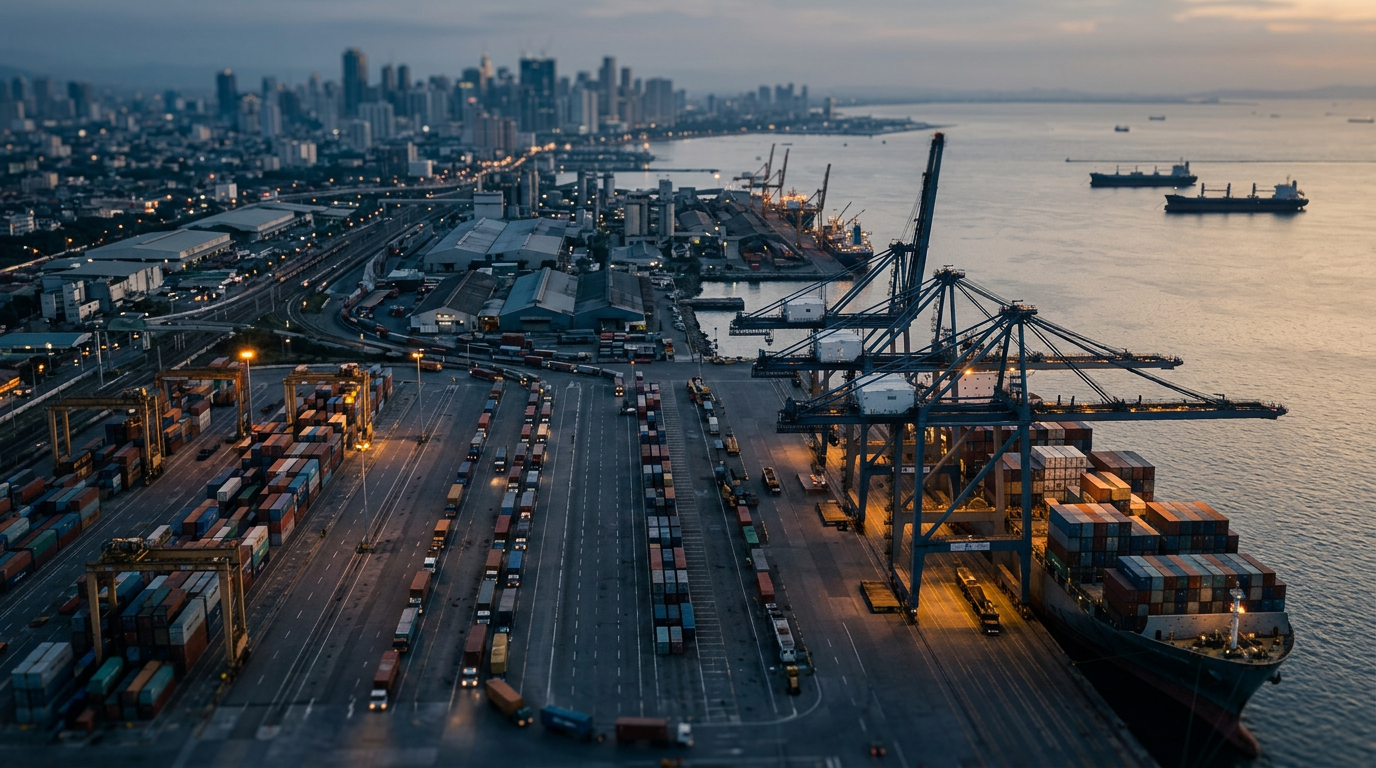
The Philippines, Fruit, and Trade Dependency
The Philippines is showing how a single commodity can be a test case for managing deep trade relationships with China.
 Philippines
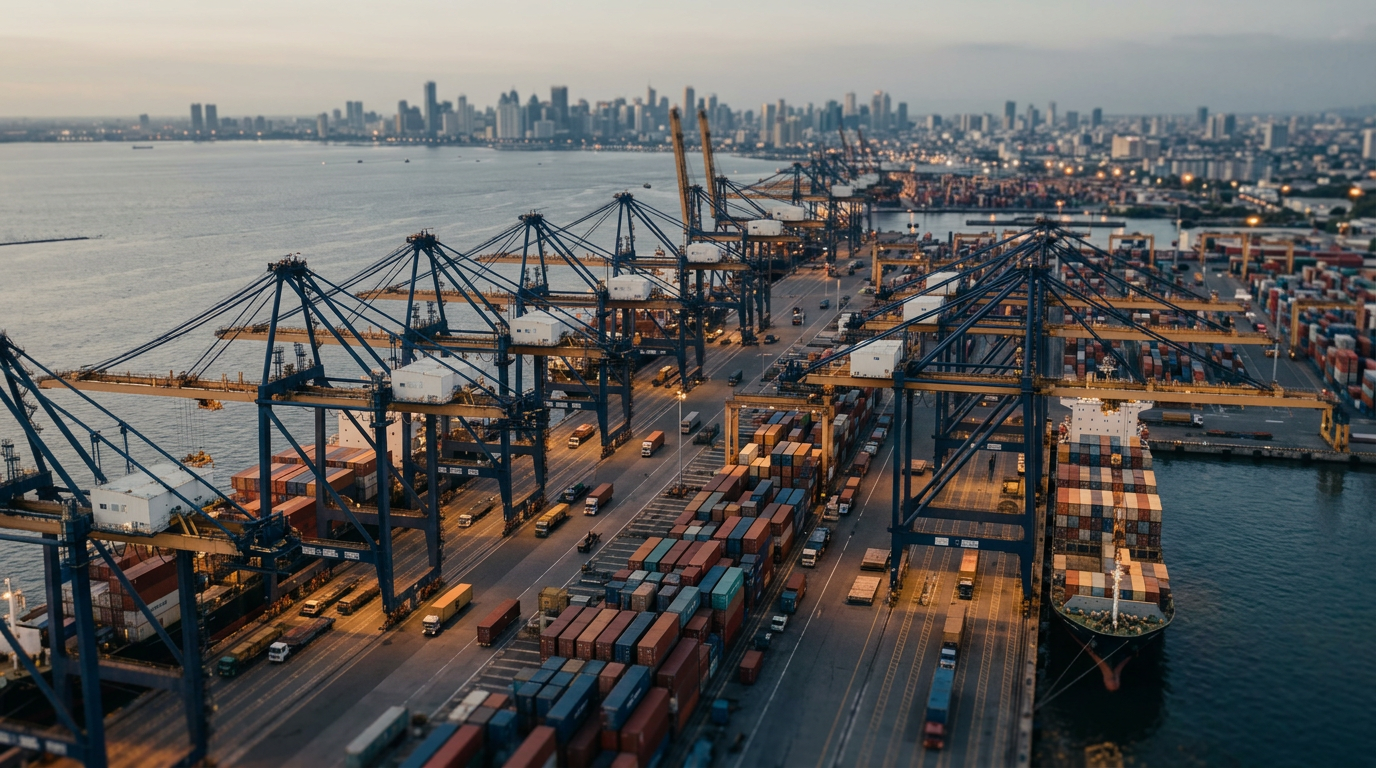
Philippine VAT Ruling Eases Exporter Rules, Highlights Trade Management Challenge
New VAT refund rules for Philippine exporters highlight a tension across ASEAN: how to balance an open trade posture with the need for strong domestic institutions. The policy change aims to ease burdens on exporters but also reveals the administrative complexities of managing.
 Philippines
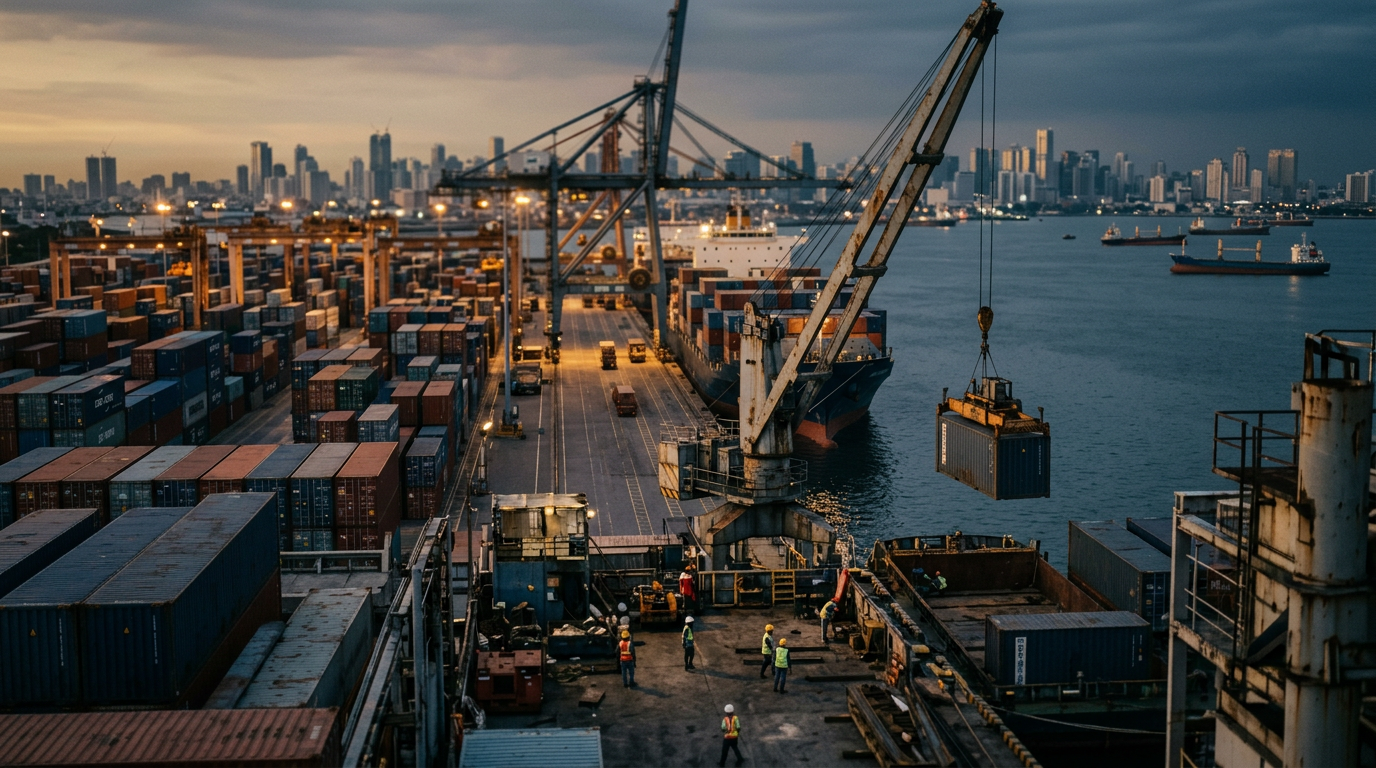
The Hard Work of ASEAN Connectivity
ASEAN connectivity is not just about grand pronouncements, but the hard, unglamorous work of institutional reform that translates vision into reality.
 Philippines
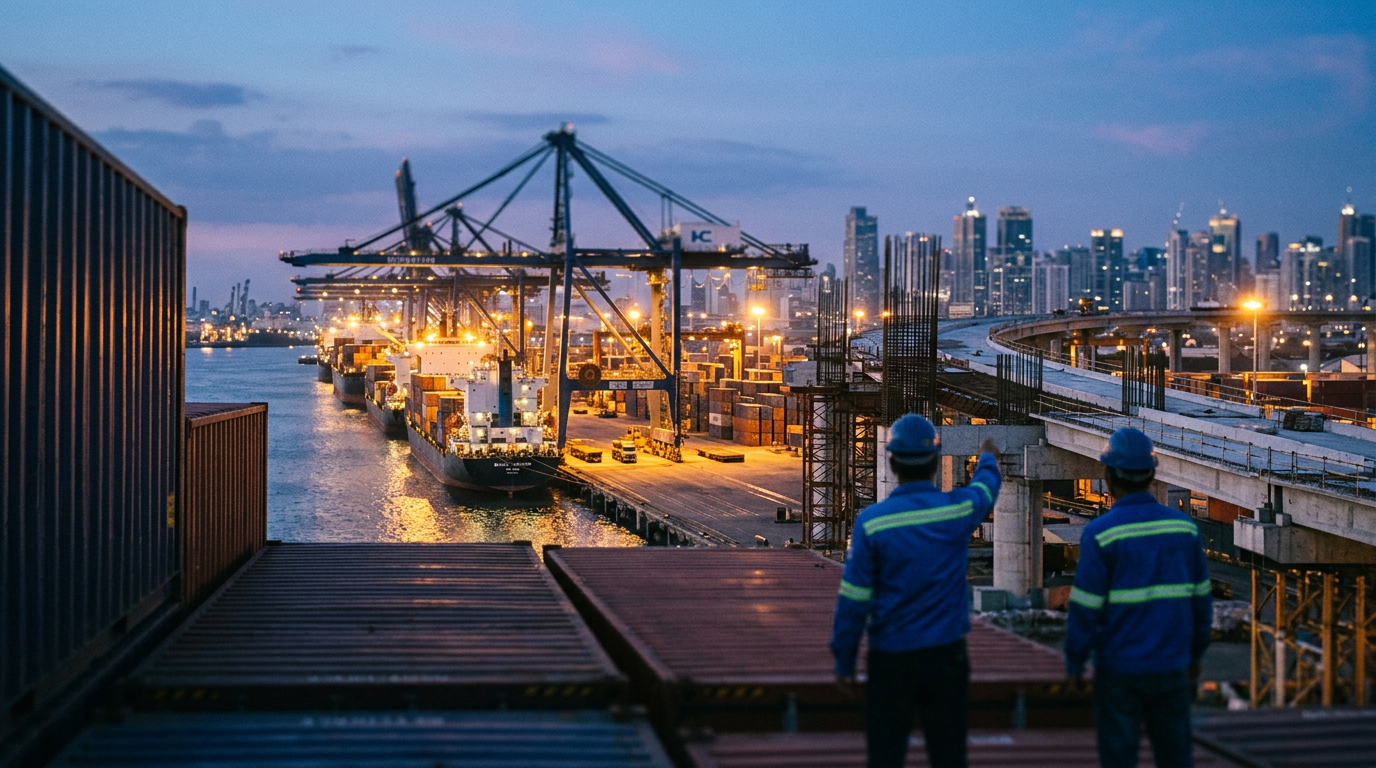
Philippines: From FDI Announcement to Investable Depth
An alliance of Philippine business groups and government agencies is targeting $50.5 billion in revenue by 2028, but turning announcements into realised investment requires a focus on execution.
 Philippines
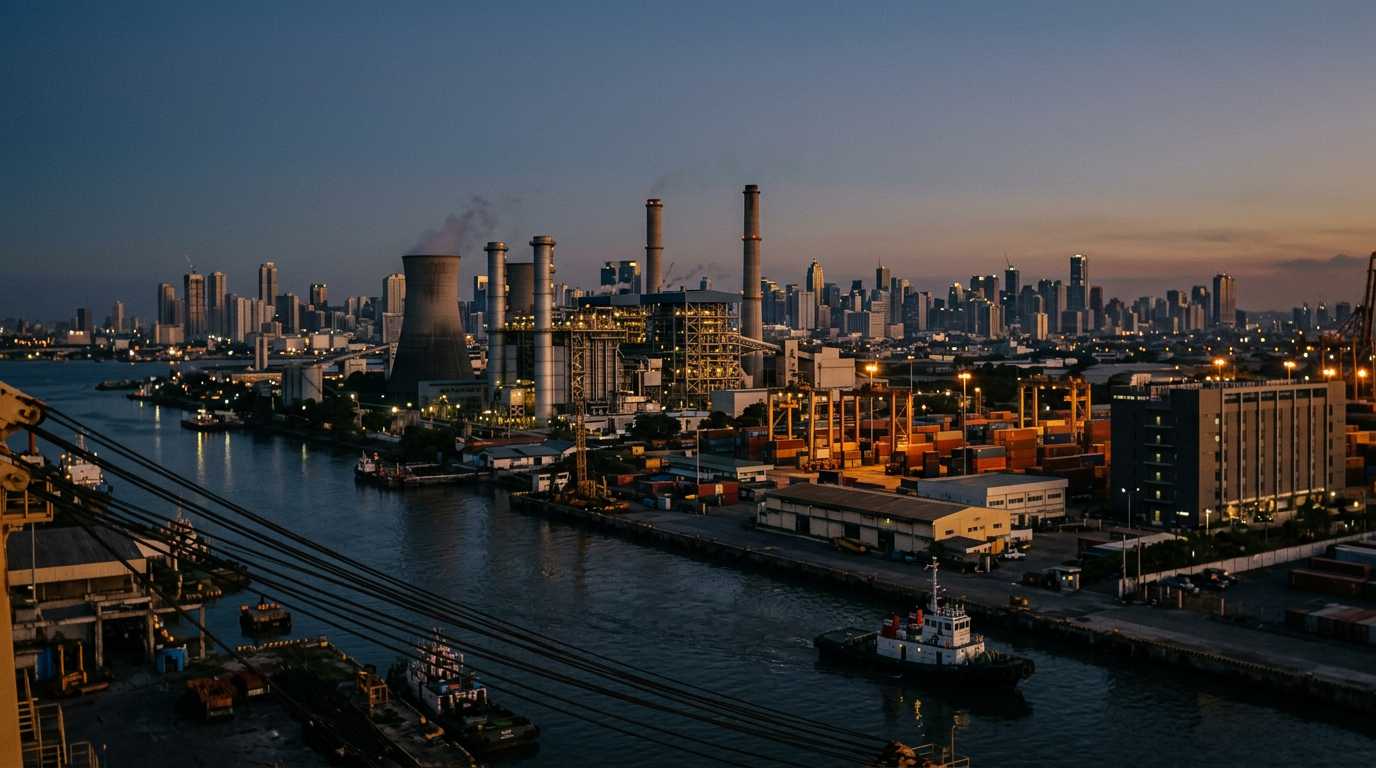
The Price of Power in the Philippines
The high cost of electricity in the Philippines is more than a line item on a budget; it is a fundamental obstacle to investment and a drag on the country's economic ambitions.
 Philippines
Philippine BPO Resilience and the Sovereign AI Question
The Philippines' business process outsourcing sector has shown resilience against initial AI disruption, but the long-term strategic challenge lies in sovereignty over the core components of the digital economy: compute, data, and identity.
 Philippines
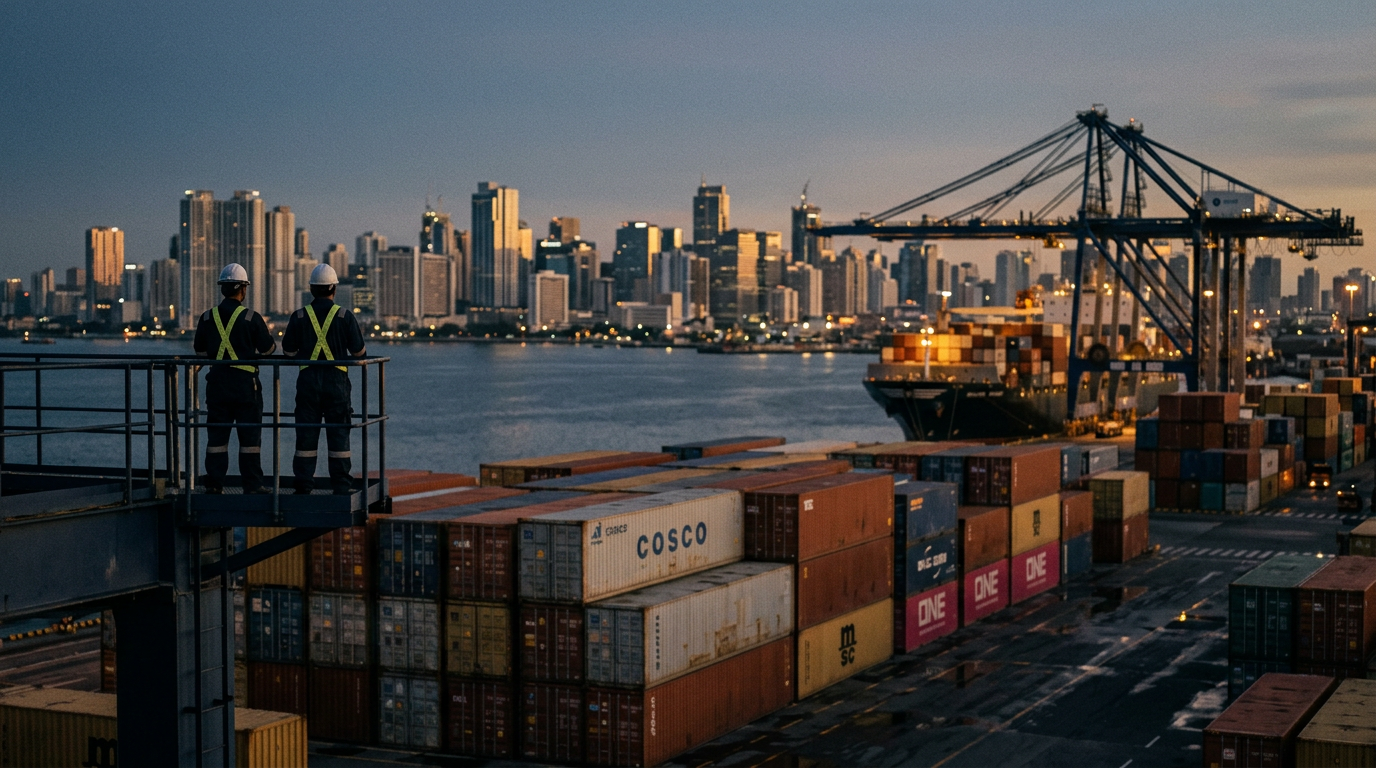
The Philippines Art Market Navigates China Ties
The recent expansion of the Philippine art market, highlighted by a major auction, takes place within a complex economic relationship with China that requires careful management.
 Philippines
The Philippines' MRT 3: A Test Case for Institutional Reliability
Metro Pacific Investments Corp.'s study of the MRT 3 expansion highlights the gap between infrastructure announcements and execution, a key theme in ASEAN's development.
 Philippines
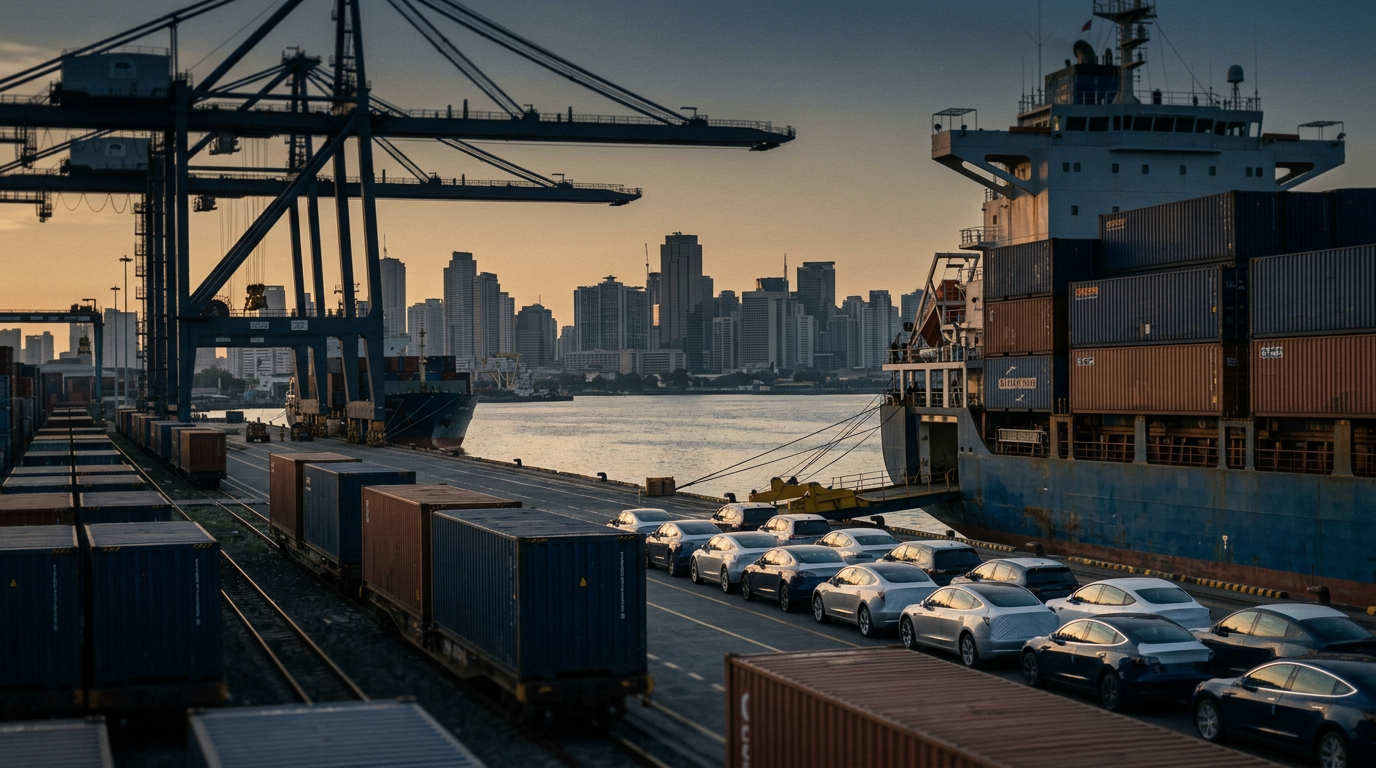
The Philippines, EV Tariffs, and the China Trade Balancing Act
The debate over extending zero tariffs on electric vehicles in the Philippines is not just about local industry or green transitions. It is a case study in how ASEAN nations are managing deep trade links with China.
 Philippines
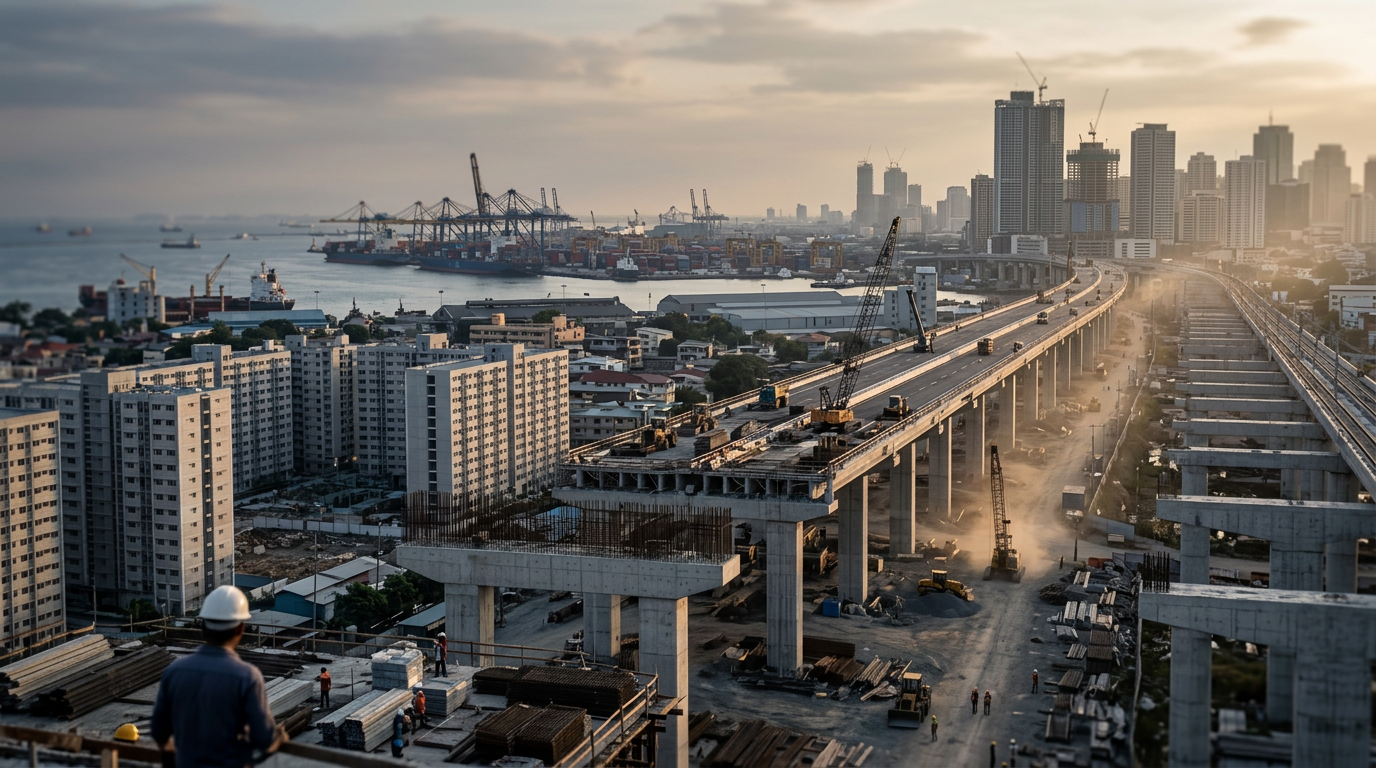
The Philippines' Infrastructure Push: A Litmus Test for State Capacity
The Philippine government's Pambansang Pabahay Para sa Pilipino (4PH) housing program is more than a construction project; it is a test of the state's ability to deliver complex infrastructure on schedule, a key determinant of national comparative advantage in a competitive.
 Philippines
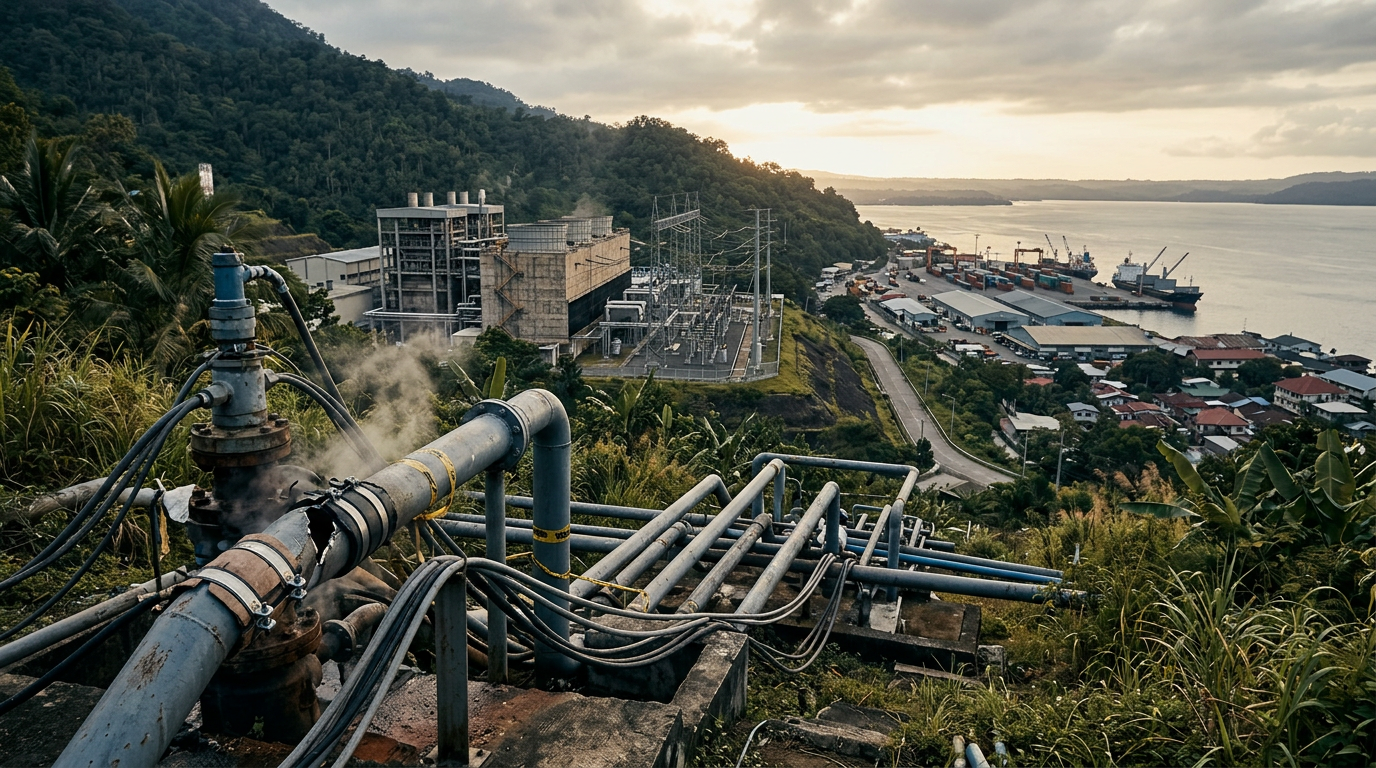
Philippines Geothermal: Good Money Chasing Bad Rules
Foreign capital is keen on Philippine renewables. The slow work of getting land, permits, power, and talent on the ground is where announced FDI meets the reality of execution.
 Philippines
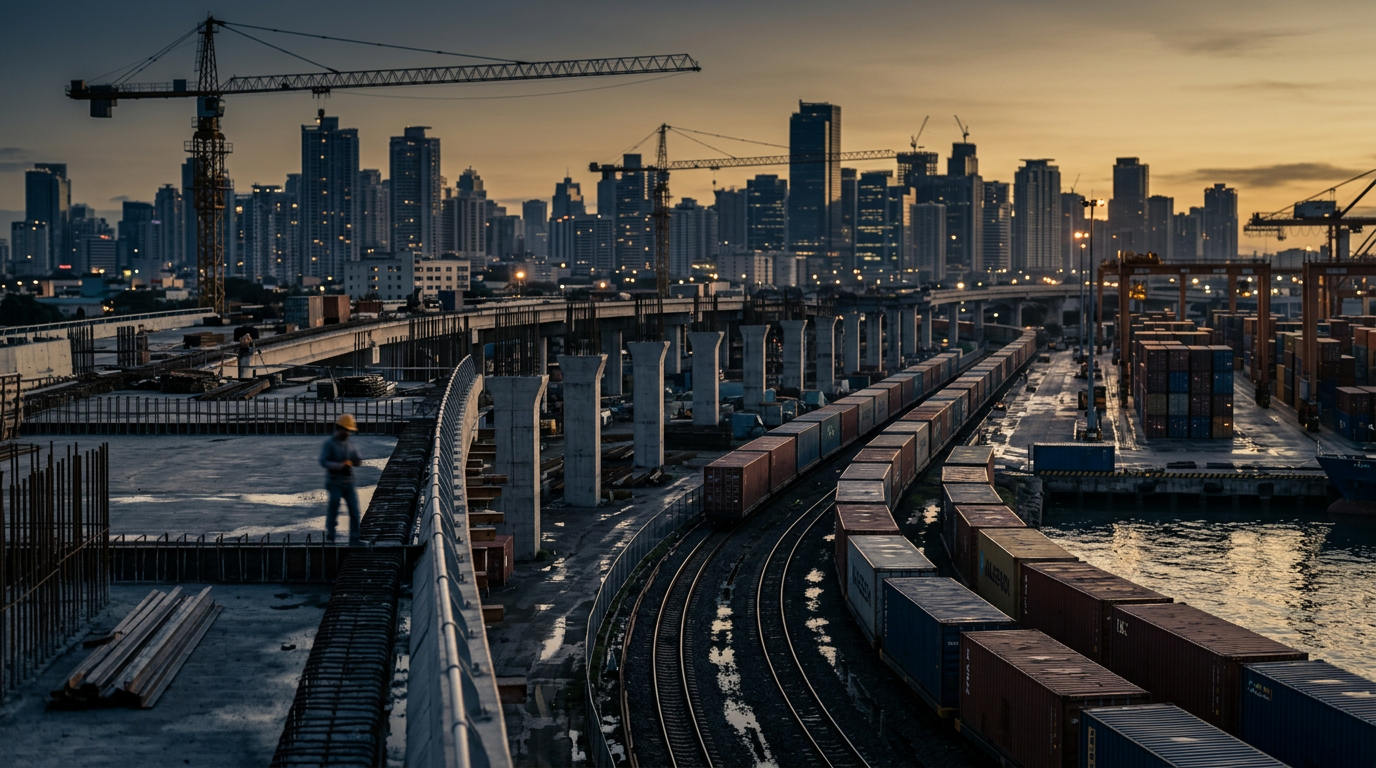
The Unseen Engine: PERA and the Philippine Infrastructure Push
The growth of the Philippines' Personal Equity and Retirement Account (PERA) program offers a small but significant new source of domestic capital for long-term projects.
 Philippines
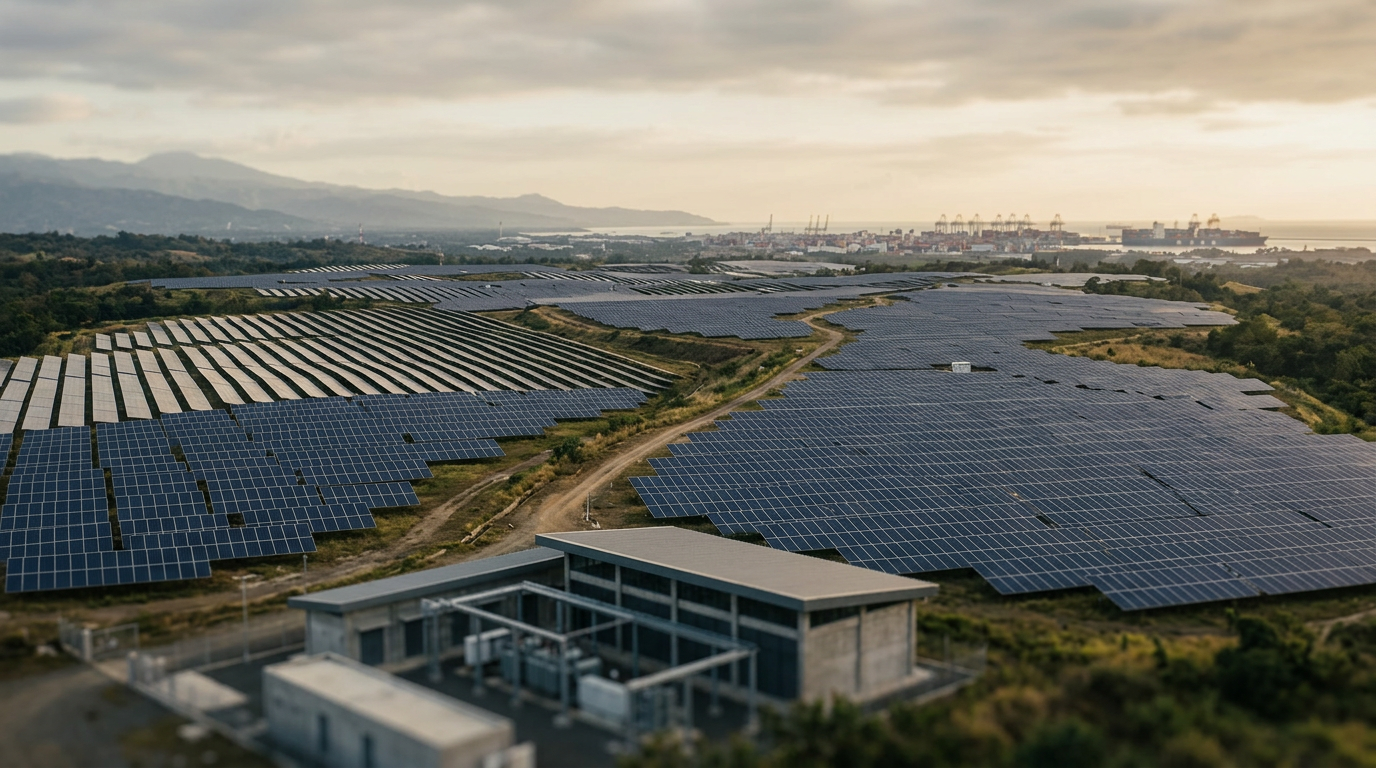
The Philippines Turns On The World's Largest Solar Farm
The launch of the MTerra Solar project is a tangible signal of institutional capacity in the Philippines. It shows that infrastructure that arrives on time is a core part of national comparative advantage.
 Philippines
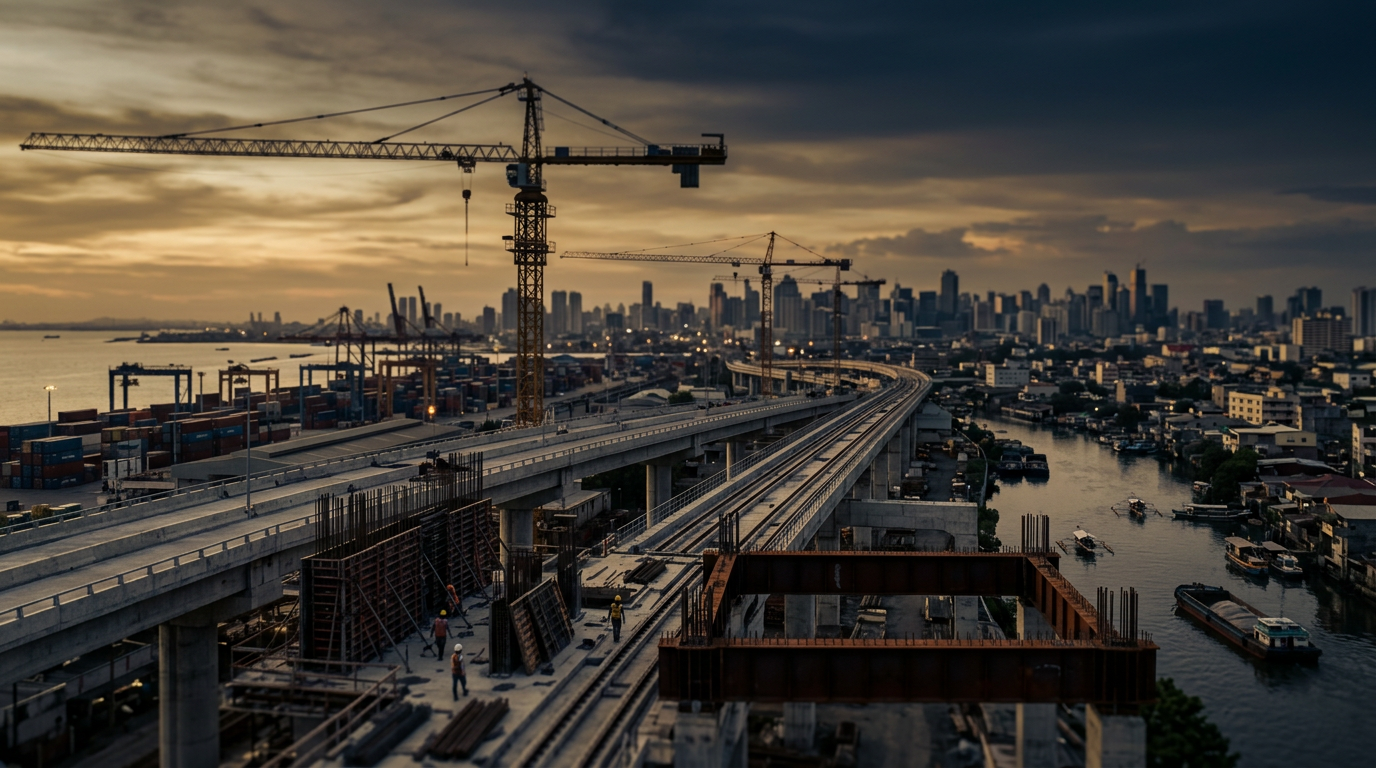
Philippine infrastructure spending and the value of a usable state
A rebound in public infrastructure spending is projected to lift Philippine economic growth. For investors, what matters is not just the spending itself, but the institutional capacity to deliver projects on time and on budget.
 Philippines
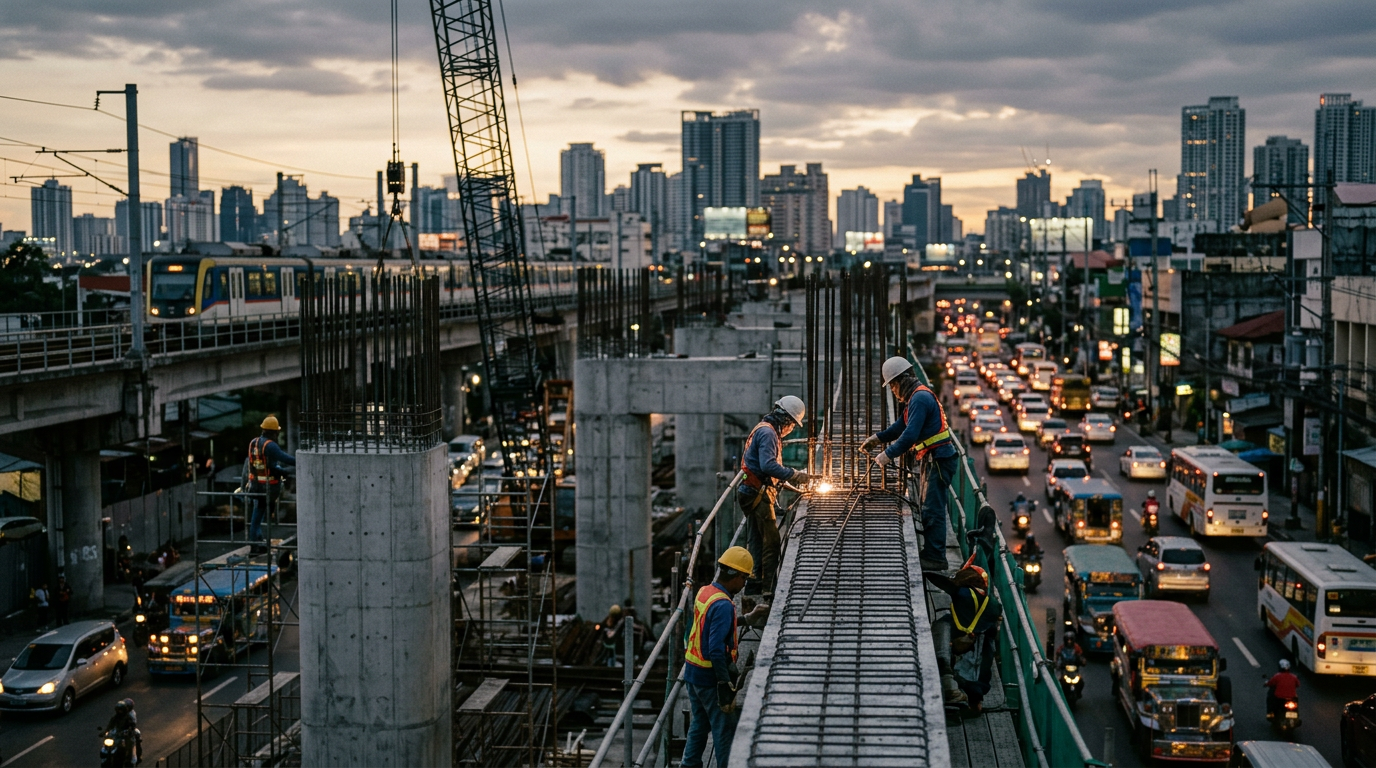
The Usable State: Why Philippine Growth Hinges on Execution
The Philippines may fall short of its 2026 growth targets. The gap between ambition and reality highlights a core challenge across the region: building institutional capacity to execute.
 Philippines
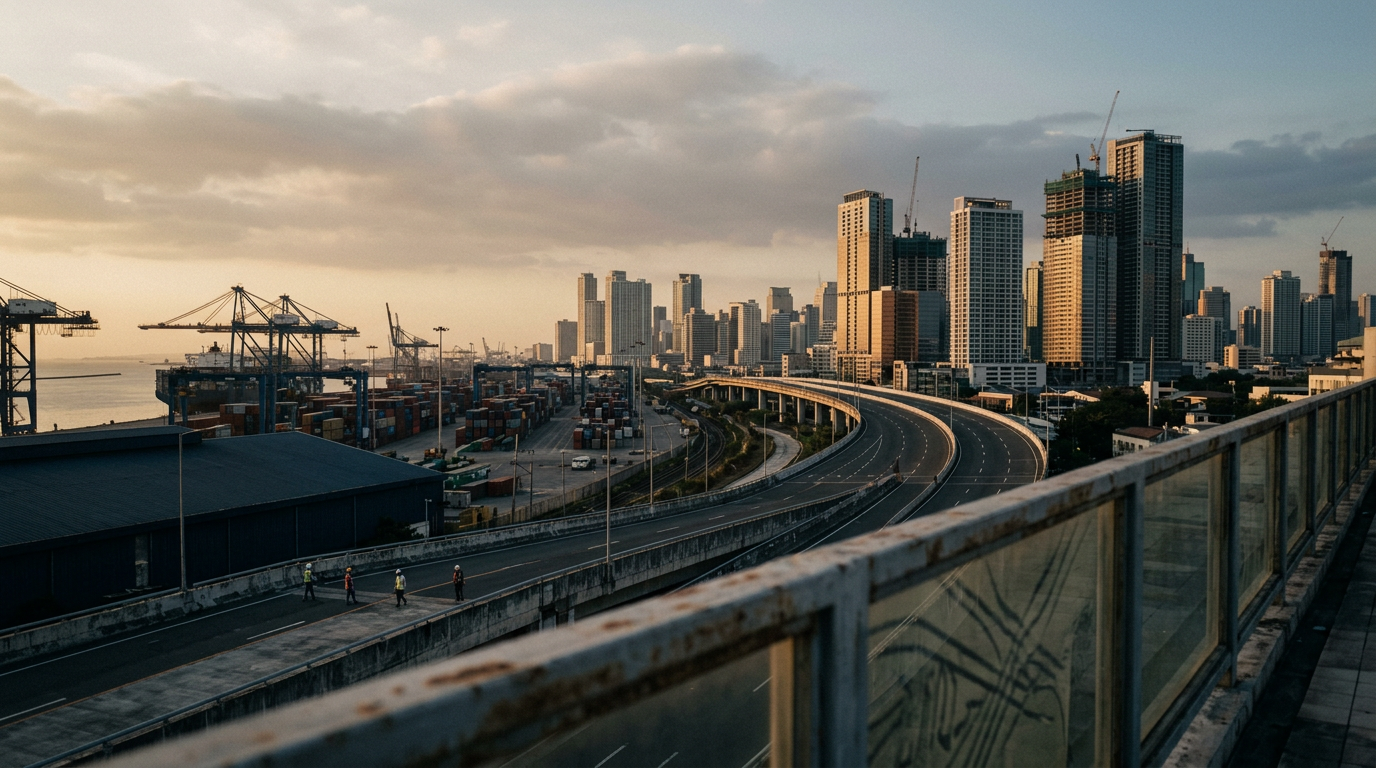
The Philippines' Investment Gap: A Story of Unrealised Potential
The Philippines is struggling to attract foreign investment compared to its ASEAN neighbours. The reasons are not a lack of scale, but a persistent gap in the institutional capacity needed to translate announcements into tangible projects.
 Philippines
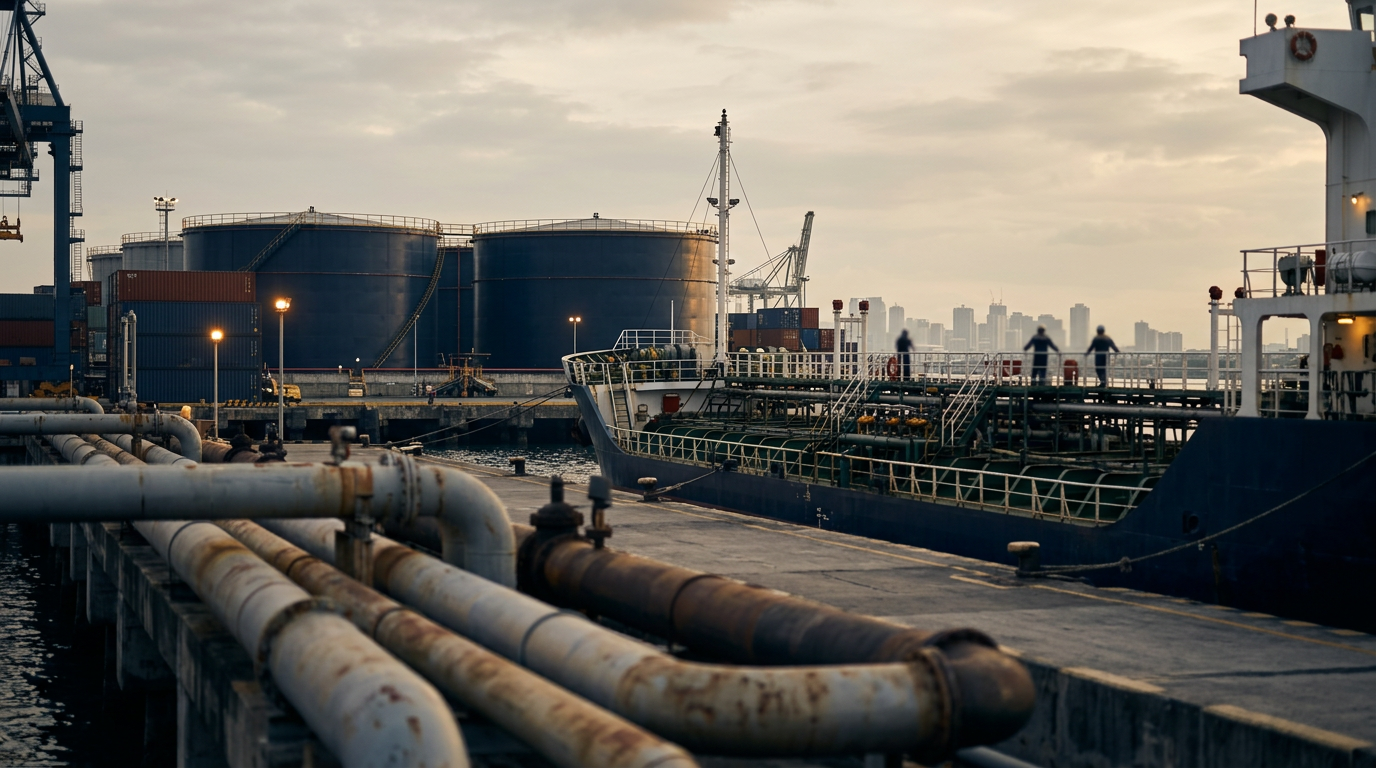
Philippine Fuel Prices and the China Trade Dilemma
Manila's exposure to global oil shocks highlights a broader ASEAN theme: managing dependency on a single, dominant trade partner, China, without losing strategic flexibility.
 Philippines
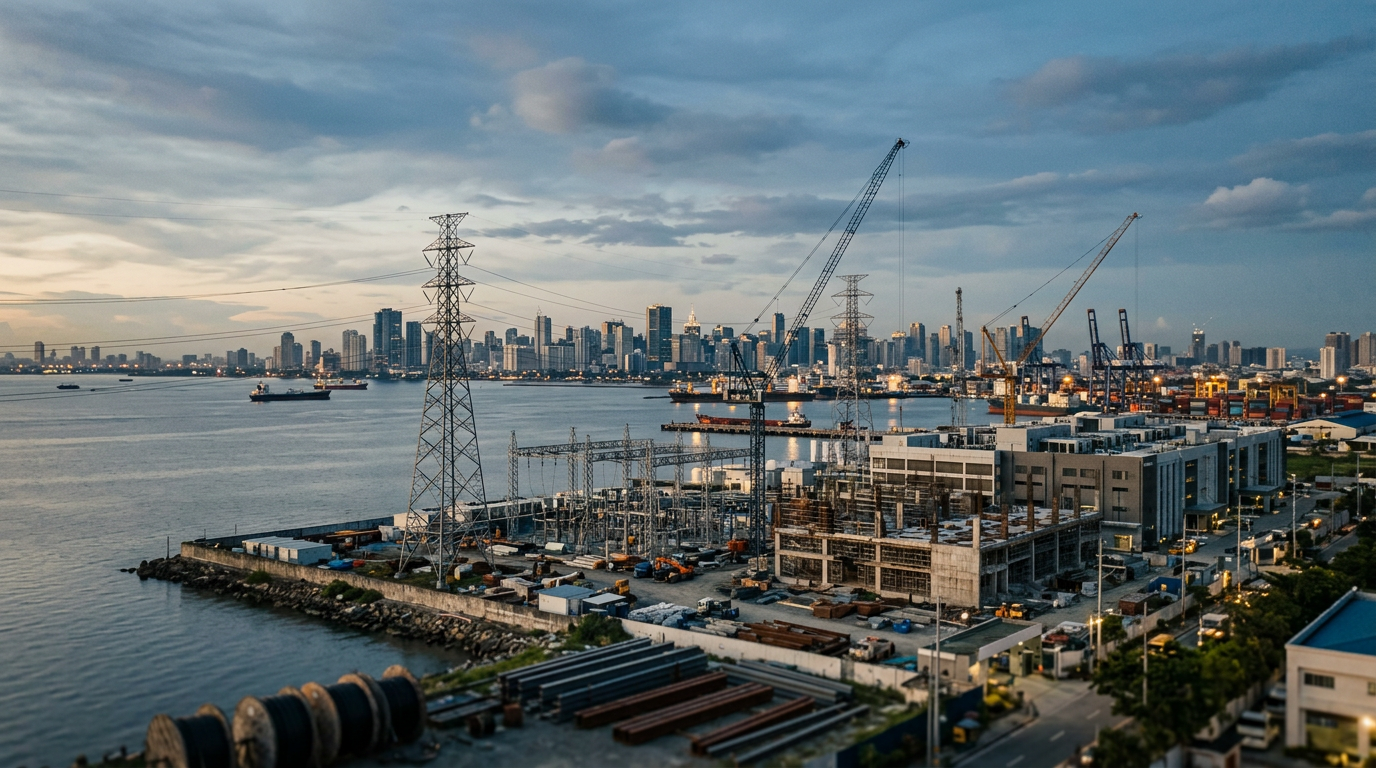
The Philippines Turns Telco FDI Pledges into Reality
The Philippines is poised for a $2 billion wave of telecommunications investment in 2026, a test of the nation's capacity to translate foreign direct investment announcements into tangible infrastructure and services.
 Philippines
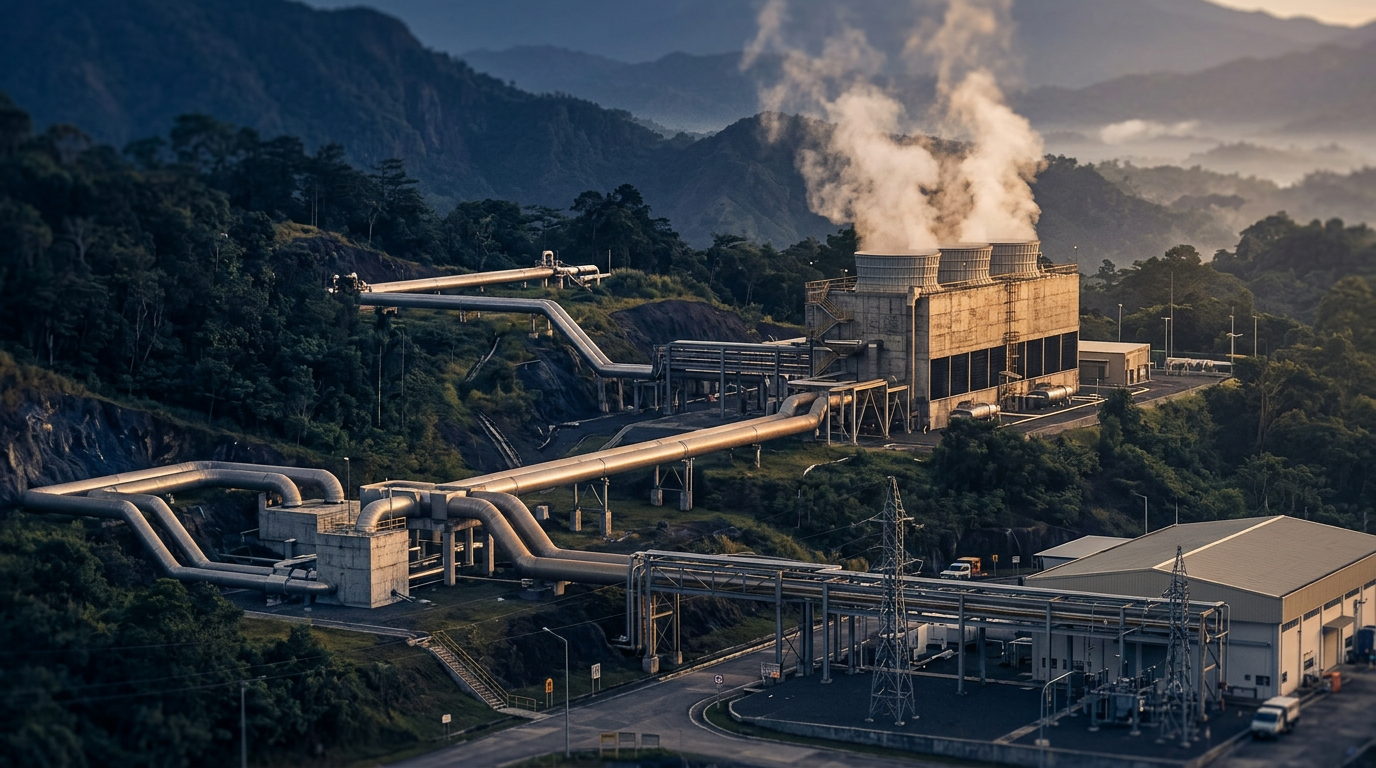
The Philippines' P788 Billion Geothermal Test
The Philippines is seeking to unlock US$12.6 billion in untapped geothermal energy potential. Success will depend on state capacity and institutional reliability, not just ambitious targets.
 Philippines
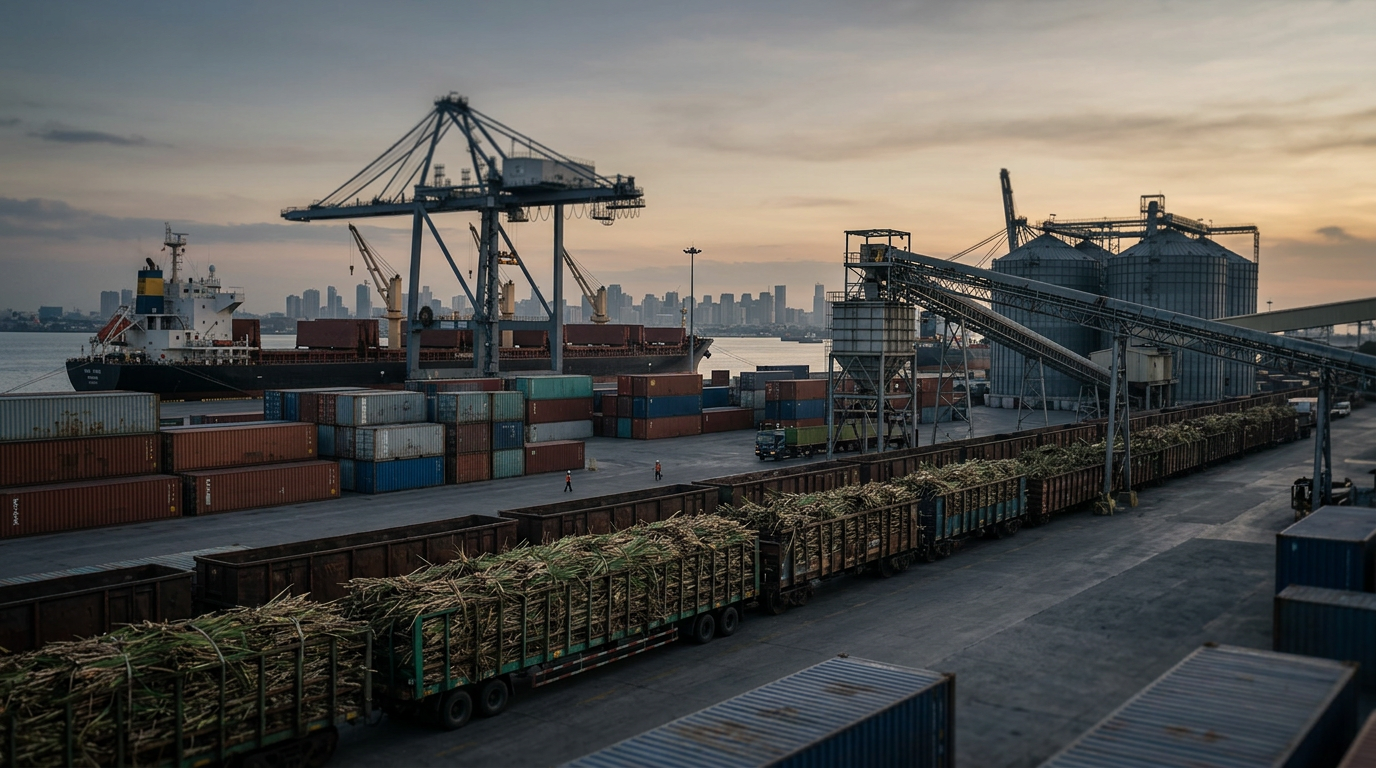
The Philippines Weighs Its Sugar Trade Options
The Philippines may not export sugar to the United States this year due to local sugarcane production constraints, a decision that highlights the institutional challenges of managing trade dependency.
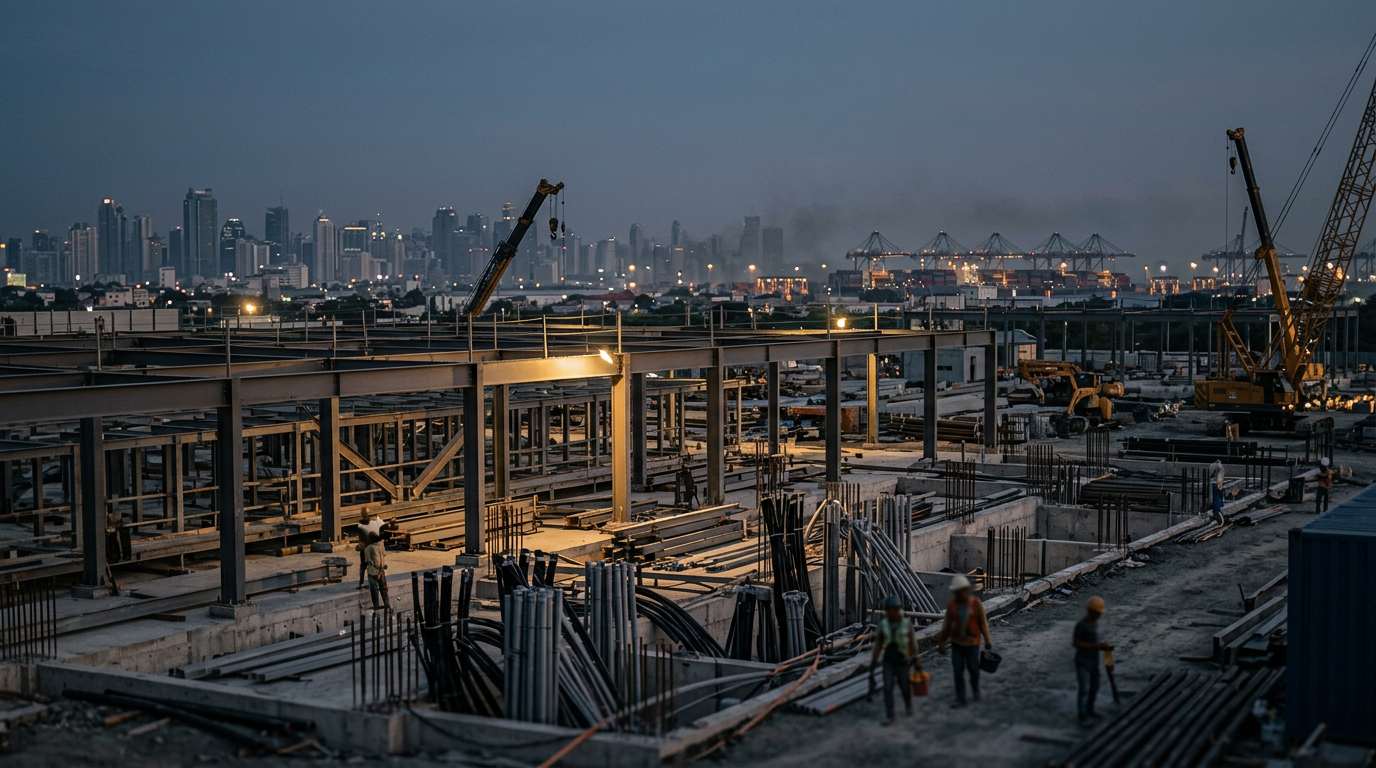 Philippines
The Limits of Digital Hype in the Philippines
Announced foreign direct investment is one thing; realised investment that builds on land, power, and talent is another. The Philippines' data center boom is a case in point.
Philippines intelligence
All trackers →Investment & FDI signals
Full fdi tracker →- fdi· Philippines· 27 September 2026Nearly 18 GW power projects cleared for grid impact study
Power projects totaling over 17.8 gigawatts were endorsed to the National Grid Corp. of the Philippines (NGCP) for system impact studies (SIS) in the first half, according to the Department of Energy.
- fdi· Philippines· 25 September 2026PAL to launch direct flights to India in December
Philippine Airlines (PAL) plans to launch nonstop services from Manila to Delhi and Mumbai in December, strengthening links between the Philippines and India.
- fdi· Philippines· 22 September 2026Islamic bank to expand financing for halal MSMEs
Al-Amanah Islamic Investment Bank of the Philippines plans to expand financing for micro, small, and medium enterprises (MSMEs) in the halal industry to tap into the rising global market.
Trade & supply chain signals
Full trade tracker →- trade· Philippines· 26 September 2026Mitsubishi Motors Philippines strengthens commitment to environmental sustainability
Mitsubishi Motors Philippines Corp. reinforced its commitment to environmental sustainability and shared best environmental practices at the 2026 Environmental Summit in Laguna.
- trade· Philippines· 24 September 2026Philippines gets additional sugar export quota from US
The Philippines has secured an additional export quota of 9,151 metric tons raw value (MTRV) for raw cane sugar to the United States.
- trade· Philippines· 22 September 2026Secretary-General of ASEAN meets with the Minister of International Trade of Canada
The Secretary-General of ASEAN met with Canada's Minister of International Trade on the margins of the 58th AEM and Related Meetings in Manila to discuss ongoing negotiations for the ASEAN-Canada FTA.
Infrastructure signals
Full infrastructure tracker →- infrastructure· Philippines· 26 September 2026‘Philippines energy transition gaining momentum’
The International Energy Agency notes the Philippines' energy transition is gaining momentum, with accelerated rollout of renewables and growing efforts to harness nuclear power.
- infrastructure· Philippines· 25 September 2026Aboitiz earns top honors at 2026 Philippines Real Estate Awards
Aboitiz Economic Estates was named Best Industrial Developer and Ajoya Cabanatuan Best Masterplanned Development at the 2026 Philippines Real Estate Awards, recognizing infrastructure development.
- infrastructure· Philippines· 31 December 2030Vehicle sales may reach 600K by 2030
Vehicle sales in the Philippines are projected to reach 600,000 units by 2030, according to Toyota Motor Philippines Corp.
- infrastructure· Philippines· 22 September 2026Land issues force ACEN to exit 2 solar contracts
ACEN Corp. has abandoned plans for two solar power projects in Quezon and Zambales, Philippines, due to various land-related challenges.
Philippines coverage themes
- Trade & supply chains. Bilateral flows, RCEP, tariff shifts and sector exposure.
- Investment & FDI. Inbound capital, sovereign deals and sector destinations.
- Capital markets. Exchanges, IPO pipeline, debt, currency and portfolio flows.
- Technology. Startups, fintech, AI deployment and platform regulation.
- Binding constraints. Fiscal, structural, institutional and geopolitical limits.
- Boardroom briefings. Bespoke Philippines briefings for boards and investors.