Indonesia
Indonesia Looks Beyond China for Trade
Indonesia's export diversification strategy to Central Asia and Africa reflects a broader ASEAN trend: managing economic dependency on China without sacrificing growth. This move is not about decoupling, but about building resilience and maintaining strategic options in a.
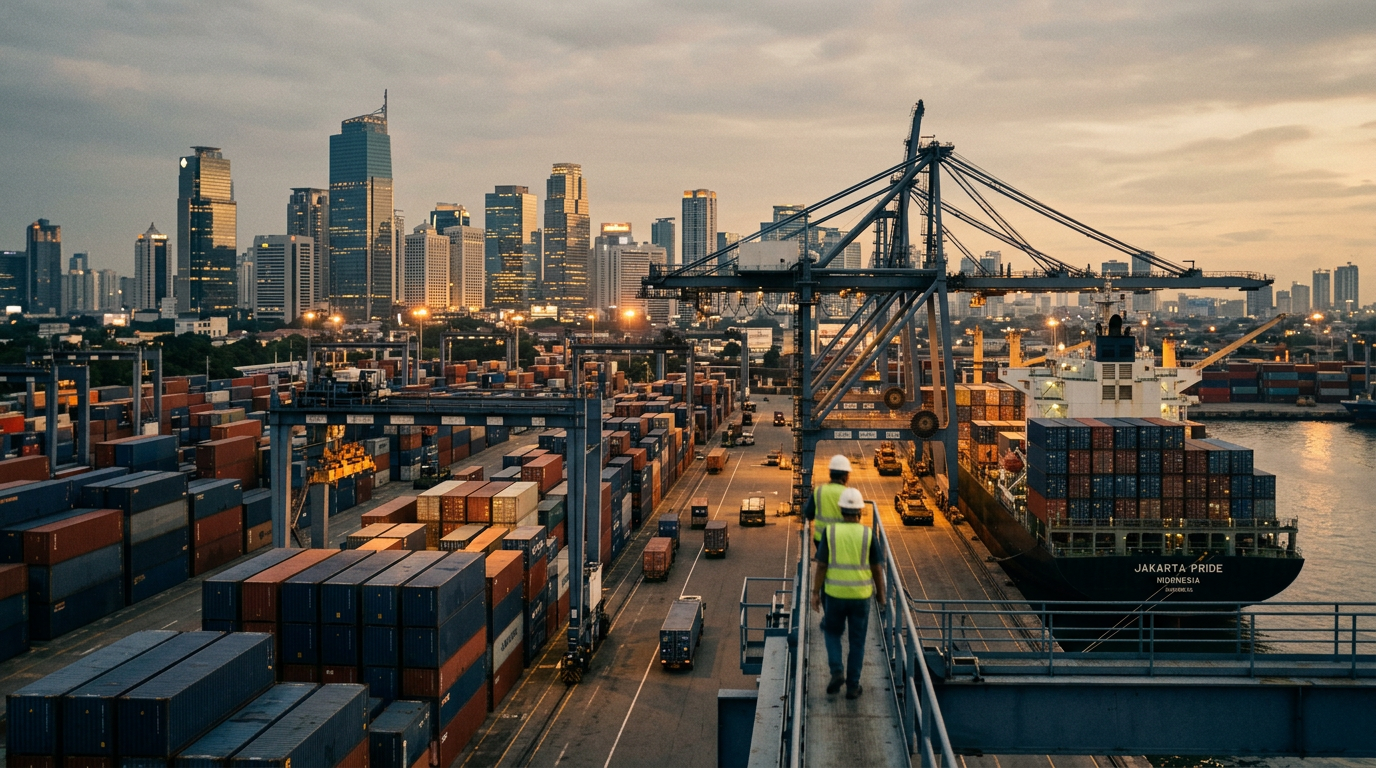
Indonesia is looking to expand its export markets to Central Asia and Africa, a strategic pivot aimed at stimulating economic growth. According to a recent report from Antara News, the Ministry of Trade has identified these regions as significant non-traditional markets. This initiative is not just about finding new customers; it reflects a deeper strategic calculation being made across Southeast Asia regarding trade relationships, particularly with China.
The China Dependency
For Indonesia and its neighbors, economic engagement with China is a fundamental reality. The sheer scale of China as a trade partner and source of capital makes it an indispensable economic engine for the region. As the book "ASEAN Rising" notes, this integration is a structural feature of the ASEAN economies. The core issue for governments is no longer about choosing whether to trade with China, but about how to structure that relationship to avoid over-reliance. Jakarta's move to cultivate new trade corridors in Central Asia and Africa is a clear example of this balancing act in practice. It is a proactive measure to build economic resilience and secure alternative growth paths, reducing vulnerability to shifts in a single market.
Execution and Infrastructure
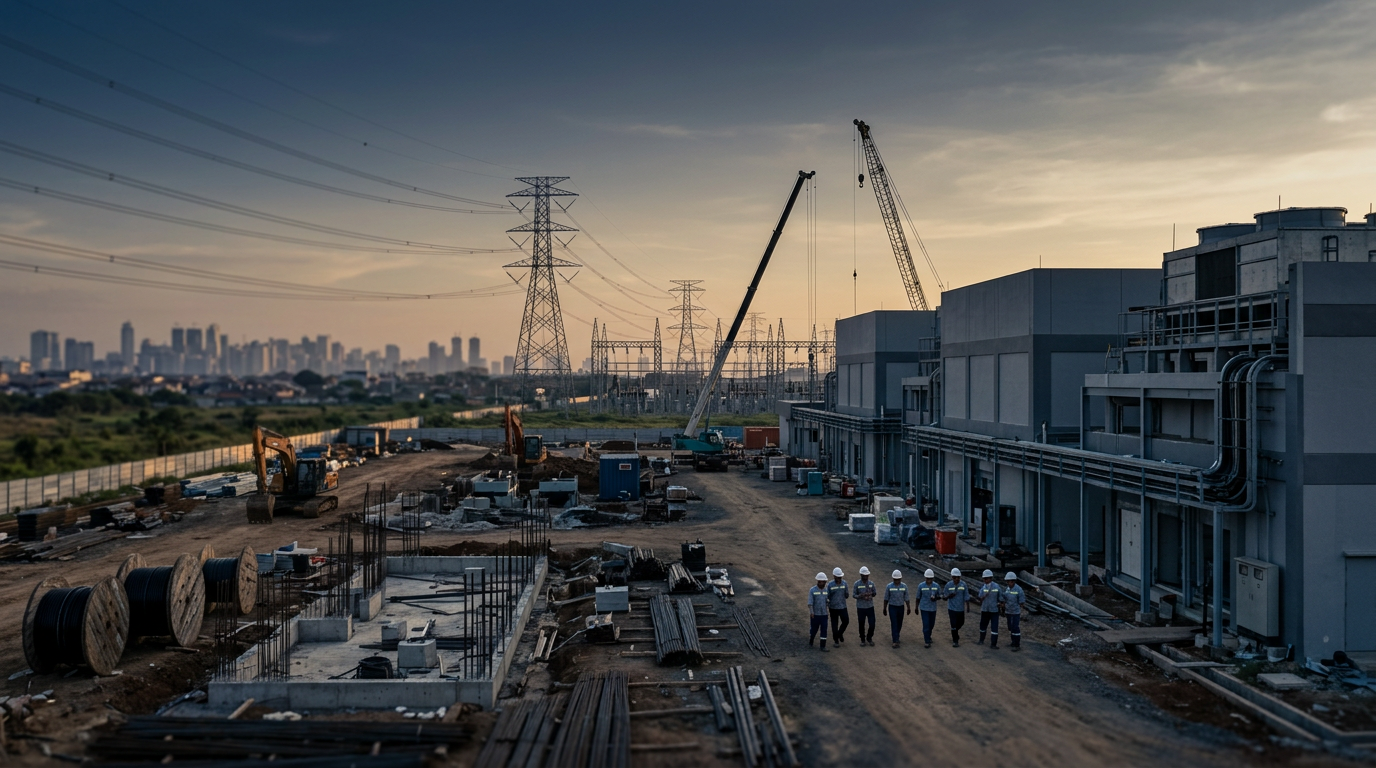
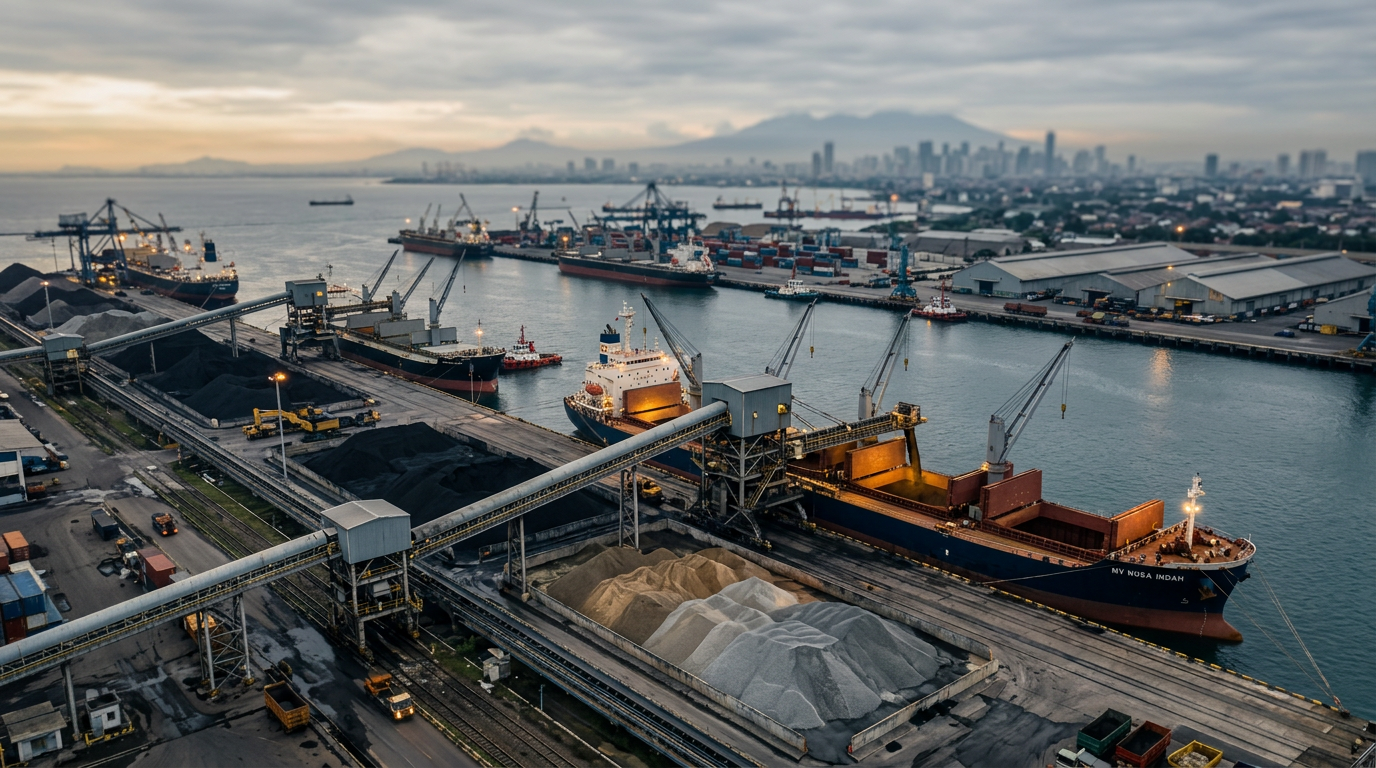
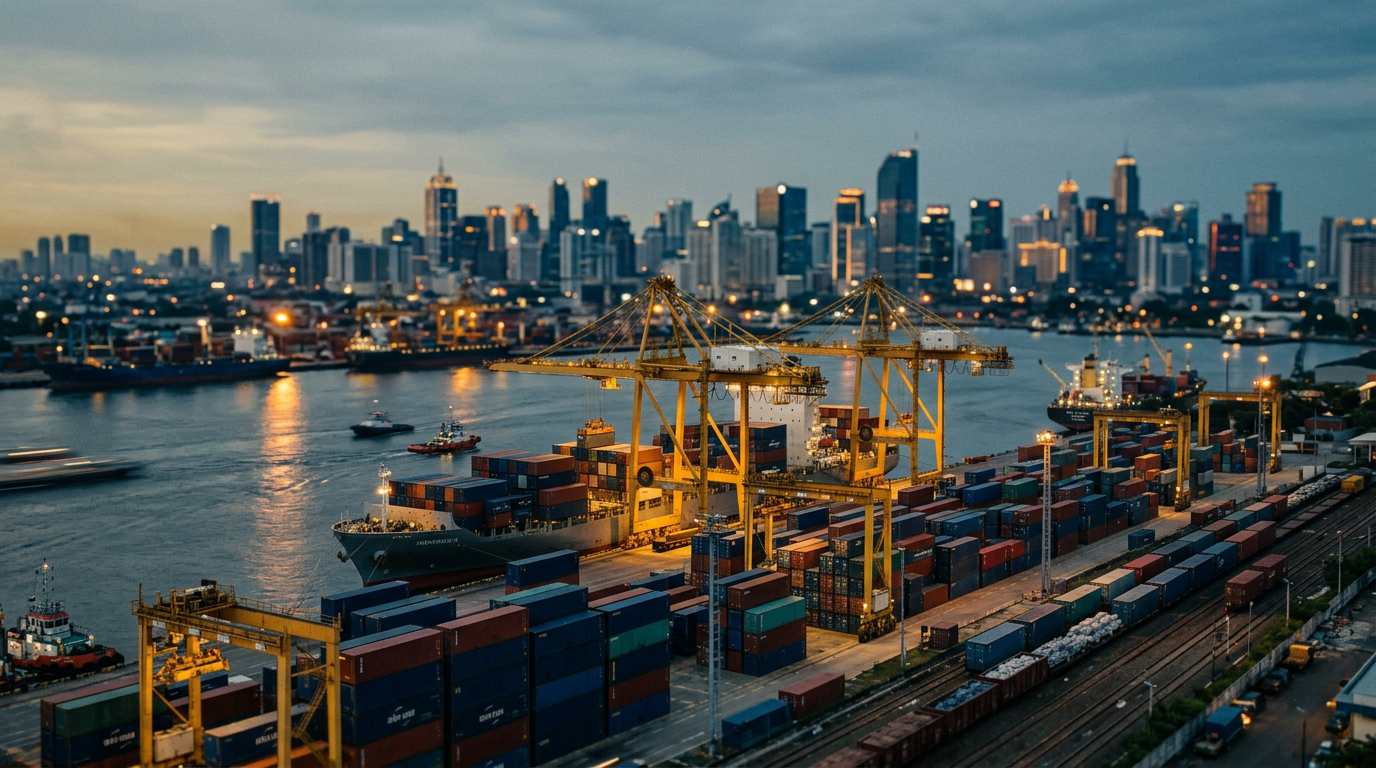
A policy of trade diversification is simple to announce but difficult to execute. Success depends on more than just government pronouncements; it requires tangible investment in institutions and infrastructure. For Indonesian exporters to effectively penetrate markets in Africa and Central Asia, they will need robust logistical support, from reliable shipping lanes to efficient customs clearance. Furthermore, financial infrastructure, including trade financing and payment systems, must be in place to facilitate transactions with new partners. These are not trivial matters. They demand sustained focus and capital investment to build the institutional capacity needed to turn market-access goals into commercial realities.
Talent and Trust
Beyond the hard infrastructure of ports and finance, trade diversification relies on human factors. Building lasting commercial relationships with new regions requires a pool of talent with the right linguistic skills, cultural understanding, and local market knowledge. Indonesian firms will need to invest in developing this expertise. Equally important is the element of trust. Establishing a reputation as a reliable and high-quality supplier in new markets takes time. It requires consistent performance and a commitment to understanding the needs of new customers. This is where government can play a role, using its diplomatic and institutional resources to build trust at a state-to-state level, which can then pave the way for private-sector engagement.
What to watch next will be the concrete steps Indonesia's Ministry of Trade takes to implement this strategy. The focus should be on the specific institutional mechanisms and infrastructure projects that are funded and prioritized. Observers should also track the response from the Indonesian business community, particularly the investments they make in developing the necessary talent and logistical chains to support this export diversification drive. The success of this policy will be measured not in speeches, but in shipping containers.