Indonesia
Indonesia's Deindustrialization Risk in a China-Centric ASEAN
An economist warns that Indonesia faces a risk of deindustrialization due to manufacturing stagnation. This reflects a structural dependency on commodity exports and a failure to capture higher value-add in regional supply chains.
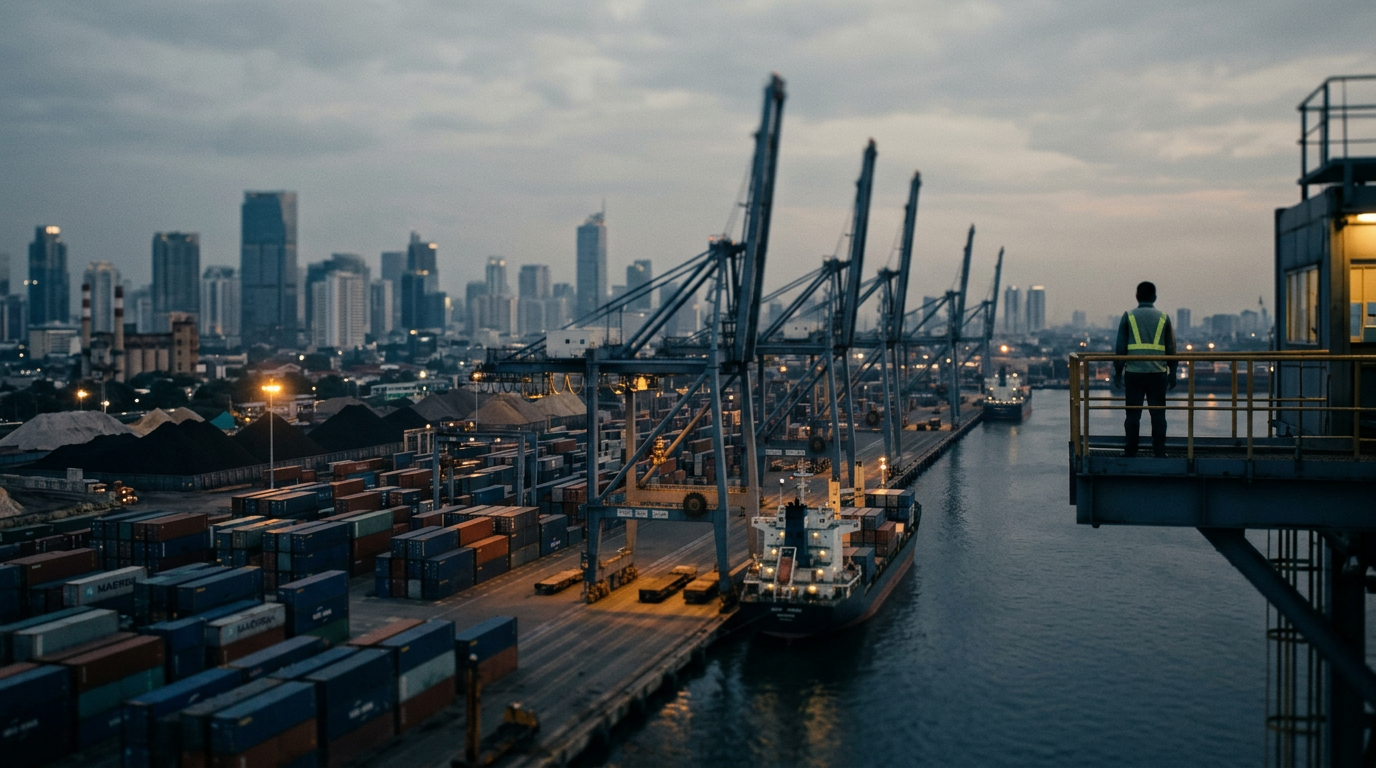
An economist has warned that Indonesia faces a risk of premature deindustrialization, citing manufacturing stagnation and a continued reliance on commodity exports. As reported by the Jakarta Globe, this trend highlights a deep structural challenge for Indonesia as it seeks to achieve high-income status.
The Commodity Trap
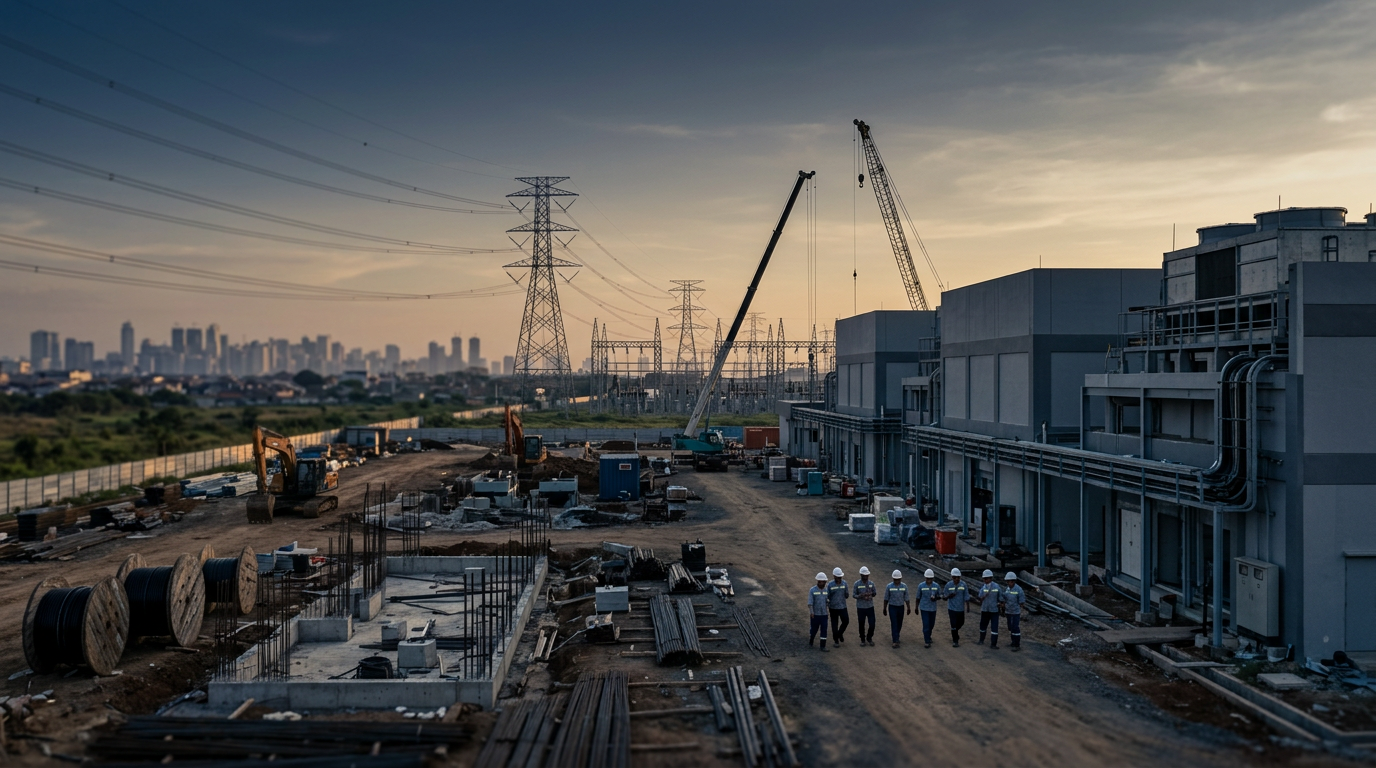
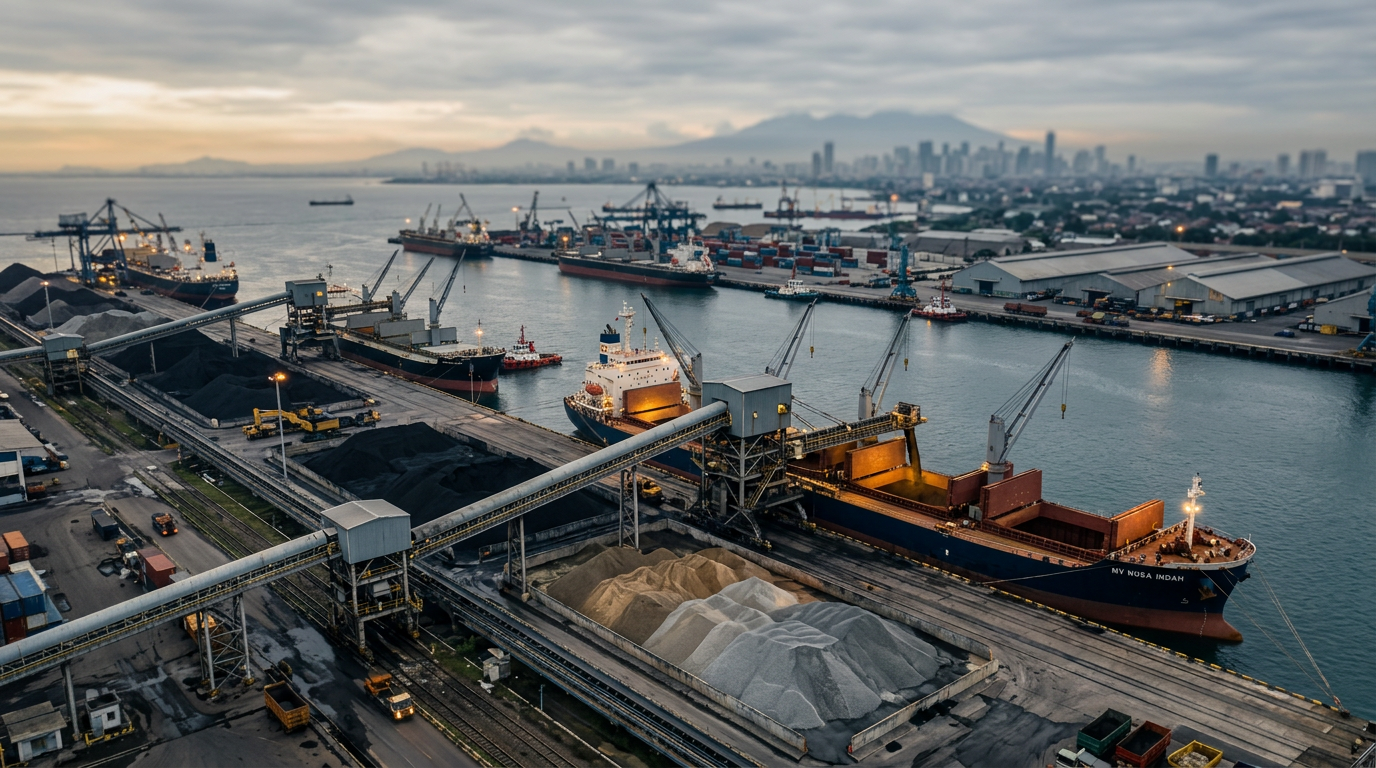
Indonesia's economic narrative has long been centered on its vast natural resources. However, this reliance on raw material exports, while profitable, exposes the economy to global price volatility and offers limited scope for job creation in higher-skilled sectors. The recent warning from an economist points to the manufacturing sector's declining share of GDP as a primary concern. Without a robust industrial base, Indonesia risks being trapped in a middle-income status, unable to transition to a knowledge-based, high-value economy.
The government has pursued policies to encourage downstream processing of commodities like nickel and bauxite, aiming to capture more value domestically. Yet, the overall contribution of manufacturing to the economy has not kept pace with growth in other sectors, notably services and primary commodity extraction. This situation suggests that industrial policy execution has not been sufficient to overcome the structural pull of commodity exports, particularly to China.
China and Supply Chain Positioning
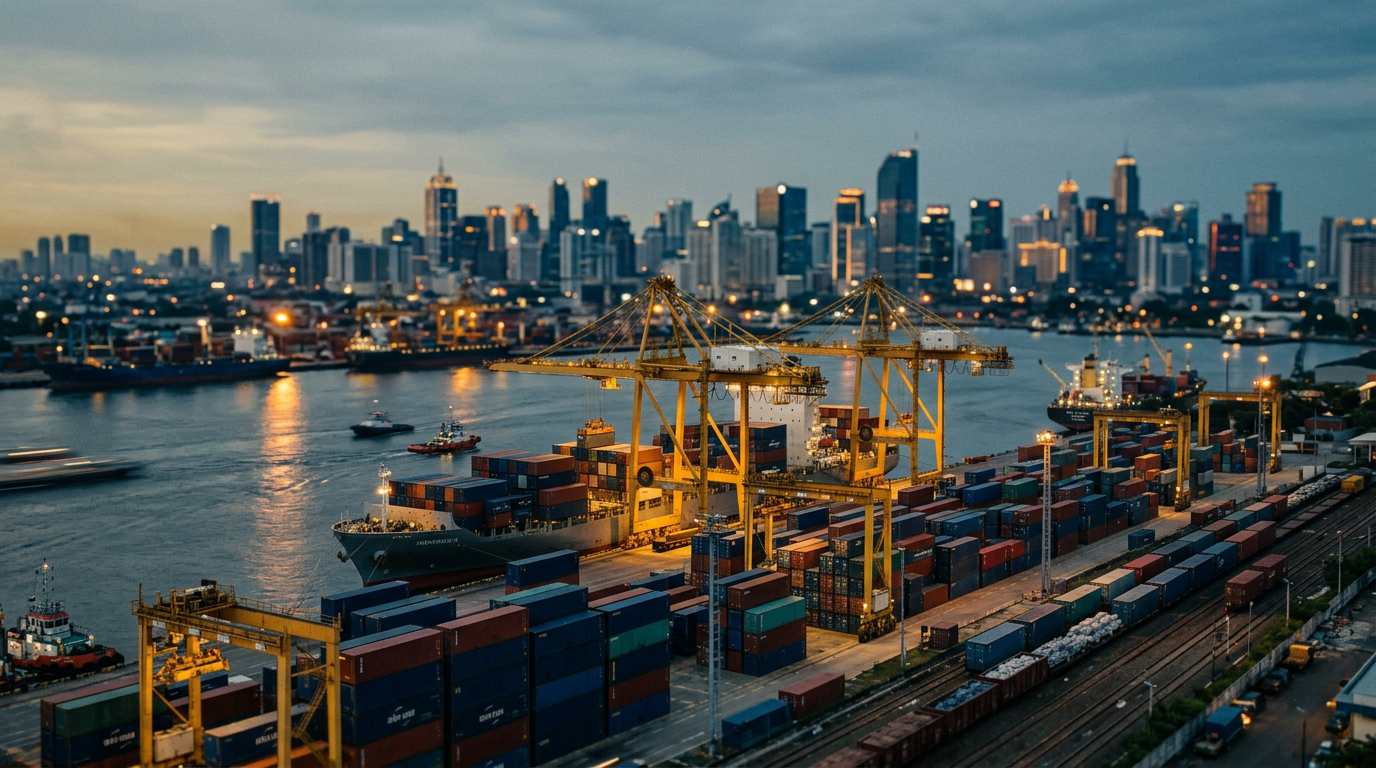
China is the primary destination for many of Indonesia's commodity exports. This trade relationship, while substantial, reinforces Indonesia's role as a supplier of raw materials rather than a manufacturer of finished goods. The book ASEAN Rising notes that for many ASEAN nations, "trade depth with China is now a structural feature, not a cyclical one." This dependency frames the industrial policy choices available to Jakarta. The challenge is to leverage the relationship with China to move up the value chain, rather than simply supplying the inputs for China's industrial machine.
Effective industrial policy requires more than just banning raw material exports; it demands a comprehensive strategy that includes building the necessary infrastructure, developing a skilled workforce, and fostering a competitive business environment. For Indonesia, this means improving institutional capacity to execute complex, long-term industrial plans. Without this, the country will struggle to attract the sustained, high-quality foreign direct investment needed to build a durable manufacturing sector that can compete regionally and globally. The focus must be on creating an ecosystem where both domestic and foreign firms can thrive in higher value-added manufacturing activities.
What to watch
Watch for the specific policy measures the Indonesian government implements following the upcoming leadership transition to address industrial competitiveness. The effectiveness of these policies in attracting investment into non-extractive sectors and boosting the manufacturing sector's GDP contribution will be the key indicator of whether Indonesia can avert the risk of premature deindustrialization. The evolution of its trade and investment relationship with China, particularly in terms of technology transfer and value chain integration, will also be a determinant of its long-term economic trajectory.