Indonesia
Indonesia's Coal Sector at a Crossroads
A potential change in ownership at a major Indonesian coal producer highlights the institutional and infrastructure challenges that will shape the country's economic future.

A potential change of ownership at PT Bayan Resources, one of Indonesia's major coal producers, has brought fresh attention to the country's extractives sector. Singapore-born Indonesian billionaire Low Tuck Kwong is reportedly in negotiations to sell a majority stake in his flagship firm, according to a report from VnExpress. Such a move would represent a significant shift in a large-scale enterprise and raises questions about the long-term trajectory of the nation's primary energy sources and the institutions that govern them.
Institutions and Inertia
The potential Bayan Resources sale is a private transaction, but it unfolds within the public framework of Indonesia's state capacity. The nation's regulatory and legal systems govern how such a large-scale transfer of an economically and strategically significant asset would proceed. As outlined in the book "ASEAN Rising", the reliability and predictability of these institutions are a core component of a country's comparative advantage. The costs associated with navigating complex regulations, securing permits, and ensuring contract enforcement directly impact the valuation of assets and the willingness of capital to commit.
Indonesia has made substantial progress in improving its governance frameworks. Yet, the extractives industry, with its long timelines and significant capital requirements, remains a stern test. For any potential new owner of Bayan Resources, the key consideration will not just be the market price of coal, but the perceived stability and efficiency of the Indonesian state in managing the sector. This includes everything from mining licenses and environmental regulations to labor laws and export logistics. The smoother and more predictable these processes are, the lower the "cost of friction" for the business, which in turn enhances the value of the underlying asset.
From Assets to Infrastructure
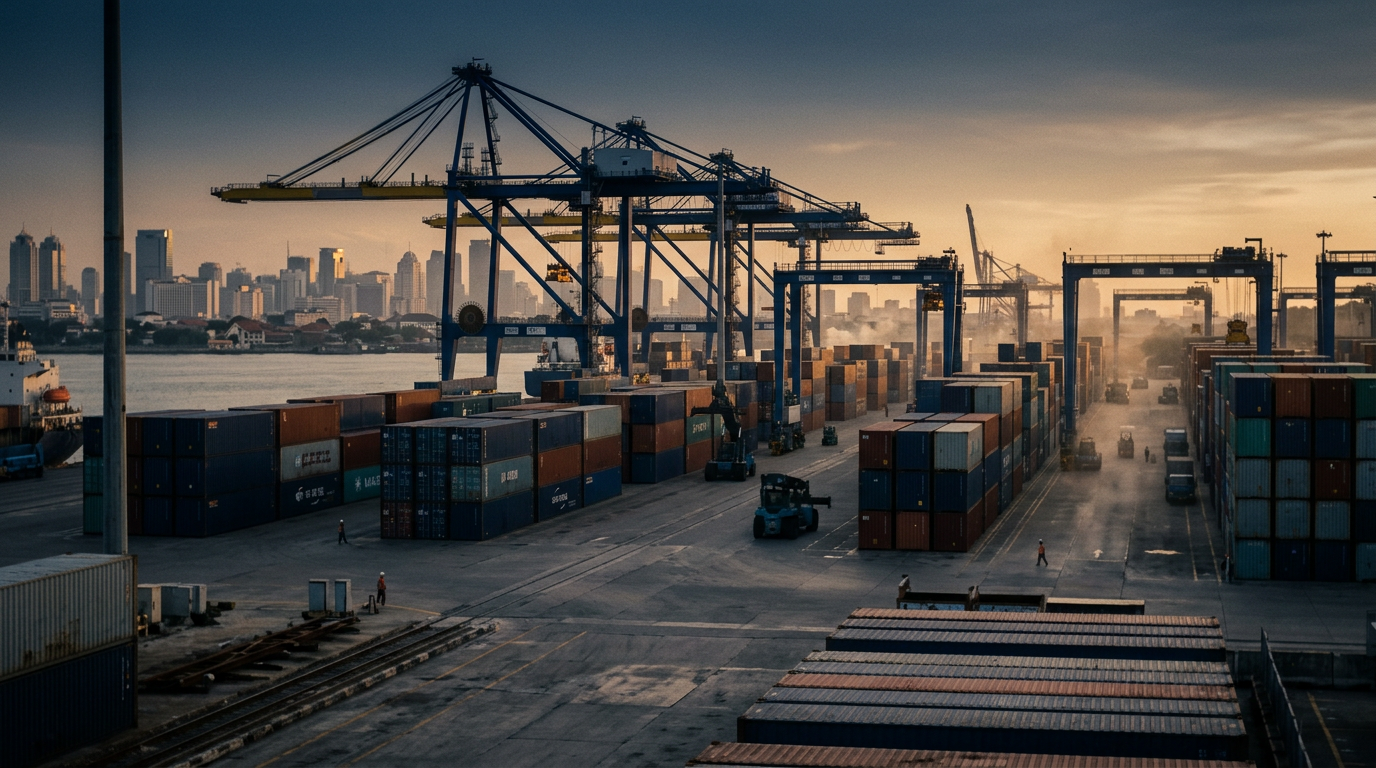
The Bayan story is also an infrastructure story. A coal mine's output is only as valuable as its ability to get to market. This requires a complex logistical chain of haul roads, ports, and shipping capabilities. Indonesia's geography presents a formidable challenge, and the state's ability to deliver on large-scale infrastructure projects is paramount. The book notes that "infrastructure that arrives on time signals more than infrastructure that is merely announced." This insight is directly applicable here. The value of Bayan Resources is intrinsically linked to the reliability of the public and private infrastructure that connects its mines in Kalimantan to power plants in Java and markets across the globe.
Any change in ownership will be evaluated against the backdrop of Indonesia's ambitious infrastructure development plans. A new controlling entity would have to assess the execution risk of critical government projects, from port expansions to railway lines, that could impact the company's operations and profitability. The transaction, therefore, is a barometer of confidence not just in the asset itself, but in the state's capacity to execute its broader economic development strategy and build a more connected and efficient archipelago.
What to watch: Observers should monitor the regulatory response to the proposed sale, if it materializes, as a signal of institutional efficiency. The valuation of the transaction will reflect the market's assessment of Indonesia's country risk, including the perceived reliability of its legal and administrative systems. Furthermore, any public statements from the involved parties regarding infrastructure or logistics constraints will offer insight into the real-world impact of state capacity on major commercial enterprises.