Indonesia
The Hard Work of Turning FDI Pledges into Reality
Foreign direct investment announcements are easy. The real test is the slower work of building the infrastructure and institutions needed to absorb that capital.
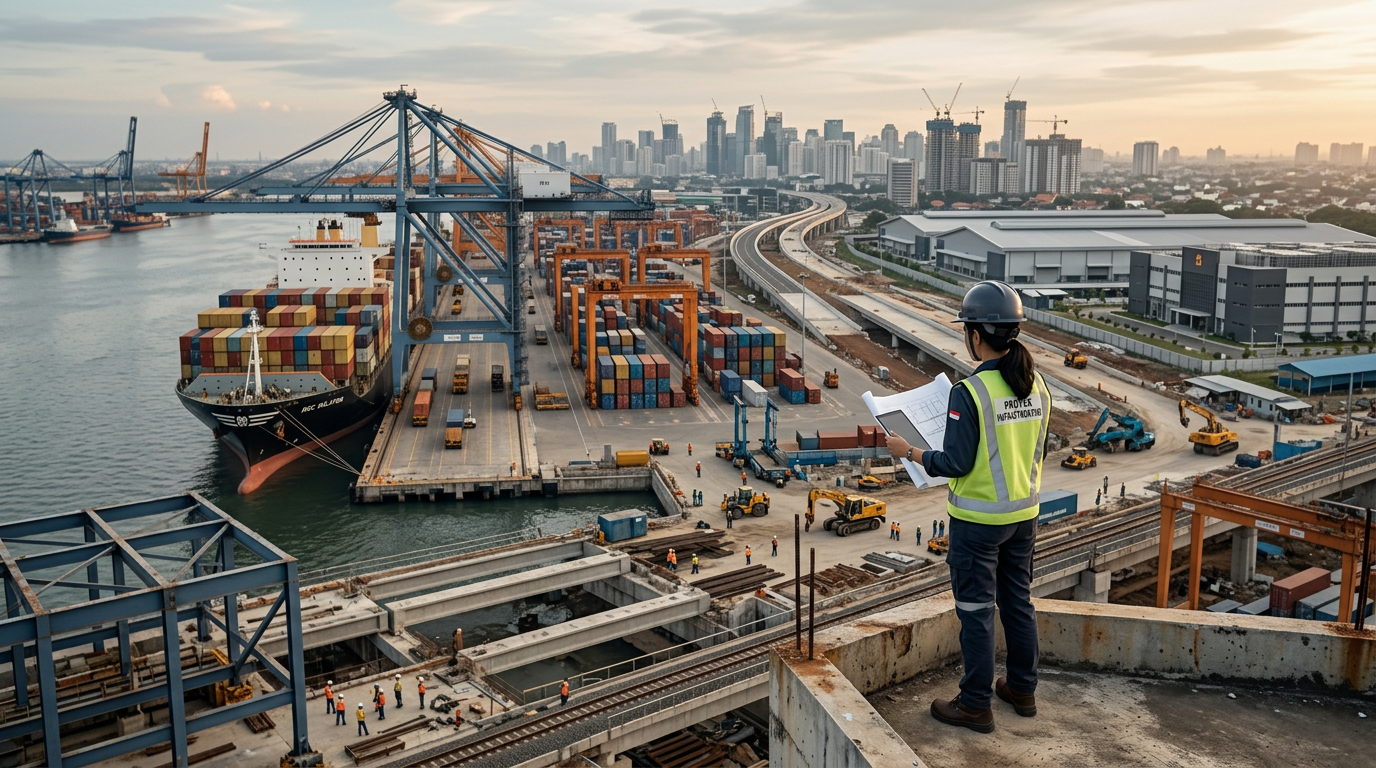
A recent regulatory approval in Manila for the National Grid Corp. of the Philippines (NGCP) to extend the completion target for two major transmission projects highlights a persistent theme across Southeast Asia: the gap between investment announcements and on-the-ground execution. According to a report from philstar.com, the projects, valued at P8.2 billion, are now targeted for completion next year. While specific to the Philippines, this delay in critical infrastructure illustrates a broader challenge that is particularly relevant for a market like Indonesia, which attracts significant foreign investment interest due to its sheer size.
From Announcement to Execution
The allure of a large and growing market like Indonesia is undeniable for foreign investors. The country's demographic and economic scale presents a compelling story. However, as the book ASEAN Rising explains, "scale matters only when institutions can turn it into investable depth." FDI announcements often generate positive headlines, but the actual deployment of capital is a much slower and more complex process. It depends heavily on the capacity of local institutions to deliver the foundational elements that projects require.
This is where the less glamorous work begins. Securing land rights, navigating the permitting process, ensuring reliable power supply, and sourcing skilled talent are the real determinants of whether an investment pledge becomes a functioning factory, a data center, or a power plant. The NGCP case in the Philippines, where transmission lines are essential for connecting power sources to industrial and residential users, is a clear example of this principle. Without the grid, the power cannot flow, and the investments that depend on that power are stalled.
Institutions and Infrastructure
Indonesia has made significant strides in improving its investment climate, streamlining regulations, and courting international capital. The government has been proactive in packaging large-scale industrial and infrastructure projects for foreign partners. Yet, the journey from a signed memorandum of understanding to a ribbon-cutting ceremony is fraught with potential delays. These are often institutional in nature.
Coordinating between national and sub-national government bodies, for instance, remains a significant hurdle. A project may receive a green light from the central government in Jakarta, but implementation can bog down at the local level over land acquisition disputes or permit issuance. These are the practical realities that test the resilience of an investment thesis. The slow work of building out essential infrastructure, from power grids to transport links, forms the backbone of a country's absorptive capacity. Without it, capital cannot be put to productive use, and the economic benefits of FDI are not fully realized.
Capital and Talent
Ultimately, the successful conversion of FDI into tangible assets rests on more than just physical infrastructure. It requires human capital. As new industries develop, particularly in higher-value sectors like electric vehicle battery manufacturing or digital services, the demand for a skilled workforce intensifies. Investors need access to a pool of engineers, technicians, and managers who can operate and maintain sophisticated facilities.
This connects the FDI story directly to a country's education and vocational training systems. A long-term strategy for attracting and retaining high-quality investment must include a parallel strategy for developing domestic talent. The availability of skilled labor can become a primary bottleneck, even when the land, permits, and power are in place. For Indonesia, ensuring that its large and youthful population is equipped with the right skills is fundamental to translating its demographic advantage into sustainable economic development and making the country a truly deep and attractive market for global capital.
What to watch: Observers should monitor the progress of Indonesia's major infrastructure projects, particularly in energy and logistics, as a barometer of the country's institutional capacity. Pay close attention to how effectively national-level investment policies are implemented at the provincial and municipal levels, as this is where announced projects often face their most significant execution risks. The alignment between infrastructure development, foreign investment realization, and local talent development will be a key indicator of Indonesia's long-term economic trajectory.