Indonesia
Indonesia's Commodity Exchange: A Test of Institutional Capacity
Indonesia plans to launch its Strategic Mineral and Commodities Exchange in early 2027. This move is a direct attempt to gain more control over the pricing and export of its strategic minerals, particularly nickel, a key component in electric vehicle batteries. The initiative.
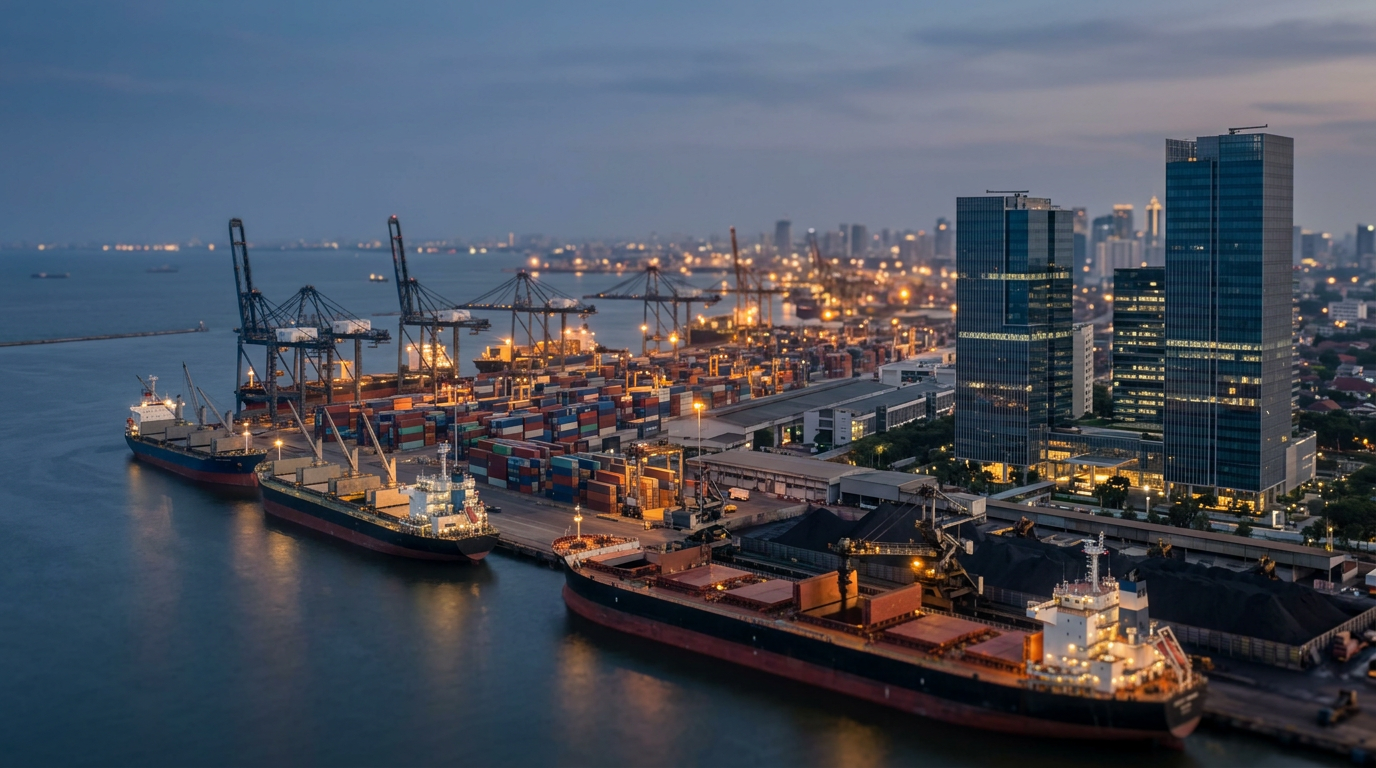
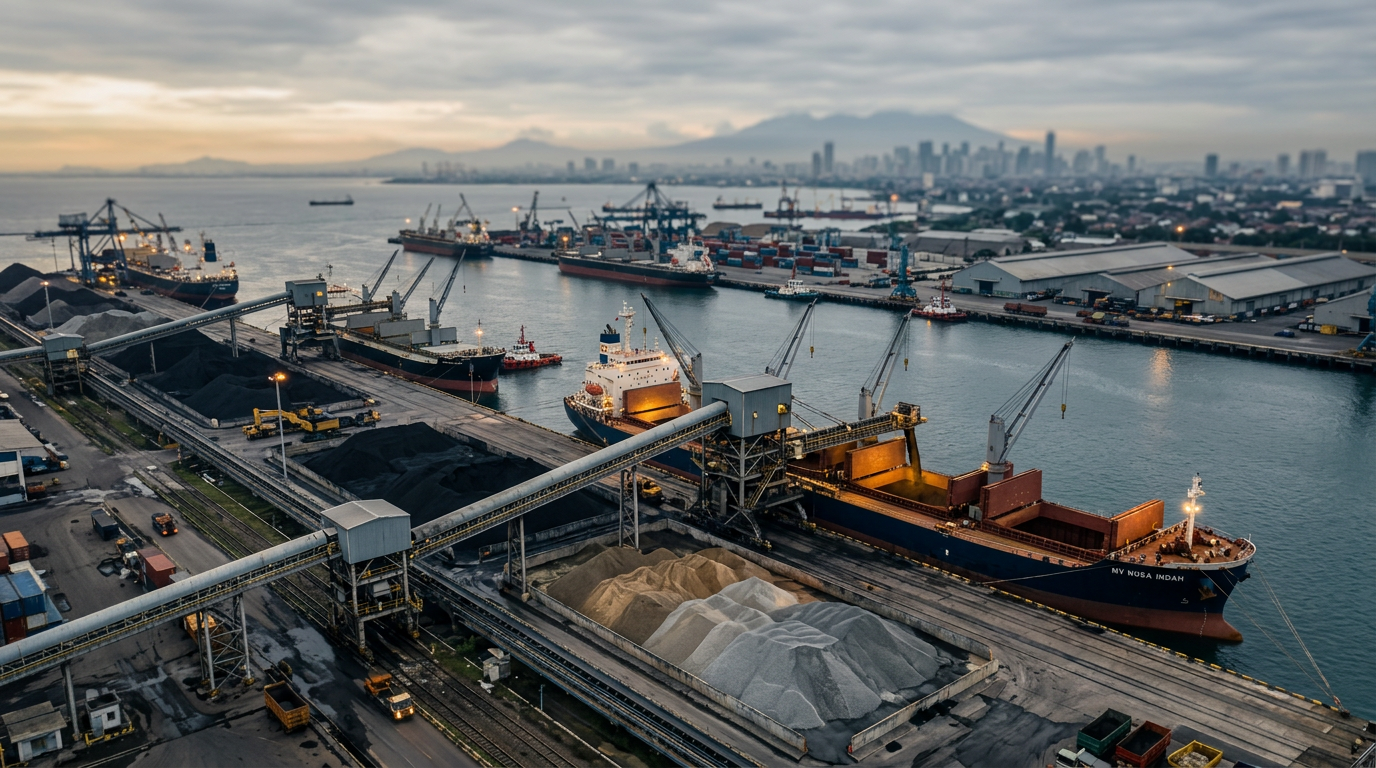
Indonesia announced its intention to launch a Strategic Mineral and Commodities Exchange in early 2027, a move detailed by President Prabowo Subianto. According to a report from Antara News, the exchange is designed to give the country greater control over the pricing of its abundant mineral resources, particularly nickel. This initiative is a clear expression of Indonesia's policy of "downstreaming," which seeks to move the country up the value chain from a mere exporter of raw materials to a processor and producer of higher-value goods.
Institutions and Execution
The success of this exchange will hinge on the strength of the institutions that govern it and the quality of its execution. Creating a liquid and trusted commodities market from scratch is a formidable task. It requires a robust regulatory framework to ensure price transparency, prevent market manipulation, and guarantee the physical delivery of the underlying assets. The government will need to build confidence among international traders, producers, and consumers. The goal is to establish benchmark prices for Indonesian nickel and other commodities that are recognized globally, similar to the role the London Metal Exchange (LME) plays for other industrial metals.
Execution is just as important. The exchange will need sophisticated trading and clearing infrastructure, reliable warehousing and logistics, and a system for grading and certifying the quality of the minerals. Attracting sufficient trading volume to create liquidity is a primary hurdle. Without a deep pool of buyers and sellers, the exchange's prices will not be seen as credible benchmarks, and the market will fail to gain traction. This is a direct test of Indonesia's ability to build and operate a complex market institution that meets international standards.
Capital and Infrastructure
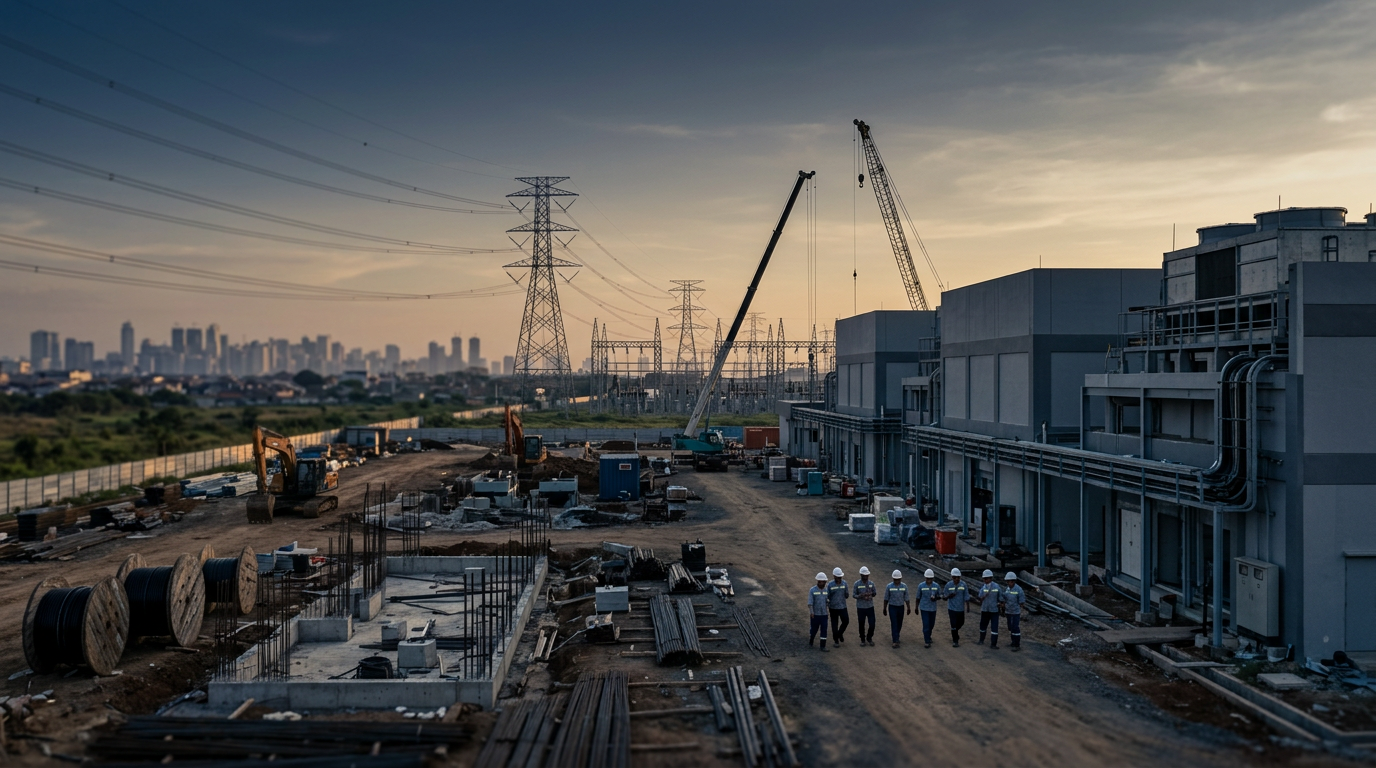
Substantial capital investment is required to develop the physical infrastructure to support the exchange. This includes certified warehouses, transportation networks, and inspection facilities. The "downstreaming" policy has already attracted significant foreign investment, particularly from China, into nickel smelters and processing plants across the country. As noted in ASEAN Rising, deep trade and investment links with China are now a structural reality for the region's major economies. The book observes that for governments, the challenge "is no longer whether to engage, but how to manage dependency without losing optionality." Indonesia's commodity exchange can be seen in this light-an attempt to build sovereign institutional capacity to manage the terms of its dependency on foreign capital and export markets.
By creating a domestic pricing mechanism, Indonesia aims to ensure it captures more of the value from its mineral wealth. The government's 2020 ban on the export of raw nickel ore was the first step, forcing investment into domestic processing. The exchange is the logical next step: an attempt to influence the price of the finished products. This strategy, however, carries risks. It has already led to a trade dispute with the European Union at the World Trade Organization, and it places a heavy burden on the government to deliver a functional and efficient market.
What to watch
The establishment of the exchange will be a multi-year process. Watch for the specific regulations and governance structures that are put in place, as these will be early indicators of its potential for success. The government's ability to attract participation from major domestic producers and international trading houses will be a key factor in achieving the necessary liquidity. The reaction from established commodity exchanges and the broader market will also shape the outcome of Indonesia's ambitious plan to reshape the global nickel trade.