Indonesia
Indonesia Rethinks Commodity Strategy
Indonesia is re-evaluating its commodity export strategy, a move that highlights a core ASEAN dilemma: how to manage economic dependency on China while building downstream industries.
Indonesia's President-elect Prabowo Subianto is reportedly reconsidering a plan to tax nickel exports and may delay a ban on unprocessed commodity shipments, according to a recent report from the Financial Times. This shift follows market pressure and concerns over the impact on trade relationships, particularly with China, the primary buyer of Indonesian nickel.
The situation in Indonesia exemplifies a broader theme across the region. The economic relationship with China is a structural reality for ASEAN nations. As detailed in the book ASEAN Rising, this deep trade integration presents complex policy choices. The core issue is no longer about choosing to engage with China, but rather "how to manage dependency without losing optionality." Indonesia's case with nickel processing shows this dilemma in action.
Downstream Ambitions Meet Market Realities
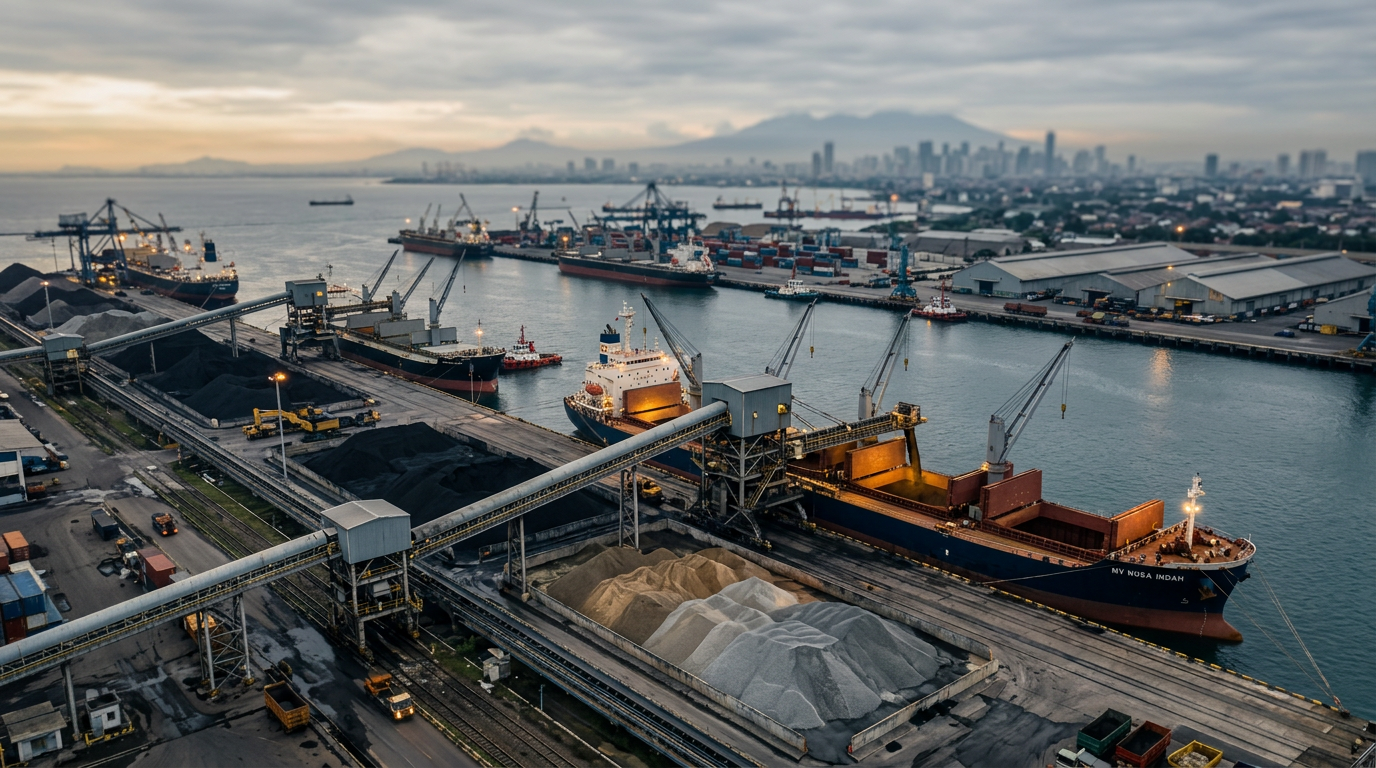
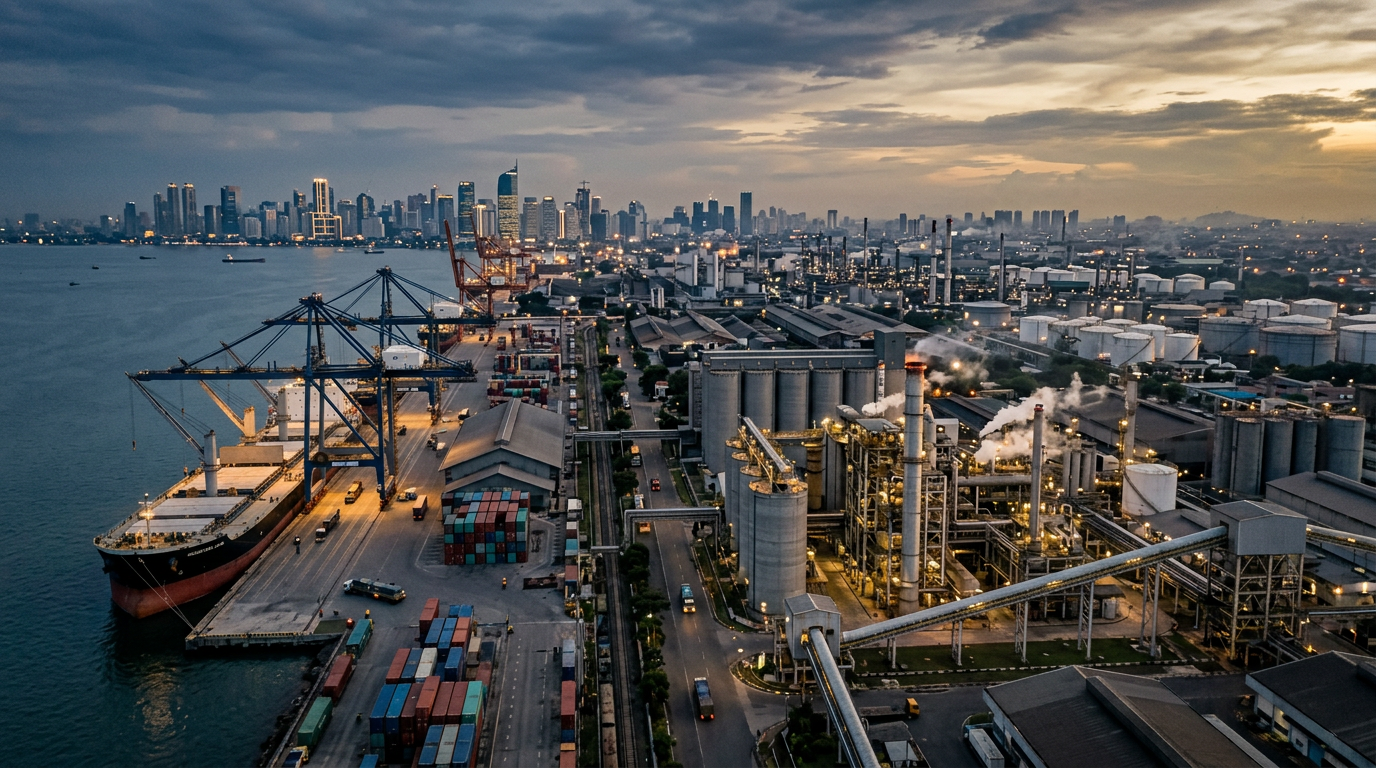
Indonesia's strategy, known as "downstreamization," aims to move the country up the value chain. By banning the export of raw nickel ore, the government successfully attracted billions of dollars in Chinese investment to build smelters. The goal was to capture more value from its natural resources, transforming Indonesia from a mere supplier of raw materials into a processor and producer of higher-value goods like stainless steel and battery components.
This policy appeared successful in boosting industrial capacity and export revenues. However, the reported reconsideration of further export controls, such as a tax on nickel pig iron and ferronickel, suggests the limits of this approach. The market for these processed goods is heavily dependent on Chinese demand. Any disruption to this flow, whether through taxes or other restrictions, risks undermining the very investments the policy was designed to attract. It highlights the difficult balance between asserting economic sovereignty and maintaining the flow of capital and trade that underpins growth.
The Capital-Infrastructure Nexus
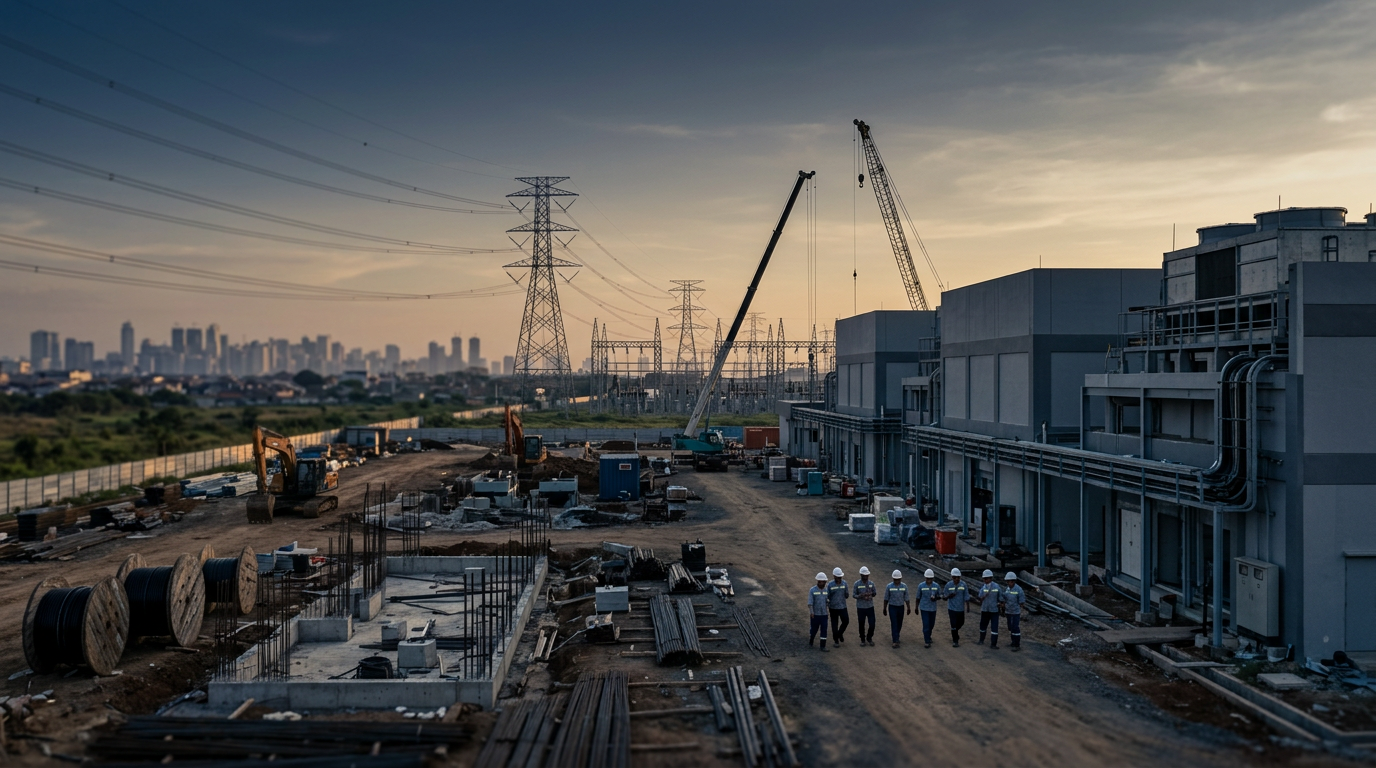
The development of Indonesia's nickel processing industry is a clear example of how Chinese capital is directly financing infrastructure within ASEAN. This investment is not abstract; it builds roads, ports, and industrial parks dedicated to serving a specific trade corridor. While this builds tangible assets and creates jobs, it also hardens the patterns of dependency. The infrastructure is physically and logistically tied to a single major export market.
This creates a feedback loop. The more infrastructure is built to serve Chinese demand, the more reliant the local economy becomes on that demand. For Indonesian policymakers, the challenge is to ensure that these investments serve the country's long-term strategic interests, not just the immediate needs of its largest trading partner. Diversifying the end markets for its processed nickel and attracting investment from other countries are logical next steps, but ones that are difficult to execute when existing infrastructure is so specialized.
What to watch: Observers should monitor whether the new Indonesian administration proceeds with export taxes on semi-processed nickel or other commodities. The decision will signal how the government intends to balance its industrial ambitions against the realities of its trade and investment relationship with China. Also, watch for any new incentives aimed at attracting non-Chinese capital into the processing sector, which would indicate a deliberate strategy to diversify its economic partnerships.