Indonesia
's Commodity Data Platform Aims to Manage Trade Dependency
Indonesia's new commodity export monitoring platform is a step toward managing trade dependency, a structural feature of ASEAN's relationship with China.
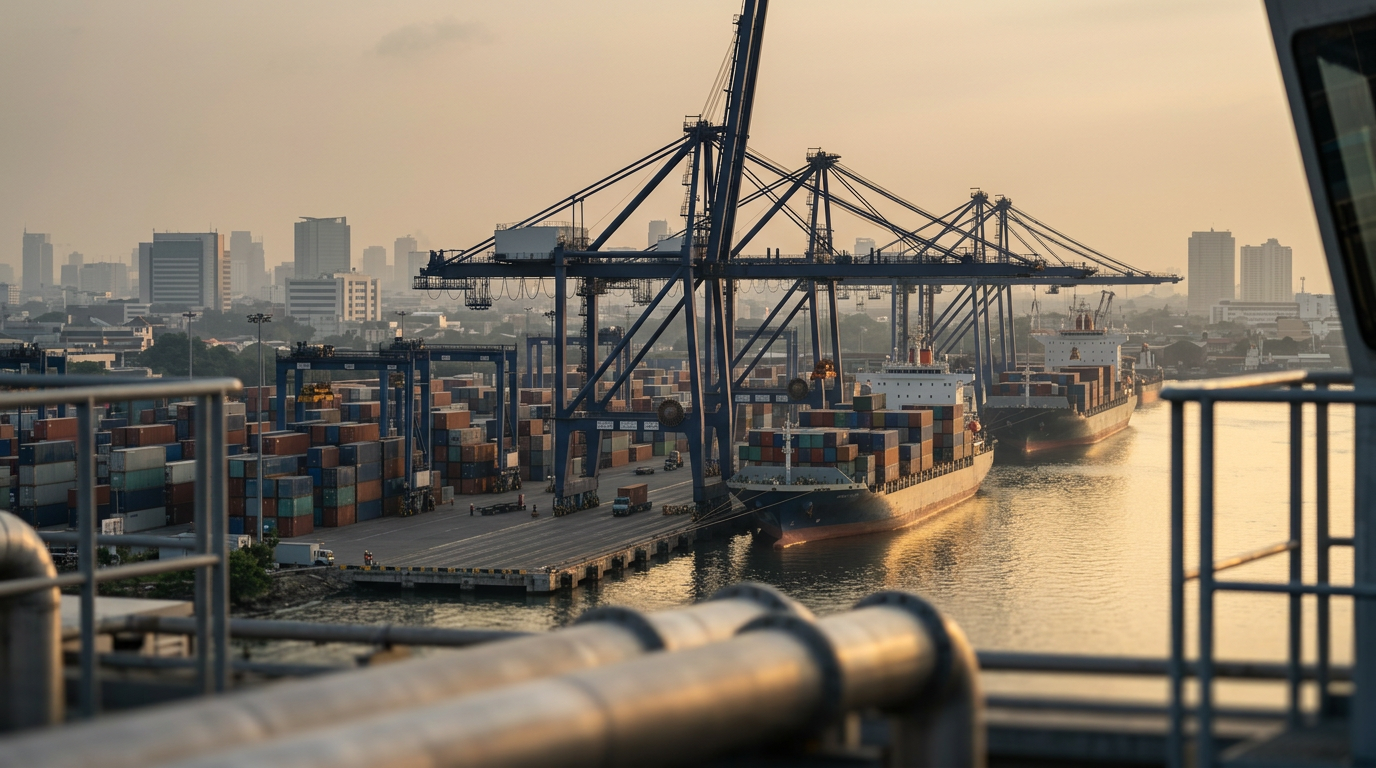
Indonesia has launched a pilot commodity export monitoring platform, a move aimed at improving its oversight of key exports. According to a report from the Business Times, the platform, named National Data Intelligence, will be introduced gradually. This initiative reflects a broader theme across the region: the need for more sophisticated tools to manage deep-seated trade relationships, particularly with China.
Data for Dependency Management
Effective economic statecraft begins with accurate data. For commodity-dependent economies, this means having a real-time, granular understanding of export flows, pricing, and destination markets. Indonesia's new platform is a step in this direction. By centralizing data on its commodity exports, Jakarta can better analyze its trade position and formulate policy based on a clear view of its economic exposure. The platform is an investment in institutional capacity, designed to provide the state with the intelligence it needs to navigate a complex global trade environment.
The logic behind such a system is clear. Without robust monitoring, a country is more susceptible to transfer pricing inaccuracies, illicit trade, and a general lack of visibility into the real-world value of its natural resources. This data deficit can lead to lost revenue and a weaker negotiating position with major trading partners. The ability to execute on a national trade strategy is compromised when officials are working with incomplete or lagging information.
The China Relationship
The strategic backdrop for Indonesia's initiative is the deep and structural trade relationship between ASEAN nations and China. As the book "ASEAN Rising" notes, this economic integration is a permanent feature of the region's landscape. The challenge for governments is not about reducing this trade, but about managing the dependency that comes with it. "The question for ASEAN governments is no longer whether to engage, but how to manage dependency without losing optionality." Indonesia's data platform can be seen as a tool for just that - a way to preserve strategic options by having a firmer grasp on the specifics of its trade flows.
For Indonesia, a major exporter of nickel, palm oil, and coal, a significant portion of which is destined for China, this dependency is a matter of national economic importance. Having a centralized data system allows the government to better model the effects of potential policy changes, such as export restrictions or downstream processing mandates (hilirisasi). It provides the analytical foundation needed to make calculated decisions, balancing the benefits of trade with the risks of over-reliance on a single market.
What to watch
What to watch is how quickly Indonesia can roll out this platform and integrate it into its policymaking process. The real test will be whether this improved data intelligence translates into more effective trade and industrial strategies. Other ASEAN commodity exporters will likely be observing to see if this model of national data management provides a useful template for their own efforts to manage their deep trade ties with China.