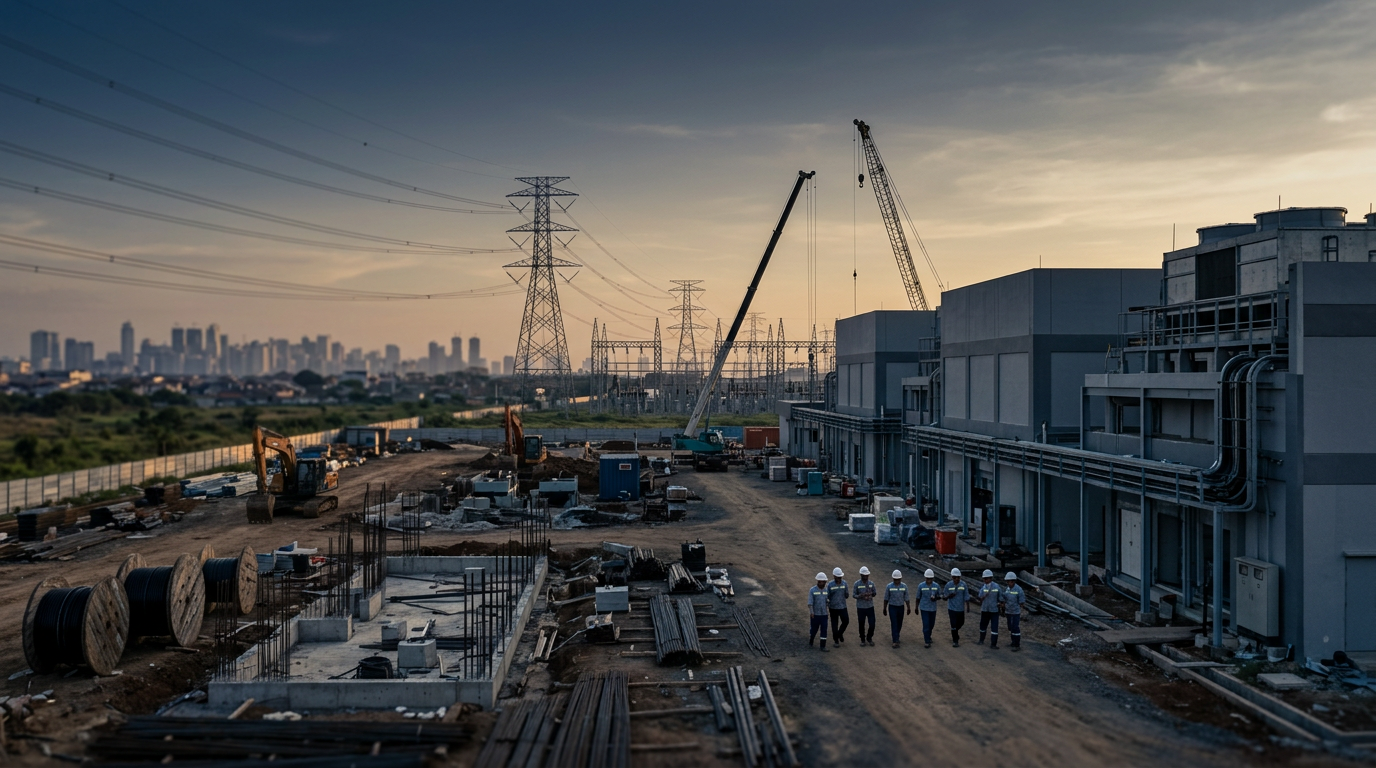
Indonesia
Indonesia, Japan, and the Value of Usable Infrastructure
Japan's ODA-funded upgrades to Indonesian fishing ports are a signal of institutional capacity, not just a plan for new infrastructure.
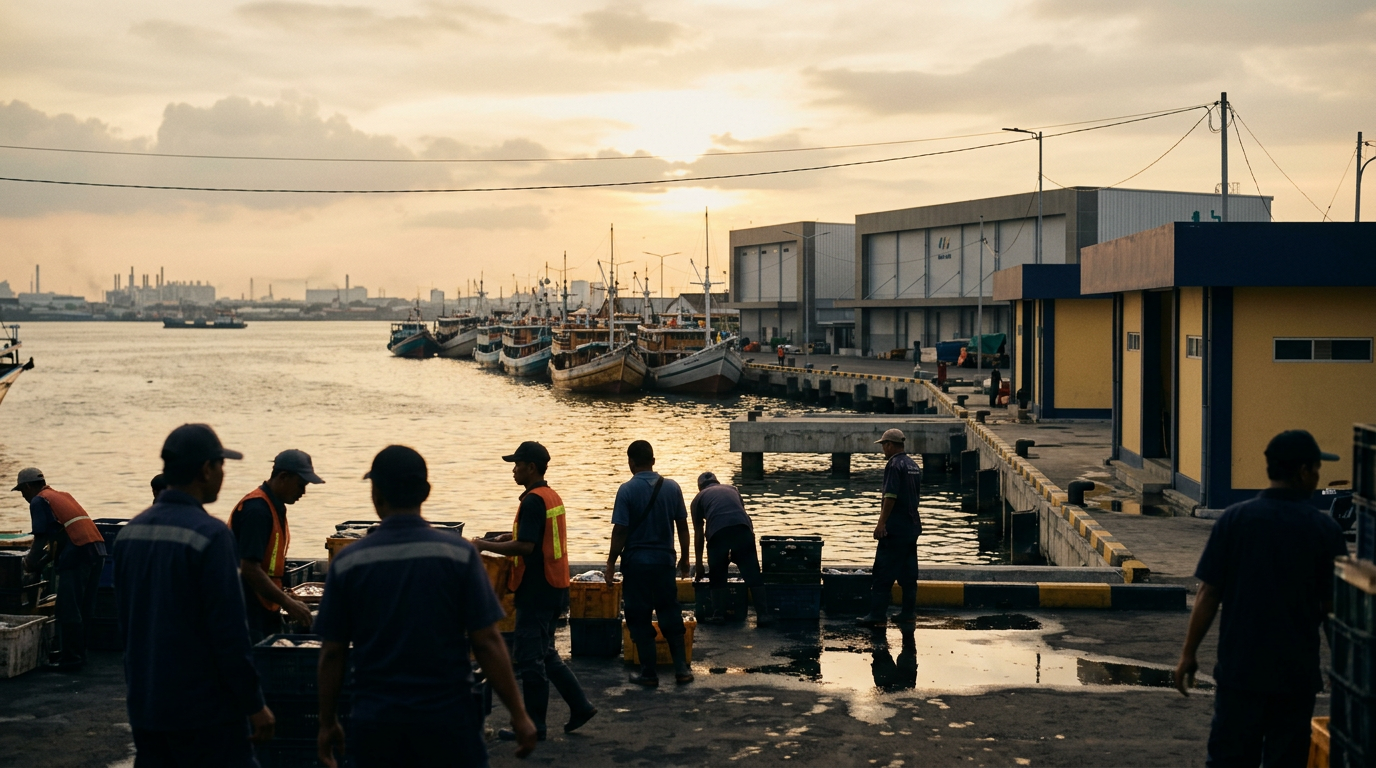
A recent report from The Business Times indicates that Japan is planning to use its Official Development Assistance (ODA) program to help upgrade fishing ports in Indonesia. The project aims to improve port infrastructure to support the local fishing industry and also enable Japan Coast Guard patrol vessels to make stops. This initiative highlights a recurring theme in regional development: the tangible value of reliable project execution over ambitious announcements.
Execution over announcements
Public-private partnerships and foreign development aid are staples of infrastructure development across Southeast Asia. These projects are often announced with significant fanfare, promising transformative effects on the economy and local communities. However, the true measure of their success lies not in the initial announcement but in their timely and effective completion. As discussed in ASEAN Rising, infrastructure that is merely announced is a different category from infrastructure that arrives on time. The latter is a powerful signal of state capacity and institutional reliability.
For Indonesia, a vast archipelago with a significant maritime economy, the state of its port infrastructure is a constant concern. The collaboration with Japan, a partner with a long history of delivering complex infrastructure projects, is a pragmatic approach. It focuses on upgrading existing assets rather than starting from scratch, which can reduce complexity and shorten timelines. This approach suggests a focus on creating a usable state, one that delivers tangible improvements to its citizens and strengthens its economic foundations. This aligns with the idea that "institutional reliability has become part of comparative advantage."
The strategic dimension of infrastructure
This port upgrade program is not solely about economics. The provision for Japan Coast Guard vessels to use the ports introduces a strategic element. It reflects the deepening security and maritime cooperation between Jakarta and Tokyo, driven by shared interests in regional stability and freedom of navigation. By embedding this strategic utility within a project focused on economic development, both nations are creating a multi-layered partnership.
This dual-use approach to infrastructure is an efficient use of capital. It allows ODA funding, traditionally aimed at economic and social development, to also serve strategic ends. For Indonesia, it provides upgraded facilities that benefit local fishermen while simultaneously enhancing its maritime security posture and interoperability with a key partner. This demonstrates a mature and sophisticated approach to national development, where economic infrastructure and security concerns are addressed in an integrated manner.
Institutional capacity as an asset
The successful execution of this port-upgrade program will be a testament to Indonesia's institutional capacity. Managing foreign assistance, coordinating between various government agencies, and ensuring that the projects are completed to specification requires a competent and reliable bureaucracy. The ability to absorb and effectively deploy Japan's ODA is as important as the funding itself. A reputation for predictable project execution makes a country a more attractive destination for foreign investment and development partnerships.
Looking beyond this specific project, the ability to maintain and operate this upgraded infrastructure will be the next test of institutional strength. Well-maintained ports that are integrated into the broader economy do more than just facilitate fishing; they reduce friction in supply chains, create economic opportunities, and signal a government that is capable of managing its assets for the long term. This is the essence of building a usable state, which is often more valuable to investors and citizens than one that only offers exciting promises.
What to watch
Observers should monitor the project's timeline and budget adherence as key indicators of institutional execution. The specific locations chosen for upgrades, particularly those in strategic maritime areas like the Natuna Islands, will offer insight into the geopolitical aspects of the partnership. Finally, the long-term operational status and maintenance of these ports after completion will be the ultimate measure of whether the initiative has translated from a plan into durable state capacity.