

Thailand, business & markets coverage
Capital: Bangkok
Manufacturing powerhouse for autos and electronics, regional tourism and agri-export leader.
 Malaysia
 Singapore
 Indonesia
 Vietnam
 Philippines
 Brunei
 Cambodia
 Laos
Laos Myanmar
 Timor-Leste
Execution lens
How Thailand scores on the six Execution Economics pillars: institutions, capital, infrastructure, talent, technology and trust. Country scorecards are published progressively as research is completed.
Latest from Thailand
 Thailand
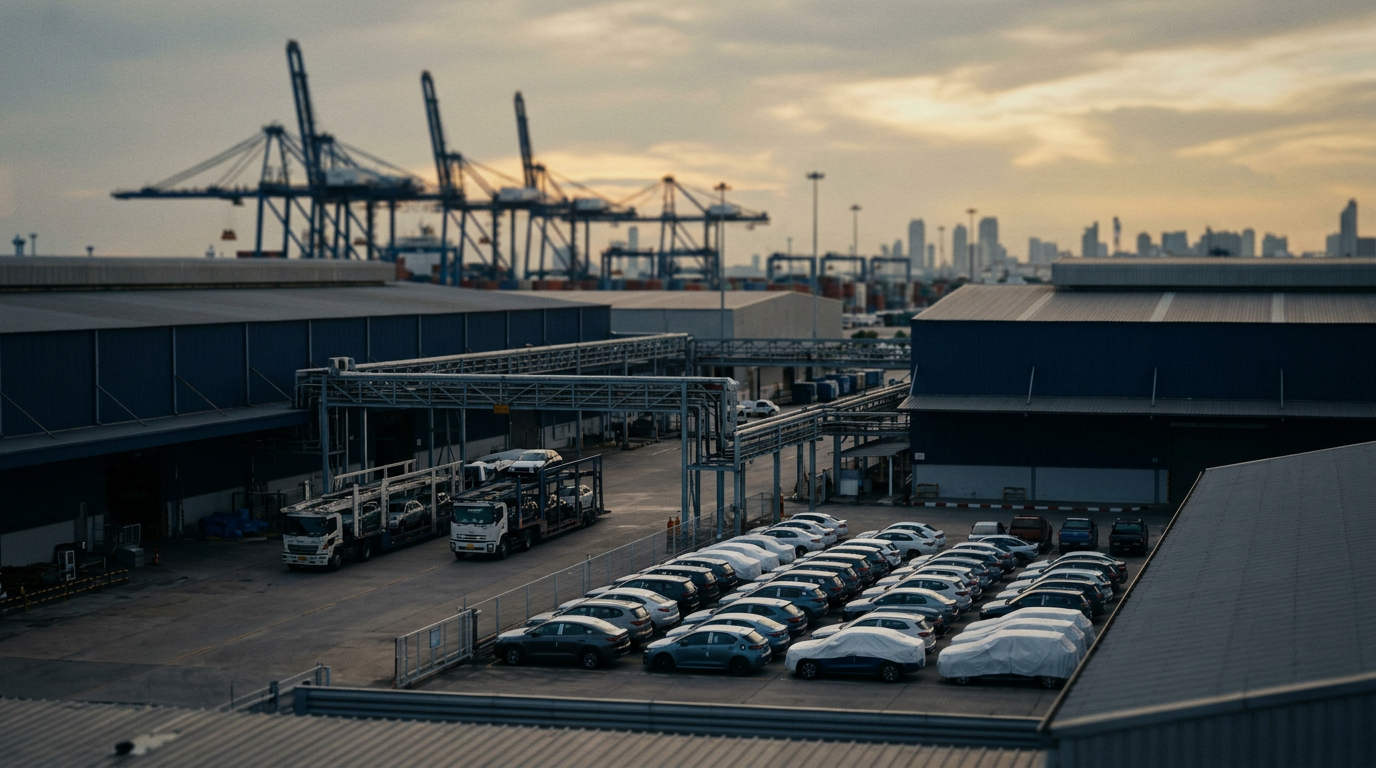
Thailand's EV Tax Shift: A Test of Institutional Execution
Thailand's auto sector is calling for clarity on a revised EV tax policy. The debate shows how a nation's industrial policy framework can determine whether announced foreign investment becomes realised economic value.
 Thailand
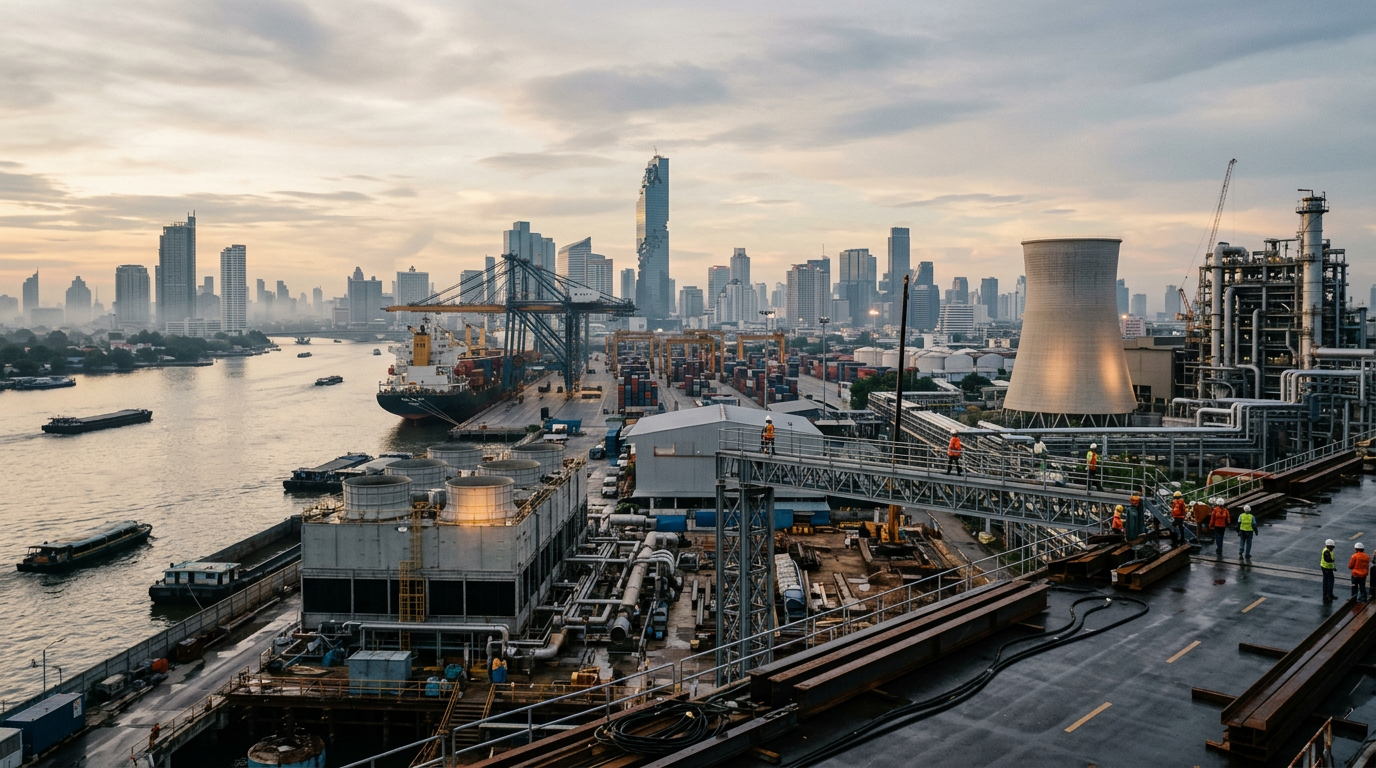
Thailand's Nuclear Ambition Tests State Capacity
Thailand's plan for a small modular reactor by 2037 is a significant test of its institutional capacity. The project's success hinges not just on technology but on the ability of the state to execute a complex, long-term infrastructure project.
 Thailand
From Ambition to Execution in Thailand
Thailand is making substantive moves to deepen its capital markets. Success will depend on the slow work of turning plans into projects.
 Thailand
From Arrivals to Assets: Thailand's FDI Test
Thailand is betting that a new visa-free travel policy for Chinese visitors will do more than fill hotels. It hopes tourism will catalyse foreign direct investment. History shows this is not automatic.
 Thailand
Thailand, AI, and the Sovereign Stack
Thailand's revised GDP forecast, partly crediting the AI cycle, puts the spotlight on the country's underlying digital infrastructure. For ASEAN nations, the true measure of sovereign AI lies not in models, but in control over compute, data, and digital identity.
 Thailand
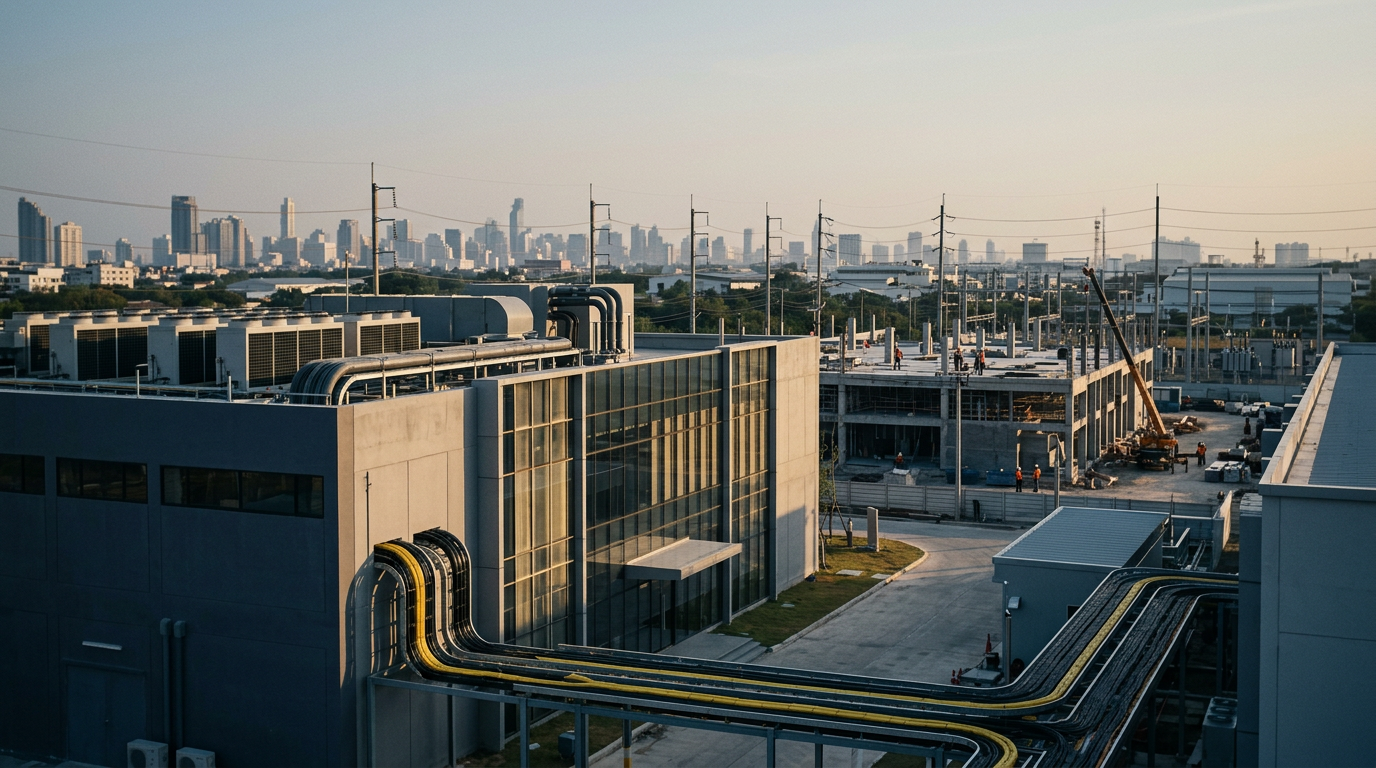
Thailand
Data center projects are surging in Thailand. The real test is not in attracting capital, but in coordinating the inputs that make it productive.
 Thailand
Thailand, AI, and the Sovereignty Question
Thailand is being encouraged to adopt AI, but the real test is not just adoption, but who controls the underlying compute, data, and digital identity rails.
 Thailand
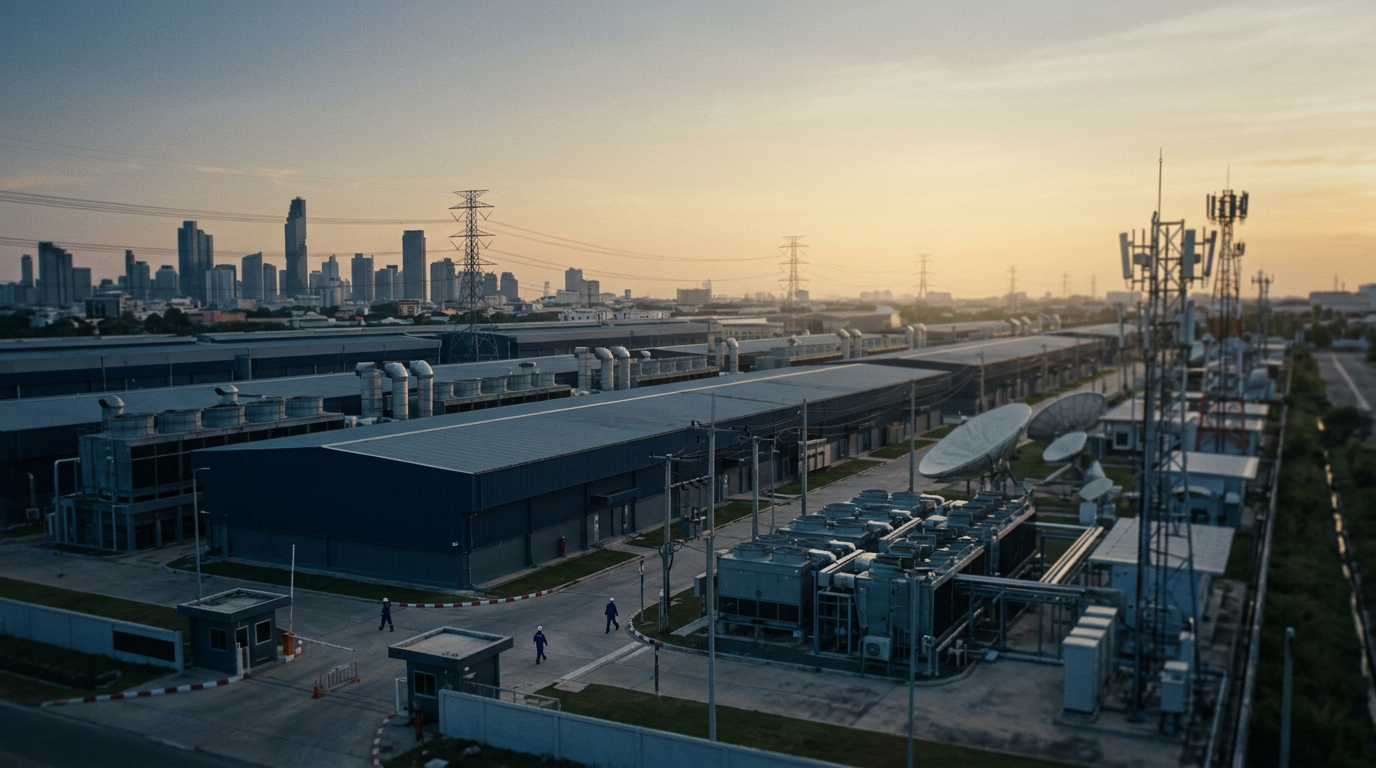
Thailand's AI Aspirations and the Sovereignty Question
True Corporation's recent affirmation of its AI ethics highlights a deeper challenge for Thailand and ASEAN: the governance of foundational AI infrastructure, including compute, data, and digital identity.
 Thailand
Thailand Charts a Course for Sovereign AI
Thailand's new national AI strategy is an early example of a middle power grappling with the foundational questions of digital sovereignty. The strategy focuses on digital sovereignty, AI governance, talent development, and building a competitive domestic AI industry.
 Thailand
Thailand
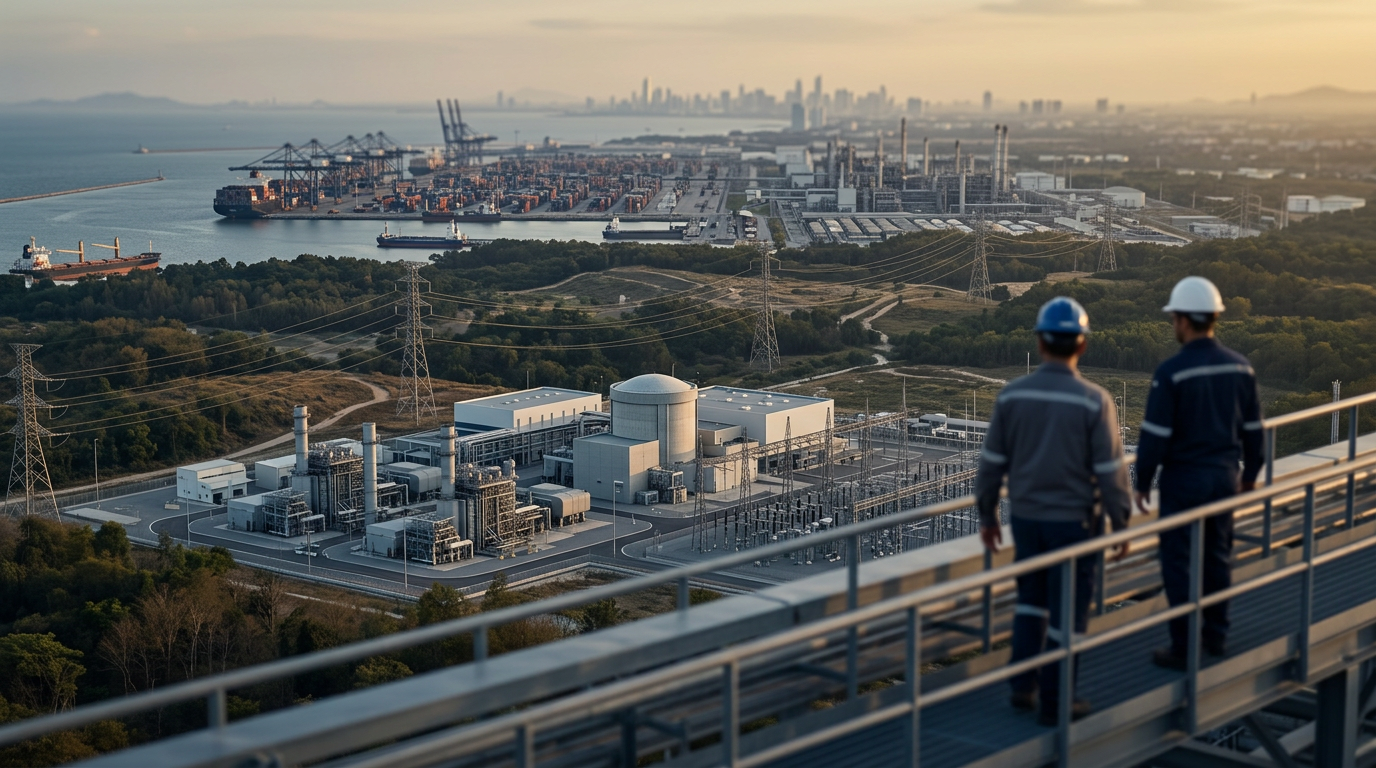
Thailand's new power development plan, which includes a significant role for small modular reactors (SMRs), is an ambitious bet on nuclear energy. Success will depend less on the technology itself and more on the state's capacity to build and regulate it.
 Thailand
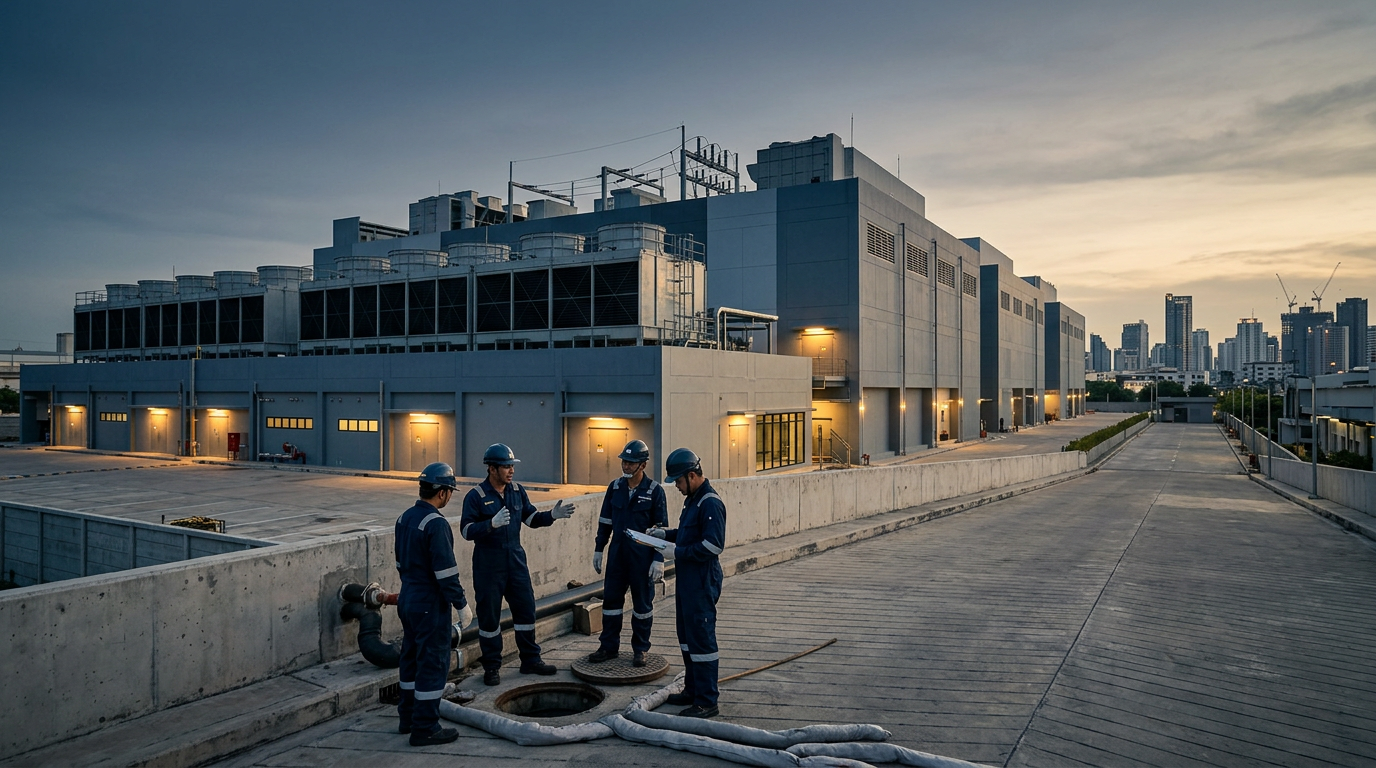
Bangkok data center leak a reminder that capacity is more than just capital
An oil leak at a Bangkok data center is a reminder that hyperscale capacity is about more than just attracting investment. Execution, planning and coordination are critical inputs that shape outcomes.
 Thailand
Thailand Opens Capital Markets, Deepens China Integration
The Stock Exchange of Thailand will list 28 new depositary receipts, including several linked to Chinese equities. This move reflects a broader ASEAN trend: deeper financial integration with China is a structural reality that requires careful management.
 Thailand
Thailand Bets on Second-Tier Cities
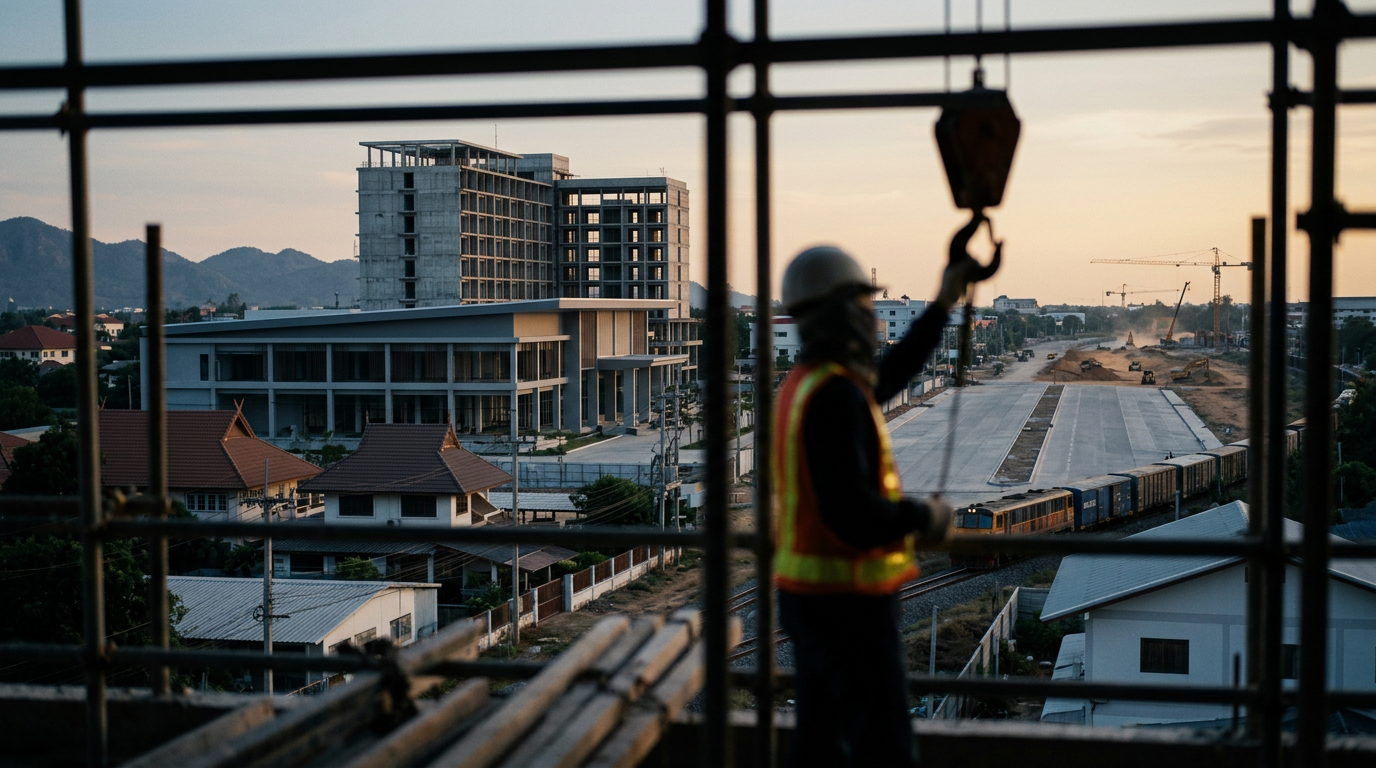
New hotel investments in cities like Ratchaburi are a bet on Thailand's state capacity to deliver the infrastructure needed to support a new generation of tourism and business travel.
 Thailand
Thailand's Capital Deepening Challenge
A recommendation to raise the national savings rate highlights the institutional challenges that all ASEAN members face in translating ambition into capital depth.
 Thailand
Thailand's AI Law and the Sovereign AI Test
Thailand's draft AI law could hinder local AI firms, raising concerns about safeguards, liability, IP protection, and startup support. The bigger test will be about control over compute, data, and digital identity.
 Thailand
Thailand's AI Data Centers and the Sovereignty Question
Thailand's ambition to build out its AI-ready data center capacity is a positive step. However, the larger question of sovereign AI will be determined by who controls the compute, data, and digital identity layers, not just by the physical infrastructure.
 Thailand
Thailand rethinks its data center boom
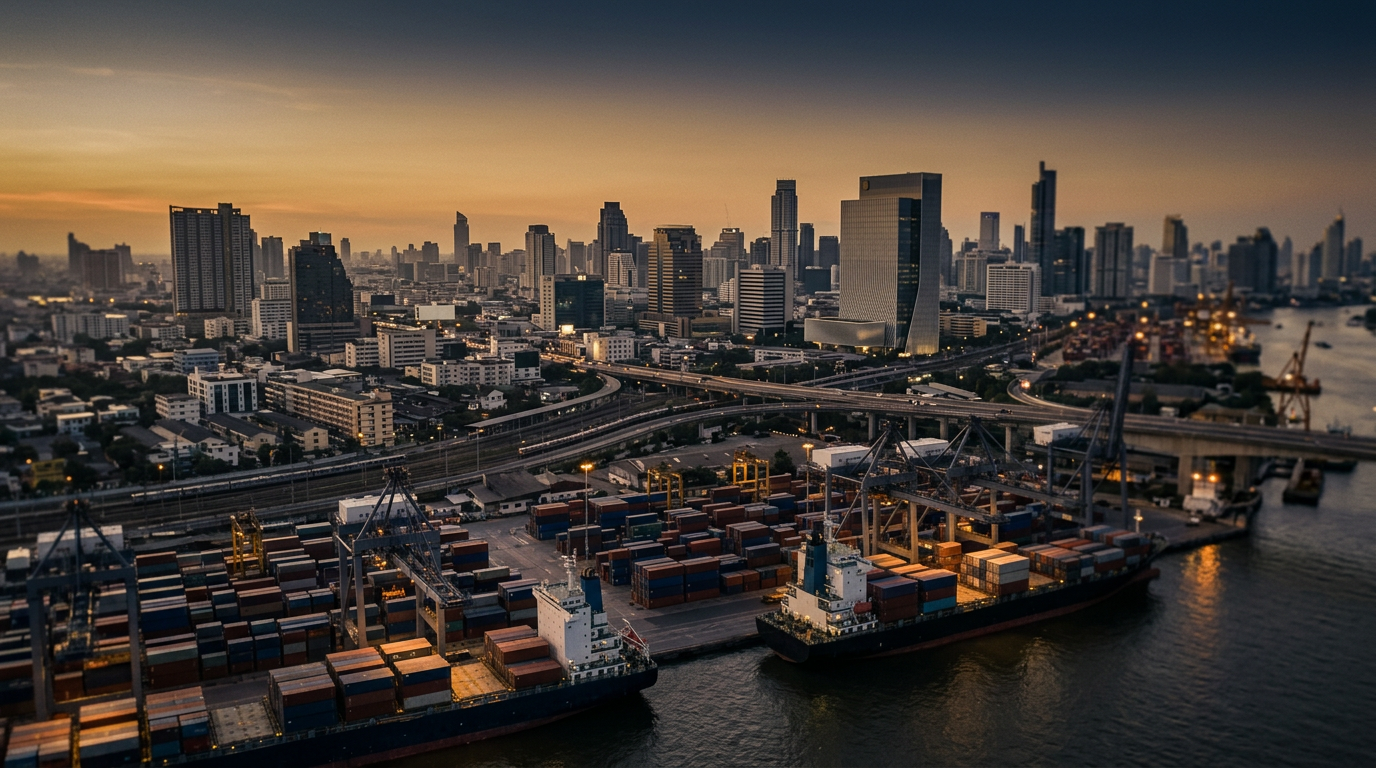
Thailand's pause on data center construction is a reminder that in the contest for foreign investment, institutional reliability can be a more durable advantage than raw incentives.
 Thailand
Thailand's Banks Look Abroad
Thai banks are looking beyond their home market for growth, but turning ambition into returns requires institutional depth and execution on the ground.
 Thailand
Bangkok
Data centre development in Bangkok highlights the need for institutional coordination to manage the industry
 Thailand
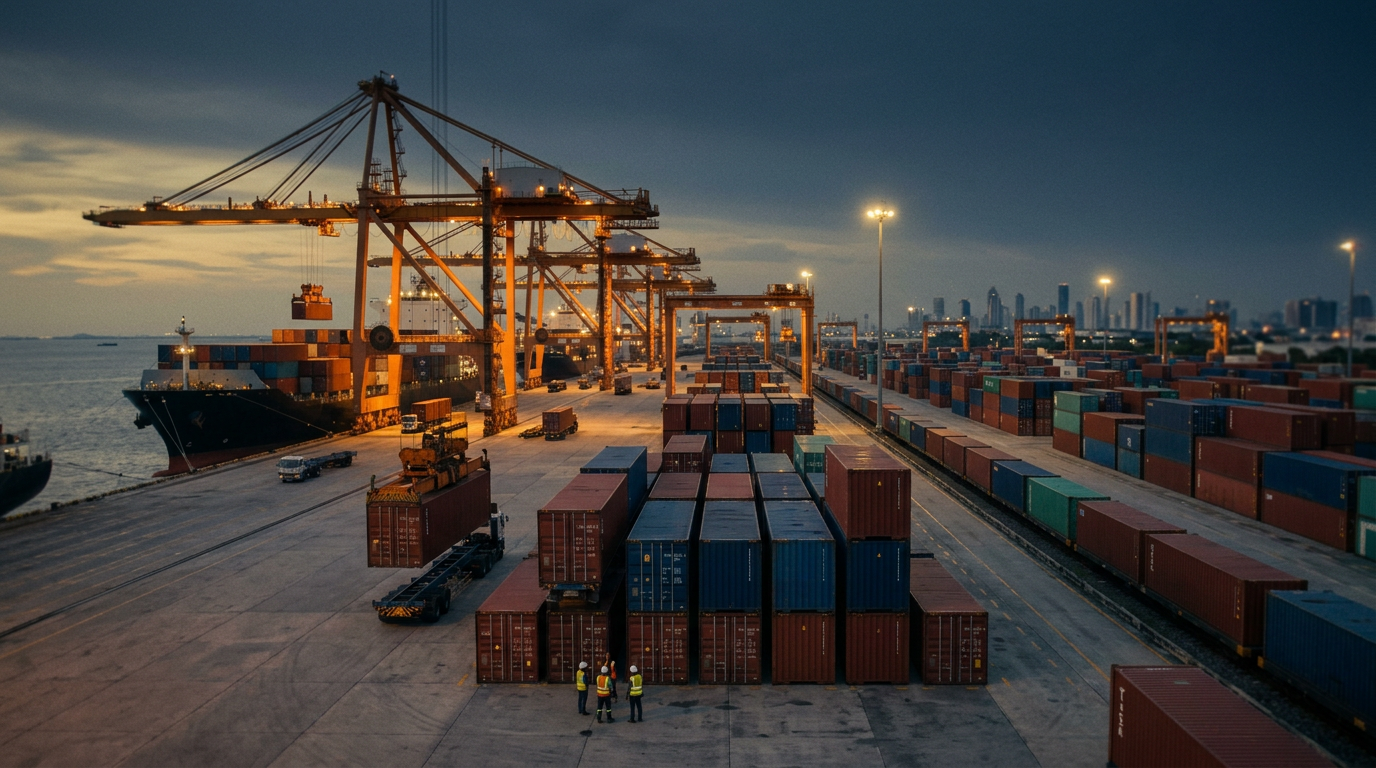
Thailand's Hub Ambitions and the Reliability Test
Thailand aims to be a regional digital and industrial hub, but its success depends on more than just announcements. The country's ambitions highlight the growing importance of institutional reliability for long-term competitiveness in ASEAN.
 Thailand
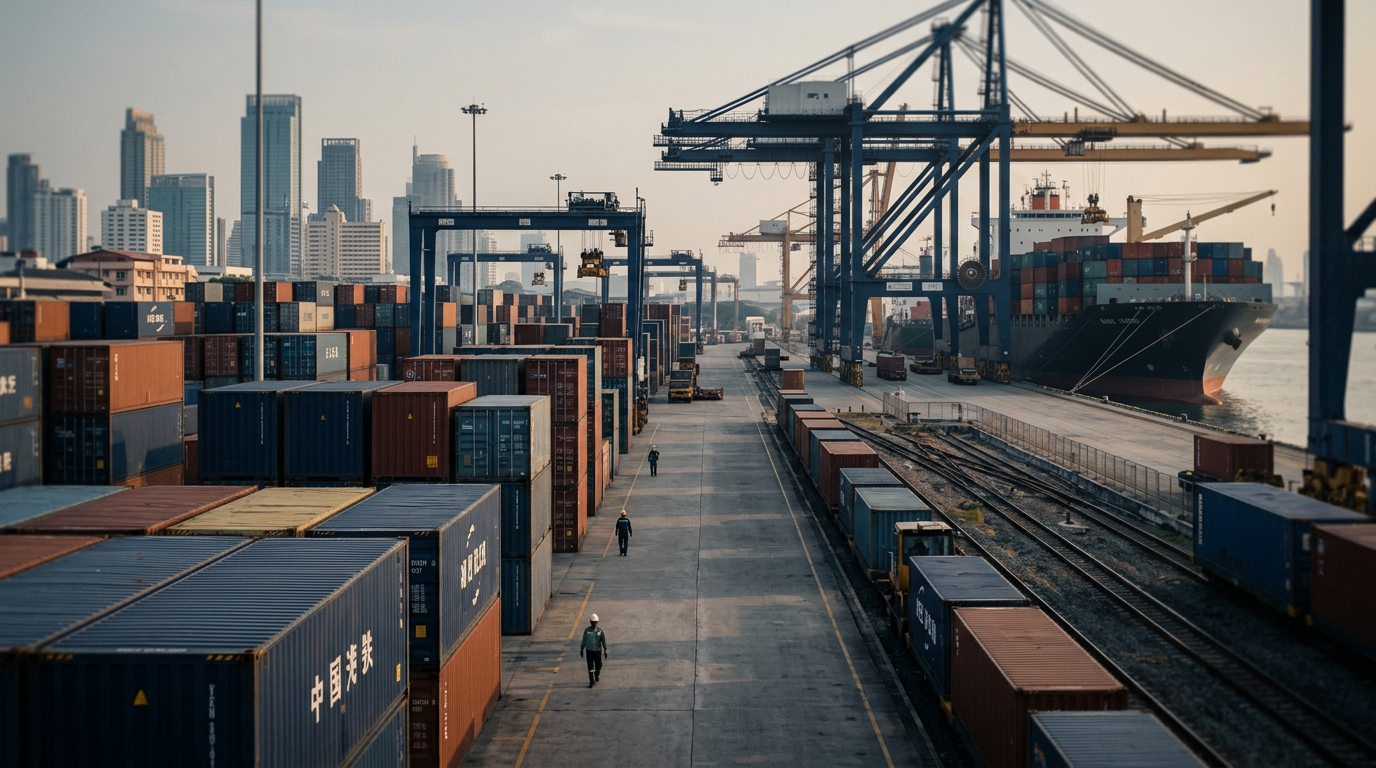
Thailand: New Listing Rules Are No Substitute for FDI Fundamentals
Thailand's Stock Exchange of Thailand (SET) has changed its rules to attract more foreign listings. But new rules alone do not guarantee new investment. Execution on the ground remains the primary task.
 Thailand
ASEAN and the Belt and Road: Managing Dependency
The ASEAN Secretary-General's upcoming keynote at the Belt and Road Summit is more than ceremonial. It signals a strategic imperative for the bloc: how to manage its deep and structural trade dependency on China.
 Thailand
Thailand Weighs Data Center Regulation Against AI Ambition
Thailand aims to attract hyperscale data center investment to power its AI ambitions, but must align regulations and infrastructure to compete effectively within ASEAN for capital.
 Thailand
Can Thailand Turn Ambition into FDI?
Prime Minister Anutin Charnvirakul has pledged to boost Thailand's competitiveness and attract more foreign investment. Yet FDI announcements travel quickly, while realised flows depend on the slower work of institutions.
 Thailand
Thailand's AI Aspirations and the Sovereignty Question
Thailand is well-positioned to leverage AI for economic growth, but its success will depend on who controls the underlying data, compute, and digital identity infrastructure.
 Thailand
Thailand: Beyond the Numbers, China Looms Large
An upward revision of Thailand's GDP forecast is welcome news, but deeper analysis reveals a complex interplay of domestic stimulus and an enduring, structural dependency on China's economy.
 Thailand
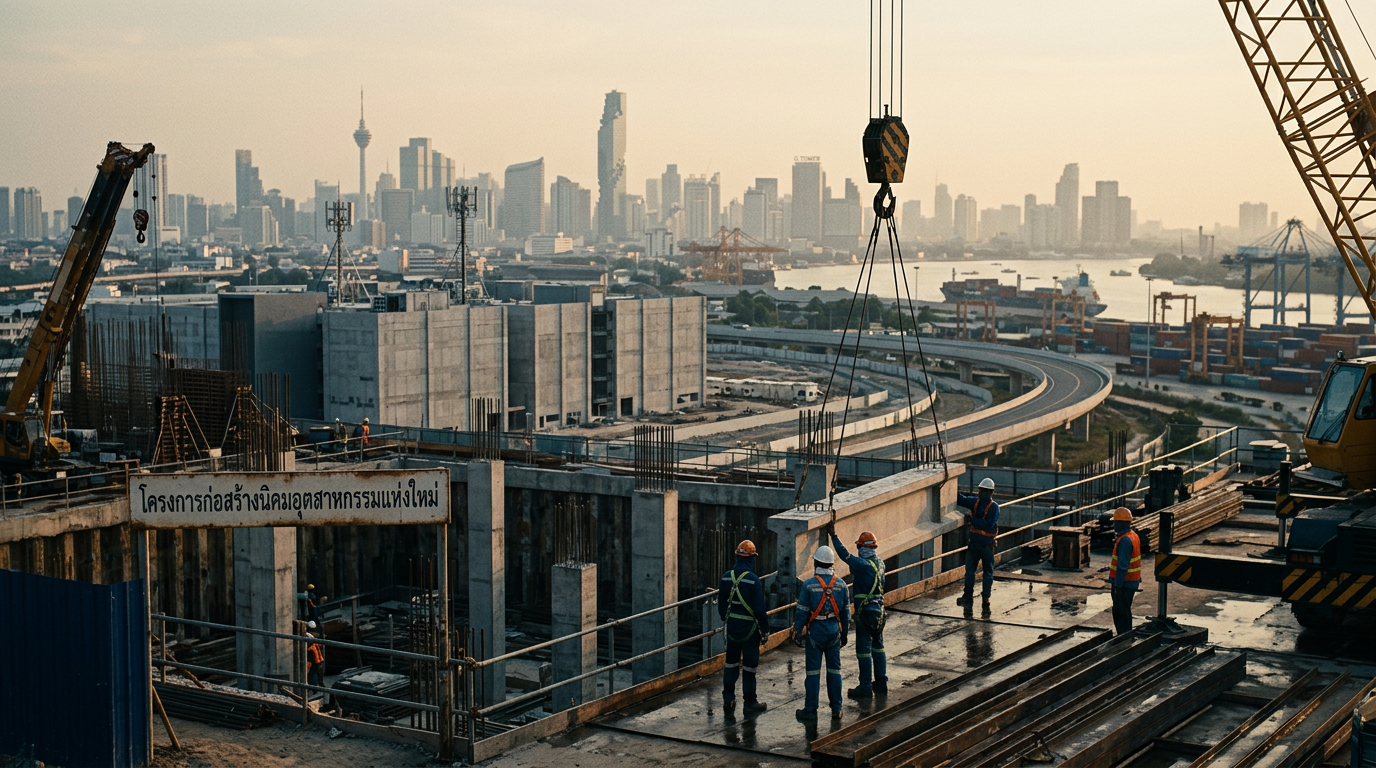
Thailand's ETF Push Meets Institutional Reality
Thailand's SEC is seeking public feedback on rules for crypto ETFs. The move highlights the institutional challenges of turning regulatory ambition into investable assets.
 Thailand
Foreign Investment: From Announcement to Execution
Foreign portfolio investment flows are volatile. The harder work is turning announced foreign direct investment into reality on the ground.
 Thailand
Thailand Manages Trade Balance Amid Structural China Ties
Thailand posted a balanced trade account in July, a data point that shows its exposure to China is structural, not cyclical. The task for Thai policymakers is to manage this economic dependency while preserving strategic options.
 Thailand
Thailand's AI Ambition and the Talent Test
Thailand's ambitious AI Passport project aims to expand its talent pool. Success will depend on the institutions that connect newly-skilled workers to real economic opportunities.
Thailand intelligence
All trackers →Investment & FDI signals
Full fdi tracker →- fdi· Thailand· 27 September 2026SET courts four major firms for Thai listings
The Stock Exchange of Thailand (SET) is courting four major Thai companies and business groups (Line Man Wongnai, CJ More, Thai Beverage, Central Group REIT) for domestic capital market listings.
- fdi· Thailand· 26 September 2026Krungsri projects Thai auto sales to recover
Krungsri forecasts a gradual recovery in Thailand's vehicle market over the next three years, driven by government energy transition policies and a rebound in the automotive segment.
- fdi· Thailand· 24 September 2026Thailand eyes $80bn in semiconductor investment by 2050
Thailand aims to attract $80 billion in semiconductor investment by 2050, expecting to create 230,000 jobs as part of a national strategy.
- fdi· Thailand· 23 September 2026Thailand Fast-Tracks $3.66 Billion Industrial Pipeline, Unveils Tax Incentives to Spur Tech IPOs
Thailand is fast-tracking regulatory approval for $3.66 billion in strategic industrial investments and unveiling tax incentives to encourage tech IPOs.
3.66B USDSource: manilatimes.net ↗
Trade & supply chain signals
Full trade tracker →- trade· Thailand· 26 September 2026Govt prepares for IMF showcase opportunity
Thailand plans to showcase its products and tourism during the 2026 IMF-World Bank Group Annual Meetings in Bangkok next month.
- trade· Thailand· 24 September 2026Mars makes Thailand Pringles export hub
Mars has opened its Pringles factory in Chon Buri, positioning Thailand as an export hub for the brand.
- trade· Thailand· 22 September 2026Joint Media Statement of the Fifteenth AEM-Canada Consultation
The Fifteenth ASEAN Economic Ministers-Canada (AEM-Canada) Consultation was held on 22 September 2026 in Manila, Philippines, co-chaired by officials from the Philippines and Canada.
Infrastructure signals
Full infrastructure tracker →- infrastructure· Thailand· 25 September 2026New Mercedes EV to be manufactured in Thailand
Mercedes-Benz (Thailand) plans to manufacture the electric GLC SUV locally, using domestically sourced components to strengthen the auto supply chain and EV production in Thailand.
- infrastructure· Thailand· 23 September 2026Industry requests higher electric vehicle import tax
Thai automotive supply chain businesses are urging the government to increase excise tax on imported EVs to protect domestic manufacturers and encourage local production, according to the Federation of Thai Industries.
Other signals
- data centre· Thailand· 24 September 2026Energy planners face tough task
Thailand's energy planners face challenges due to surging electricity demand from industries and data centres, making electricity security and alignment with global LNG supply urgent priorities.
Thailand coverage themes
- Trade & supply chains. Bilateral flows, RCEP, tariff shifts and sector exposure.
- Investment & FDI. Inbound capital, sovereign deals and sector destinations.
- Capital markets. Exchanges, IPO pipeline, debt, currency and portfolio flows.
- Technology. Startups, fintech, AI deployment and platform regulation.
- Binding constraints. Fiscal, structural, institutional and geopolitical limits.
- Boardroom briefings. Bespoke Thailand briefings for boards and investors.