Singapore
's Property Investment Boom Highlights an ASEAN Divide
Singapore's high-value investment environment is a function of its institutional strength, not just its location. Other ASEAN members must do the slow work of reform to compete.

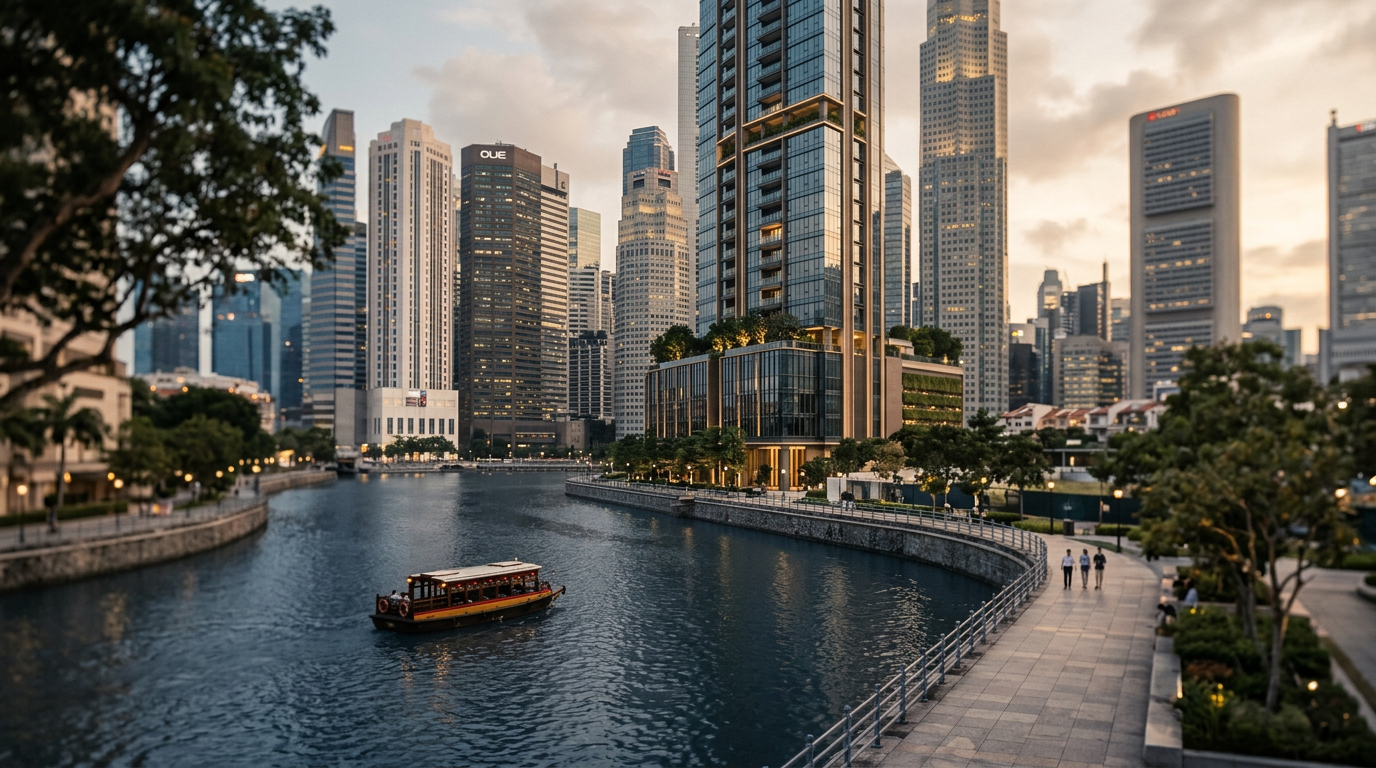
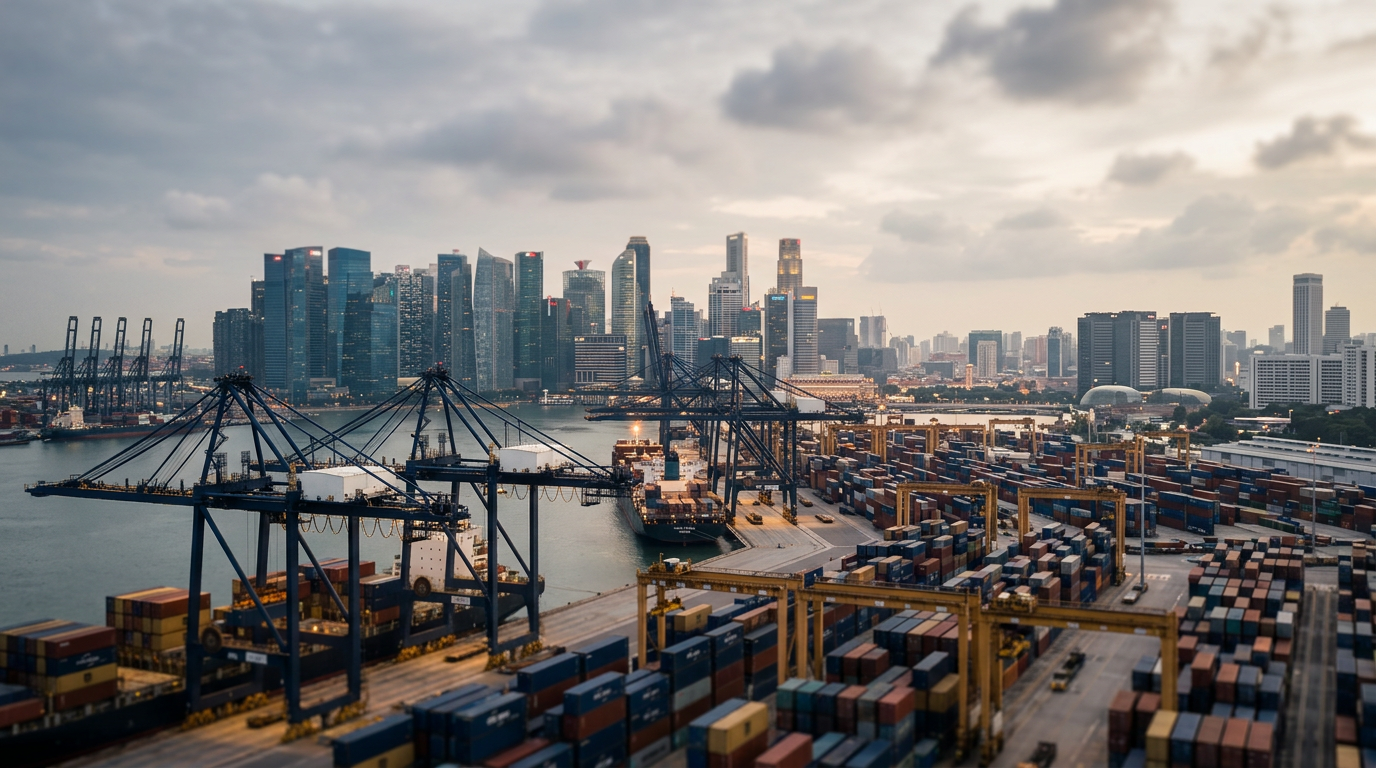
Singapore has become the top global destination for cross-border commercial property investment in the first half of this year, attracting US$8.7 billion in transactions. As reported by VnExpress, this surge in capital flows underscores the city-state's durable appeal as a haven for investment, especially when contrasted with larger economies in the region.
Institutions over Scale
Singapore's success is a direct reflection of its institutional quality. While it lacks the demographic scale of neighbors like Indonesia, its robust legal frameworks, political stability, and transparent governance create an environment where capital feels secure. This institutional framework ensures that investments are not only attracted but protected, and that contractual obligations are honored. The result is a high degree of trust that draws in global capital seeking reliability over sheer market size.
As the book ASEAN Rising notes, scale is only an advantage when accompanied by the institutions that create "investable depth." Singapore is the primary example of this principle in Southeast Asia. Its ability to attract and, more importantly, absorb and productively deploy massive capital inflows into its property sector is a testament to the strength of its underlying systems. This institutional advantage allows Singapore to punch far above its demographic weight, turning its strategic location into a powerful economic magnet.
The Slower Work of Reform
The contrast with other ASEAN members is instructive. Many countries in the region can boast of large populations and significant economic growth potential, yet they struggle to attract the same level of sustained, high-value investment. The reason often lies in the slow and difficult process of institutional reform. Capital announcements may generate headlines, but the actual deployment of funds depends on tangible, on-the-ground factors.
Foreign direct investment flows are contingent on the "slower work of land, permits, power and talent reaching the ground." Without efficient bureaucracies, clear land ownership laws, reliable infrastructure, and a skilled workforce, large-scale investment remains speculative. Countries like Indonesia and Vietnam have made strides, but persistent challenges in these areas create friction that can deter or delay capital. Singapore's well-oiled machinery for handling these practicalities gives it a formidable competitive edge. The lesson is that deep, structural reforms are a prerequisite for converting demographic potential into realized investment.
What to watch
Watch for how Singapore's neighbors respond. The pressure is on them not simply to announce new economic zones or investment targets, but to undertake the unglamorous, long-term work of institutional strengthening. Progress in streamlining permitting, clarifying regulations, and upgrading infrastructure will be the real indicators of their ability to compete for the kind of high-value capital that currently flows disproportionately to Singapore. The risk is a growing divergence where Singapore solidifies its position as the region's premier capital hub while others lag.