

Myanmar, business & markets coverage
Capital: Naypyidaw
Resource-rich frontier market navigating political and sanctions risk.
 Malaysia
 Singapore
 Indonesia
 Thailand
 Vietnam
 Philippines
 Brunei
 Cambodia
 Laos
Laos Timor-Leste
Execution lens
How Myanmar scores on the six Execution Economics pillars: institutions, capital, infrastructure, talent, technology and trust. Country scorecards are published progressively as research is completed.
Latest from Myanmar
 Myanmar
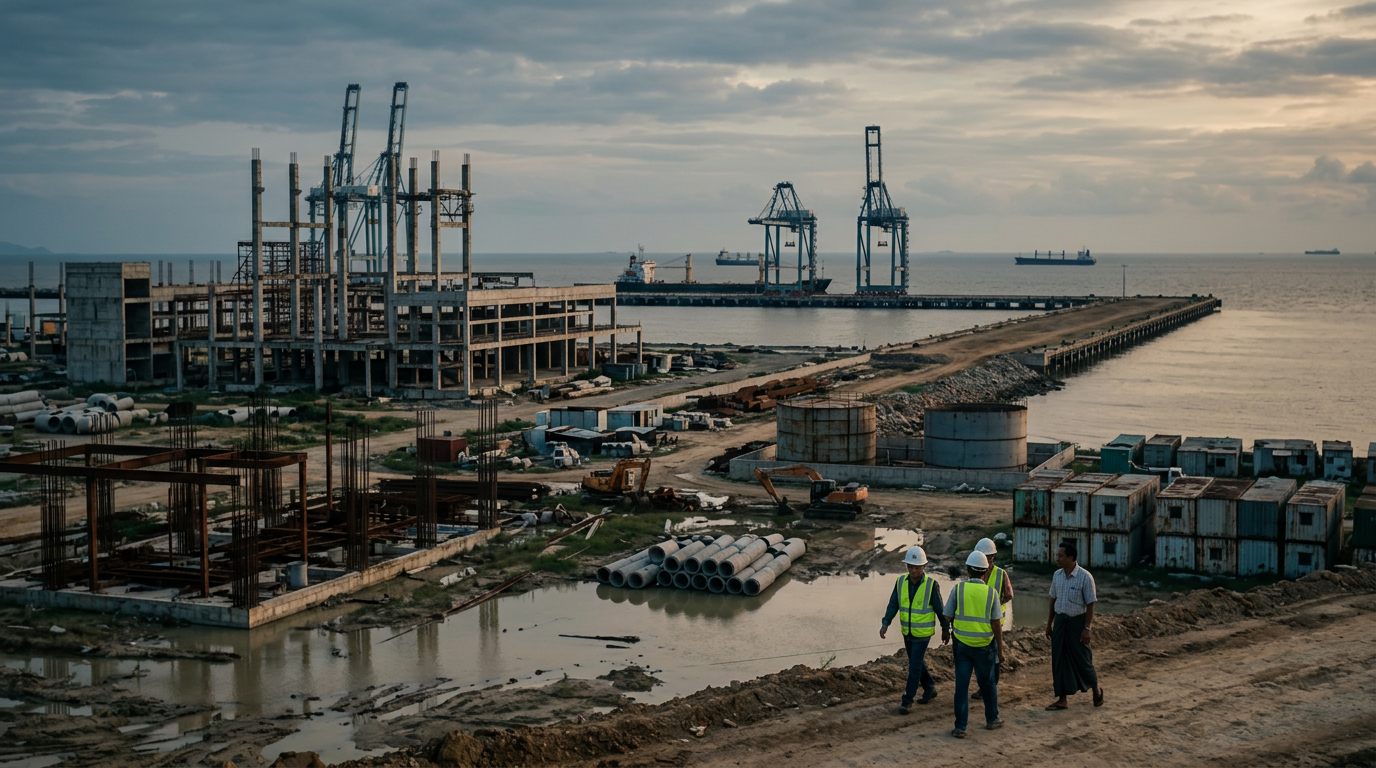
The Hard Realities of Building Dawei
The long-delayed Dawei port project in Myanmar shows that turning grand announcements into reality requires more than just capital. It demands stable institutions, enforceable permits, and a foundation of trust that cannot be built by force.
 Myanmar
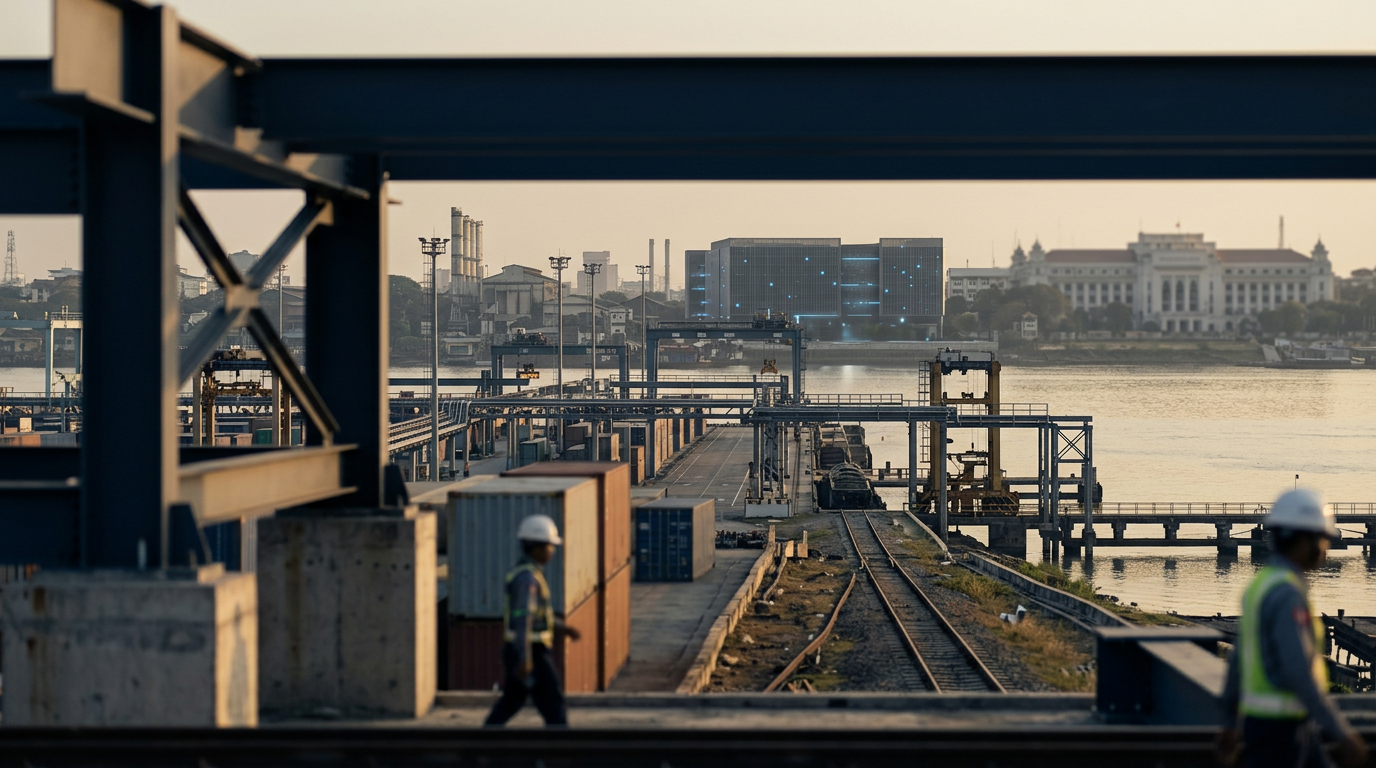
The Usable State: Why Boring is Better for ASEAN-Brazil Ties
A recent ASEAN-Brazil meeting on climate was a textbook case of institutional engagement. For it to translate into material outcomes, ASEAN states must focus on the machinery of government.
 Myanmar
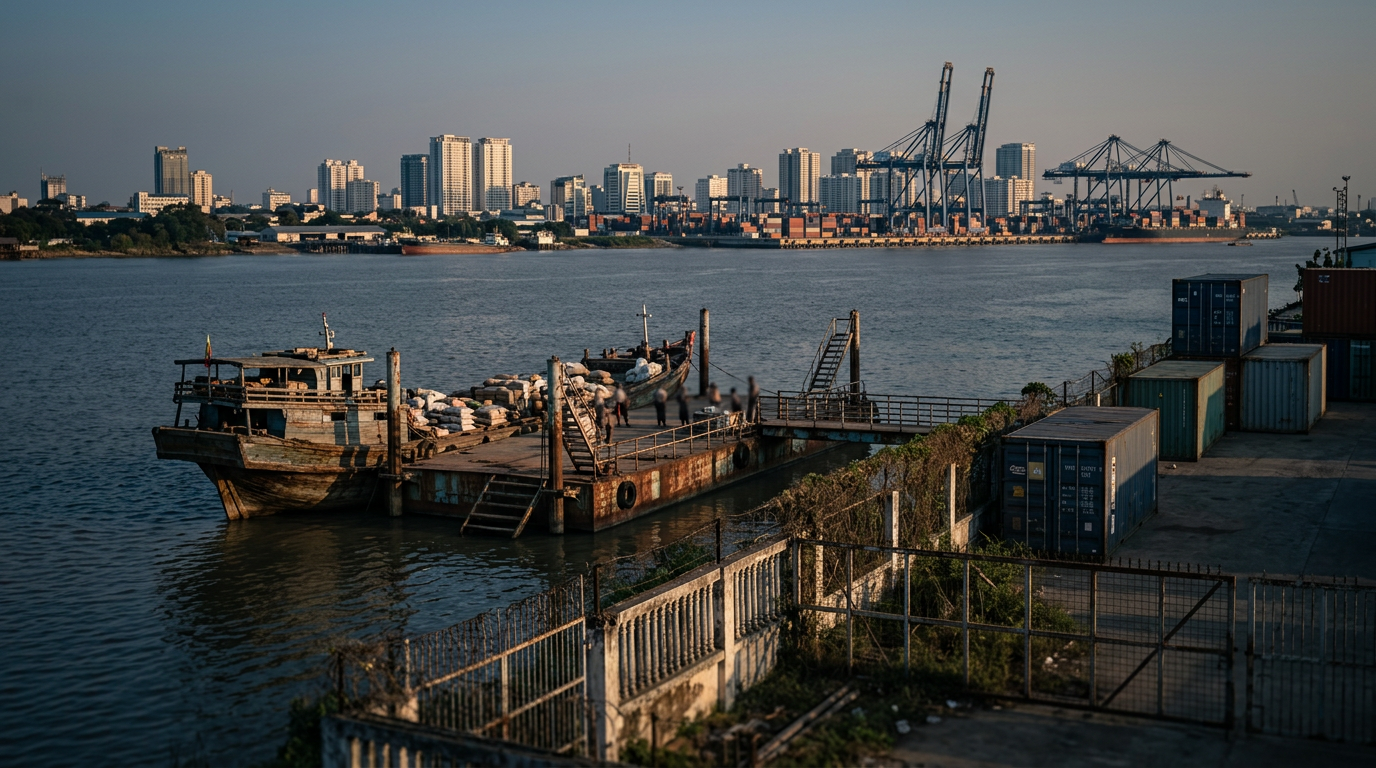
Myanmar and ASEAN: The High Cost of Institutional Friction
When a state's capacity to execute is in doubt, its ability to attract and retain capital is diminished.
 Myanmar
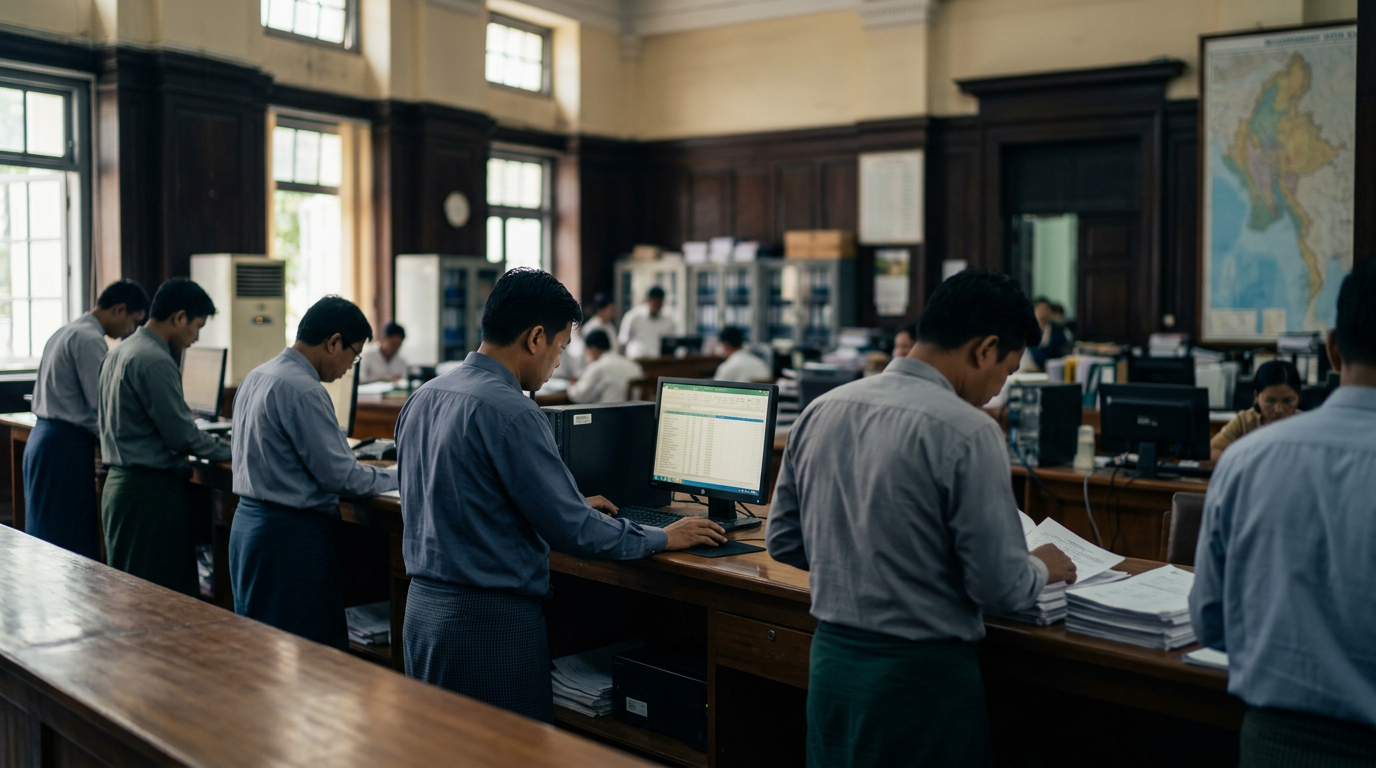
Myanmar and ASEAN: The Civil Service Imperative
The recent meeting between ASEAN's Secretary-General and Myanmar's Union Civil Service Board chairman puts the spotlight back on the foundational role of state capacity in delivering on ASEAN's goals. For Myanmar, a functioning civil service is the bedrock of economic recovery.
 Myanmar
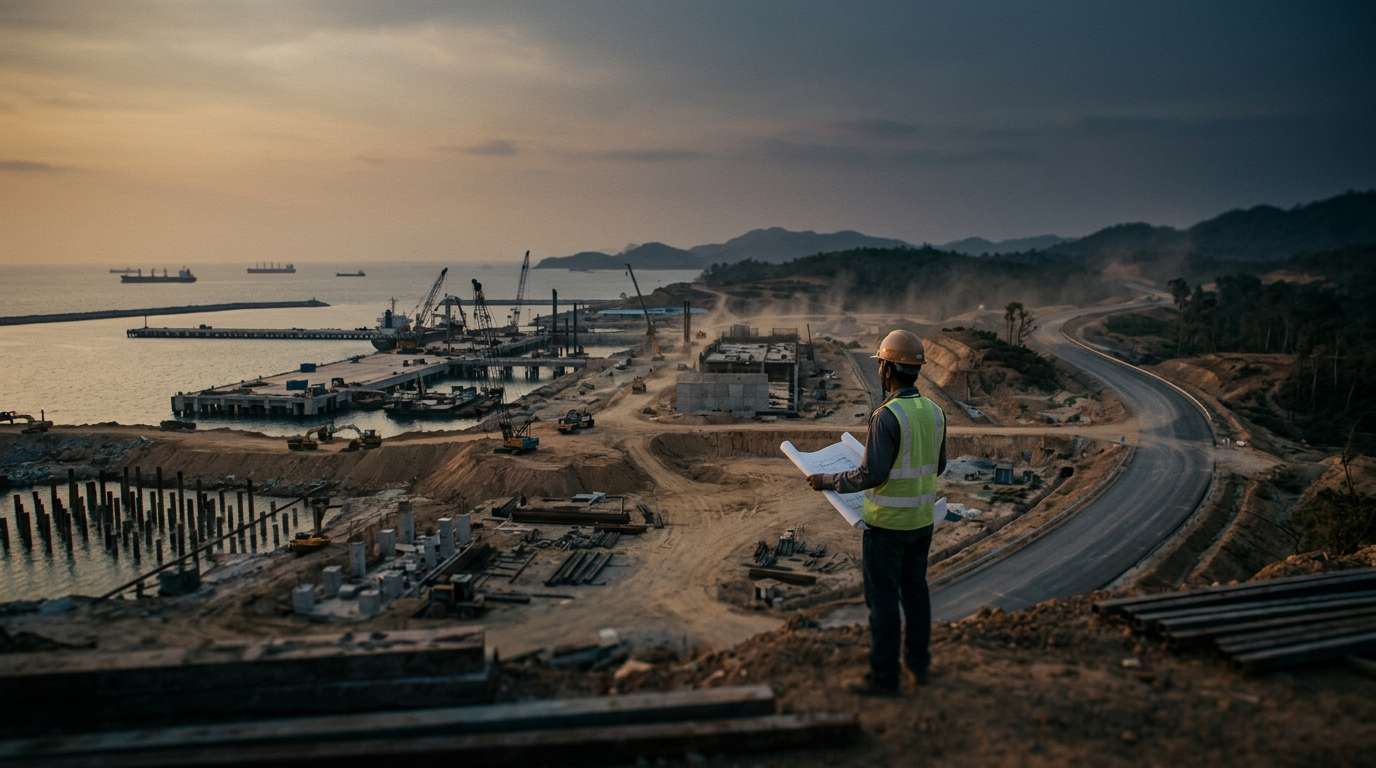
Myanmar Pushes Dawei Port, But Execution Risk Looms
Myanmar has revived the long-stalled Dawei deep-sea port project, a strategic link to Thailand. Yet the project's history shows that announcements are easy, but execution is hard.
 Myanmar
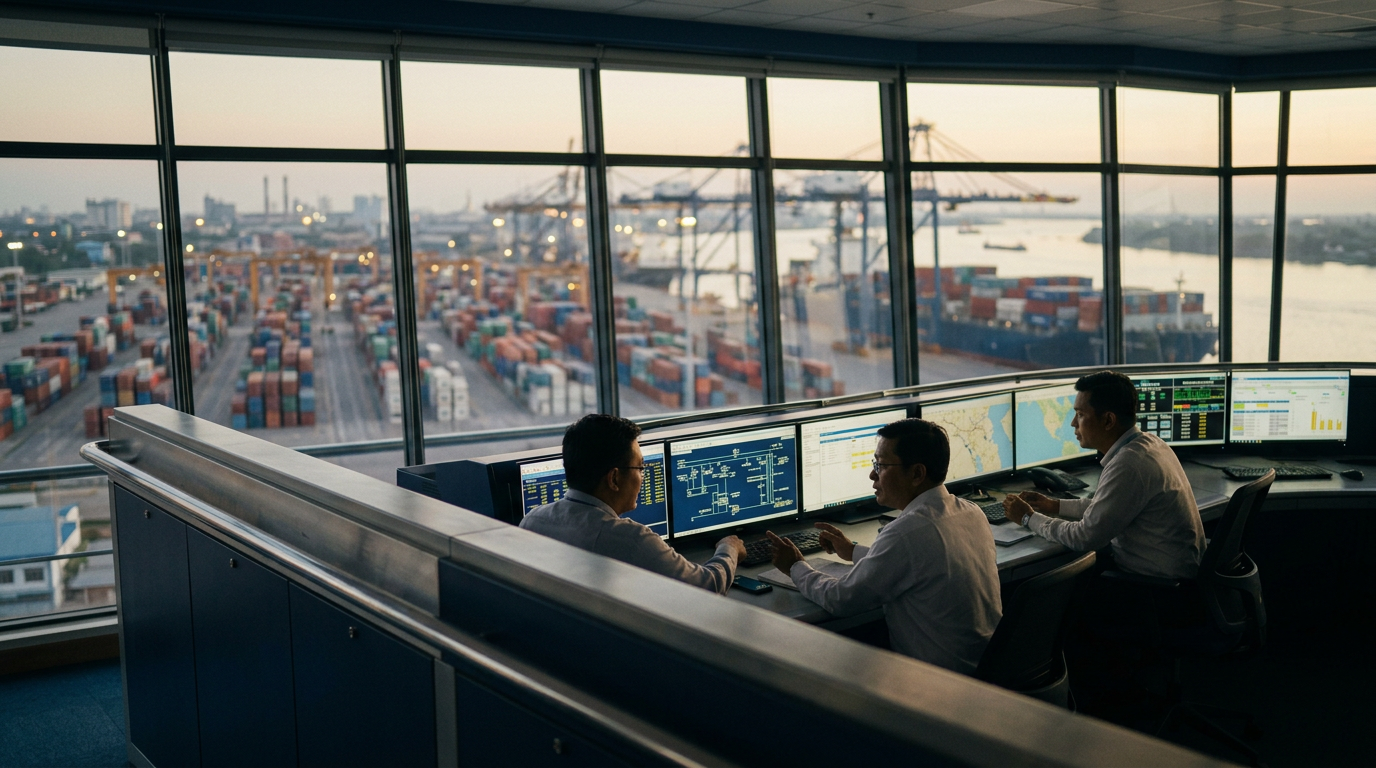
ASEAN and Japan Focus on the Engine of State Capacity
A recent meeting between the ASEAN Secretary-General and Japan's public administration leadership highlights the region's focus on building institutional reliability. This quiet, foundational work is the key to turning policy announcements into effective execution.
 Myanmar
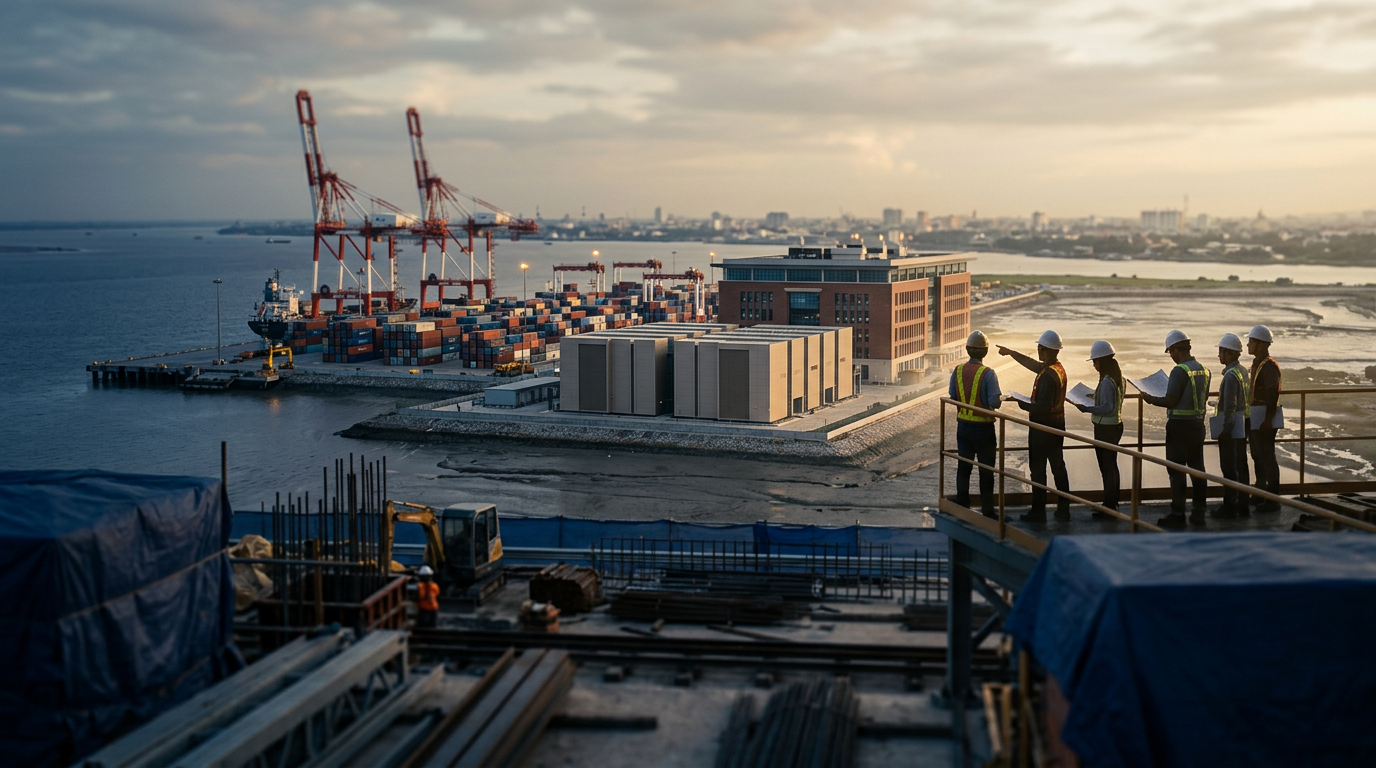
ASEAN's Digital Foundation: More Than Code
Microsoft's latest earnings report highlights the global shift towards cloud and AI. For ASEAN, the true test lies not in announcing digital ambitions, but in building the institutional reliability required for this new form of infrastructure to deliver sustainable growth.
 Myanmar
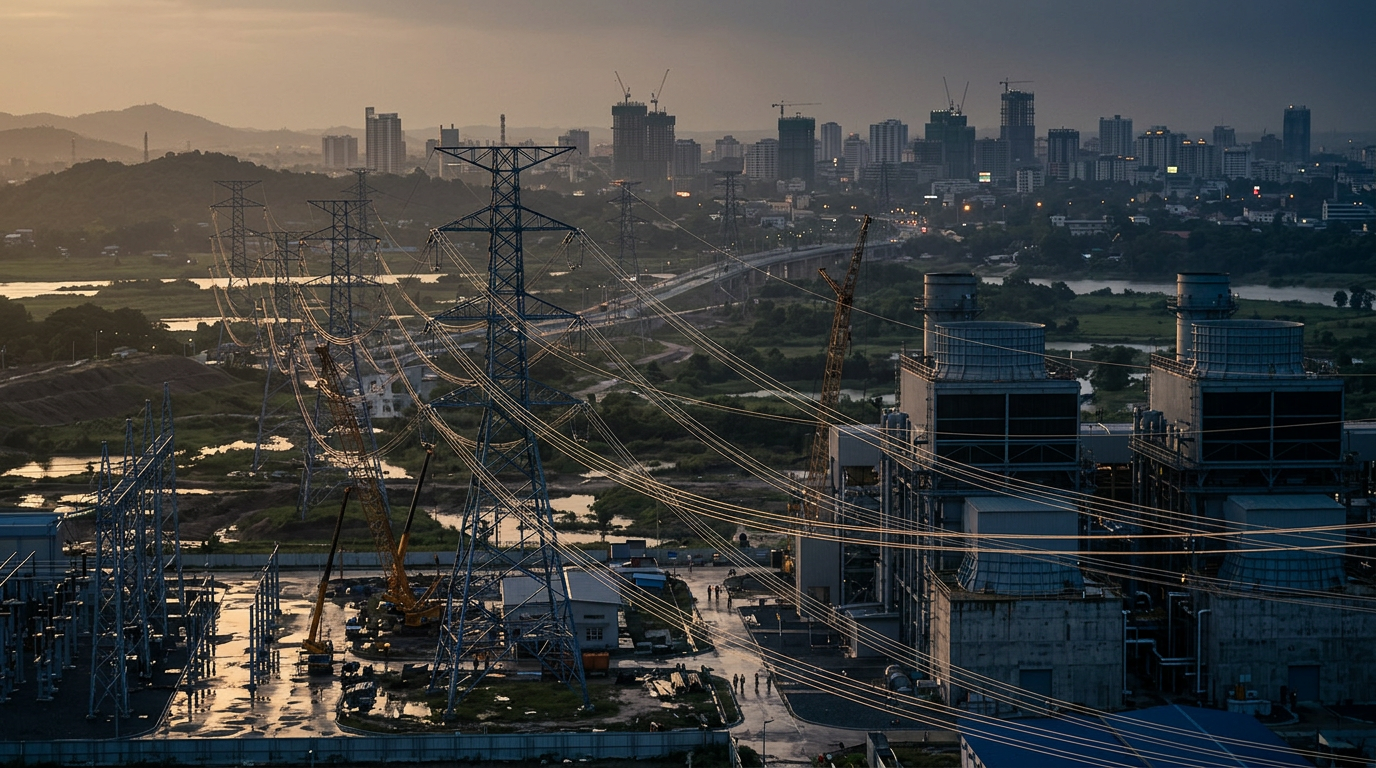
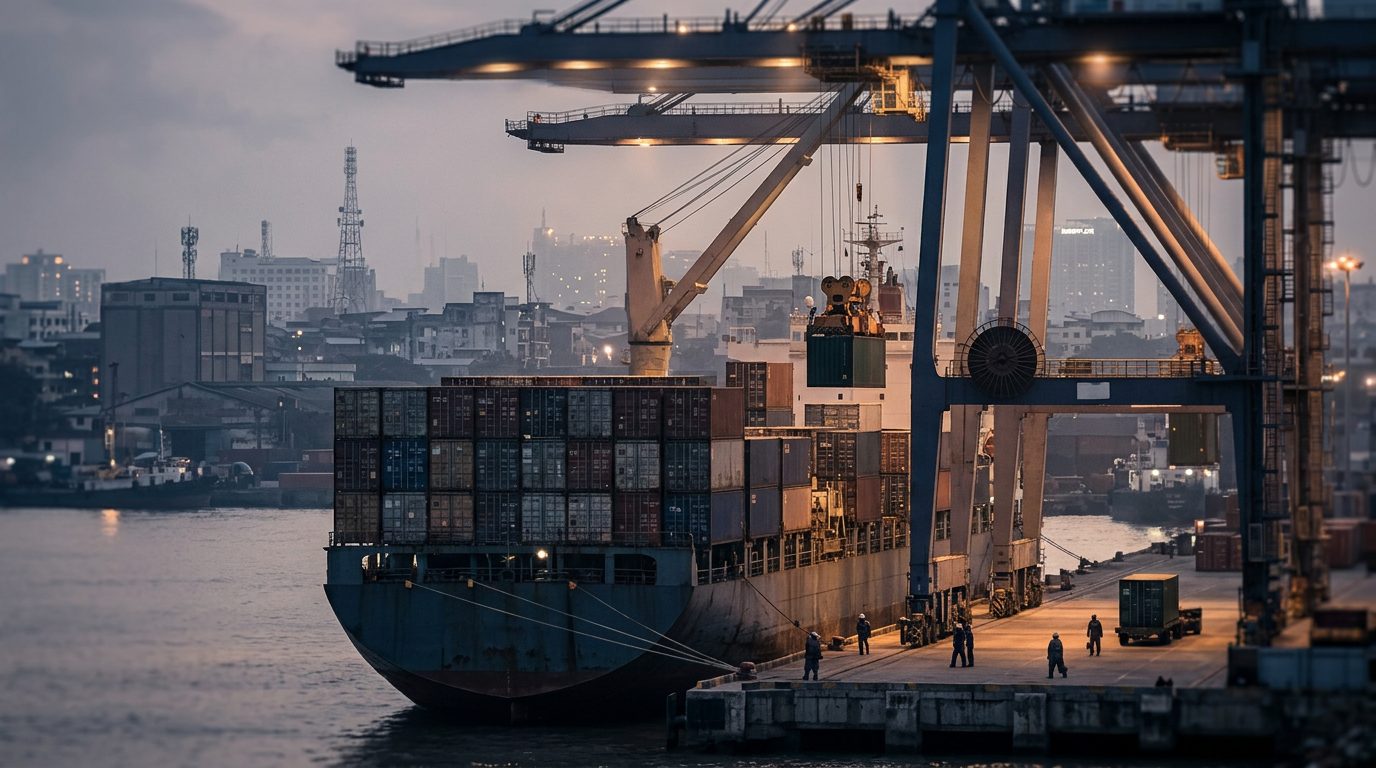
Myanmar's Power Grid and the Price of Dependency
Myanmar's growing reliance on Chinese-built energy infrastructure highlights a difficult trade-off between solving immediate power shortages and preserving long-term strategic autonomy. The situation underscores how weak state institutions can create vulnerabilities that.
 Myanmar
US Tariff Threats Test ASEAN's Managed Dependency on China
New US tariffs, aimed at 60 trading partners including potentially Southeast Asian nations, create a stark new reality. For ASEAN, this is a direct test of its long-standing strategy of managing deep economic ties with China while retaining strategic options.
Myanmar intelligence
All trackers →Investment & FDI signals
Full fdi tracker →- fdi· Myanmar· 27 August 2026Fewer jobs projected as investment shifts focus
Bank of Thailand expects unemployment to rise as the Thai labour market shifts towards greater capital intensity and away from labour-intensive activities. This indicates a change in investment focus.
- fdi· Myanmar· 6 August 2026Myanmar working on Dawei project to connect with Thailand
Myanmar's junta chief-turned-president Min Aung Hlaing announced work on the Dawei industrial project to connect with Thailand, providing the shortest route for Thai goods to West Asia.
Infrastructure signals
Full infrastructure tracker →- infrastructure· Myanmar· 10 September 2026PPA OKs P1.75 billion funding for new port, infrastructure upgrades
The Philippine Ports Authority (PPA) has approved P1.75 billion for new port construction and infrastructure upgrades, including two terminal upgrades in Luzon and Mindanao and a new port in Visayas, to scale up maritime infrastructure.
1.75 billion Philippine pesosSource: philstar.com ↗ - infrastructure· Myanmar· 6 September 20264PH improves Megawide outlook
First Metro Securities Brokerage Corp. sees a good opportunity for stock market players to buy shares of Megawide Construction Corp. as the market has dipped, potentially improving the construction firm's outlook.
- infrastructure· Myanmar· 23 August 2026NDR 2026: New rules needed for AI, social media safety, says PM Wong
PM Wong states new rules are needed for AI and social media safety, noting that cooperation on common rules is harder amidst major powers' competition.
- infrastructure· Myanmar· 18 August 2026Secretary-General of ASEAN Meets with Vice Minister of Environment and Climate Change of Brazil
The ASEAN Secretary-General met Brazil's Vice Minister of Environment and Climate Change to discuss shared environmental and climate priorities, exploring opportunities for cooperation.
Myanmar coverage themes
- Trade & supply chains. Bilateral flows, RCEP, tariff shifts and sector exposure.
- Investment & FDI. Inbound capital, sovereign deals and sector destinations.
- Capital markets. Exchanges, IPO pipeline, debt, currency and portfolio flows.
- Technology. Startups, fintech, AI deployment and platform regulation.
- Binding constraints. Fiscal, structural, institutional and geopolitical limits.
- Boardroom briefings. Bespoke Myanmar briefings for boards and investors.