Indonesia
Indonesia's Commodity Exchange and the Question of Trade Depth
Indonesia has ambitions to become a price-setter, not just a price-taker. Success depends on building credible benchmarks and getting producers and traders on board.
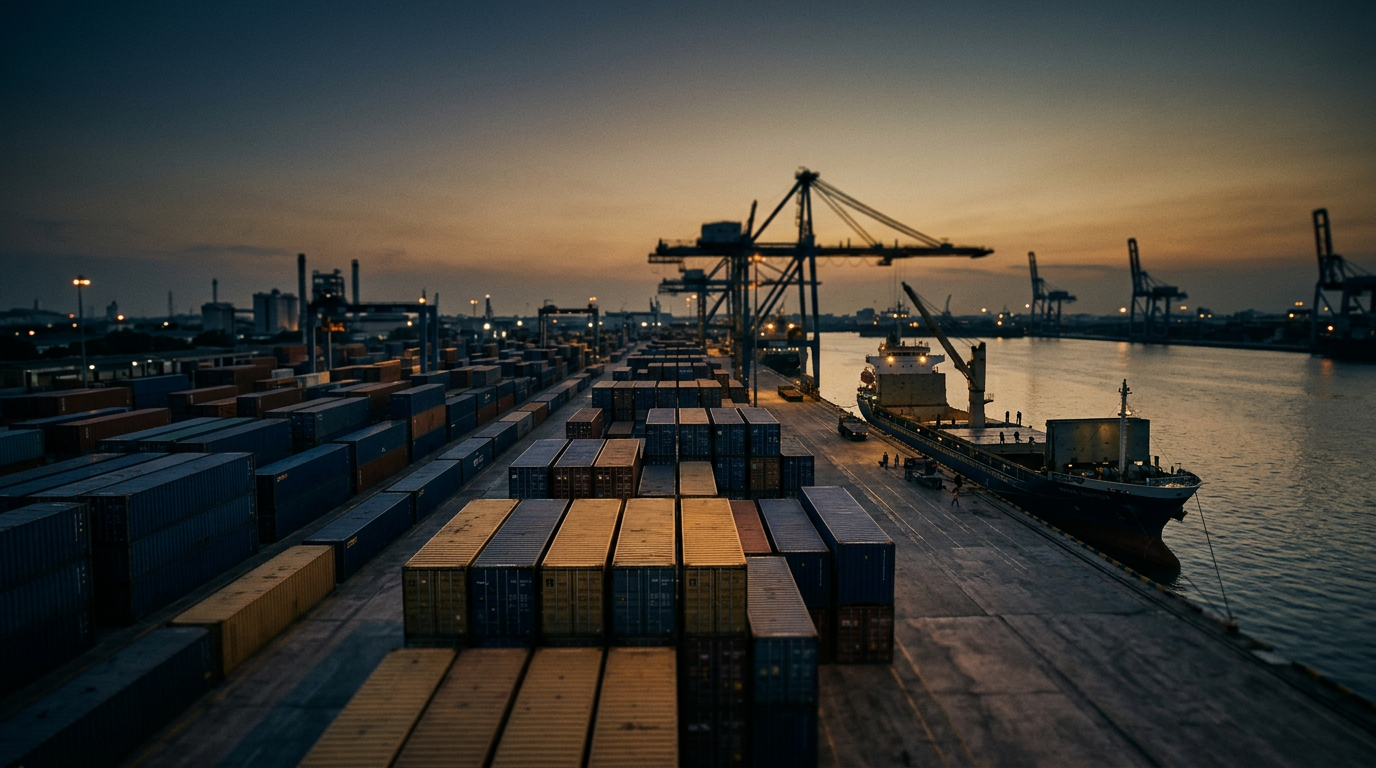
A recent CNA report on Indonesia's plan to launch a national commodity exchange highlights a core theme for many ASEAN economies: the desire for more influence over the terms of trade, especially for the raw materials that power their growth. According to the report "Indonesia wants more sway over commodity prices". While the ambition is clear, the path to establishing credible, liquid benchmarks for commodities like nickel and palm oil is complex. It requires more than just a platform; it demands deep institutional trust and broad market adoption.
Institutions and Trust
For an exchange to succeed, it must be viewed as a credible, transparent, and reliable institution. This is a tall order. The CNA article notes that the new exchange will need to win over a market accustomed to using established benchmarks in London, Kuala Lumpur, and Singapore. Building this trust is an institutional challenge. The exchange's rules, settlement procedures, and governance must be robust enough to attract both domestic producers and international traders. Without this, the exchange risks becoming a marginal platform with little impact on global price discovery. The government's role is to provide a clear regulatory framework that fosters confidence rather than appearing to exert direct control over pricing, which could deter market participants.
Capital and Execution
The project is not just an institutional test but also a question of capital and execution. A successful commodity exchange requires significant liquidity. Traders and producers must be willing to commit substantial capital to the market. For Indonesia, this means ensuring that the local financial system can support the exchange and that the incentives are aligned for major producers of nickel, tin, and palm oil to trade on the new platform. As the book "ASEAN Rising" notes, for many economies in the region, managing economic relationships, particularly with major trading partners like China, is a central concern. "Trade depth with China is now a structural feature, not a cyclical one." An Indonesian exchange could provide a degree of strategic pricing power, but only if executed flawlessly. The operational details, from trading technology to clearing and dispute resolution, will determine whether the exchange can attract the necessary trading volumes to become a viable benchmark.
The China Factor
Indonesia's initiative also reflects the broader geopolitical context of commodity markets. China is the largest consumer for many of Indonesia's key commodities, including nickel. This gives Chinese buyers considerable influence over prices. By creating a domestic pricing benchmark, Indonesia seeks to counterbalance this influence and capture more value from its natural resources. The effort is an example of an ASEAN nation attempting to manage its economic dependency on a larger power by building its own market institutions. This does not reduce the volume of trade with China but aims to shift the pricing power, even slightly, in Indonesia's favor. It is a strategic move to gain more control over its economic destiny without disengaging from its most significant market.
What to watch: The key indicator of success will be the adoption rate by major domestic producers and international trading houses in the first two years of operation. Observers should also monitor the trading volumes for key contracts like nickel and CPO to see if they achieve the liquidity needed to establish a credible benchmark. The government's ability to maintain a hands-off regulatory posture once the exchange is operational will also be a significant factor in its long-term viability and credibility.