Indonesia
Indonesia Sees Resilient Exports Amid Oil Price Surge
Indonesia's Trade Minister projects export growth will continue despite rising global crude oil prices, a resilience that reflects the country's deep and structural trade relationship with China.
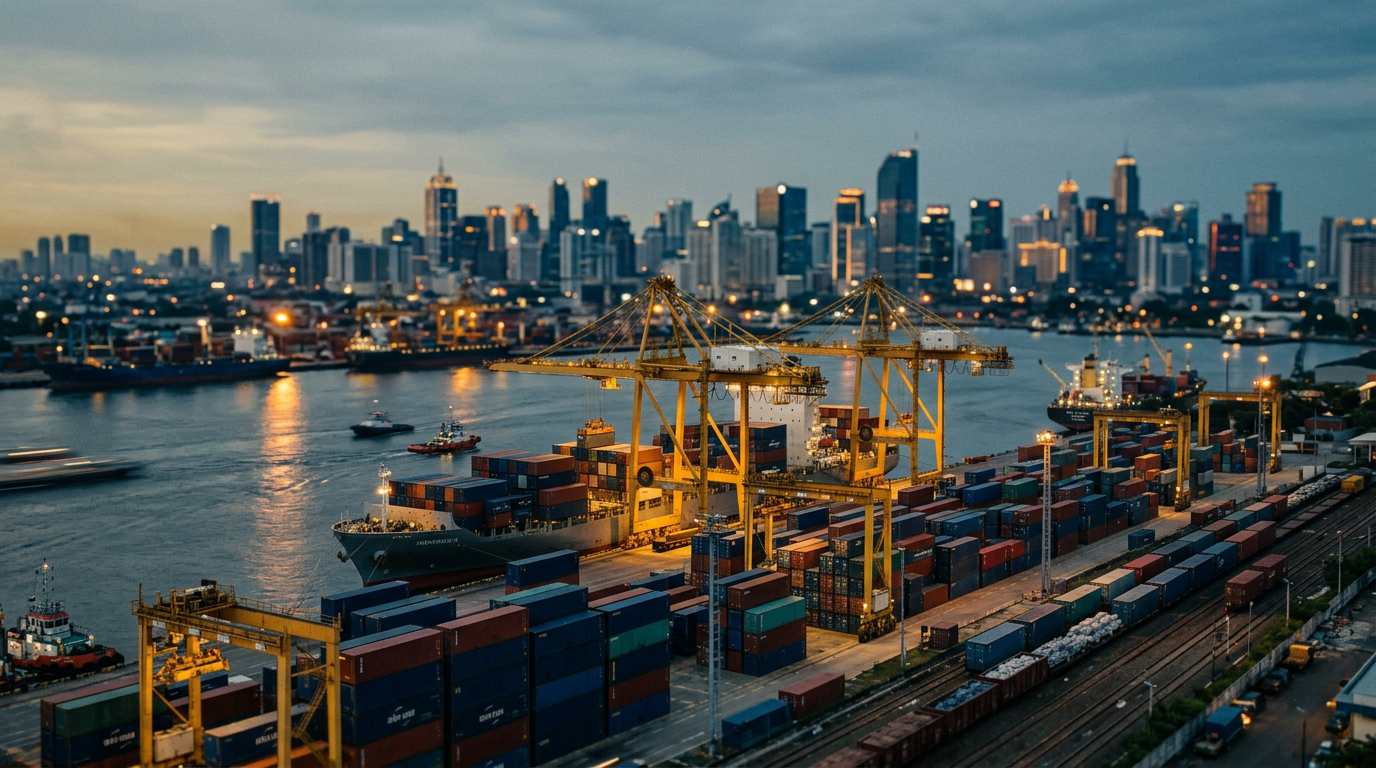
Indonesia's Trade Minister, Zulkifli Hasan, has expressed confidence that the country's export growth will remain resilient despite the recent surge in global crude oil prices. This assessment, reported by Antara, is based on the robust performance of Indonesia's non-oil and gas exports, which have been the primary driver of its trade surplus. While rising energy costs present a headwind for the global economy, Indonesia's export structure, particularly its deep trade ties with China, provides a significant buffer.
The China Factor in Trade Resilience
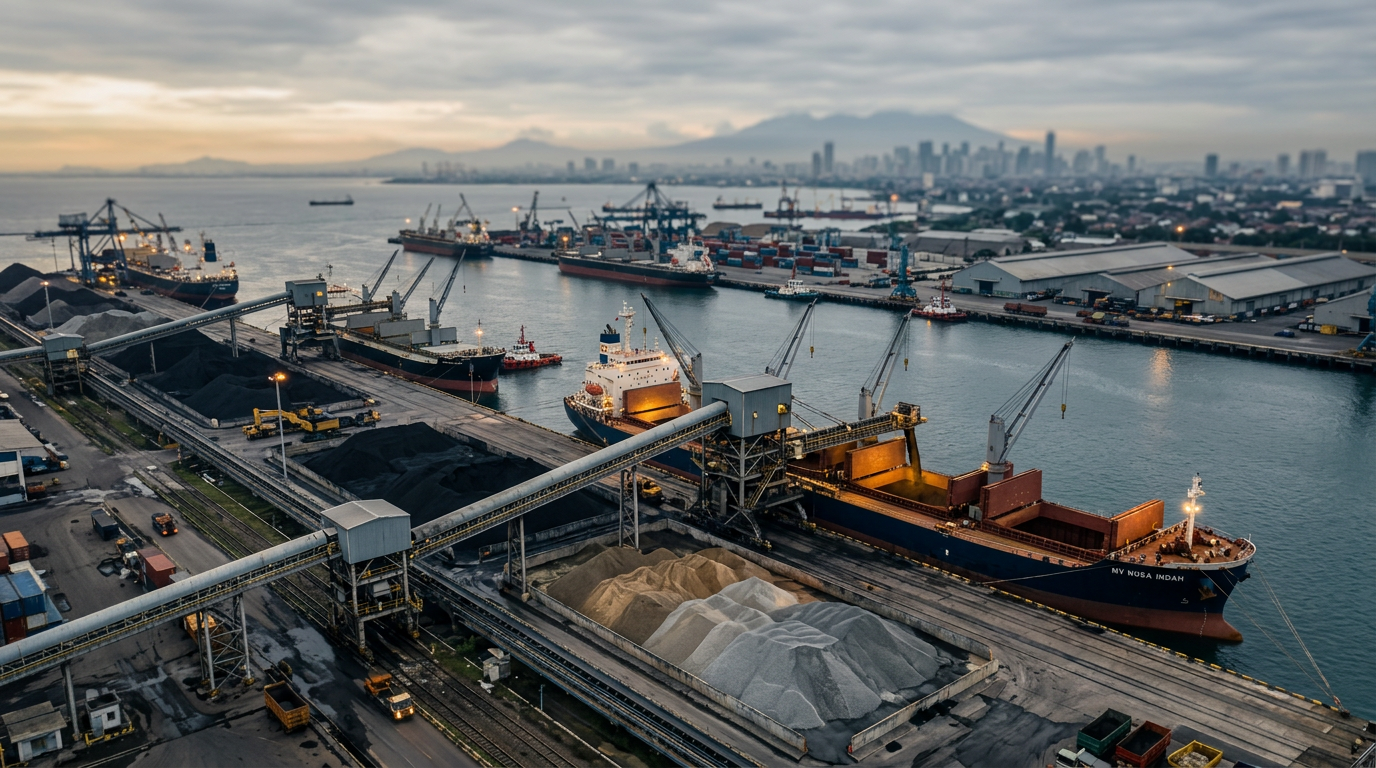
Indonesia's positive export outlook cannot be fully understood without examining its trade relationship with China. For years, China has been Indonesia's largest trading partner and a primary destination for its key commodities, such as coal, palm oil, and nickel. This has created a significant degree of economic dependency. However, this dependency is not just a vulnerability; it is also a source of stability in a volatile global market.
As the book "ASEAN Rising" notes, deep trade with China has become a permanent structural element for the region. The core issue for governments like Indonesia is how to manage this deep-seated economic relationship. The goal is to sustain the benefits of Chinese demand while preserving strategic flexibility. Indonesia's ability to maintain export growth, even as global energy prices fluctuate, demonstrates a successful navigation of this dynamic. The sheer scale of Chinese demand for Indonesian goods provides a baseline of stability that is less affected by oil price shifts than trade with other parts of the world.
Institutional and Infrastructure Alignment
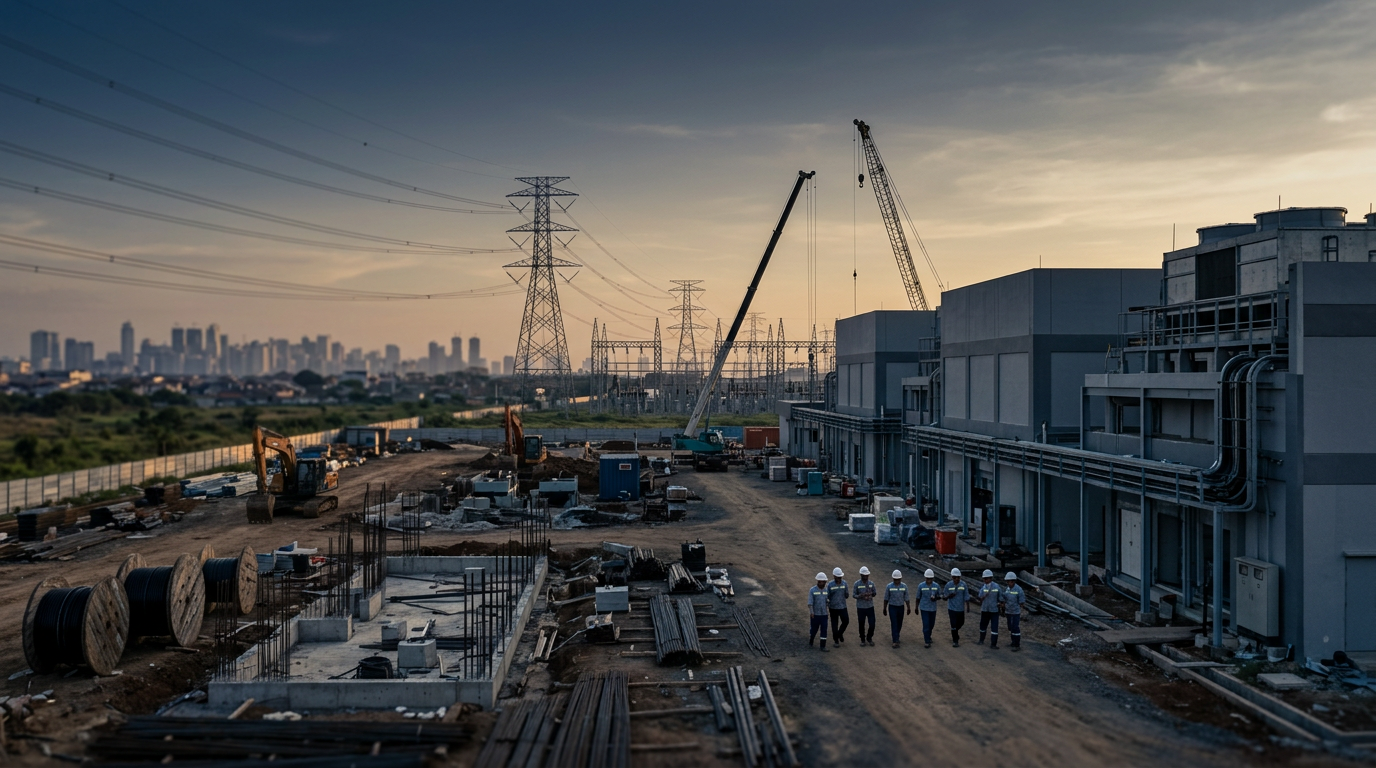
This trade resilience is not accidental. It is the result of deliberate institutional and infrastructural policies. Over the past decade, Indonesia has focused on developing industrial parks and processing facilities, often with Chinese investment, to move its exports up the value chain. Policies such as the ban on raw nickel ore exports were designed to compel downstream processing within Indonesia, turning a raw commodity into a higher-value product like stainless steel or battery components, which are in high demand in China.
These policy choices strengthen the trade linkage. Chinese firms have invested heavily in the infrastructure needed to process these materials in Indonesia, creating a locked-in supply chain. This physical and financial capital commitment makes the trade relationship less susceptible to short-term price shocks in other sectors, such as energy. The institutions governing trade and investment have been aligned to support this long-term, integrated industrial strategy, further insulating the core export economy from external volatility.
Managing Dependency
The Trade Minister's confidence highlights the economic benefits of Indonesia's strategy. However, it also brings the challenge of dependency into sharp focus. As the book states, "The question for ASEAN governments is no longer whether to engage, but how to manage dependency without losing optionality." While the trade relationship is currently a source of strength, over-reliance on a single market carries long-term risks, including vulnerability to shifts in China's own economic priorities or geopolitical tensions.
Indonesia has sought to mitigate this by pursuing other trade agreements, such as with the European Union, and by strengthening its trade ties within ASEAN. The development of domestic industrial capacity is also a form of risk management, as it builds a more sophisticated and resilient economic base. The government's ability to use the revenue from these exports to invest in human capital and other infrastructure projects will be a measure of its success in turning this managed dependency into a sustainable development model.
What to watch
Watch for shifts in Indonesia's trade balance if high oil prices are sustained for a prolonged period, which could increase import costs and pressure the current account surplus. Also, monitor the progress of Indonesia's downstream industrial projects, particularly in the electric vehicle battery sector, as these will be the next test of its ability to extract more value from its commodity exports to China and other partners. The pace and success of these projects will determine if the current resilience is a temporary benefit or a long-term feature of the Indonesian economy.