

Malaysia, business & markets coverage
Capital: Kuala Lumpur
Trade hub bridging Singapore and Thailand, strong in electronics, palm oil and Islamic finance.
 Singapore
 Indonesia
 Thailand
 Vietnam
 Philippines
 Brunei
 Cambodia
 Laos
Laos Myanmar
 Timor-Leste
Execution lens
How Malaysia scores on the six Execution Economics pillars: institutions, capital, infrastructure, talent, technology and trust. Country scorecards are published progressively as research is completed.
Latest from Malaysia
 Malaysia
Sovereign AI in ASEAN is about more than models
Sovereign AI in ASEAN will be tested not by model launches but by who controls the compute, the data layer and the digital identity rails that sit underneath everyday economic life.
 Malaysia
Penang Delivers the Mutiara Line
As Penang prepares for a 21-day road closure to facilitate the construction of the LRT Mutiara Line, the project highlights the connection between state capacity and economic progress. Infrastructure that gets built offers a clearer signal of a state's intentions than ambitious.
 Malaysia
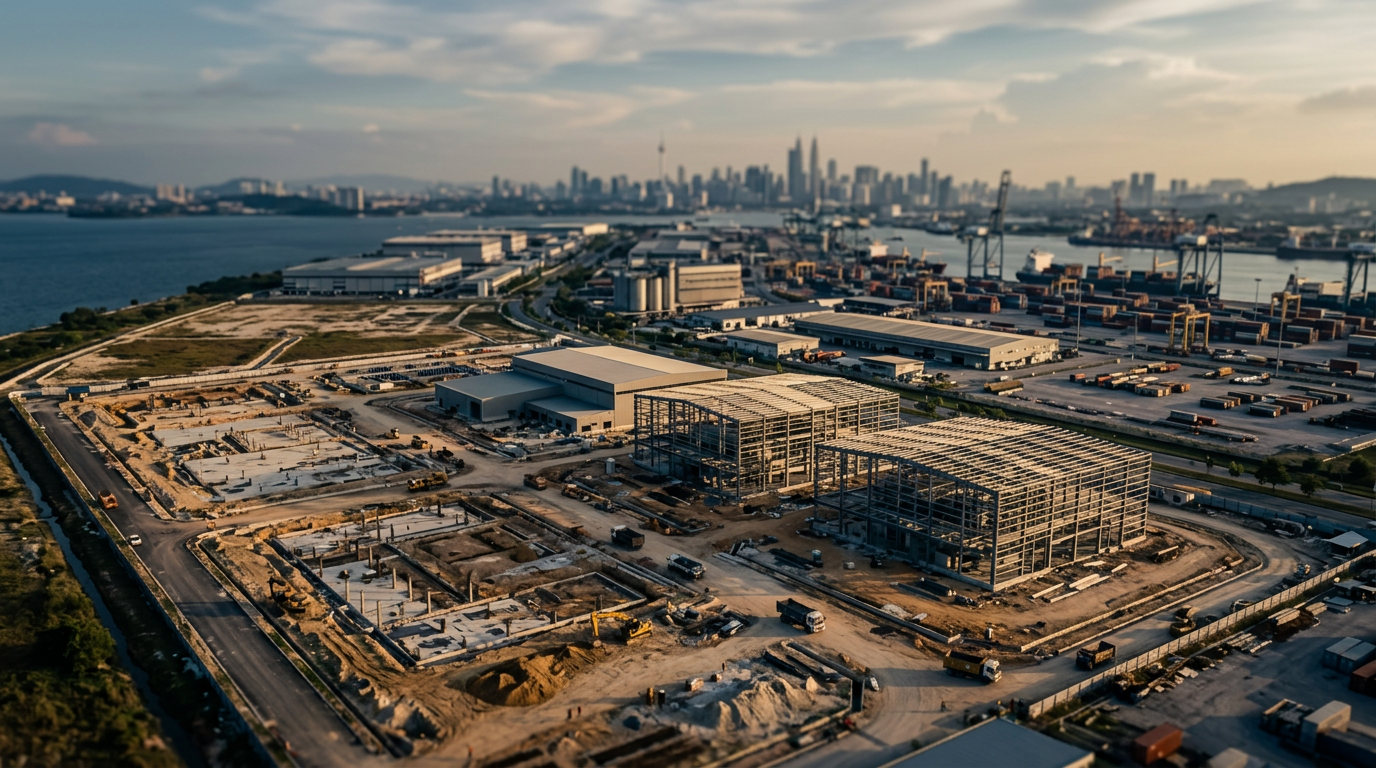
Malaysia's FDI Ambition is About More than Announcements
FDI announcements travel quickly. Realised flows depend on the slower work of land, permits, power and talent reaching the ground.
 Malaysia
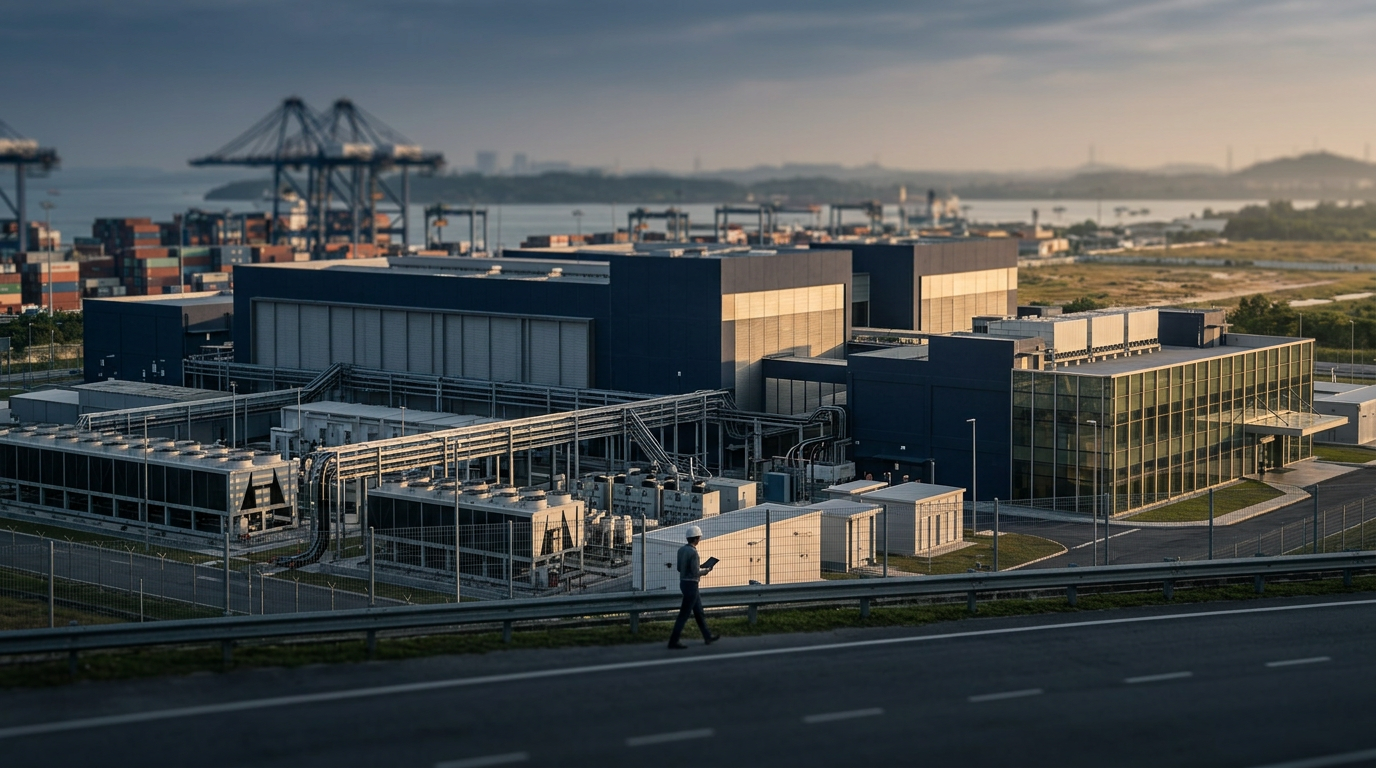
Malaysia's Cloud Infrastructure and the Sovereign AI Question
Tencent Cloud's new region in Johor highlights the build-out of critical digital infrastructure, a necessary step for Malaysia's digital economy ambitions. But it also surfaces the deeper question of how ASEAN member states will ensure sovereignty over the foundational layers.
 Malaysia
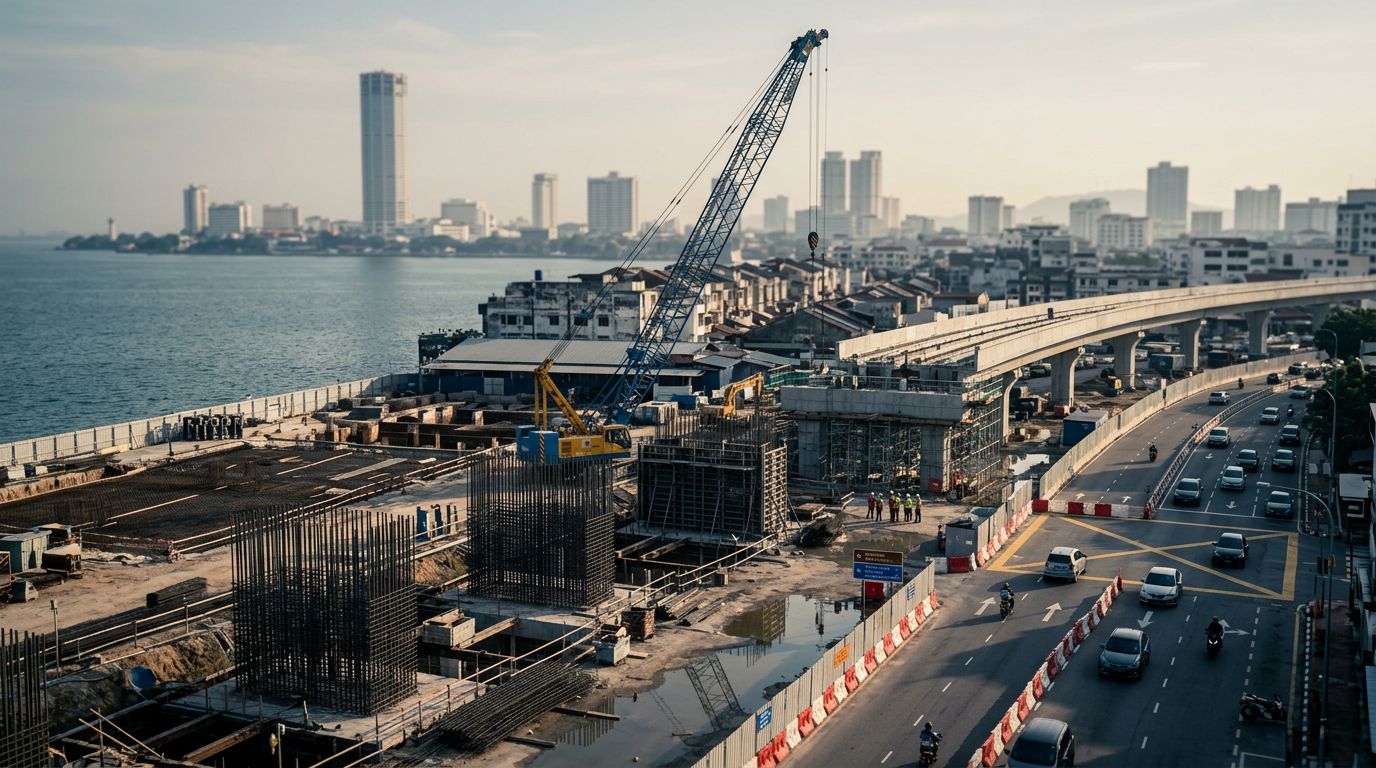
The Mutiara Line and Malaysia's Infrastructure Test
Penang's Mutiara Line LRT project will require a 322-day traffic diversion. While a necessary step, it puts the focus on Malaysia's ability to deliver complex infrastructure projects on schedule and with minimal disruption.
 Malaysia
Malaysia
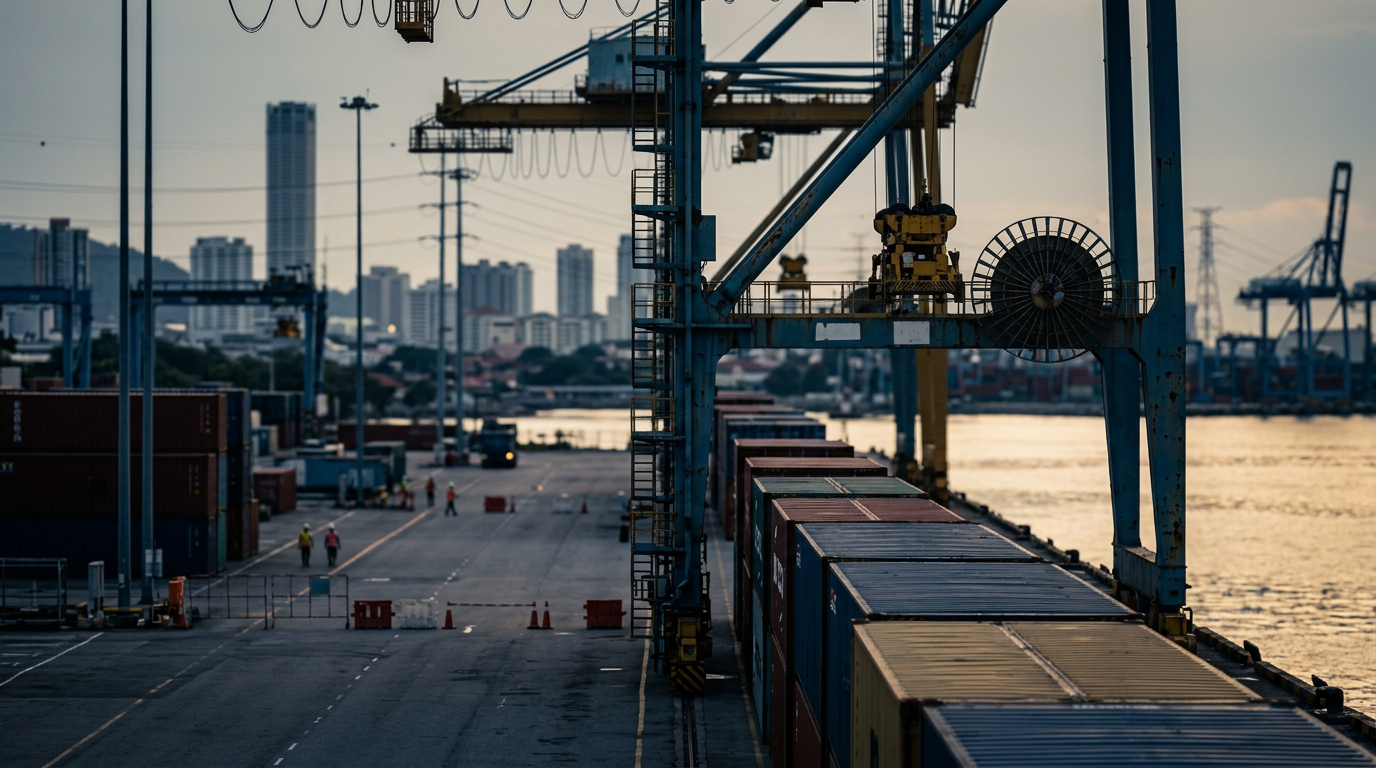
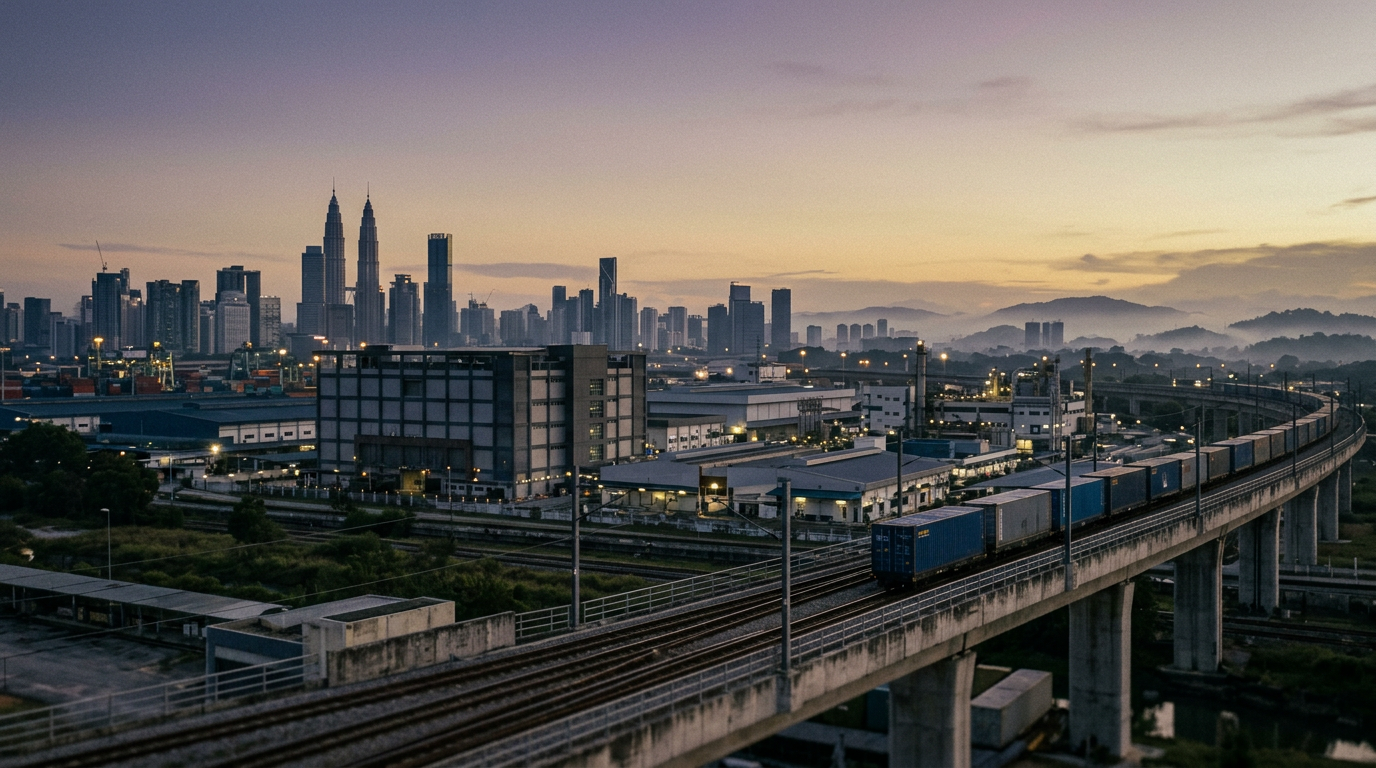
A temporary road closure in Penang is a small but significant indicator of the
 Malaysia
Malaysia's FDI Record: Execution Makes the Difference
Foreign direct investment announcements are easy to make. Turning them into productive assets on the ground is the harder part that truly drives economic growth.
 Malaysia
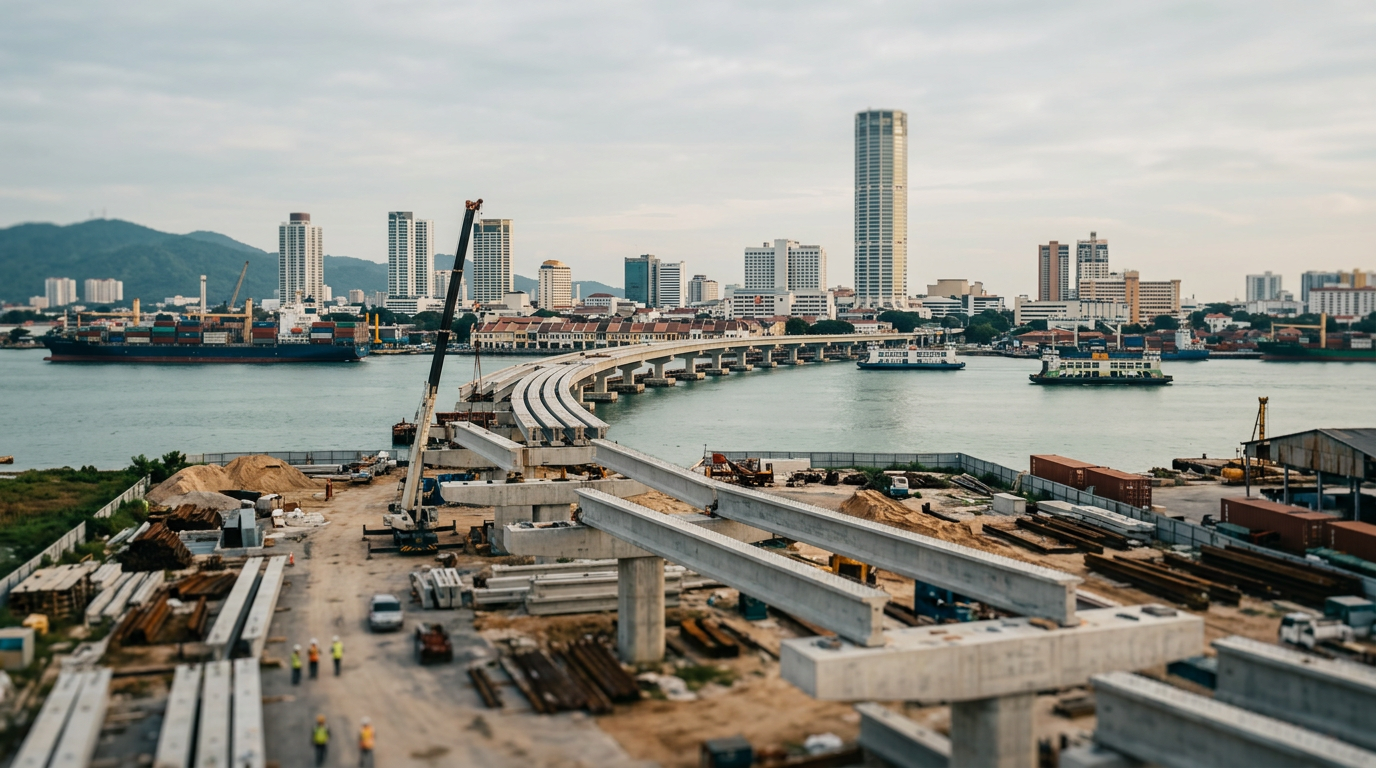
Malaysia's Investment Win With India Shows That Execution Matters
Malaysia's US$2.95 billion in approved manufacturing investments from India is a significant headline. The real work of turning FDI announcements into realised flows depends on the slower work of land, permits, power, and talent.
 Malaysia
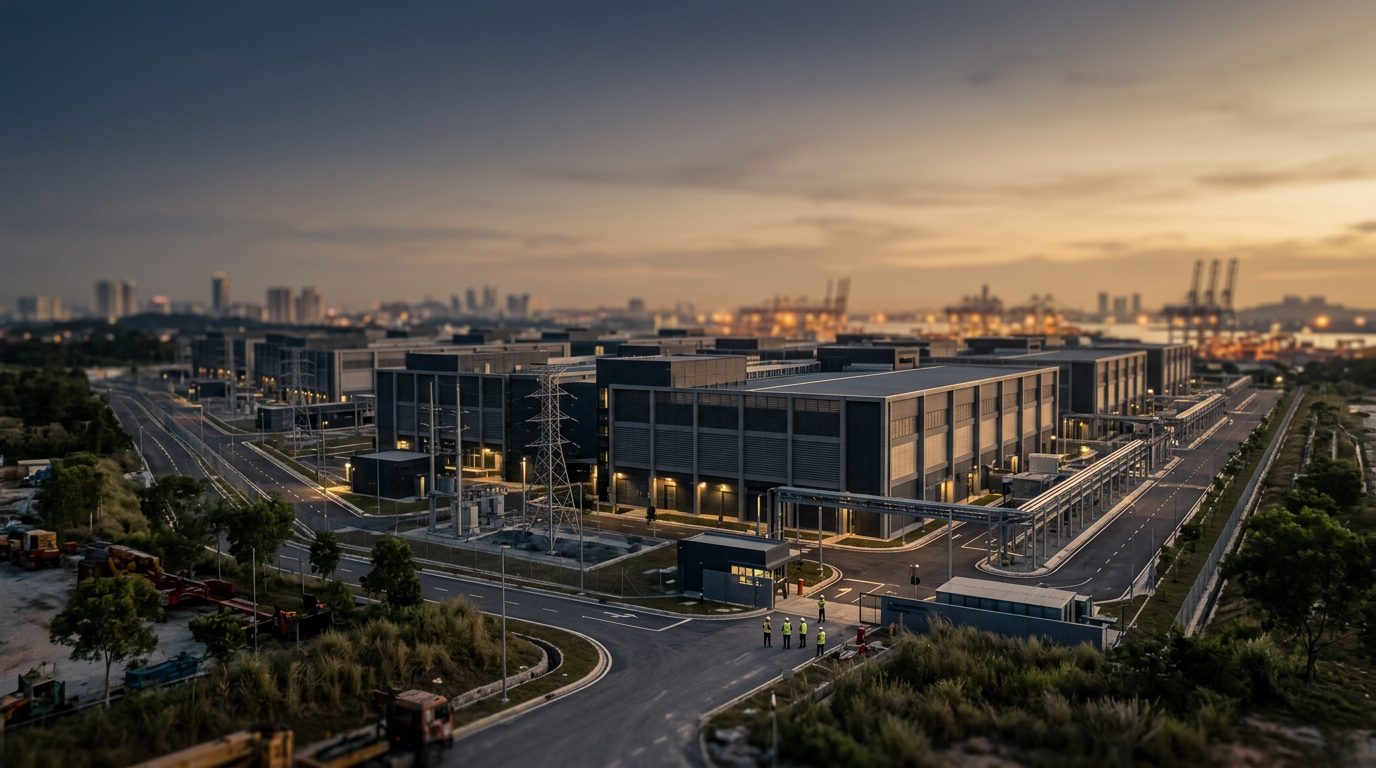
Penang's LRT Project and the Long Road to Usable Infrastructure
The Penang Mutiara Line LRT project is a multi-year effort to improve urban mobility. While the project promises long-term benefits, the immediate 322-day traffic diversion on Jalan Sultan Azlan Shah highlights the immense coordination and state capacity required to deliver.
 Malaysia
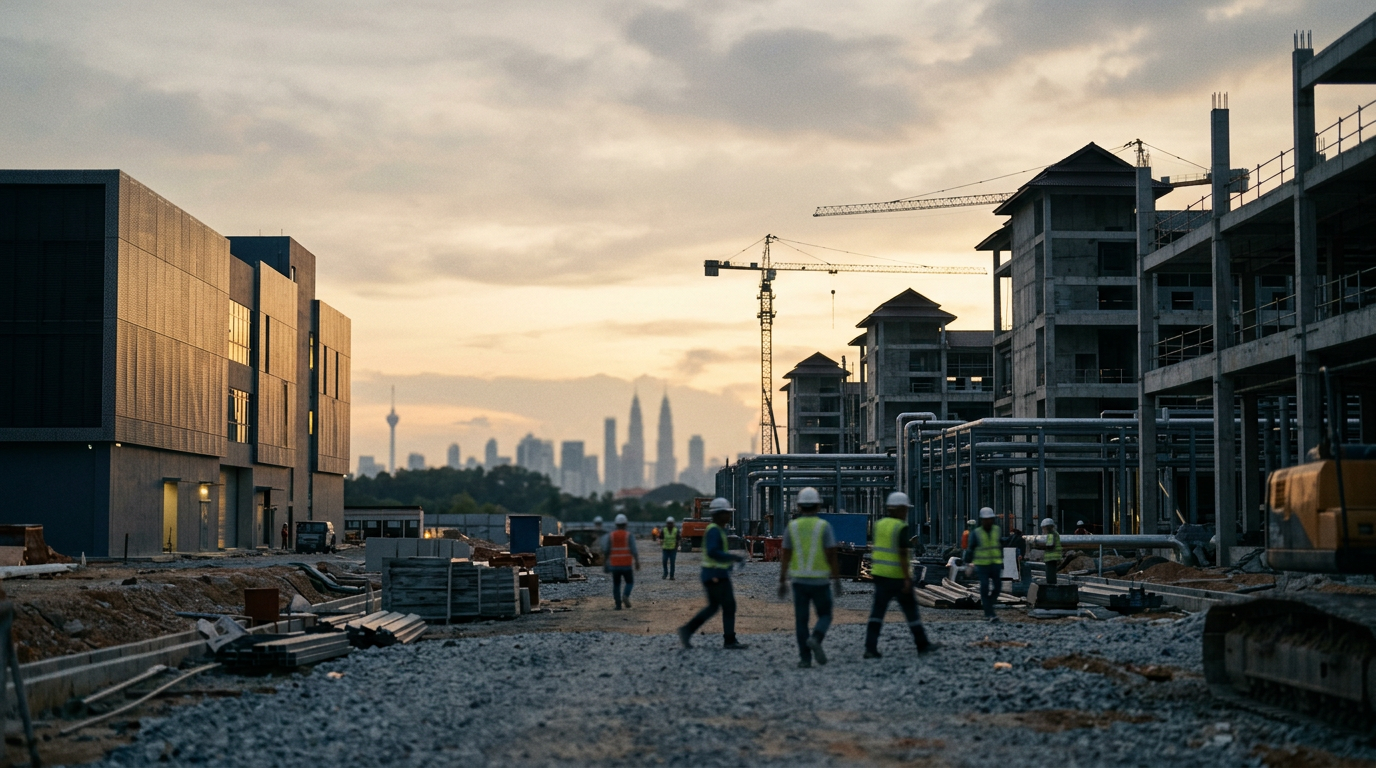
Johor's Data Centre Boom is About More Than Land
A recent RM57.18 million series of subcontracts for a new hyperscale data centre in Johor highlights the state's emergence as a data hub. But this success is not accidental; it is a direct result of coordinated investment in the foundational pillars that attract hyperscale.
 Malaysia
Beyond Announcements: The IAI's Work to Deepen Investment
The recent IAI Task Force meeting highlights a perennial ASEAN challenge: translating FDI announcements into realized investment on the ground.
 Malaysia
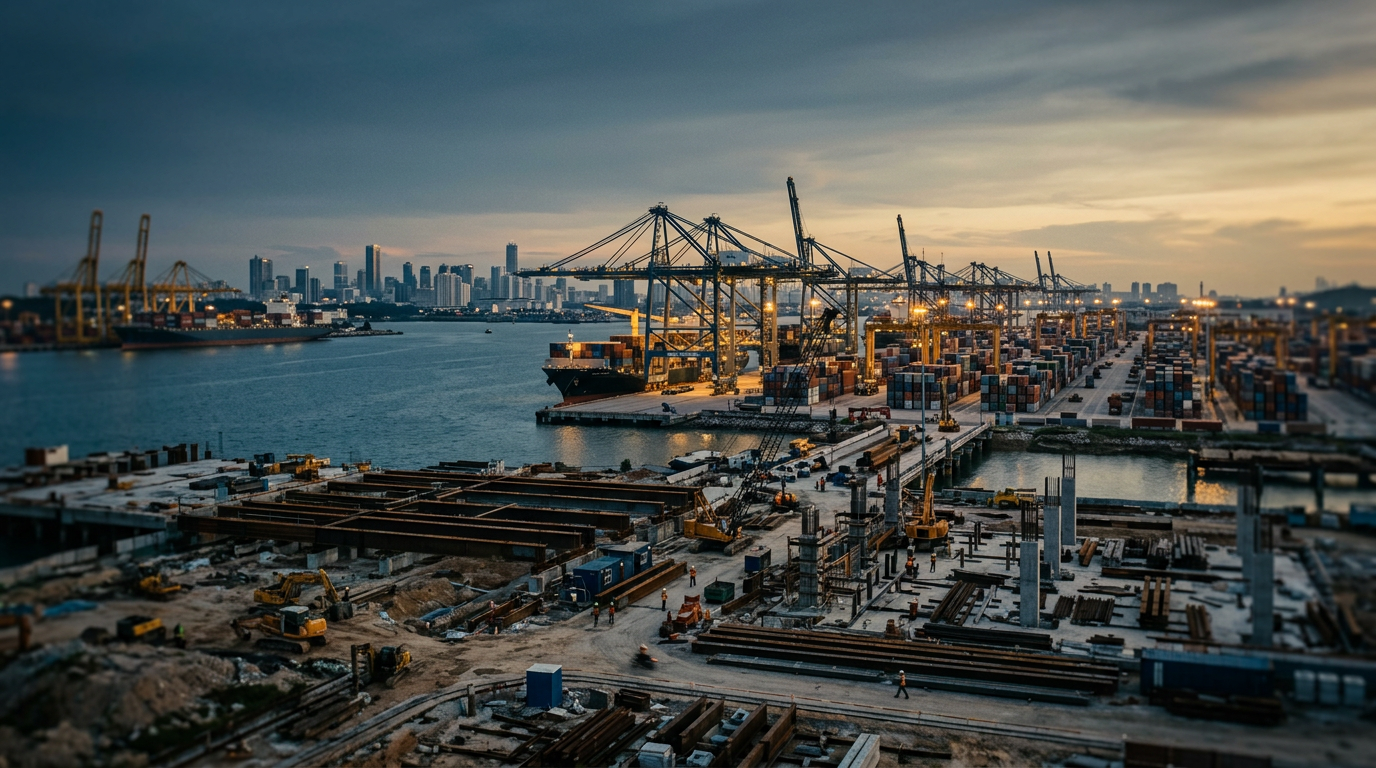
Malaysia: Ringgit pressure shows capital is not a captive audience
Malaysia's currency is under pressure, a reminder that capital flows are sensitive to policy execution, not just announcements.
 Malaysia
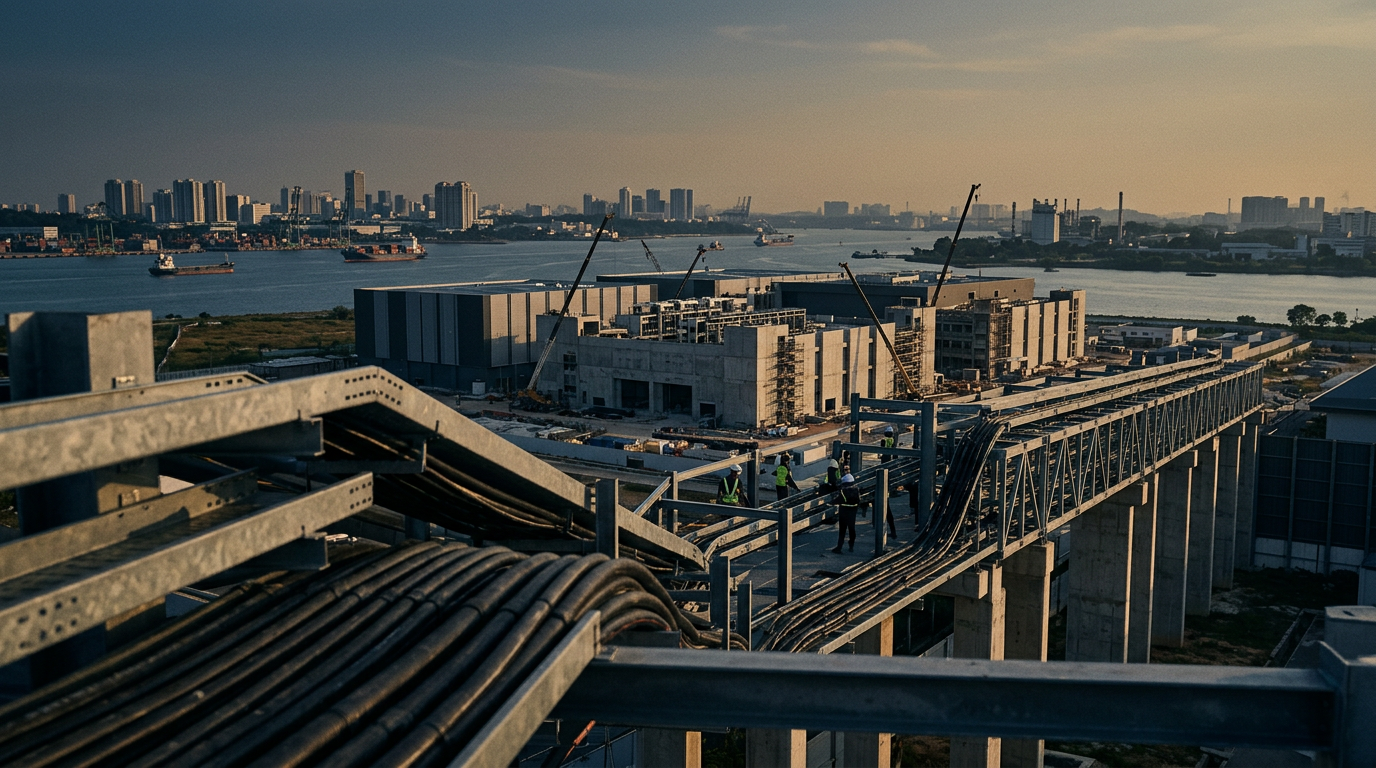
Malaysia's Data Center Buildout Tests Its Coordination Capacity
Johor's rise as a data center hub is a test of Malaysia's ability to coordinate capital, infrastructure, and talent. A recent series of subcontracts for a hyperscale project highlights the opportunities and the execution risks.
 Malaysia
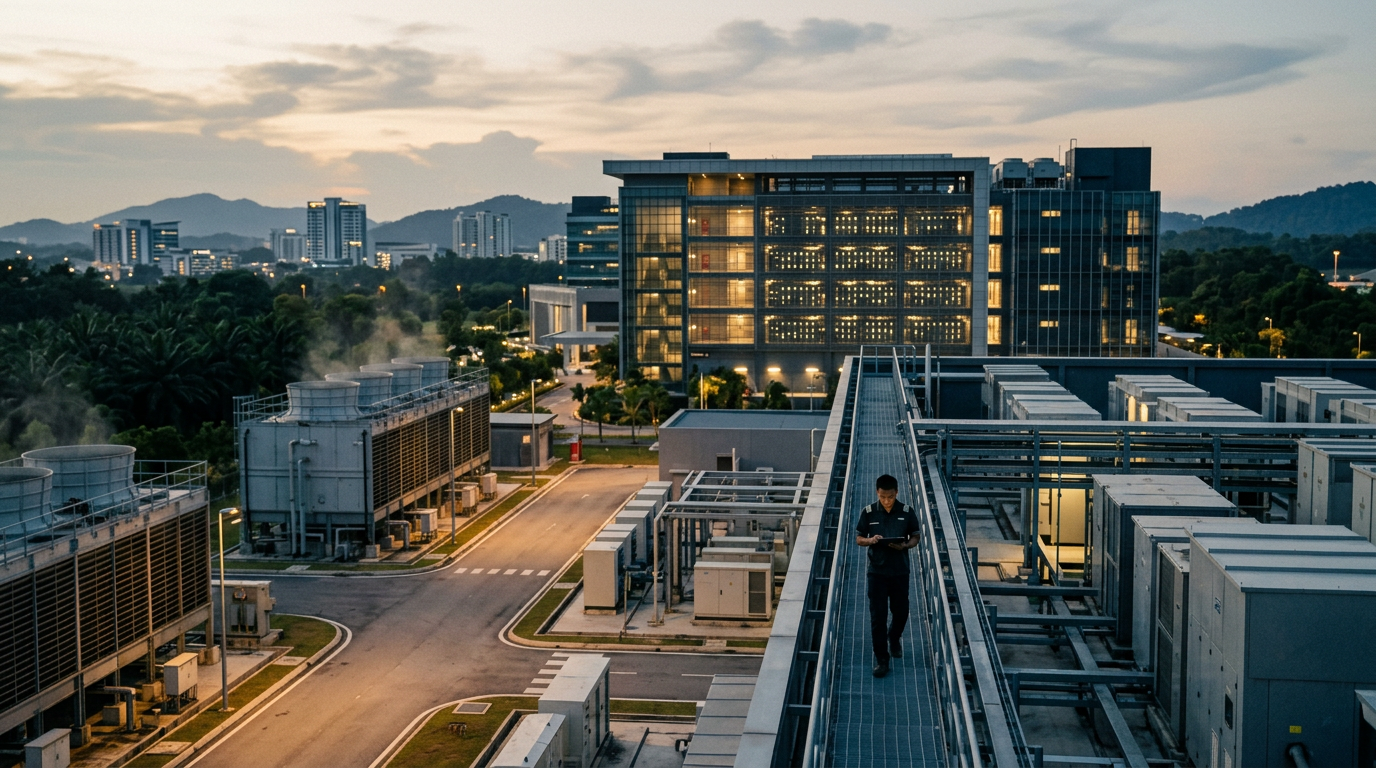
Malaysia's Mutiara Line and the Value of a Usable State
A temporary road closure in Penang for the Mutiara Line LRT project highlights a core theme from ASEAN Rising: institutional reliability is a key part of comparative advantage.
 Malaysia
Malaysia Races Ahead in the Global AI Race
A new deal by an Nvidia-backed firm with OpenAI for data centre capacity in Malaysia highlights the country's growing appeal for high-tech investment, but the harder work of implementation will determine the long-term outcome.
 Malaysia
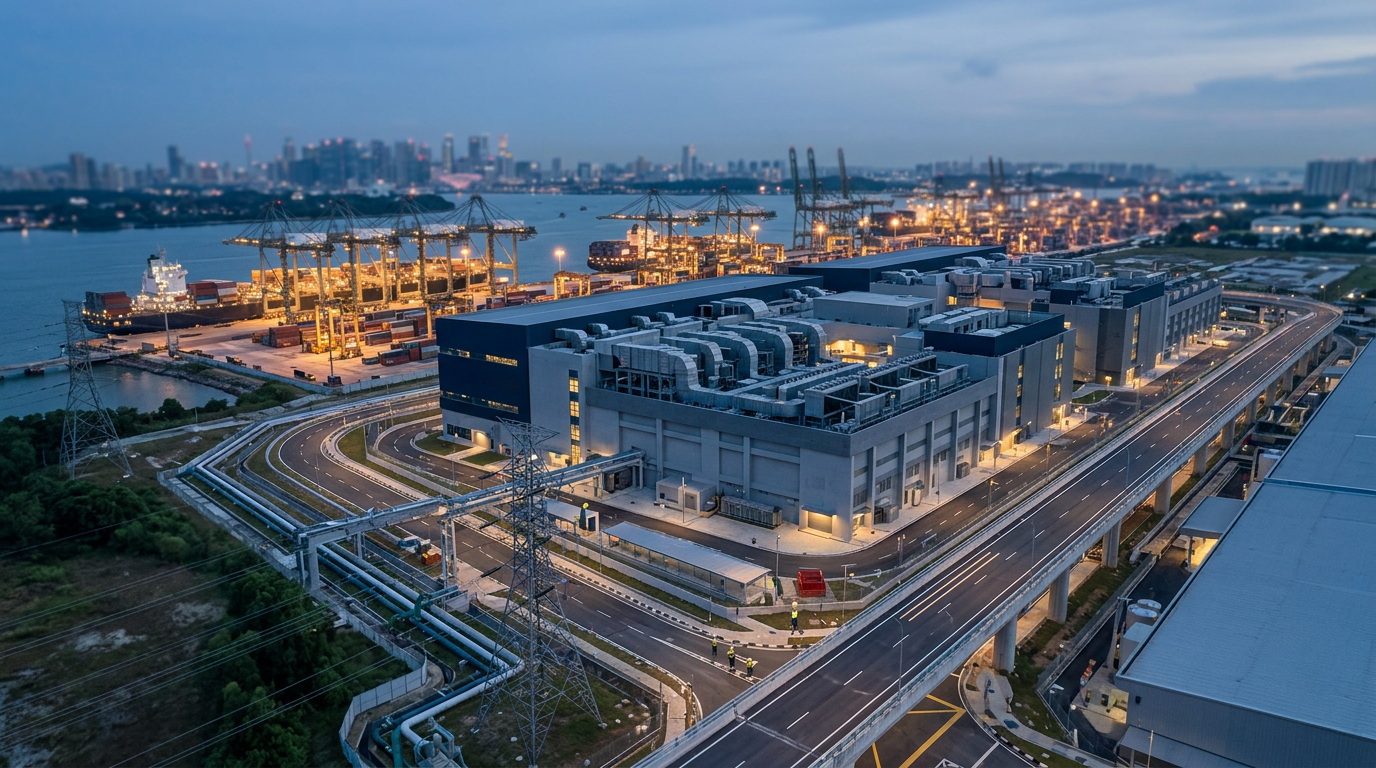
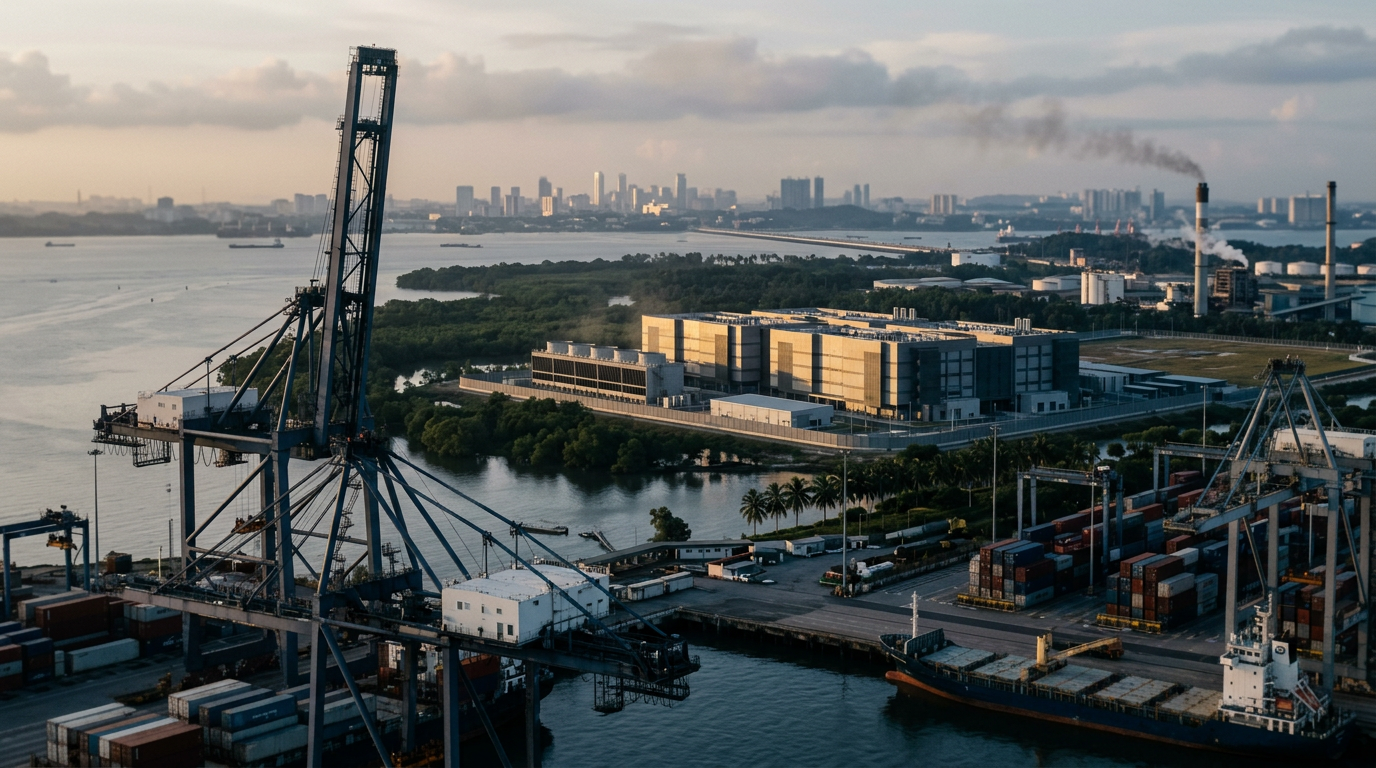
Johor's Data Centre Boom is a Test of Coordination
A recent string of contracts for a hyperscale data centre in Johor, Malaysia, illustrates a core theme of regional development: hyperscale investment follows coordinated infrastructure, not just cheap inputs.
 Malaysia
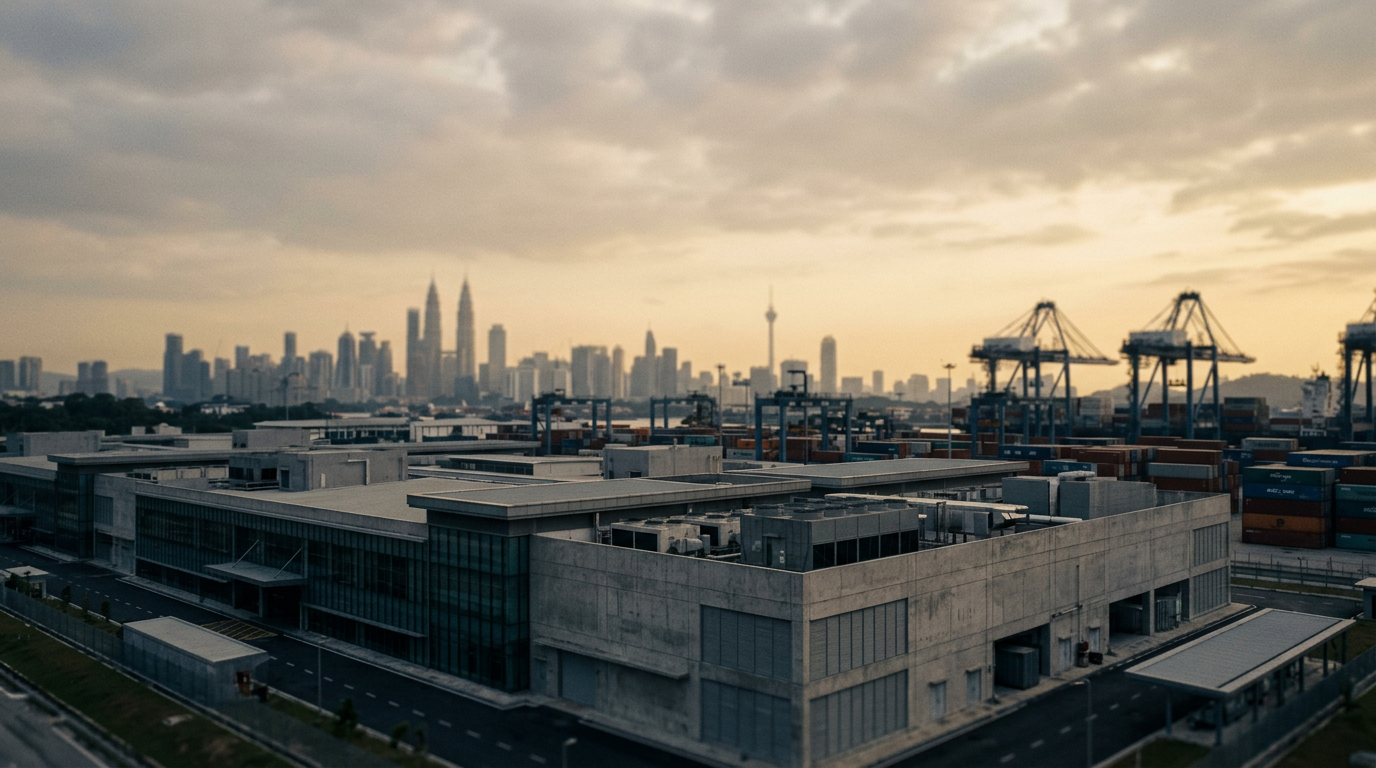
Malaysia's Sovereign AI Tests More Than Geopolitics
Malaysia's exploration of a sovereign AI platform with Huawei puts the spotlight on the foundational elements of digital power: compute, data, and identity, not just geopolitical alignment.
 Malaysia
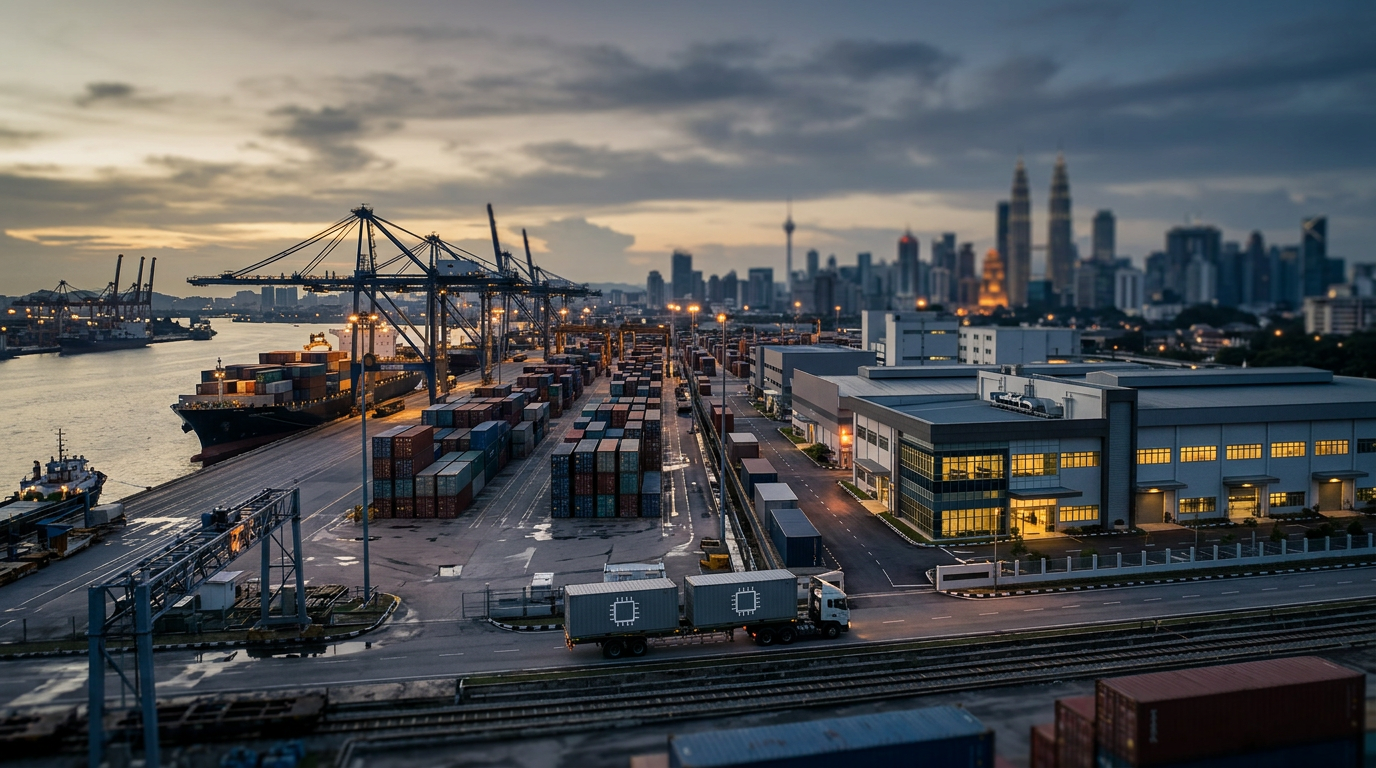
Malaysia, Huawei and the Sovereign AI Stack
Sovereign AI in ASEAN will be tested not by model launches but by who controls the compute, the data layer and the digital identity rails that sit underneath everyday economic life.
 Malaysia
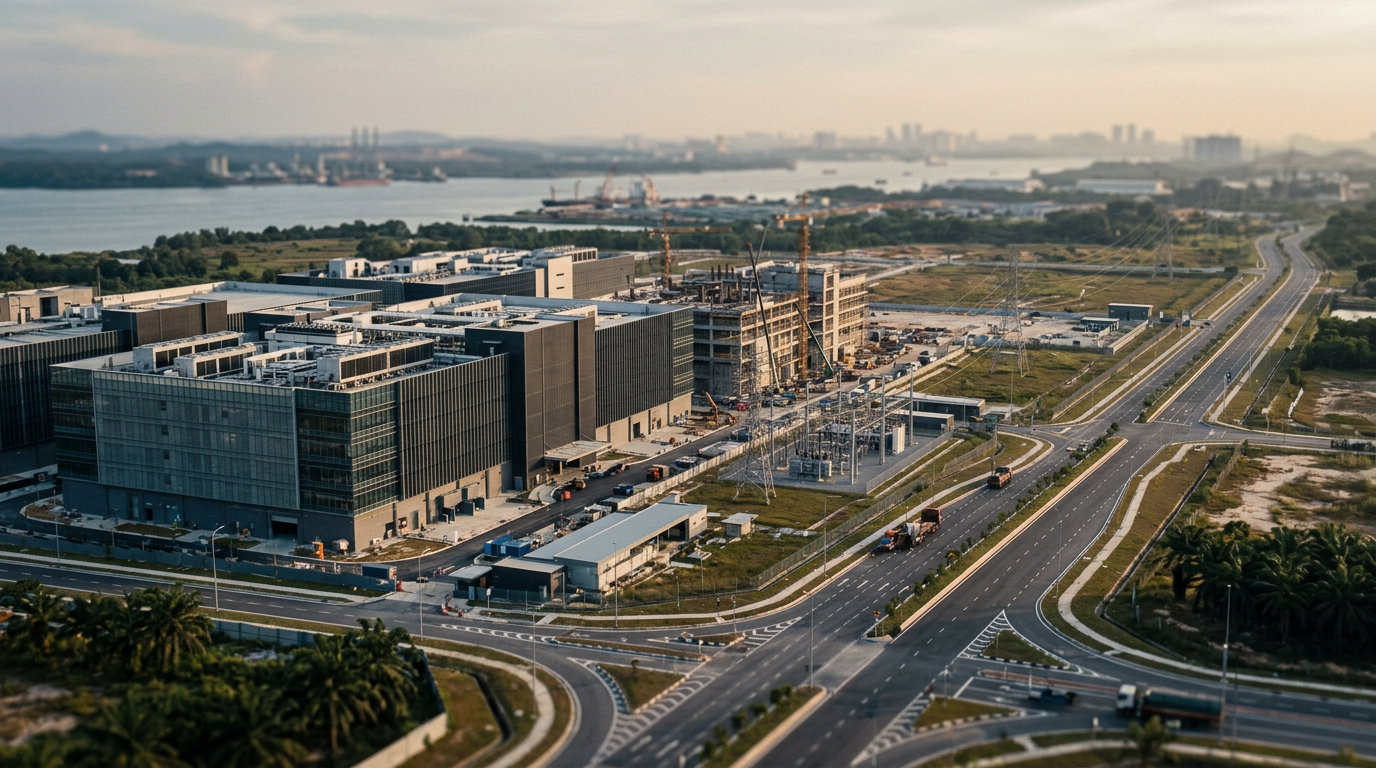
Malaysia's Chip Boom and the China Question
An industry chief's forecast of a US$223 billion export year for Malaysia's electrical and electronics sector highlights the delicate balance ASEAN members must strike between seizing semiconductor supply chain opportunities and managing deep economic ties with China.
 Malaysia
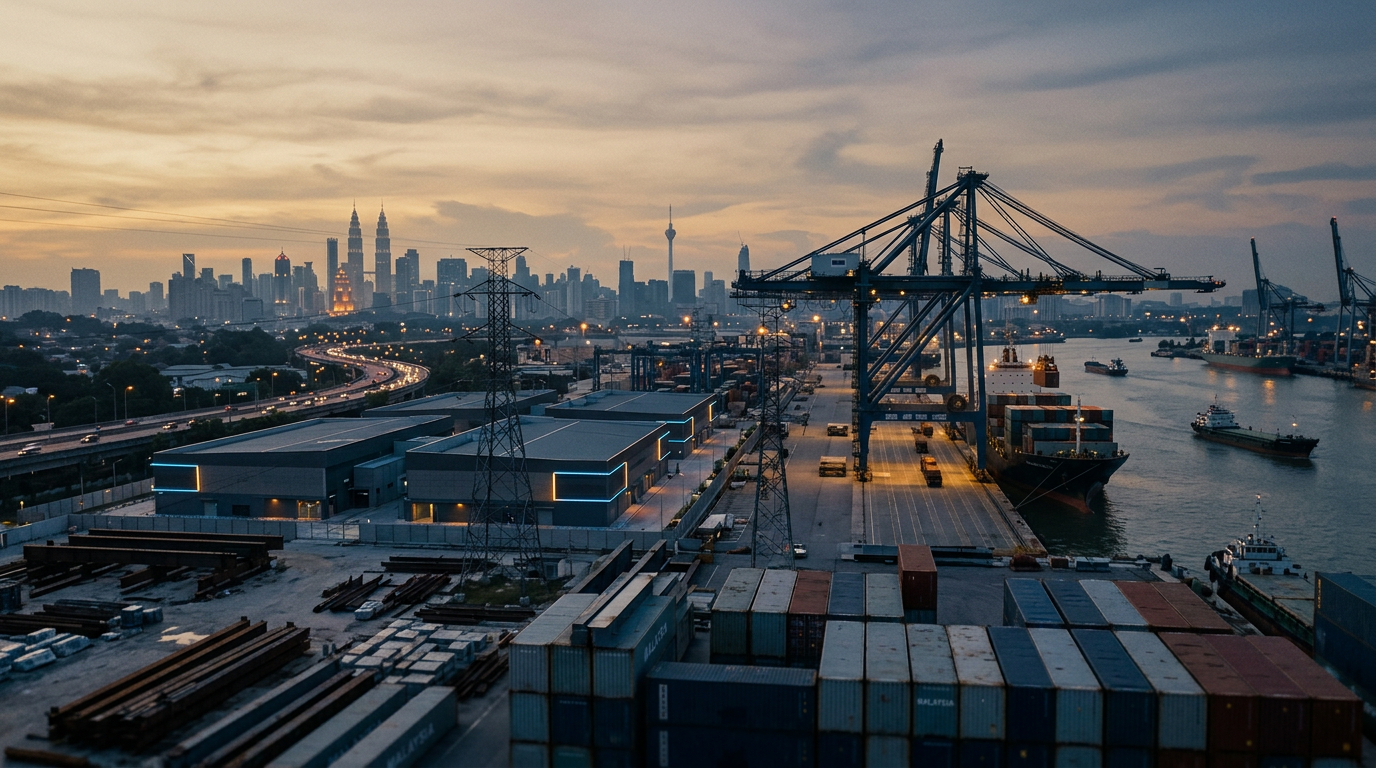
Johor's Data Centre Boom Tests Malaysia's Execution Capacity
Johor's emergence as a data centre hub is a test of Malaysia's ability to coordinate capital, infrastructure, and talent. While new investments are positive, long-term success depends on integrated planning and execution.
 Malaysia
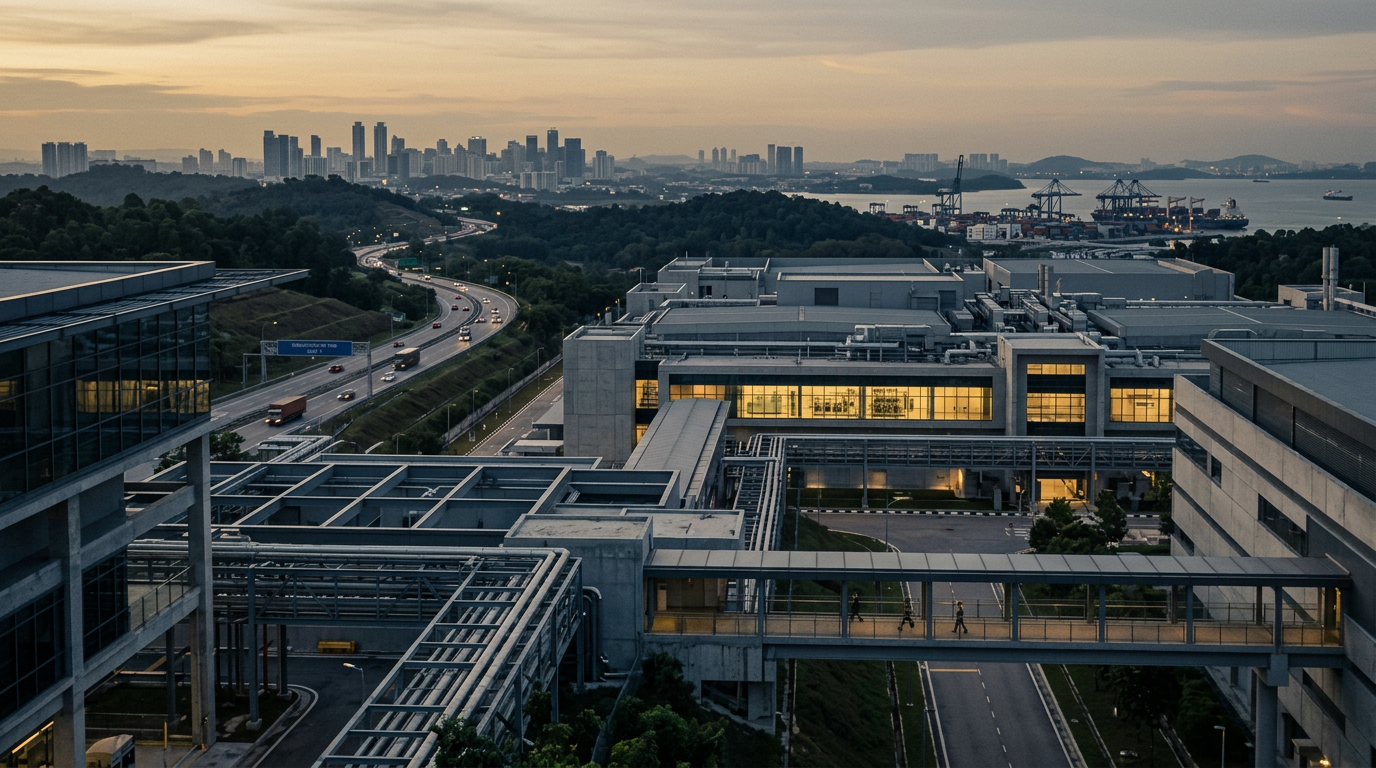
From Approved to Invested: Malaysia's FDI Challenge
Malaysia announced a surge in approved investments for the first half of 2026. Realising these flows will depend on the hard work of matching approvals with land, permits, power and talent.
 Malaysia
Malaysia
Malaysia's Budget 2027 proposal for the semiconductor industry highlights a deep-seated challenge for ASEAN: how to manage economic dependency on China while building national industrial capacity.
 Malaysia
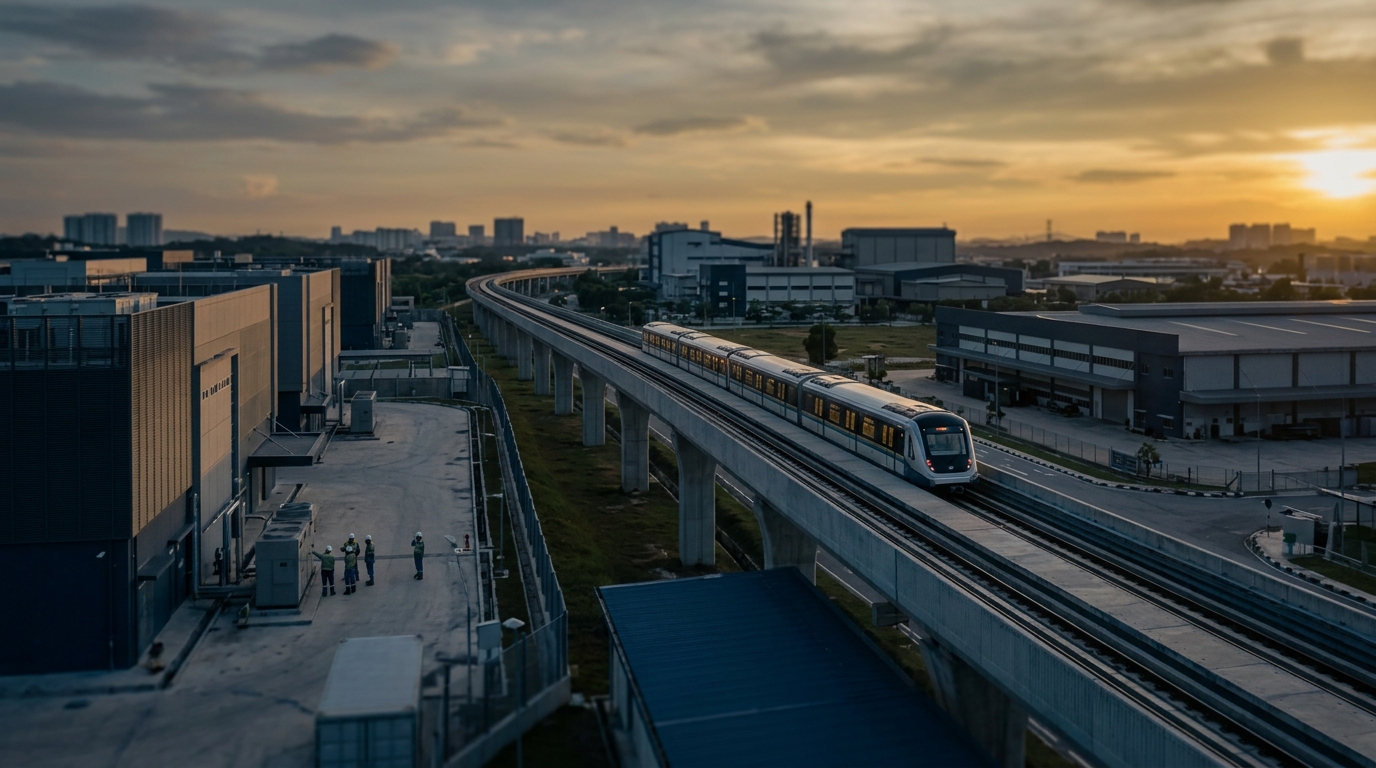
Malaysia's LRT Extension Is About More Than Just Transit
The new LRT Shah Alam line is a tangible demonstration of state capacity. Its on-time completion and operational efficiency are signals to investors that go far beyond transport.
 Malaysia
Green Financing for Johor Data Centre Campus Highlights Cross-Border Capital Coordination
A recent green financing deal for a Johor data centre, led by a Singaporean firm, shows how capital and infrastructure planning are converging in the region, a key theme of ASEAN Rising.
 Malaysia
Malaysia's Automotive Ambition Meets a Familiar Test
Malaysia aims to transition its automotive sector from assembly to higher-value manufacturing. Success will depend on the slow work of improving institutions, infrastructure, and talent.
 Malaysia
Thailand Enters the Hyperscale Data Center Fray
A major pre-lease agreement for a new Bangkok data center highlights the race for hyperscale capacity in Southeast Asia, where capital coordination is a decisive factor.
 Malaysia
ASEAN Deepens China Trade Dialogue in Hong Kong
The ASEAN Secretary-General's visit to a Hong Kong trade forum highlights a core reality: deep economic ties with China are a permanent feature for the bloc, demanding a strategic approach to managing dependency while preserving policy choice.
 Malaysia
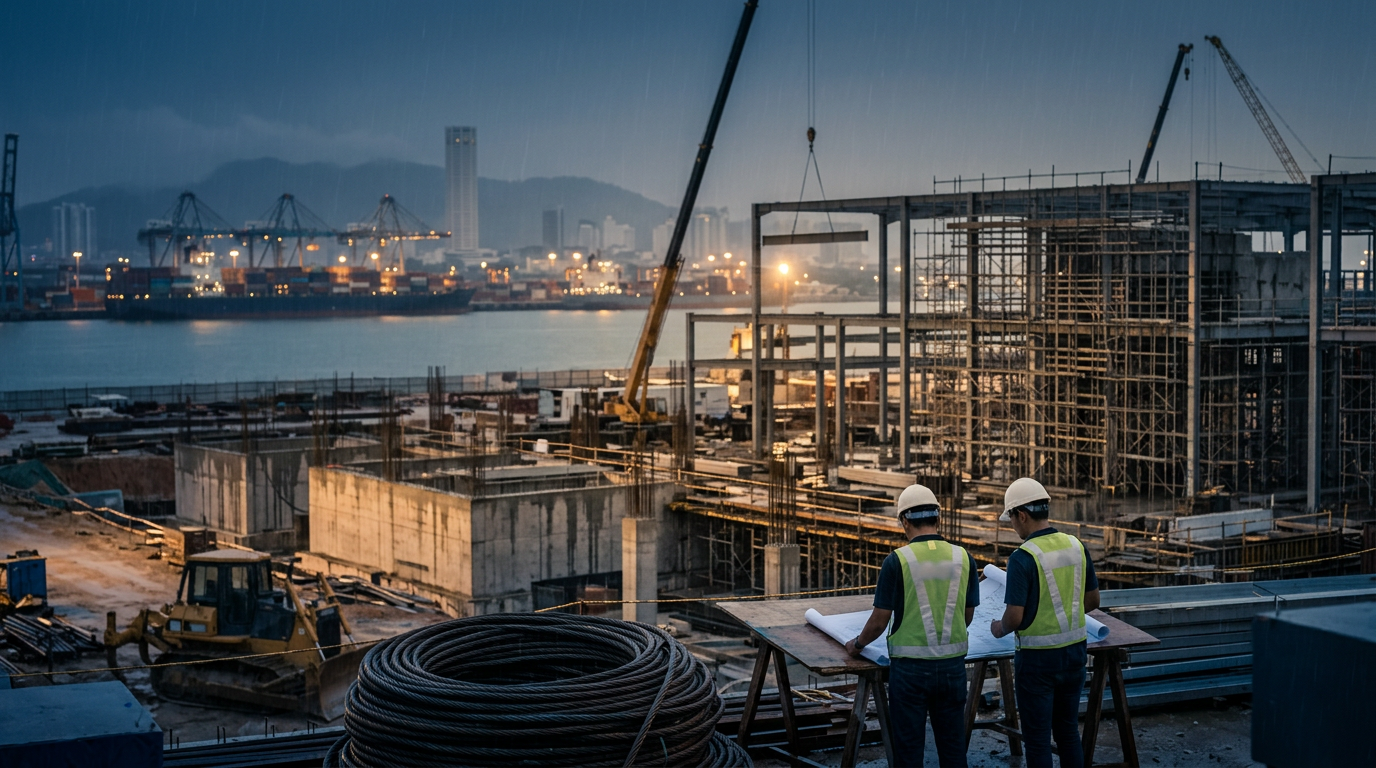
Malaysia's Mutiara Line and the Value of a Usable State
A temporary road closure in Penang for the Mutiara Line LRT project highlights a core theme of regional development: institutional reliability has become part of comparative advantage.
 Malaysia
Malaysia's Investment Push Meets the Execution Test
Penang's impressive investment figures are a strong start, but the real work lies in turning those announcements into tangible assets and overcoming execution hurdles.
 Malaysia
Malaysia's Sovereign AI Ambitions Rest on Compute and Data
Tencent Cloud's new data center in Johor highlights the race for sovereign AI capabilities in ASEAN, where control over compute, data, and digital identity is becoming a key economic and strategic issue.
Malaysia intelligence
All trackers →Investment & FDI signals
Full fdi tracker →- fdi· Malaysia· 28 September 2026Indonesia eyes China for massive 2,772km railway project – with caution
Indonesia is considering Chinese investment for a 2,772km railway network in Kalimantan, following the completion of the Jakarta-Bandung high-speed line.
- fdi· Malaysia· 25 September 2026Mondelez International Unveils RM90 Mln investment In Crumb Tower, Deepening Commitment To Malaysia
Mondelez International has launched its completed RM90 million Crumb Tower at the Cadbury Confectionery plant in Shah Alam, reinforcing its commitment to Malaysia.
RM90 millionSource: bernama.com ↗ - fdi· Malaysia· 25 September 2026HSBC eyes greater Thailand-Japan flows
HSBC reinforces commitment to Thailand-Japan investment corridor, as Japan's FDI stock in Thailand reaches US$104 billion.
AI policy & adoption
Full ai tracker →- ai· Malaysia· 26 September 2026New regulations seek digital accountability
Thailand is introducing new regulations to address the increasing integration of artificial intelligence (AI), digital platforms, and automated transactions in its business sector.
- ai· Malaysia· 24 September 2026Globe boosts AI, digital infrastructure to help Philippine businesses in ASEAN integration
Globe Telecom is expanding its digital and AI capabilities to support Philippine businesses in their pursuit of growth opportunities across Southeast Asia, aligning with the country's push for deeper digital integration.
Trade & supply chain signals
Full trade tracker →- trade· Malaysia· 24 September 2026Semiconductor exports a major driver of trade growth
Robust semiconductor shipments are helping sustain Malaysia's export momentum, highlighting the sector's growing importance to the country's external trade performance.
Infrastructure signals
Full infrastructure tracker →- infrastructure· Malaysia· 27 September 2026Spot electricity prices have hit a 2026 high. Will this raise my household bill?
Spot electricity prices have reached a 2026 high, influenced by fuel costs and real-time power supply and demand. This development could impact household electricity bills.
- infrastructure· Malaysia· 25 September 2026Malampaya gas flows again to Ilijan power plant
The 1,200-megawatt Ilijan power plant in Batangas, Philippines, is once again receiving indigenous natural gas from the Malampaya deep water gas-to-power project.
- infrastructure· Malaysia· 23 September 2026Jalan Magazine To Be Closed For 21 Days For LRT Mutiara Line Works
Jalan Magazine in Malaysia will be closed for 21 days from Sept 14 for road widening and utility relocation works related to the LRT Mutiara Line project.
Other signals
- data centre· Malaysia· 25 September 2026Thailand set to finalize new data center regulations by mid-October - report
Thailand is expected to finalize new data center regulations by mid-October, classifying facilities with over 100MW capacity as hyperscale, according to a report.
Malaysia coverage themes
- Trade & supply chains. Bilateral flows, RCEP, tariff shifts and sector exposure.
- Investment & FDI. Inbound capital, sovereign deals and sector destinations.
- Capital markets. Exchanges, IPO pipeline, debt, currency and portfolio flows.
- Technology. Startups, fintech, AI deployment and platform regulation.
- Binding constraints. Fiscal, structural, institutional and geopolitical limits.
- Boardroom briefings. Bespoke Malaysia briefings for boards and investors.