

Timor-Leste, business & markets coverage
Capital: Dili
ASEAN's newest member, oil-and-gas dependent and pursuing economic diversification.
 Malaysia
 Singapore
 Indonesia
 Thailand
 Vietnam
 Philippines
 Brunei
 Cambodia
 Laos
 Myanmar
Execution lens
How Timor-Leste scores on the six Execution Economics pillars: institutions, capital, infrastructure, talent, technology and trust. Country scorecards are published progressively as research is completed.
Latest from Timor-Leste
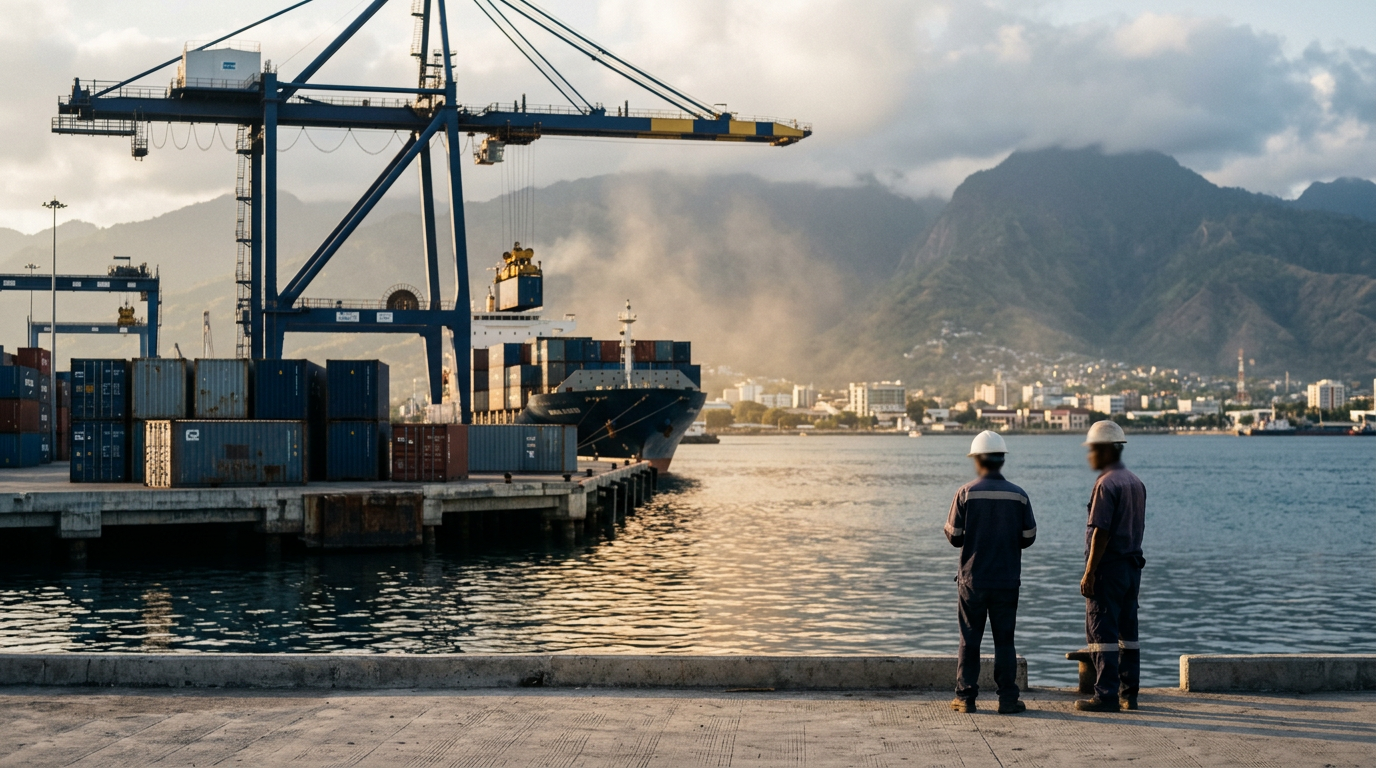 Timor-Leste
 and the Challenge of ASEAN Integration
Timor-Leste's journey to full ASEAN membership highlights the bloc's model of institutional capacity building. While the path is long, the focus on foundational economic structures is a familiar one for ASEAN, which has always prioritized consensus and shared standards as the.
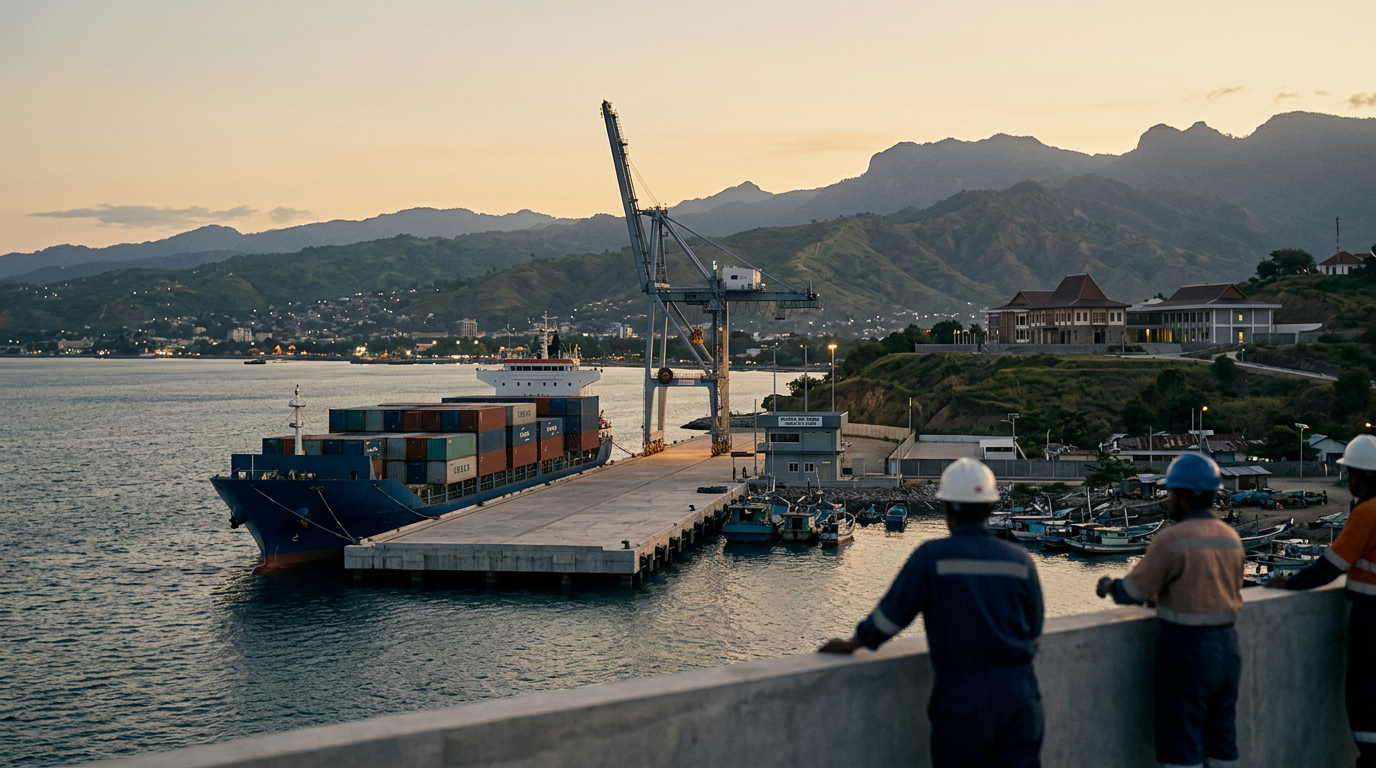 Timor-Leste
's Accession and the China Question
Timor-Leste is on a path to full ASEAN membership, having met two of the four major criteria. But what does this mean in the context of China's deep economic ties with the bloc?
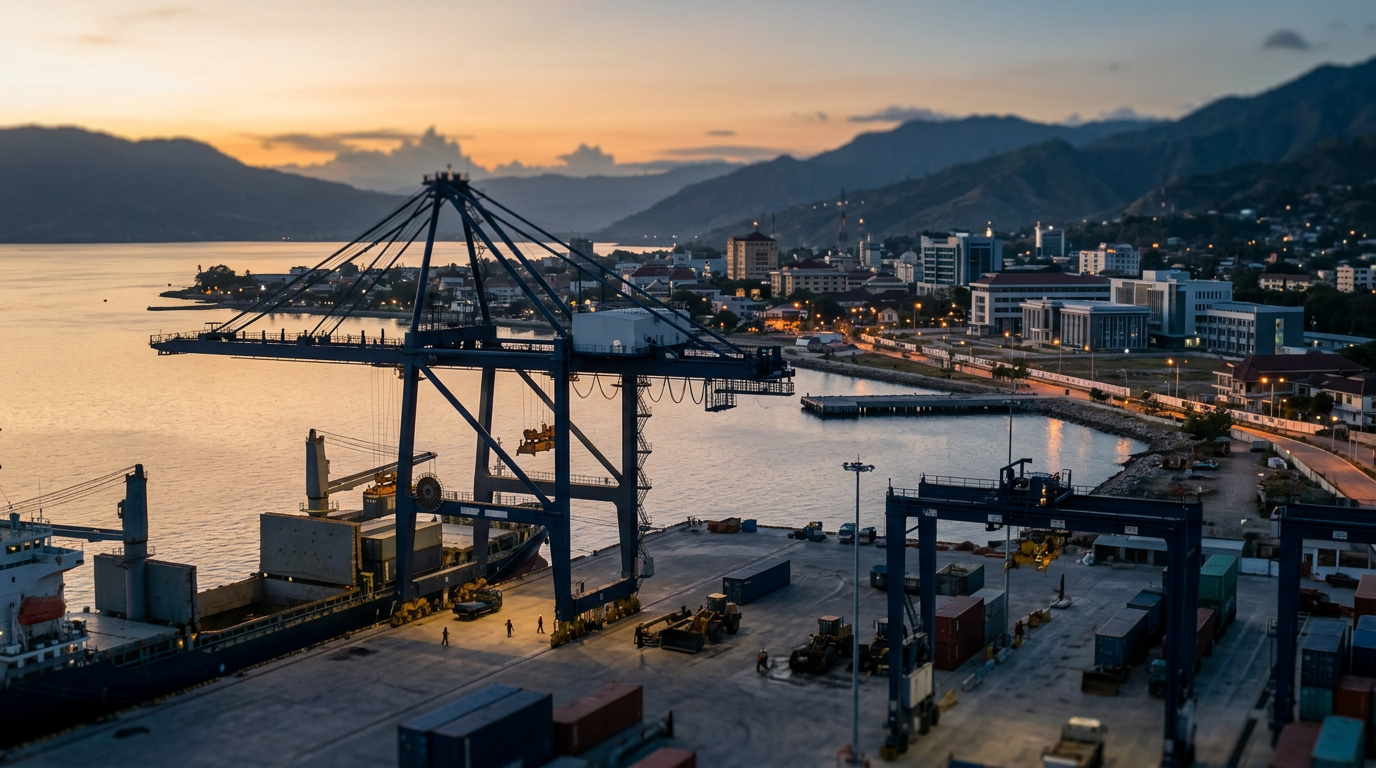 Timor-Leste
 and the Challenge of ASEAN Integration
Timor-Leste's journey toward ASEAN membership is not merely about signing treaties; it is about building the institutional capacity and infrastructure needed to integrate into the bloc's economic and strategic systems.
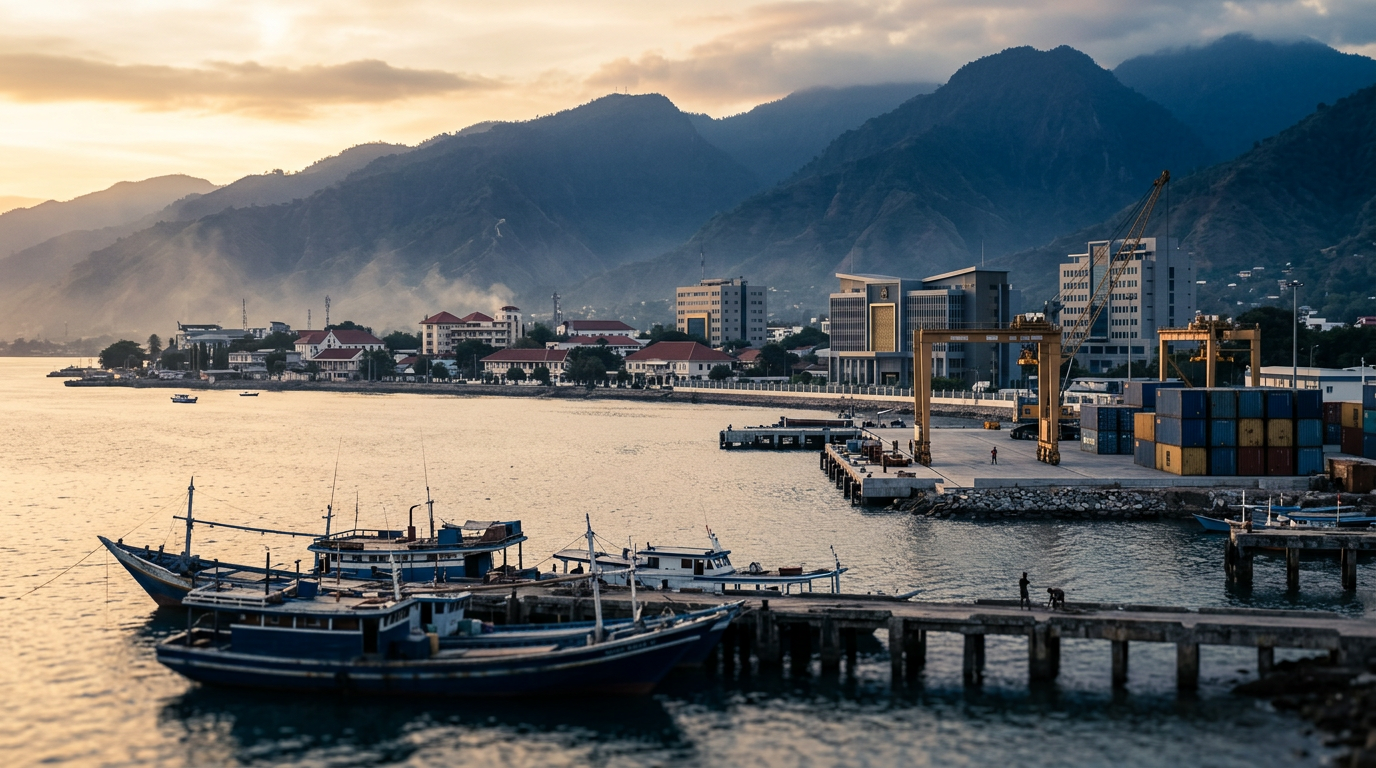 Timor-Leste
 and ASEAN Institutions
Timor-Leste's journey to full ASEAN membership tests the bloc's institutional capacity and commitment to its own enlargement processes.
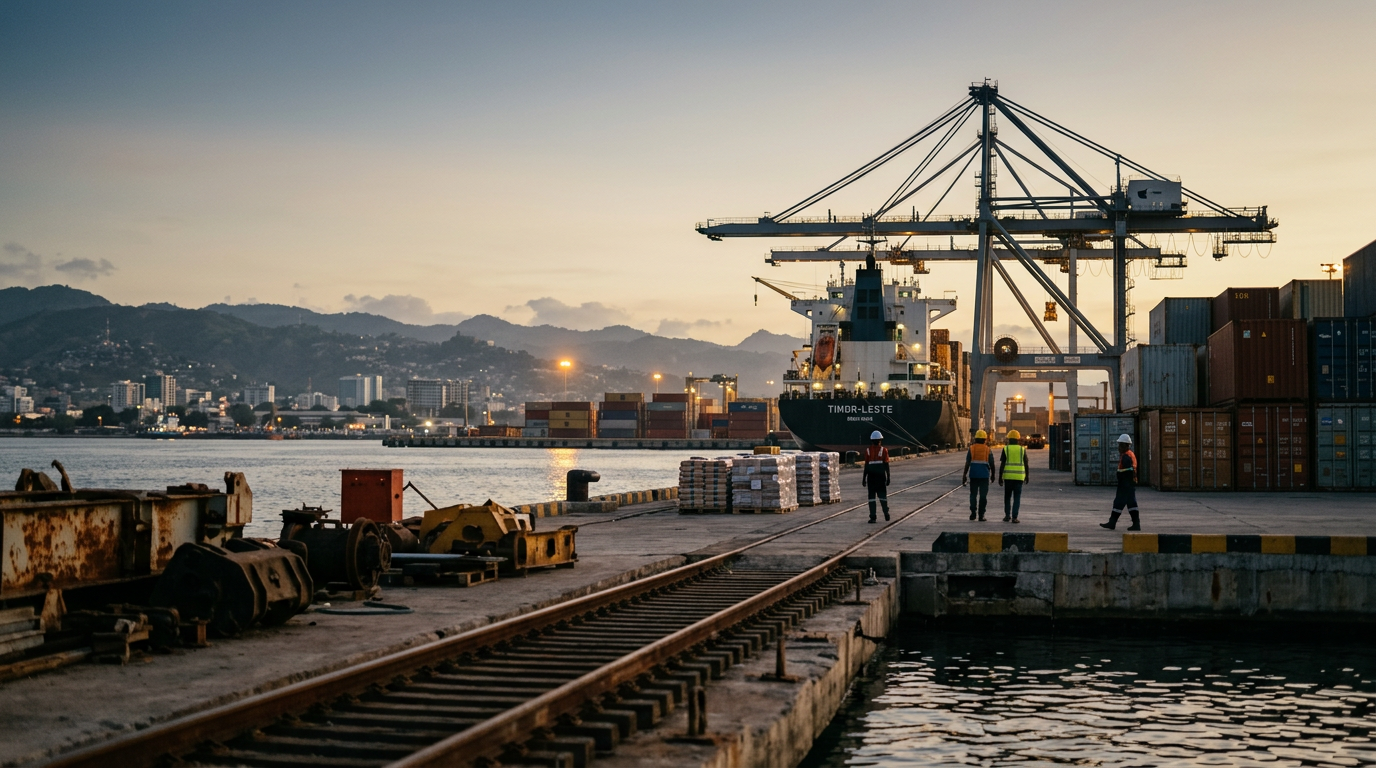 Timor-Leste
 Deepens ASEAN Engagement
Timor-Leste's recent diplomatic engagement with ASEAN leadership signals a deliberate step towards deeper integration. The country's path will be shaped by how it balances the need for economic development with the strategic complexities of ASEAN's relationship with major.
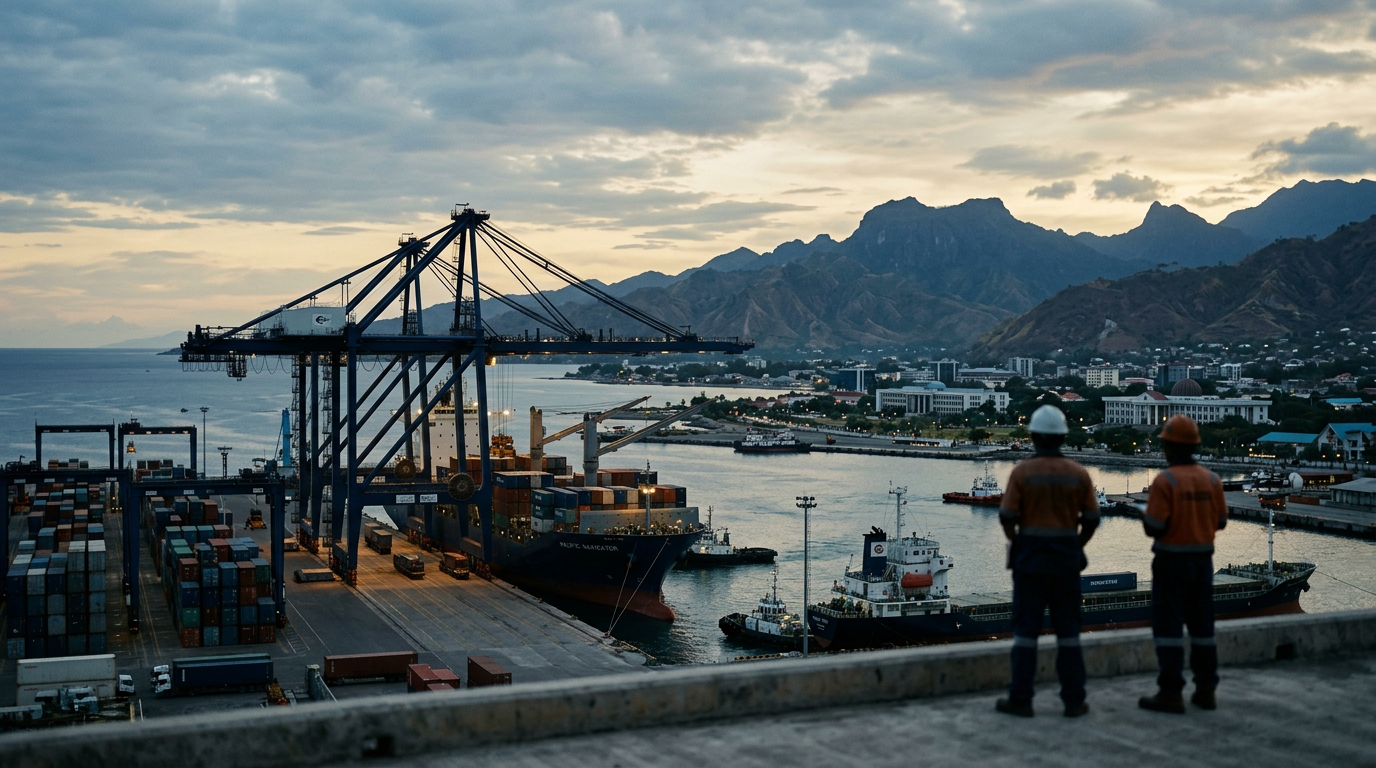 Timor-Leste
, ASEAN, and the China Question
As Timor-Leste moves towards full ASEAN membership, it must define its economic strategy, particularly concerning China. This involves balancing immediate infrastructure needs with the long-term goal of building a resilient, diversified economy aligned with ASEAN standards.
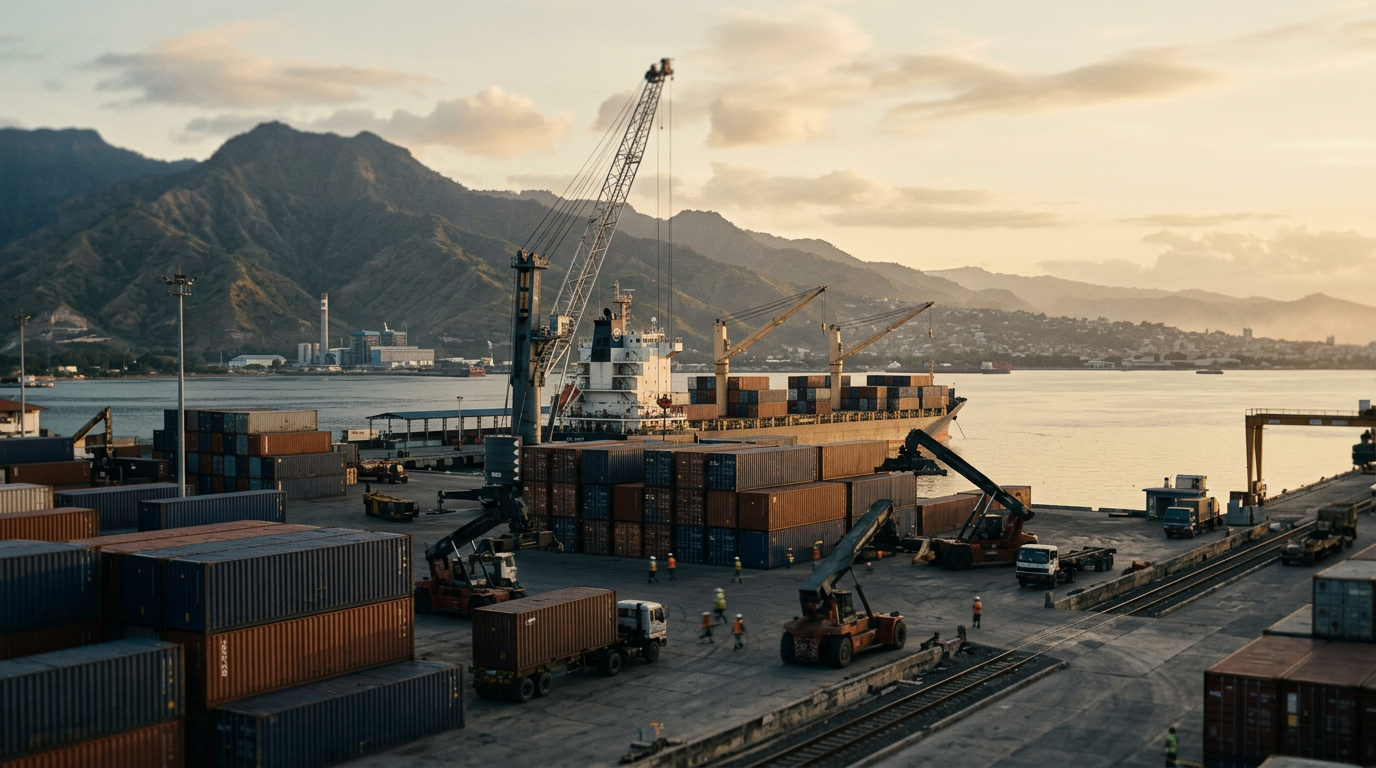 Timor-Leste
 and the Challenge of ASEAN Integration
Timor-Leste's journey to full ASEAN membership requires more than institutional reform; it demands a clear-eyed strategy for economic integration, especially concerning China.
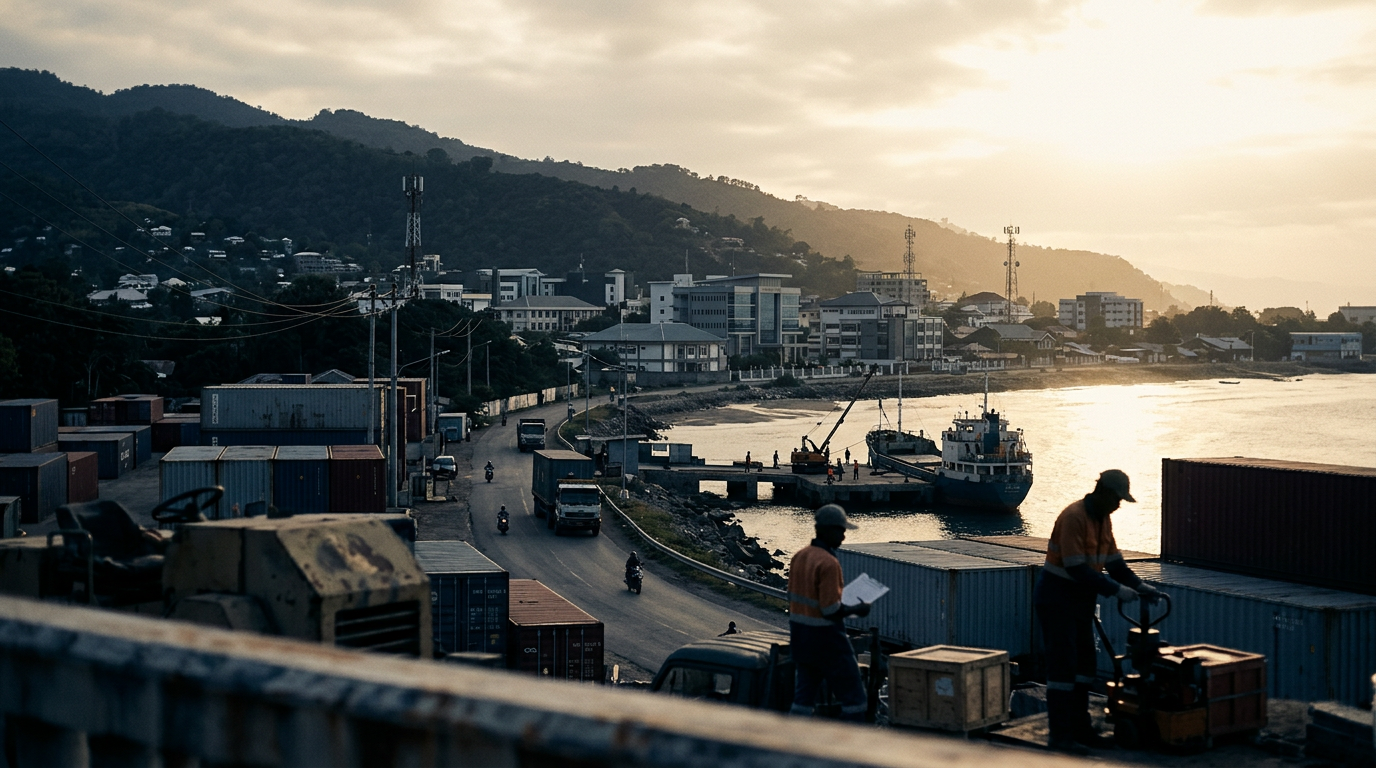 Timor-Leste
After the Expo, the Execution
The China-ASEAN Expo is a fixture on the regional calendar. But trade and investment depend less on the vision than on the execution. Trust in institutions and infrastructure is what separates a usable state from an exciting one.
 Timor-Leste
's ASEAN Path and the China Question
Timor-Leste's journey toward ASEAN membership is a story of institutional capacity building. But joining the bloc also means confronting the structural reality of the region's deep economic integration with China.
 Timor-Leste
's ASEAN Entry and the China Question
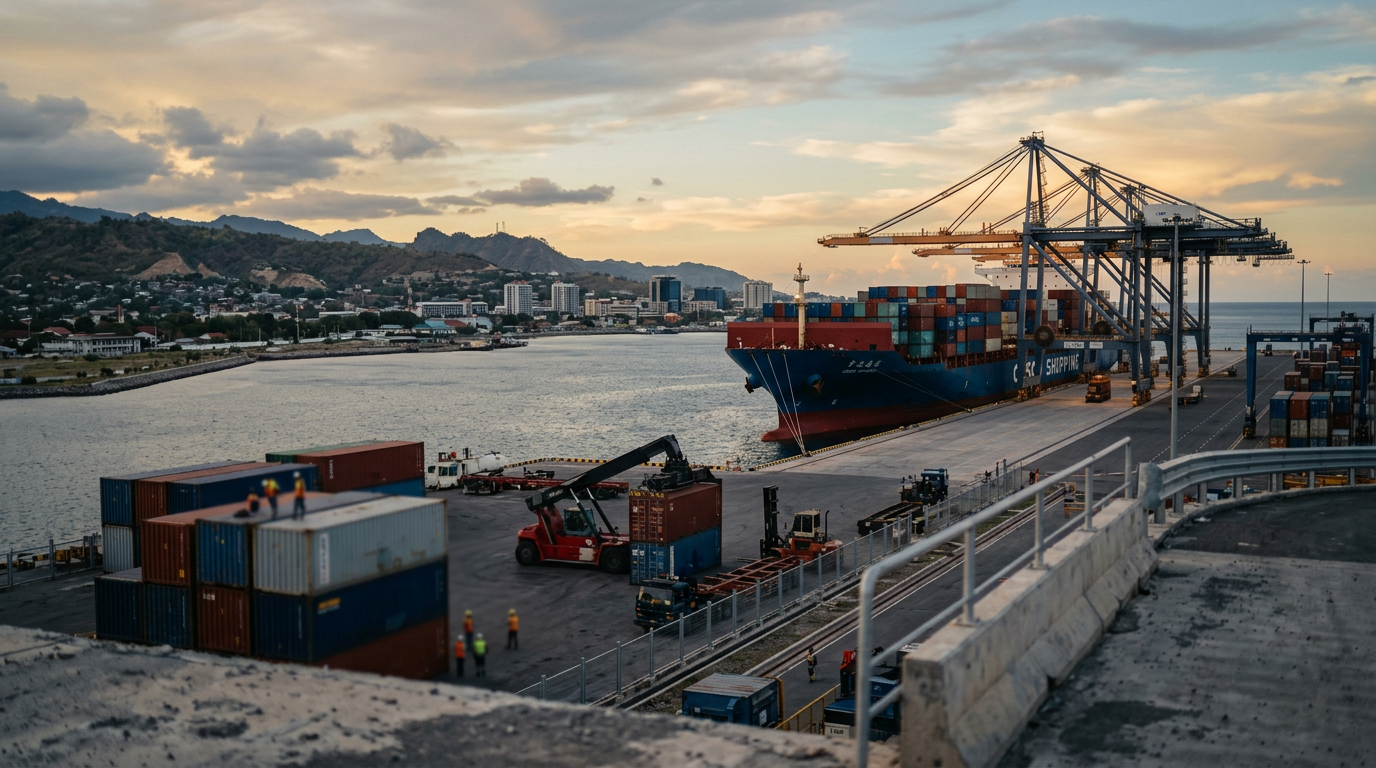
Timor-Leste's path to ASEAN membership is not just about institutional alignment; it's about inheriting the bloc's most significant structural challenge: managing deep economic ties with China while preserving strategic independence.
 Timor-Leste
's ASEAN Path: A Matter of Institutional Readiness
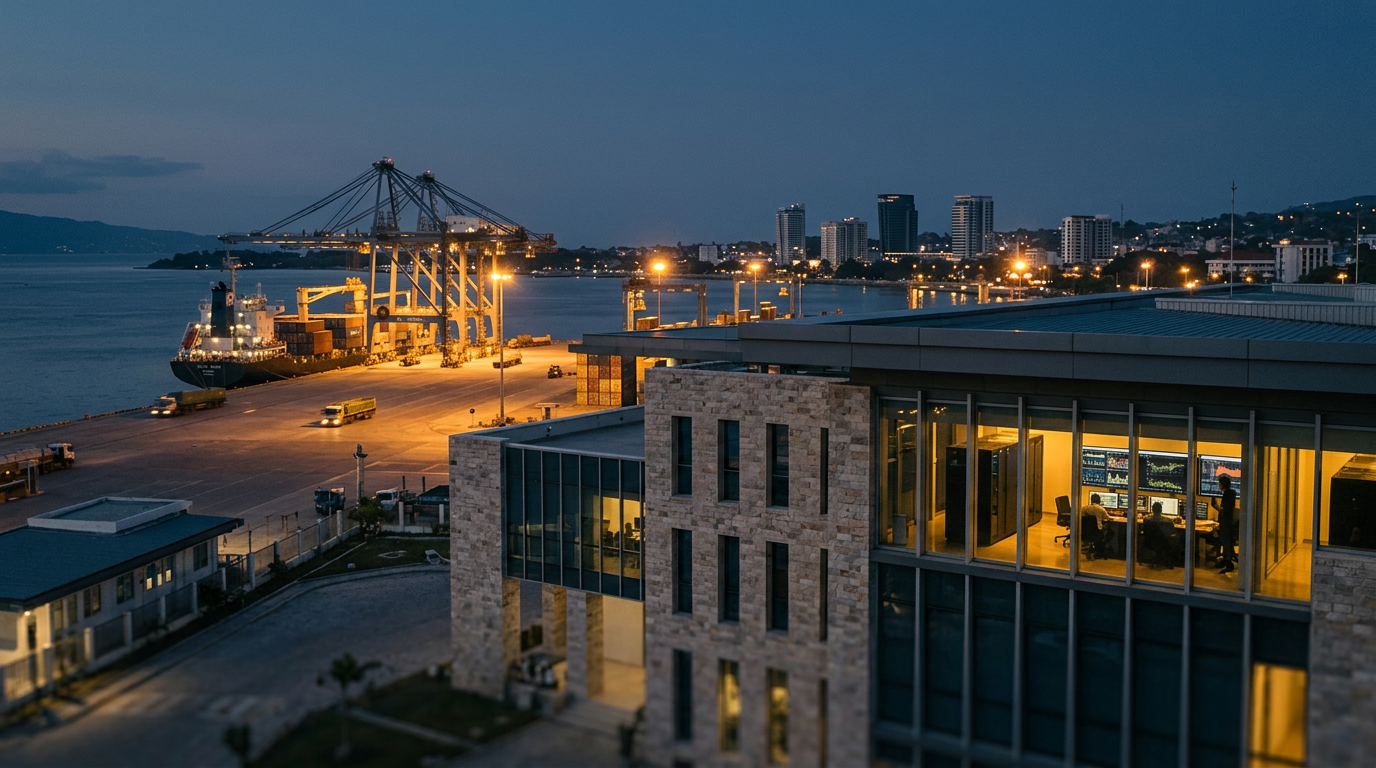
A recent meeting between ASEAN and Timorese officials highlights that the path to membership is paved not with pronouncements, but with the steady construction of state capacity and institutional trust.
 Timor-Leste
's ASEAN Entry and the Hard Work of Financial Integration
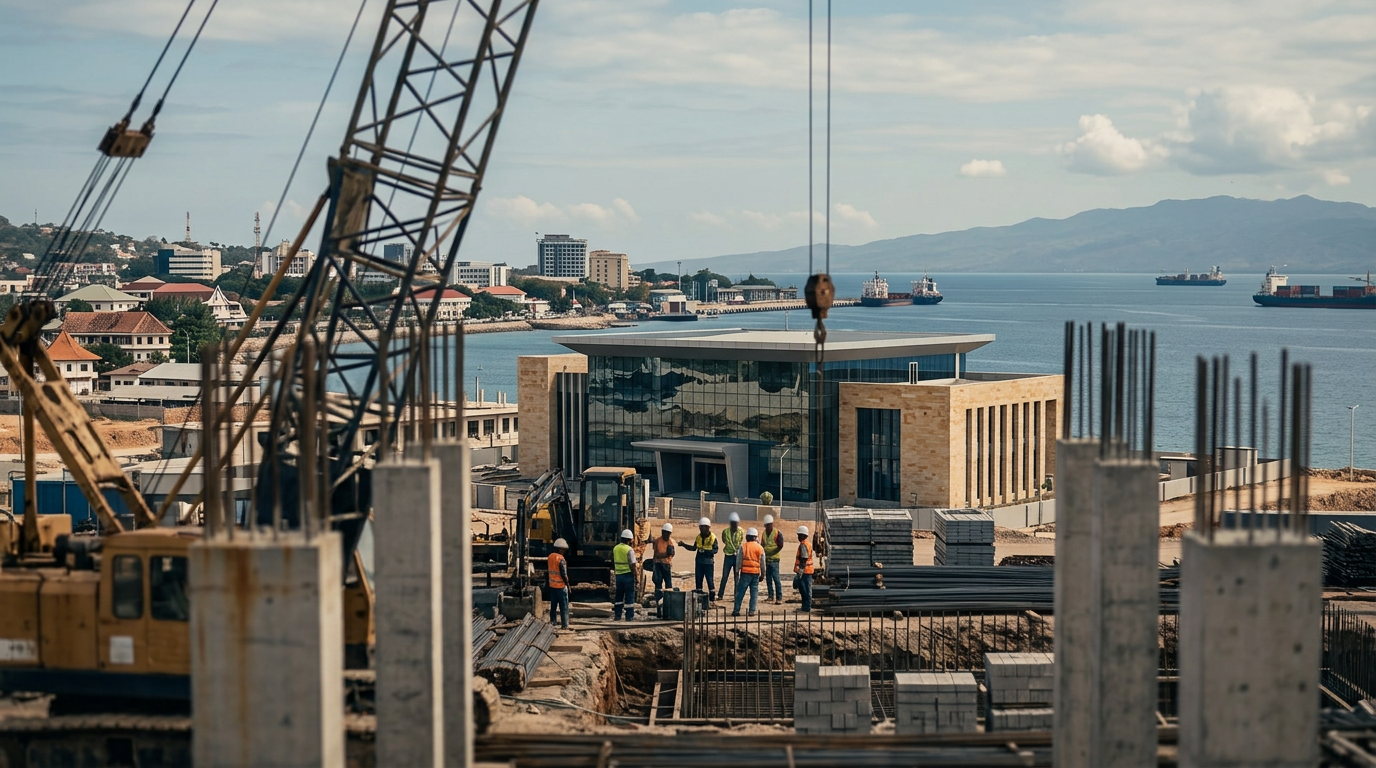
Timor-Leste's ambition to join ASEAN's financial systems highlights a core theme of regional development: announcements are easy, but execution is hard. Real integration requires building the domestic institutions to turn ambition into absorbed capital.
Timor-Leste intelligence
All trackers →Investment & FDI signals
Full fdi tracker →- fdi· Timor-Leste· 2 November 2026Secretary-General of ASEAN receives the Vice Prime Minister of Timor-Leste at the ASEAN Headquarters/ASEAN Secretariat
ASEAN Secretary-General Dr. Kao Kim Hourn met with Timor-Leste Vice Prime Minister Francisco Kalbuadi Lay at the ASEAN Secretariat to discuss economic and environmental cooperation.
- fdi· Timor-Leste· 4 September 2026CapitaLand Investment retrenches 90 Singapore staff in 2026 as part of restructuring
CapitaLand Investment (CLI) will retrench 90 employees in Singapore, representing about 4% of its workforce in the city-state, as part of a restructuring exercise slated for 2026.
Trade & supply chain signals
Full trade tracker →- trade· Timor-Leste· 2 November 2026Secretary-General of ASEAN Hosts Dinner in Honour of the Vice Prime Minister of Timor-Leste
ASEAN Secretary-General Dr. Kao Kim Hourn hosted Timor-Leste's Vice Prime Minister, who also serves as Minister Coordinator for Economic Affairs, to discuss cooperation during his official visit.
- trade· Timor-Leste· 2 October 2026Deputy Secretary-General of ASEAN for the ASEAN Economic Community Joins ASEAN Heads of Mission to Timor-Leste and Development Partners in Dili
The Deputy Secretary-General of ASEAN for the ASEAN Economic Community, H.E. Satvinder Singh, joined ASEAN Heads of Mission to Timor-Leste and development partners for a coffee session in Dili.
- trade· Timor-Leste· 25 September 2026Secretary-General of ASEAN Meets with Permanent Representative of Timor-Leste to ASEAN
The Secretary-General of ASEAN met with Timor-Leste's Permanent Representative to ASEAN to exchange views and discuss matters, indicating diplomatic engagement within the ASEAN framework.
Infrastructure signals
Full infrastructure tracker →- infrastructure· Timor-Leste· 12 November 2026Philippines growth outlook dims as Nomura, BMI cut forecasts
The Philippines faces a growth slowdown as Nomura and BMI cut forecasts, citing high inflation, weak consumer spending, and delays in infrastructure projects.
- infrastructure· Timor-Leste· 30 October 2026Secretary-General of ASEAN delivers video message at the 2026 ASEAN-China Cooperation and Development Conference on Food and Agriculture
ASEAN Secretary-General Dr. Kao Kim Hourn called for deeper ASEAN-China cooperation to harness digital innovation for food and agriculture sectors.
- infrastructure· Timor-Leste· 8 October 2026Joint Media Statement of the Twentieth East Asia Summit Energy Ministers’ Meeting (20th EAS EMM)
The Twentieth East Asia Summit Energy Ministers' Meeting (20th EAS EMM) was held on October 8, 2026, in Metro Manila, Philippines, chaired by H.E. Sharon S. Garin, Secretary of the Department of Energy of the Philippines.
- infrastructure· Timor-Leste· 18 September 2026Secretary-General of ASEAN Tours the 23rd CAEXPO Pavilions
The Secretary-General of ASEAN, Dr. Kao Kim Hourn, toured the pavilions of the 23rd China-ASEAN Expo (CAEXPO) in Nanning, China, marking his fourth participation in the event.
Timor-Leste coverage themes
- Trade & supply chains. Bilateral flows, RCEP, tariff shifts and sector exposure.
- Investment & FDI. Inbound capital, sovereign deals and sector destinations.
- Capital markets. Exchanges, IPO pipeline, debt, currency and portfolio flows.
- Technology. Startups, fintech, AI deployment and platform regulation.
- Binding constraints. Fiscal, structural, institutional and geopolitical limits.
- Boardroom briefings. Bespoke Timor-Leste briefings for boards and investors.