

Singapore, business & markets coverage
Capital: Singapore
ASEAN's financial and tech capital, home to regional HQs and the world's busiest transshipment port.
 Malaysia
 Indonesia
 Thailand
 Vietnam
 Philippines
 Brunei
 Cambodia
 Laos
Laos Myanmar
 Timor-Leste
Execution lens
How Singapore scores on the six Execution Economics pillars: institutions, capital, infrastructure, talent, technology and trust. Country scorecards are published progressively as research is completed.
Latest from Singapore
 Singapore
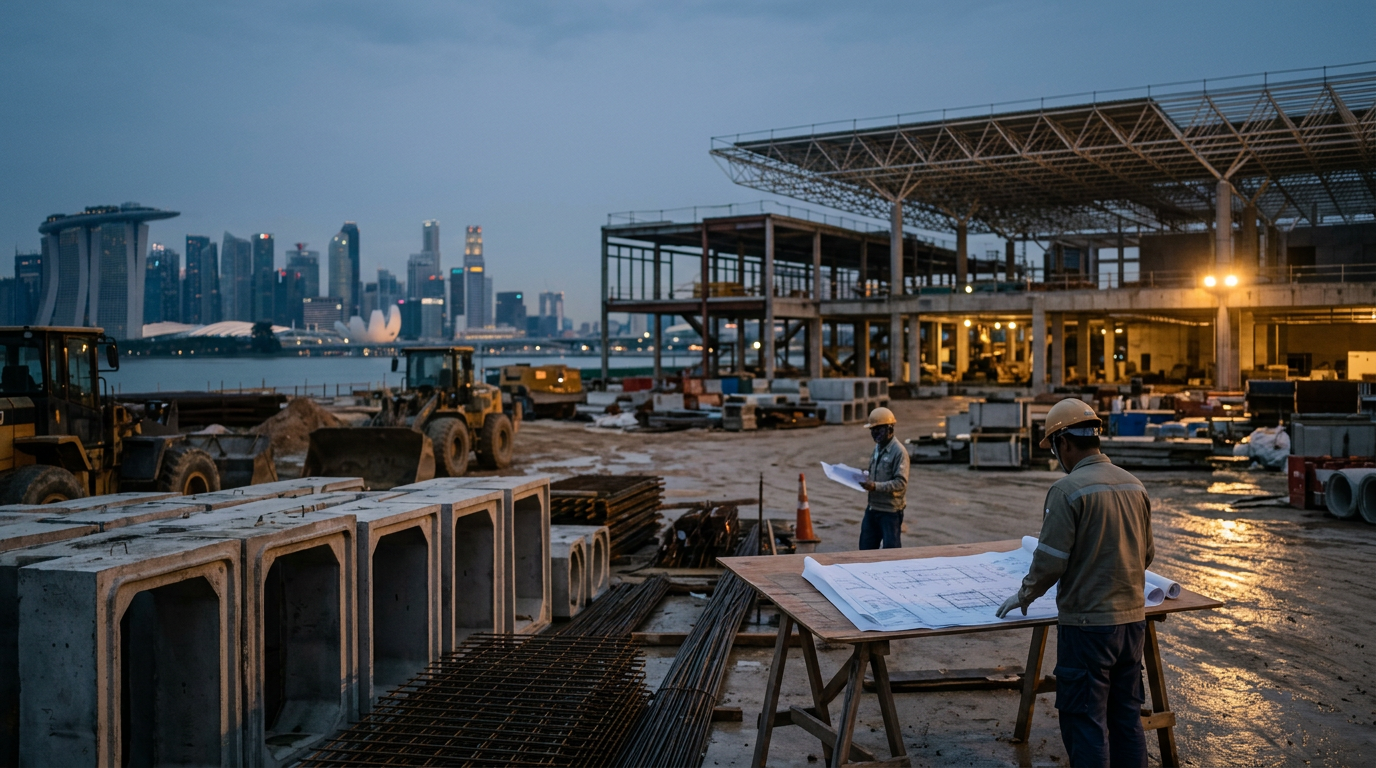
The Hard Work of Airport Investment
Foreign direct investment announcements travel quickly. Realised flows depend on the slower work of land, permits, power, and talent.
 Singapore
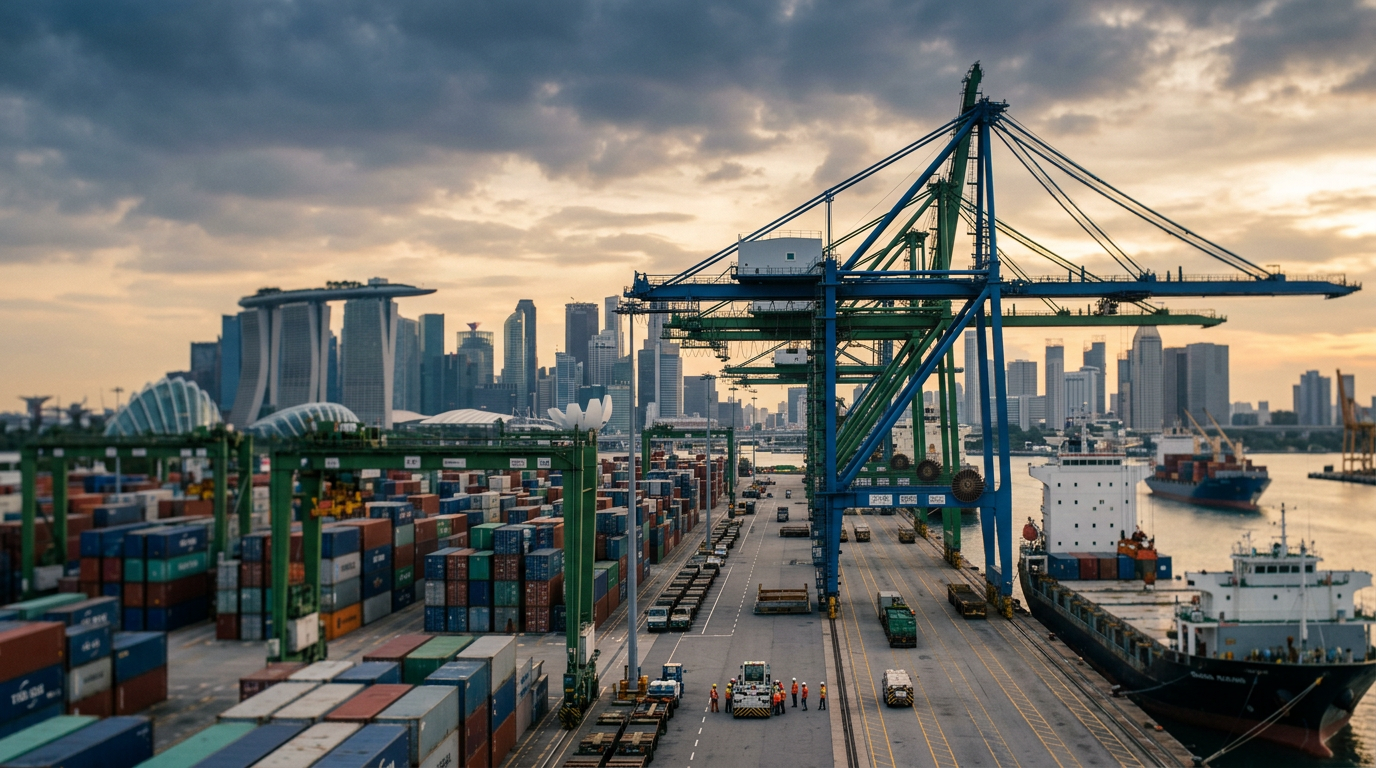
The Infrastructure Layer of Sovereign AI in ASEAN
Sovereign AI in ASEAN will be tested not by model launches but by who controls the compute, the data layer and the digital identity rails that sit underneath everyday economic life.
 Singapore
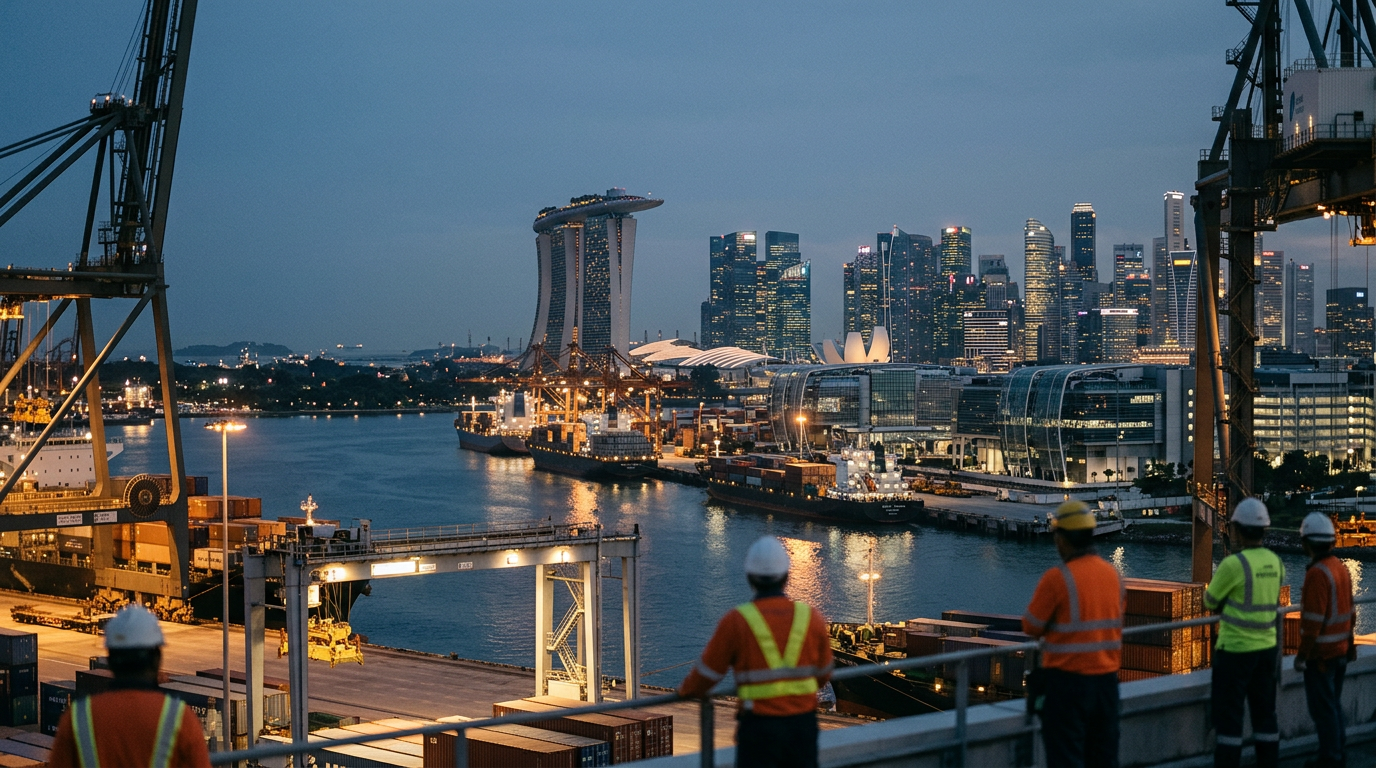
ASEAN Work Plans and the Price of Inaction
Announcements are not outcomes. ASEAN's IAI Work Plan V is the latest in a series of plans to narrow the development gap. As the book ASEAN Rising argues, follow-through is a dimension of state capacity, and state capacity has become a factor in comparative advantage.
 Singapore
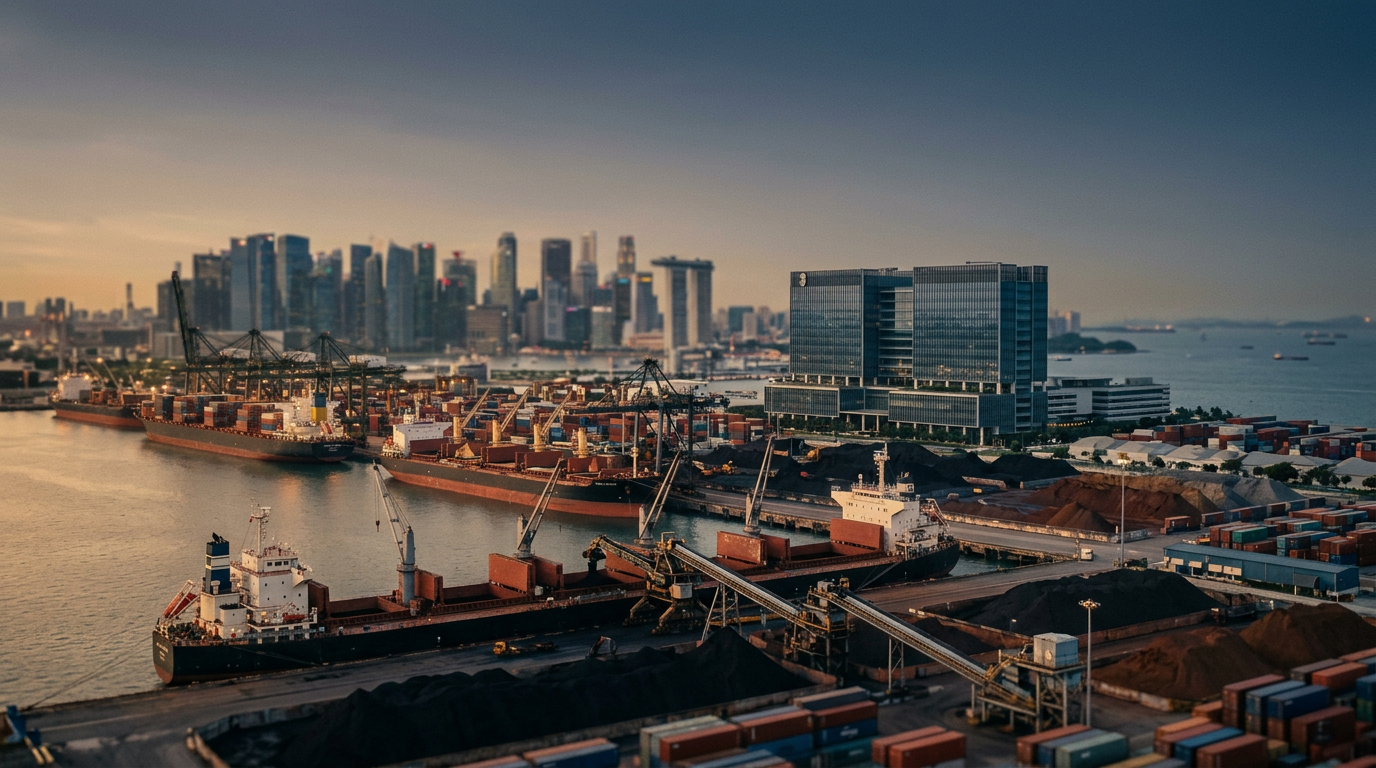
Singapore, Radiant World, and the Challenge of Commodity Trade
The legal issues facing Singapore-based Radiant World, a major iron ore and coal trader, bring into focus the institutional strengths and weaknesses of ASEAN commodity hubs. While the case seems contained, it highlights the constant need for robust governance to manage the.
 Singapore
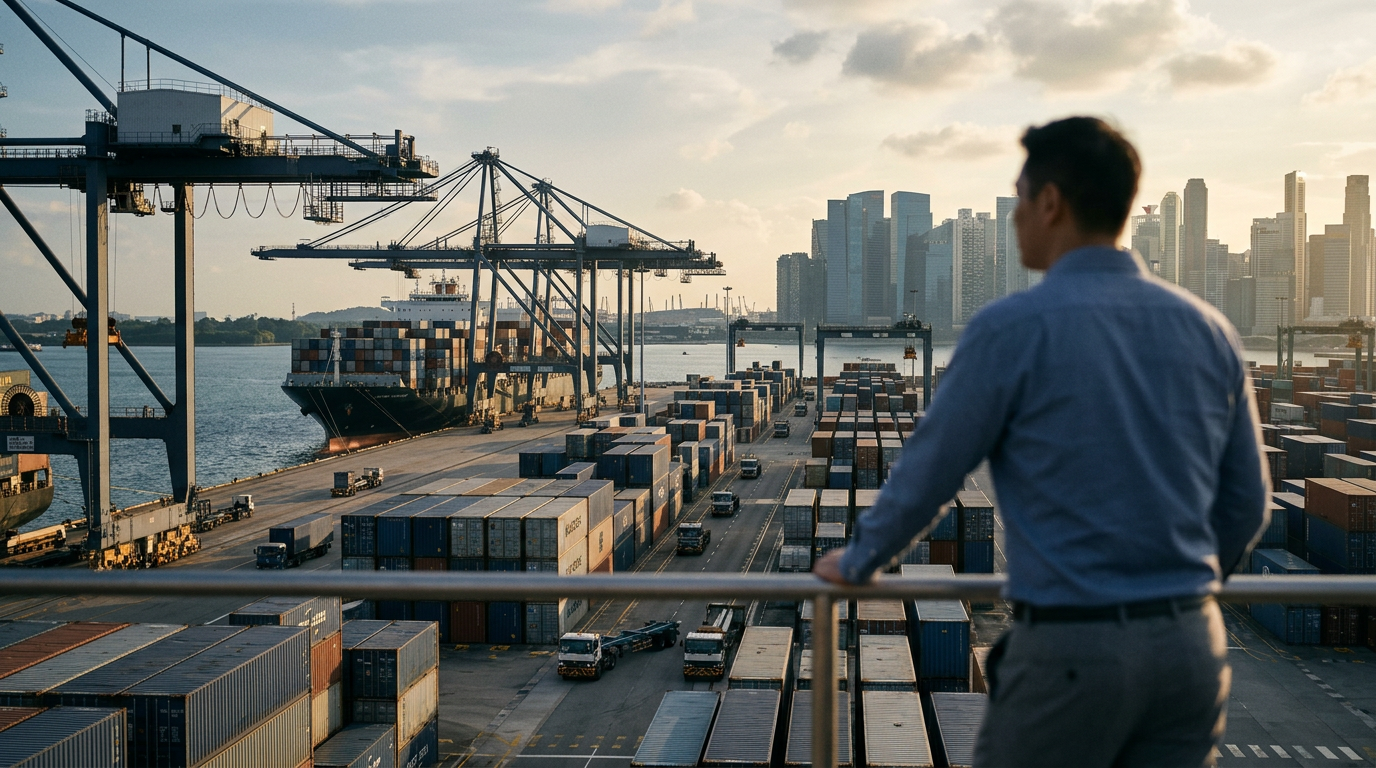
Sovereign AI Tests in ASEAN Go Beyond Models
The substance of sovereign AI in ASEAN lies not in the models themselves but in the control over compute, data, and digital identity infrastructure that underpins the region's economic activity.
 Singapore
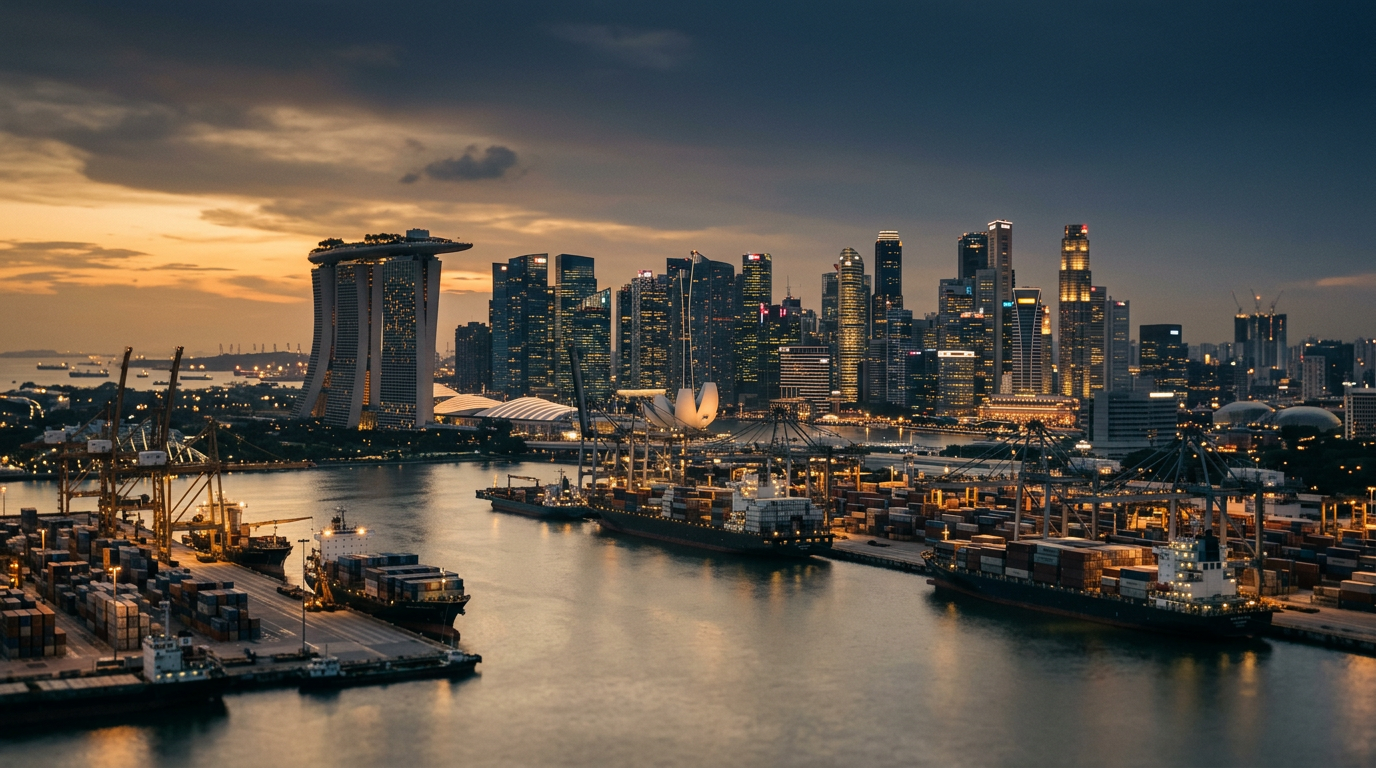
Singapore, Supply Chains, and Strategic Dependency
Singapore's ambition to be a "traffic controller" for regional business flows is a direct response to the era of managed dependency, particularly as firms diversify their supply chains away from China.
 Singapore
Singapore
A new AI-powered portal for business support signals a deeper
 Singapore
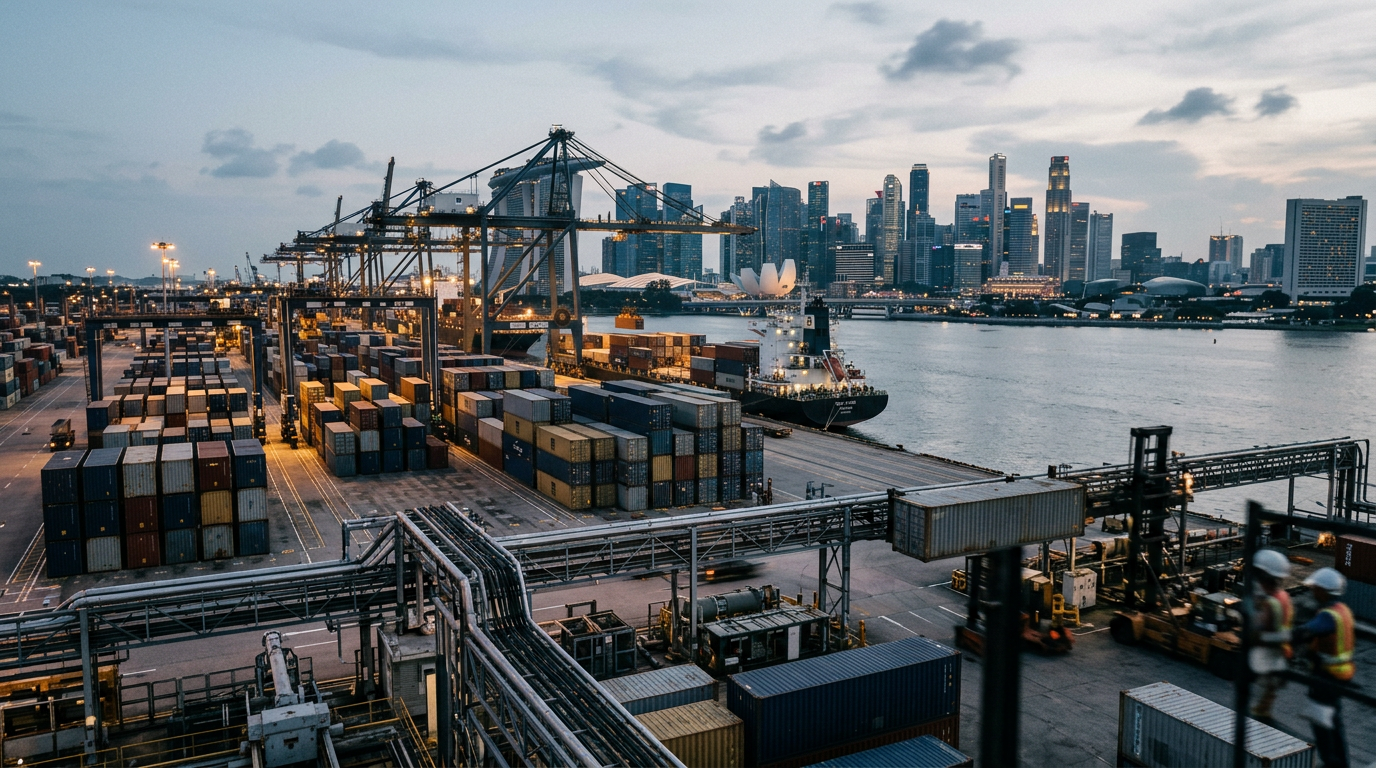
Singapore Bets on Carbon Measurement for Market Trust
Singapore's new decarbonisation centre aims to build trust in regional carbon markets by providing reliable verification, a key element for attracting capital.
 Singapore
Singapore, the US, and the institutional plumbing of FDI
The recent US-Singapore dialogue on trade and investment is a reminder that FDI flows are not automatic. They depend on the slower, harder work of building institutional capacity.
 Singapore
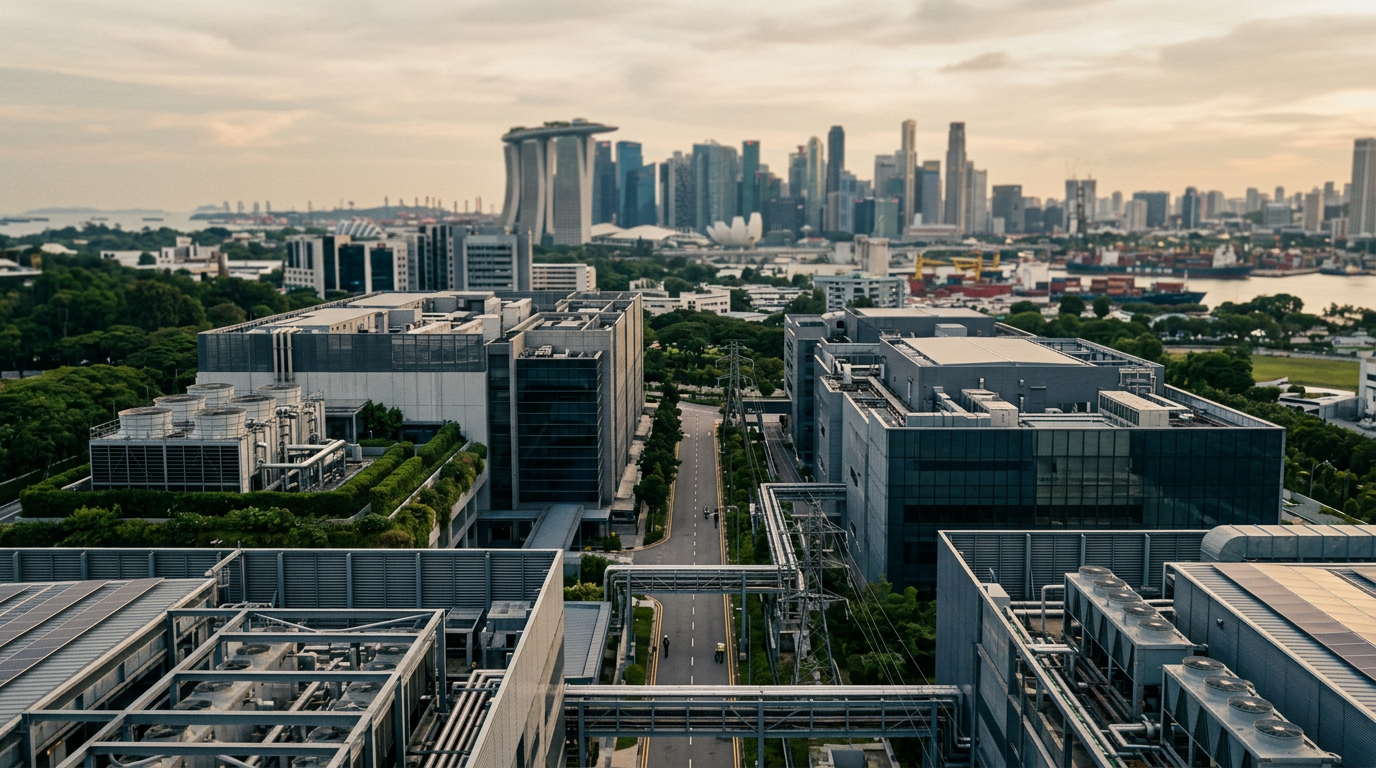
Singapore balances data centre growth and green energy goals
Singapore's proposed energy-efficiency laws for data centres highlight the need for careful coordination of capital, infrastructure, and regulation to support sustainable growth in the digital economy.
 Singapore
Singapore
Singapore
 Singapore
Singapore's Tax Haul Is a Story of State Capacity
Singapore's record tax revenues reflect more than just a strong economy. They demonstrate a high degree of state capacity, built on decades of institutional investment and public trust.
 Singapore
ASEAN's Vision for Integration Confronts the Challenge of Execution
The recent DEFA Forum address by ASEAN's Secretary-General highlighted a vision for regional integration, but the real work lies in the execution of infrastructure and the development of state capacity.
 Singapore
Malaysia
Malaysia is pursuing data center investment with a focus on renewable energy, but success depends on more than just cheap, green power.
 Singapore
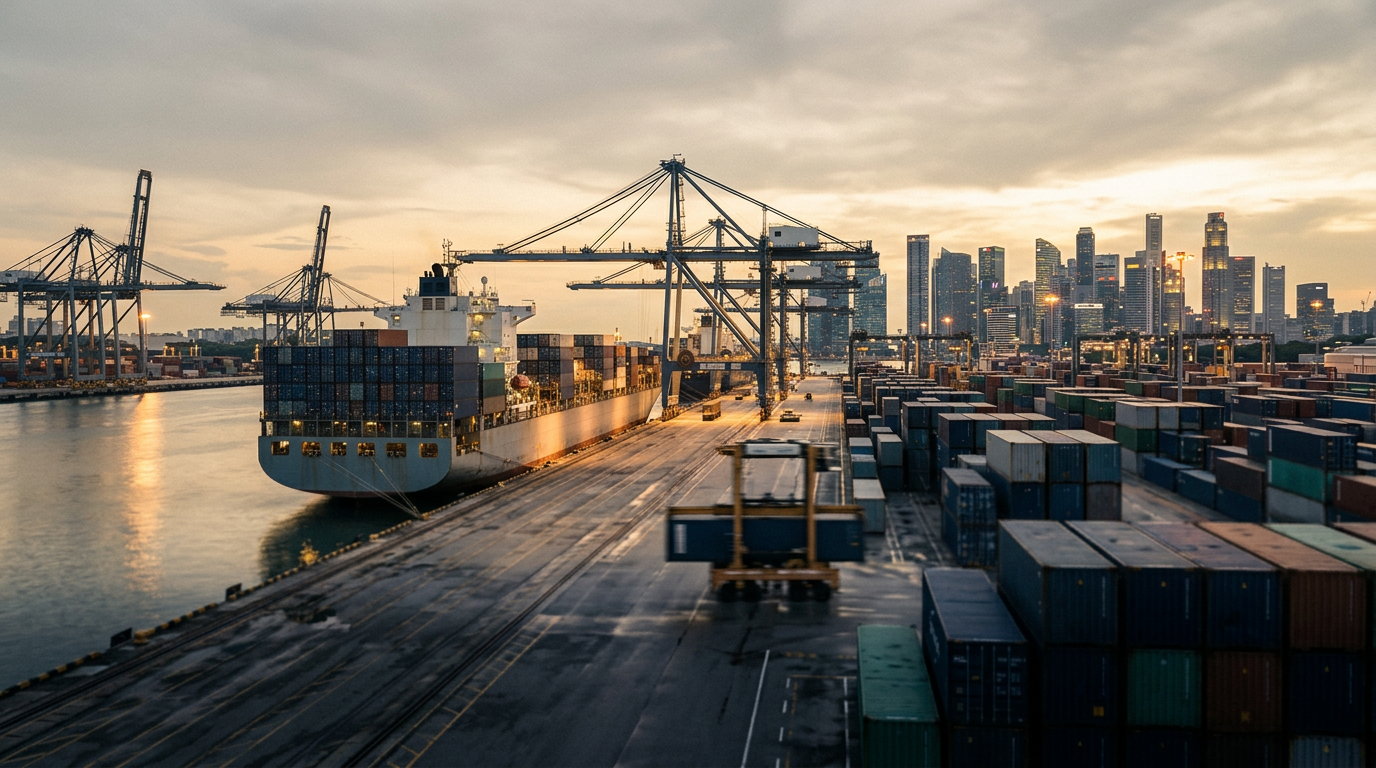
Sheng Siong's Rise and ASEAN's China Trade
Sheng Siong's recent success, fueled by its robust China supply chain, shows how deeply integrated ASEAN businesses are with China. This integration is a structural reality that regional firms must navigate carefully.
 Singapore
Thailand, ASEAN and the Question of Sovereign AI
Sovereign AI in ASEAN will be tested not by model launches but by who controls the compute, the data layer and the digital identity rails that sit underneath everyday economic life.
 Singapore
Singapore's Barclays Boost Is About More Than Bankers
Barclays' decision to double its private banker headcount in Singapore by 2030 is not just a vote of confidence in the city-state's wealth management sector. It's a sign of how Singapore's institutional coordination makes it a magnet for international capital.
 Singapore
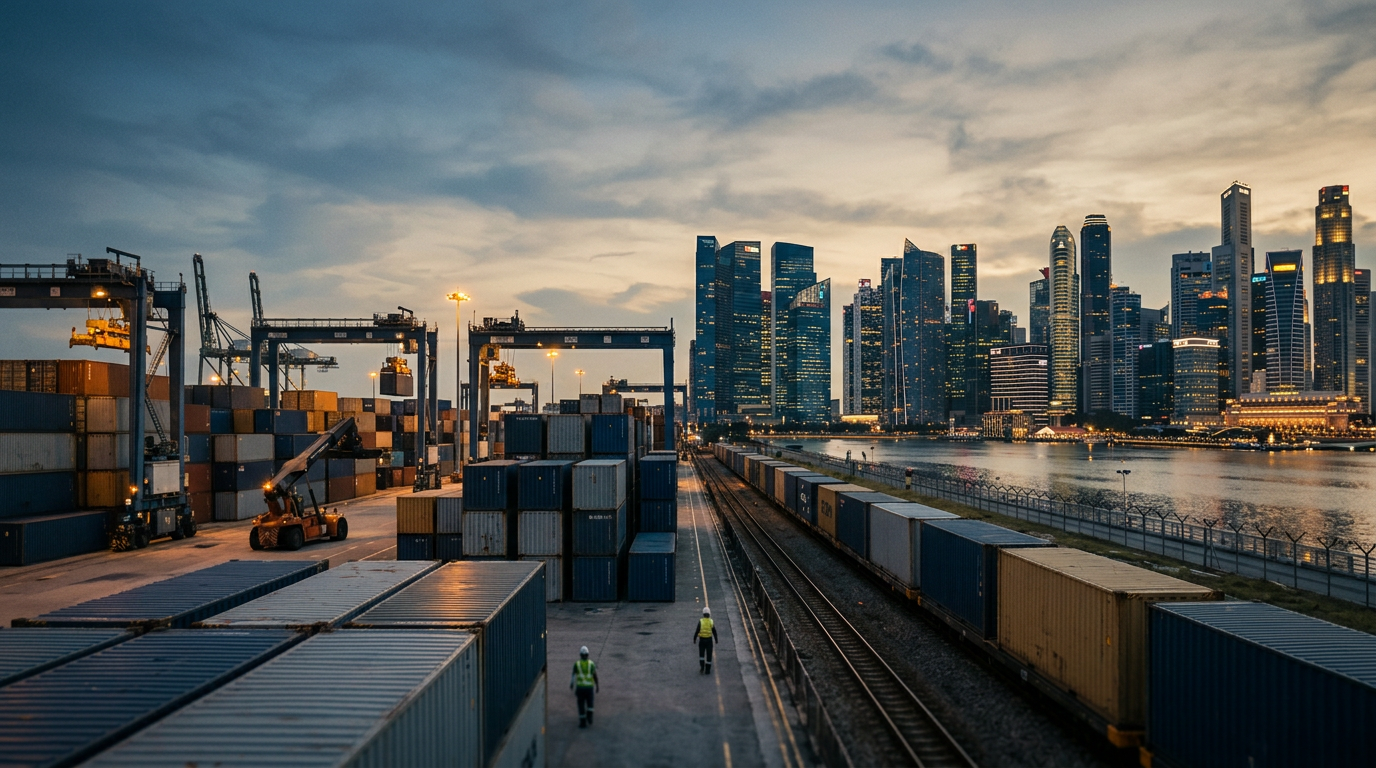
Foreign Investment and Local Jobs: A Singapore Case Study
CapitaLand Investment's recent retrenchment announcement in Singapore highlights a recurring theme in Southeast Asian economies: the complex relationship between global investment strategies and local employment. While foreign direct investment is often hailed as a primary.
 Singapore
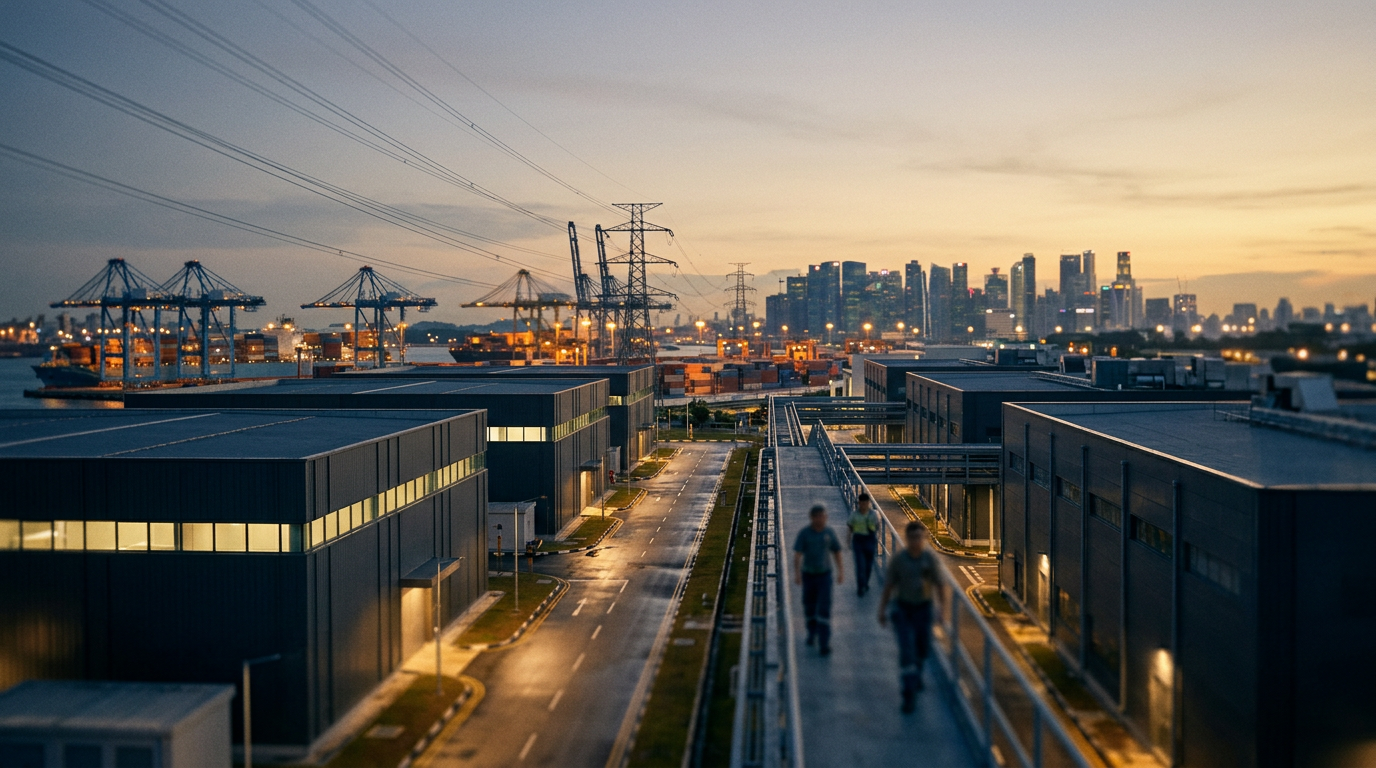
CapitaLand and a China Reset
CapitaLand Investment's recent retrenchment announcement signals a broader shift in how Singaporean firms are recalibrating their China exposure, moving from intensive capital deployment to a more strategic, service-oriented approach. This mirrors a larger trend across ASEAN.
 Singapore
In the Philippines, a Dispute Over an Airport and Flooding Highlights the Primacy of Execution
A major infrastructure project in the Philippines faces public skepticism, illustrating a core ASEAN challenge: the immense gap between project announcements and reliable delivery.
 Singapore
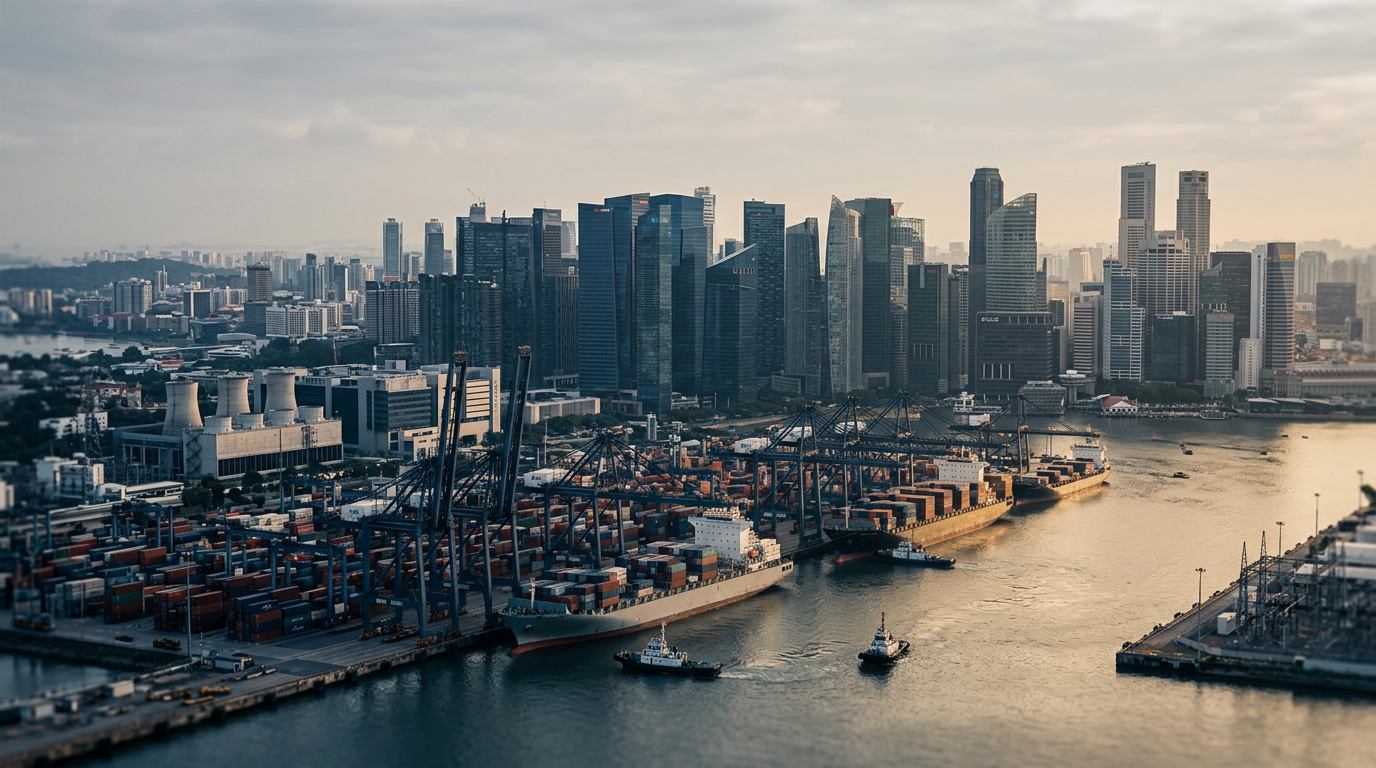
Singapore, AI, and the Execution Test
Singapore's AI ambitions depend on far more than just capital. The execution test lies in the coordinated delivery of land, power, and talent.
 Singapore
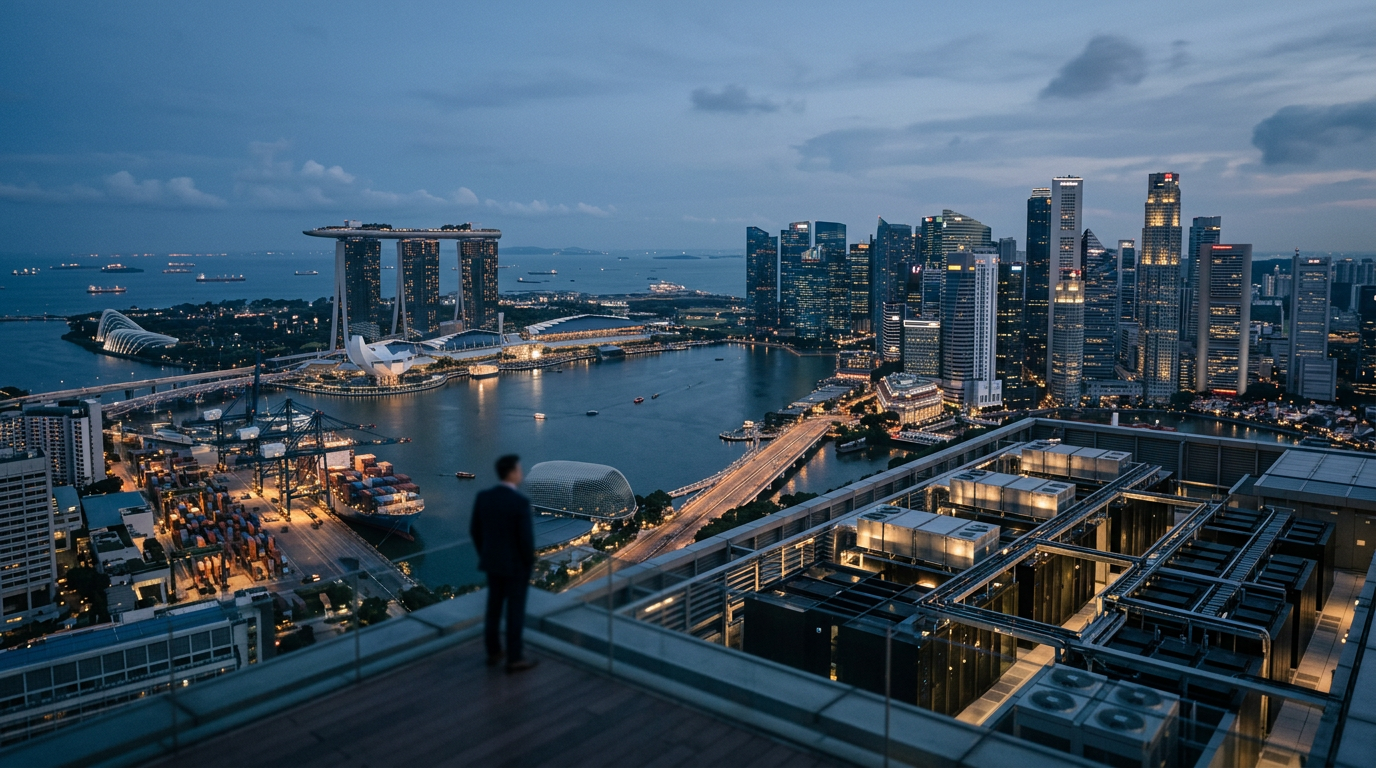
AI demand is boosting Singaporean manufacturing. But who owns the stack?
The recent expansion in Singapore's manufacturing sector, driven by AI-related demand, brings into focus the long-term questions of digital economic sovereignty for all ASEAN nations.
 Singapore
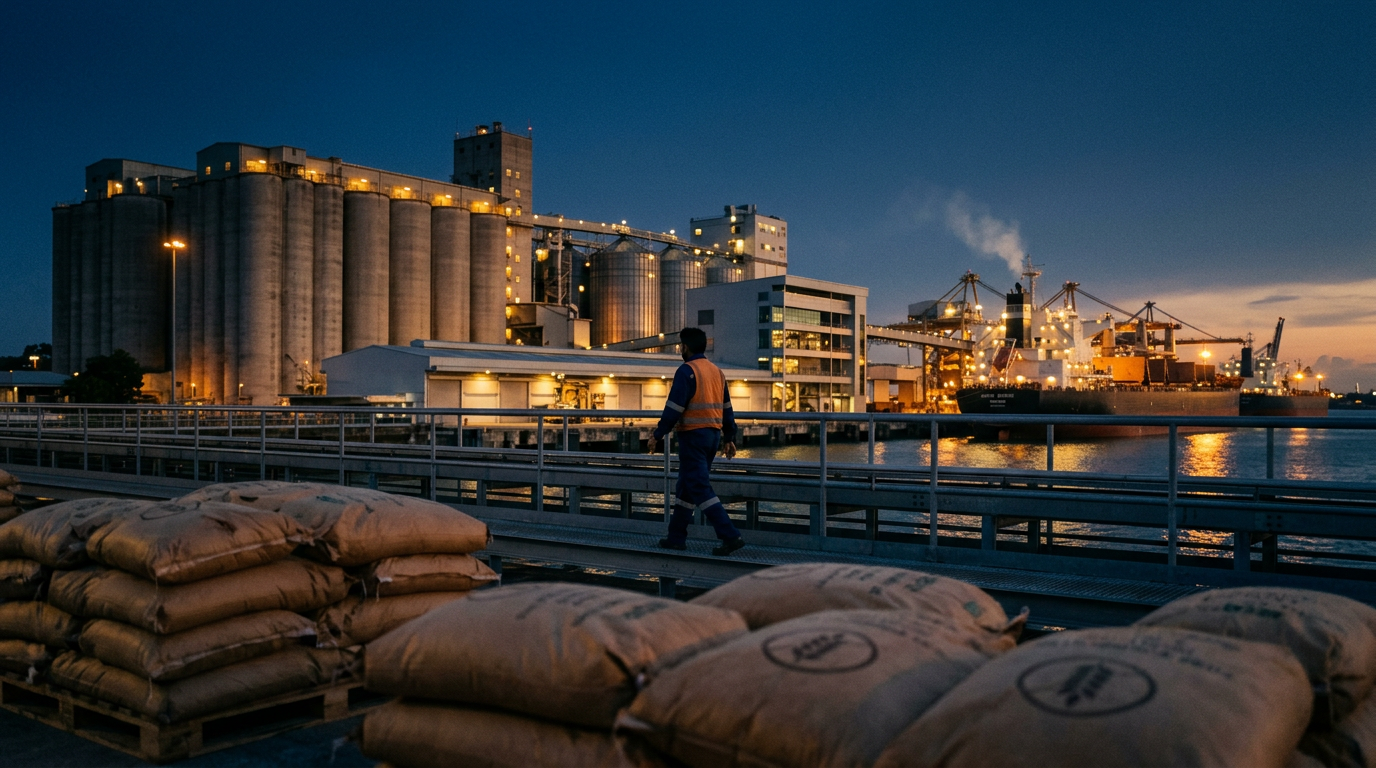
Singapore, Sovereign AI, and the Risk of an AI Bubble
A recent survey of economists highlights the risk of an AI bubble in Singapore. This reflects a broader challenge for ASEAN: building a sustainable AI strategy based on sovereign control over compute, data, and identity, not just headline-grabbing model launches.
 Singapore
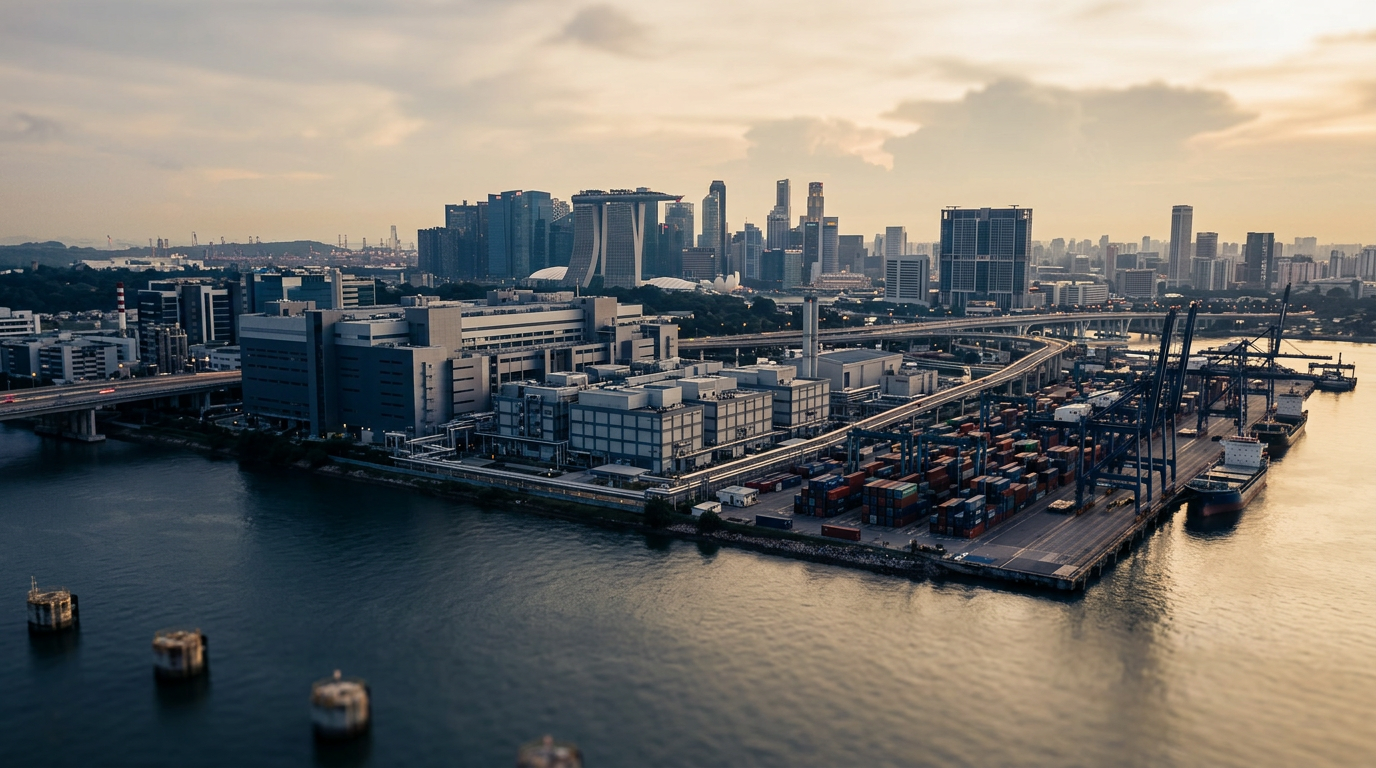
Vietnam's Rice Trade and the China Question
Vietnam's rice export figures for 2026 show a decline in volume and value, but the underlying trade dynamics with China reveal a deeper story about managed dependency and strategic options for ASEAN nations.
 Singapore
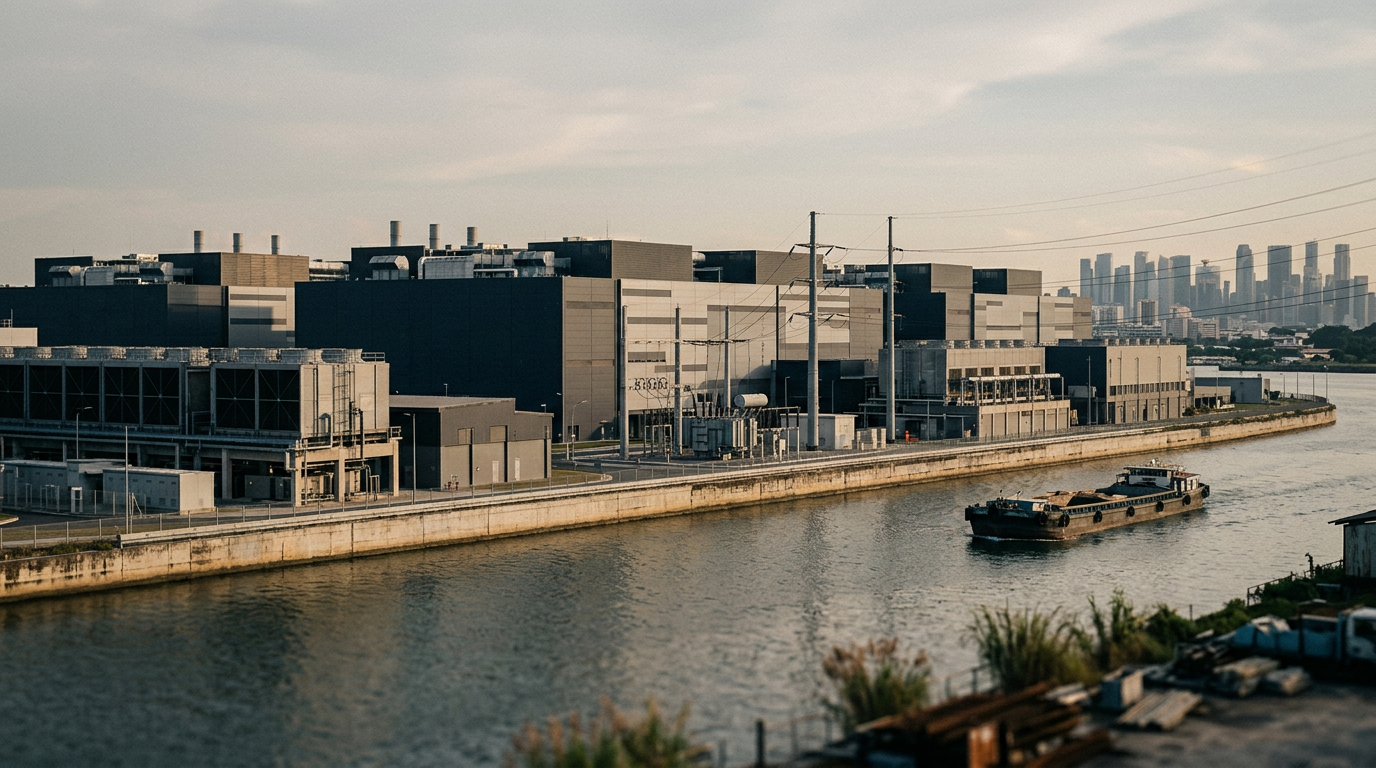
Singapore, UMC, and the Value of a Usable State
UMC's $6.4 billion semiconductor fabrication plant in Singapore is a testament to the country's institutional reliability and its ability to deliver on infrastructure promises, which are key to attracting high-value, long-term investments.
 Singapore
Malaysia's Data Center Ambitions Test Its Grid
A planned 1.5GW data center with its own generation in Selangor highlights the country's test of coordinating power, planning, and connectivity to attract hyperscale investment.
 Singapore
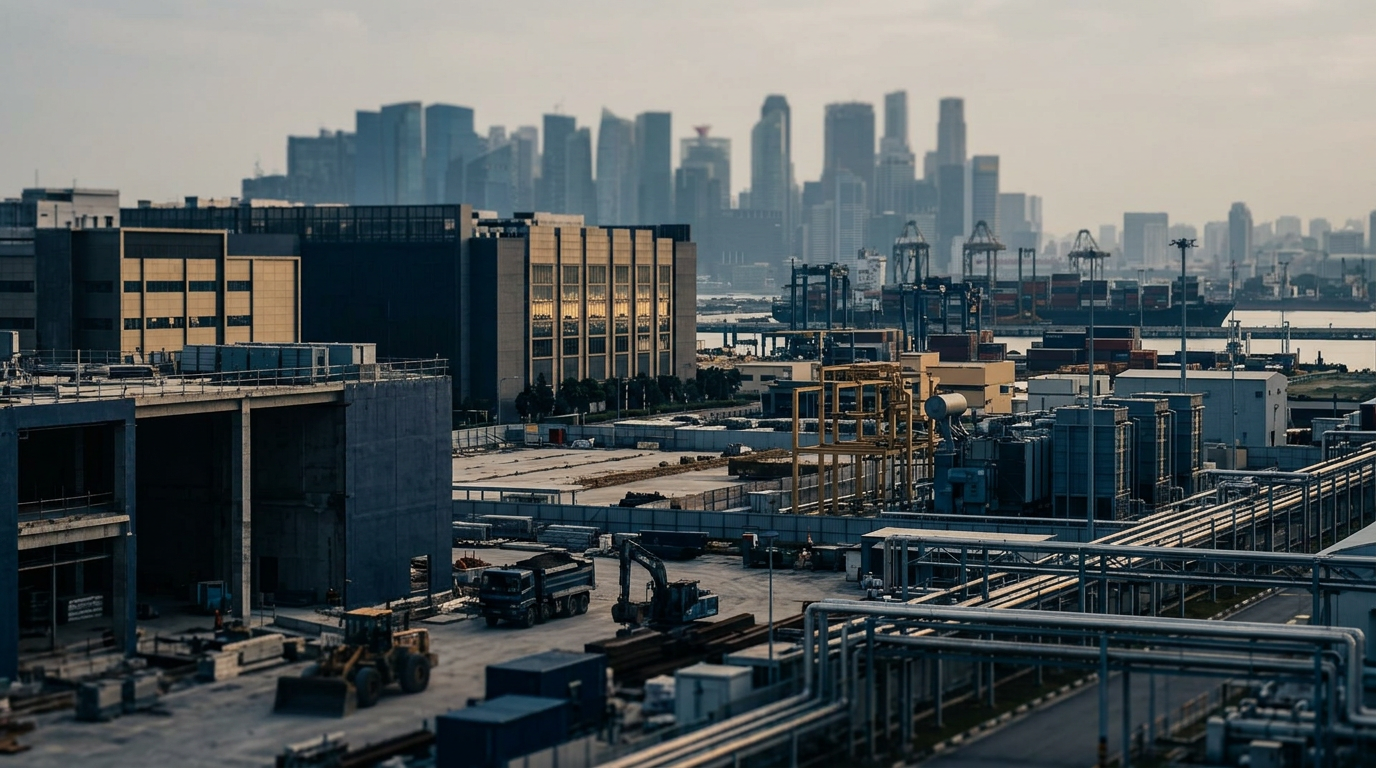
Singapore's startups are praised, but FDI is a different test
The praise for Singaporean startups is welcome, but realized foreign direct investment depends on the slower work of building institutions and executing on the ground.
 Singapore
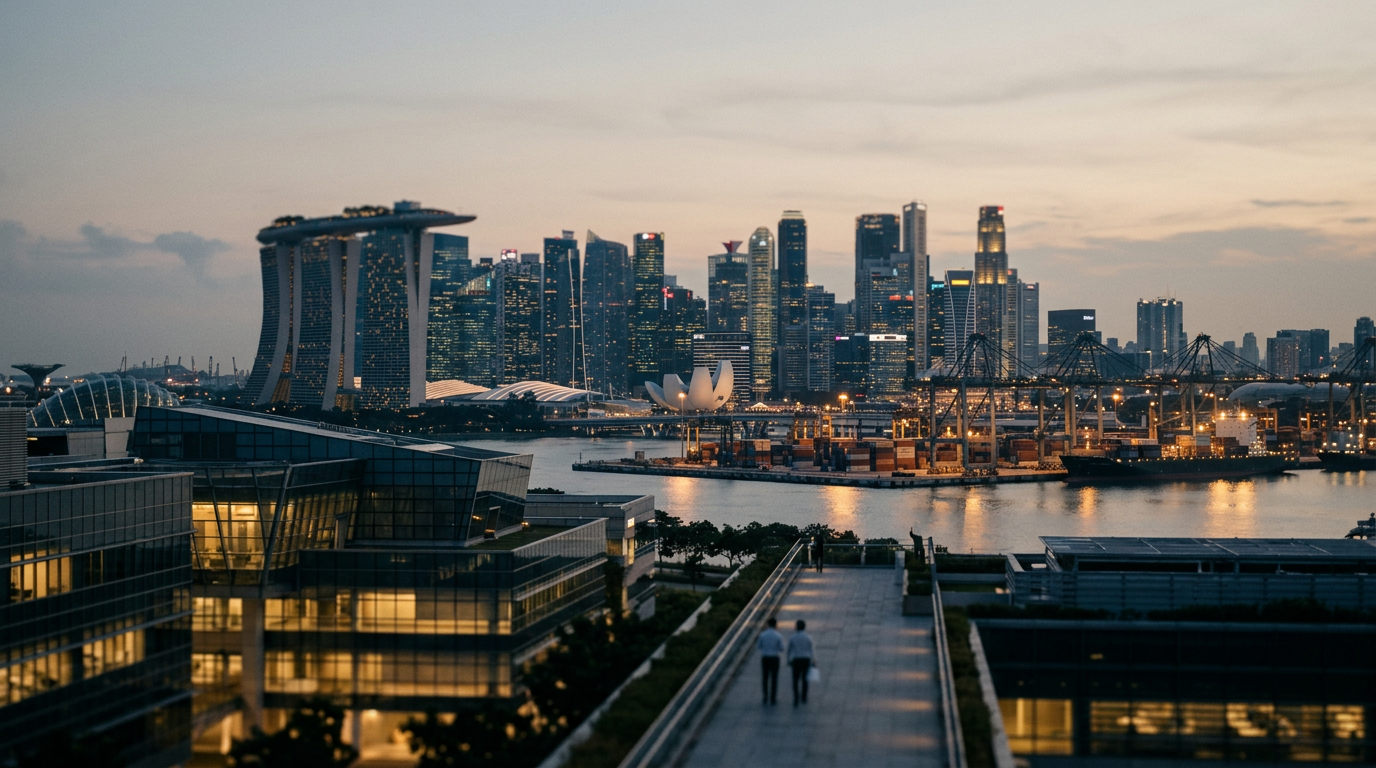
Singapore's R&D Spending Points to Deeper State Capacity
Singapore's rising R&D expenditures are a function of its high-trust, reliable institutions. The country's Research, Innovation and Enterprise (RIE) 2025 plan is a signal of its capacity to execute long-term economic strategy.
 Singapore
Singapore Tests Hydrogen for Data Centre Power
A new facility will test the viability of hydrogen fuel cells to resolve power constraints for Singapore's data centres, a test of the nation's model of capital coordination.
 Singapore
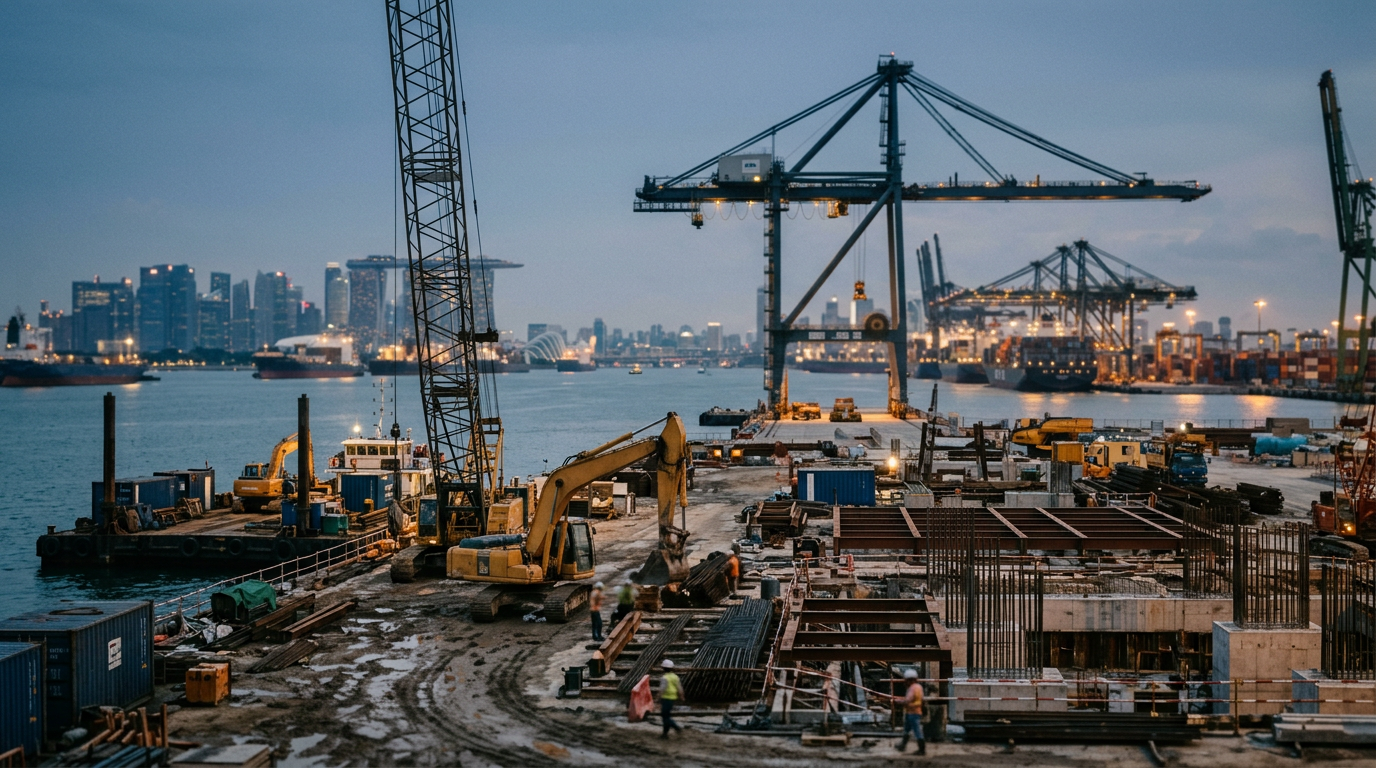
Singapore's Mega-Projects Need More Than Ambition
Singapore's ambitious new infrastructure projects are making headlines, but their success will depend on the hard work of execution, not just vision. The real test is turning announcements into realised investment.
Singapore intelligence
All trackers →Investment & FDI signals
Full fdi tracker →- fdi· Singapore· 28 September 2026Singapore factory output jumps in August, driven by sustained AI demand
Singapore's factory output saw a jump in August 2026, primarily fueled by sustained demand for AI-related products. Most clusters, excluding chemicals, recorded year-on-year growth during this period.
- fdi· Singapore· 26 September 2026Singapore tops globally in foreign commercial property investment
Singapore ranked first globally for cross-border commercial property investment in the first half of this year, attracting US$8.7 billion in deals.
- fdi· Singapore· 25 September 2026Singapore population rises 1.6% to 6.21 million, driven by construction workers for key projects like T5
Singapore's population grew 1.6% to 6.21 million, largely due to construction workers for major projects including Changi Airport Terminal 5 and Marina Bay Sands expansion, as well as transport infrastructure building.
- fdi· Singapore· 24 September 2026ADB lifts Vietnam's growth forecast to 7.8%, highest in Southeast Asia
The Asian Development Bank forecasts Vietnam's economy to grow 7.8% this year, the highest in Southeast Asia, supported by foreign domestic consumption and direct investment inflows.
AI policy & adoption
Full ai tracker →- ai· Singapore· 25 September 2026Jobstreet launches AI engine for employers
Jobstreet by SEEK has integrated artificial intelligence (AI) into its platform to assist employers in making faster and more informed recruitment decisions.
- ai· Singapore· 23 September 2026Telecom sector set to gain from mass adoption of AI
Telecom operators in Thailand are expected to benefit from mass AI adoption, driven by the government's TH-AI Passport project and their promotion of mobile data packages for the application.
Trade & supply chain signals
Full trade tracker →- trade· Singapore· 26 September 2026Singapore judge raises doubts iron ore trader Radiant World is owed over $1.3b
A Singapore judge has raised doubts about iron ore trader Radiant World's claim of being owed over $1.3 billion. Radiant World was placed under interim judicial management on September 24.
- trade· Singapore· 24 September 2026Singapore court appoints KPMG to manage trader Radiant World
A Singapore court has appointed KPMG to manage iron ore trader Radiant World, escalating a crisis surrounding the company.
Infrastructure signals
Full infrastructure tracker →- infrastructure· Singapore· 26 September 2026‘Weak infrastructure spending may prolong Philippines slowdown’
ANZ Research warns that weak infrastructure spending could prolong the Philippines' economic slowdown into 2027, citing a smaller allocation for capital outlays.
Other signals
- data centre· Singapore· 26 September 2026PwC forecasts Singapore data‑centre investment to reach US$19.2b a year by 2050 as Malaysia joins US$1.29t regional surge
PwC forecasts Singapore's annual data centre investment to reach US$19.2 billion by 2050, up from US$7 billion in 2026. This is part of a US$1.29 trillion regional surge in which Malaysia is also participating.
Singapore coverage themes
- Trade & supply chains. Bilateral flows, RCEP, tariff shifts and sector exposure.
- Investment & FDI. Inbound capital, sovereign deals and sector destinations.
- Capital markets. Exchanges, IPO pipeline, debt, currency and portfolio flows.
- Technology. Startups, fintech, AI deployment and platform regulation.
- Binding constraints. Fiscal, structural, institutional and geopolitical limits.
- Boardroom briefings. Bespoke Singapore briefings for boards and investors.