Indonesia
Indonesia's Commodity Centralization and the China Question
Prabowo Subianto's plan to centralize strategic commodity exports is a move to manage dependency. While it could improve state revenue and oversight, it poses risks to institutional capacity and execution, particularly in how it shapes the trade relationship with China.
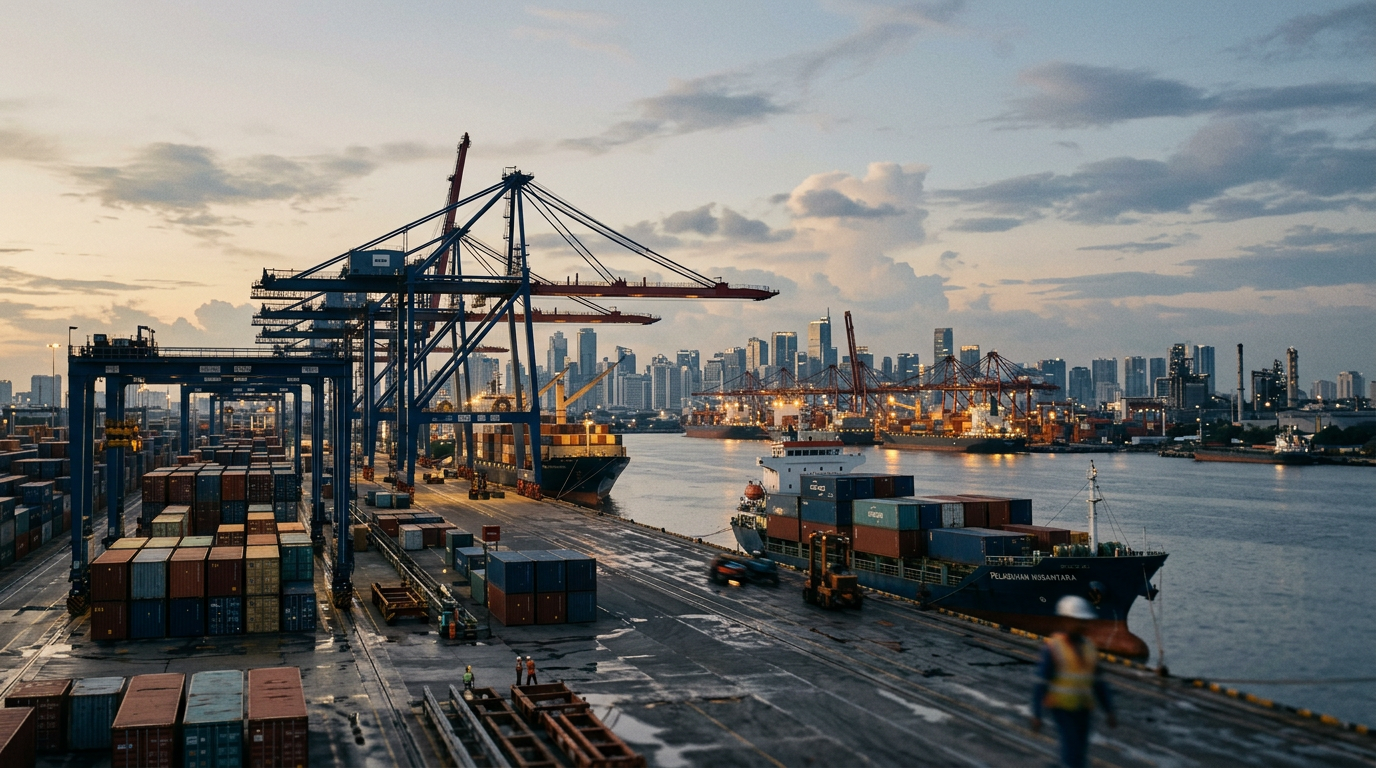
A recent report from the Jakarta Globe outlines a plan by Indonesia's President-elect Prabowo Subianto to channel all strategic commodity exports through a centralized, state-controlled system. The stated goals are to increase state revenues and improve oversight of the nation's valuable natural resources. This policy represents a significant move towards state intervention in trade, aiming to consolidate control over commodities that are foundational to the national economy.
The proposal would expand on existing single-gate mechanisms, creating a formidable institutional challenge. It follows a pattern of resource nationalism that has seen Indonesia ban exports of unprocessed nickel ore to force the development of domestic smelting and processing capacity. By centralizing exports, the government seeks to gain leverage in international markets and ensure that a larger share of the value from its resources benefits the state directly.
Institutions and Execution
The success of such a centralized export system depends entirely on institutional quality and execution. A single-gate system for all strategic commodities would require a massive expansion of bureaucratic capacity, robust anti-corruption measures, and sophisticated logistical management. If the controlling state entity is inefficient or opaque, it could create bottlenecks, deter investment, and become a vector for graft, undermining the policy's objectives.
Building this new institutional layer is a monumental task. It requires not just creating the legal and regulatory framework but also staffing it with capable and trustworthy personnel. The risk is that a poorly executed centralization could disrupt established supply chains and damage Indonesia's reputation as a reliable supplier, ultimately harming the economy more than helping it. The administrative burden of coordinating exports for a diverse range of commodities-from palm oil to copper to coal-cannot be underestimated.
Capital, Infrastructure, and China
This policy has direct implications for foreign capital and infrastructure development. China is a primary destination for many of Indonesia's commodity exports and a major source of investment in its downstream processing industries, particularly in the nickel sector. A state-controlled export system alters the risk calculation for these investors. On one hand, it could simplify negotiations by creating a single point of contact. On the other, it concentrates immense power in a state entity, potentially exposing foreign partners to arbitrary policy shifts or unfavorable terms.
As the book ASEAN Rising notes, the central issue for governments in the region is how to manage economic dependency on China. Indonesia