Indonesia
Aligning Data Centre Investment with Indonesia's Economic Goals
Indonesia has attracted significant foreign investment in data centres, but realising these long-term projects requires strong institutions and a consistent regulatory framework.
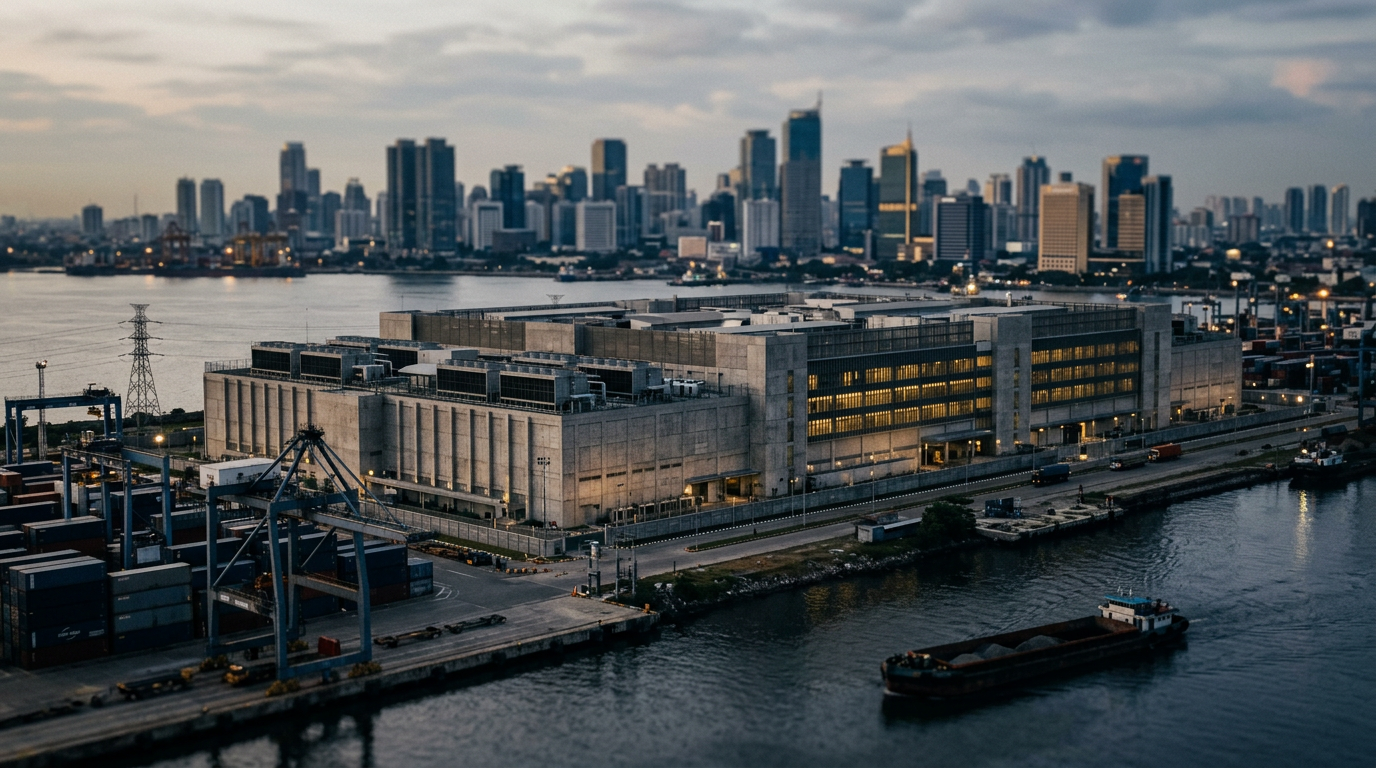
A recent announcement from Thailand highlights a growing theme in Southeast Asian economic policy: the need for dedicated supervisory frameworks to manage the boom in data centre investments. As reported by the Bangkok Post, the Thai government is creating a new structure to oversee all data centre projects, regardless of their promotional status. This move to harmonize oversight is relevant for Indonesia, which has also attracted substantial foreign direct investment (FDI) pledges in this sector and must now navigate the complexities of turning those commitments into operational assets.
From Announcement to Operation
Indonesia possesses immense scale, a key attraction for digital infrastructure investors who see a large and growing online market. However, as detailed in ASEAN Rising, this scale only translates into economic value when effective institutions are in place to convert headline figures into tangible projects. The journey from an FDI announcement to a fully functional data centre is a long one, encountering numerous practical hurdles along the way.
Foreign capital commitments are just the first step. Realising these complex, long-term investments depends on the less glamorous, on-the-ground work of securing land, navigating permit approvals, ensuring reliable power supply, and developing a skilled workforce. The book notes that while "FDI announcements travel quickly," the actual deployment of capital is contingent on these foundational elements being securely in place.
The Institutional Framework
For Indonesia, the challenge lies in providing a stable and predictable regulatory environment. Investors in infrastructure like data centres operate on timelines spanning decades. Their decisions are heavily influenced by the perceived consistency of government policy, the transparency of the permitting process, and the reliability of state-owned enterprises, particularly in the energy sector.
Thailand's decision to create a single supervisory body for the data centre industry is an attempt to address this need for coherence. Indonesia can draw lessons from this approach. A clear institutional framework helps mitigate project risks and ensures that investments align with national development goals, rather than simply materializing in an ad-hoc fashion. Coordinated oversight can streamline processes that might otherwise involve multiple, sometimes conflicting, government agencies, from local land offices to national investment boards and state utility providers.
Strategic Weight in the Digital Economy
Successfully managing the influx of data centre investment is about more than just capturing capital inflows; it is a matter of strategic importance. These facilities are the bedrock of the digital economy, hosting the data and processing the transactions that power everything from e-commerce to financial services. By building a robust institutional capacity to support this sector, Indonesia can do more than just attract FDI; it can enhance its strategic weight in the region's rapidly expanding digital ecosystem.
This involves a concerted effort to ensure that the necessary infrastructure, particularly reliable electricity, is available where and when it is needed. It also requires a long-term strategy for talent development to ensure a supply of qualified technicians and engineers to run these advanced facilities. Without these components, Indonesia risks seeing investment pledges delayed, downsized, or diverted to neighbouring markets that can offer a more executable project environment.
What to watch: Observers should monitor not just the headline FDI figures for new data centres in Indonesia, but also the progress of regulatory reforms and infrastructure readiness. The key indicators of success will be the government's ability to streamline permitting, guarantee stable and sufficient power to industrial zones, and the pace at which announced projects proceed to construction and full operation.