Indonesia
's Single-Door Export System Aims to Deepen Trade Control
Jakarta is launching a new export system for key commodities by year-end, a move that reflects a broader ASEAN trend of managing trade dependencies and asserting strategic control over supply chains.
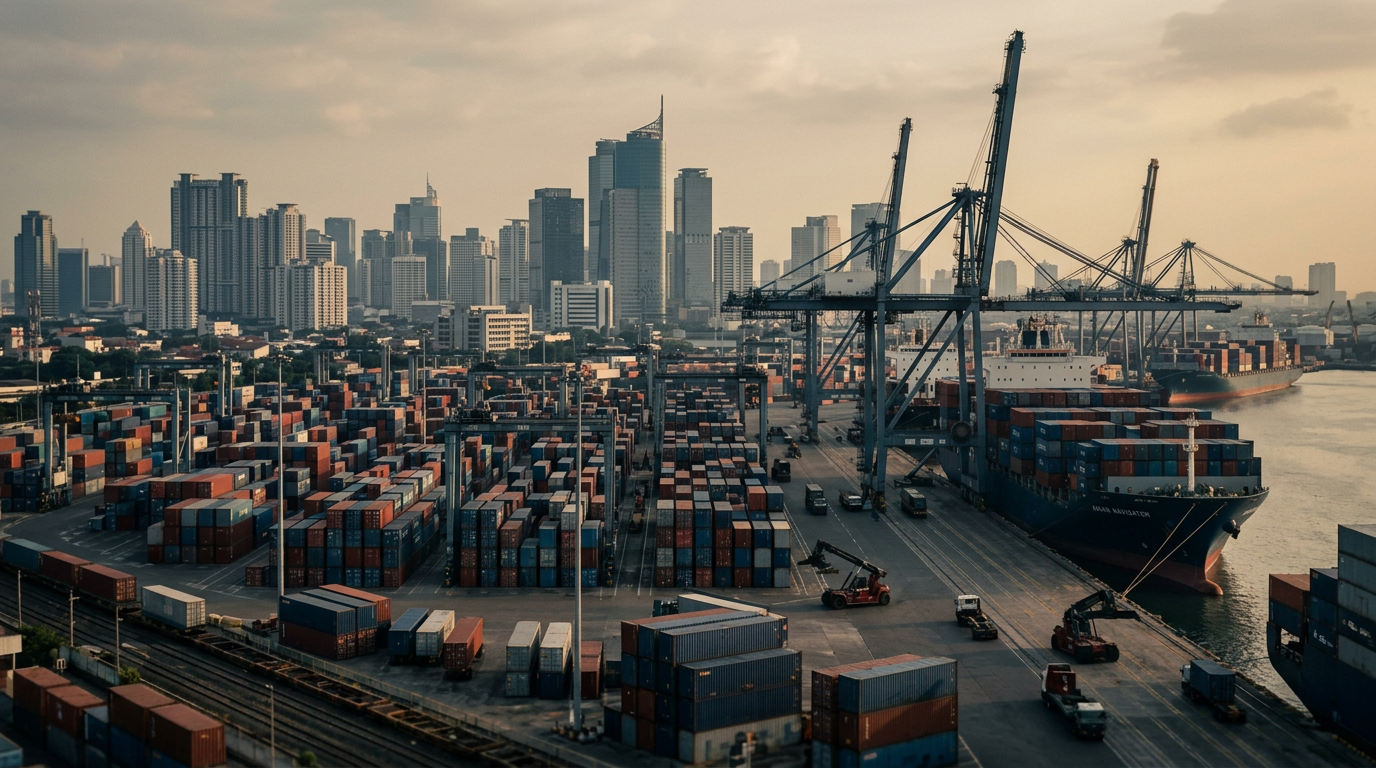
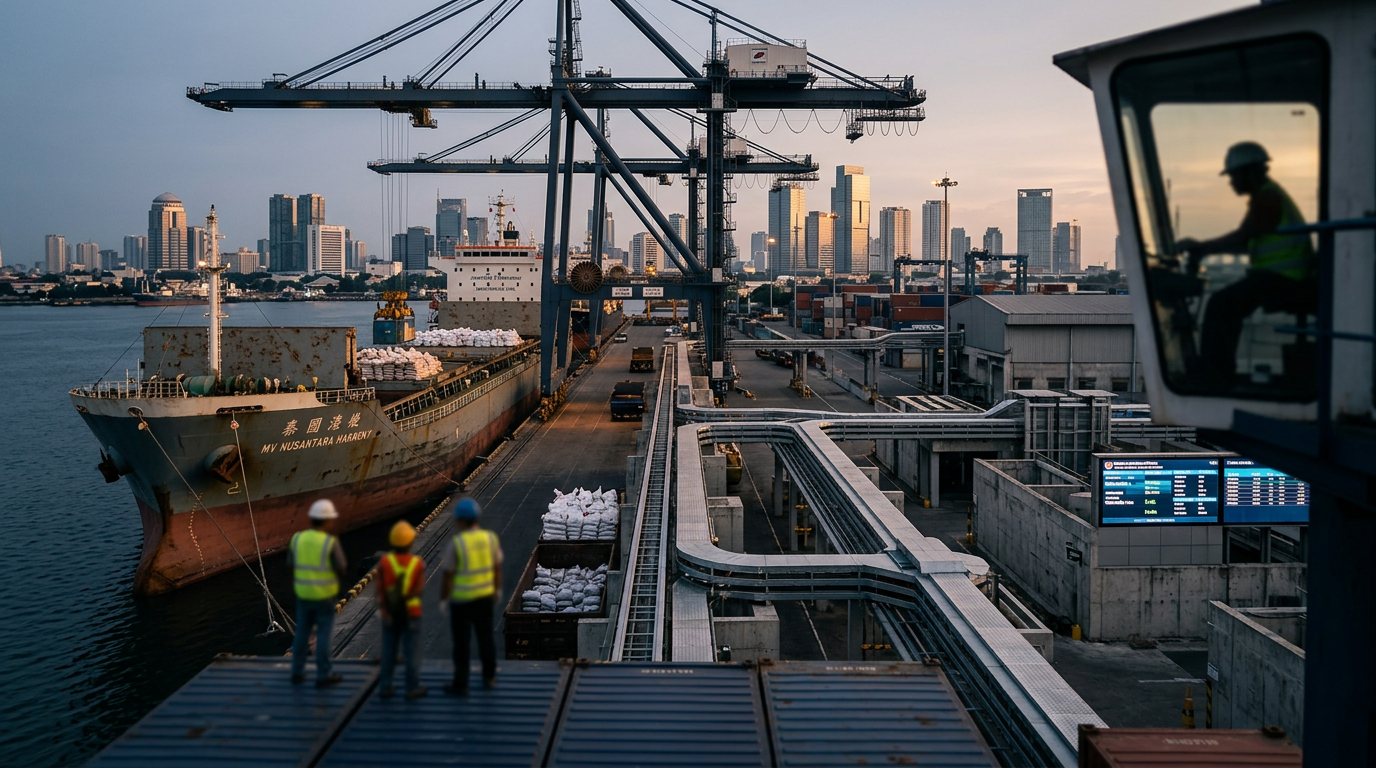
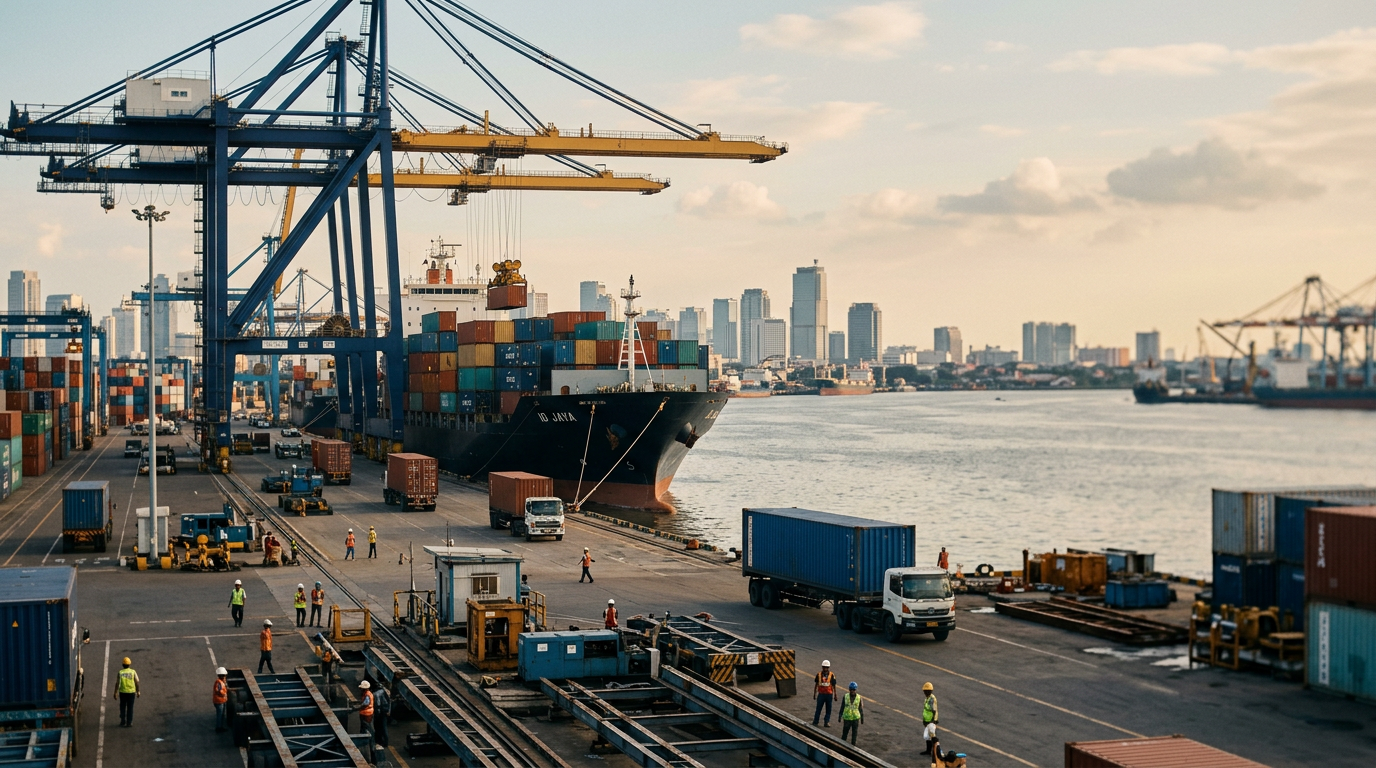
Indonesia is moving to consolidate its control over the export of key commodities. As reported by Tempo.co, the government plans to fully implement a single-door export system by the end of the year. The system will initially cover major exports including coal, palm oil, and ferroalloys. This policy is not just a bureaucratic reshuffle; it is a strategic move to improve Jakarta's oversight and management of its immense natural resource wealth, ensuring that export earnings are fully captured and properly recorded within the national financial system.
This new system requires exporters of designated commodities to transact through a centralized platform. The goal is to enhance transparency and ensure that the foreign exchange proceeds from these sales are repatriated to Indonesia. By channeling transactions through a single gateway, the government can more effectively monitor export volumes and values, reducing the risk of under-invoicing and illicit capital outflows. This initiative reflects a growing desire within Indonesia to exert greater sovereignty over its economic destiny and maximize the national benefit derived from its commodity exports.
Institutions and Execution
The successful implementation of the single-door system hinges on institutional capacity and execution. The policy requires seamless coordination between several government bodies, including the Ministry of Trade, the Ministry of Finance, and Bank Indonesia. For the system to be effective, it must be more than a simple reporting tool. It needs robust digital infrastructure to handle high volumes of transactions securely and efficiently, without creating bottlenecks that could stifle trade.
Indonesian exporters will be watching the execution closely. The transition to a new system can introduce friction and compliance costs. The government's challenge is to build a platform that is not only effective for its own monitoring purposes but also user-friendly for businesses. A poorly executed system could delay shipments and add administrative burdens, potentially making Indonesian exports less competitive. The institutional will to enforce compliance is just as important as the technology itself. Jakarta must demonstrate that it can manage this platform effectively, ensuring a smooth operational transition for some of the country's most vital economic sectors.
Managing Dependency
Indonesia's move to tighten control over its commodity exports can also be viewed through a wider geopolitical lens. Many of these commodities are destined for China, which is a primary market for Indonesia's coal and ferroalloys. The implementation of a single-door system provides Jakarta with a more precise instrument for managing this trade relationship. It gives the government a real-time, granular view of its trade flows with its largest trading partner, offering a new layer of data and control.
As the book ASEAN Rising notes, deep trade integration with China is now a permanent structural feature for the region's economies. The core issue for governments is no longer about the principle of engagement, but about the practice of managing that deep connection. The book argues that the goal is "to manage dependency without losing optionality." Indonesia