Indonesia
Indonesia, ASEAN Power Grid, and the Cost of Friction
Indonesia is not yet ready to connect to the ASEAN Power Grid. This hesitation is not just about electricity, but about the long-term institutional commitments that underpin regional infrastructure projects. A sober look at the costs and benefits is warranted for all parties.
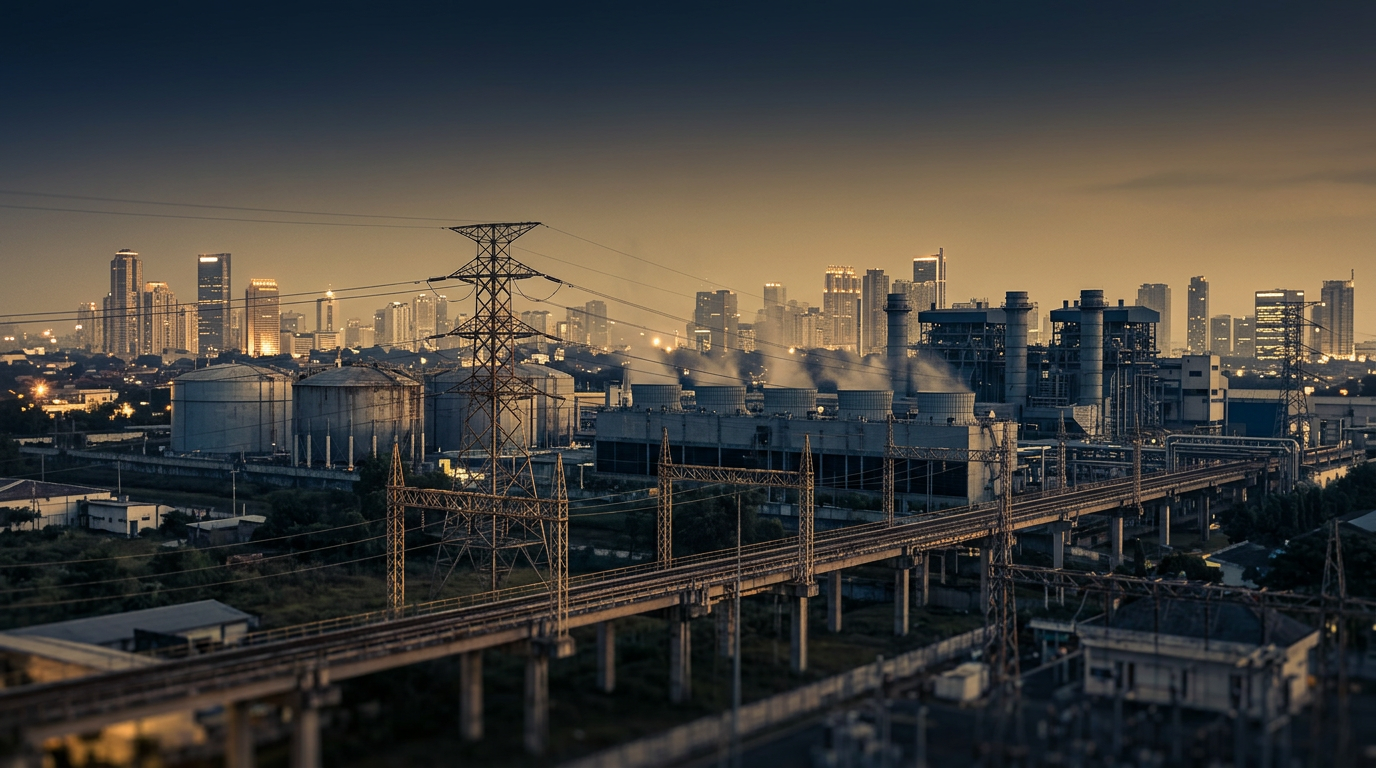
Indonesia is moving cautiously on the ASEAN Power Grid (APG), signaling it is not yet ready to sign a regional energy agreement until the terms are more clearly "win-win." As reported by Malay Mail, this hesitation highlights the complexities of building transnational infrastructure, where national interests must be carefully balanced with regional aspirations.
Institutions and Infrastructure
The APG is an ambitious plan to create a unified electricity market across Southeast Asia, intended to enhance energy security and facilitate the broader adoption of renewable energy sources. Such projects depend not just on physical engineering but on a robust institutional framework that governs how participants will interact, resolve disputes, and share costs and benefits over decades. Indonesia's current stance suggests that the institutional arrangements are not yet sufficient to provide the confidence needed for a long-term commitment. The focus on "win-win" terms is a rational calculation of national interest, weighing the benefits of regional integration against the perceived costs of ceding a degree of energy sovereignty.
The Execution Premium
Regional projects are subject to friction, and overcoming it requires a clear-eyed assessment of state capacity and national priorities. As detailed in the book ASEAN Rising, announced infrastructure is one thing, but delivered infrastructure is another entirely. The book notes that "Infrastructure that arrives on time signals more than infrastructure that is merely announced." The APG has been discussed for years, and while progress has been made on bilateral connections, a fully integrated multilateral grid remains a distant goal. Indonesia's delay is a reminder that a press release is not a power line. The real work lies in the detailed, often slow, process of negotiating the rules, regulations, and technical standards that make large-scale systems functional and reliable.
Capital and Trust
For a project on the scale of the APG, attracting sufficient private capital is essential. Investors require predictability. The strength of the offtake agreements, the reliability of dispute resolution mechanisms, and the overall stability of the regulatory environment are primary considerations. When a key participant like Indonesia expresses reservations, it signals that the institutional foundation may not yet be solid enough to secure the necessary long-term investments. Building trust among participating states is a prerequisite for building the trust of capital markets. Until all parties are confident in the governing framework, progress is likely to remain piecemeal.
What to watch: Observers should monitor the specific technical and commercial objections Indonesia has to the current APG framework. The nature of its counter-proposals will reveal much about its domestic energy strategy and its vision for regional cooperation. Also, watch how other ASEAN members, particularly Malaysia and Singapore, respond to Indonesia's position, as their reactions will shape the next phase of negotiations for the regional grid.