Singapore
, AI, and ASEAN's Next Manufacturing Shift
Singapore's industrial surge from AI demand shows its institutional strengths. Can its ASEAN neighbors follow the same playbook?
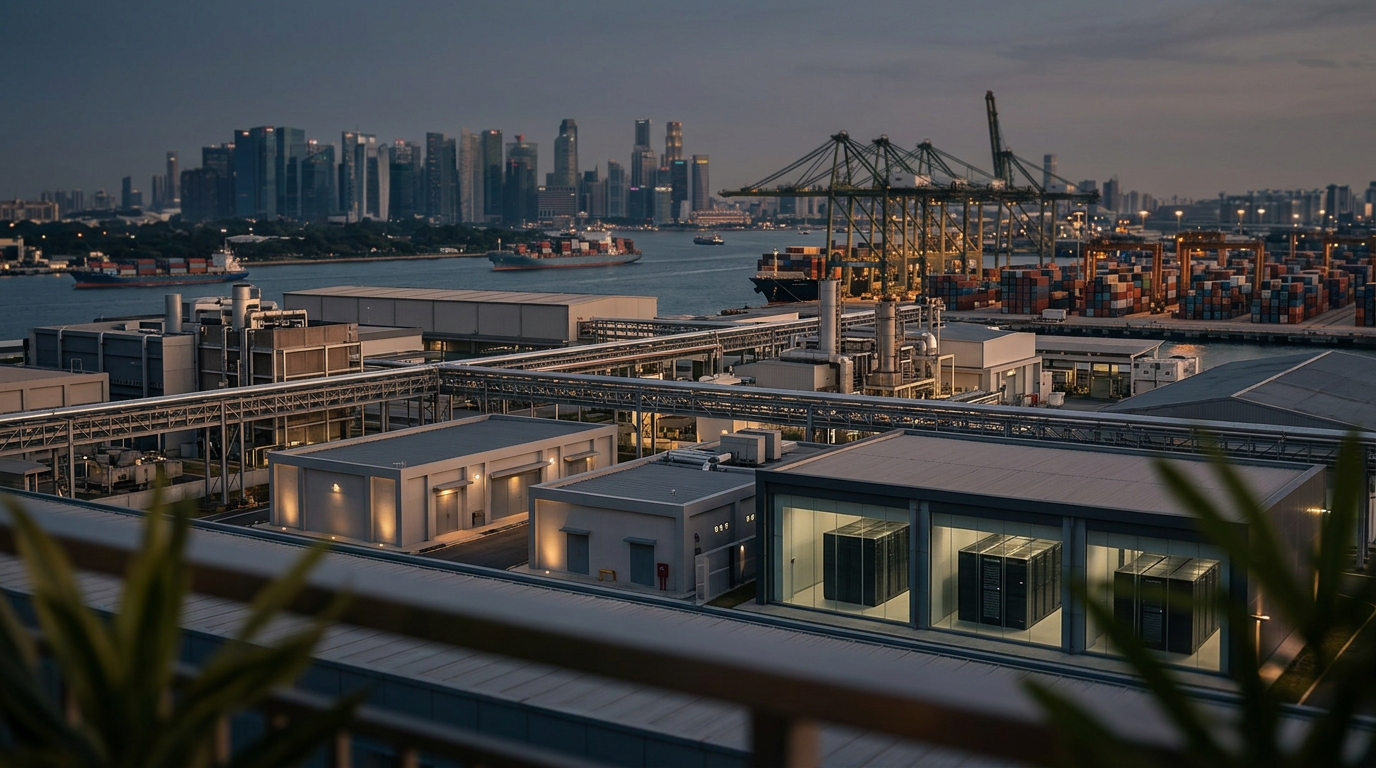
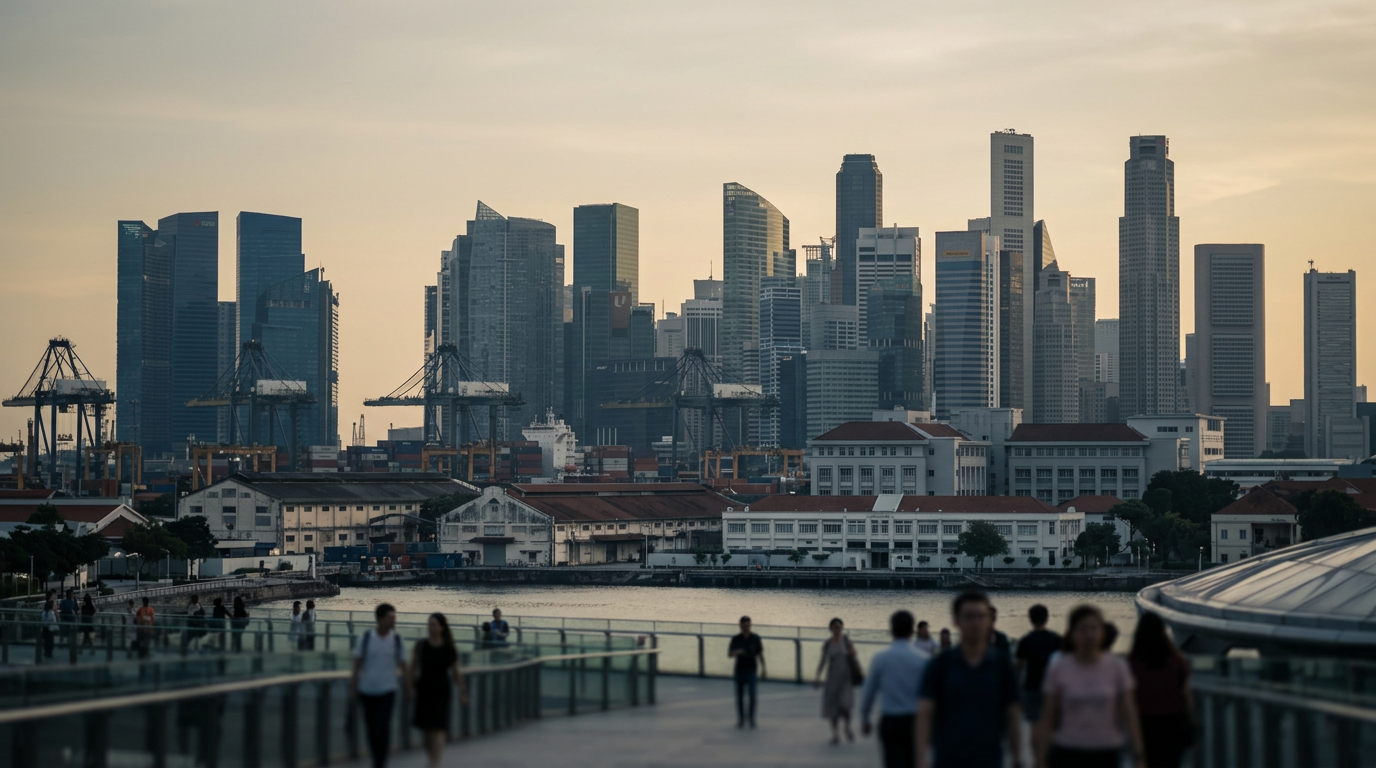
Singapore's factory output jumped in August, a welcome development driven by sustained global demand for AI-related products, according to the Straits Times. This surge in a high-technology sector highlights a divergence in manufacturing strategies across Southeast Asia. While some ASEAN countries compete on scale and resources, Singapore's success is built on a different foundation: institutional quality, execution, and trust.
Institutions and Investable Depth
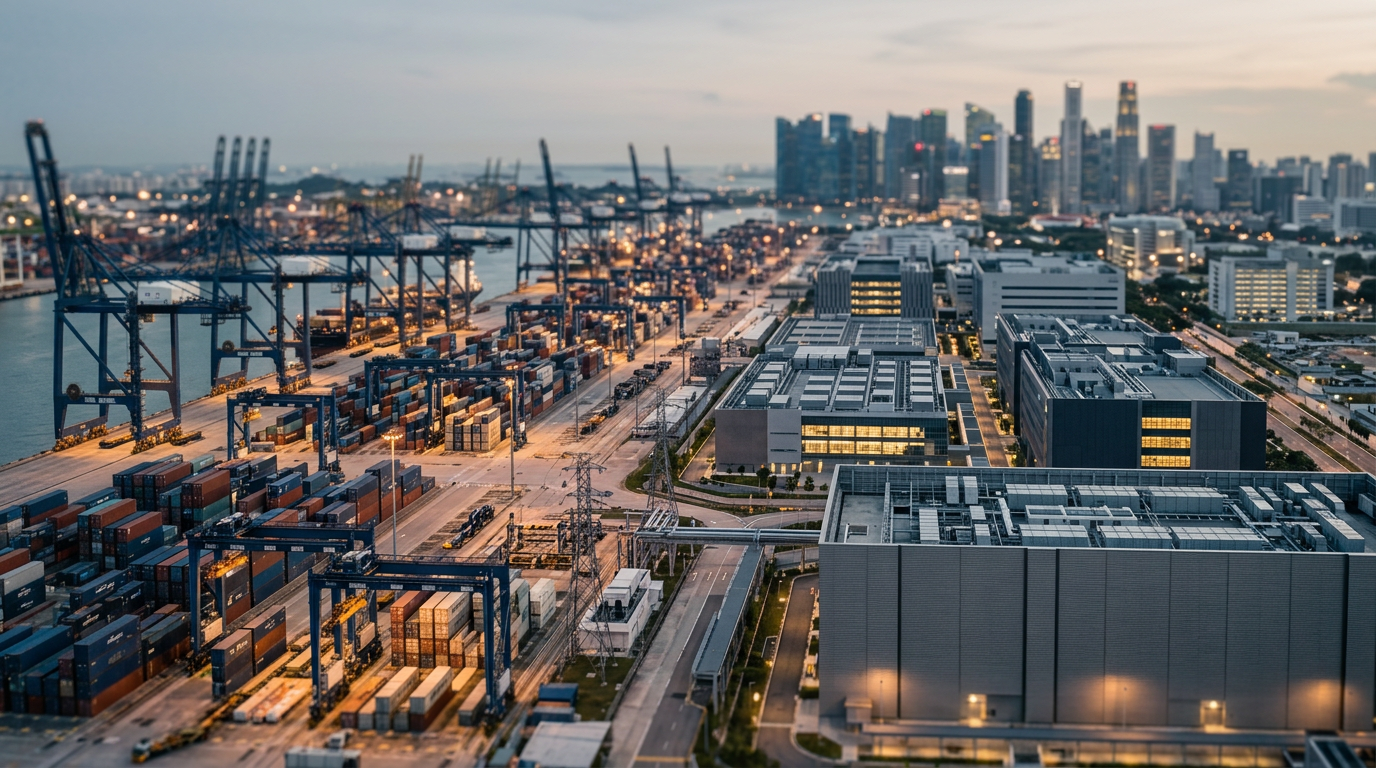
The electronics sector, particularly in semiconductors, was the primary engine of Singapore's recent manufacturing growth. This is not a matter of chance. It is the result of a decades-long industrial policy focused on creating a stable, high-trust environment for capital-intensive investment. The city-state has deliberately built a framework of strong intellectual property laws, efficient logistics, and a skilled workforce to attract and retain sophisticated manufacturing operations. This demonstrates a core principle: announcements of foreign direct investment are easy, but the realized flows depend on getting the details right on the ground.
As the book ASEAN Rising notes, "scale matters only when institutions can turn it into investable depth." Singapore lacks the land and population scale of its neighbors, but it compensates with institutional depth. This approach allows it to attract investment in sectors like AI and advanced electronics, where the requirements for talent, reliable infrastructure, and regulatory clarity are most intense. While headlines often focus on large FDI commitments to the region, Singapore's experience shows that the ability to execute complex projects is the more significant factor for long-term value creation.
A Divergent ASEAN Model
This performance contrasts with the manufacturing strategies of some of its larger ASEAN neighbors, such as Indonesia, which often leverage their significant domestic market and natural resources. The Indonesian model is built on scale, but it faces persistent challenges in translating that scale into operational efficiency. Issues with land acquisition, permit consistency, and infrastructure readiness can slow the conversion of investment pledges into productive capacity.
Singapore's focus on high-value, knowledge-intensive manufacturing offers a different path. It is a model based on attracting and developing top-tier talent and ensuring that physical and digital infrastructure is not just available but world-class. This allows it to act as a regional hub for capital and innovation, even as other parts of ASEAN focus on more labor-intensive or resource-based industries. The sustained demand for AI components, a sector defined by rapid innovation cycles and complex supply chains, plays directly to Singapore's institutional strengths.
Infrastructure and Talent as Competitive Pillars
The AI boom puts a premium on exactly the factors Singapore has cultivated. Advanced manufacturing for AI systems requires uninterrupted power, hyper-efficient logistics to connect to global supply chains, and a workforce with specialized technical skills. These are not commodities. They are the product of sustained, long-term public and private investment in infrastructure and human capital.
For other ASEAN nations, Singapore's success serves as a clear example of the importance of execution. To move up the value chain beyond basic assembly or resource processing, it is necessary to build the institutional and physical capacity to support high-tech industries. This means investing in education, streamlining bureaucracy, and guaranteeing the reliable infrastructure that sensitive manufacturing processes demand. Without these foundational elements, the region's larger economies will struggle to capture the full value of the next wave of industrial transformation driven by technologies like AI.
What to watch
Watch for how other ASEAN countries adapt their industrial policies. The key indicator will not be the headline FDI numbers, but the less-visible progress in regulatory reform, infrastructure projects, and workforce training programs. The ability of nations like Indonesia and Vietnam to improve the on-the-ground environment for complex manufacturing will determine if they can replicate Singapore's success in capturing high-value investments or if the institutional gap within the bloc will continue to widen.