

Indonesia, business & markets coverage
Capital: Jakarta
Largest ASEAN economy by GDP and population, leader in nickel, digital startups and consumer markets.
 Malaysia
 Singapore
 Thailand
 Vietnam
 Philippines
 Brunei
 Cambodia
 Laos
Laos Myanmar
 Timor-Leste
Execution lens
How Indonesia scores on the six Execution Economics pillars: institutions, capital, infrastructure, talent, technology and trust. Country scorecards are published progressively as research is completed.
Latest from Indonesia
 Indonesia
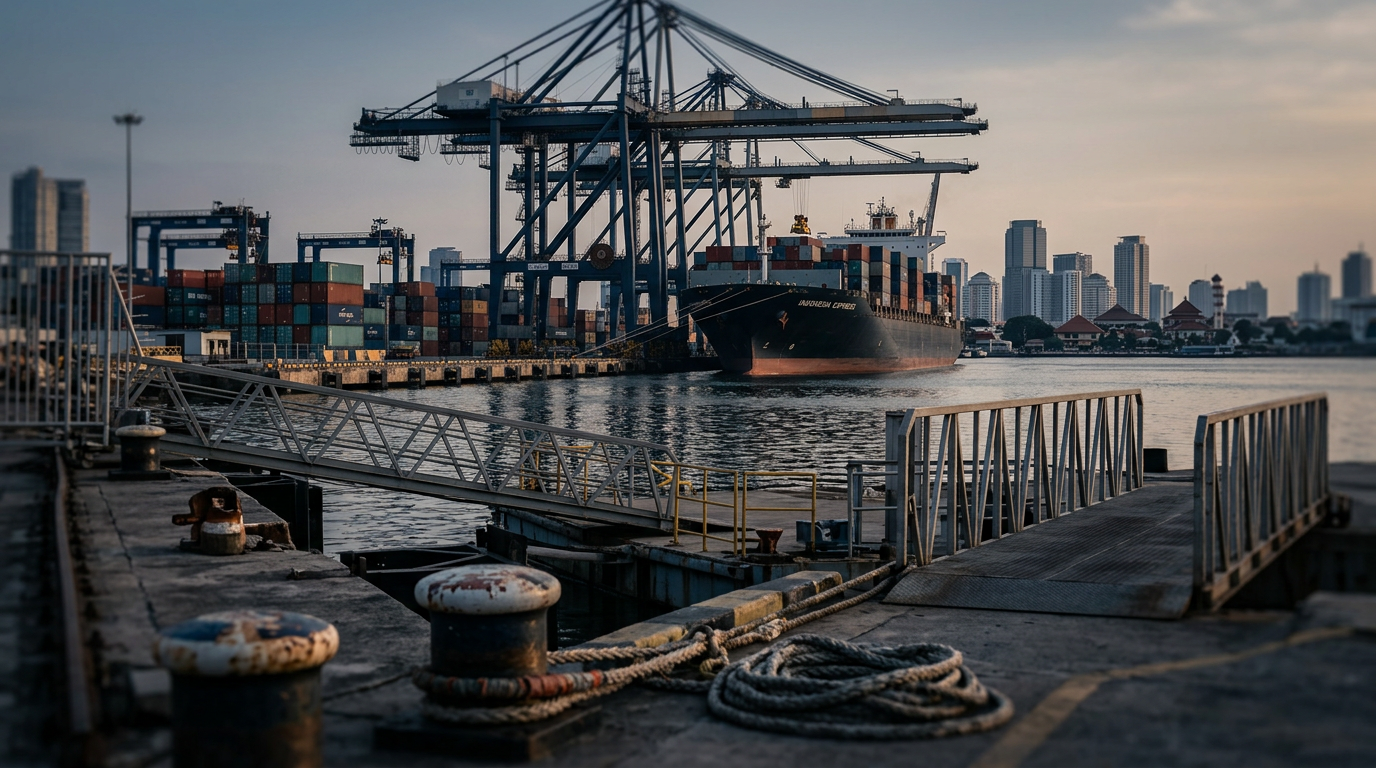
Indonesia Rethinks Its Investment Climate
Recent news of significant offshore investment by a prominent Indonesian family highlights the institutional challenges that can limit the country's ability to absorb domestic and foreign capital.
 Indonesia
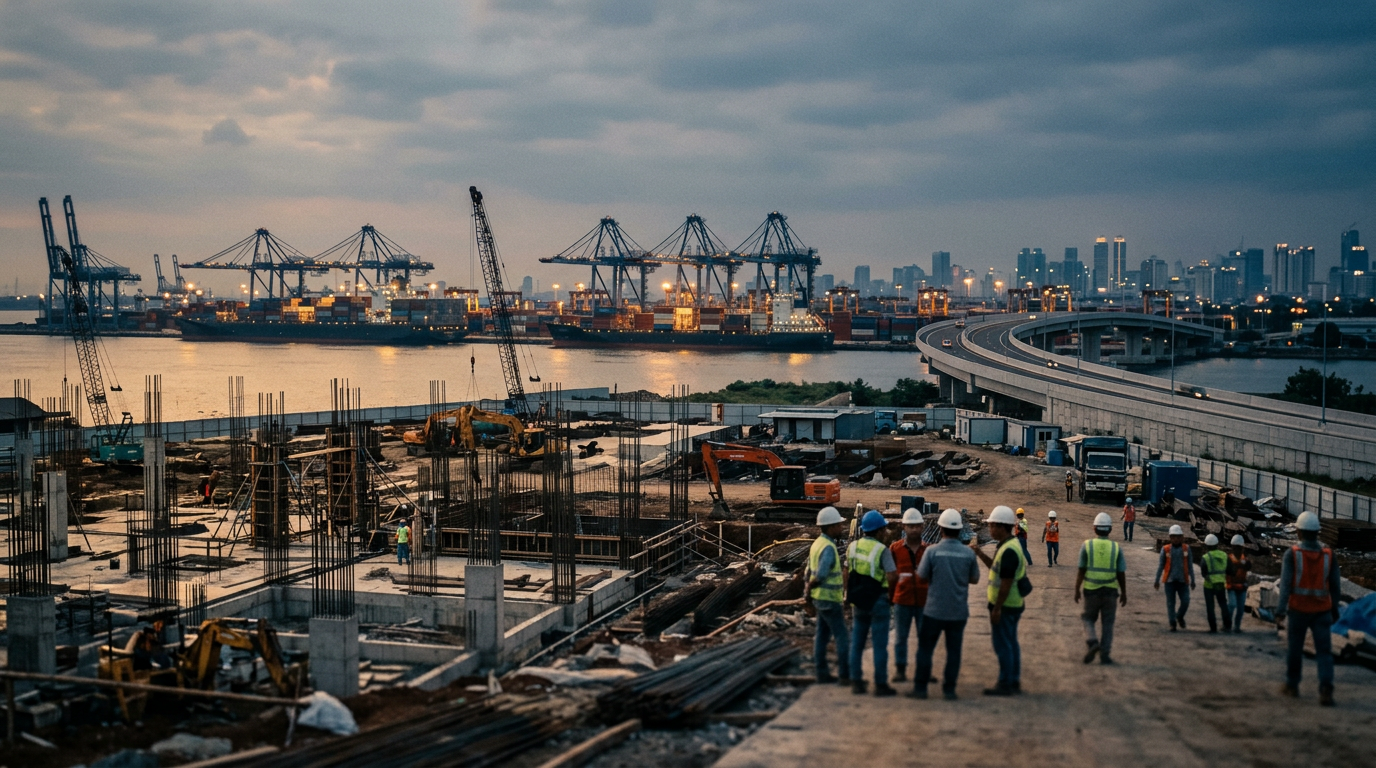
Foreign Investment: From Announcement to Execution
Foreign direct investment announcements travel quickly, but realised flows depend on the slower work of land, permits, power, and talent.
 Indonesia
Thailand Boosts Cybersecurity Spending in an AI-Driven Threat Environment
Thai organizations are increasing cybersecurity spending to combat AI-driven attacks, a move that highlights the institutional and infrastructural questions surrounding sovereign AI development in the region.
 Indonesia
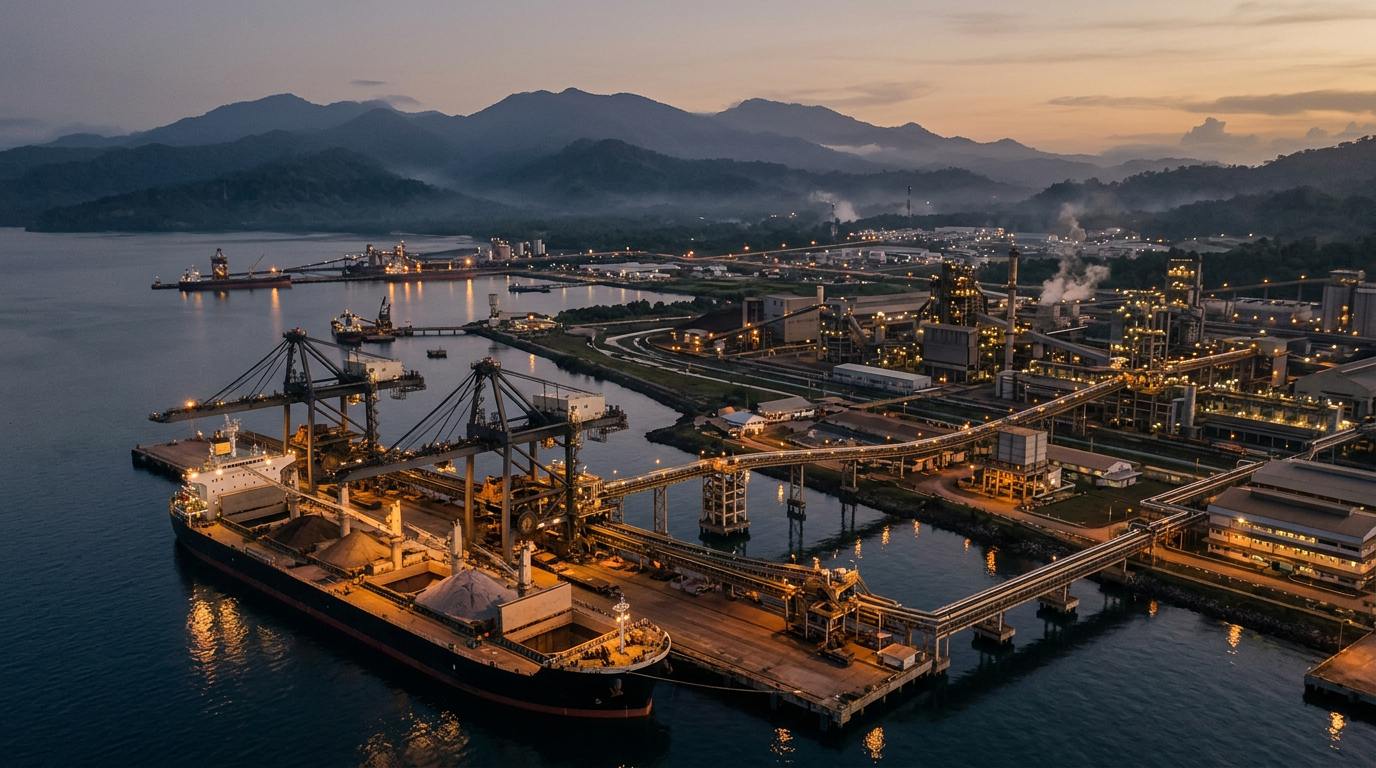
Indonesia, China, and the New Politics of Nickel
Indonesia is leveraging its nickel reserves to build domestic value, a strategy that deeply involves Chinese capital and technology, testing its ability to manage dependency while maximizing national gains.
 Indonesia
Reliability is the New Excitement in ASEAN Infrastructure
The consistent recognition of a Thai power project highlights a deeper trend across ASEAN: the growing competitive advantage of institutional reliability and predictable execution over mere announcements.
 Indonesia
Indonesia's GPU financing highlights the race for sovereign AI infrastructure
A US$3.1 billion loan for GPUs in Indonesia underscores the region-wide push for AI capabilities, but the real test lies in controlling the underlying compute, data, and identity systems that power the digital economy.
 Indonesia
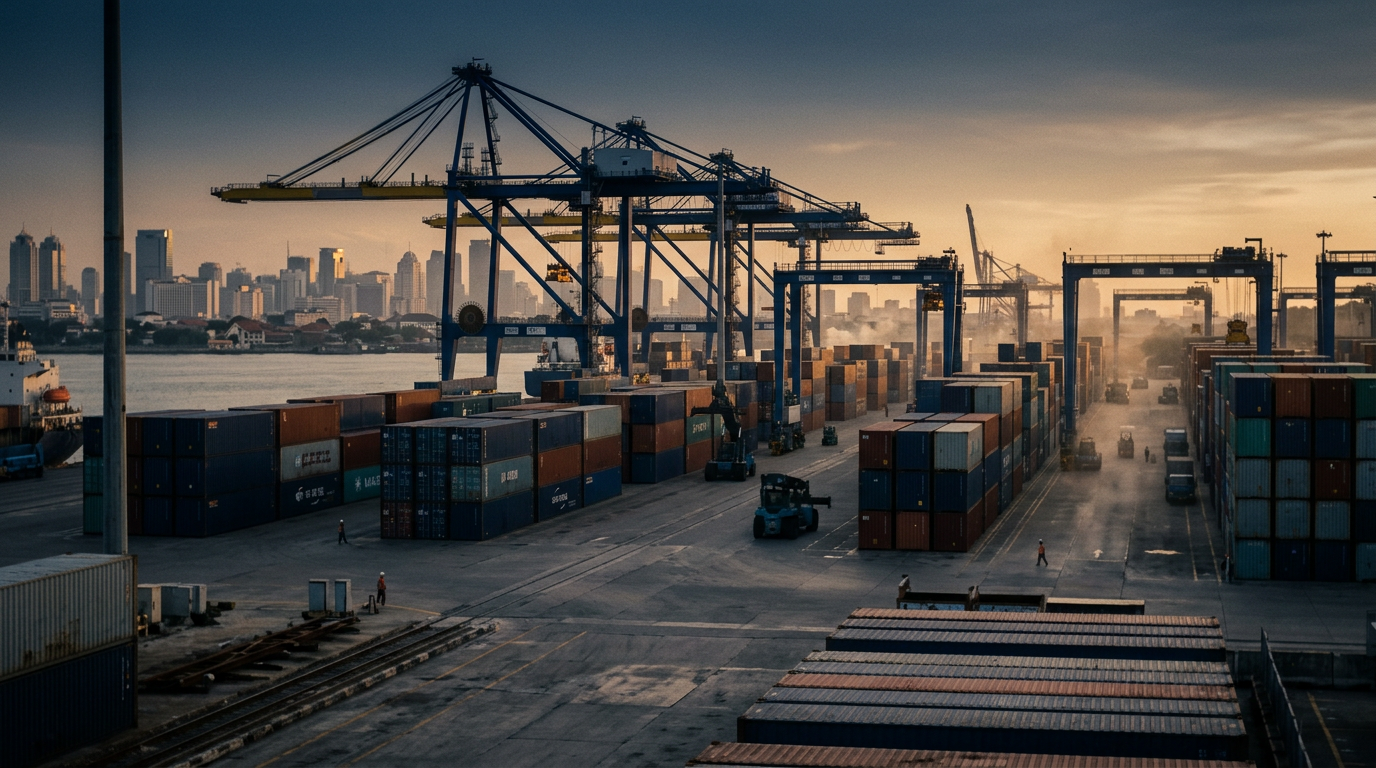
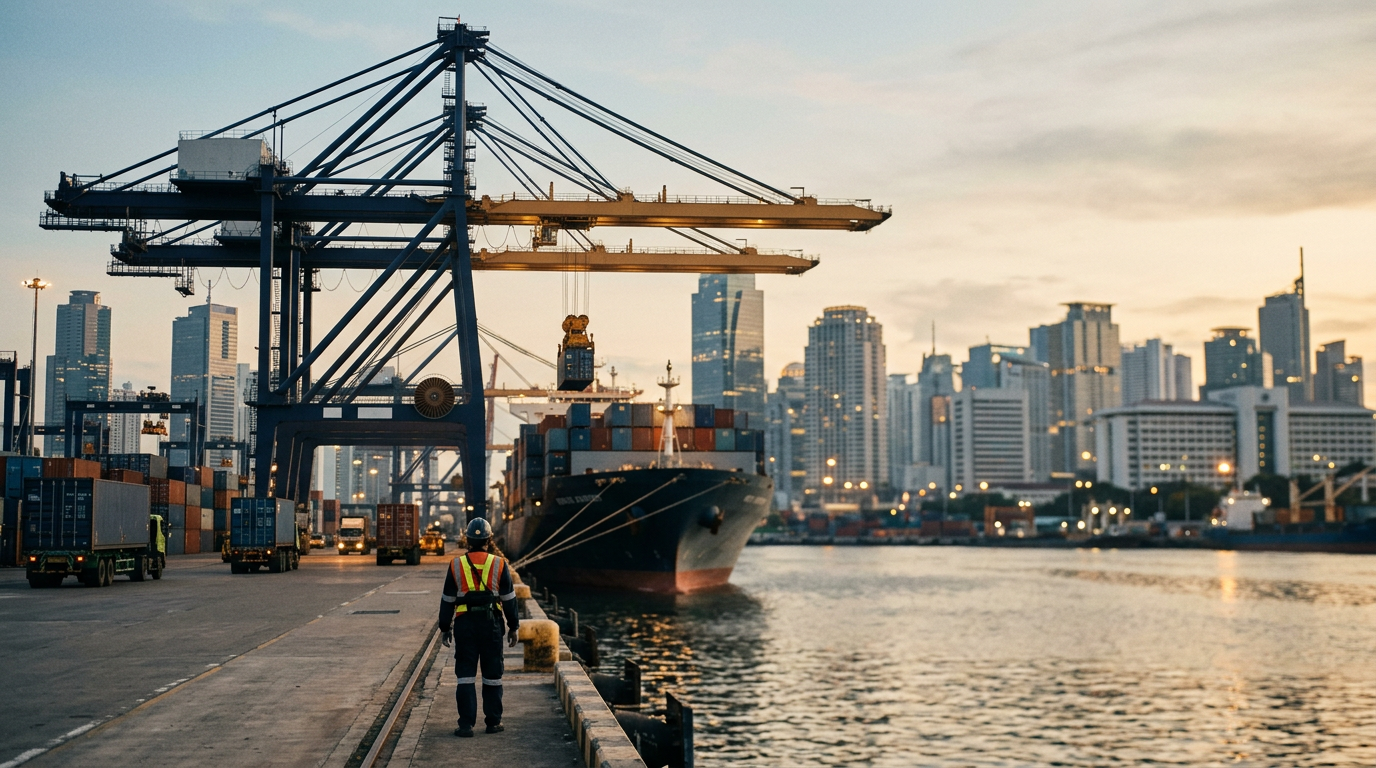
Managing ASEAN's China Trade Dependency
Deteriorating trade data from Germany is a reminder that ASEAN's deep trade relationship with China is a structural reality which requires careful management.
 Indonesia
Indonesia and the FDI Litmus Test
Foreign investment pledges are one thing; realised investment is another. For Indonesia, turning headline FDI wins into real capital flows depends on the hard work of institutional reform.
 Indonesia
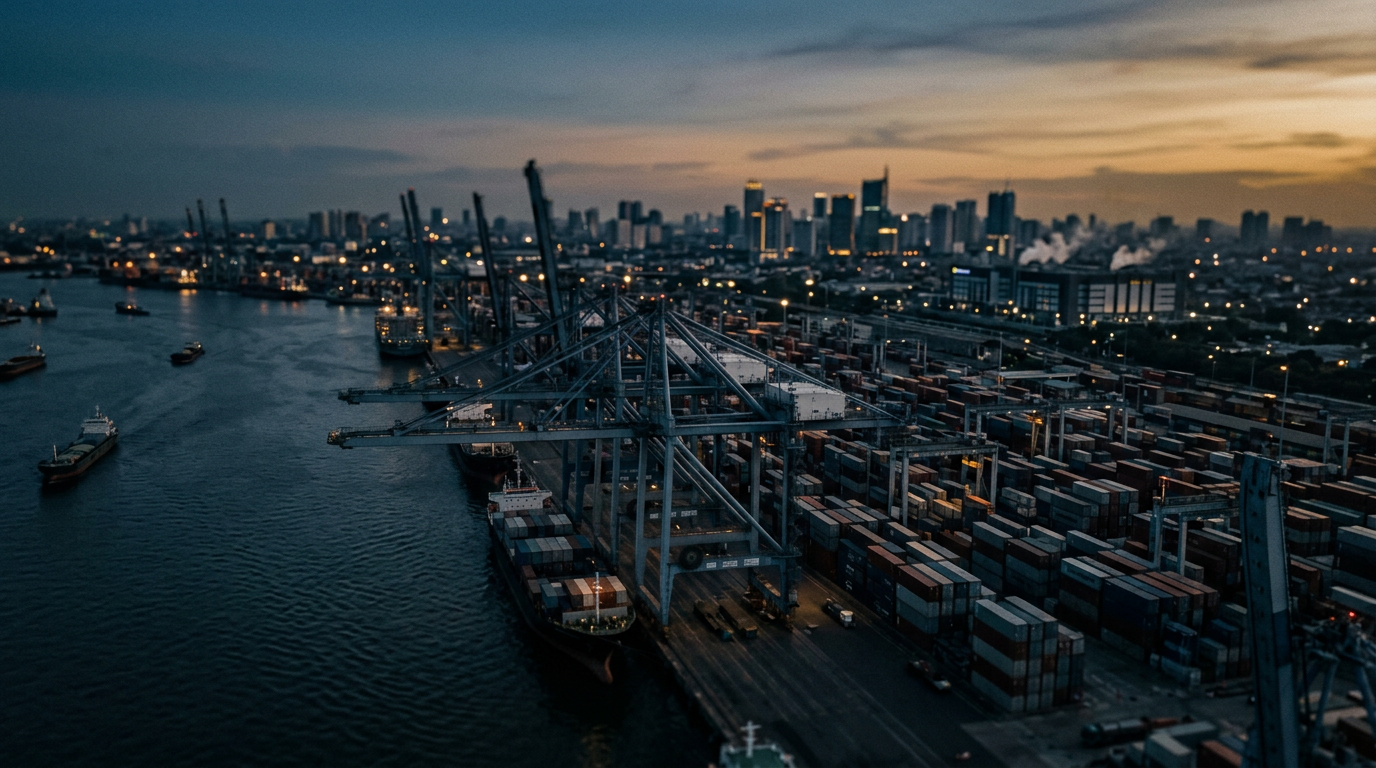
Managing Dependency: Bengkulu, Coffee, and ASEAN Trade Strategy
A single shipment of coffee from Bengkulu to Italy highlights a broader ASEAN strategy: diversifying trade to manage economic dependency, particularly on China, by cultivating new global markets.
 Indonesia
Philippines-Japan Trade Talks and ASEAN's China Dependency
The Philippines is seeking zero tariffs on banana exports to Japan, a move that reflects a broader ASEAN strategy to diversify trade relationships and manage economic dependency on China, as detailed in "ASEAN Rising".
 Indonesia
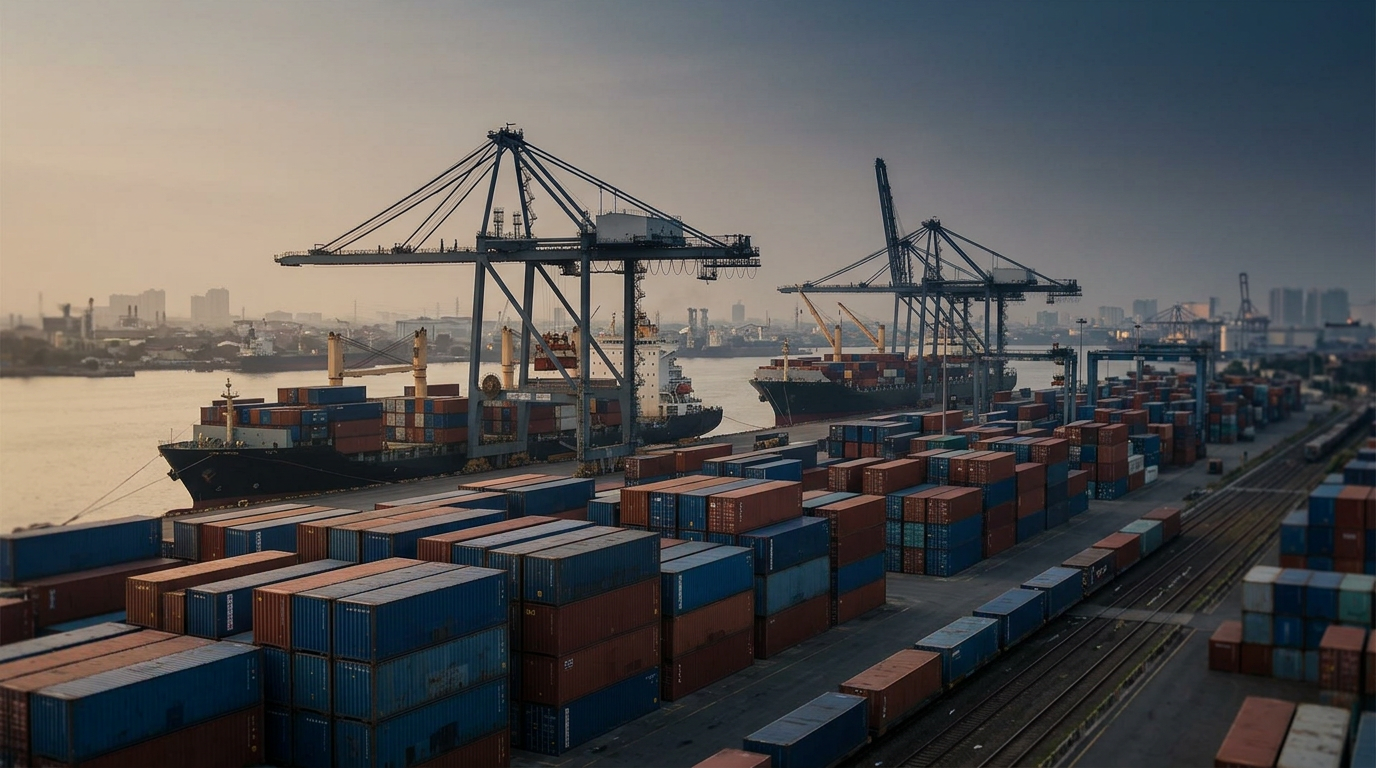
Indonesia's Airports and the Quiet Work of Institutions
The recent reopening of Indonesia's airports after a volcanic ash crisis highlights the importance of institutional reliability for the country's economic ambitions.
 Indonesia
Indonesia's Commodity Exchange and the Question of China
Indonesia plans to establish a new commodity exchange, Icomex, to become a price maker. The initiative reflects a broader ASEAN trend of building institutional capacity to manage deep trade ties with China.
 Indonesia
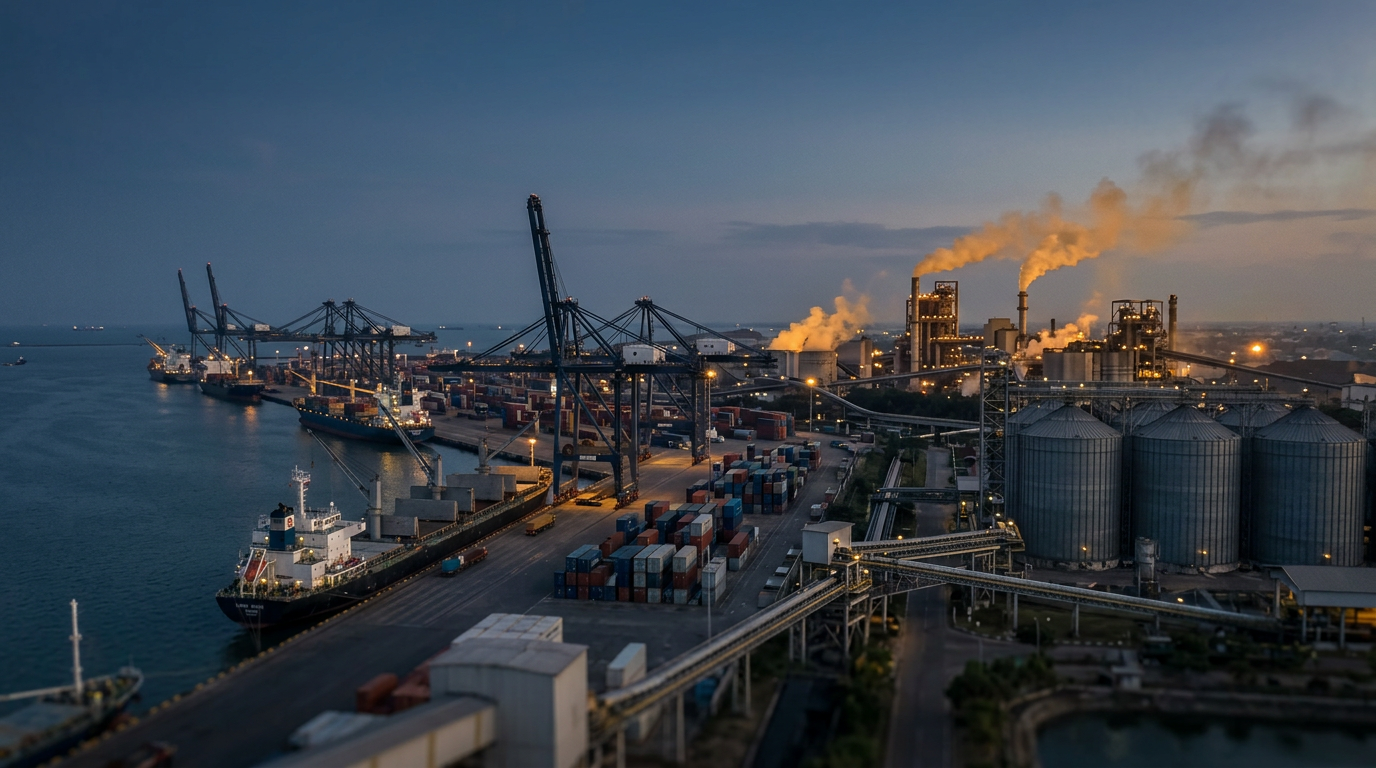
Sovereign AI in ASEAN: Beyond the Model
Sovereign AI in ASEAN will be tested not by model launches but by who controls the compute, the data layer and the digital identity rails that sit underneath everyday economic life.
 Indonesia
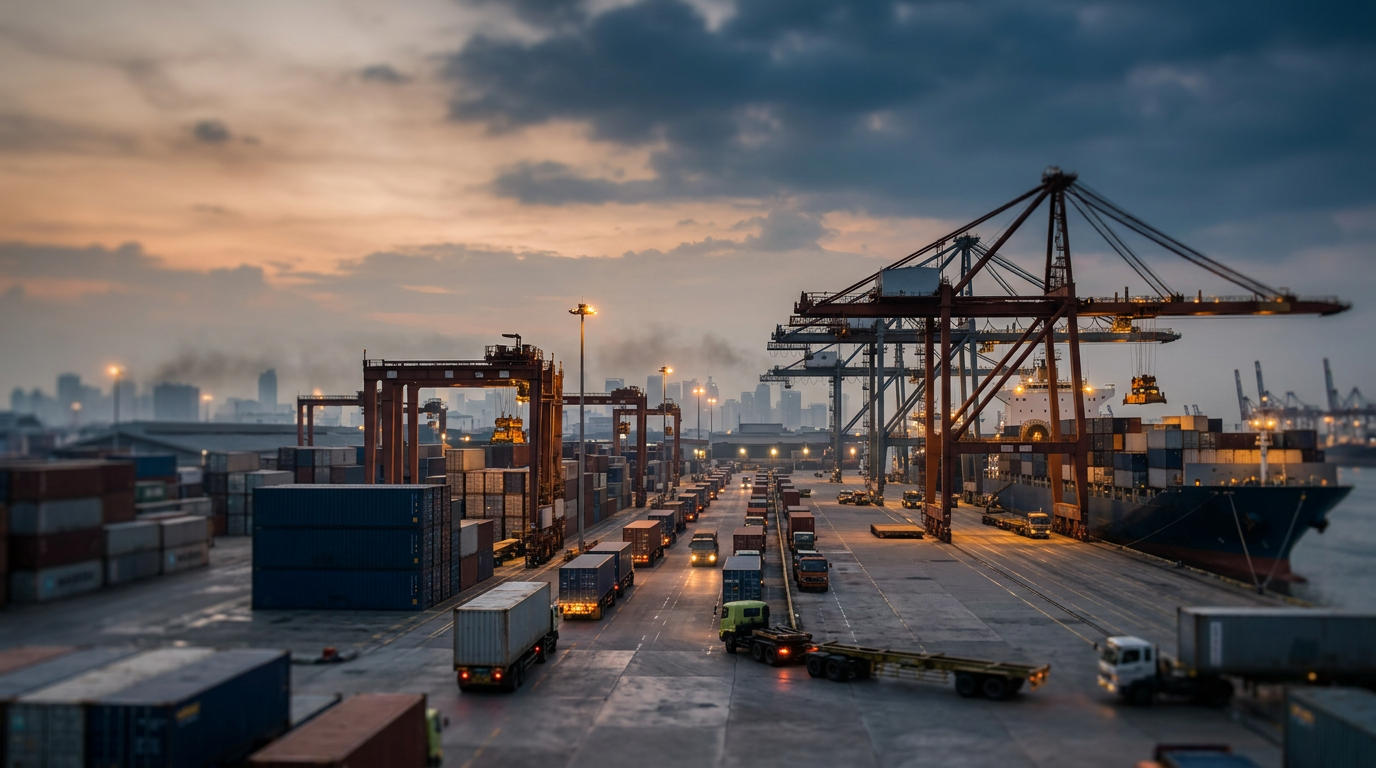
Indonesia's Commodity Strategy and the China Question
Indonesia wants to set its own prices for key commodities. This tests its ability to manage dependency on China while building its own institutions.
 Indonesia
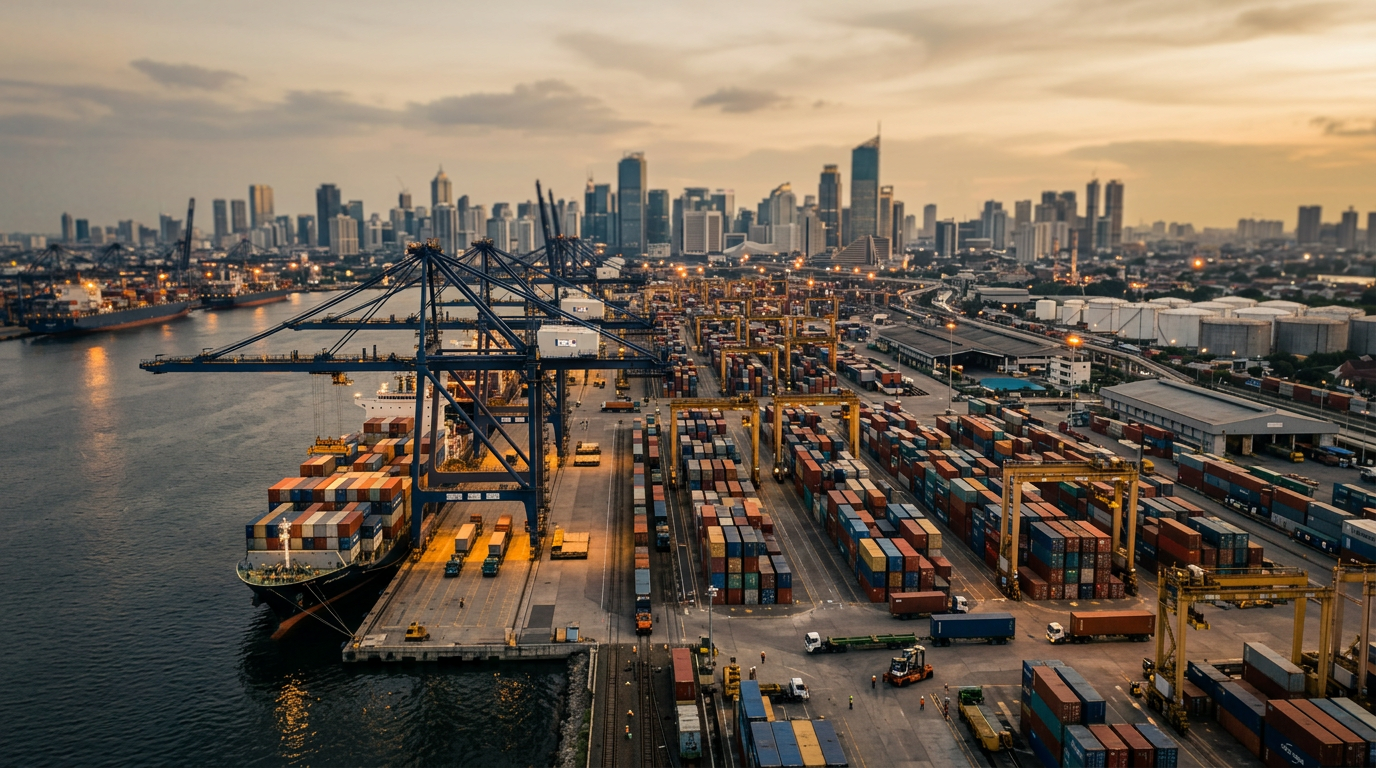
Indonesia, Malaysia, and the Politics of Export Controls
Trade policy in Southeast Asia is shifting from pure export promotion to a more managed, nationalist stance, especially in the commodity sector. This reflects a broader re-evaluation of how ASEAN nations engage with global markets and manage their natural resources for domestic.
 Indonesia
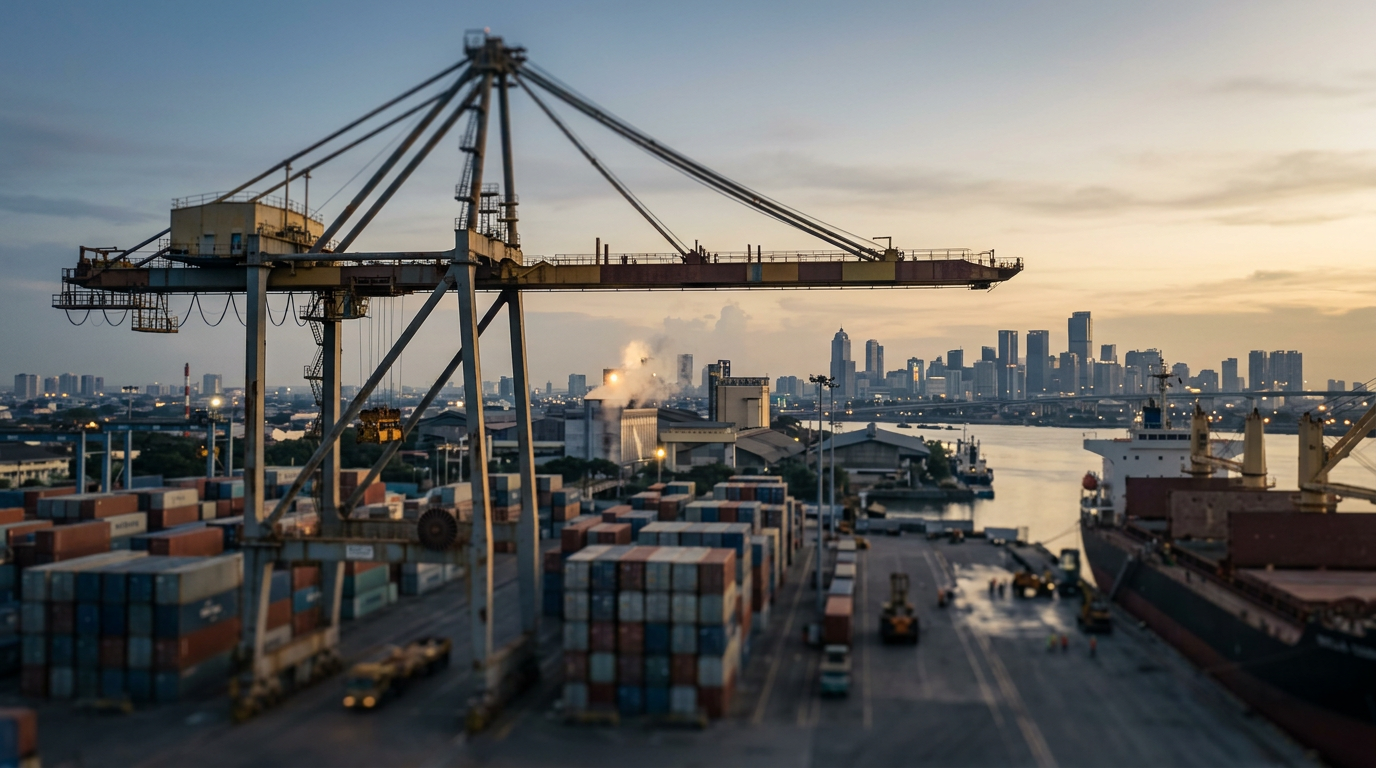
From FDI Promises to Realised Flows in Indonesia
Indonesia has long been a destination for foreign direct investment announcements. The slower work of turning those announcements into realised flows on the ground is where the real work of economic development happens, as detailed in ASEAN Rising.
 Indonesia
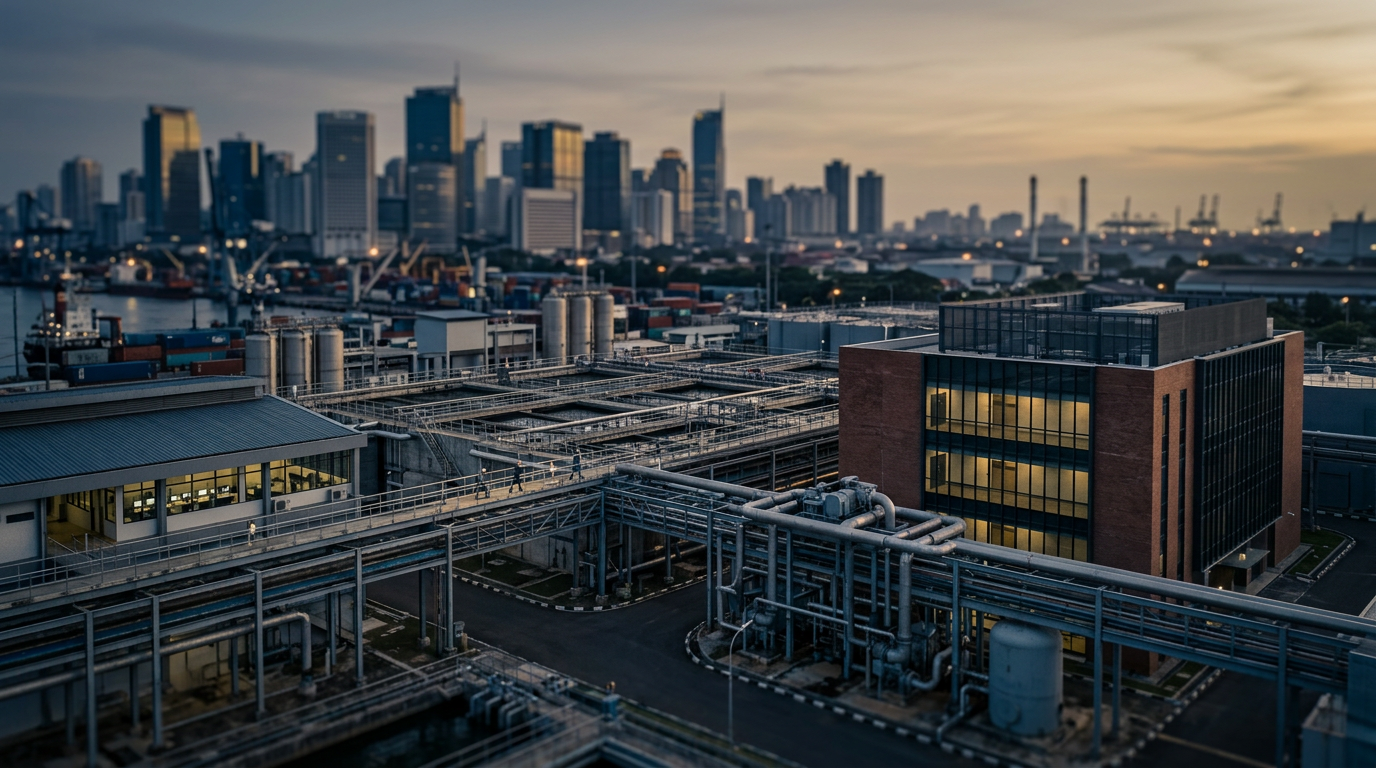
Steel, State Capacity, and ASEAN Integration
A recent meeting at the ASEAN Secretariat is a useful signal for institutional development in the region's steel sector, which is a foundational component of industrial policy and infrastructure development.
 Indonesia
The Quiet Signal of Working Infrastructure
Metro Pacific Water's planned P23 billion investment in the Philippines and Vietnam is a signal of institutional reliability. In Southeast Asia, a usable state is often more valuable than an exciting one.
 Indonesia
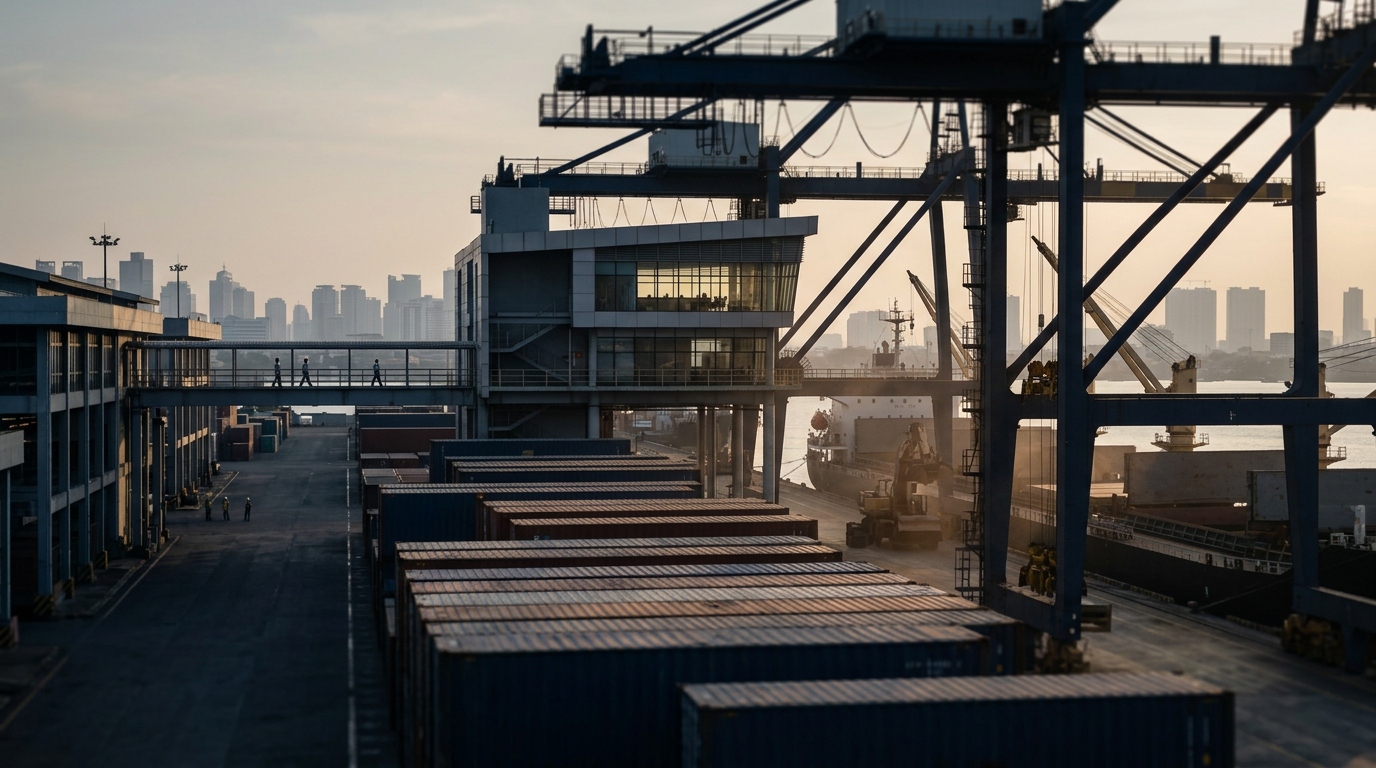
Indonesia's FDI Plateau: Execution Over Announcements
Indonesia's FDI growth held steady in 2025, a slowdown from the prior year. This reflects the long-term challenge of turning investment announcements into tangible projects, a matter of institutional execution.
 Indonesia
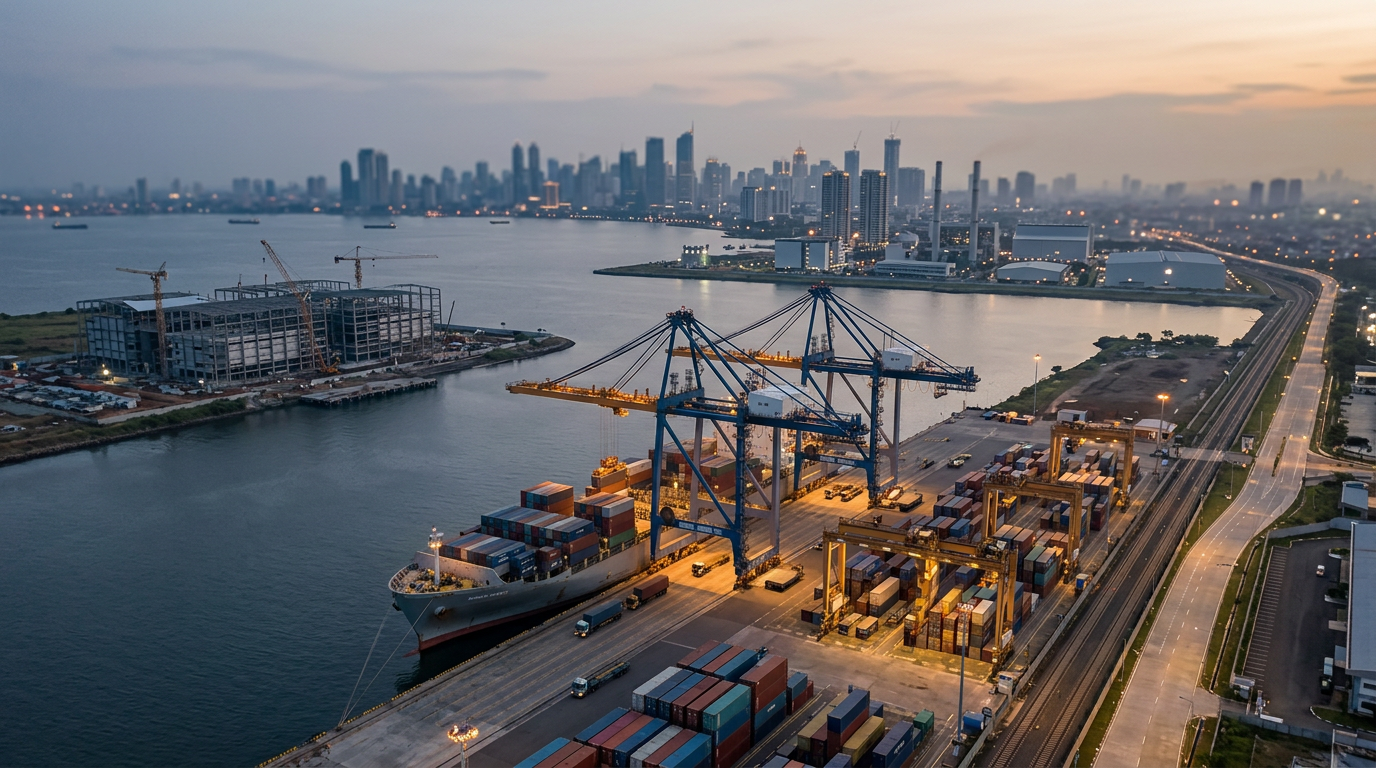
Indonesia's Commodity Trade Monitoring: A New Tool for an Old Problem
Indonesia's new Danantara platform for monitoring commodity exports is a significant step, but it also highlights the delicate balance ASEAN nations must strike in managing their deep trade relationships, particularly with China.
 Indonesia
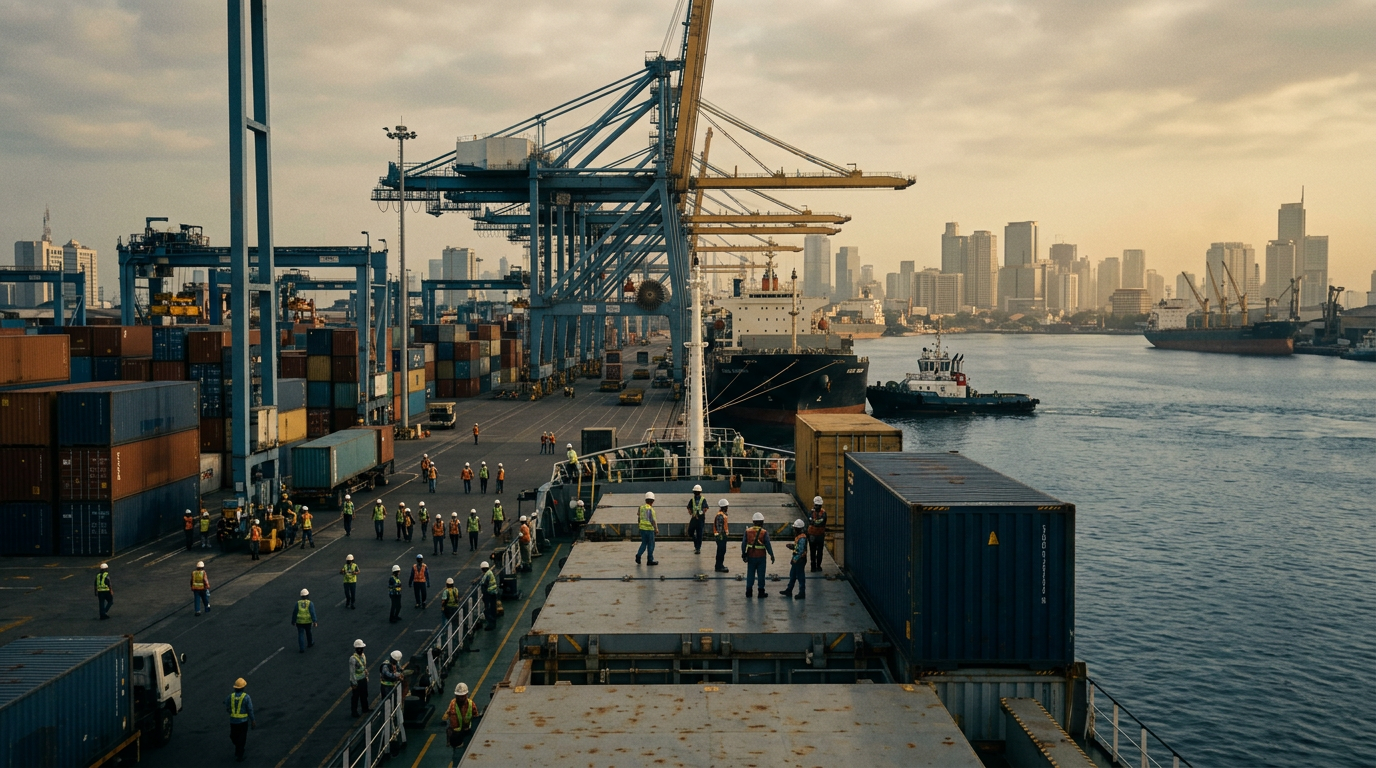
From FDI Pledges to Realised Projects in Indonesia
Indonesia has secured high-profile FDI commitments for industrial development and energy transition. The slow work of turning these announcements into productive assets depends on institutional capacity to deliver land, permits, power, and talent.
 Indonesia
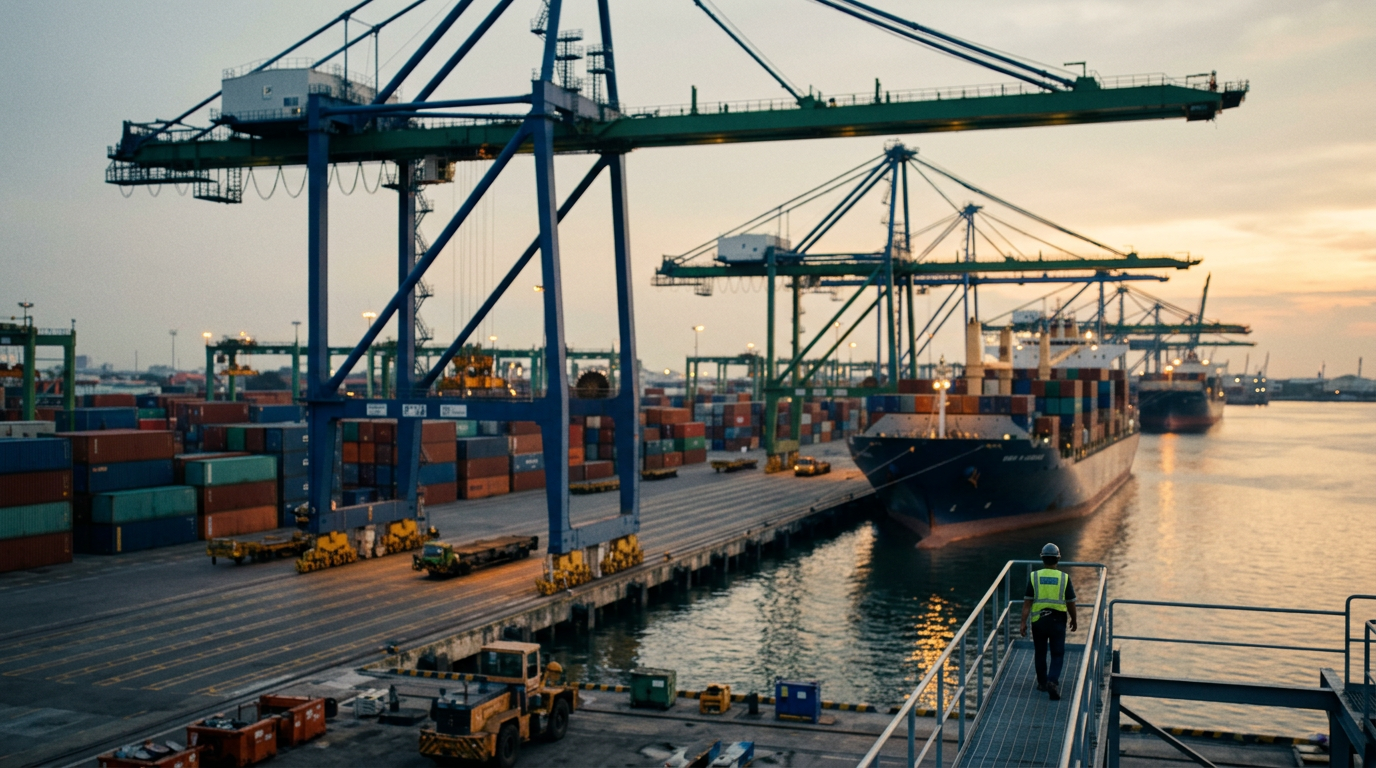
ASEAN Labor Ministers Confront a Changed China Trade Landscape
The recent ASEAN Labour Ministers Meeting in Bangkok provides a useful frame to assess the bloc's labor market policies in light of China's structural economic slowdown. What worked for the last two decades may not work for the next.
 Indonesia
Indonesia, Morocco, and the Search for New Markets
Indonesia's export promotion in Morocco reflects a wider ASEAN search for new markets beyond established partners. This is not about replacing China, but about building resilience and managing dependency through strategic diversification.
 Indonesia
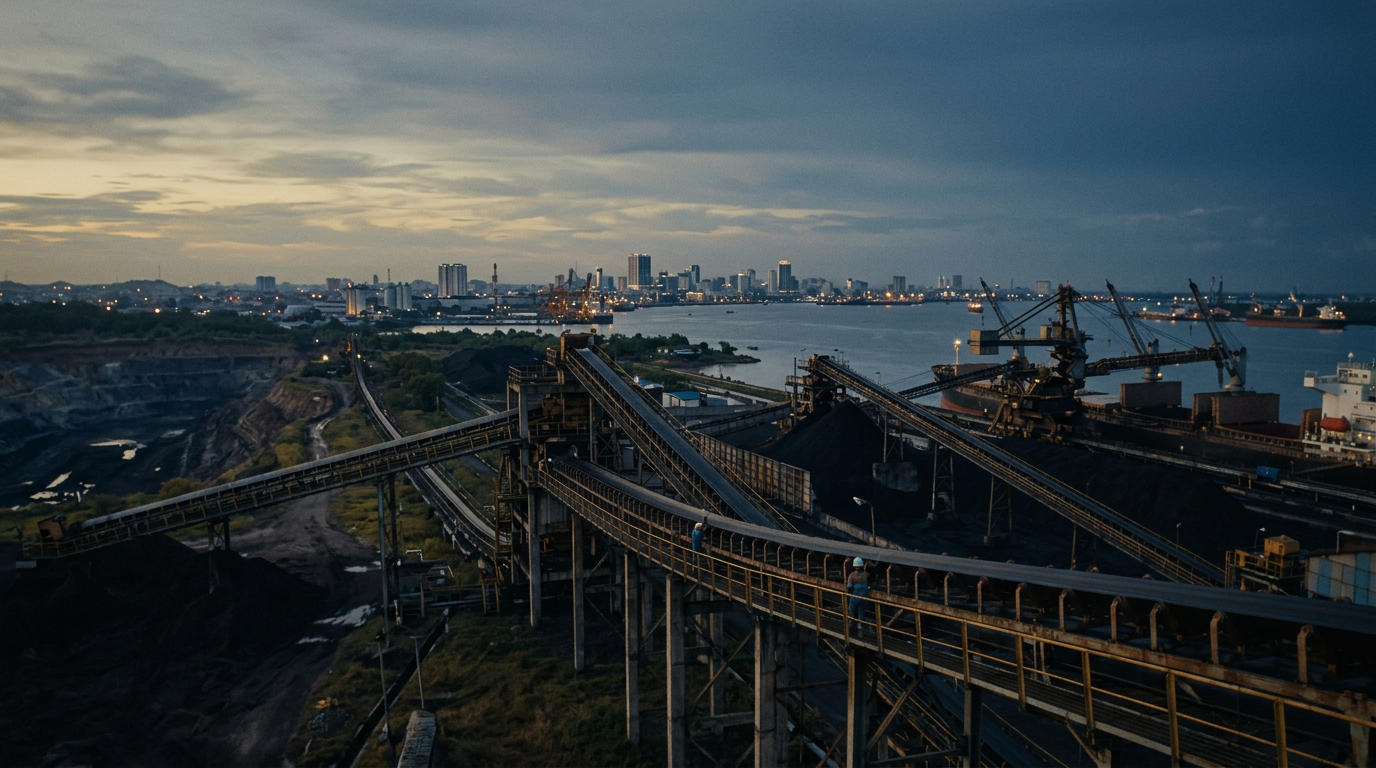
Indonesia's Coal Sector at a Crossroads
A potential change in ownership at a major Indonesian coal producer highlights the institutional and infrastructure challenges that will shape the country's economic future.
 Indonesia
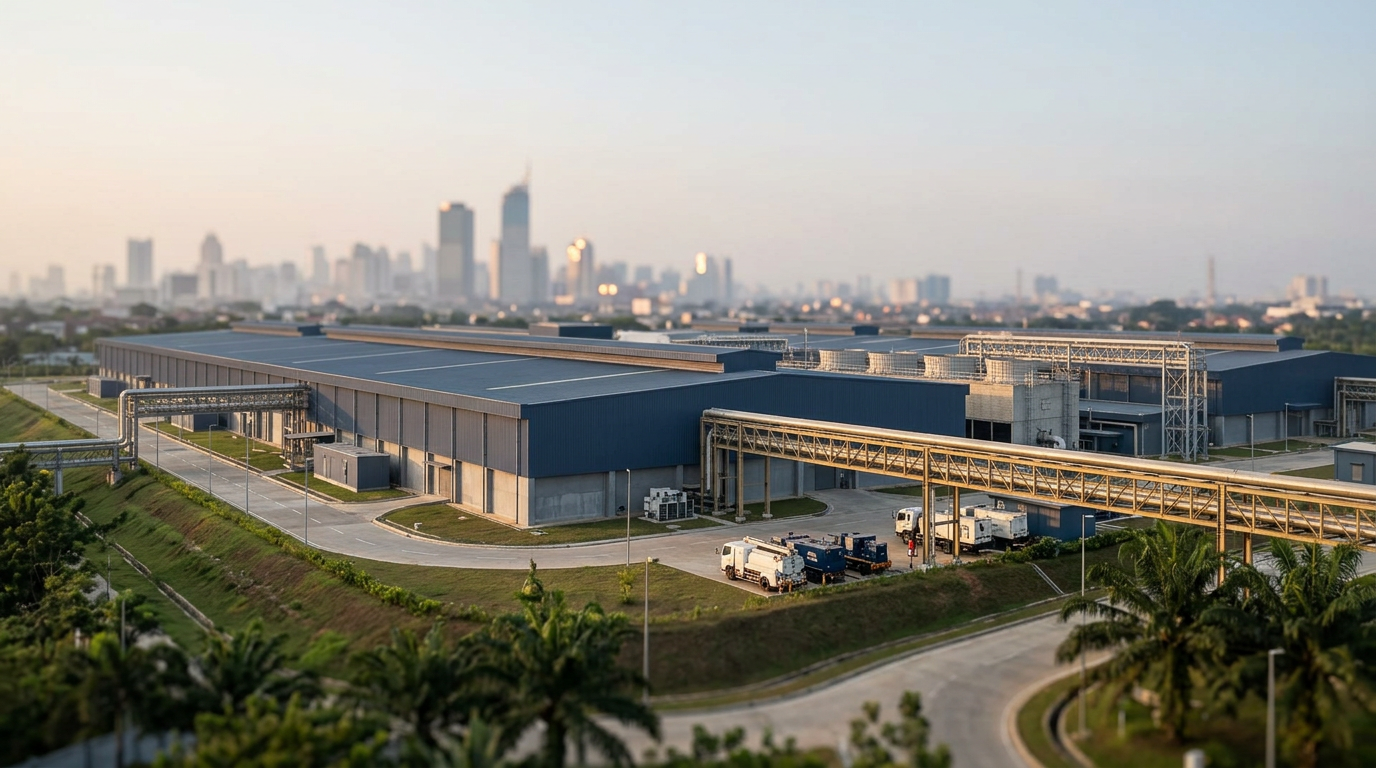
Indonesia's Salim Group Takes Full Control of Data Center Venture, Formerly IndoKeppel
Salim Group has acquired Keppel's entire share in their joint data center venture in Indonesia, rebranding it as IndoData. This move highlights the growing competition and capital investment in Southeast Asia's digital infrastructure, particularly in emerging hubs like Indonesia.
 Indonesia
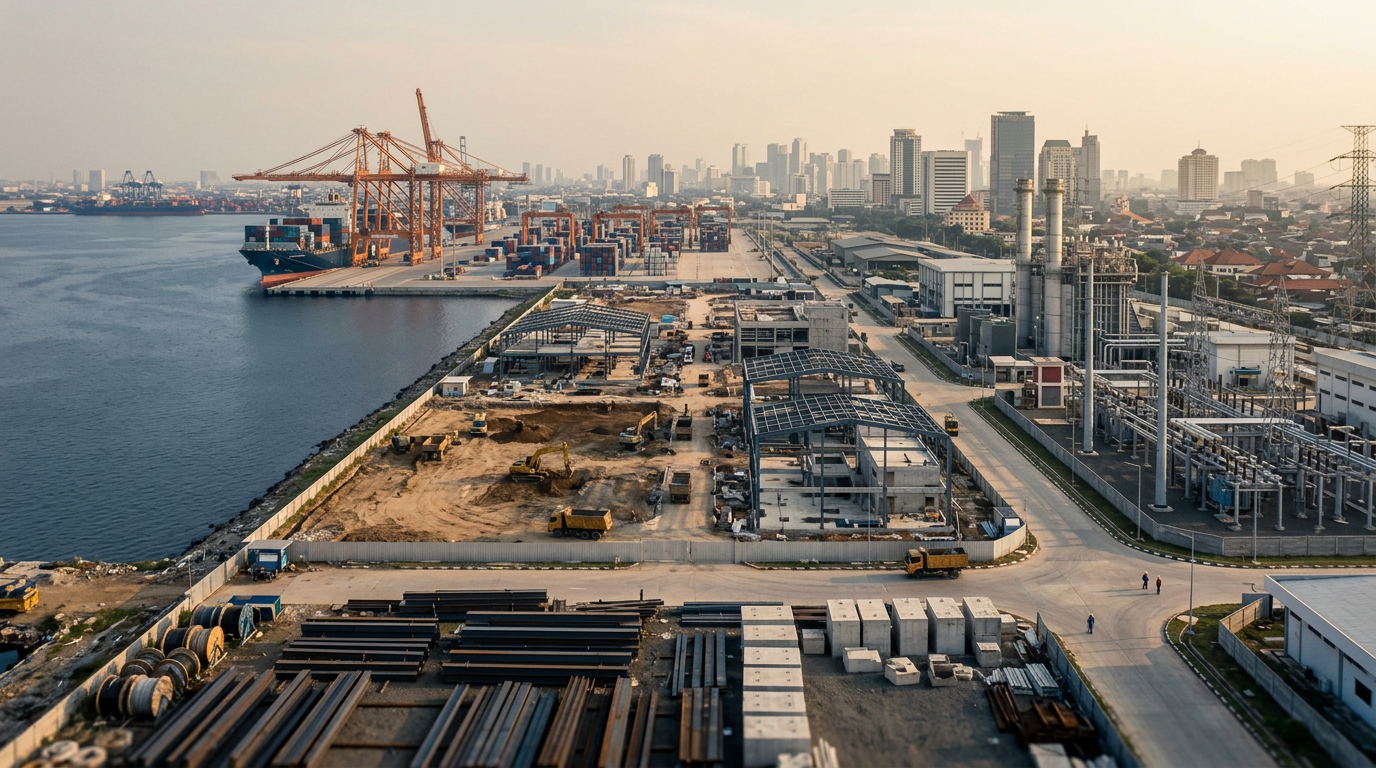
Indonesia: From FDI Pledges to Project Realities
Indonesia has secured high-profile FDI pledges, yet the real test lies in converting these announcements into tangible projects. The journey from headline numbers to operational assets is a complex process of managing land, permits, power, and talent.
 Indonesia
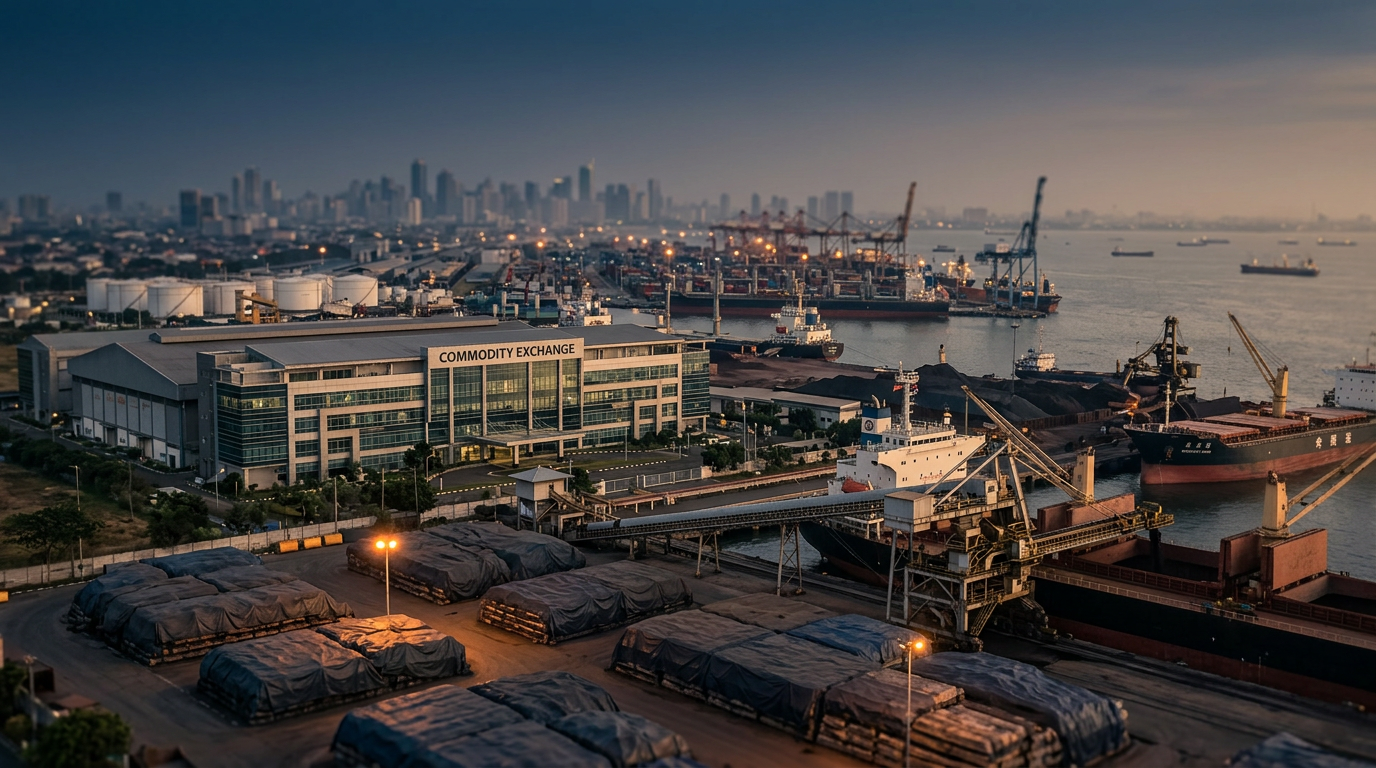
Indonesia's Commodity Exchange and the Challenge of Managed Dependency
Jakarta's plan for a new commodity exchange for strategic minerals is a national initiative, but it raises regional questions about how to manage deepening trade links with China.
 Indonesia
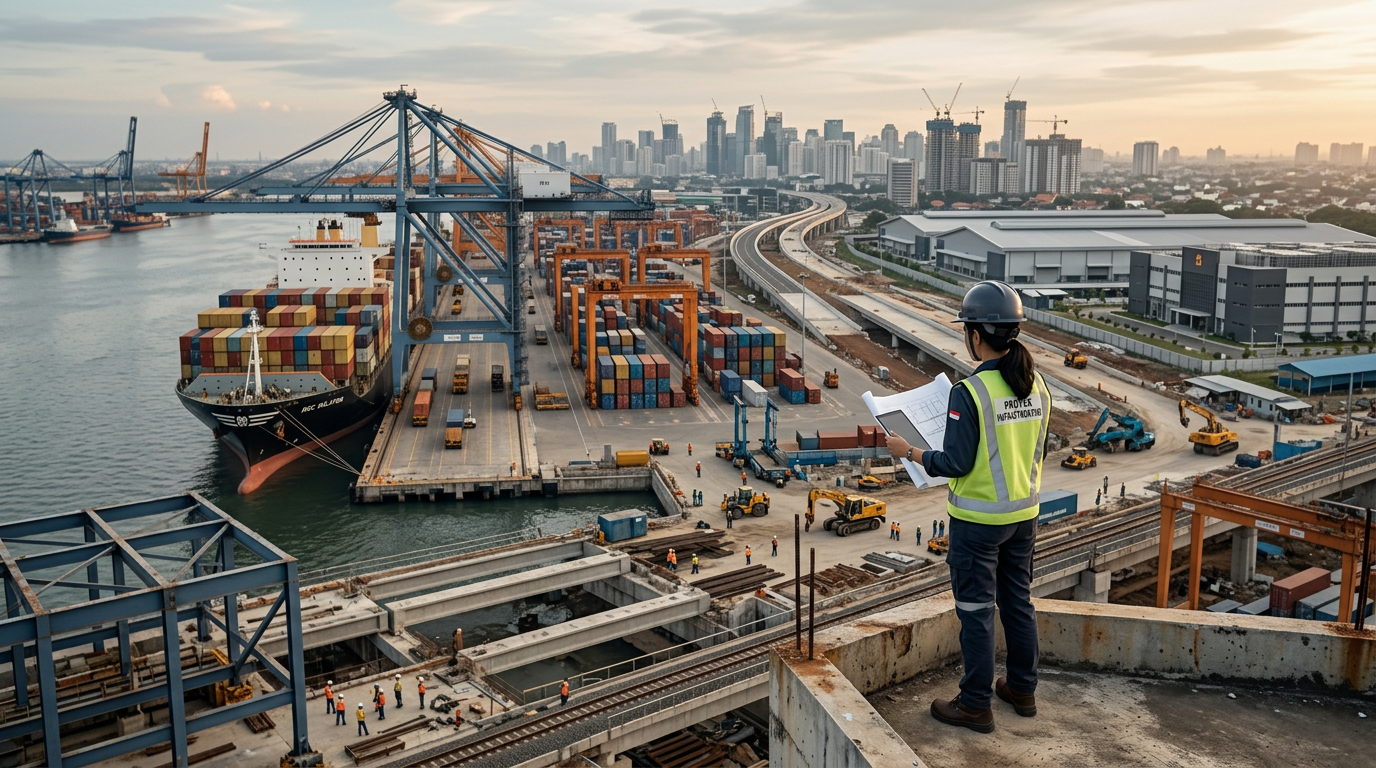
The Hard Work of Turning FDI Pledges into Reality
Foreign direct investment announcements are easy. The real test is the slower work of building the infrastructure and institutions needed to absorb that capital.
 Indonesia
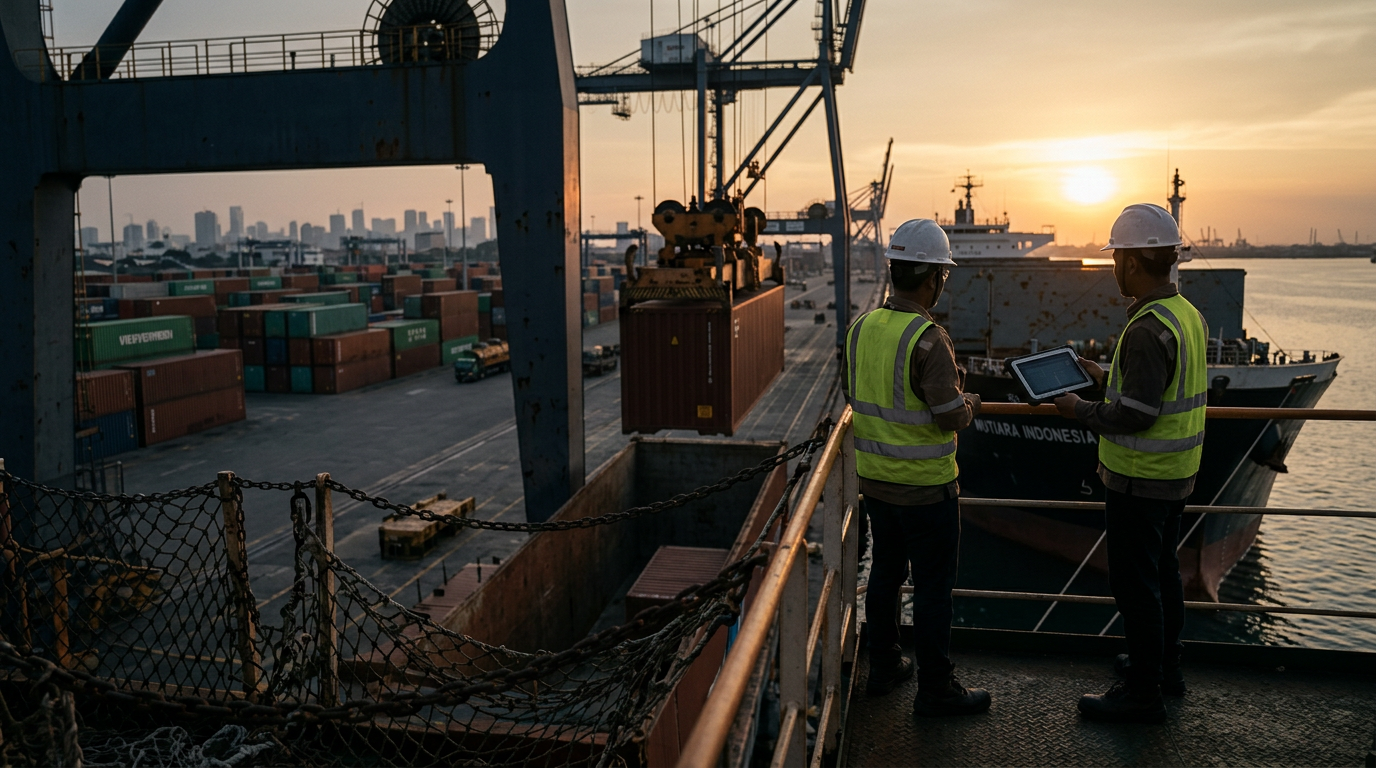
Indonesia's Danantara: A Test of Institutional Capacity
The launch of PT Danantara Sumber Daya Indonesia (DSI) to track commodity exports is a case study in institution-building. Its success will depend on a clear mandate and the capacity to execute.
 Indonesia
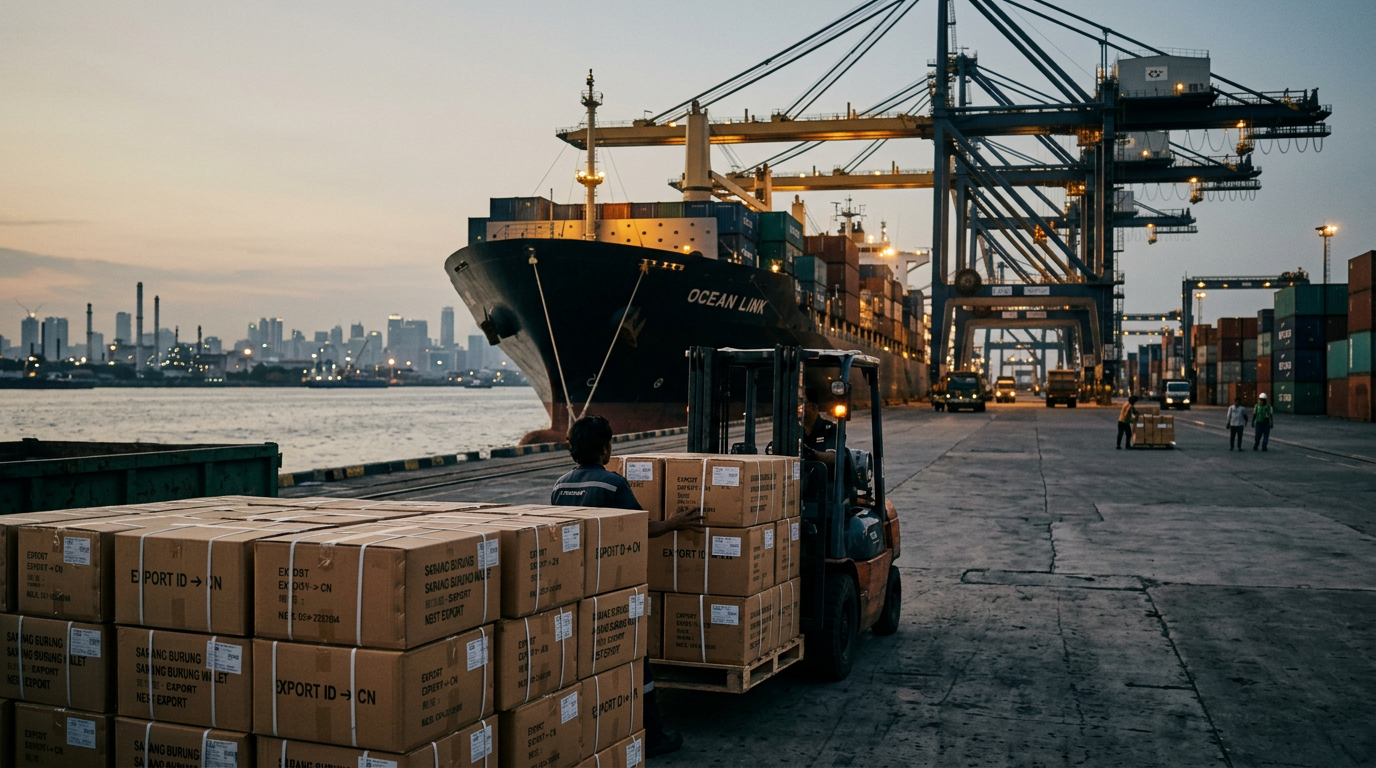
Indonesia's Edible Bird's Nests Illustrate Deep China Trade
Indonesia's booming edible bird's nest exports to China are a case study in the managed dependency that defines the region's trade relationship with its largest partner.
Indonesia intelligence
All trackers →Investment & FDI signals
Full fdi tracker →- fdi· Indonesia· 25 September 2026Singapore-born billionaire Low Tuck Kwong's Indonesian coal miner lifts force majeure after quota revision approval, 30% stake sale
Indonesia-based PT Bayan Resources has lifted its force majeure. This follows the approval of mining quota revisions for its subsidiaries and its billionaire founder agreeing to sell a 30% stake in the company.
- fdi· Indonesia· 23 September 2026ASEAN Co-Chair’s Press Statement of the Association of Southeast Asian Nations-Cooperation Council for the Arab States of the Gulf Foreign Ministers’ Meeting
ASEAN and the Cooperation Council for the Arab States of the Gulf (GCC) Foreign Ministers held a meeting on September 23, 2026, in New York, on the sidelines of the 81st UN General Assembly High-Level Week.
AI policy & adoption
Full ai tracker →- ai· Indonesia· 24 September 2026Smart launches AI workspace
Mobile services provider Smart Communications Inc. (Smart) has launched a "one-stop AI workspace" to make powerful artificial intelligence (AI) more accessible to Filipinos.
Trade & supply chain signals
Full trade tracker →- trade· Indonesia· 27 September 2026Barantin export clinic helps Palu MSMEs navigate export markets
An export clinic run by Barantin (presumably a government agency or similar) is assisting Micro, Small, and Medium Enterprises (MSMEs) in Palu to understand and access export markets.
- trade· Indonesia· 24 September 2026Shrimp exports rise to $3.3B in 8 months
Vietnam's shrimp exports reached US$3.3 billion in the first eight months, up 12% year-on-year, driven by the Chinese market.
- trade· Indonesia· 23 September 2026Indonesia to Fully Implement Single-Door Export System by Year-End
Indonesia plans to fully implement a single-door export system by December, which will cover key commodities such as coal, palm oil, and ferroalloys.
- trade· Indonesia· 23 September 2026Indonesia calls for stronger RCEP cooperation, utilization
Indonesia, through its Deputy Trade Minister, called for stronger cooperation and better utilization of the Regional Comprehensive Economic Partnership (RCEP) at a ministerial meeting.
Infrastructure signals
Full infrastructure tracker →- infrastructure· Indonesia· 25 September 2026FIFA ASEAN Cup 2026™ Opens, Marking a New Milestone in ASEAN–FIFA Cooperation
The inaugural FIFA ASEAN Cup 2026™ opened at Gelora Bung Karno Stadium in Jakarta, Indonesia, on September 25, 2026, marking a new milestone in ASEAN-FIFA cooperation.
- infrastructure· Indonesia· 23 September 2026Small correction after recent highs, but COE premiums remain elevated
COE premiums in Singapore remain high, with no dips expected in 2026. The Land Transport Authority is considering increased differentiation of car categories, impacting vehicle ownership infrastructure.
Other signals
- data centre· Indonesia· 24 September 2026S’pore’s BDx launches DC project in Java
Singapore-based BDx Data Centres commenced construction on a 640 MW AI data centre in Jatiluhur, West Java, with the initial phase to deliver 120 MW.
640 MWSource: The Star ↗
Indonesia coverage themes
- Trade & supply chains. Bilateral flows, RCEP, tariff shifts and sector exposure.
- Investment & FDI. Inbound capital, sovereign deals and sector destinations.
- Capital markets. Exchanges, IPO pipeline, debt, currency and portfolio flows.
- Technology. Startups, fintech, AI deployment and platform regulation.
- Binding constraints. Fiscal, structural, institutional and geopolitical limits.
- Boardroom briefings. Bespoke Indonesia briefings for boards and investors.