

Cambodia, business & markets coverage
Capital: Phnom Penh
Garment exports, tourism rebound, and rising FDI from China, Korea and Japan.
 Malaysia
 Singapore
 Indonesia
 Thailand
 Vietnam
 Philippines
 Brunei
 Laos
Laos Myanmar
 Timor-Leste
Execution lens
How Cambodia scores on the six Execution Economics pillars: institutions, capital, infrastructure, talent, technology and trust. Country scorecards are published progressively as research is completed.
Latest from Cambodia
 Cambodia
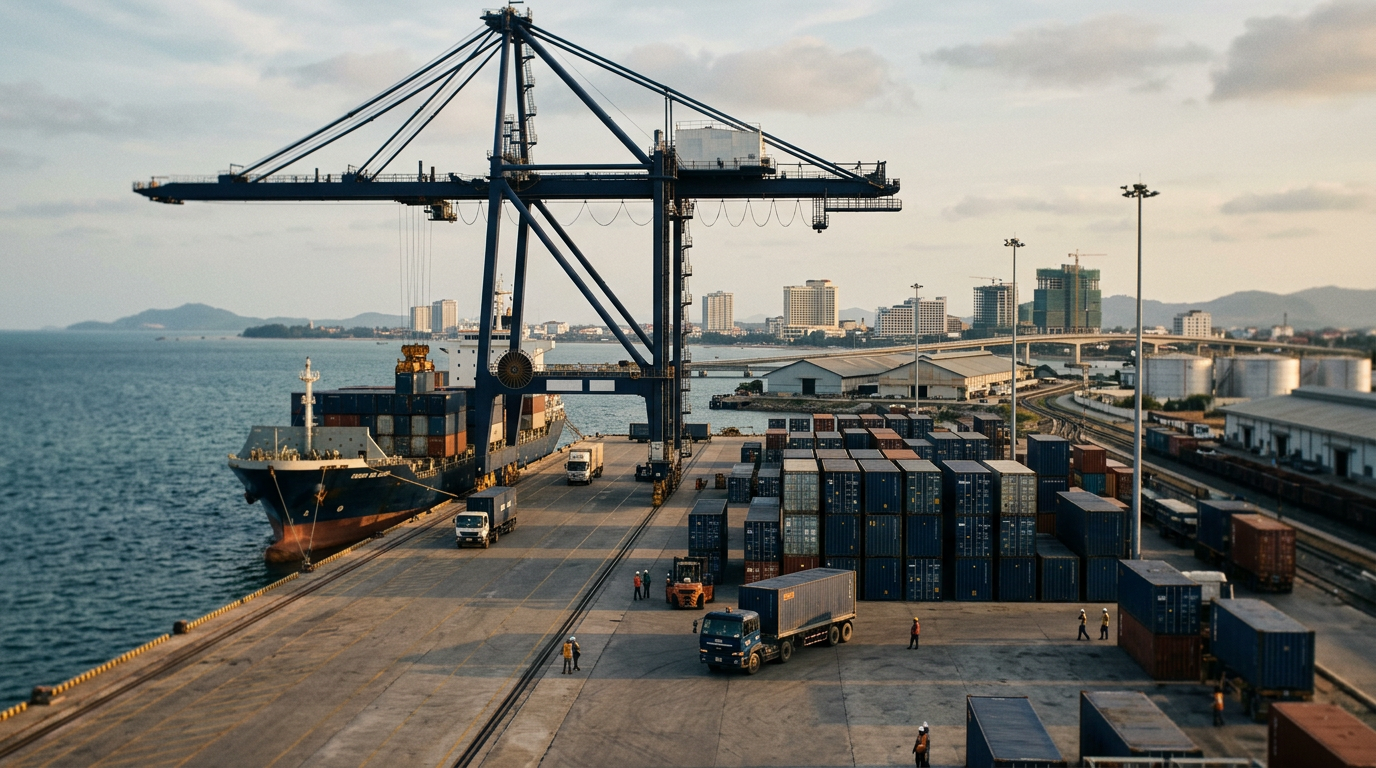
The Value of a Usable State in ASEAN Connectivity
As ASEAN leaders highlight connectivity, the focus must shift from grand announcements to the steady, reliable execution of infrastructure projects. Institutional reliability is the bedrock of regional integration and economic growth.
 Cambodia
The EU, ASEAN, and the Quiet Work of Building Institutions
The EU has a new ambassador to ASEAN, while the bloc's own new Secretary-General settles in. It is a moment to remember that institutions are not merely about high-level declarations, but about the slow, difficult work of building state capacity and reducing the friction that.
 Cambodia
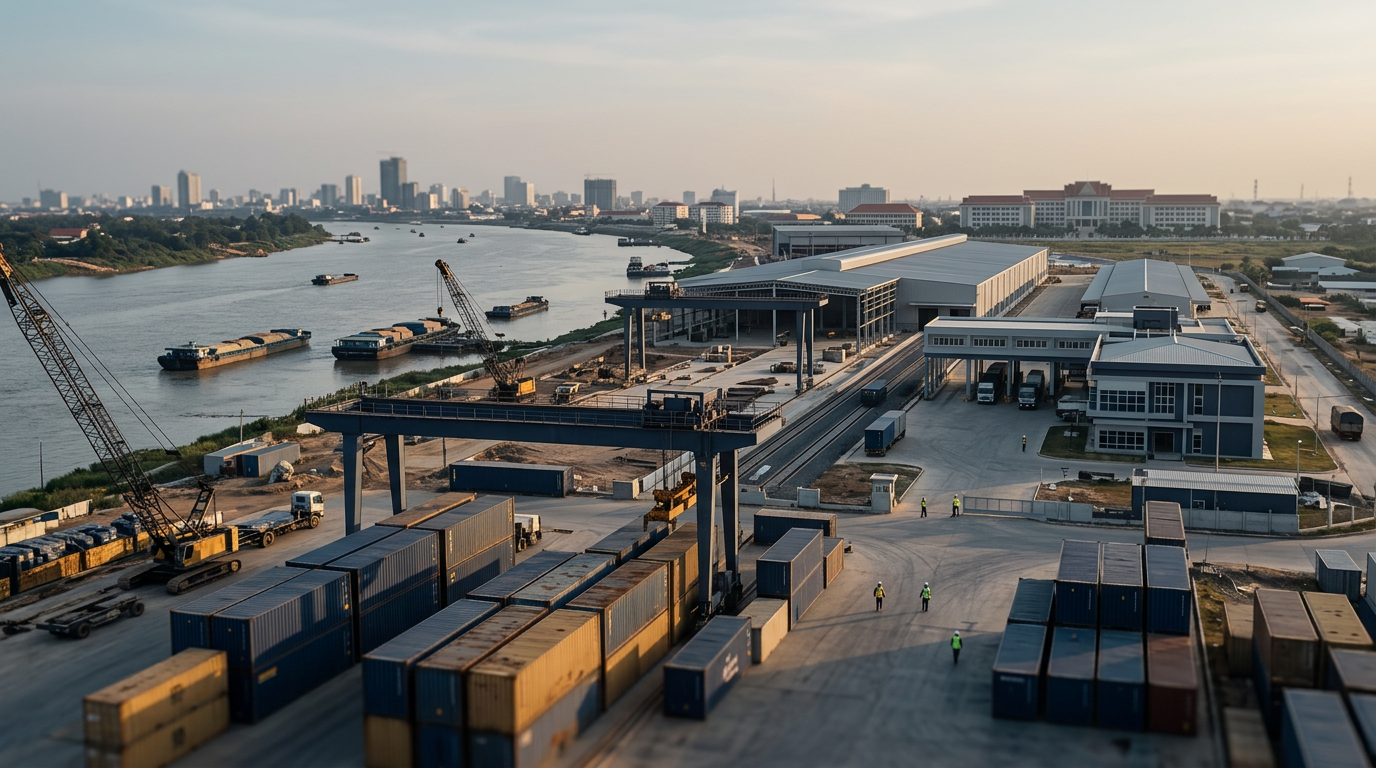
Cambodia's PPLC: A Bet on Infrastructure and Institutions
Cambodia's new Phnom Penh Logistics Complex is a major bet on infrastructure. But as with all large-scale projects in the region, its success will depend on the slower work of institutions and execution.
 Cambodia
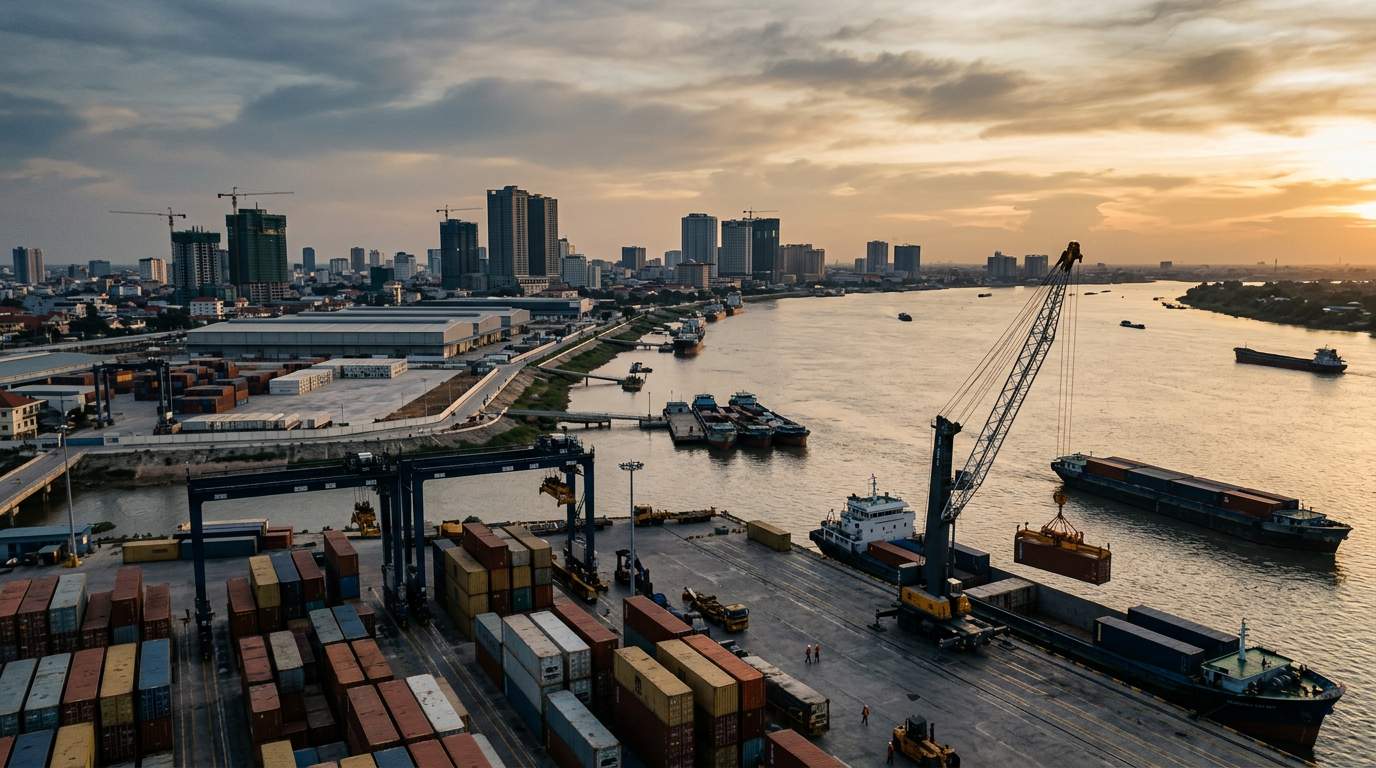
Cambodia's New Logistics Hub and the China Question
Cambodia breaks ground on a new logistics complex, a concrete step in managing its trade relationships and infrastructure development with an eye on its deep ties with China.
 Cambodia
The Durian Test: Infrastructure and State Capacity in ASEAN
The recent surge in durian exports to China, enabled by new rail links, is more than a story about fruit. It is a tangible demonstration of how institutional reliability and infrastructure execution are becoming core to ASEAN's economic integration and competitive advantage.
 Cambodia
Thailands Export Ambitions and the Reliability Test
Thailand's export optimism is a reminder that in the contest for capital, a usable state that delivers infrastructure on time is often more valuable than an exciting one.
 Cambodia
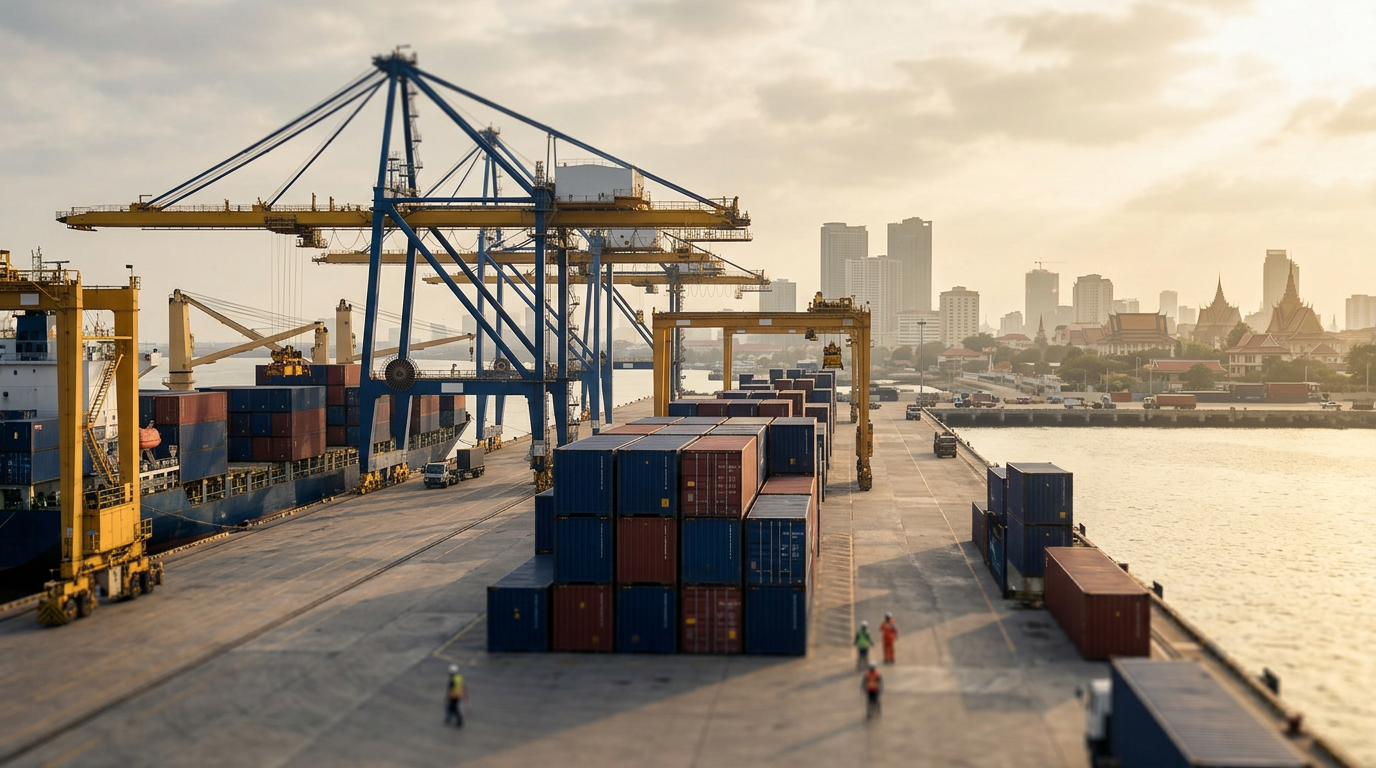
Cambodia's FDI Record: Institutions Matter More Than Announcements
Cambodia's recent FDI figures are impressive, but turning announcements into realised investment requires a deep focus on institutional capacity, a theme central to ASEAN's overall growth story.
 Cambodia
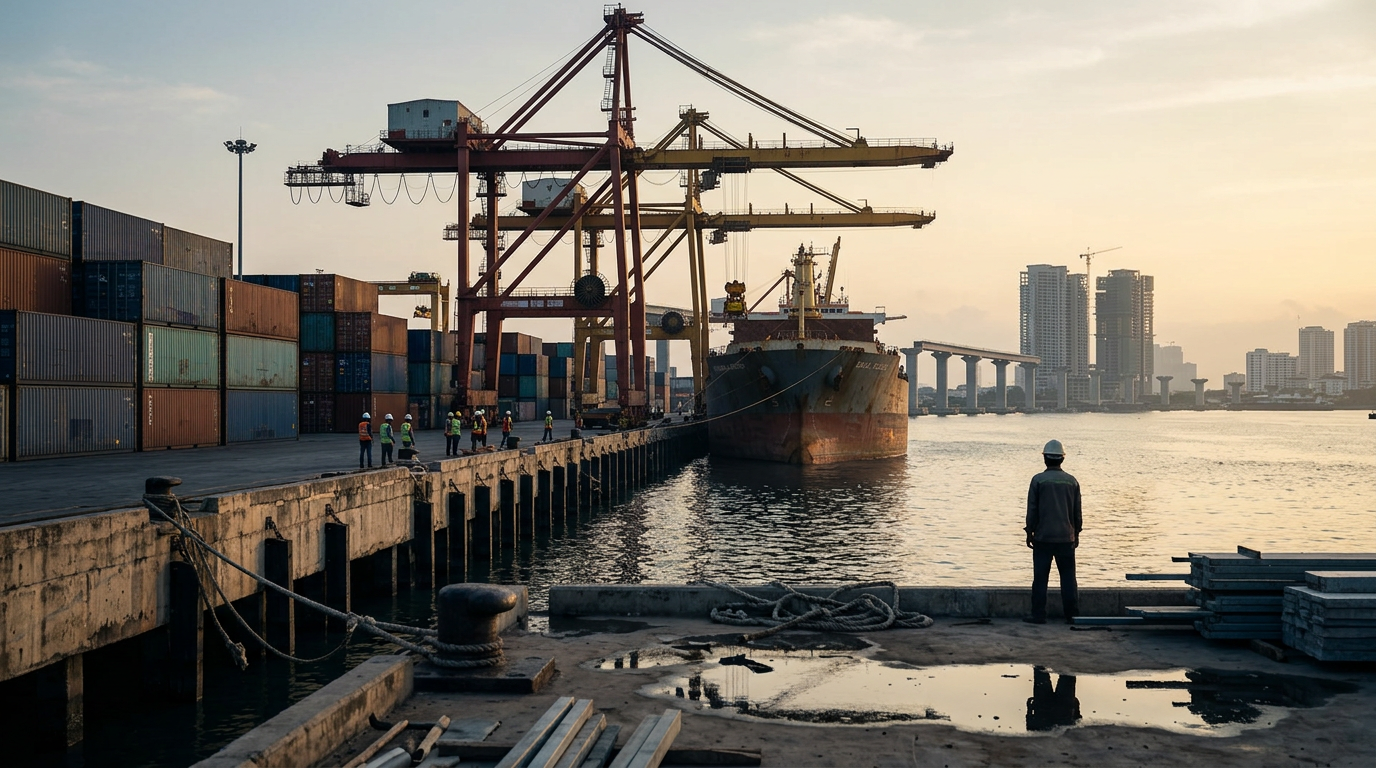
Brazil Looks to ASEAN, But Real Investment Requires More Than Talk
Announcements of foreign direct investment into ASEAN are easy to make. Realised flows depend on the slower, harder work of improving institutions and execution on the ground.
 Cambodia
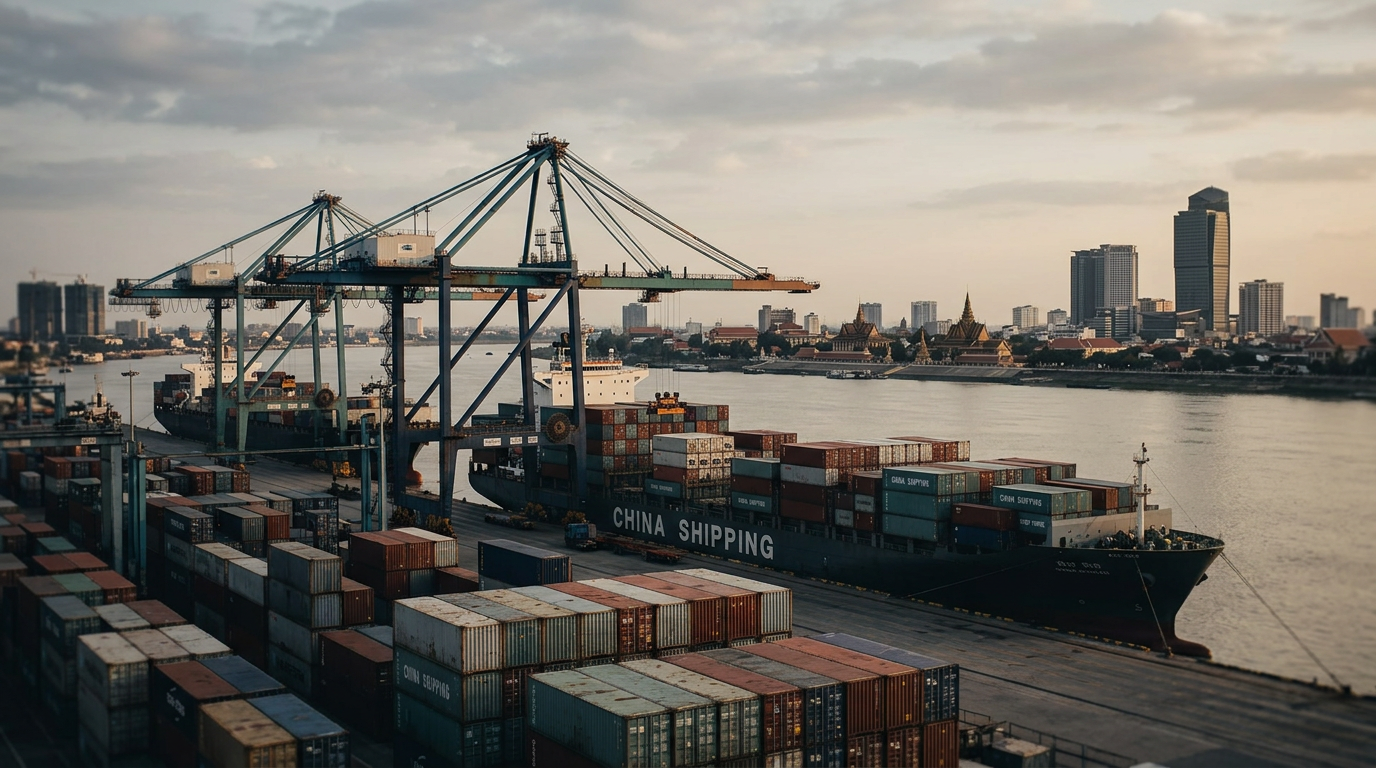
Cambodia's Trade Deficit Highlights ASEAN's China Dependency
Cambodia's growing trade deficit, driven by Chinese imports, is a case study in the structural economic dependencies faced by ASEAN nations. The challenge is not whether to engage with China, but how to manage the relationship without sacrificing economic or strategic.
 Cambodia
El Niño and ASEAN's China Trade: A Structural Test
Thai sugar producers are bracing for a severe El Niño. This weather event will test ASEAN's capacity to manage commodity trade disruptions and its deep, structural trade relationship with China.
 Cambodia
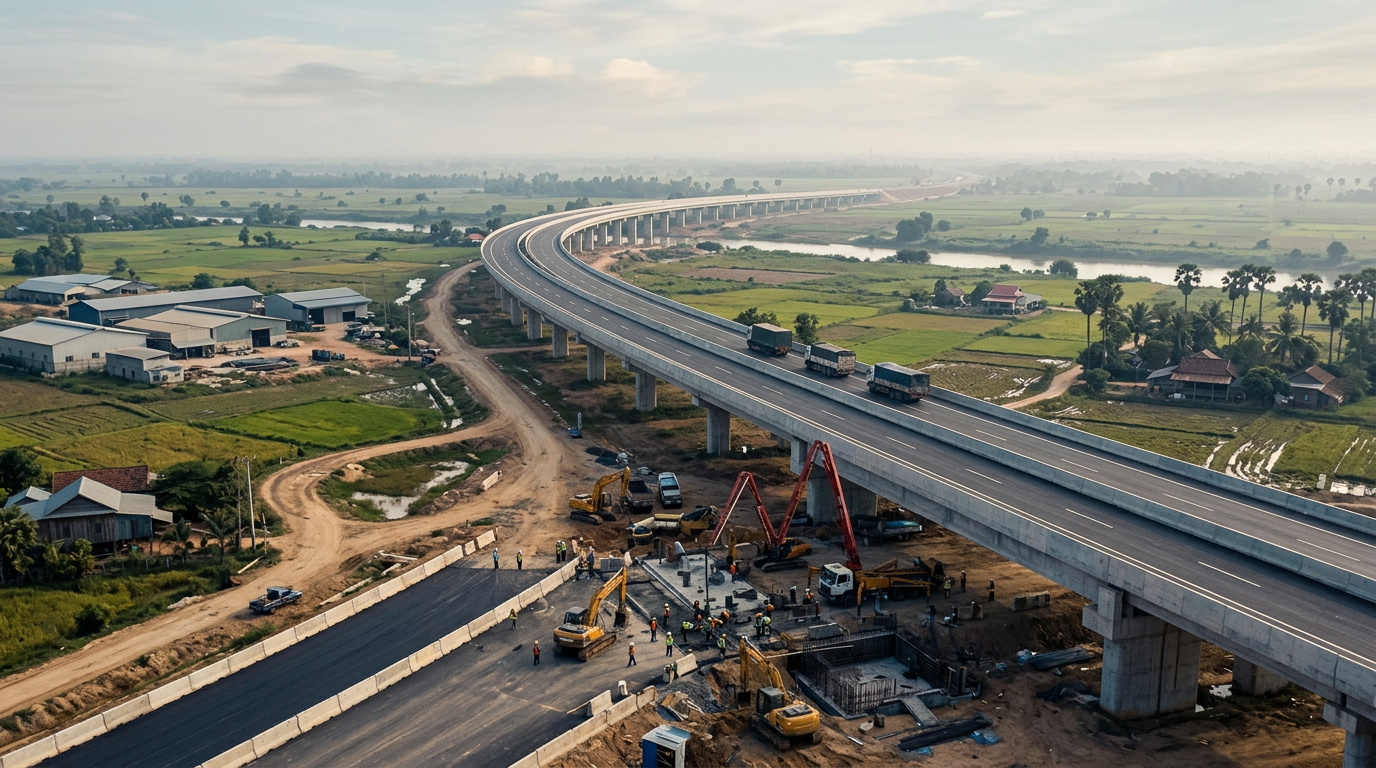
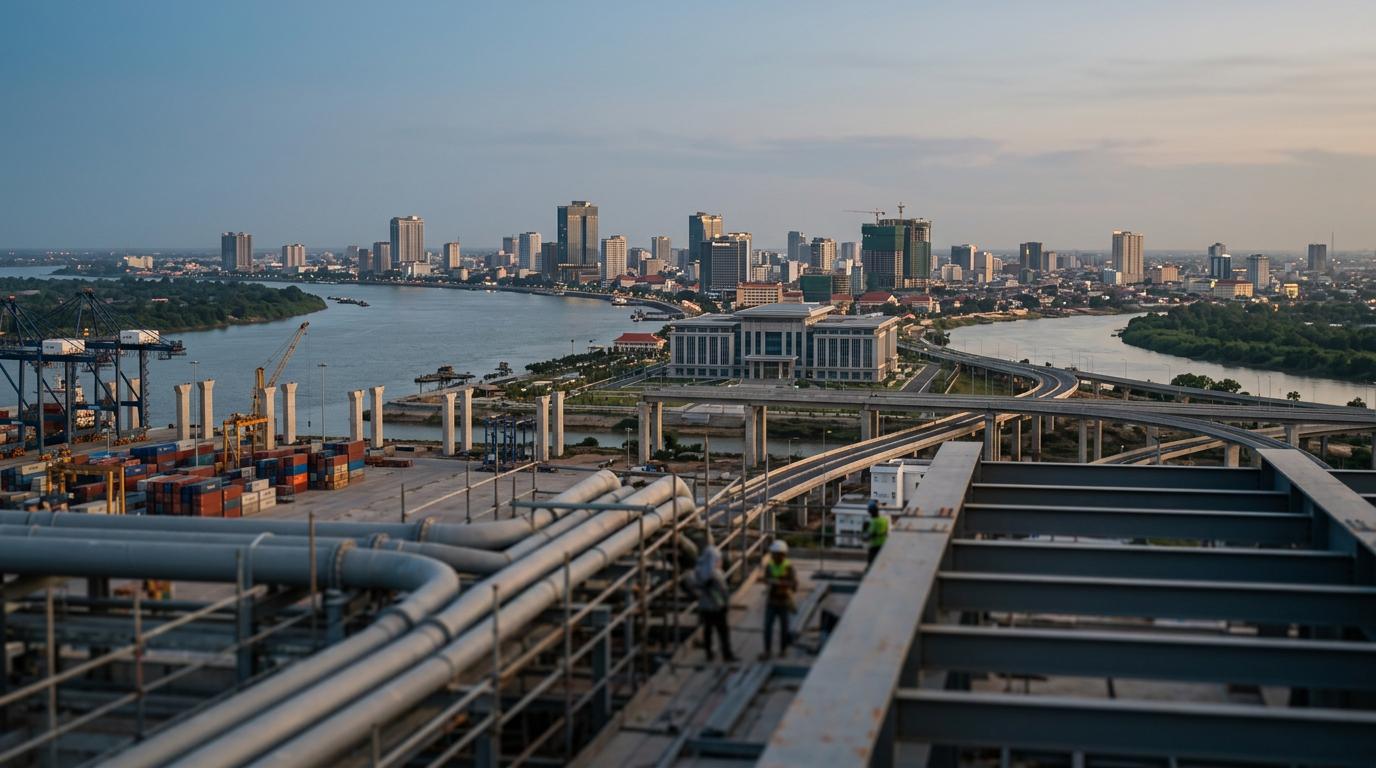
Cambodia, Vietnam, and the Expressway to a Usable State
Cambodia's Phnom Penh-Bavet expressway project, connecting to Vietnam's Moc Bai border, is a case study in the power of reliable infrastructure delivery over mere announcements.
 Cambodia
ASEAN Plus Three and the Civil Service Mandate
The recent ASEAN Plus Three civil service meeting in Cambodia is a useful lens for the quiet, institutional work of managing economic dependency, particularly with China.
 Cambodia
The Civil Service as Economic Argument
ASEAN civil service leaders met in Siem Reap to discuss innovation. The quiet work of institutional execution is the foundation of the region's next phase of growth.
 Cambodia
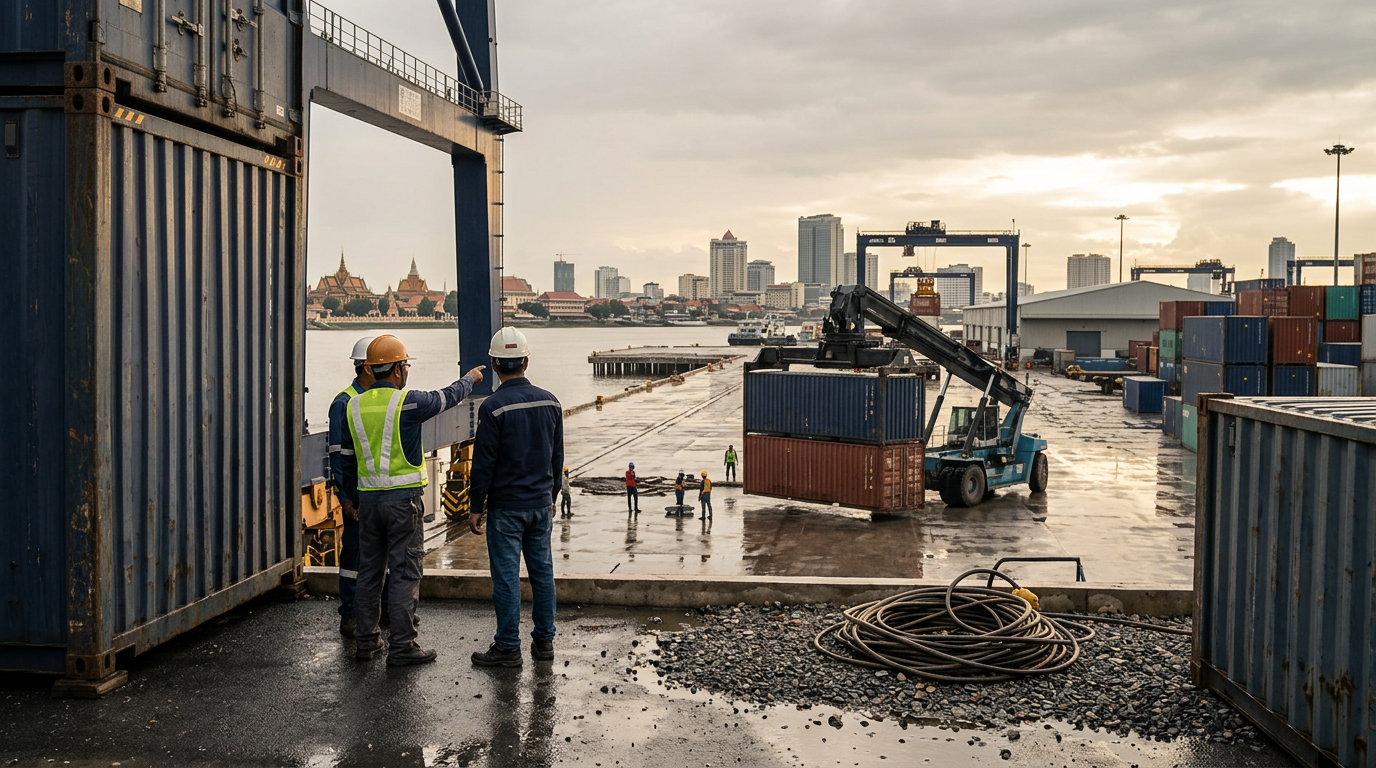
From Statements to Substance: The Hard Work of FDI Realisation
FDI announcements are one thing, but turning them into realised flows depends on the slower, harder work of improving institutions and on-the-ground execution. Without a capable civil service, investment pledges can remain just that.
 Cambodia
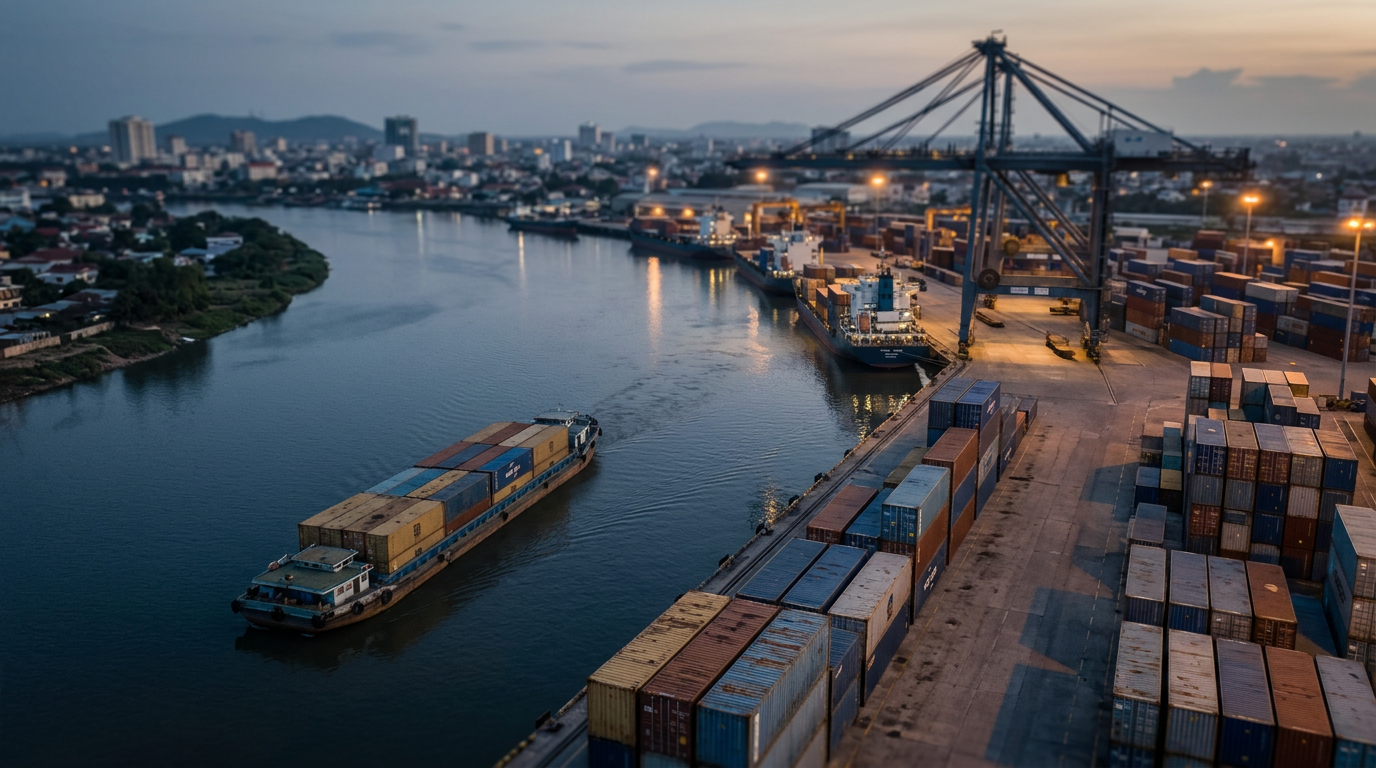
ASEAN's Civil Service: The Engine of Strategic Optionality
Strengthening the institutional capacity of ASEAN's civil service is the foundation for managing the bloc's deep and permanent economic relationship with China. Without effective execution, strategic policy remains on paper.
 Cambodia
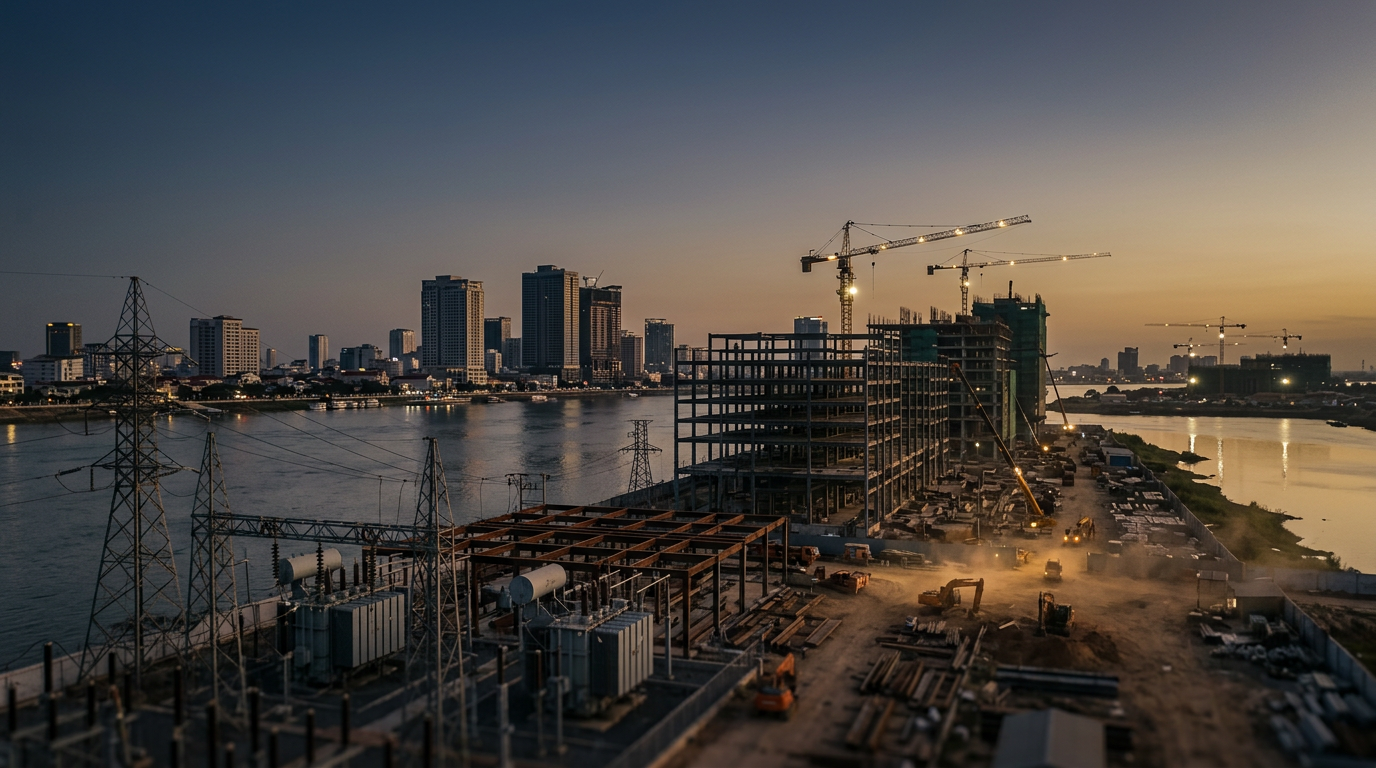
Cambodia's Cashew Surge Tests Regional Infrastructure
A record trade in raw cashews between Cambodia and Vietnam highlights a core ASEAN challenge: turning agricultural potential into economic value requires more than just good harvests. It demands reliable institutions and infrastructure that can keep pace with growth.
 Cambodia
AWS Capital Surge Tests ASEAN Data Center Readiness
Amazon's massive data center spending creates a new competitive arena in Southeast Asia. Success will hinge not on cheap power alone, but on the coordinated delivery of infrastructure, talent, and stable institutions.
 Cambodia
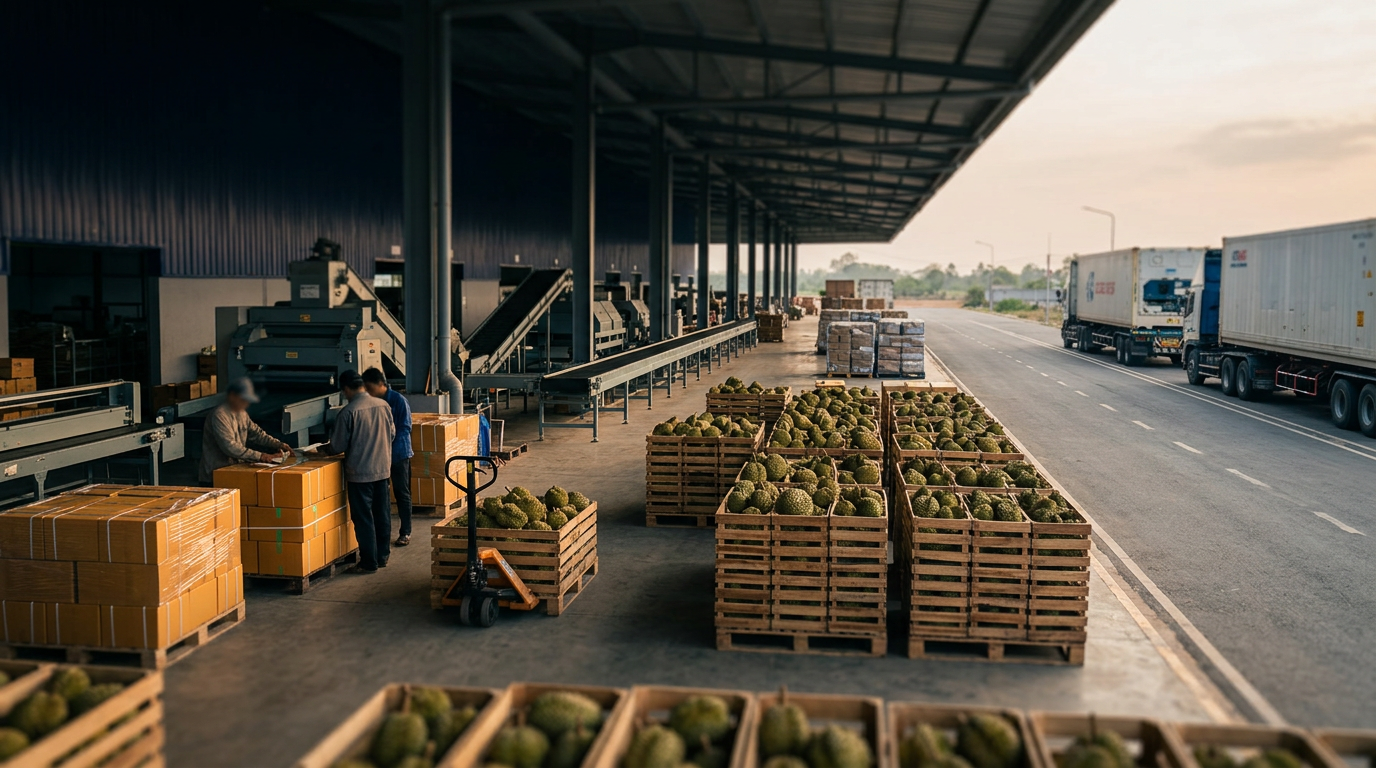
Beyond the Announcement: Cambodia's Durian Exports Show Execution is King
A successful durian export season for Cambodia offers a lesson for all of ASEAN: headline investment figures mean little without the on-the-ground work of building the infrastructure and institutions to support them.
 Cambodia
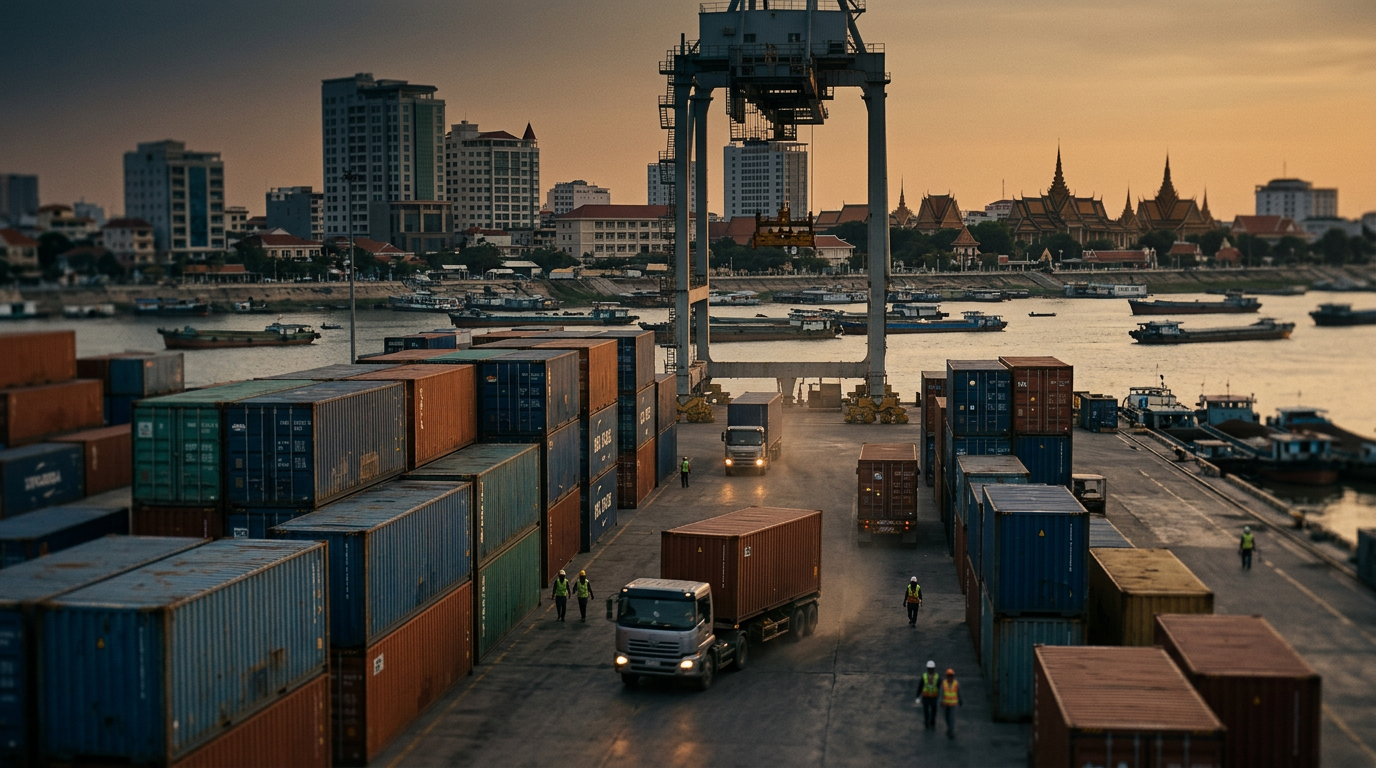
Cambodia's RCEP Gains Underscore a Regional Dilemma
A 24% surge in Cambodia's trade with RCEP nations is a major economic win, but it also reflects a structural reality for the entire region: how to manage deep economic ties with China while maintaining strategic flexibility.
 Cambodia
Stability as a Service: Why More Nations Are Adopting ASEAN's Institutional Framework
The recent accession of four European nations to the Treaty of Amity and Cooperation in Southeast Asia highlights a growing global trend: confidence in ASEAN's institutional architecture as a bedrock of regional stability and a reliable platform for international partnership.
Cambodia intelligence
All trackers →Investment & FDI signals
Full fdi tracker →- fdi· Cambodia· 9 September 2026Adani Airport to raise $1.3 billion from Temasek and BlackRock, among others
Adani Airport is set to raise $1.3 billion from investors including Singapore's Temasek and BlackRock, marking its first foreign investment.
- fdi· Cambodia· 31 August 2026Secretary-General of ASEAN participates in the Groundbreaking Ceremony of Phnom Penh Logistics Complex in Cambodia
The ASEAN Secretary-General participated in the groundbreaking of the Phnom Penh Logistics Complex (PPLC) in Kampong Speu Province, Cambodia. The PPLC is a joint initiative involving Singapore's YCH Group and Cambodia.
Trade & supply chain signals
Full trade tracker →- trade· Cambodia· 23 September 2026Secretary-General of ASEAN delivers remarks at the High-Level Session of the International Conference on Combating Online Scams
The Secretary-General of ASEAN, Dr. Kao Kim Hourn, delivered remarks at the High-Level session of the International Conference on Combating Online Scams, held in Phnom Penh, Cambodia, on 23 September 2026.
- trade· Cambodia· 22 September 2026Joint Media Statement of the Twenty-Third AEM-India Consultation
The Twenty-Third ASEAN Economic Ministers-India (AEM-India) Consultation was held on 22 September 2026 in Manila, Philippines. The consultation was co-chaired by officials from the Philippines and India.
- trade· Cambodia· 13 September 2026RCEP drives 21% surge in Cambodia's regional trade in Jan.-Aug.
Cambodia's trade volume with Regional Comprehensive Economic Partnership (RCEP) member states surged by 21% year-on-year in the first eight months of 2026, driven by tariff preferences.
- trade· Cambodia· 31 August 2026Secretary-General of ASEAN to participate in the Groundbreaking Ceremony of the Phnom Penh Logistics Complex in the Kingdom of Cambodia
The ASEAN Secretary-General, Dr. Kao Kim Hourn, will participate in the groundbreaking ceremony for the Phnom Penh Logistics Complex (PPLC) in Kampong Speu Province, Cambodia, on August 31, 2026. The PPLC is a new logistics hub development.
Infrastructure signals
Full infrastructure tracker →- infrastructure· Cambodia· 23 September 2026Secretary-General of ASEAN attends Opening Ceremony of the International Conference on Combating Online Scams in the Kingdom of Cambodia
The ASEAN Secretary-General, Dr. Kao Kim Hourn, attended the Opening Ceremony of the International Conference on Combating Online Scams in Phnom Penh, Cambodia, on September 23, 2026. This relates to digital infrastructure security.
- infrastructure· Cambodia· 15 September 2026Secretary-General of ASEAN to undertake a Working Visit to the People’s Republic of China
The Secretary-General of ASEAN, Dr. Kao Kim Hourn, will undertake a working visit to Beijing, China, on 15-16 September 2026, at the invitation of the Chinese government.
- infrastructure· Cambodia· 9 September 2026Secretary-General of ASEAN delivers keynote luncheon speech at the 11th Belt and Road Summit
The Secretary-General of ASEAN delivered a keynote speech at the 11th Belt and Road Summit in Hong Kong, highlighting ASEAN's transformation agenda and connectivity priorities, underscoring strengthened regional cooperation.
- infrastructure· Cambodia· 2 September 2026Ambassador of the EU to ASEAN Presents Letter of Credence to Secretary-General of ASEAN
H.E. Marina Rafti presented her Letter of Credence to the Secretary-General of ASEAN, Dr. Kao Kim Hourn, at the ASEAN Headquarters/ASEAN Secretariat on September 2, 2026, marking her official role as the Ambassador of the EU to ASEAN.
Cambodia coverage themes
- Trade & supply chains. Bilateral flows, RCEP, tariff shifts and sector exposure.
- Investment & FDI. Inbound capital, sovereign deals and sector destinations.
- Capital markets. Exchanges, IPO pipeline, debt, currency and portfolio flows.
- Technology. Startups, fintech, AI deployment and platform regulation.
- Binding constraints. Fiscal, structural, institutional and geopolitical limits.
- Boardroom briefings. Bespoke Cambodia briefings for boards and investors.