Indonesia
 Turns to the Gulf for FDI. Can Institutions Keep Up?
Jakarta is courting Gulf capital for its infrastructure and energy ambitions. Success depends on the slower work of turning headline announcements into realised investment on the ground.
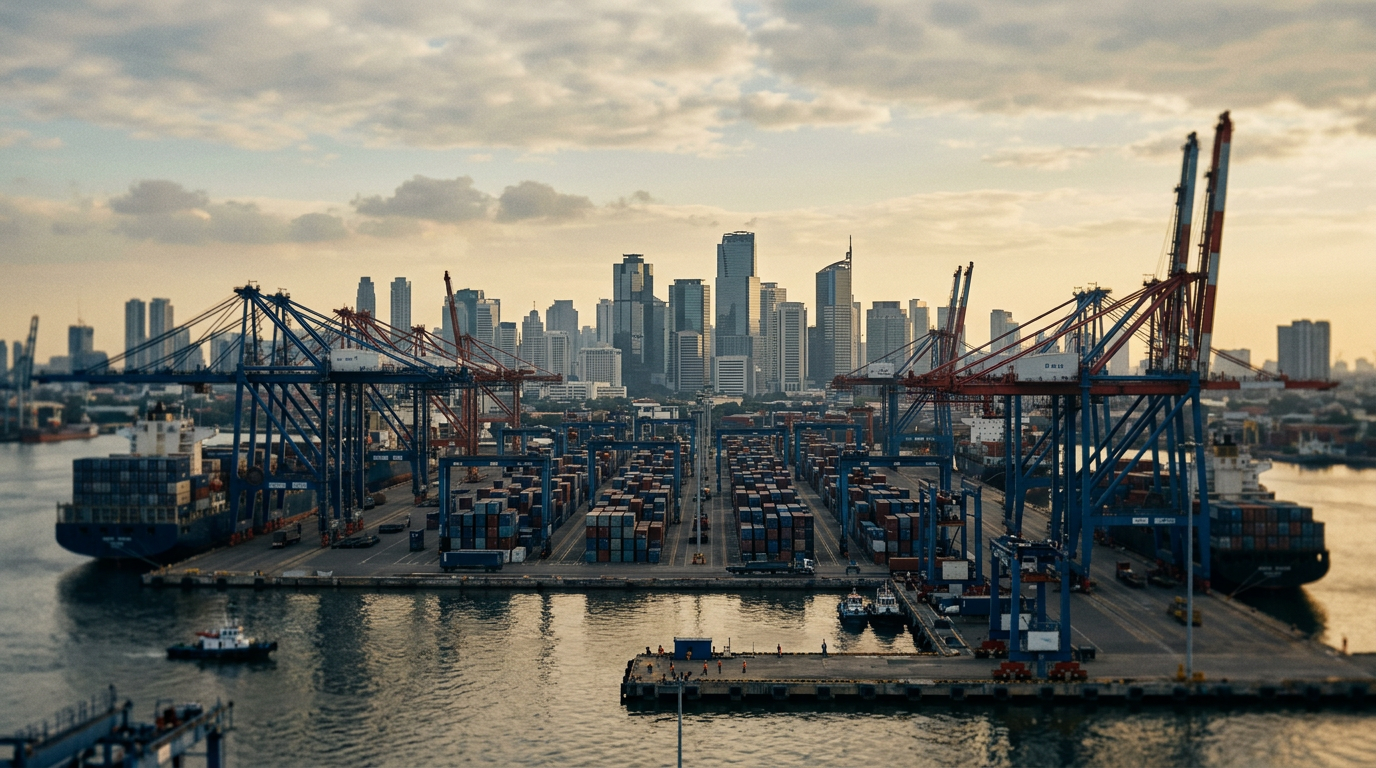
Foreign Ministers from ASEAN and the Gulf Cooperation Council (GCC) met in New York on September 23, signaling a renewed push for economic partnership. As reported by ASEAN.org, the meeting emphasized enhancing cooperation in areas like trade, energy, and infrastructure. For Indonesia, the largest economy in ASEAN, this engagement is a clear signal of its intent to attract significant capital from Gulf sovereign wealth funds and private investors to fuel its ambitious development agenda.
Indonesia has long presented a compelling story based on its sheer scale. With a population exceeding 280 million and abundant natural resources, the country offers a vast domestic market and critical inputs for global supply chains. The government's agenda includes the development of a new capital city, Nusantara, and a massive build-out of renewable energy infrastructure and industrial parks for mineral downstreaming. These projects require immense capital outlays that domestic sources alone cannot provide, making foreign direct investment (FDI) from partners like the GCC essential. The high-level meeting in New York serves to open the door for these large-scale commitments.
From Announcement to Execution
Attracting FDI involves more than high-level handshakes. As the book "ASEAN Rising" notes, headline-grabbing announcements are the start of a much longer and more complex process. The real test lies in translating these commitments into tangible projects. The book argues that "realised flows depend on the slower work of land, permits, power and talent reaching the ground." This is where the quality of Indonesian institutions comes into focus. Investors, particularly those from the Gulf who manage sophisticated, long-term funds, look beyond the initial promise to the practical realities of project execution.
Successfully absorbing large inflows of capital requires a robust institutional framework. This includes transparent and predictable regulations, a streamlined bureaucracy for securing permits, and a legal system that can reliably enforce contracts. For a multibillion-dollar industrial park or geothermal power plant, clarity on land acquisition rights is fundamental. Without it, projects can face years of delays, eroding investor confidence and projected returns. Indonesia has made strides with its Omnibus Law on Job Creation, aimed at simplifying the business environment, but consistent implementation across national and sub-national levels of government remains a work in progress.
The Infrastructure and Talent Gap
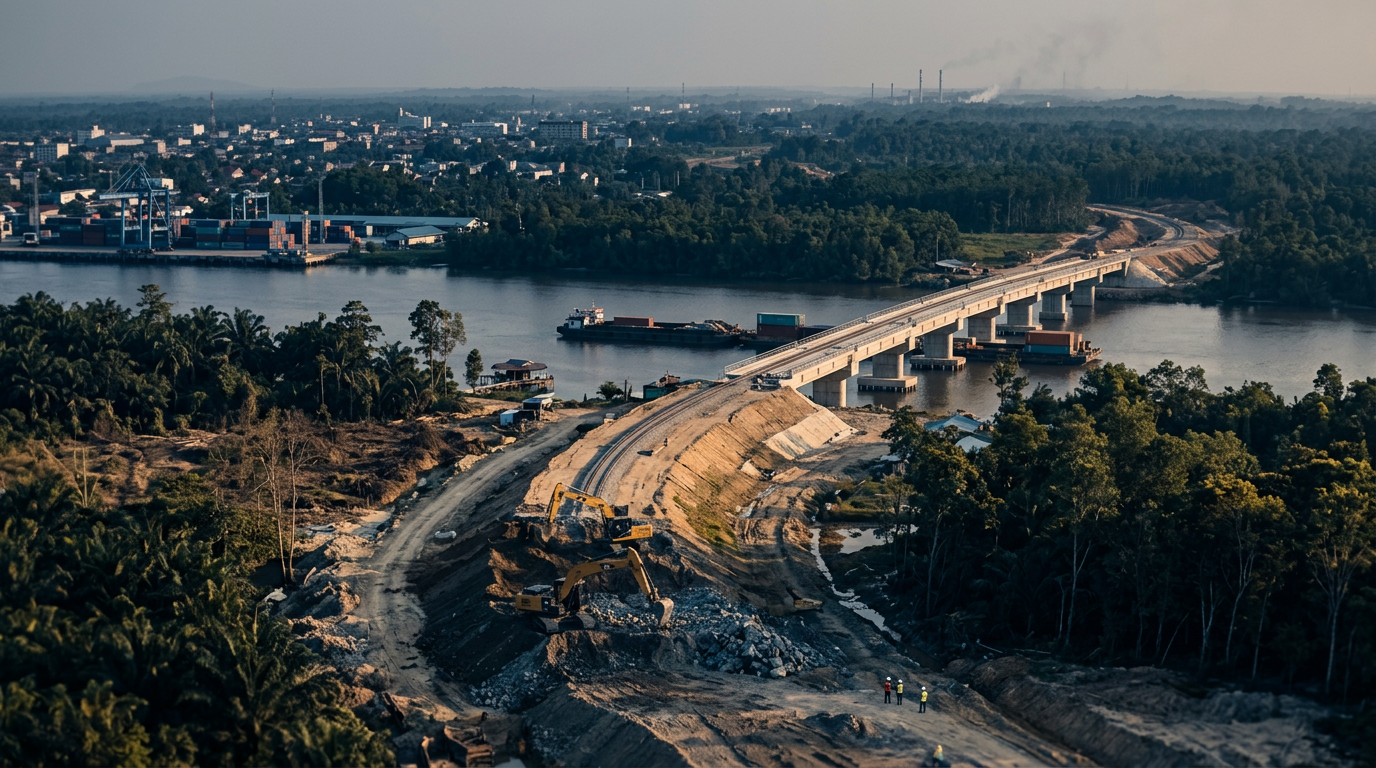
The physical and human capital needed to support investment is another critical factor. A new smelter or battery plant is only viable if it can be connected to a reliable power grid and transport network. While Indonesia has made significant infrastructure gains over the past decade, gaps persist, particularly outside of Java. The GCC meeting highlighted infrastructure as a key area for cooperation, acknowledging that foreign capital can help close this gap. Gulf investors are not just providing money; they are often looking for bankable, well-structured projects to invest in.
Equally important is the availability of a skilled workforce. The development of higher-value industries, from electric vehicle manufacturing to the digital economy, requires engineers, technicians, and managers with specialized skills. While Indonesia has a large and youthful workforce, ensuring that the education and vocational training systems can supply the right talent is a long-term undertaking. Foreign investors will assess the local talent pool when deciding not just whether to invest, but at what level of the value chain they can operate.
What to watch
The focus now shifts from the diplomatic success in New York to the administrative and technical execution in Indonesia. Observers should watch the progress of specific GCC-backed projects, not just their initial announcements. Key indicators will be the speed of regulatory approvals, the resolution of land and permitting issues for major industrial and infrastructure projects, and the degree to which local content and workforce development are integrated into these investments. The ability of Indonesian institutions to facilitate these complex processes will determine if the country can convert its demographic and resource advantages into sustainable, long-term growth.