Indonesia
Announcements are not arrivals: Translating FDI interest into realised investment in Indonesia
FDI announcements travel quickly. Realised flows depend on the slower work of land, permits, power and talent reaching the ground.
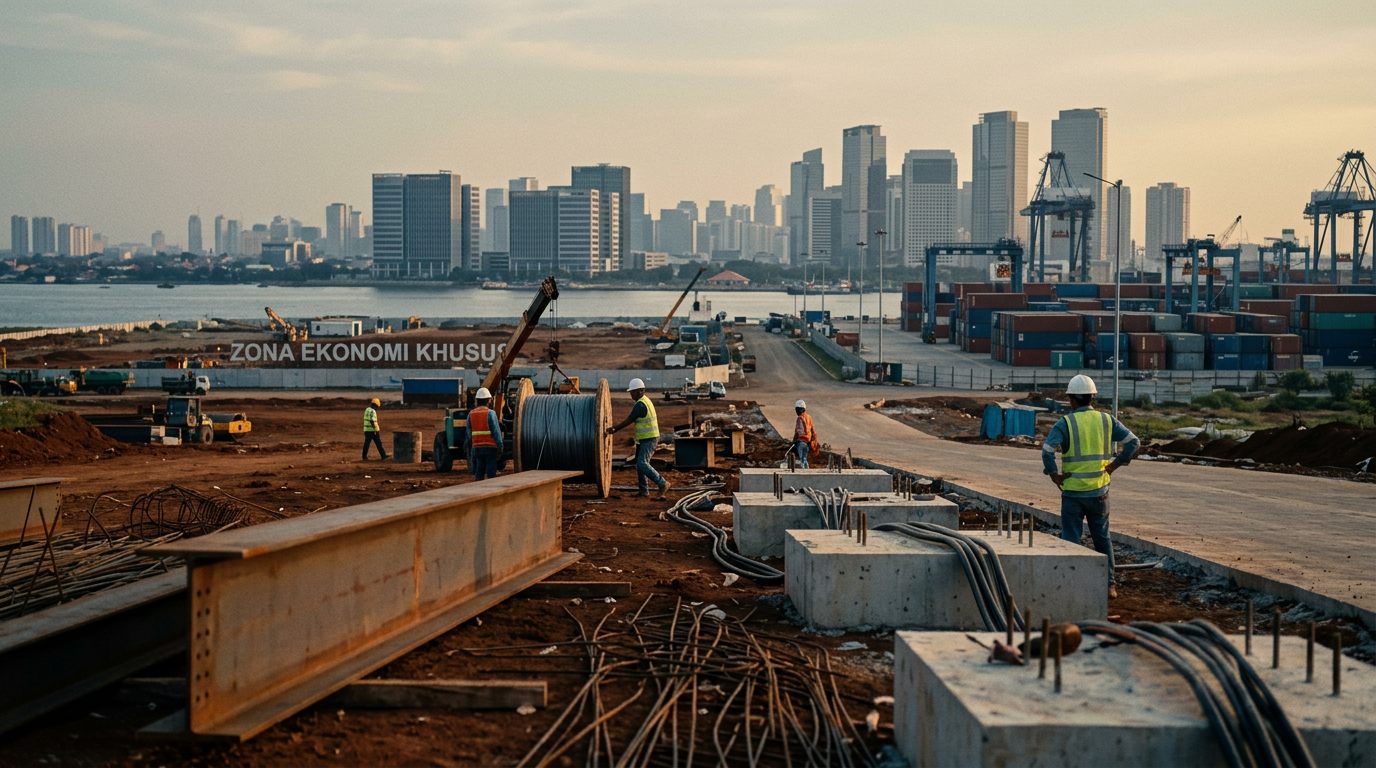
Recent forecasts from a report by Bain & Company, DBS Bank, and Vriens & Partners project that Southeast Asia's six largest economies will expand by an average of 4.8% annually through 2035. As reported by e.vnexpress.net, this sustained growth is attracting significant foreign direct investment (FDI) interest. Indonesia, as the region's largest economy, is a natural focal point for this capital. However, the journey from a promising headline to a producing facility is long and fraught with practical hurdles.
The Execution Gap
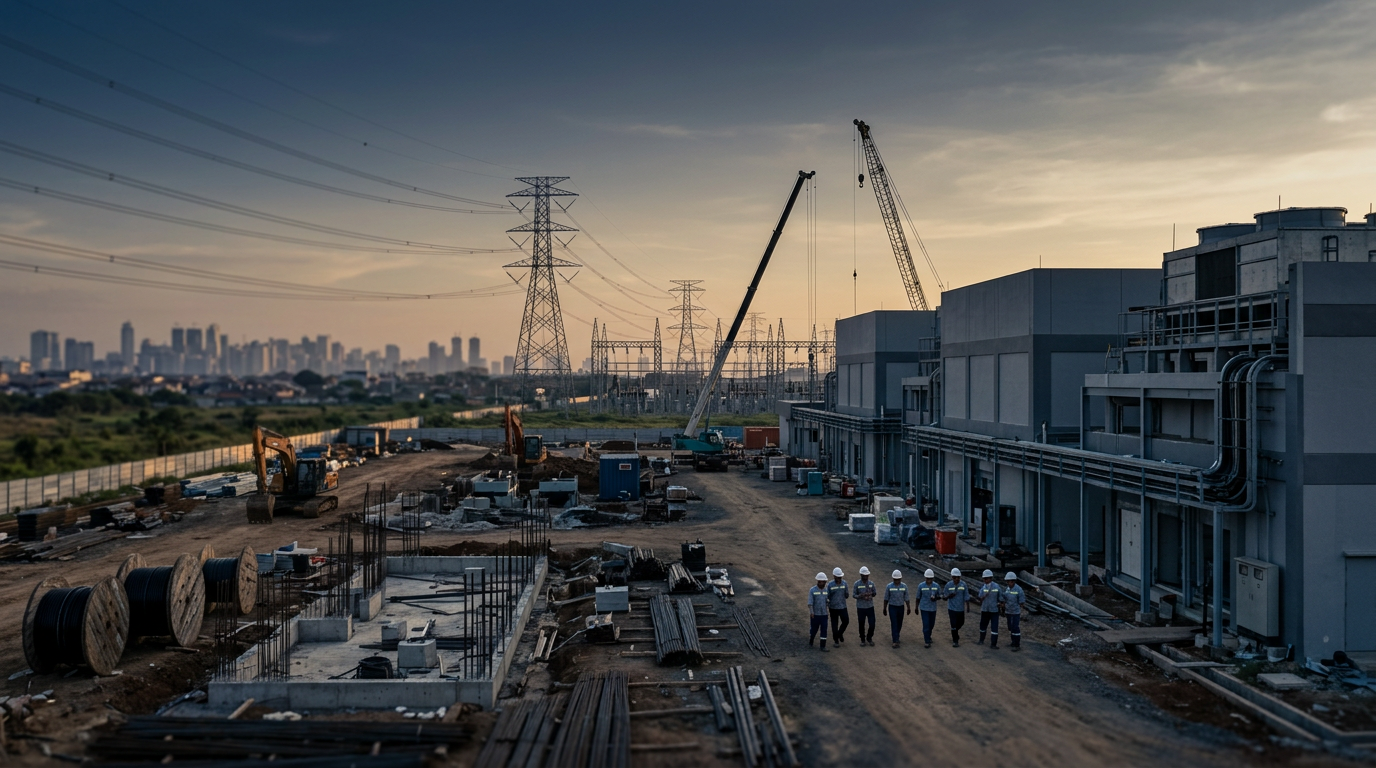
Indonesia possesses the scale and demographic weight to absorb substantial foreign investment. The government has made improving the investment climate a priority, streamlining regulations and offering incentives to attract global firms. This has resulted in a steady stream of positive announcements, from electric vehicle battery plants to data centers. Yet, the book "ASEAN Rising" notes that announced FDI and realized FDI are two different things. Turning billion-dollar pledges into active projects requires a mastery of execution that goes far beyond national-level policy. International investors often find that securing land titles, obtaining the necessary permits, and ensuring reliable power supply can be a slow and complex process. These operational details, not the top-line growth numbers, ultimately determine the pace and success of investment on the ground.
Institutions and Infrastructure
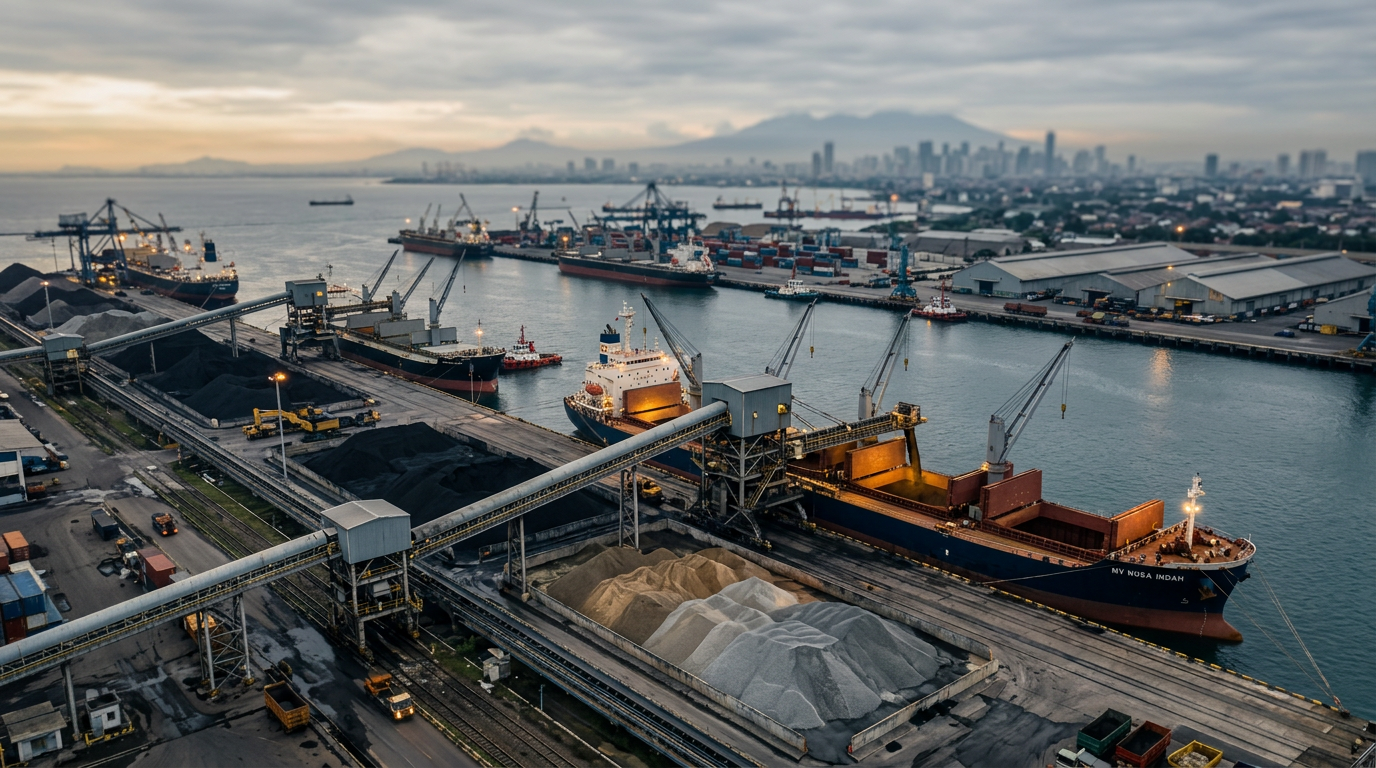
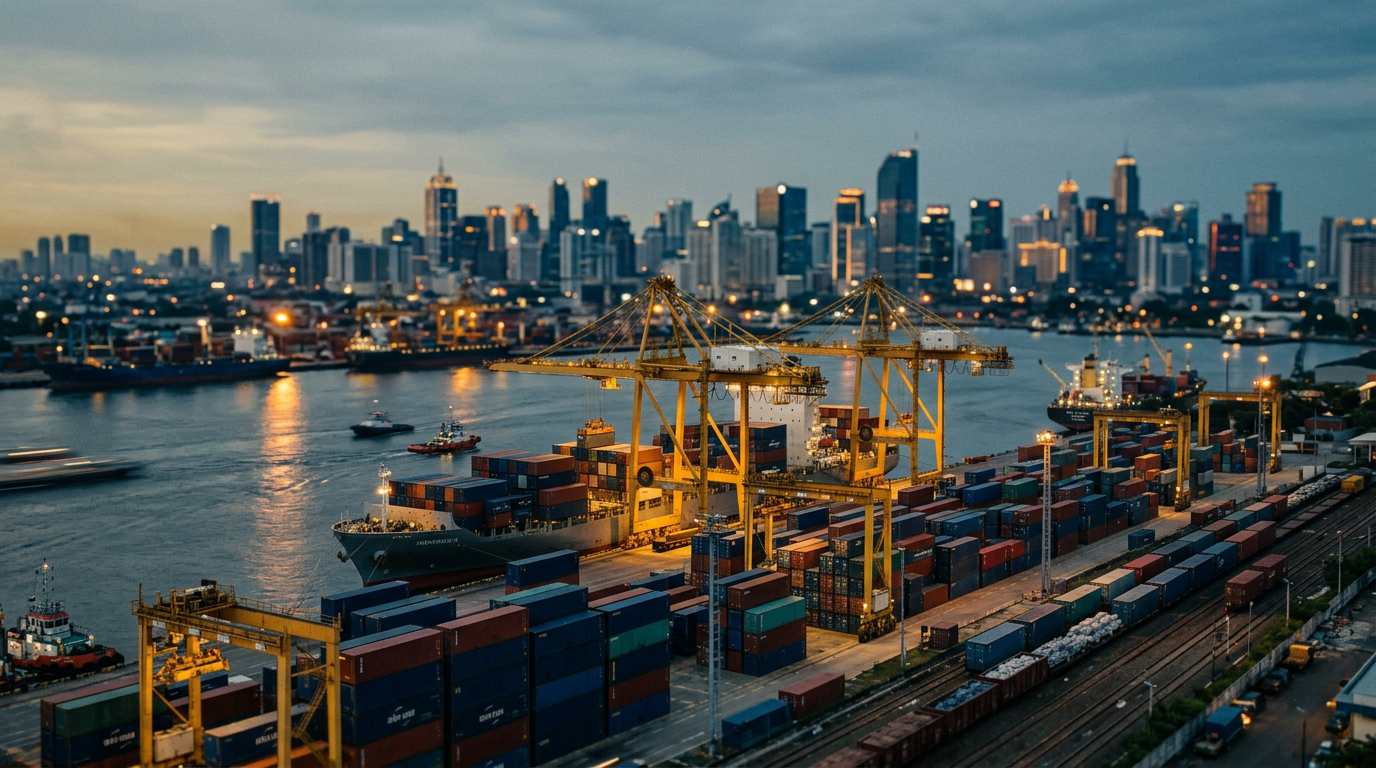
For Indonesia to translate its scale into sustainable economic depth, the quality of its institutions is paramount. As the book argues, "Scale matters only when institutions can turn it into investable depth." This means having predictable regulations, transparent bureaucratic processes, and a legal framework that reliably protects investments. While progress has been made, particularly with omnibus laws aimed at simplifying the business environment, implementation remains uneven across different regions and government agencies. Furthermore, physical infrastructure must keep pace with investment ambitions. A new factory is only as productive as the roads, ports, and energy grids that serve it. The country's well-documented infrastructure gap requires immense and sustained capital expenditure to ensure that new industrial sites are connected and competitive.
The Talent Equation
Beyond the hard infrastructure of ports and power, the availability of skilled talent is a critical factor for investors. As companies look to build more sophisticated manufacturing and service operations in Indonesia, the demand for technicians, engineers, and managers will only grow. The government has rightly focused on vocational training and education reform, but developing a deep pool of skilled labor takes time. Foreign firms must often invest heavily in their own training programs to bring the local workforce up to standard. The ability of Indonesia's education system to produce a workforce ready for the jobs of the next decade will be a key variable in its long-term investment appeal.
What to watch
Investors will be watching the downstream effects of Indonesia's Omnibus Law on Job Creation, particularly how it is implemented at the provincial and municipal levels where permits are issued and land is zoned. The progress of major infrastructure projects, especially those related to the new capital city Nusantara and industrial parks outside of Java, will serve as a barometer for the state's capacity to execute. Finally, corporate announcements should be weighed against hiring data and reports on vocational training enrollment to gauge whether the supply of human capital is keeping pace with investor demand.