Indonesia
Indonesia, Commodities, and the Question of Optionality
Indonesia is working to increase its commodity market credibility. This move reflects a broader ASEAN trend: managing economic dependency, particularly on China, without sacrificing strategic choice.
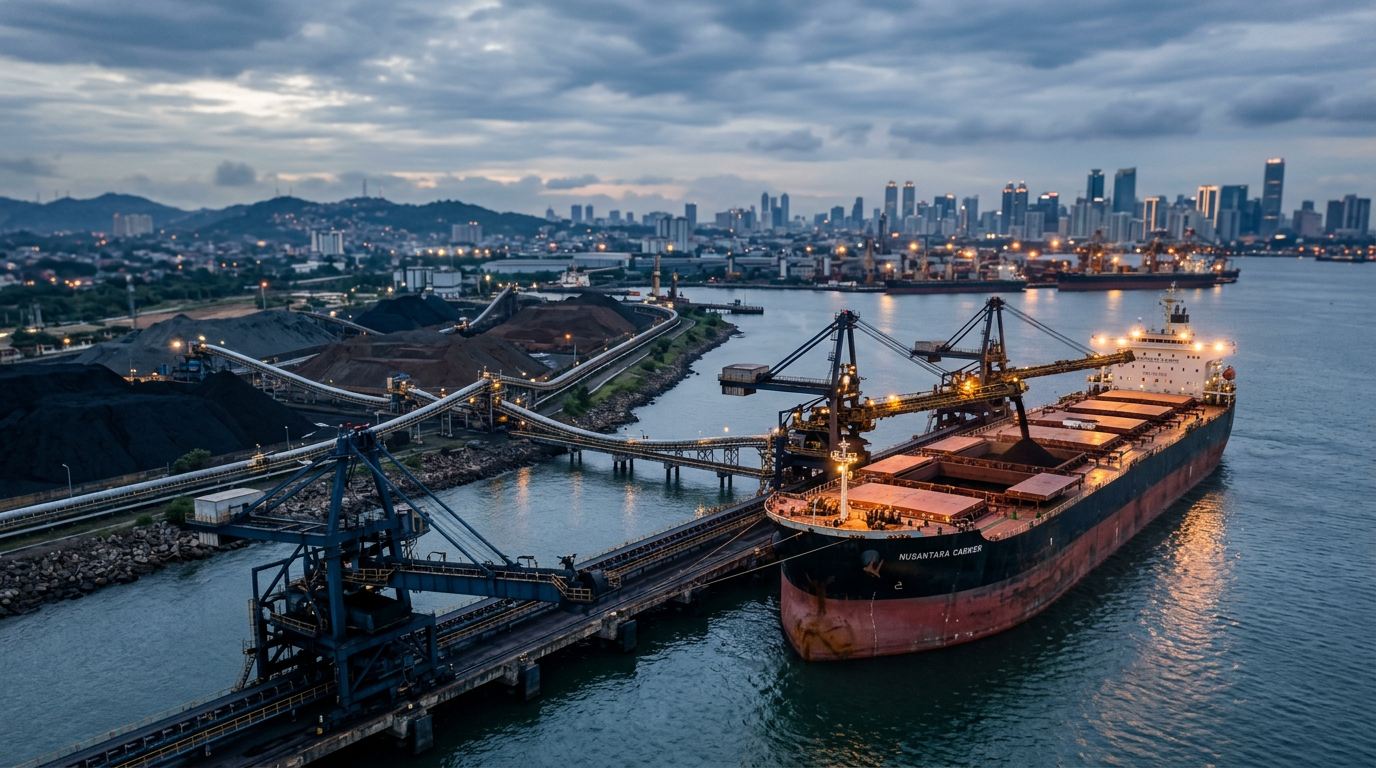
A recent Wall Street Journal report highlights Indonesia's efforts to enhance the credibility of its commodity markets. The initiative, led by state-owned Danantara Sumberdaya Indonesia, aims to monitor the resources market and ensure stable export flows. This development is not just about commodity trading; it is a strategic move that touches on core themes of economic sovereignty and institutional development within ASEAN.
Institutions and Trust
Indonesia's push to improve its commodity market infrastructure is fundamentally an exercise in building institutional trust. By creating a more transparent and reliable market, Jakarta seeks to attract higher-quality international capital and secure better terms for its exports. A credible domestic market, supervised by a state entity, provides a layer of insulation from the volatility of global exchanges and the influence of major trading houses. This move is a step toward greater control over its economic destiny, reducing reliance on external arbiters of value for its own natural resources. It is an investment in the soft infrastructure of trust and predictability, which is as vital as any physical port or railway.
Dependency and Optionality
The Indonesian initiative also speaks to a larger regional concern detailed in ASEAN Rising: how to manage economic relationships with major powers, especially China. For many ASEAN nations, deep trade links with China are a permanent feature of the economic environment. As the book notes, "the question for ASEAN governments is no longer whether to engage, but how to manage dependency without losing optionality." Developing sovereign capabilities in areas like commodity trading is a direct response to this dilemma. By strengthening its own market institutions, Indonesia can better manage its terms of trade and diversify its partners, thereby preserving its strategic and economic choices. This is less about decoupling from China and more about rebalancing the relationship from a position of greater strength.
Capital and Infrastructure
This effort requires significant investment in both physical and institutional infrastructure. Danantara Sumberdaya Indonesia represents a concentration of state capital toward a strategic economic goal. Building a robust commodity market involves not just regulatory frameworks but also the technological platforms for trading, clearance, and data management. Success in this area could create a model for other ASEAN countries that are also commodity exporters. It demonstrates a commitment to moving up the value chain, not just by processing raw materials, but by controlling the financial and logistical levers that govern their trade. This is a long-term play to capture more value domestically and build a more resilient national economy.
What to watch next is how international markets and major trading partners react to Indonesia's initiative. The success of this push will depend on whether state-led efforts can genuinely foster a more transparent, liquid, and trusted market. Observers should also monitor if other ASEAN nations adopt similar strategies to increase their own economic sovereignty and manage their complex web of trade dependencies.