Indonesia
Indonesia Overhauls Commodity Exports, Balancing Trade and Dependency
Jakarta's single-door export system is a test of institutional capacity, aiming to manage trade flows more effectively, especially with its largest partner, China.
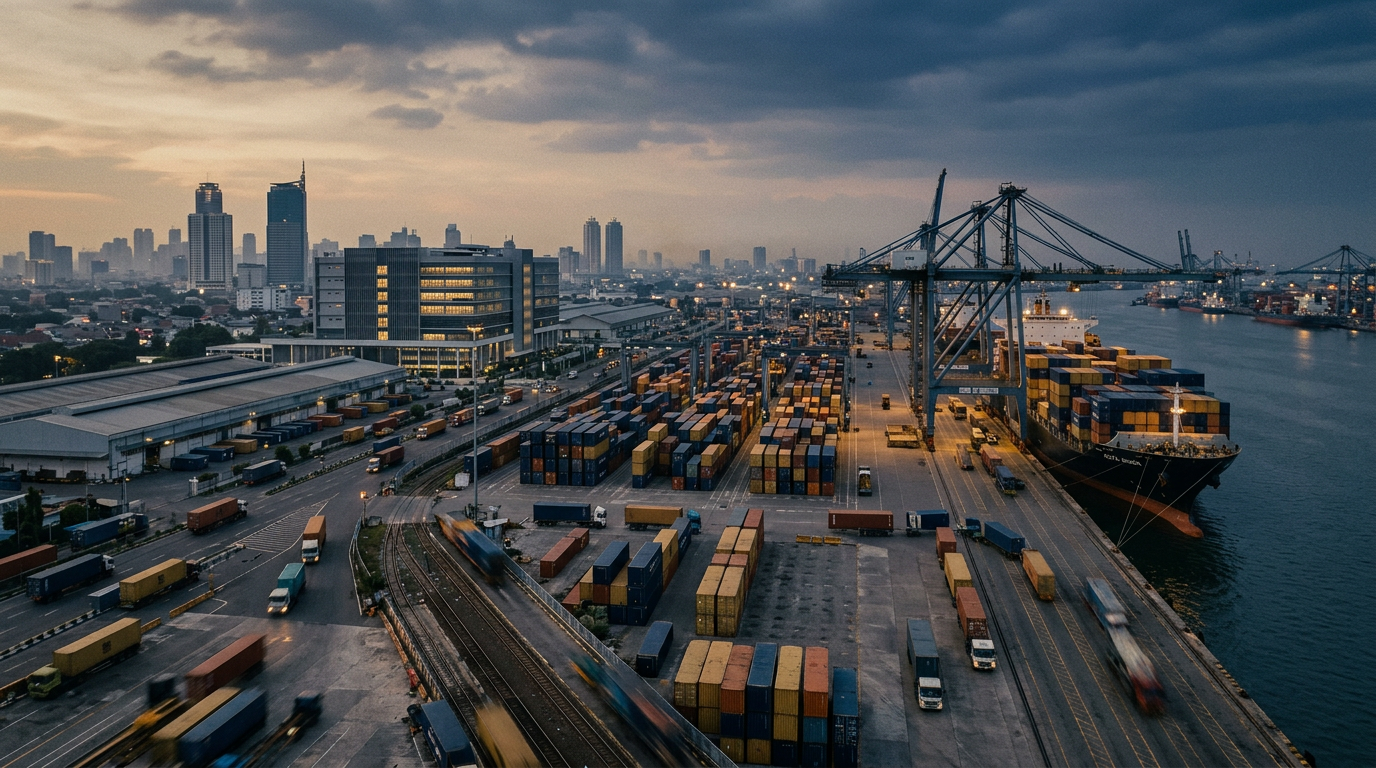
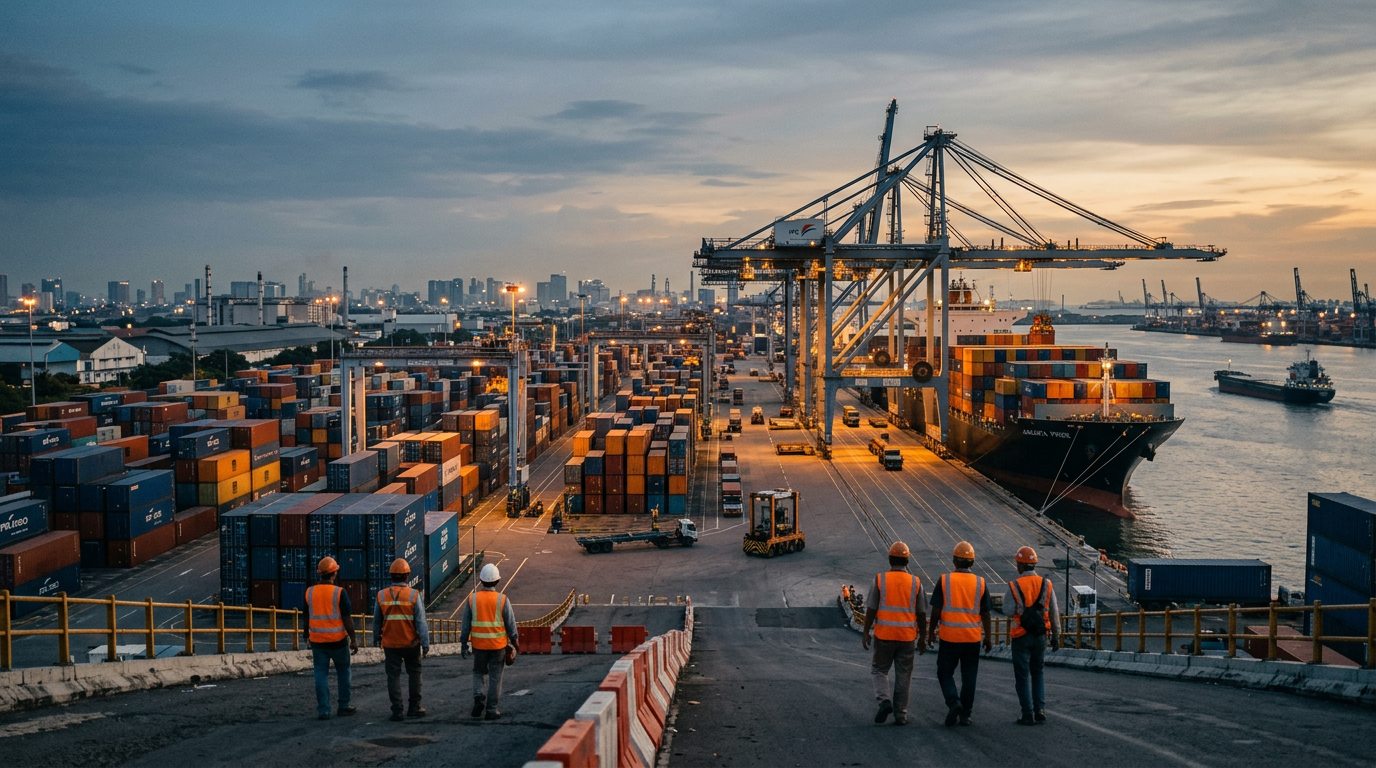
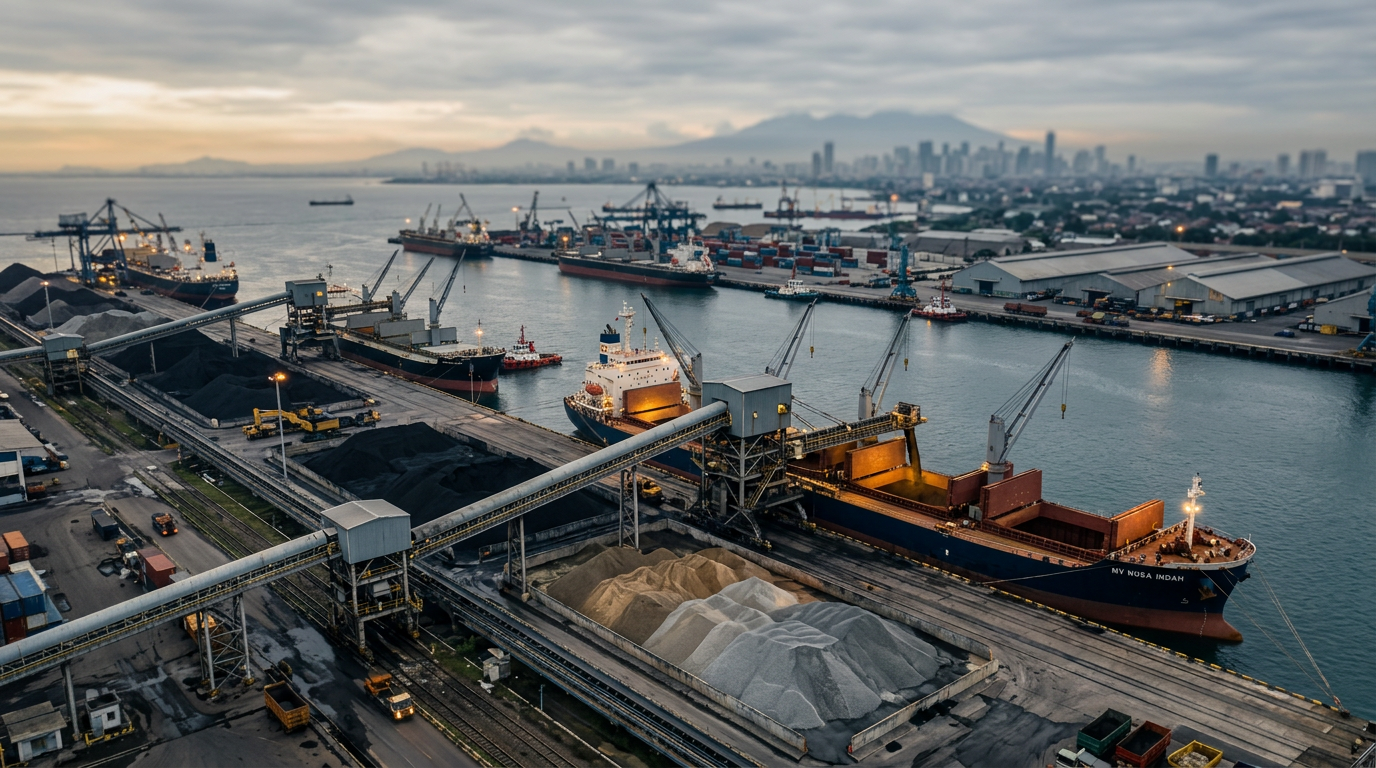
Indonesia plans to fully implement a single-door export system for key commodities by the end of the year, a move intended to streamline and control its export processes. According to a report from Tempo.co, the system will centralize the verification of export documents, which are currently handled by multiple ministries and agencies. This change is designed to improve efficiency, data accuracy, and state revenue collection from some of the country's most vital exports, including coal, palm oil, and ferroalloys.
Institutions and Execution
The initiative represents a significant test of institutional capacity and execution. By consolidating the export verification process, Jakarta aims to assert greater control over its trade flows and reduce inefficiencies that have long plagued its commodity sectors. The success of this single-door system hinges on the government's ability to integrate disparate bureaucratic functions and enforce compliance across a complex supply chain. For a major commodity exporter like Indonesia, a more transparent and streamlined process can enhance its credibility with global trading partners and improve the accuracy of its trade data, which is essential for policymaking.
This reform is particularly relevant in the context of Indonesia's deep trade relationship with China, its largest export market. By improving the institutional framework for exports, Indonesia can better manage the terms of its engagement with Beijing. This is not merely a technical adjustment but a strategic one. As ASEAN Rising notes, effective state institutions are the foundation upon which economic sovereignty is built, allowing nations to engage from a position of strength.
Managing Dependency on China
Indonesia, like many of its ASEAN neighbors, has a profound trade relationship with China. This trade depth is a structural economic feature. The new export system provides Jakarta with a more precise instrument to manage this relationship. With better oversight of its most valuable commodity exports, the government can ensure it is maximizing the value captured from this trade and is not overly exposed to fluctuations in a single market. The system allows for more granular monitoring of export volumes and destinations, providing valuable data for navigating the complexities of its trade with China.
The commodities covered by the new system - coal, palm oil, and ferroalloys - are all critical exports to China. Ferroalloys, in particular, are often produced with significant Chinese investment in Indonesia's industrial parks. This creates a complex dynamic where Chinese capital is instrumental in developing the productive capacity that feeds Chinese demand. A centralized export system gives Indonesia a tool to ensure this arrangement serves its national interest, balancing the benefits of foreign investment with the need to maintain economic autonomy. The policy reflects a mature approach to a reality described in ASEAN Rising: "the question for ASEAN governments is no longer whether to engage, but how to manage dependency without losing optionality."
Capital and Infrastructure
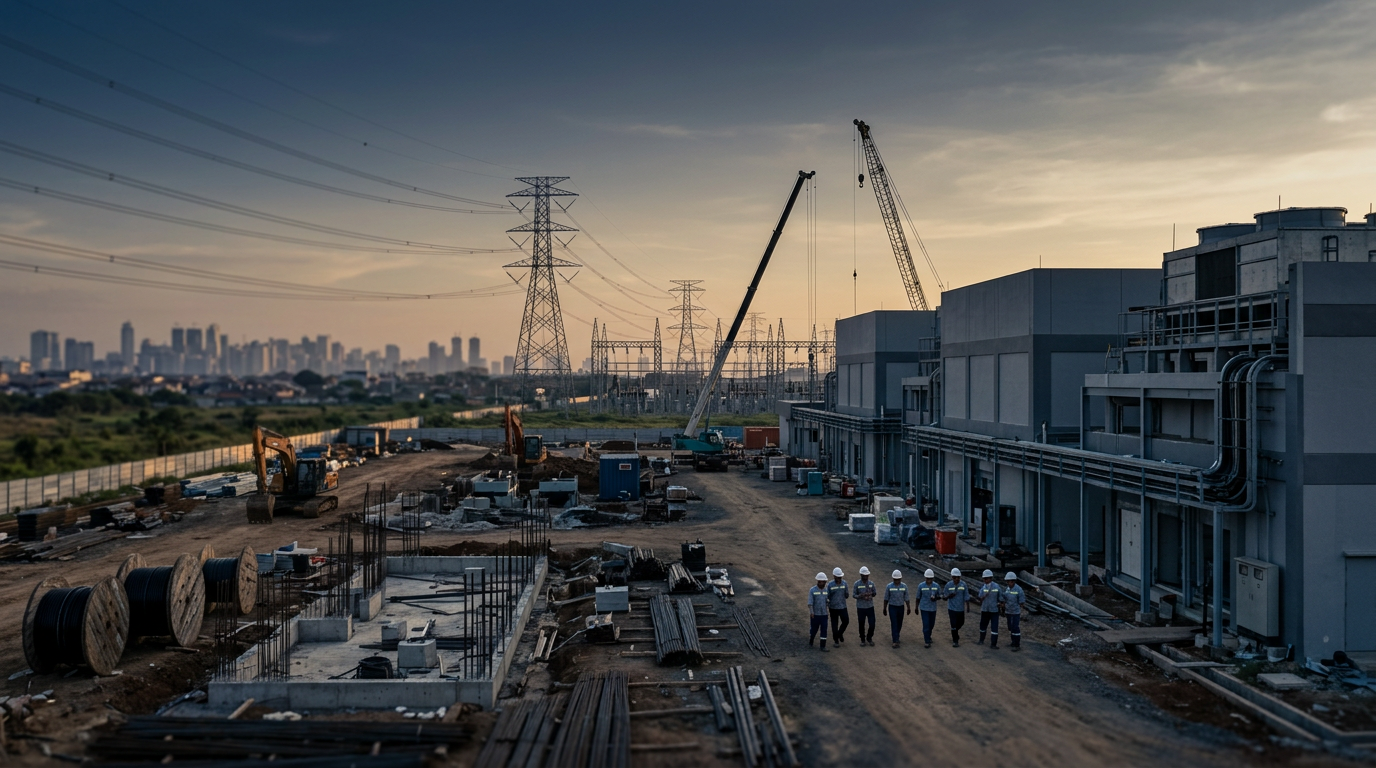
The development of Indonesia's downstream processing industries, particularly for nickel and other minerals used in ferroalloys, has been heavily supported by foreign direct investment, much of it from China. This capital has been essential for building the infrastructure necessary to move from exporting raw materials to higher-value processed goods. The single-door export system is a soft infrastructure upgrade that complements these physical investments. It ensures that the administrative and regulatory systems can keep pace with the industrial expansion on the ground.
By creating a more predictable and transparent export environment, the government hopes to attract further high-quality investment into its commodity sectors. A well-functioning administrative framework can lower the risks for investors and make Indonesia a more attractive destination for capital. The new system is part of a broader effort to build a comprehensive ecosystem where physical infrastructure is matched by robust institutional processes, enabling Indonesia to more fully benefit from its rich natural resources and its strategic position in global supply chains.
What to watch next is how effectively Indonesia implements this ambitious consolidation of bureaucratic power. The transition to a fully operational single-door system by year-end will be a major undertaking, requiring coordination across multiple government bodies and cooperation from the private sector. Observers will be monitoring whether the new system genuinely improves efficiency and revenue collection or if it creates new bottlenecks. The success or failure of this initiative will offer valuable lessons for other ASEAN nations grappling with similar challenges of trade management and institutional reform in an era of deep economic integration with China.