Indonesia
From New York to Nusantara: Gulf Capital Meets Indonesian Institutions
Foreign direct investment from the Gulf is welcome, but Indonesia's institutional capacity to absorb it is the decisive factor. Announcements travel at the speed of news, but capital flows at the speed of trust and execution.
Foreign ministers from ASEAN and the Gulf Cooperation Council (GCC) met in New York on September 23, a regular diplomatic exchange that has taken on new weight. A joint statement noted progress on an ASEAN-GCC Framework of Cooperation for 2024-2028, with a focus on trade and investment. The context for this is a steady flow of Gulf capital into Southeast Asia, particularly Indonesia. While this interest is welcome, its ultimate impact will depend on the ground-level work of turning announcements into operating assets.
Institutions and Investable Depth
Indonesia's primary appeal is its scale. With a large and youthful population, it presents a consumer market and labor force that is unmatched in the region. However, as the book "ASEAN Rising" notes, for this scale to translate into real investment opportunities, the country's institutions must be able to create "investable depth." Large-scale foreign direct investment (FDI) requires more than just a willing seller and an eager buyer. It depends on a predictable, transparent, and efficient institutional framework.
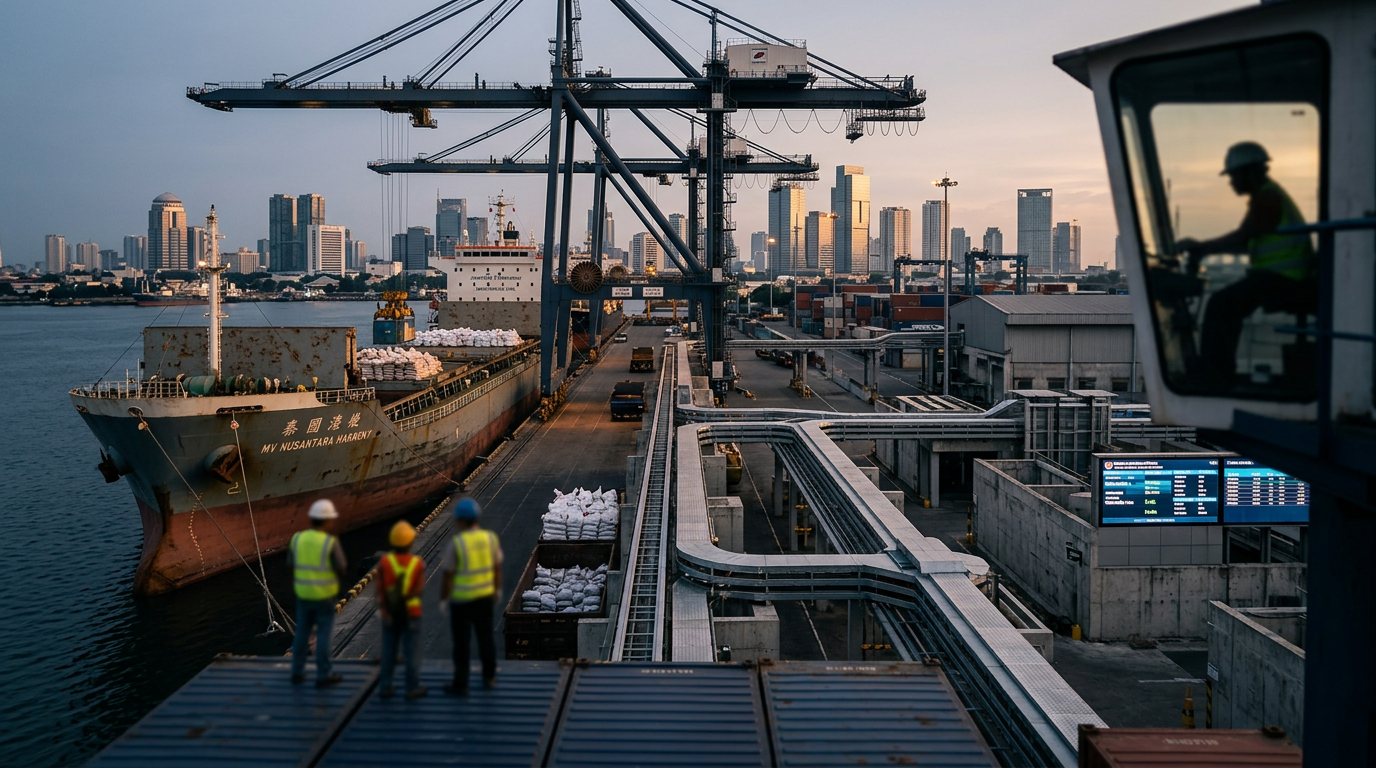
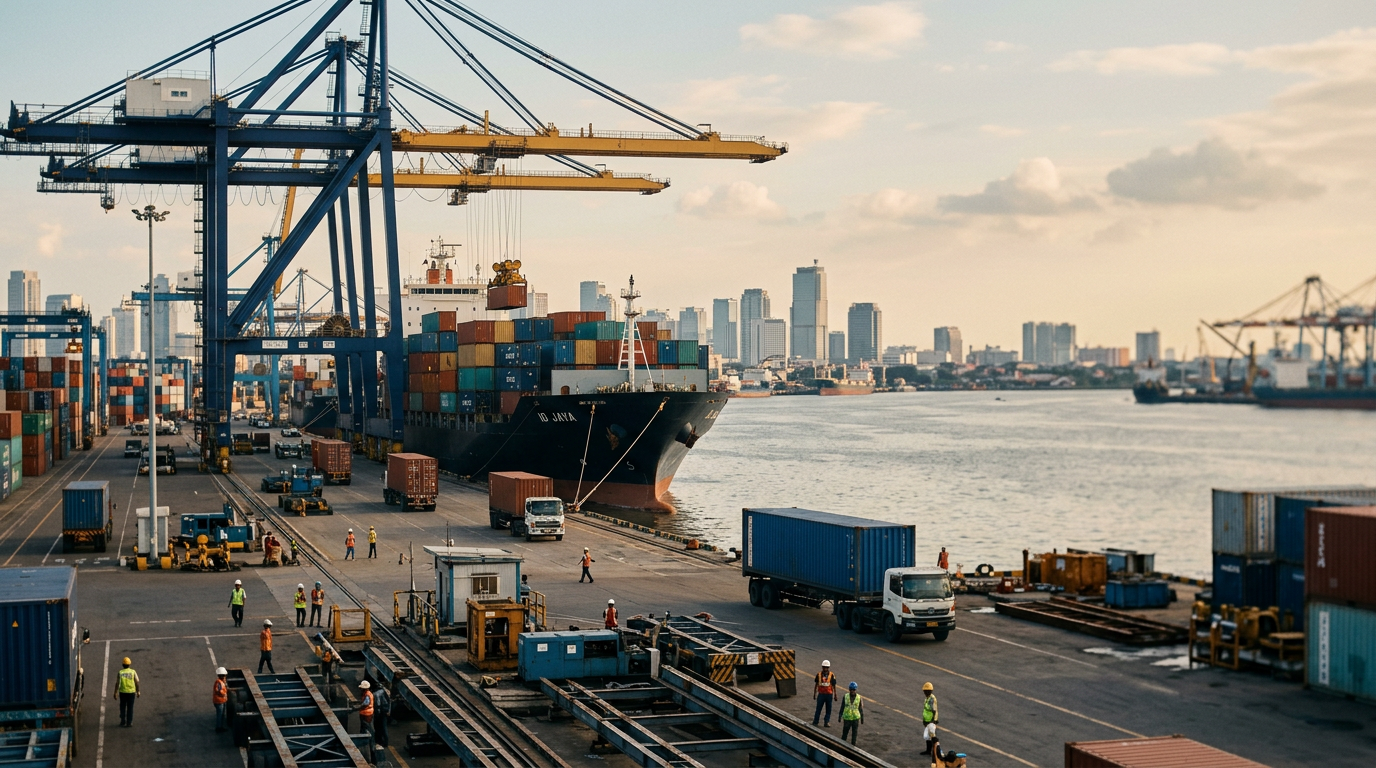
Gulf investors, like all foreign capital, need assurance on several fronts. Land acquisition, often a complex and lengthy process in Indonesia, needs to be straightforward. Permitting, from initial construction to final operation, must be handled with bureaucratic efficiency. The availability of reliable infrastructure, especially power and logistics, is non-negotiable for industrial projects. Finally, the local talent pool must possess the skills to run and maintain the new enterprises. These factors are not afterthoughts; they are the core components of a successful investment climate.
From Announcement to Realisation
Recent history in Indonesia provides a useful lesson. Ambitious FDI announcements have always been a feature of its economic landscape, but the conversion rate from pledges to realised investment tells a more nuanced story. The slower, more arduous work of securing land titles, navigating environmental assessments, and ensuring a project has access to a dependable power grid is where many ambitious plans falter.
This is the implementation gap that Indonesia's government has been working to close. The creation of the Omnibus Law on Job Creation was a significant legislative attempt to streamline regulations and reduce the bureaucratic friction that can deter investors. The establishment of Special Economic Zones (SEZs) with dedicated infrastructure and one-stop administrative services is another strategy. These initiatives directly address the institutional weaknesses that have historically slowed the pace of FDI realisation. The success of Gulf investment will hinge on the effectiveness of these reforms in practice, not just their promise on paper.
Nusantara as a Test Case
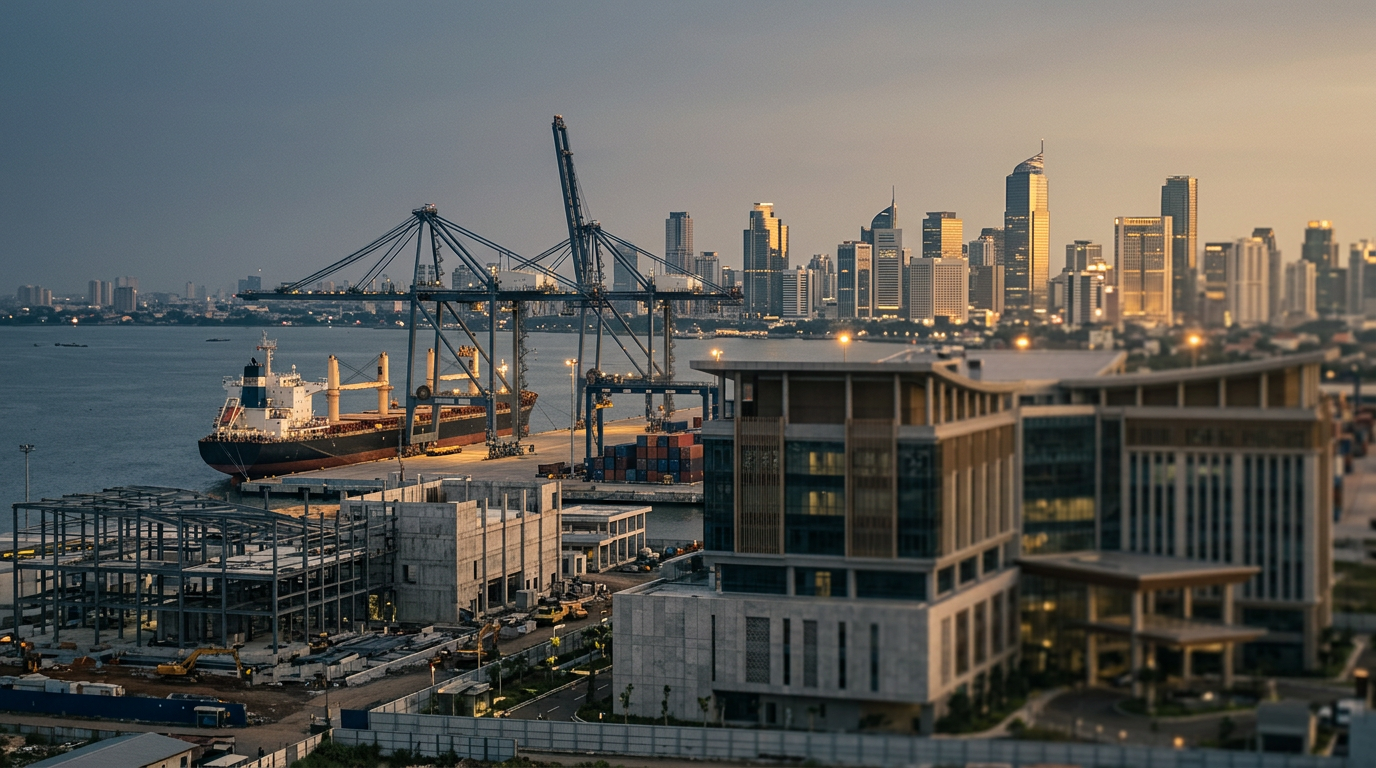
Indonesia's new capital city, Nusantara, is the most prominent example of this dynamic. The project is a massive undertaking that requires immense capital and complex execution. The Indonesian government has actively courted international partners, and Gulf sovereign wealth funds are logical candidates. An investment in Nusantara is not just a financial bet on a new city; it is a long-term commitment that requires a high degree of confidence in Indonesian institutions.
For a project on the scale of Nusantara to succeed, every element of the investment ecosystem must function correctly. The Nusantara Capital City Authority (OIKN) has been granted significant autonomy to manage land, issue permits, and offer incentives precisely to avoid the bottlenecks that have plagued other large projects. Gulf investors will be watching closely to see if this new institutional model can deliver on its promises of speed and predictability. The city represents a real-world test of Indonesia's capacity to absorb and productively deploy foreign capital. What to watch
Monitor the realised FDI figures from Bank Indonesia and the Investment Coordinating Board (BKPM) over the next 24 months, looking for a meaningful increase in the percentage of announced GCC investments that translate into completed projects. Pay attention to the specific progress of infrastructure development within the designated SEZs and in Nusantara. The ability of these zones to attract and, more importantly, operationalise foreign-funded projects will be a leading indicator of whether institutional reforms are truly taking hold and creating the conditions for sustained capital absorption.