Indonesia
Indonesia and the FDI Litmus Test
Foreign investment pledges are one thing; realised investment is another. For Indonesia, turning headline FDI wins into real capital flows depends on the hard work of institutional reform.
Indonesia is once again attracting significant foreign investor interest, with reports that a consortium including Singapore's Temasek and BlackRock will invest up to $1.3 billion into the airport assets of India's Adani Group, according to a recent report in the Straits Times. While the initial focus of this investment is on Indian airports, the participation of a major Singaporean institutional investor signals a broader appetite for infrastructure assets in the region that could benefit Indonesia.
The Indonesian government has been actively courting foreign direct investment (FDI), touting its large domestic market and significant infrastructure needs. The country's scale is indeed its primary asset. However, as the book "ASEAN Rising" notes, for a country's large scale to translate into tangible economic growth, it must be matched by institutional capability. Headline-grabbing announcements are a positive signal, but the real test is converting these pledges into actual, on-the-ground investment.
From Announcement to Execution
The gap between announced and realized FDI is a persistent issue across many emerging markets, and Indonesia is no exception. A large investment pledge by a prominent global or regional player generates positive headlines and can create a sense of momentum. Yet, the journey from a signed memorandum of understanding to a fully operational project is long and fraught with potential roadblocks.
Successfully absorbing large-scale capital inflows requires a robust institutional framework. This is the slower, less glamorous work that happens after the initial announcement. It involves securing land rights, navigating a complex web of national and sub-national permits, ensuring reliable power supply to the project site, and having a sufficiently skilled workforce in place. As discussed in "ASEAN Rising," these are the foundational elements that give investors the confidence to move from commitment to capital expenditure. Without them, even the most promising projects can stall.
The Infrastructure Imperative
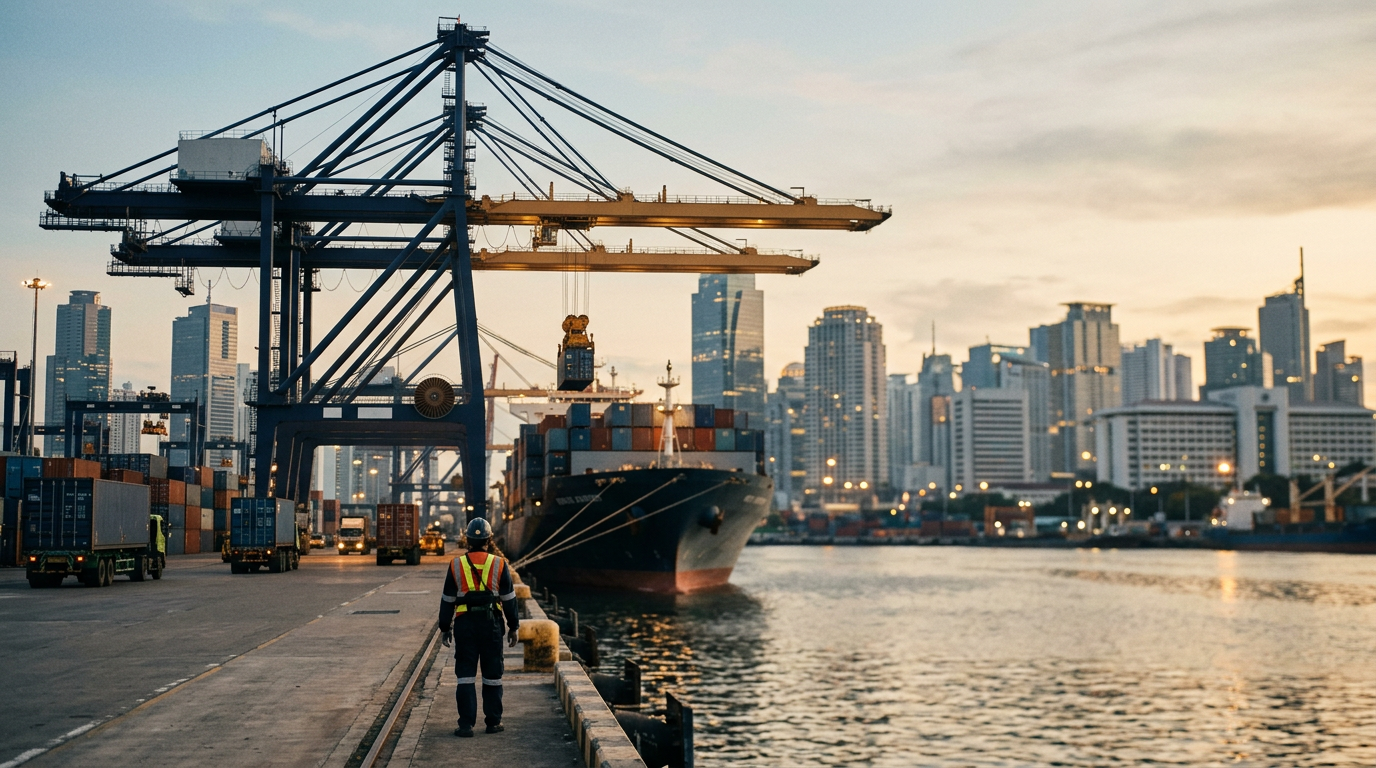
Infrastructure development is a core priority for President Joko Widodo's administration, and for good reason. It is both a critical enabler of economic activity and a major asset class for foreign investors. From toll roads and seaports to airports and digital infrastructure, the needs are immense. The Adani Group deal, focused on airports, shows the kind of assets that attract long-term institutional capital.
For Indonesia to capture a larger share of this capital, it must continue to address structural impediments. The government has taken steps to streamline regulations and improve the investment climate through initiatives like the Omnibus Law on Job Creation. The goal of these reforms is precisely to shorten the distance between an investment announcement and the start of construction. The success of these reforms will be measured not by the number of deals announced, but by the value of projects that reach financial close and become operational, creating jobs and economic value.
The Talent and Trust Factors
Beyond the hard infrastructure of ports and power, two other factors are essential: talent and trust. An investor needs to know that the local workforce has the skills to build and operate a modern facility. This requires sustained investment in education and vocational training to align the country's human capital with the needs of a modernizing economy.
Trust is equally important. Investors need confidence in the stability of the regulatory environment and the impartial enforcement of contracts. "Scale matters only when institutions can turn it into investable depth," and a key component of that depth is legal and political certainty. When institutions are perceived as transparent and reliable, investors are more willing to commit the patient capital required for large-scale, long-term infrastructure projects.
What to watch
Keep an eye on the ratio of realized to approved FDI in Indonesia over the coming quarters. This figure will be a key indicator of whether institutional reforms are genuinely improving the country's capacity to absorb capital. Also, watch for specific progress on major infrastructure projects that have already attracted foreign partners. The speed and efficiency with which these projects move through the development pipeline will be the most reliable signal of Indonesia's investment appeal.