Indonesia
From New York to Nusantara: Gulf Capital Meets Indonesian Institutions
Foreign ministers of ASEAN and the Gulf Cooperation Council met in New York, but the real work of turning investment promises into projects on the ground in Indonesia is just beginning.
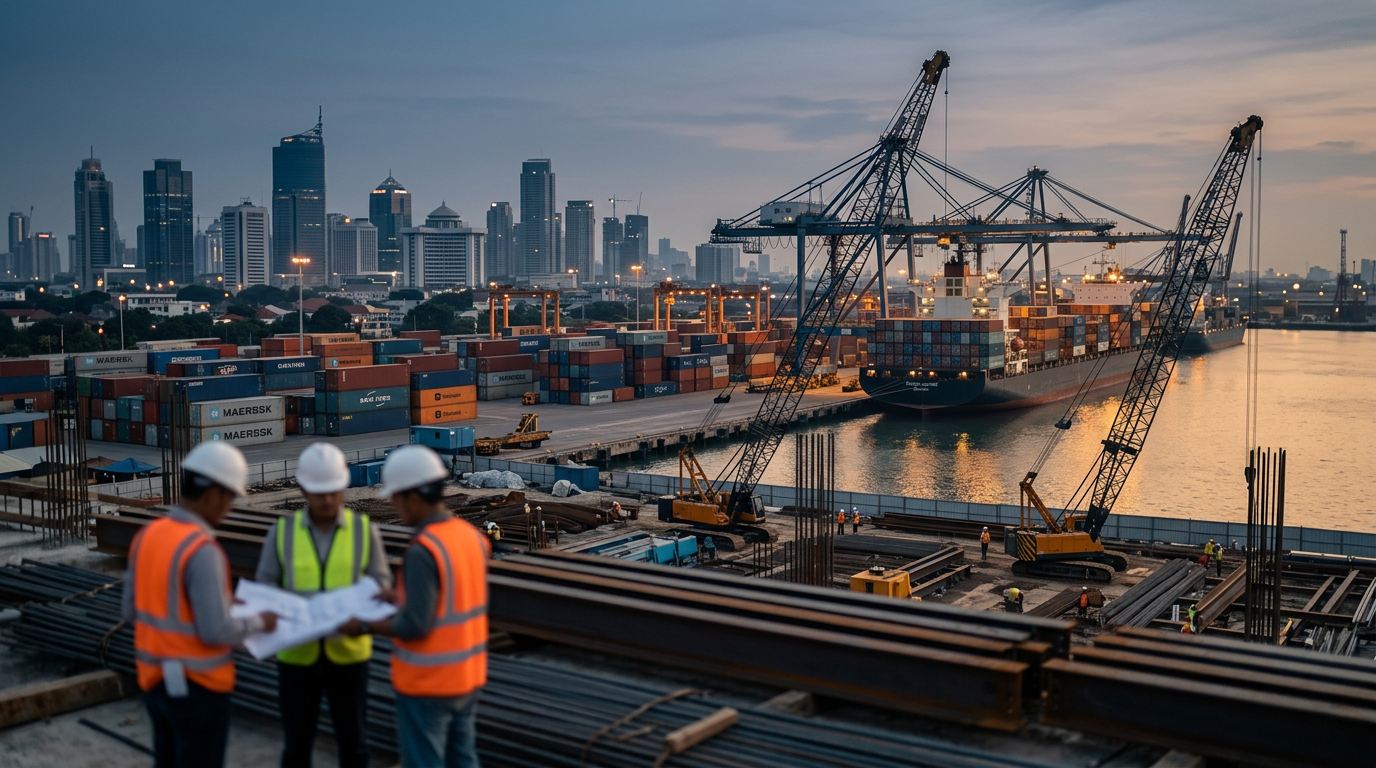
Foreign ministers of the Association of Southeast Asian Nations (ASEAN) and the Cooperation Council for the Arab States of the Gulf (GCC) met in New York on September 23, according to a press statement from ASEAN. The meeting, held on the sidelines of the UN General Assembly, aimed to strengthen the framework for economic cooperation established in 2024. While such high-level diplomatic engagements are necessary, the substance of the relationship will be determined by how effectively Gulf capital can be deployed into tangible projects, particularly in a market as significant as Indonesia.
The Gulf-ASEAN Framework
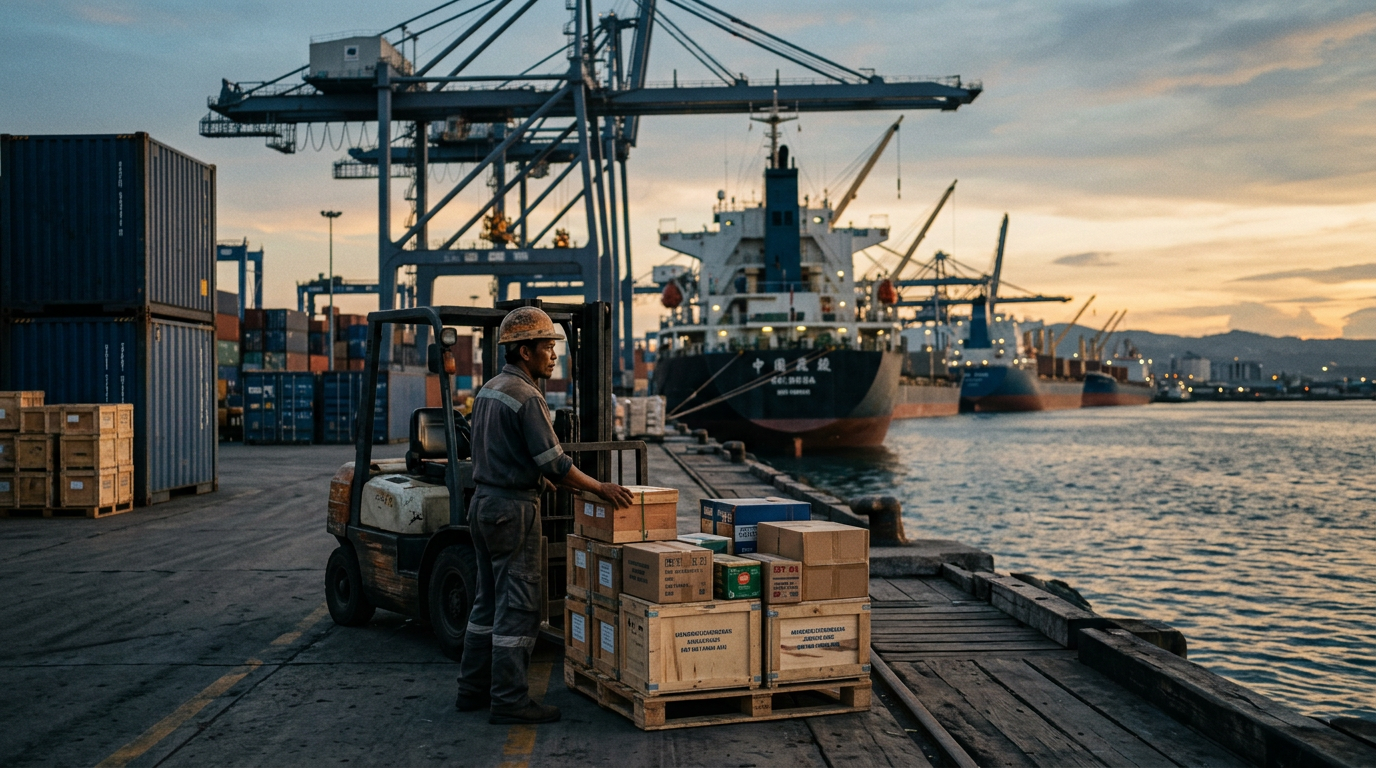
The 2024 Framework of Cooperation between ASEAN and the GCC provides a formal structure for engagement, covering areas from trade and investment to energy and digital economy. The recent foreign ministers' meeting reaffirmed these goals, with a focus on identifying concrete projects. For Gulf sovereign wealth funds and private investors, the appeal of Southeast Asia is clear: a growing market of over 660 million people with significant infrastructure needs. Indonesia, as the region's largest economy, naturally commands attention. However, translating diplomatic goodwill into realized foreign direct investment (FDI) is a complex process that extends far beyond ministerial handshakes.
Indonesia: The Institutional Test
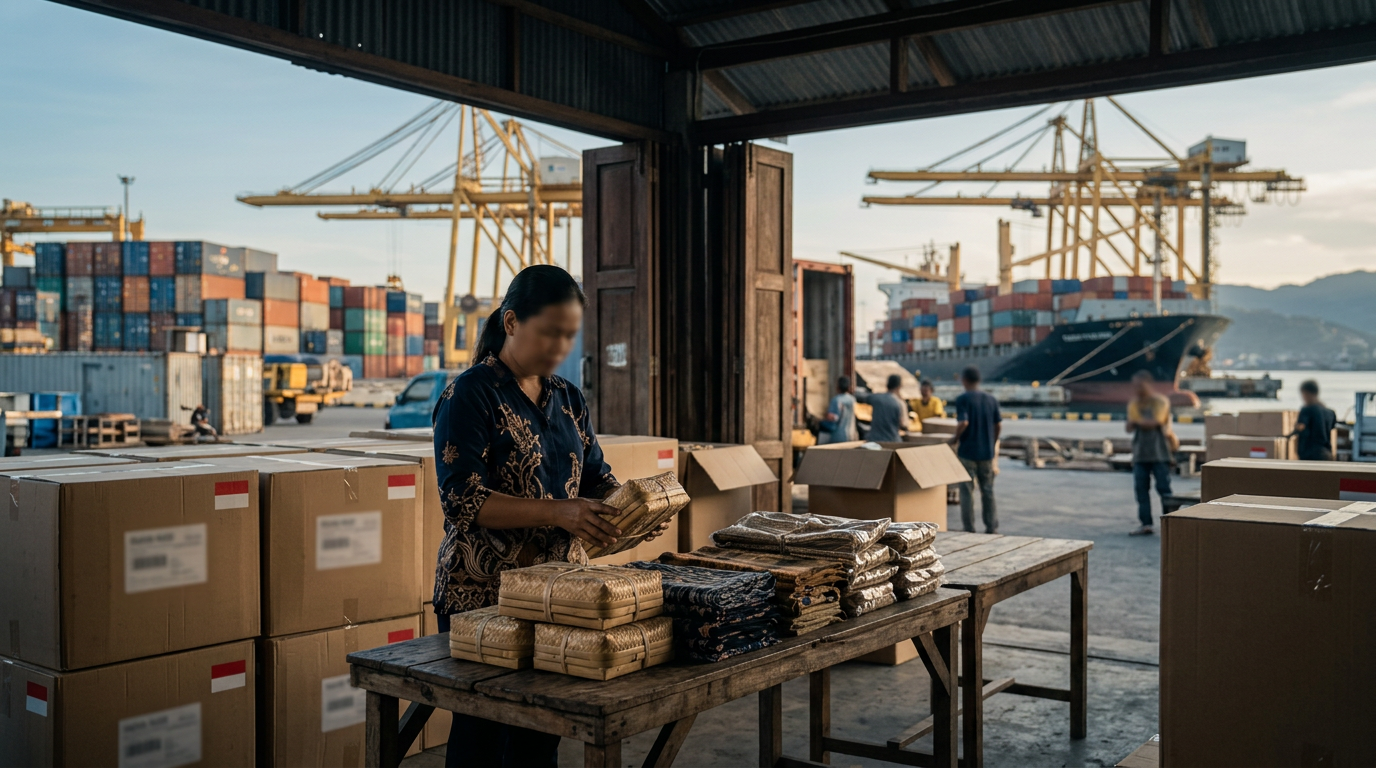
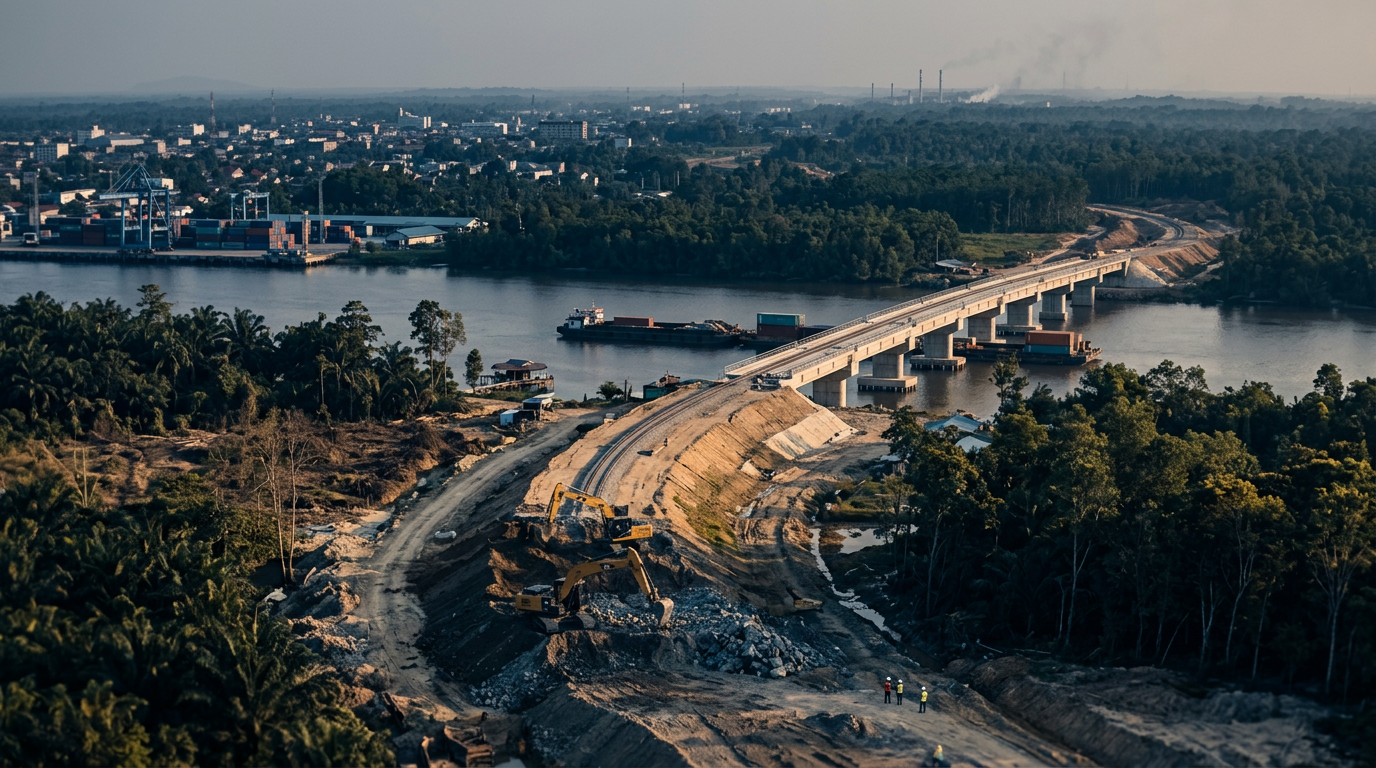
Indonesia presents both immense scale and institutional hurdles. The nation's ambitious development plans, including the relocation of the capital to Nusantara and the drive to build out downstream processing industries for its natural resources, require massive capital investment. Gulf investors are a primary target. The challenge, as detailed in the book ASEAN Rising, lies in execution. While announcements of multi-billion dollar investments generate headlines, the real test is in the "slower work of land, permits, power and talent reaching the ground."
Successfully navigating this landscape requires robust local institutions. Investors need clarity on land acquisition, a streamlined and predictable permitting process, reliable power infrastructure, and access to a skilled workforce. The Indonesian government has made strides with its Omnibus Law on Job Creation, aimed at cutting red tape. However, implementation remains uneven. For Gulf capital to flow at scale, these foundational elements must be in place. The success of major projects, whether in renewable energy, new urban centers, or industrial parks, will depend entirely on the capacity of Indonesian institutions to deliver a stable and predictable operating environment.
Capital and Execution
The ASEAN-GCC framework is a starting point, not a conclusion. For investors from the Gulf, the long-term returns offered by Indonesia are compelling, but they will be weighed against perceived risks. The flow of FDI is not just a function of diplomatic agreements but of on-the-ground reality. Scale is a necessary but insufficient condition for investment. The ability of Indonesia's institutions to convert the nation's demographic and geographic advantages into what ASEAN Rising calls "investable depth" will determine the ultimate success of this inter-regional partnership. The announcements made in New York are a positive signal, but the substantive work of project development, financing, and construction is where the real value will be created and where the institutional strength of both sides will be tested.
What to watch
Watch for the announcement of specific, project-level commitments from Gulf-based entities into Indonesia over the next 12 to 18 months. The size and sector of these deals will be less telling than the speed and efficiency of their implementation. Pay attention to the resolution of common FDI bottlenecks related to land disputes and permitting for any new large-scale projects. The progress of these initial ventures under the ASEAN-GCC framework will serve as a bellwether for the future of Gulf investment not only in Indonesia but across the entire region.