
ASEAN Analysis & Commentary
Every analysis published on ASEAN Rising is sourced, datestamped and signed. We're more interested in being right in 12 months than first in 12 minutes.
Foundation pieces
Start here. The three pieces below set out the lens ASEAN Rising uses to read every story.
ASEAN Rising's core lens. Execution Economics is the study of whether countries, companies and institutions can convert obvious potential into delivered outcomes - and which six pillars decide the answer.
The region has capital, demographics, location and policy ambition. None of that has ever been the binding constraint. The next decade is an execution test, not a potential test - and it is already being scored.
Malaysia is the test case for whether ASEAN's middle powers can turn FDI, semiconductors and data centres into compounding domestic capability. Read the live coverage and execution scorecard.
Latest analysis
 Singapore
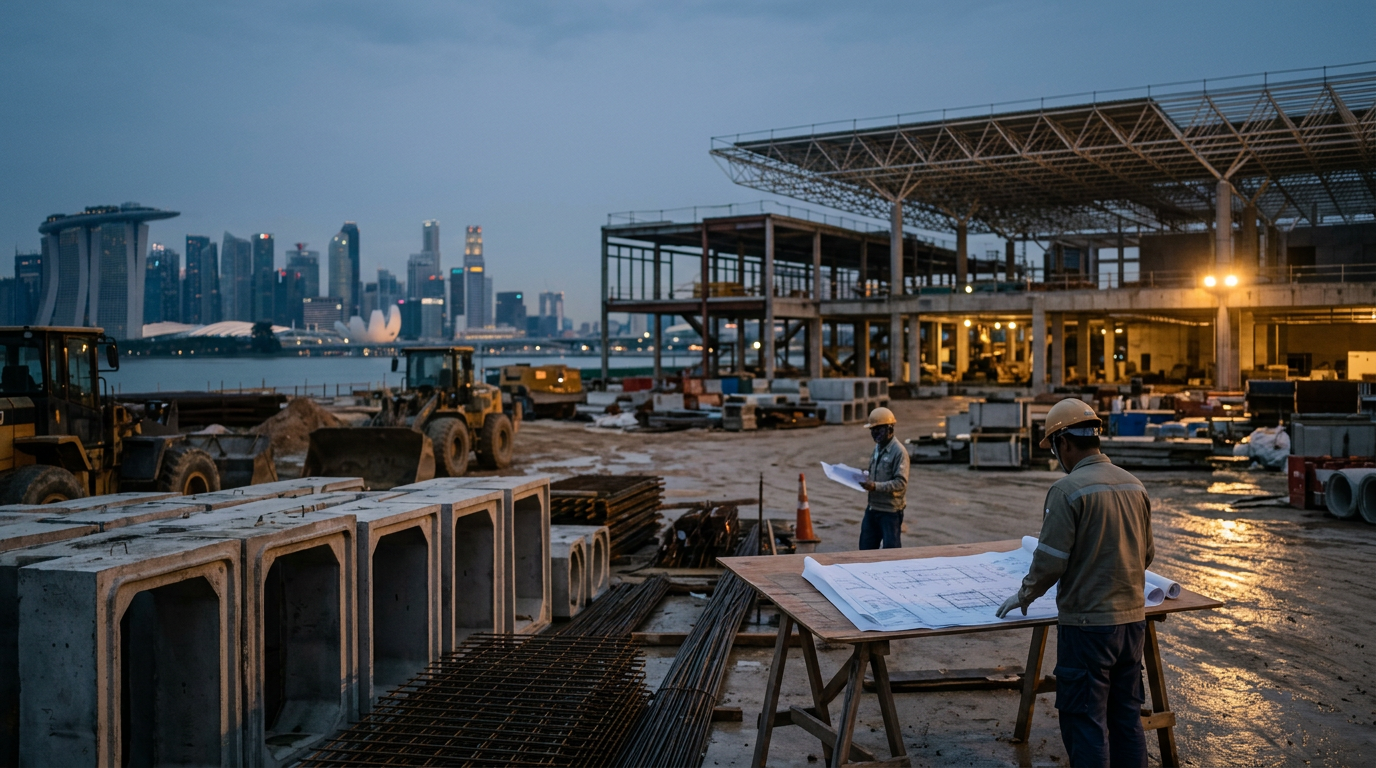
The Hard Work of Airport Investment
Foreign direct investment announcements travel quickly. Realised flows depend on the slower work of land, permits, power, and talent.

 Indonesia
Indonesia Rethinks Its Investment Climate
Recent news of significant offshore investment by a prominent Indonesian family highlights the institutional challenges that can limit the country's ability to absorb domestic and foreign capital.

 Thailand
Thailand's EV Tax Shift: A Test of Institutional Execution
Thailand's auto sector is calling for clarity on a revised EV tax policy. The debate shows how a nation's industrial policy framework can determine whether announced foreign investment becomes realised economic value.
 Singapore
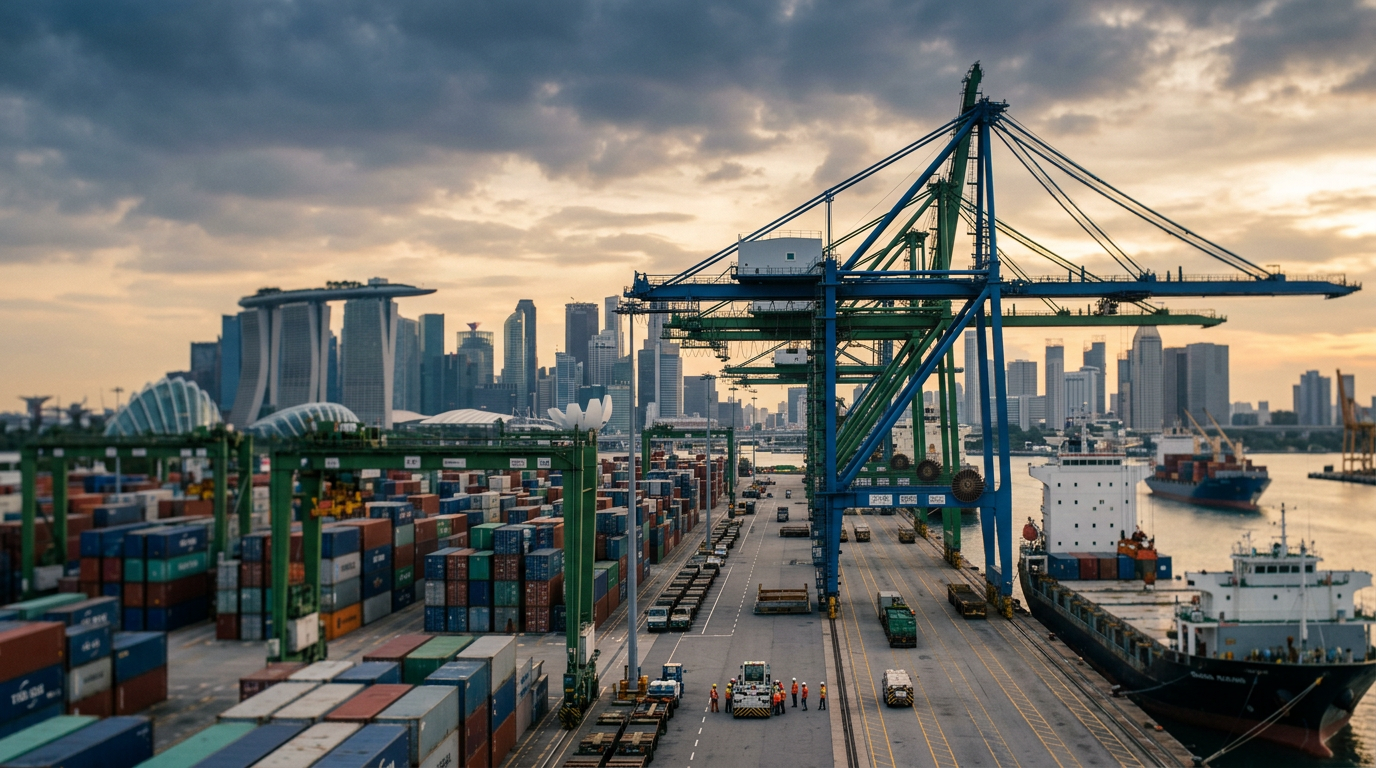
The Infrastructure Layer of Sovereign AI in ASEAN
Sovereign AI in ASEAN will be tested not by model launches but by who controls the compute, the data layer and the digital identity rails that sit underneath everyday economic life.

 Vietnam
Vietnam's AI Ambition Meets the Sovereignty Test
Vietnam's new $3.5 billion data centre plan shows how its digital economy strategy is evolving, but the project's multinational nature puts the focus on the core challenge of sovereign AI: who controls the infrastructure, data, and identity rails?

 Malaysia
Sovereign AI in ASEAN is about more than models
Sovereign AI in ASEAN will be tested not by model launches but by who controls the compute, the data layer and the digital identity rails that sit underneath everyday economic life.

 Philippines
Visa's Philippine Expansion Signals More Than Growth
When a global firm like Visa expands its footprint in the Philippines, it reflects a broader narrative about the country's improving business environment and institutional reliability.
 Malaysia
Penang Delivers the Mutiara Line
As Penang prepares for a 21-day road closure to facilitate the construction of the LRT Mutiara Line, the project highlights the connection between state capacity and economic progress. Infrastructure that gets built offers a clearer signal of a state's intentions than ambitious.
 Thailand
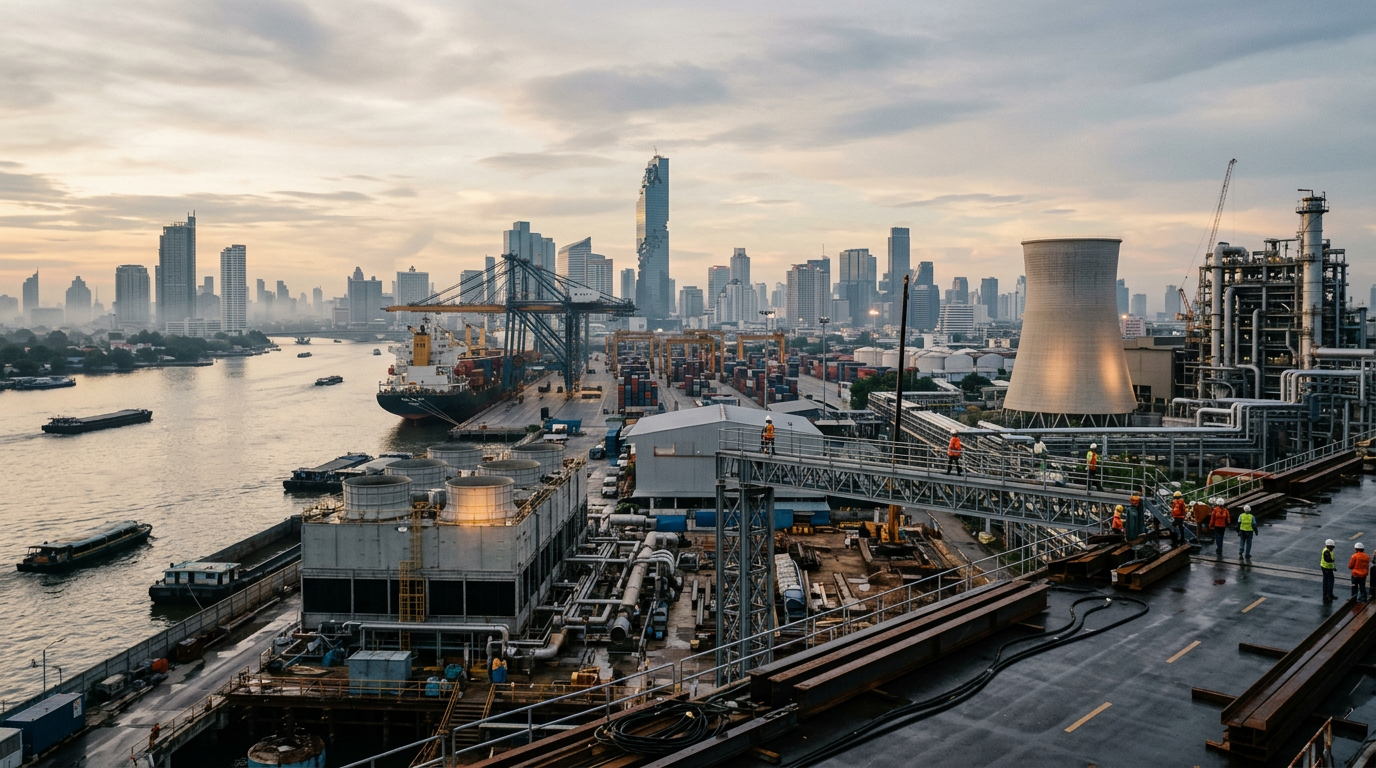
Thailand's Nuclear Ambition Tests State Capacity
Thailand's plan for a small modular reactor by 2037 is a significant test of its institutional capacity. The project's success hinges not just on technology but on the ability of the state to execute a complex, long-term infrastructure project.
 Vietnam
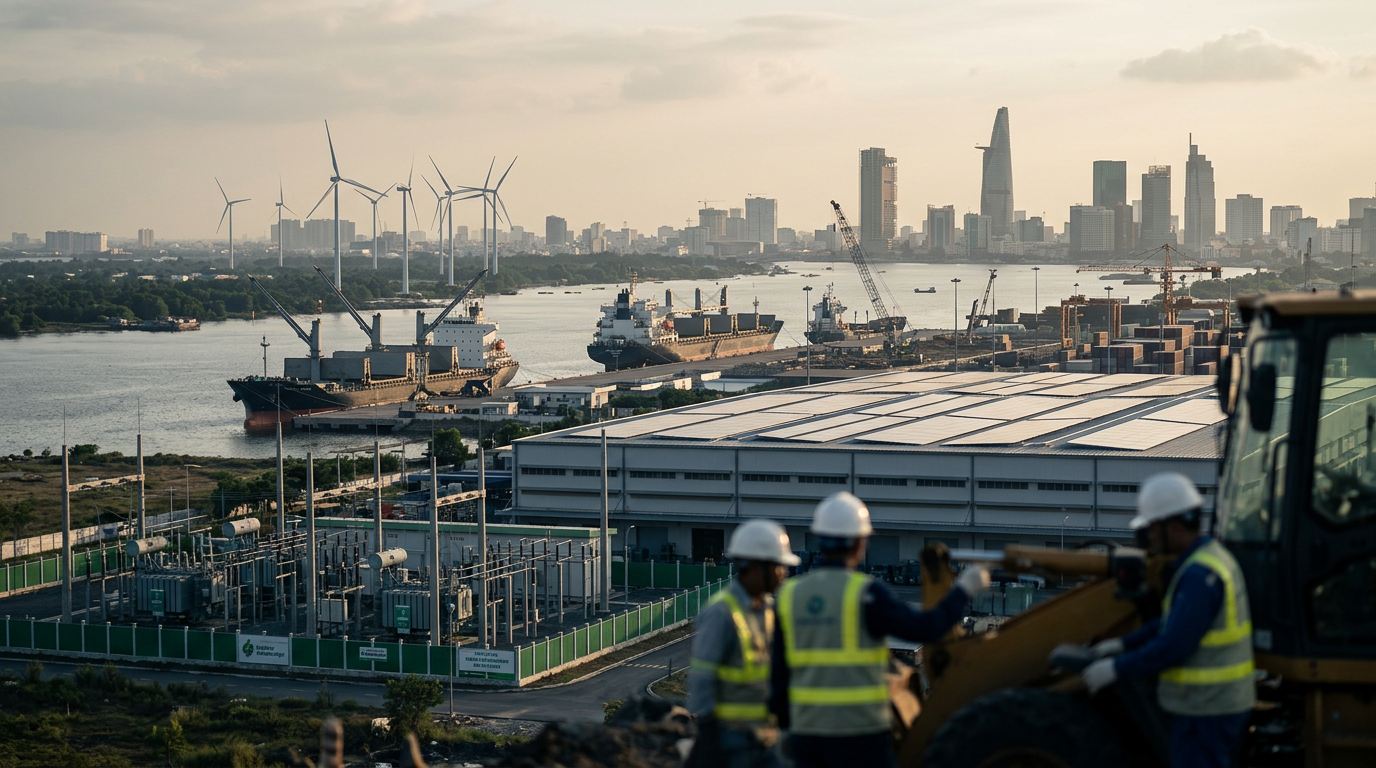
Vietnam's Green Finance Move Highlights the Value of Usable States
A recent US$30 million credit facility for Vietnam's Nam A Bank from Proparco to expand green lending shows how institutional reliability is becoming a key part of comparative advantage in Southeast Asia.
 Malaysia
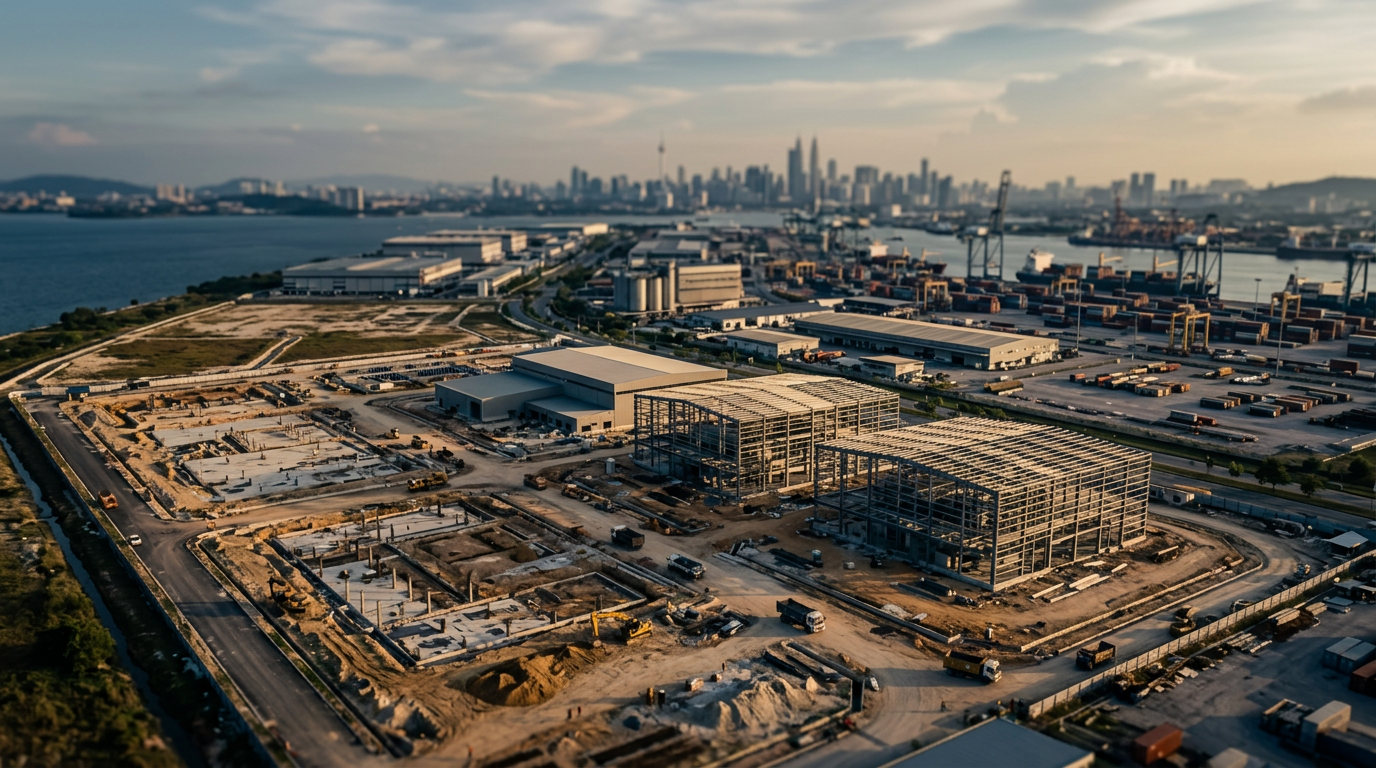
Malaysia's FDI Ambition is About More than Announcements
FDI announcements travel quickly. Realised flows depend on the slower work of land, permits, power and talent reaching the ground.
 Thailand
From Ambition to Execution in Thailand
Thailand is making substantive moves to deepen its capital markets. Success will depend on the slow work of turning plans into projects.
 Thailand
From Arrivals to Assets: Thailand's FDI Test
Thailand is betting that a new visa-free travel policy for Chinese visitors will do more than fill hotels. It hopes tourism will catalyse foreign direct investment. History shows this is not automatic.
 Malaysia
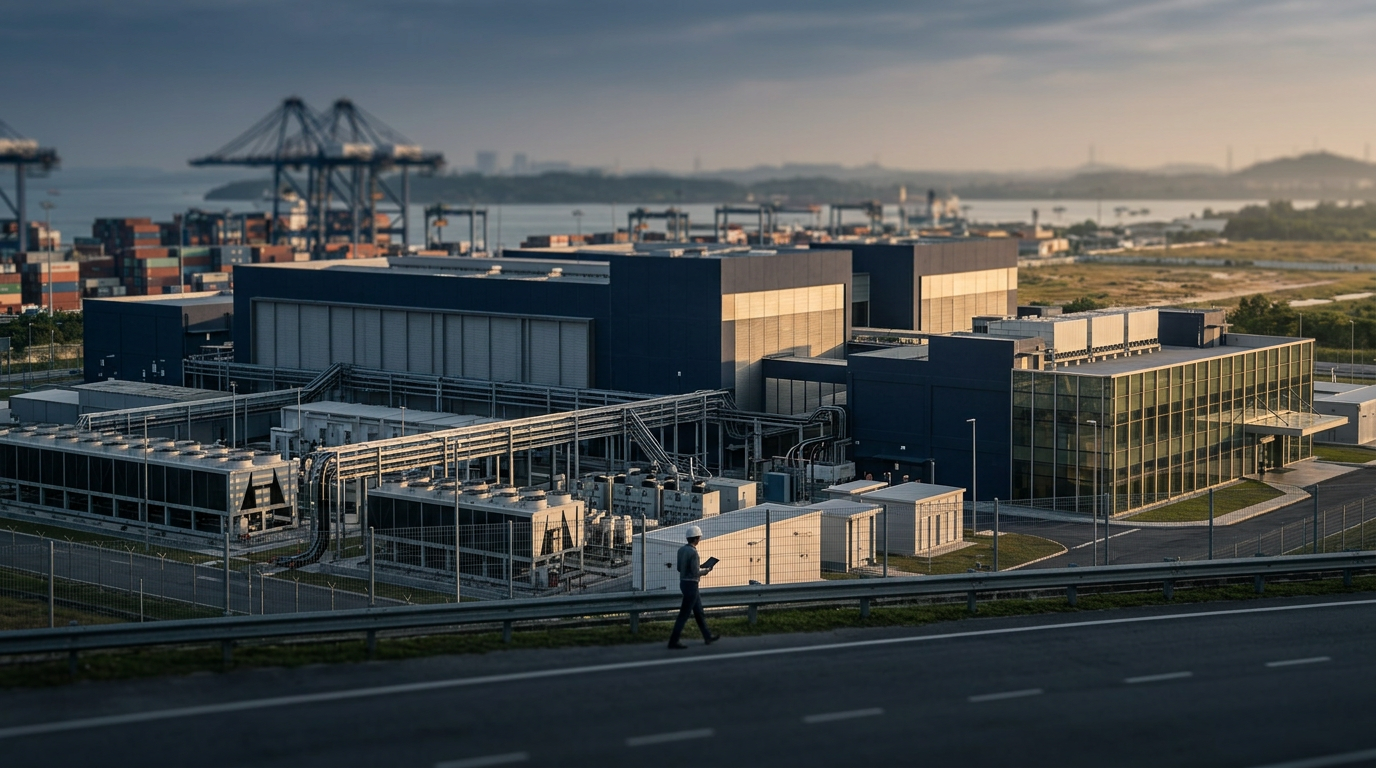
Malaysia's Cloud Infrastructure and the Sovereign AI Question
Tencent Cloud's new region in Johor highlights the build-out of critical digital infrastructure, a necessary step for Malaysia's digital economy ambitions. But it also surfaces the deeper question of how ASEAN member states will ensure sovereignty over the foundational layers.
 Thailand
Thailand, AI, and the Sovereign Stack
Thailand's revised GDP forecast, partly crediting the AI cycle, puts the spotlight on the country's underlying digital infrastructure. For ASEAN nations, the true measure of sovereign AI lies not in models, but in control over compute, data, and digital identity.
 Malaysia
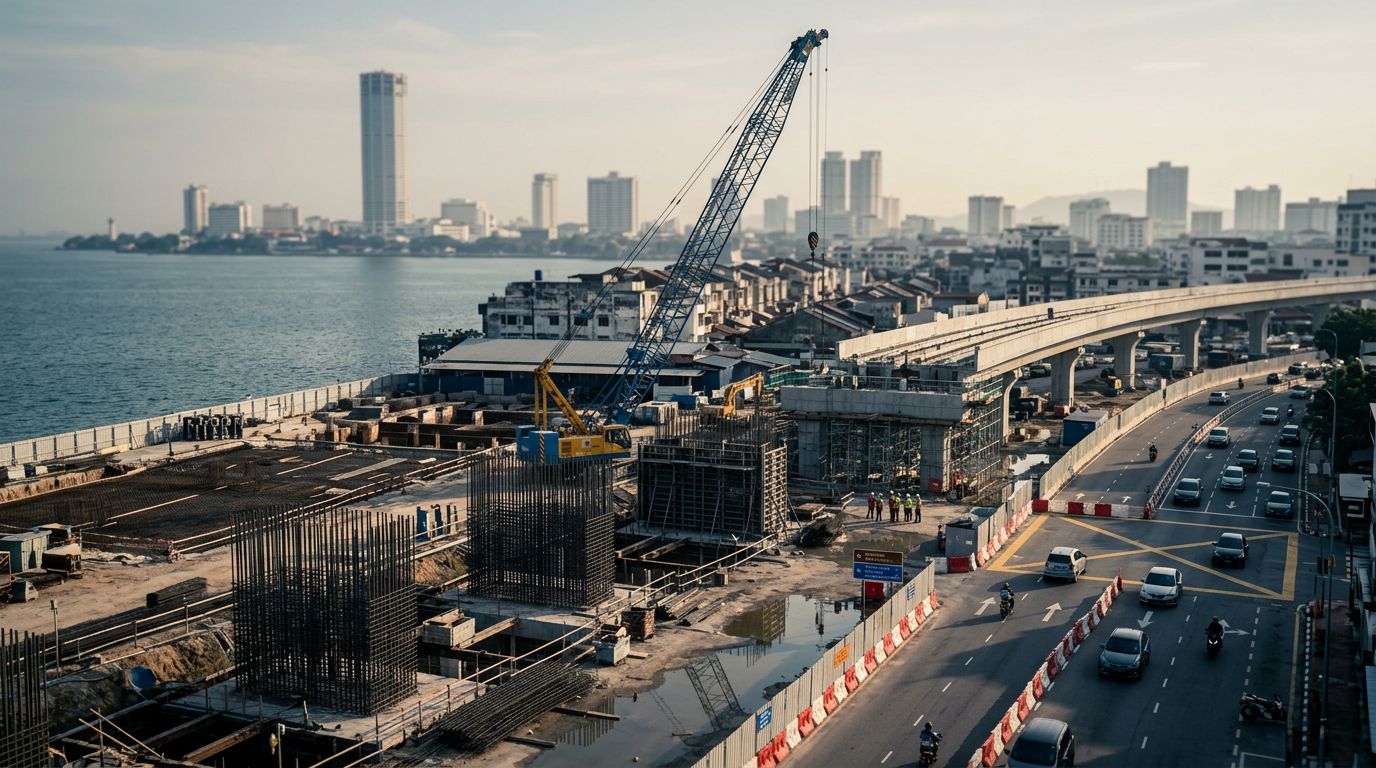
The Mutiara Line and Malaysia's Infrastructure Test
Penang's Mutiara Line LRT project will require a 322-day traffic diversion. While a necessary step, it puts the focus on Malaysia's ability to deliver complex infrastructure projects on schedule and with minimal disruption.
 Malaysia
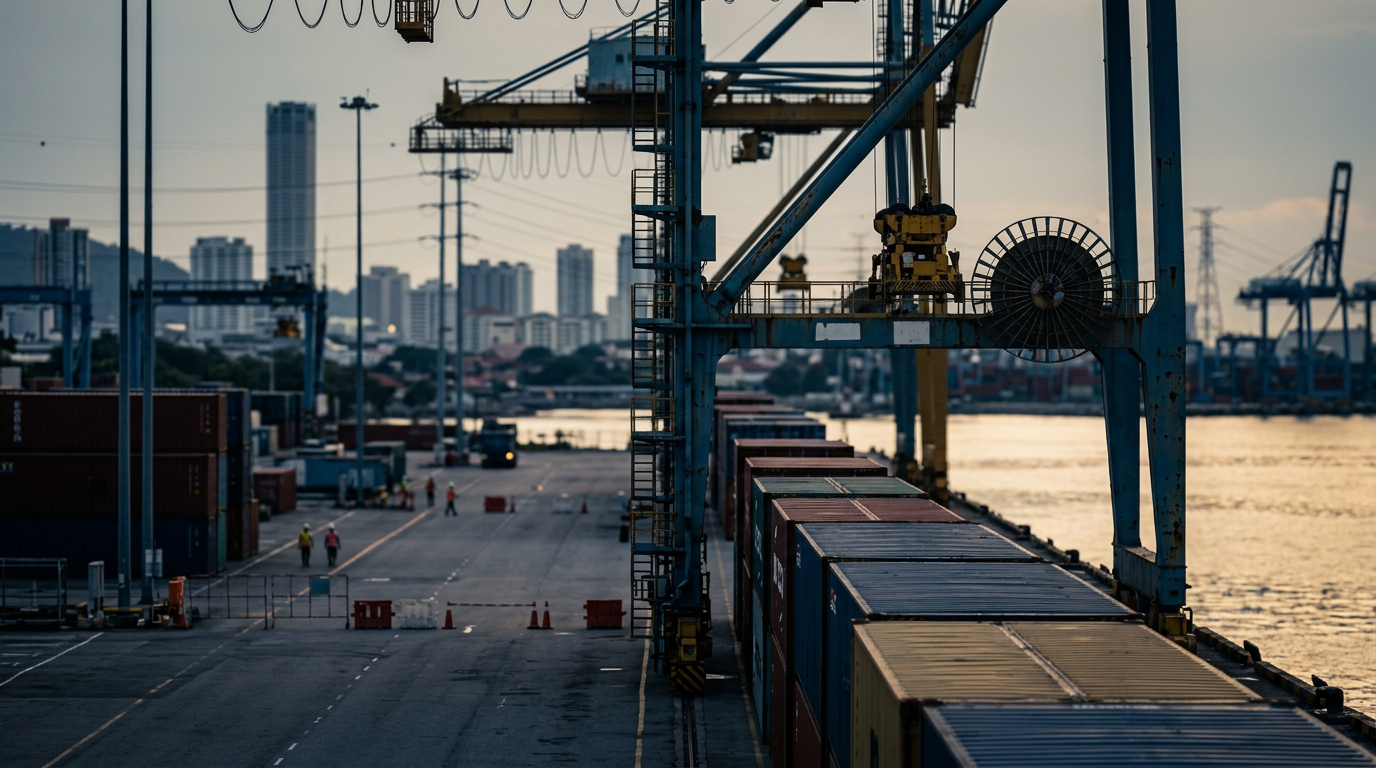
Malaysia
A temporary road closure in Penang is a small but significant indicator of the
 Singapore
ASEAN Work Plans and the Price of Inaction
Announcements are not outcomes. ASEAN's IAI Work Plan V is the latest in a series of plans to narrow the development gap. As the book ASEAN Rising argues, follow-through is a dimension of state capacity, and state capacity has become a factor in comparative advantage.
 Vietnam
Vietnam Airlines' Airbus Order Underscores the Value of Execution
Vietnam's aviation sector growth is a tangible result of its focus on institutional capacity and reliable infrastructure development, a core theme of ASEAN Rising.
 Vietnam
Vietnam's FDI Wins Show the Primacy of Execution
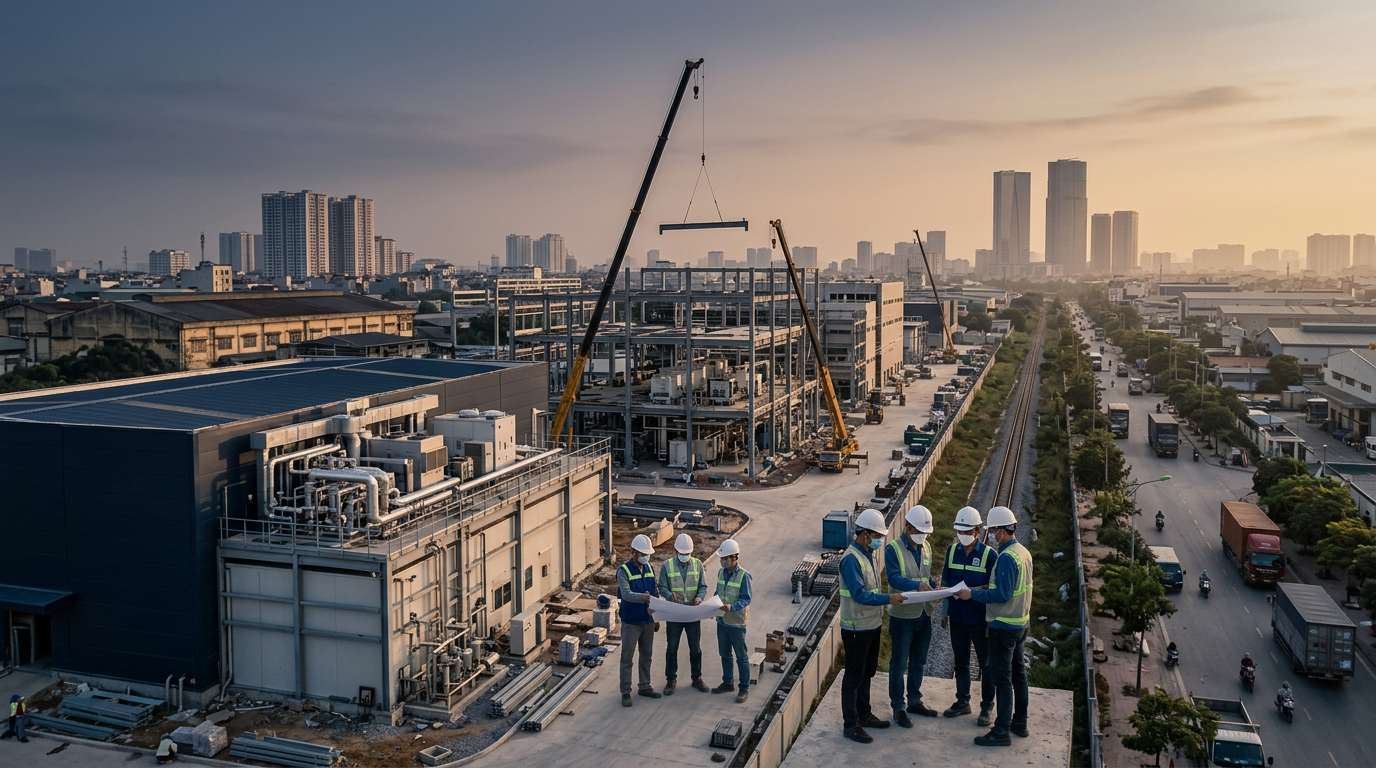
Vietnam's manufacturing surge is a lesson in the power of execution. Announced FDI is one thing; realised investment that builds factories and hires workers is another. Vietnam is succeeding in the slower, harder work of turning promises into projects.
 Vietnam
Vietnam's Semiconductor Ambitions Test Its Institutions
Hanoi has attracted significant foreign investment in semiconductors, but turning those announcements into reality will require a concerted focus on institutions, infrastructure, and talent.
 Malaysia
Malaysia's FDI Record: Execution Makes the Difference
Foreign direct investment announcements are easy to make. Turning them into productive assets on the ground is the harder part that truly drives economic growth.
 Vietnam
Vietnam's Digital Banking Push Needs Institutional Depth
Vietnam's digital banking sector is drawing attention and awards. But turning this buzz into durable economic advantages requires a deeper focus on the institutions that govern talent, capital, and infrastructure.
 Thailand
Thailand
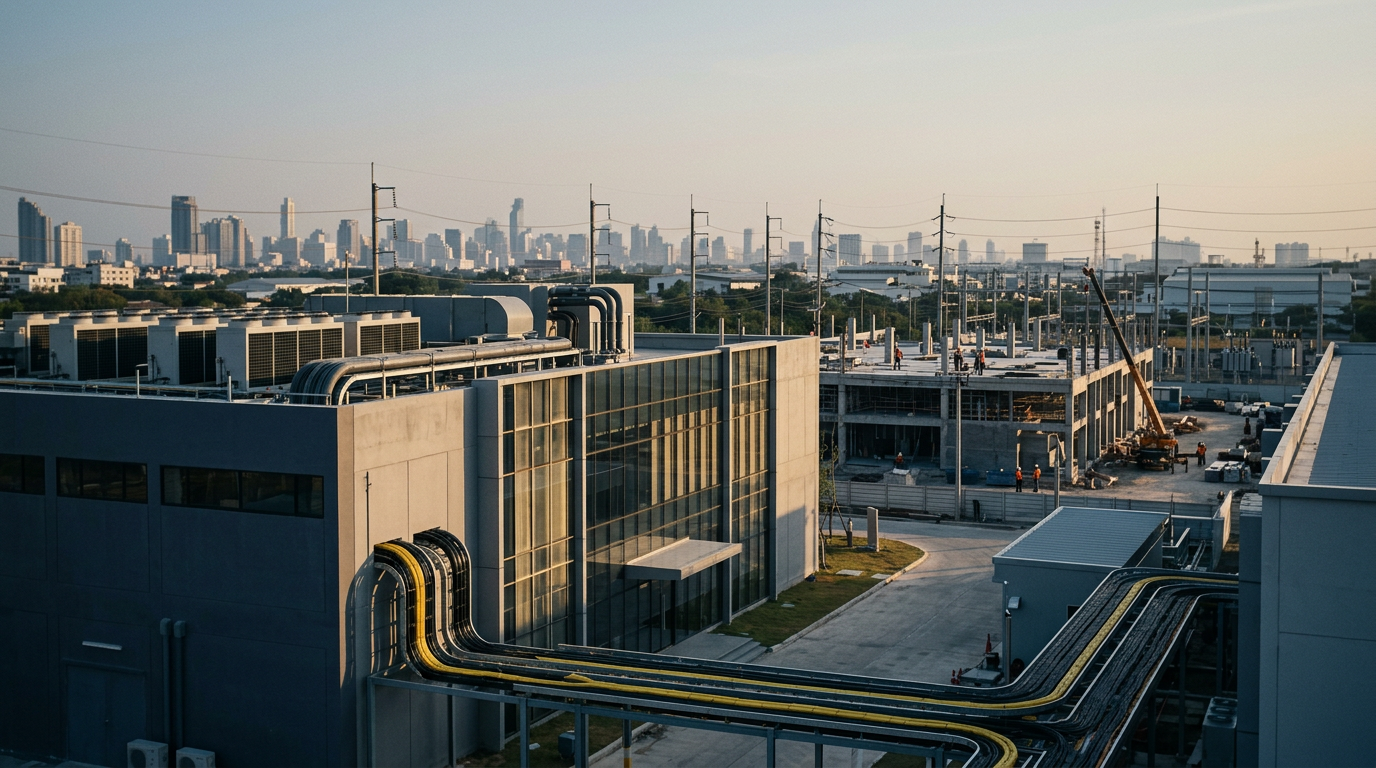
Data center projects are surging in Thailand. The real test is not in attracting capital, but in coordinating the inputs that make it productive.
 Philippines
The Philippines and the FDI Gap
Announced foreign investment pledges are one thing; realised investment is another. The Philippines' recent slump in FDI highlights the gap and the work required to close it.
 Malaysia
Malaysia's Investment Win With India Shows That Execution Matters
Malaysia's US$2.95 billion in approved manufacturing investments from India is a significant headline. The real work of turning FDI announcements into realised flows depends on the slower work of land, permits, power, and talent.
 Philippines
The Philippines: FDI Flows Follow Execution, Not Just Announcements
Net inflow of foreign direct investments in the Philippines fell in the first half of the year. For capital to be realised, it must be met with land, permits, power, and talent on the ground.
 Indonesia
Foreign Investment: From Announcement to Execution
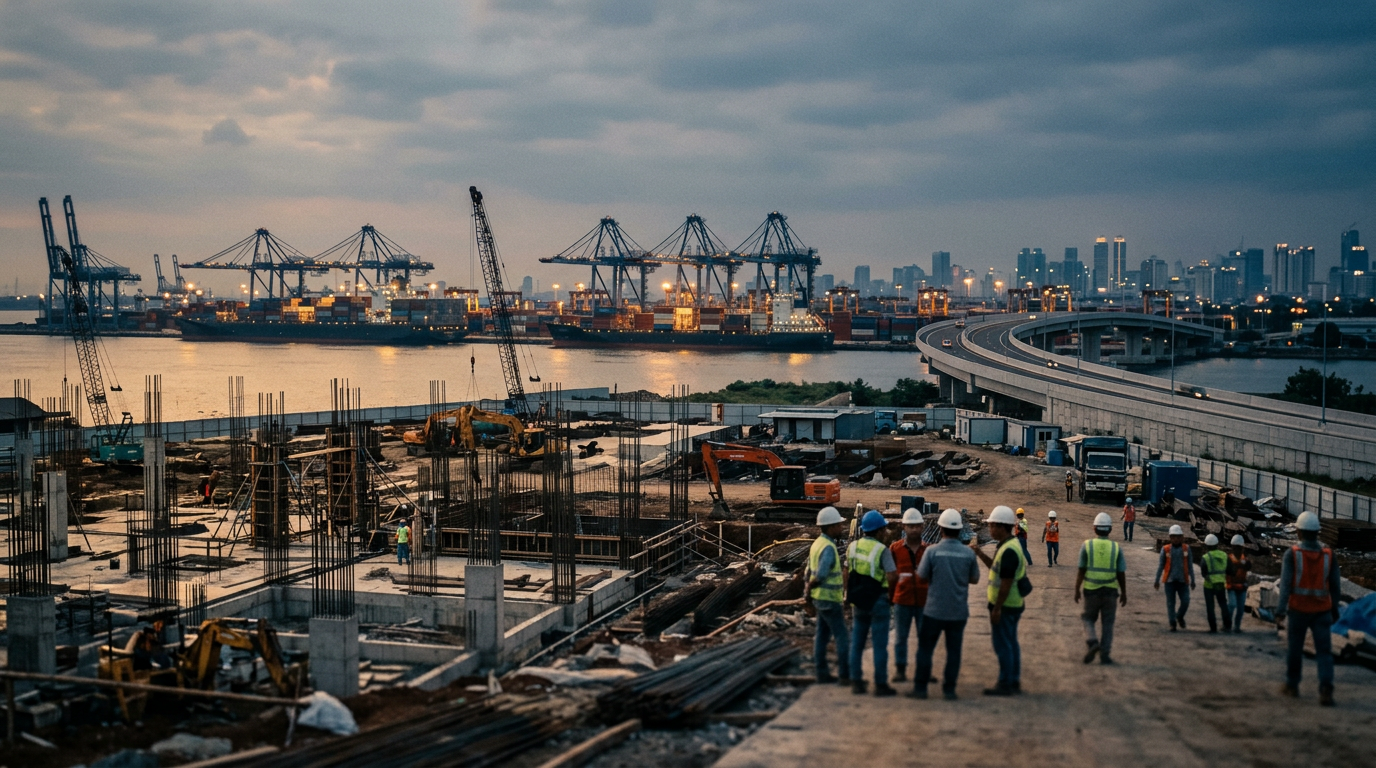
Foreign direct investment announcements travel quickly, but realised flows depend on the slower work of land, permits, power, and talent.
 Thailand
Thailand, AI, and the Sovereignty Question
Thailand is being encouraged to adopt AI, but the real test is not just adoption, but who controls the underlying compute, data, and digital identity rails.
 Indonesia
Thailand Boosts Cybersecurity Spending in an AI-Driven Threat Environment
Thai organizations are increasing cybersecurity spending to combat AI-driven attacks, a move that highlights the institutional and infrastructural questions surrounding sovereign AI development in the region.
 Philippines
The Real Test of Sovereign AI in the Philippines
A recent call for the Philippine government to adopt AI for good governance highlights the deeper challenge for ASEAN nations: controlling the foundational layers of compute, data, and digital identity.
 Indonesia
Indonesia, China, and the New Politics of Nickel
Indonesia is leveraging its nickel reserves to build domestic value, a strategy that deeply involves Chinese capital and technology, testing its ability to manage dependency while maximizing national gains.
 Singapore
Singapore, Radiant World, and the Challenge of Commodity Trade
The legal issues facing Singapore-based Radiant World, a major iron ore and coal trader, bring into focus the institutional strengths and weaknesses of ASEAN commodity hubs. While the case seems contained, it highlights the constant need for robust governance to manage the.
 Malaysia
Penang's LRT Project and the Long Road to Usable Infrastructure
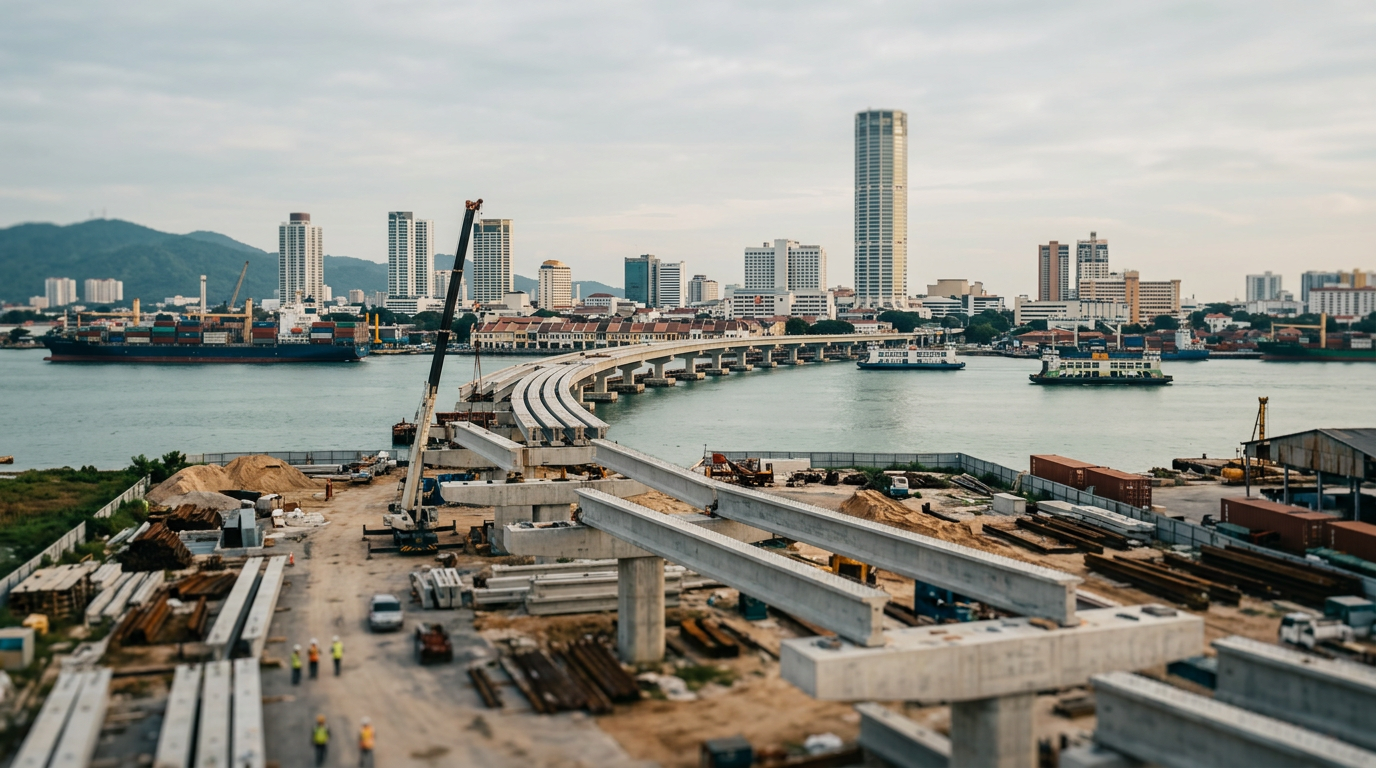
The Penang Mutiara Line LRT project is a multi-year effort to improve urban mobility. While the project promises long-term benefits, the immediate 322-day traffic diversion on Jalan Sultan Azlan Shah highlights the immense coordination and state capacity required to deliver.
 Indonesia
Reliability is the New Excitement in ASEAN Infrastructure
The consistent recognition of a Thai power project highlights a deeper trend across ASEAN: the growing competitive advantage of institutional reliability and predictable execution over mere announcements.
 Philippines
NAIA
The recent agreement between the US Trade and Development Agency and the New NAIA Infrastructure Corp. to upgrade security at Manila's airport is a step forward. However, the true measure of success will be in the execution, a key theme in the analysis of regional state capacity.
 Philippines
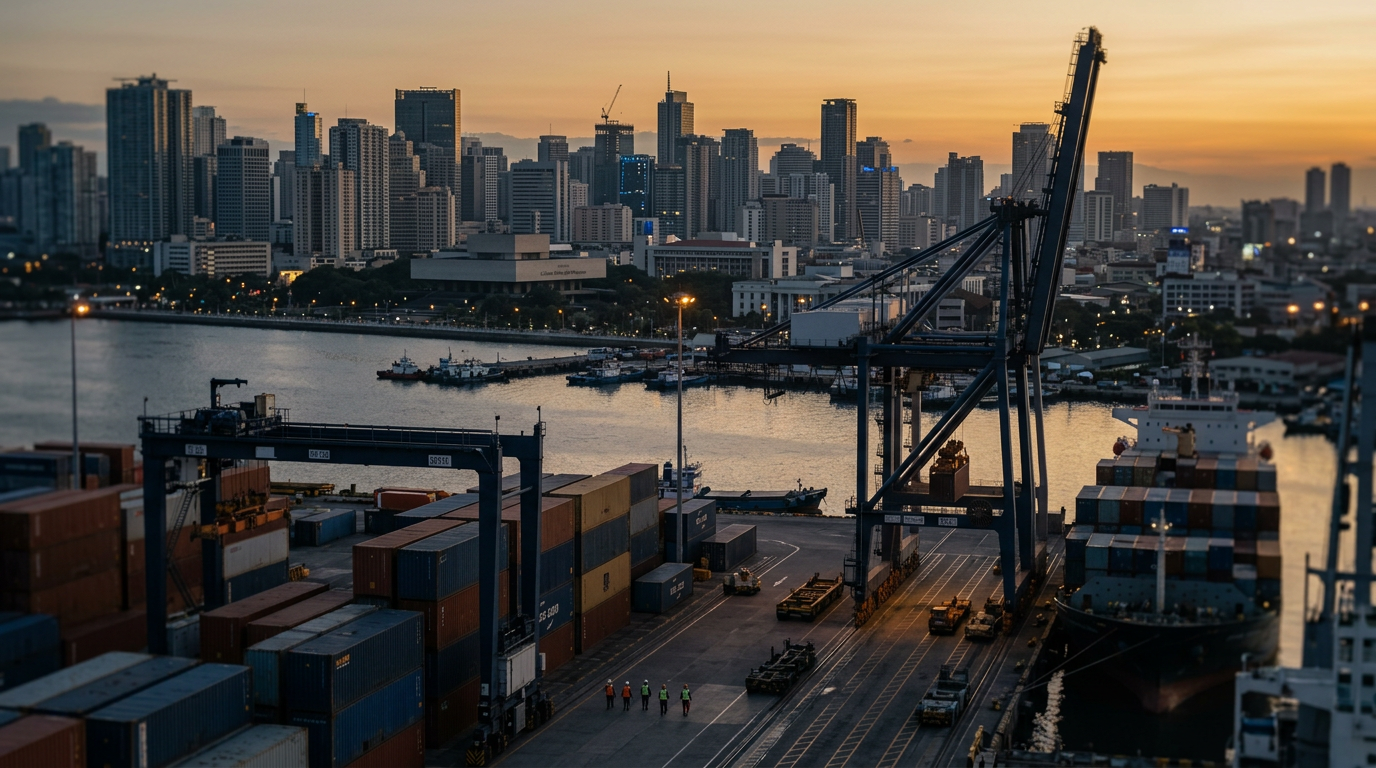
Manila
New port equipment at Manila South Harbor is a small but meaningful upgrade. For the Philippines, the bigger test is institutional capacity to execute large-scale infrastructure projects.
 Philippines
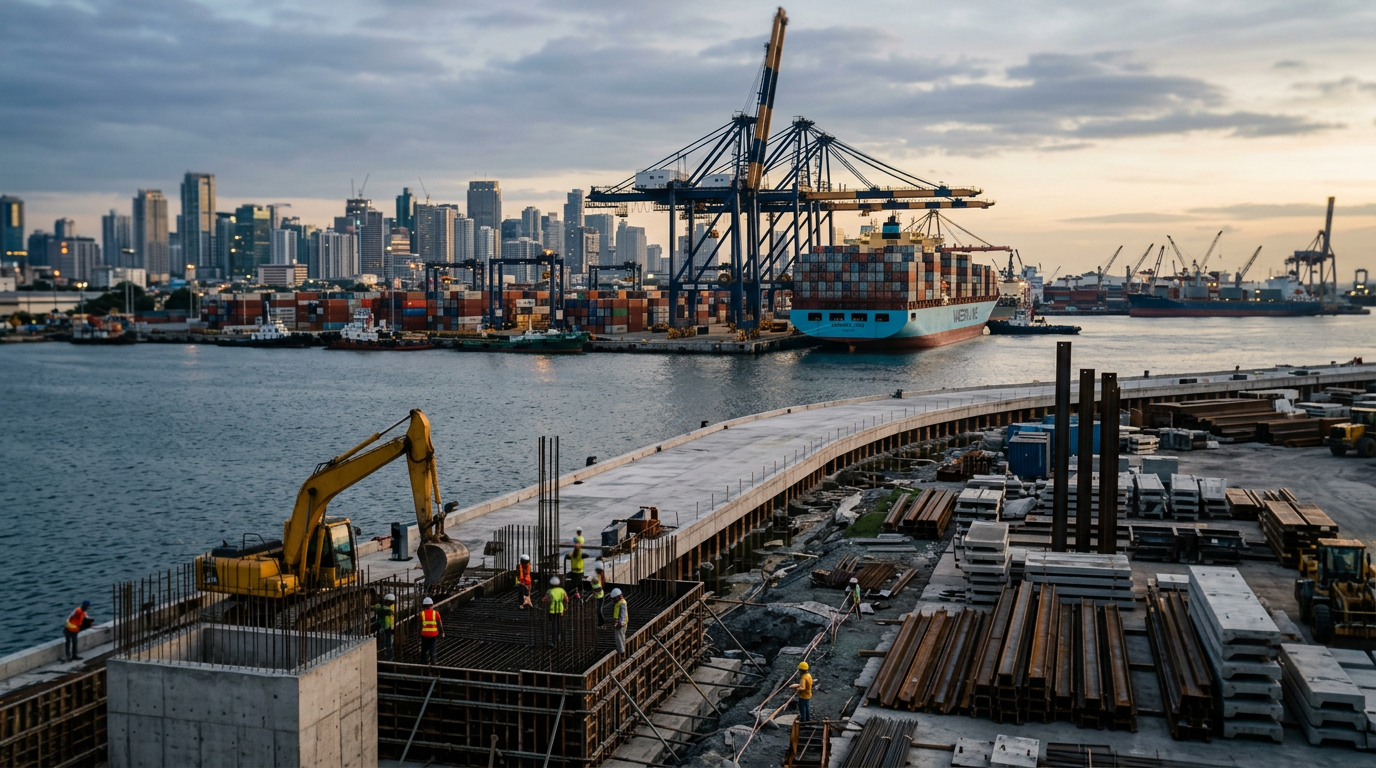
The Philippines Upgrades Ports, But Execution is What Matters
The Philippine Ports Authority has approved P1.75 billion for port upgrades. This is a step towards improving maritime infrastructure, but the real test lies in the execution and timely delivery of these projects, a key factor in national competitiveness.
 Malaysia
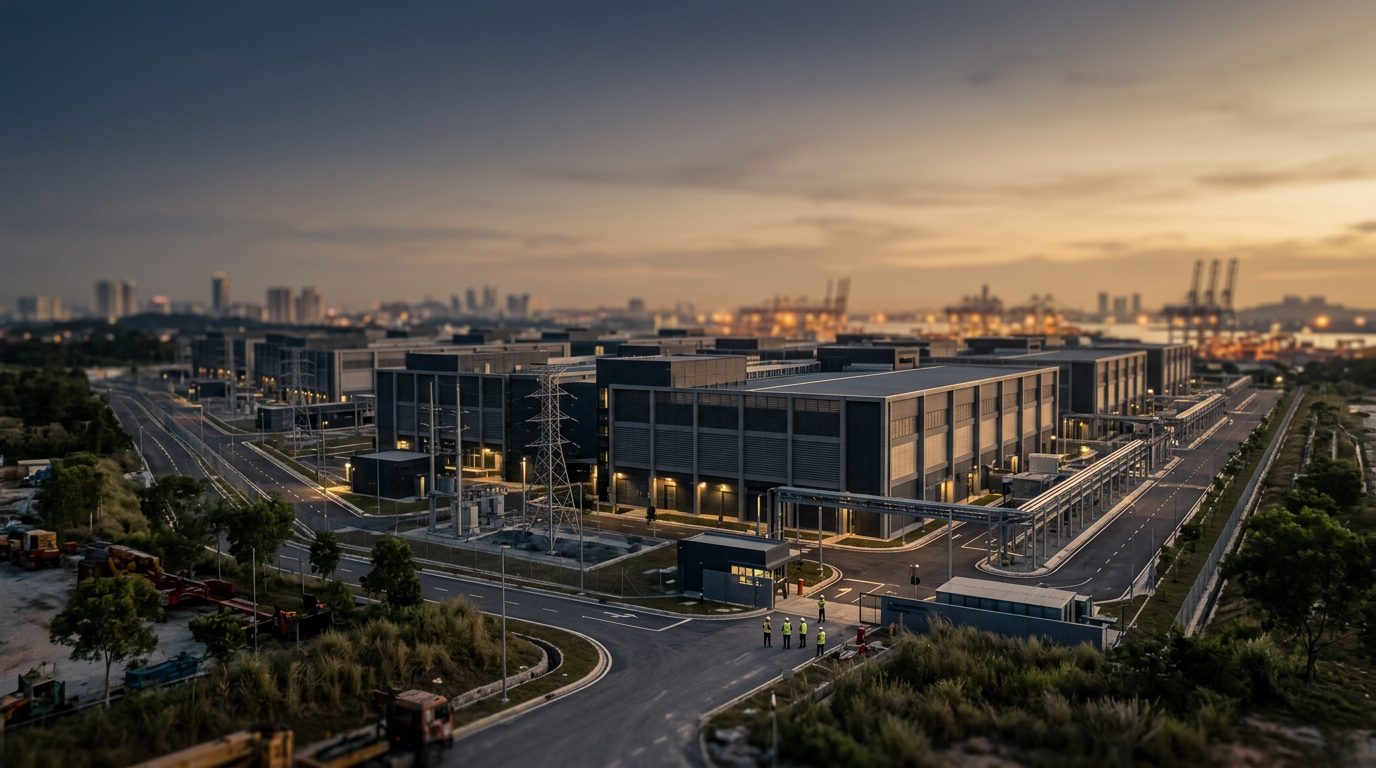
Johor's Data Centre Boom is About More Than Land
A recent RM57.18 million series of subcontracts for a new hyperscale data centre in Johor highlights the state's emergence as a data hub. But this success is not accidental; it is a direct result of coordinated investment in the foundational pillars that attract hyperscale.
 Vietnam
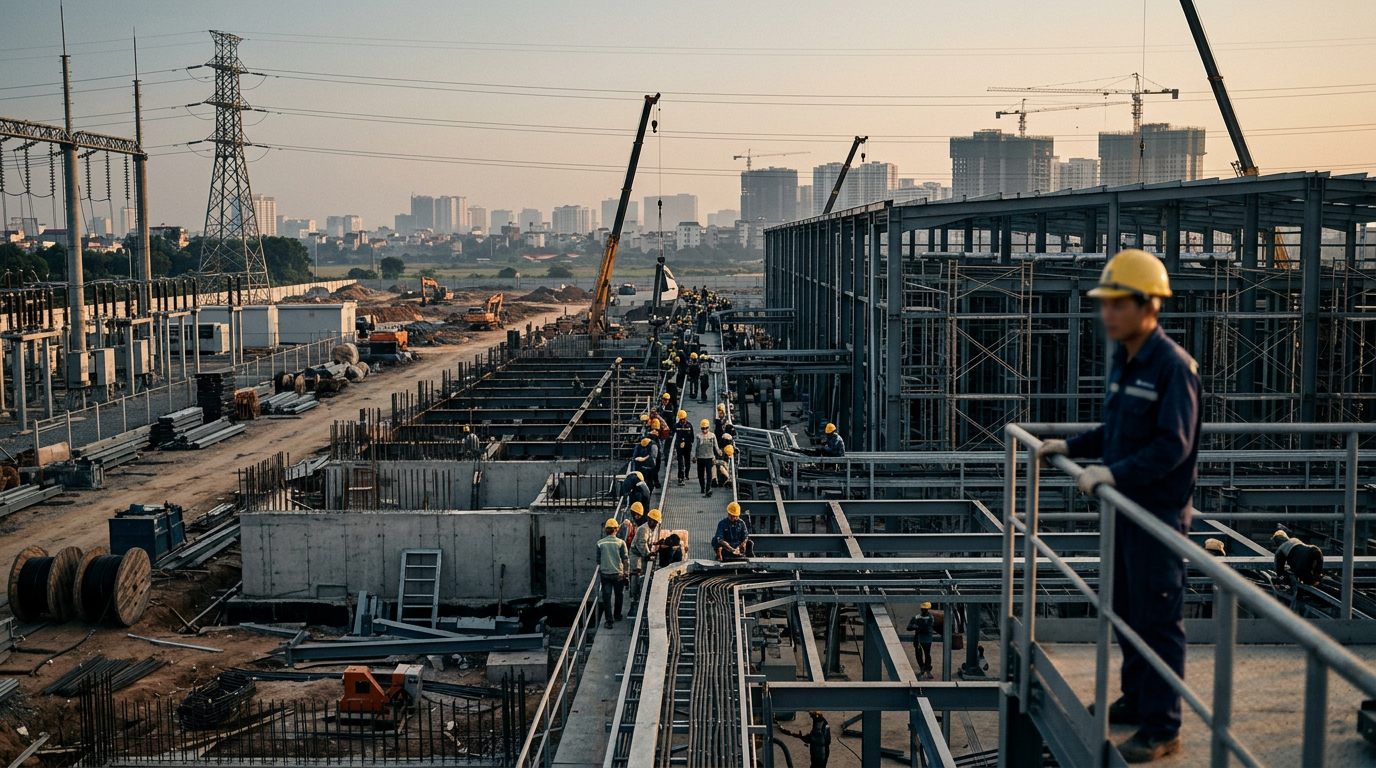
Vietnam's data center ambitions depend on execution
A recent MoU for a new AI data center in Vietnam highlights the country's ambitions. Yet, as ASEAN Rising notes, hyperscale capacity follows integrated infrastructure, not just cheap power.

ASEAN
The recent meeting between the ASEAN Secretary-General and the GSMA Director General highlights the region
 Malaysia
Beyond Announcements: The IAI's Work to Deepen Investment
The recent IAI Task Force meeting highlights a perennial ASEAN challenge: translating FDI announcements into realized investment on the ground.
 Malaysia
Malaysia: Ringgit pressure shows capital is not a captive audience
Malaysia's currency is under pressure, a reminder that capital flows are sensitive to policy execution, not just announcements.
 Philippines
The Philippines' FDI Lag: A Question of Execution
A recent survey of European firms shows the Philippines lagging its ASEAN peers in attracting new investment. This is not a failure of scale, but of the institutional capacity to turn announced projects into realised flows.
 Philippines
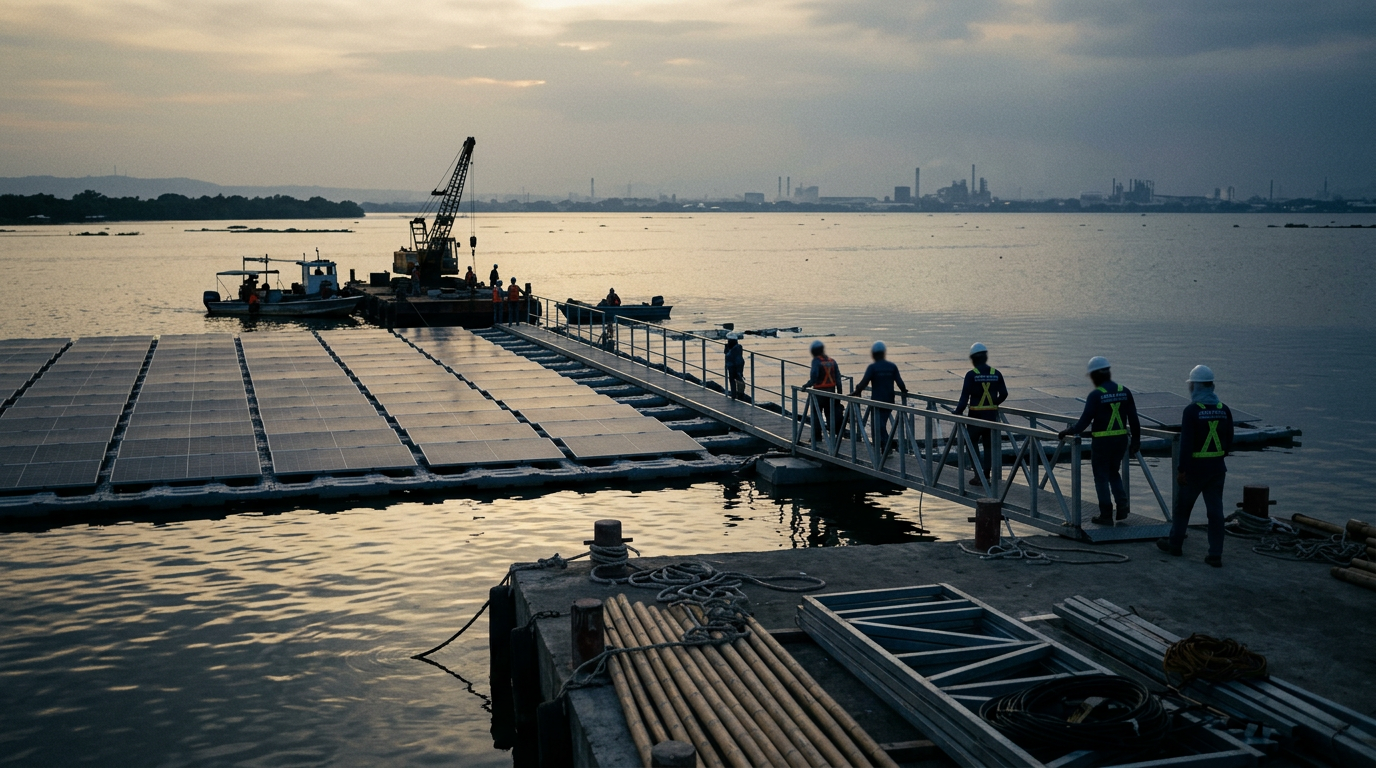
From Announcement to Execution on Laguna Lake
A major new solar project in the Philippines is a test case for turning ambitious FDI announcements into realised flows on the ground.
 Malaysia
Malaysia's Data Center Buildout Tests Its Coordination Capacity
Johor's rise as a data center hub is a test of Malaysia's ability to coordinate capital, infrastructure, and talent. A recent series of subcontracts for a hyperscale project highlights the opportunities and the execution risks.
 Indonesia
Indonesia's GPU financing highlights the race for sovereign AI infrastructure
A US$3.1 billion loan for GPUs in Indonesia underscores the region-wide push for AI capabilities, but the real test lies in controlling the underlying compute, data, and identity systems that power the digital economy.
 Singapore
Sovereign AI Tests in ASEAN Go Beyond Models
The substance of sovereign AI in ASEAN lies not in the models themselves but in the control over compute, data, and digital identity infrastructure that underpins the region's economic activity.
 Thailand
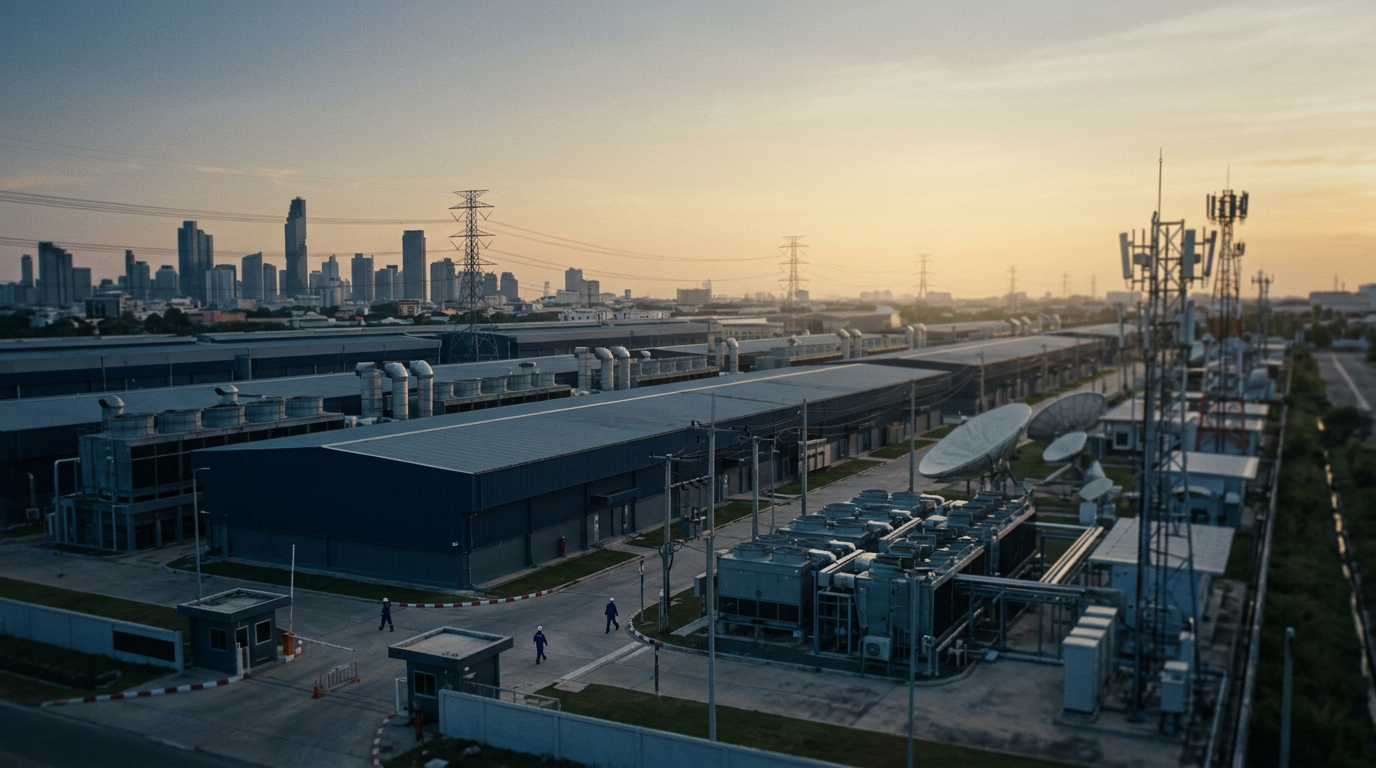
Thailand's AI Aspirations and the Sovereignty Question
True Corporation's recent affirmation of its AI ethics highlights a deeper challenge for Thailand and ASEAN: the governance of foundational AI infrastructure, including compute, data, and digital identity.
 Thailand
Thailand Charts a Course for Sovereign AI
Thailand's new national AI strategy is an early example of a middle power grappling with the foundational questions of digital sovereignty. The strategy focuses on digital sovereignty, AI governance, talent development, and building a competitive domestic AI industry.