Indonesia
Indonesia's "Single-Door" Export System and the Question of Optionality
Indonesia plans to fully implement a centralized export mechanism for key natural resources by December. This move is a clear example of an ASEAN state managing its deep trade relationship with China while seeking to maintain strategic and economic optionality, a central theme.
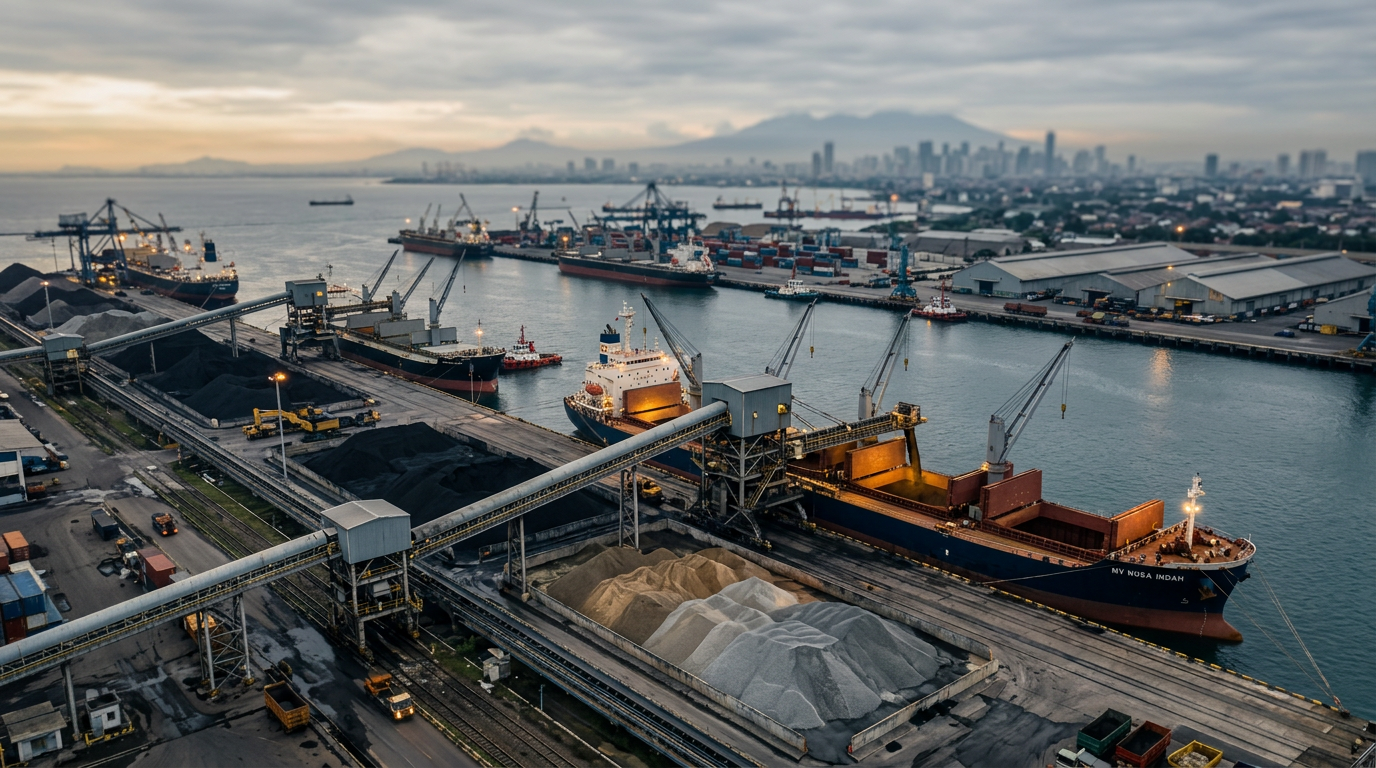
Indonesia plans to fully implement a centralized "single-door" export mechanism for key strategic natural resources by December, according to a report from Antara News. The system is designed to give the government greater control over and visibility into the export of commodities like coal, palm oil, and nickel by channeling them through a single, state-managed portal. While presented as a move to improve governance and data collection, this policy is a clear instance of an ASEAN member state grappling with a core strategic issue: how to manage deep economic ties with China while preserving its own policy freedom.
The Commodity Nexus
Indonesia is a globally significant producer of industrial and agricultural commodities, many of which are destined for China, the world's largest consumer. This trade relationship has fueled Indonesian economic growth for years, funding infrastructure development and creating jobs. However, it also creates dependencies. Beijing's economic health and policy priorities can directly impact Indonesian export revenues, giving China substantial leverage. The new single-door system is a tool to manage this exposure. By centralizing control, Jakarta can more effectively monitor export flows, enforce regulations, and potentially direct sales to other markets or prioritize domestic needs, thereby creating a buffer against external shocks or pressures.
Managing Dependency
This policy reflects a broader theme across Southeast Asia. As "ASEAN Rising" notes, deep trade with China is now a structural reality for the region. The primary question for governments is how to manage this dependency without losing their ability to make independent choices. The Indonesian system is a tangible example of this management in action. It is not an attempt to decouple from China, which would be economically damaging, but rather to institutionalize the terms of engagement. It is a sophisticated attempt to build state capacity to oversee and regulate a critical sector of the economy that is deeply intertwined with a single, powerful trading partner. This allows Indonesia to continue benefiting from trade while reducing its vulnerability.
The Price of Optionality
Implementing such a system is not without friction. It requires significant institutional capacity to build and operate the digital infrastructure, harmonize regulations across ministries, and enforce compliance among powerful domestic producers. There is also a cost in terms of market efficiency. A state-controlled single-door system can introduce bureaucracy and slow down transactions compared to a more liberalized export regime. For Indonesia, however, these costs are evidently seen as a worthwhile price for greater strategic autonomy. The government is betting that the long-term benefits of managing its resource wealth and foreign trade relationships outweigh the short-term implementation hurdles and potential inefficiencies. As the book argues, "The question for ASEAN governments is no longer whether to engage, but how to manage dependency without losing optionality."
What to watch
Foreign investors and trading partners will closely monitor the implementation of the single-door system for signs of increased protectionism or operational bottlenecks. The focus will be on the execution: whether the digital platform is robust, whether the regulations are applied transparently, and how the government uses its newfound control. The success or failure of this initiative will offer lessons for other ASEAN nations facing similar pressures to balance the immense benefits of Chinese trade with the strategic imperative of maintaining policy independence.