

Vietnam, business & markets coverage
Capital: Hanoi
Fastest-growing major ASEAN economy, key beneficiary of China+1 manufacturing shifts.
 Malaysia
 Singapore
 Indonesia
 Thailand
 Philippines
 Brunei
 Cambodia
 Laos
Laos Myanmar
 Timor-Leste
Execution lens
How Vietnam scores on the six Execution Economics pillars: institutions, capital, infrastructure, talent, technology and trust. Country scorecards are published progressively as research is completed.
Latest from Vietnam
 Vietnam
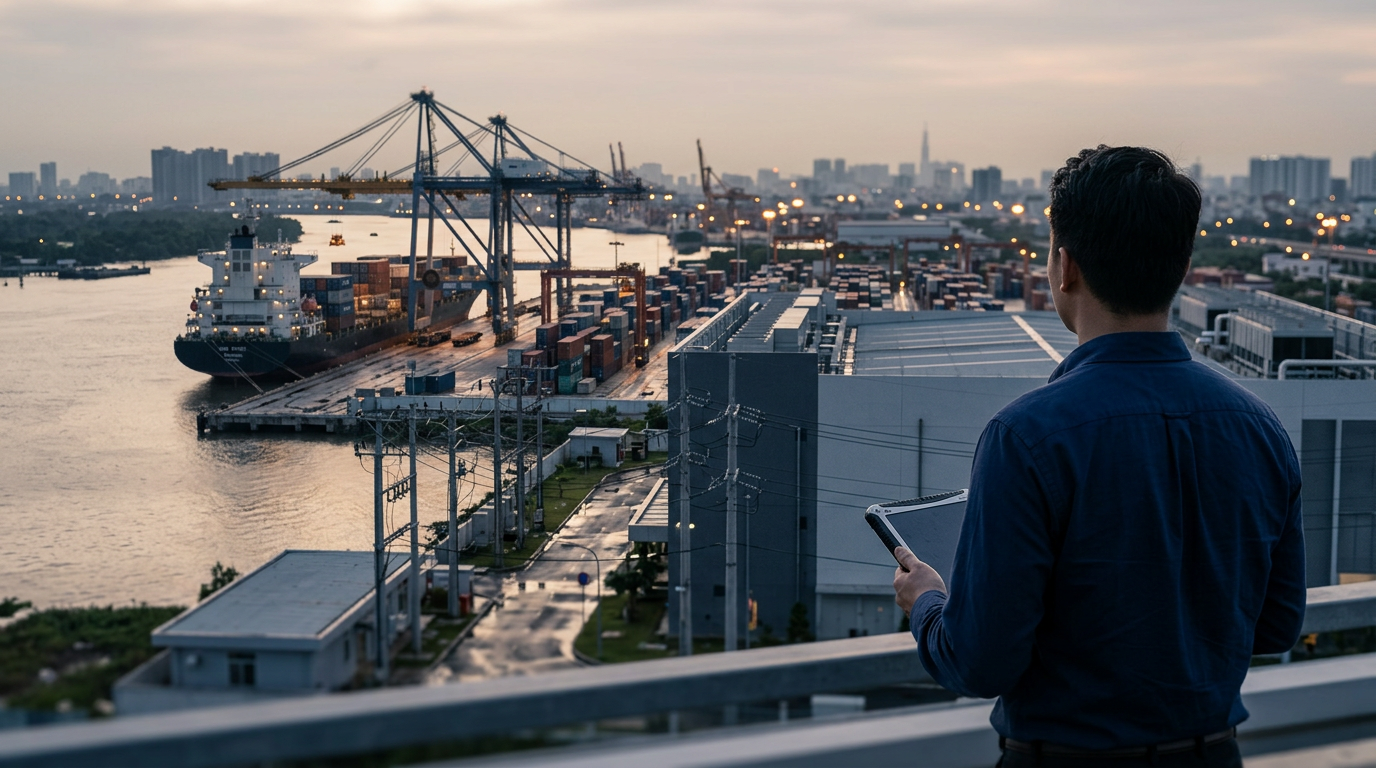
Vietnam's AI Ambition Meets the Sovereignty Test
Vietnam's new $3.5 billion data centre plan shows how its digital economy strategy is evolving, but the project's multinational nature puts the focus on the core challenge of sovereign AI: who controls the infrastructure, data, and identity rails?
 Vietnam
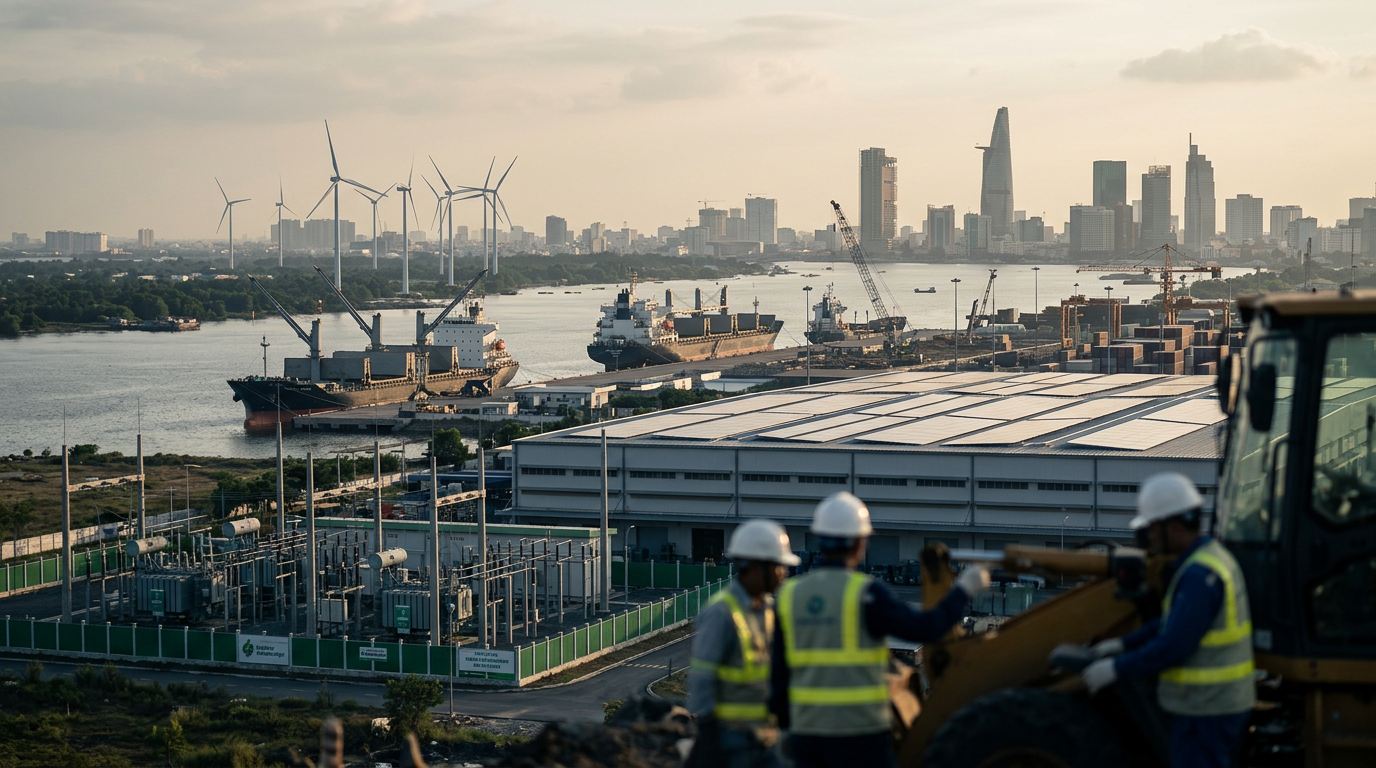
Vietnam's Green Finance Move Highlights the Value of Usable States
A recent US$30 million credit facility for Vietnam's Nam A Bank from Proparco to expand green lending shows how institutional reliability is becoming a key part of comparative advantage in Southeast Asia.
 Vietnam
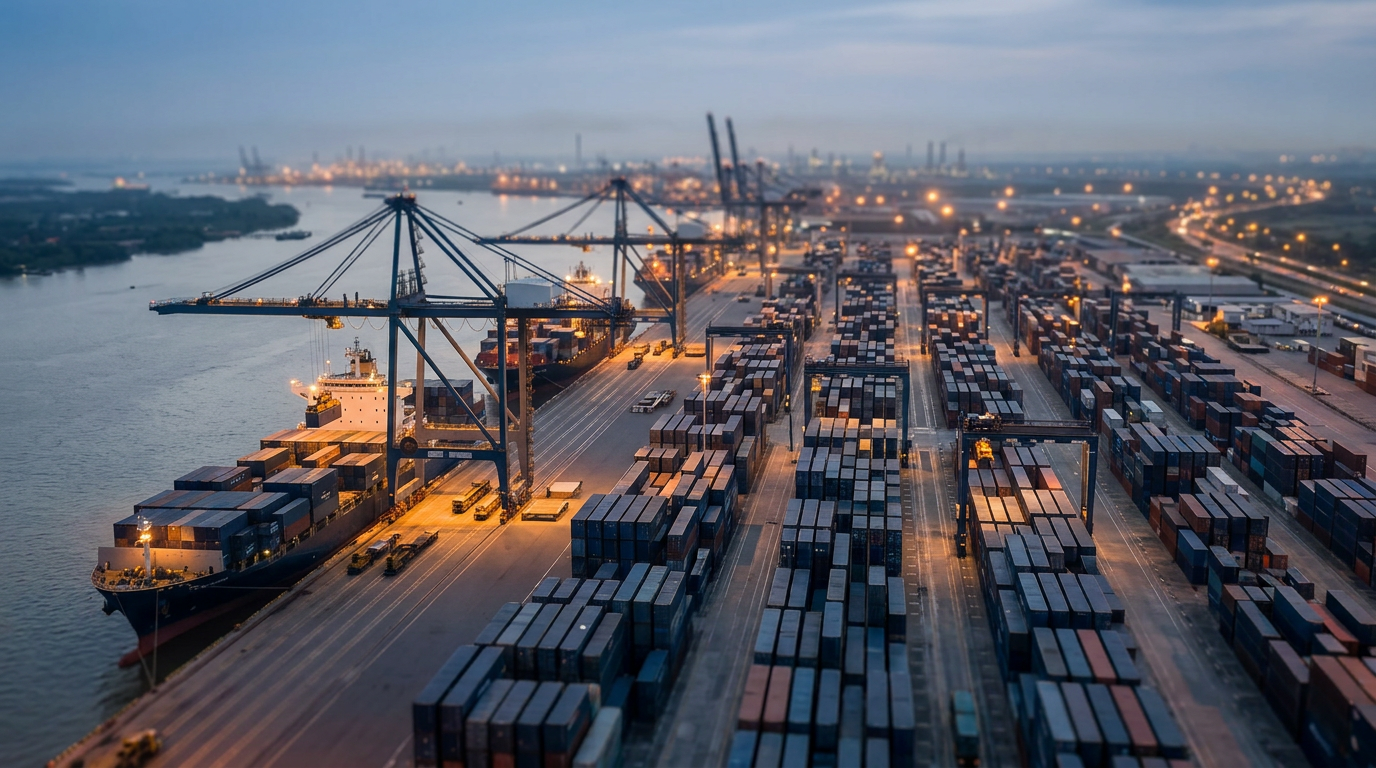
Vietnam Airlines' Airbus Order Underscores the Value of Execution
Vietnam's aviation sector growth is a tangible result of its focus on institutional capacity and reliable infrastructure development, a core theme of ASEAN Rising.
 Vietnam
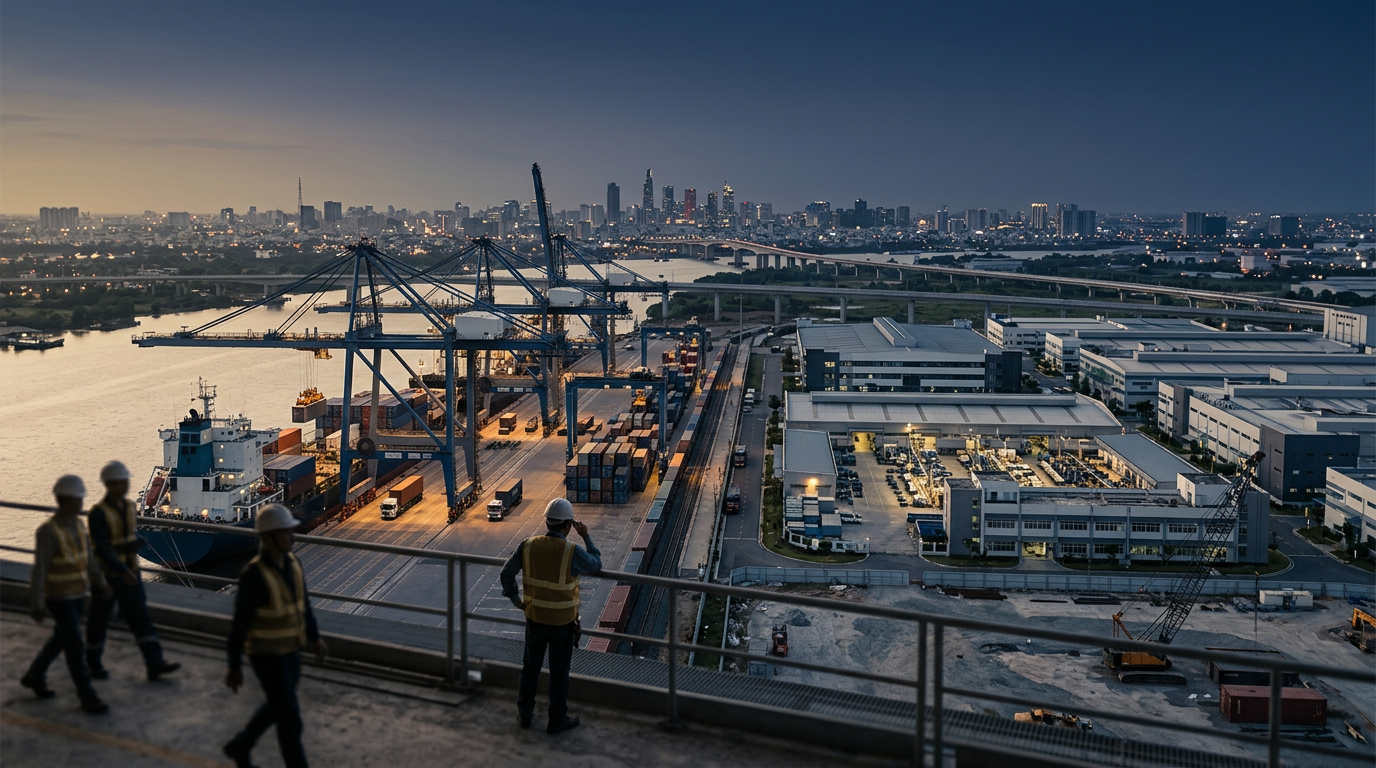
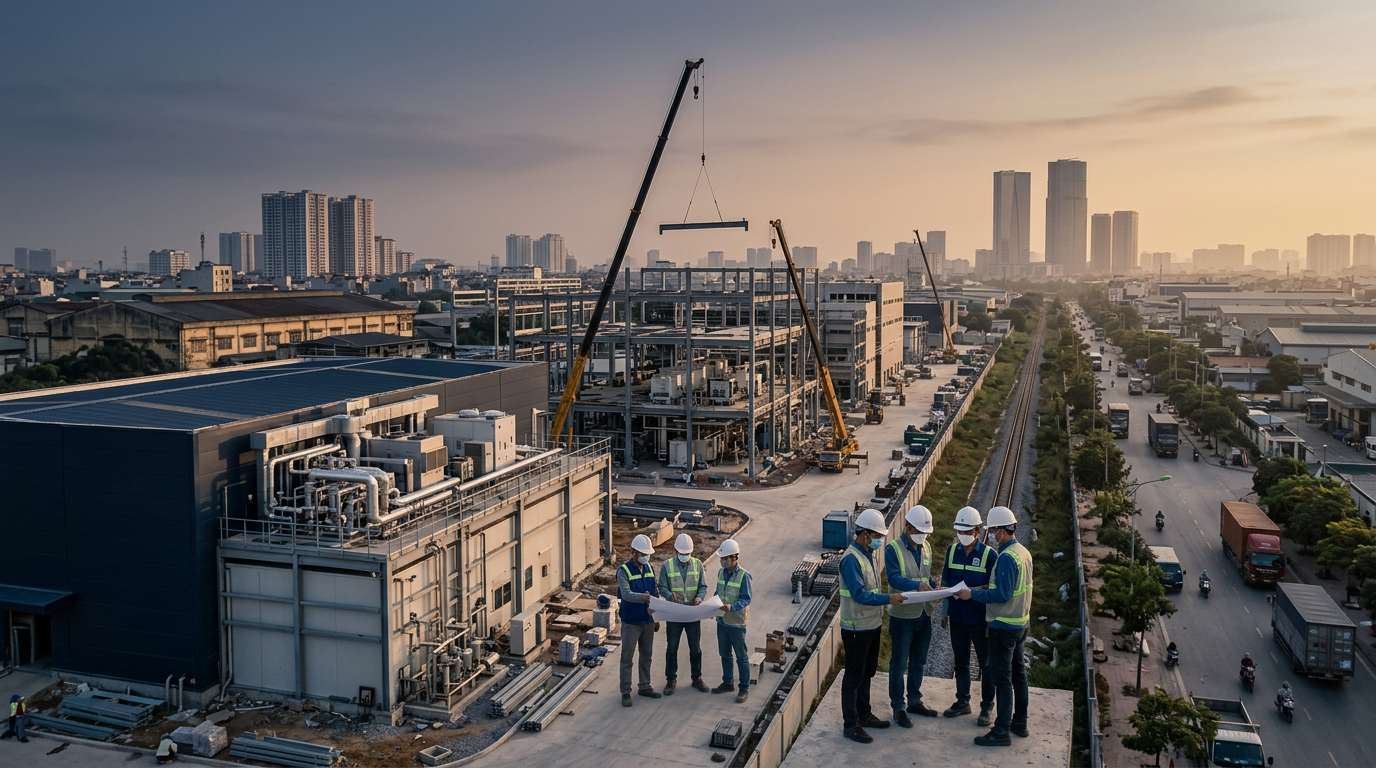
Vietnam's FDI Wins Show the Primacy of Execution
Vietnam's manufacturing surge is a lesson in the power of execution. Announced FDI is one thing; realised investment that builds factories and hires workers is another. Vietnam is succeeding in the slower, harder work of turning promises into projects.
 Vietnam
Vietnam's Semiconductor Ambitions Test Its Institutions
Hanoi has attracted significant foreign investment in semiconductors, but turning those announcements into reality will require a concerted focus on institutions, infrastructure, and talent.
 Vietnam
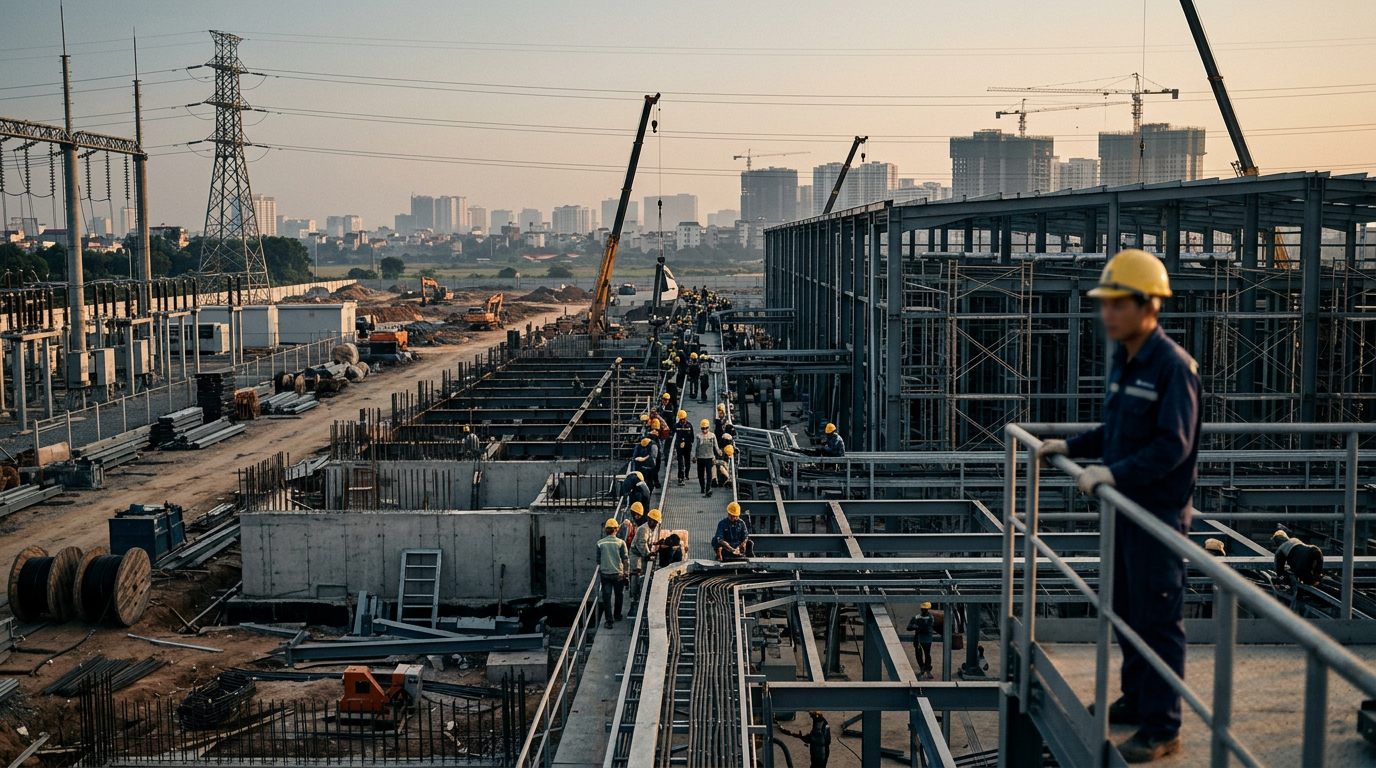
Vietnam's Digital Banking Push Needs Institutional Depth
Vietnam's digital banking sector is drawing attention and awards. But turning this buzz into durable economic advantages requires a deeper focus on the institutions that govern talent, capital, and infrastructure.
 Vietnam
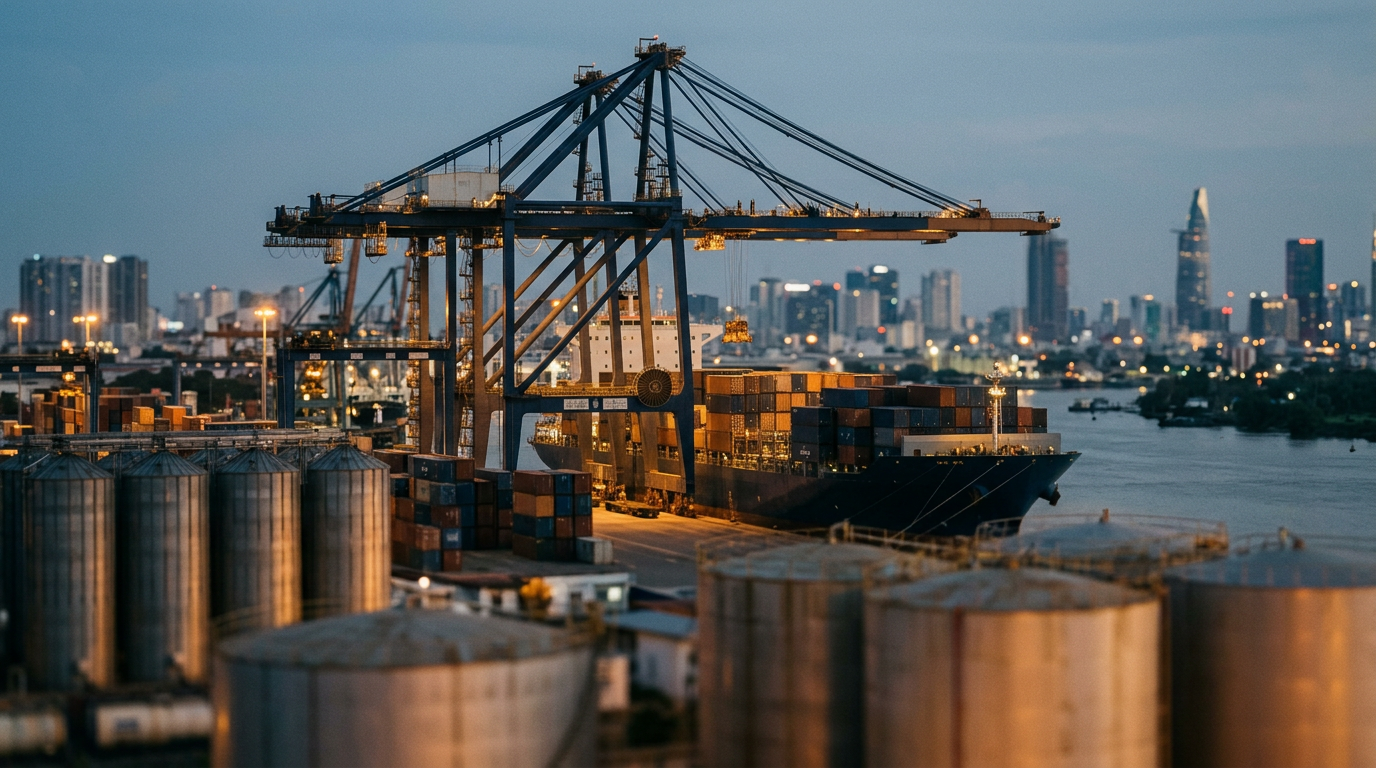
Vietnam's data center ambitions depend on execution
A recent MoU for a new AI data center in Vietnam highlights the country's ambitions. Yet, as ASEAN Rising notes, hyperscale capacity follows integrated infrastructure, not just cheap power.
 Vietnam
ASEAN-India: Food Security and the State
Talk of food security is easy. Execution is harder. Building the institutional capacity for reliable, cross-border execution is one of ASEAN's defining tests.
 Vietnam
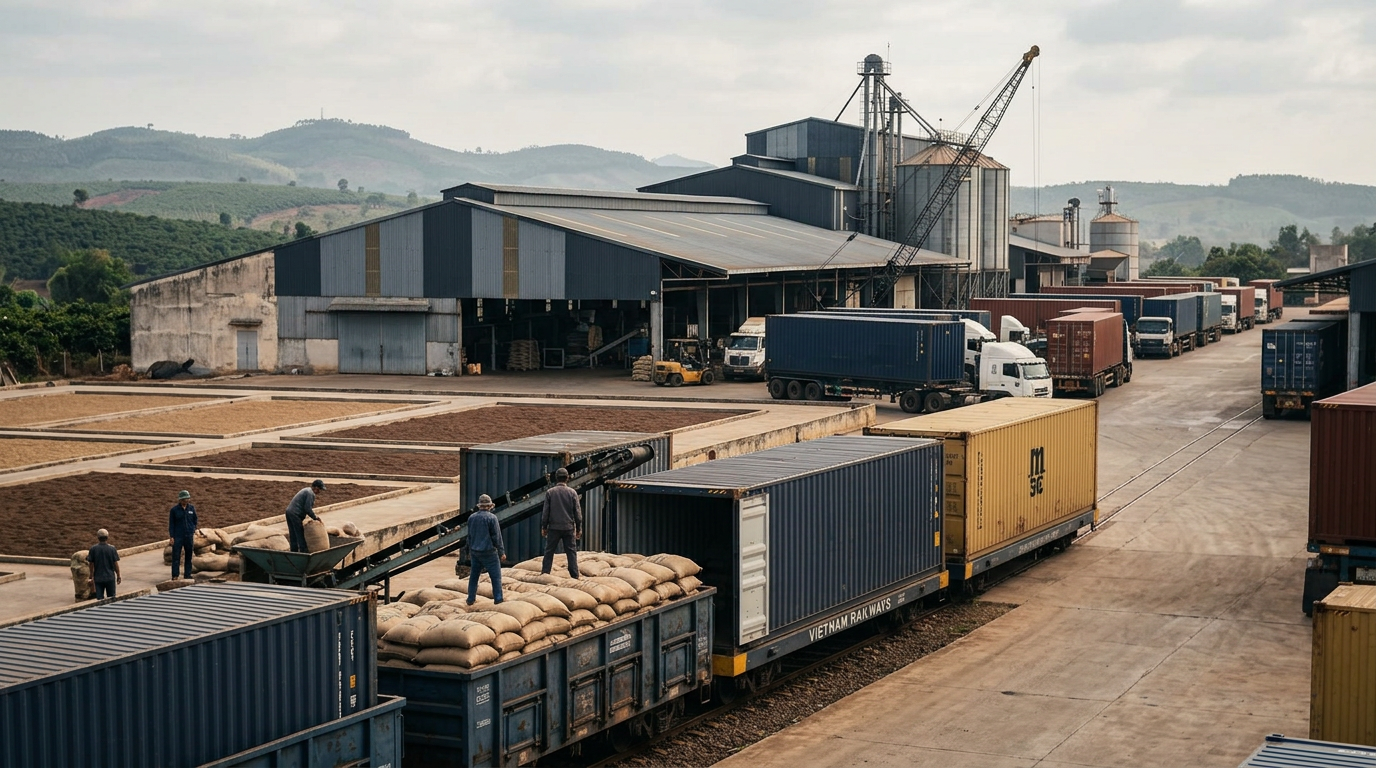
Vietnam's Northern Strategy for FDI
Northern Vietnam attracted 80.5% of new manufacturing FDI in the first half of the year, with electronics and semiconductor investments concentrated in the region.
 Vietnam
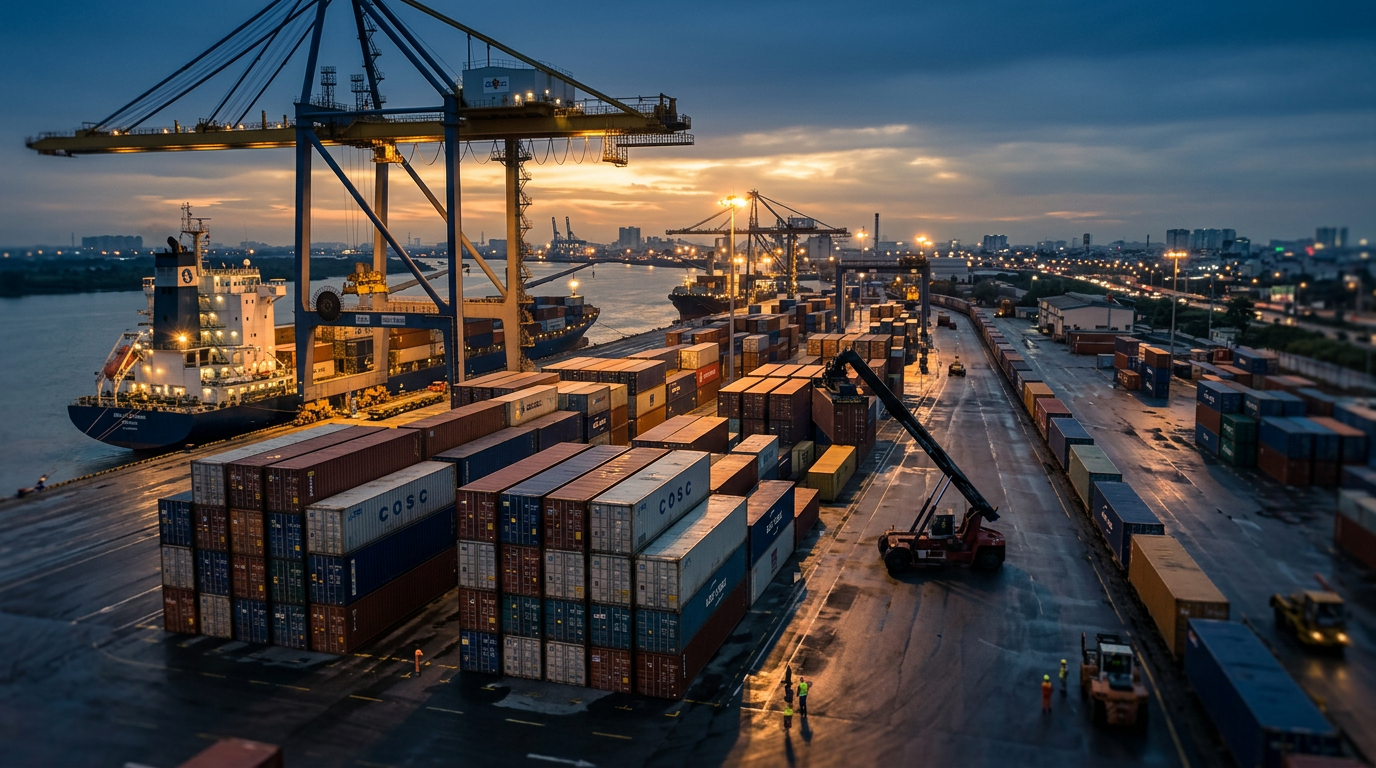
Vietnam's Coffee Trade and the China Question
Trade with China is a structural reality. For ASEAN governments, the task is not one of engagement, but of managing dependency while preserving strategic options.
 Vietnam
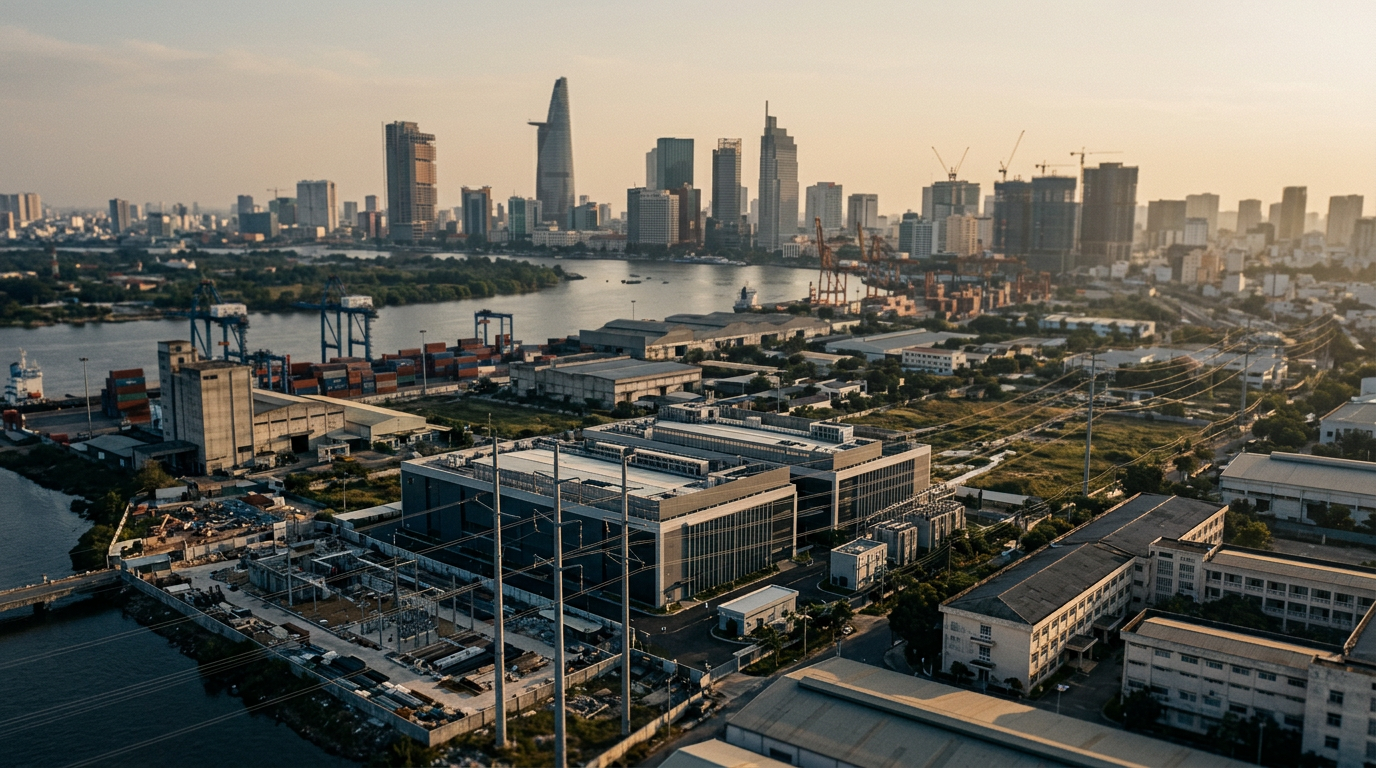
Vietnam's Tax Base and the China Trade Question
Trade with China presents both a structural reality and a strategic challenge for ASEAN members like Vietnam. The rise of globally competitive domestic firms, reflected in their growing tax contributions, is a positive indicator of economic resilience, but it does not erase the.
 Vietnam
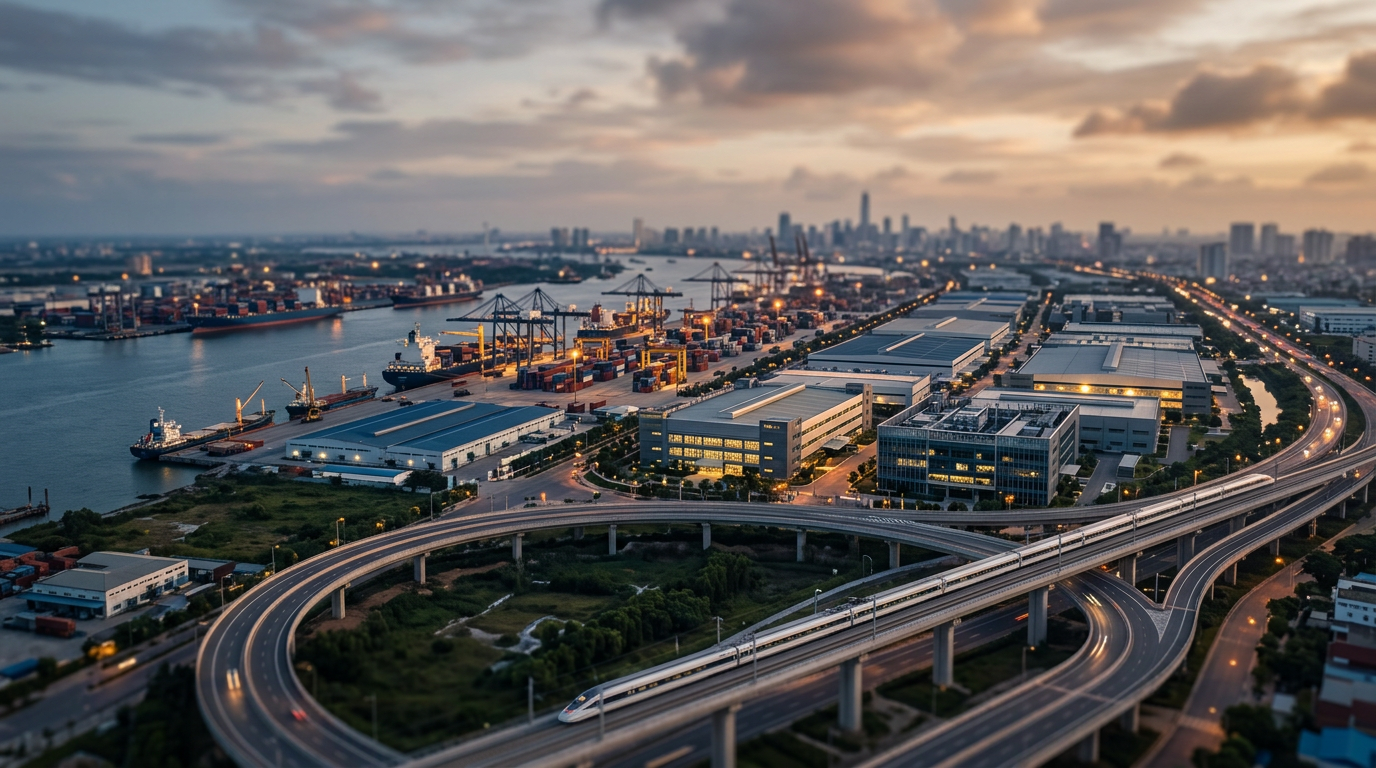
Vietnam's Data Center Ambitions Test Its Infrastructure
Vietnam's data center market is expanding rapidly, but its success will depend on aligning capital with infrastructure, institutions, and talent.
 Vietnam
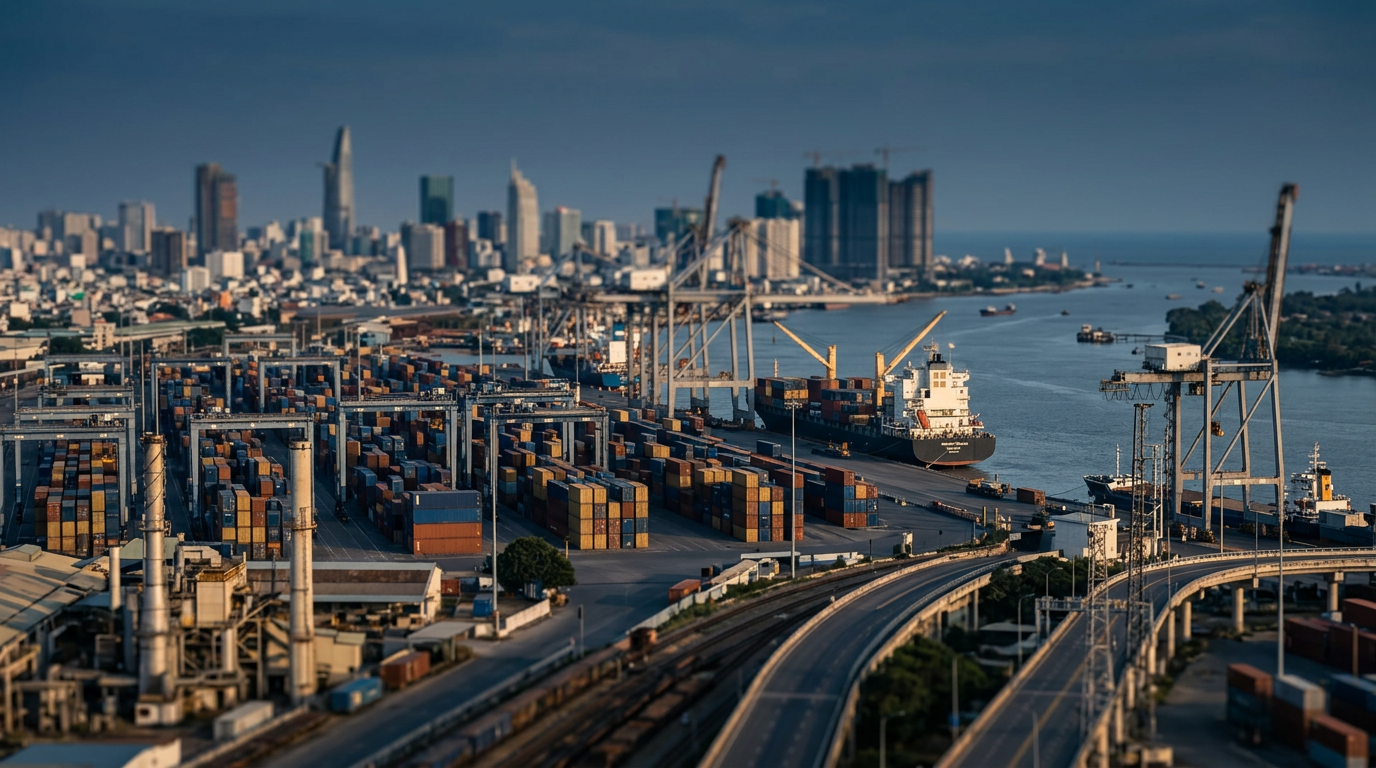
Vietnam: From FDI Magnet to Supply Chain Power
Vietnam is moving to strengthen its domestic supply chains for electronics and semiconductors, a crucial step in maturing from a destination for foreign direct investment to a self-sufficient industrial power.
 Vietnam
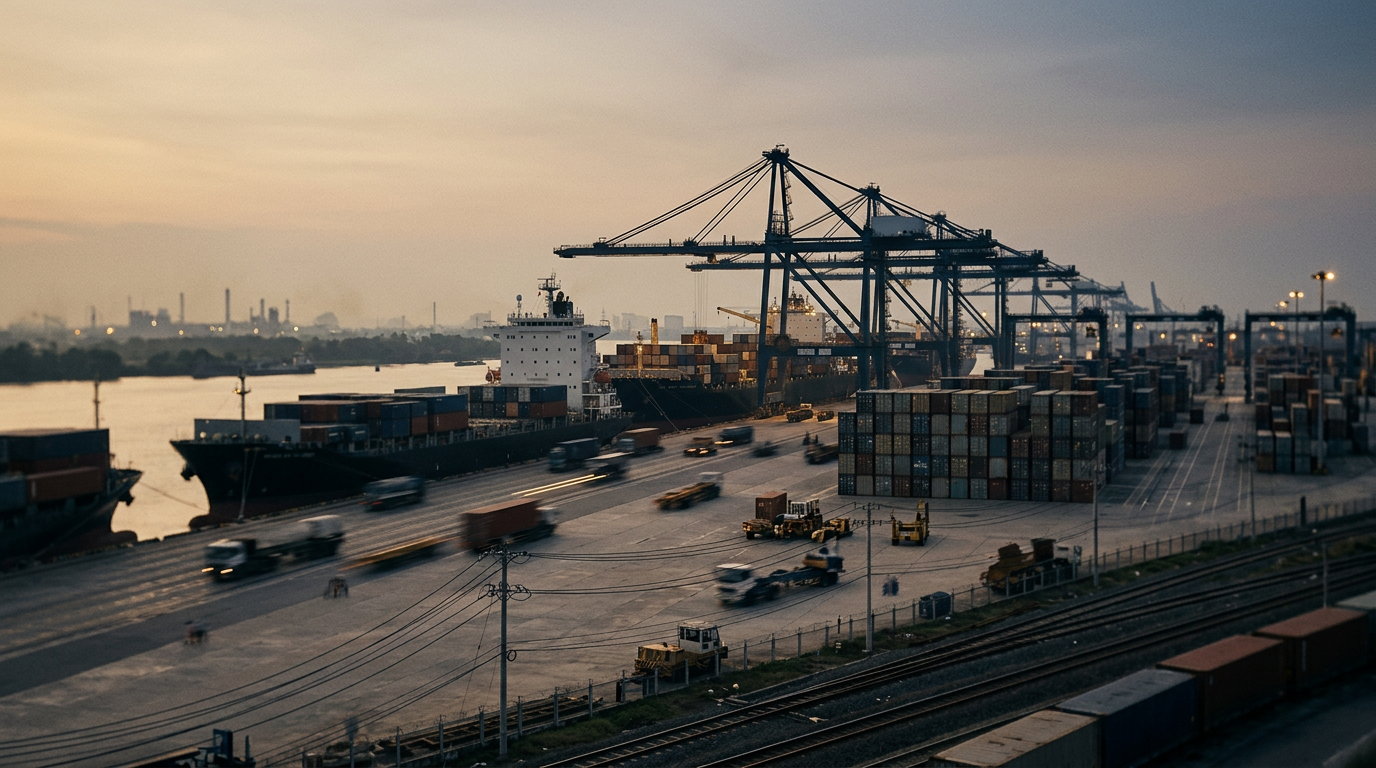
Vietnam's Trade Boom and the China Question
Vietnam's record trade figures for 2026 are impressive, but they also sharpen the longstanding question of how to manage its deep, structural trade relationship with China.
 Vietnam
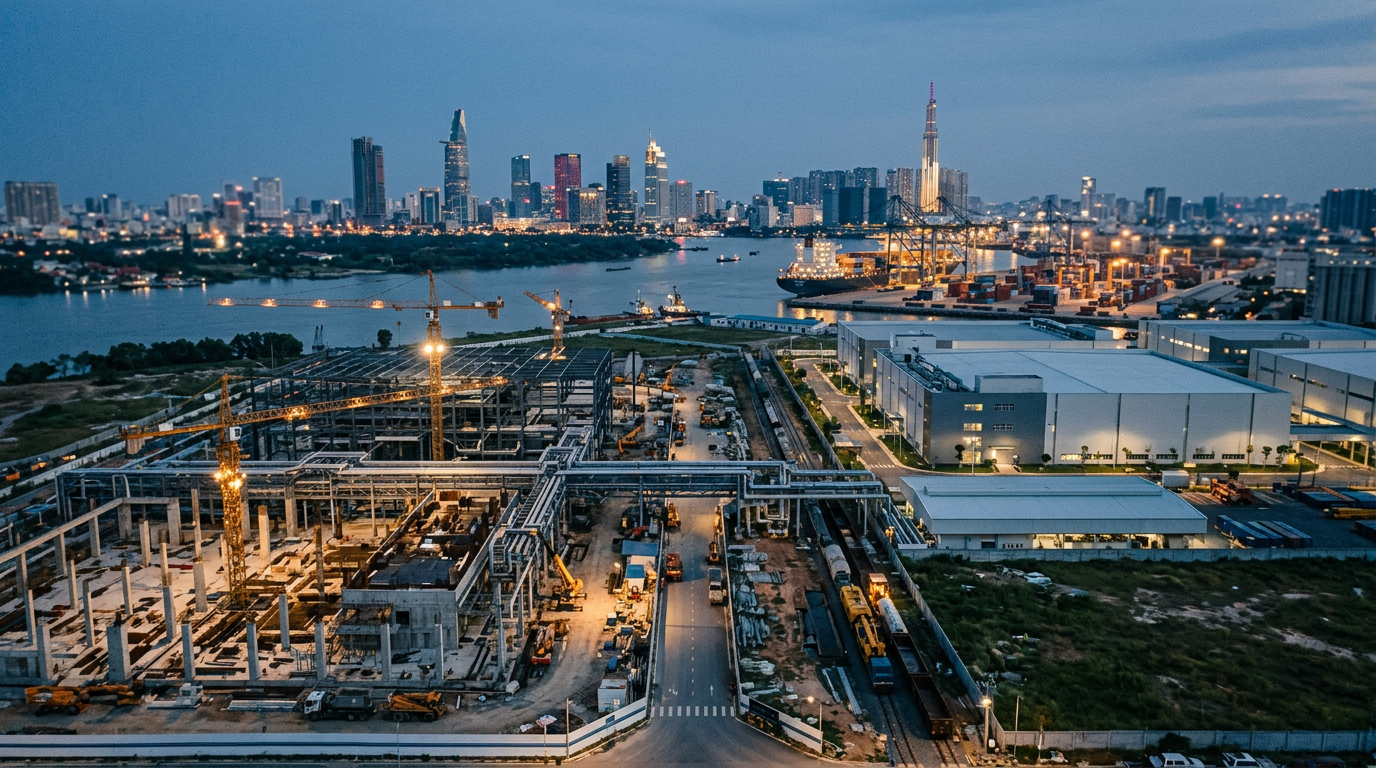
Vietnam, Samsung, and the Usable State
Samsung's strong profit report from its Vietnam operations is a useful reminder that a usable state is often more valuable than an exciting one.
 Vietnam
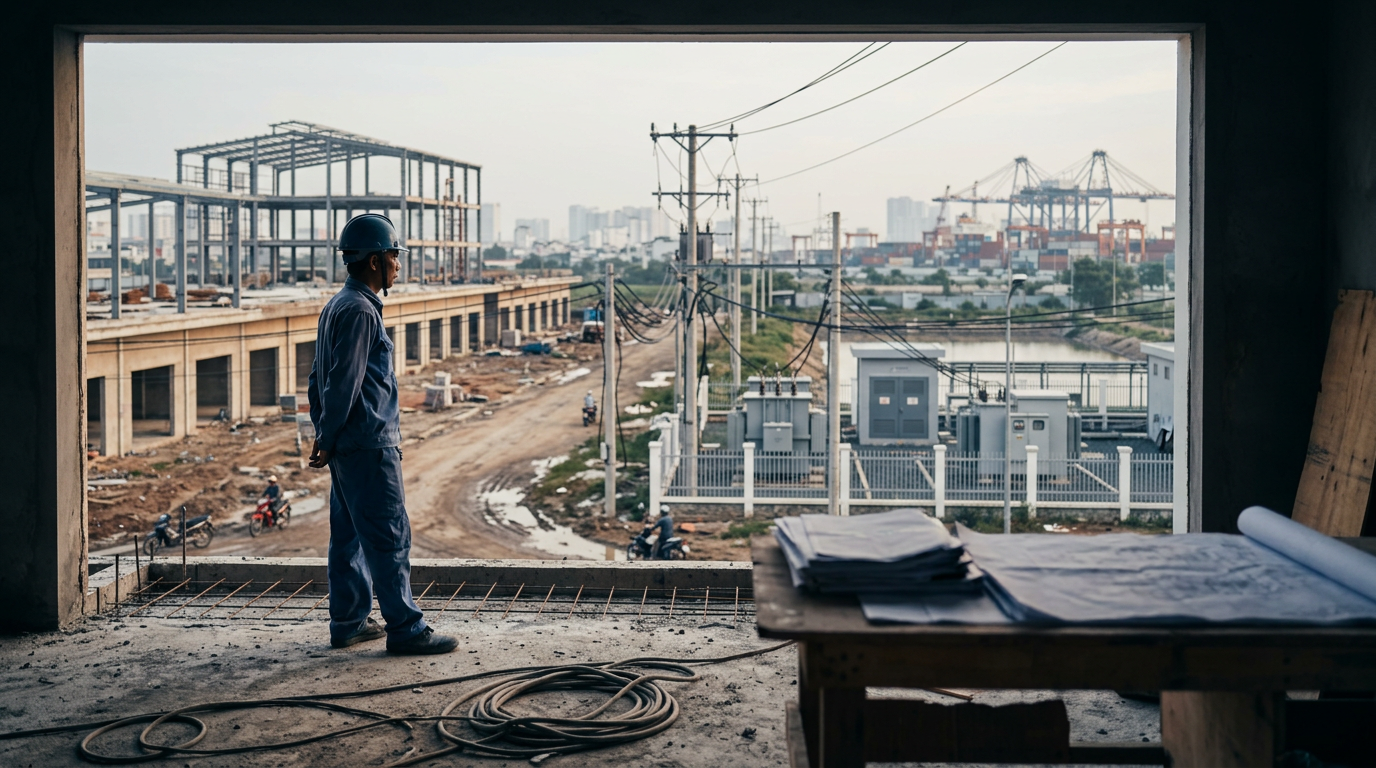
Vietnam's Semiconductor Ambitions Test Its Institutional Capacity
Vietnam is making a concerted push into the semiconductor industry, but its success will depend on its ability to translate ambitious plans into on-the-ground execution. Can the country's institutions build the necessary infrastructure and talent base?
 Vietnam
Indonesia, Vietnam: Scaling franchise retail is hard
The world's largest F&B chain has closed 89 overseas stores, many in Indonesia and Vietnam. The closures show how ASEAN consumer growth stories depend on executional basics: land, permits, power, and talent.
 Vietnam
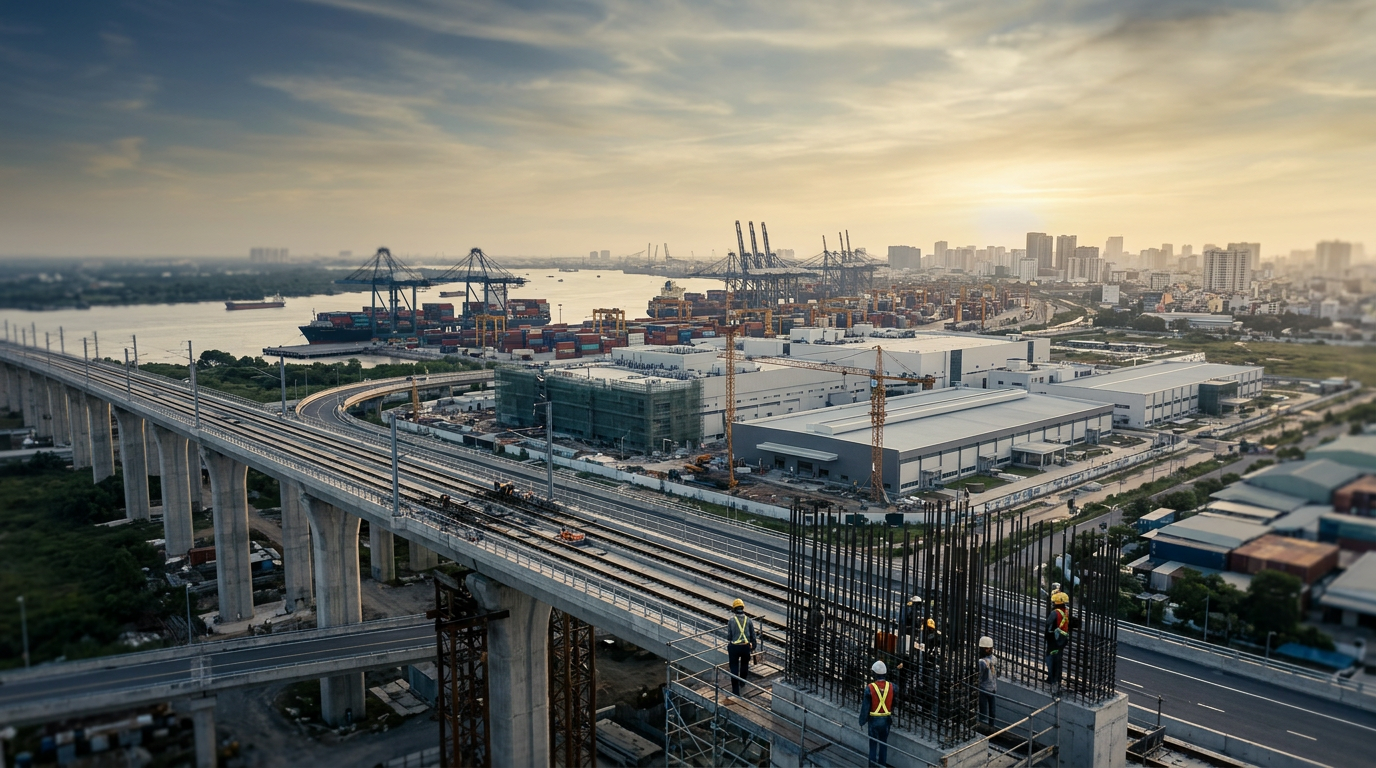
Vietnam's Gold Price Divergence Signals Deeper Imbalances
Vietnam's decision to allow a new firm to produce gold bars for the first time in over a decade reflects deeper imbalances in its economy, where a strong preference for gold is a symptom of wider challenges.
 Vietnam
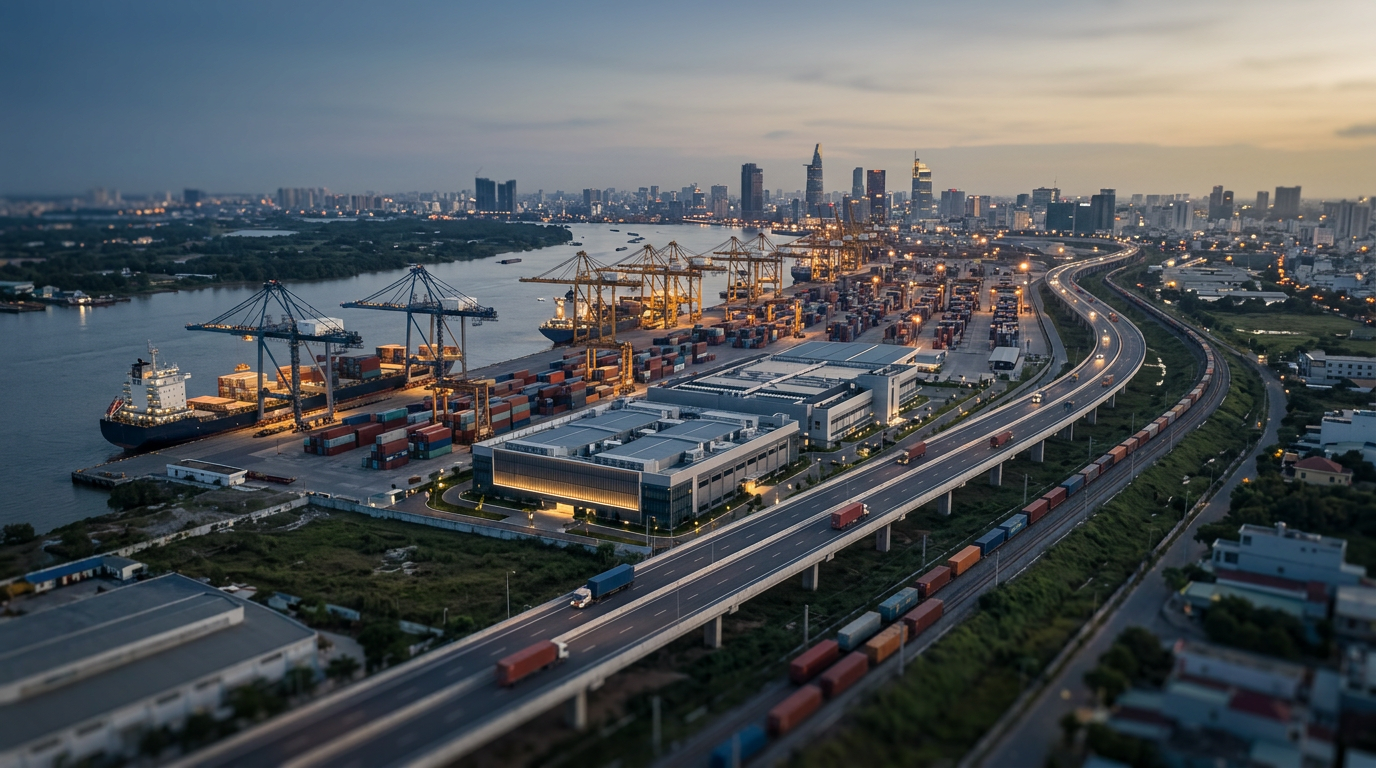
Vietnam's High-Income Ambitions and the FDI Test
Vietnam's semiconductor boom is a major opportunity, but turning FDI announcements into realised investment and sustainable growth requires a focus on institutional quality and execution.
 Vietnam
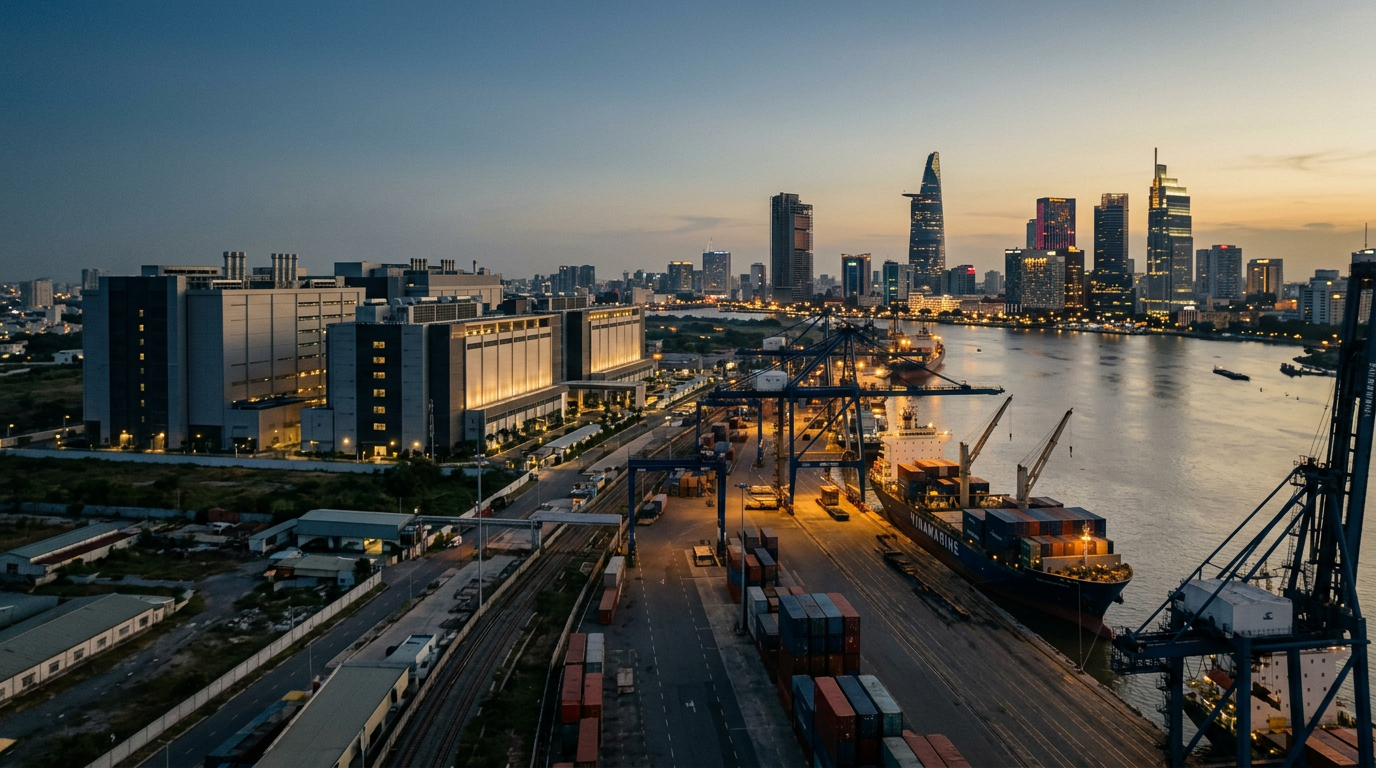
Samsung's Vietnam Profits Highlight the FDI-to-Growth Pipeline
A surge in profitability at Samsung's Vietnam plants highlights the difference between announced and realised FDI. The lesson is not about any single country, but about the institutional capacity required to convert investment promises into economic reality, a core theme of.
 Vietnam
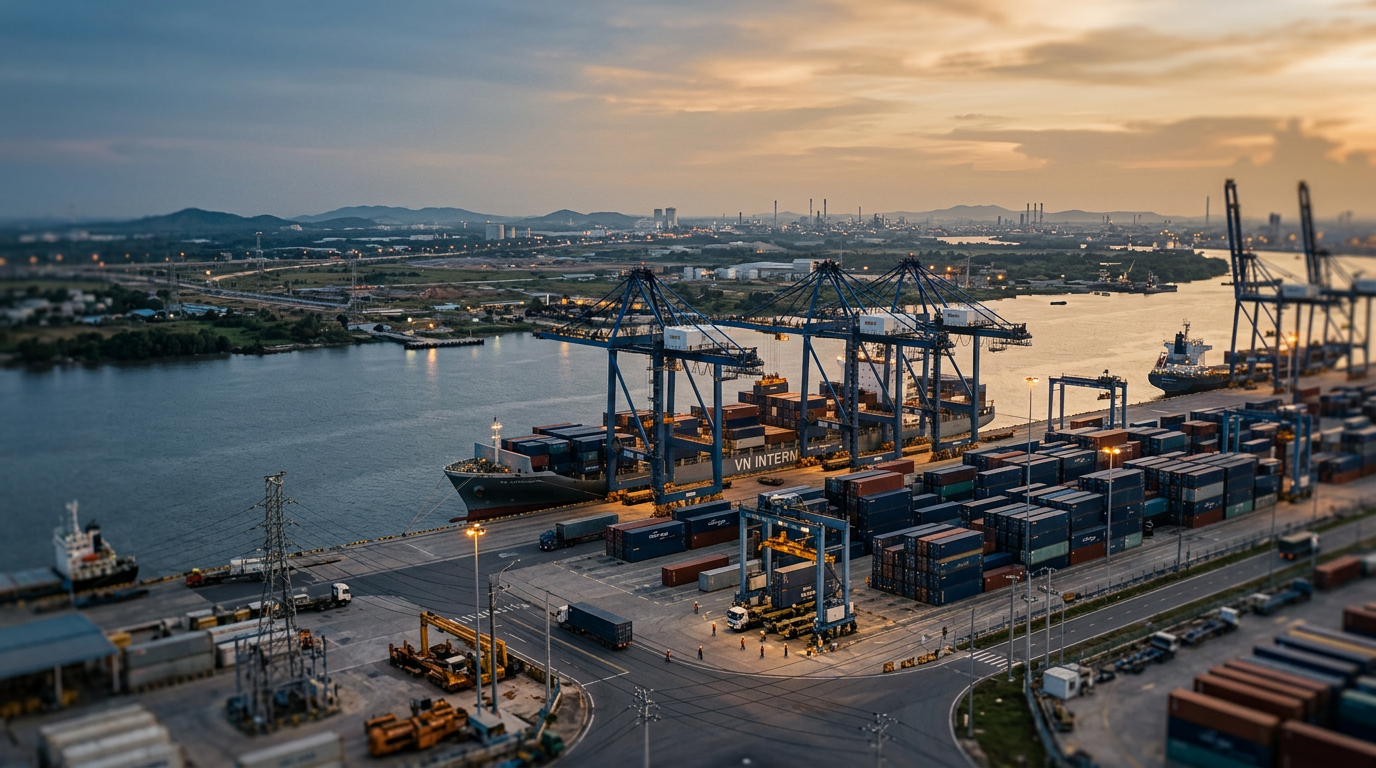
Vietnam Enters the Hyperscale Data Centre Fray
Vietnam's data centre market is heating up, but "capital coordination is itself an industrial input," as ASEAN Rising notes. Success will depend on more than just attracting investment; it requires a concerted effort in planning, infrastructure, and regulatory alignment.
 Vietnam
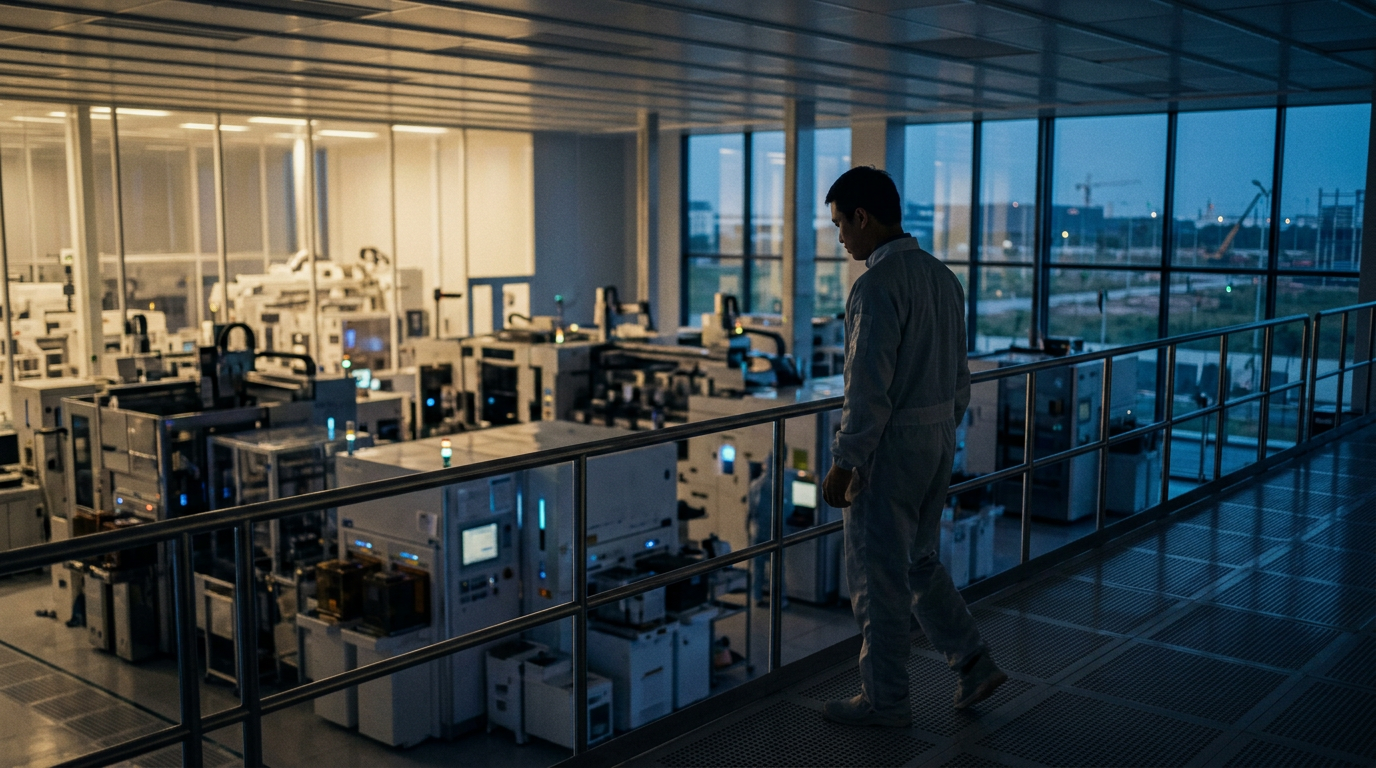
Can Vietnam build a semiconductor industry?
Pledged FDI is one thing, but realised investment is another. For Vietnam, the slow work of building institutions, infrastructure, and human capital is what will determine its semiconductor future.
 Vietnam
Vietnam, Semiconductors, and the Middle-Income Trap
Vietnam has attracted significant FDI in electronics assembly. Can it now build the institutions and talent to move up the value chain into semiconductor design and fabrication, and escape the middle-income trap?
 Vietnam
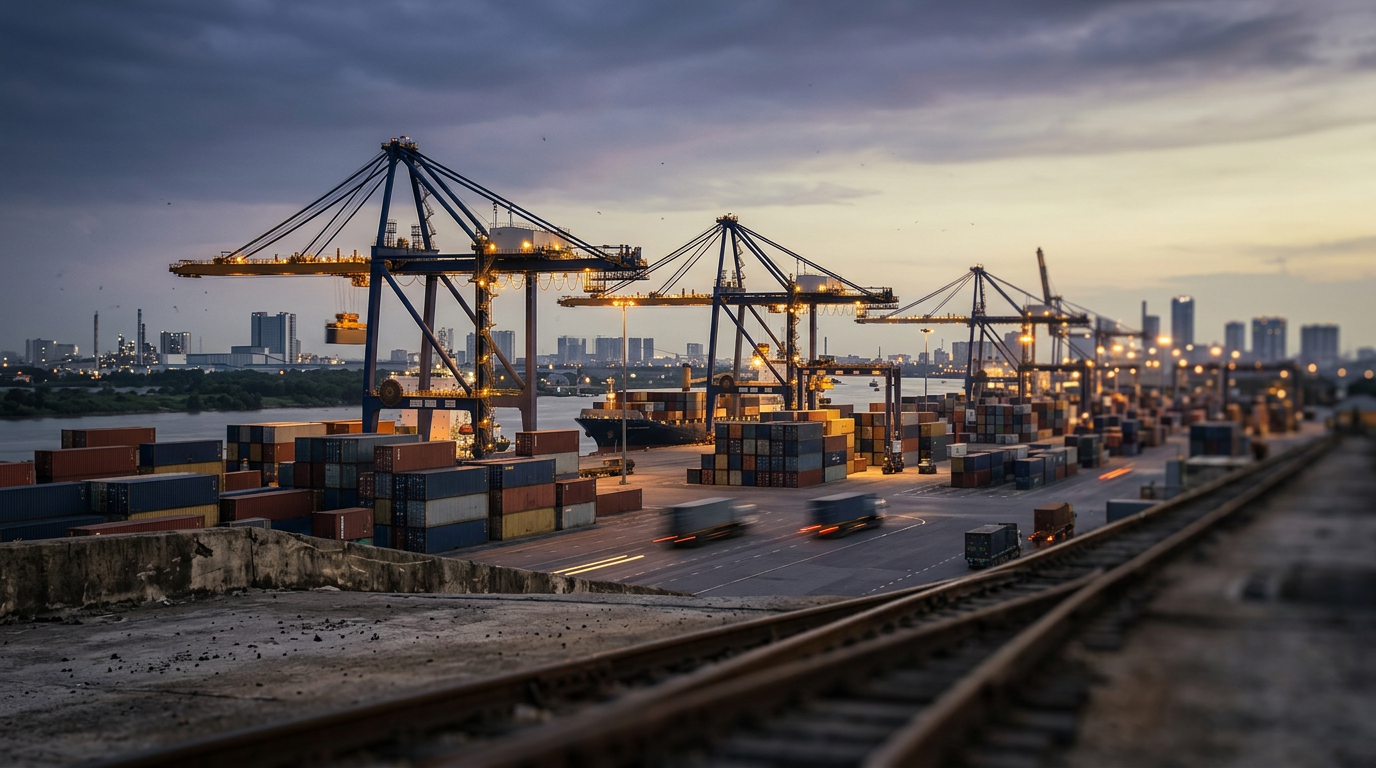
Beyond the Booth: Vietnam's Furniture Sector and the FDI Test
Vietnam's furniture manufacturing sector, highlighted by the upcoming VIFA ASEAN 2026 fair, is at a pivotal point. Turning trade show interest into durable foreign direct investment requires more than just showcasing products; it depends on the deliberate development of.
 Vietnam
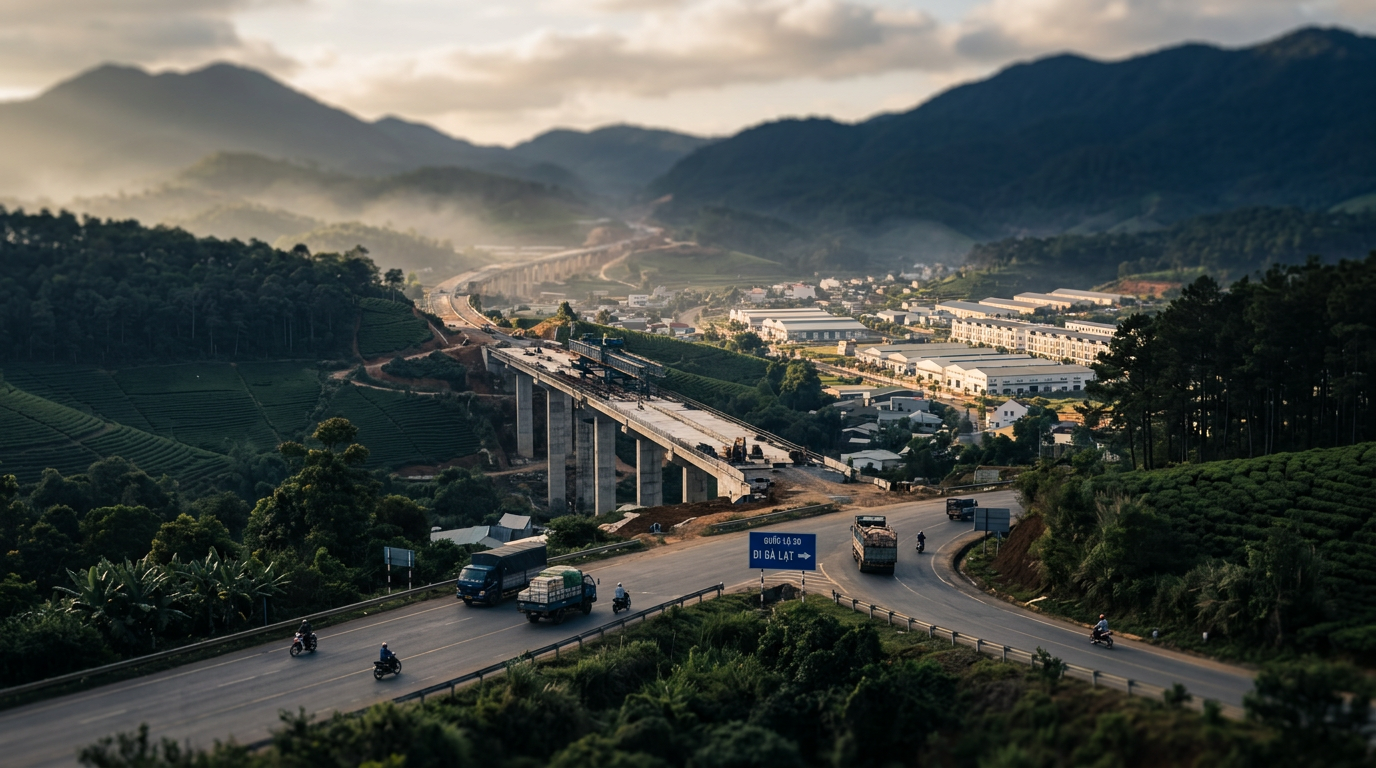
State Capacity on Display in Vietnam's Lam Dong Province
Lam Dong province in Vietnam is putting state capacity on display, with a focus on executing infrastructure projects that can serve as a foundation for economic growth.
 Vietnam
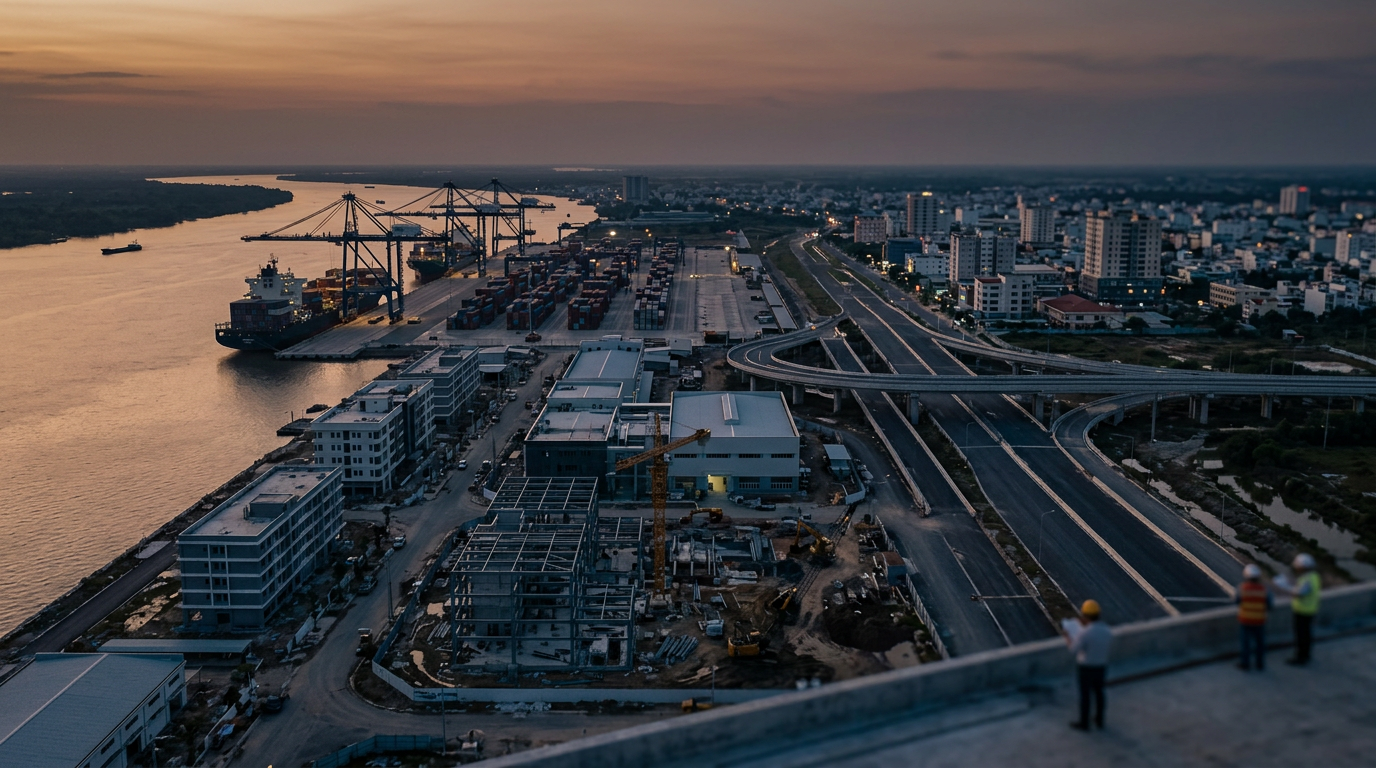
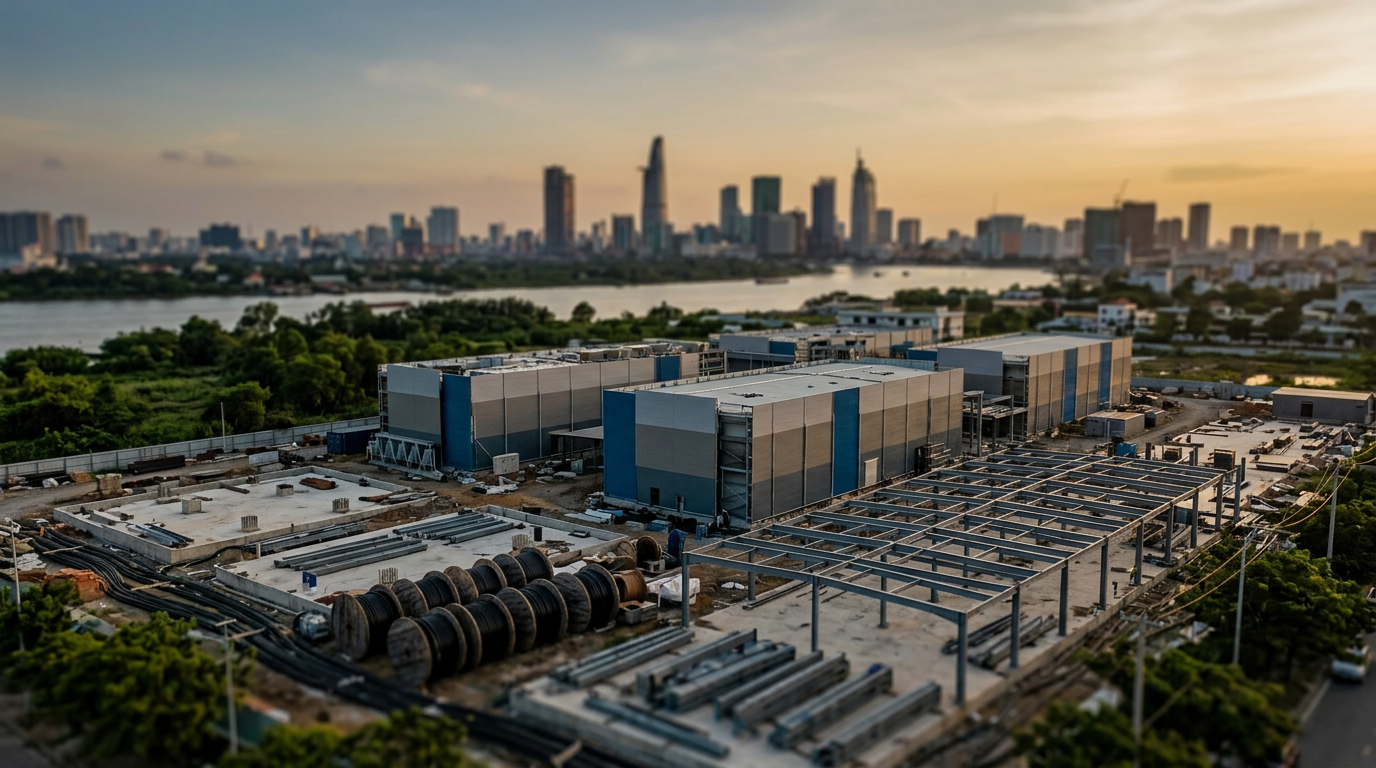
Vietnam's Ca Mau Plans US$1.5 Billion in Infrastructure as a Means to Growth
Vietnam's southernmost province, Ca Mau, has approved or registered 19 projects valued at over VND40 trillion (approximately US$1.53 billion). The plan, which also includes a call for investment in 96 other projects, serves as a test of institutional capacity and the ability to.
 Vietnam
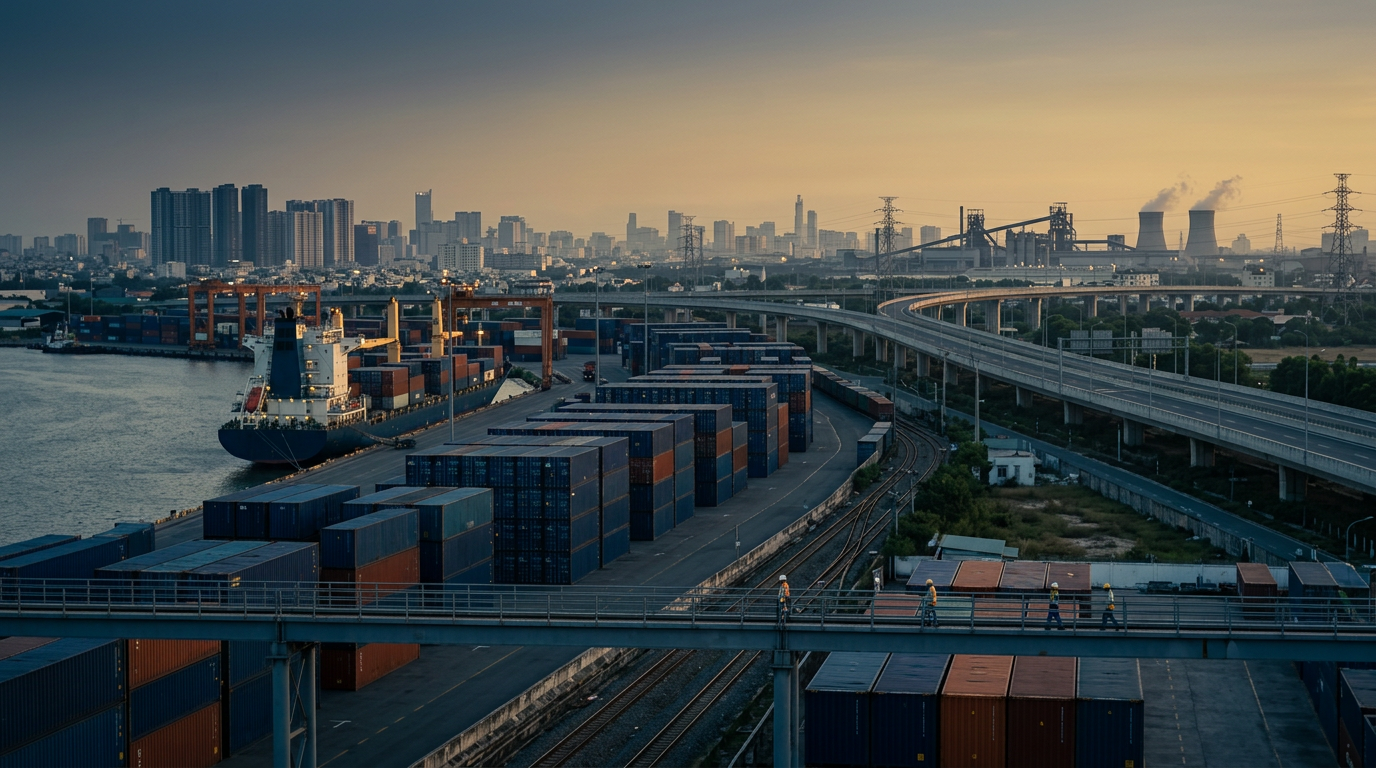
Vietnam's Data Centre Ambitions Test Its Coordination Capacity
A 3.5 billion USD proposal for an AI data centre in Tay Ninh highlights Vietnam's digital ambitions. Success will depend on coordinating capital, infrastructure, and talent, a key theme in ASEAN's economic development.
 Vietnam
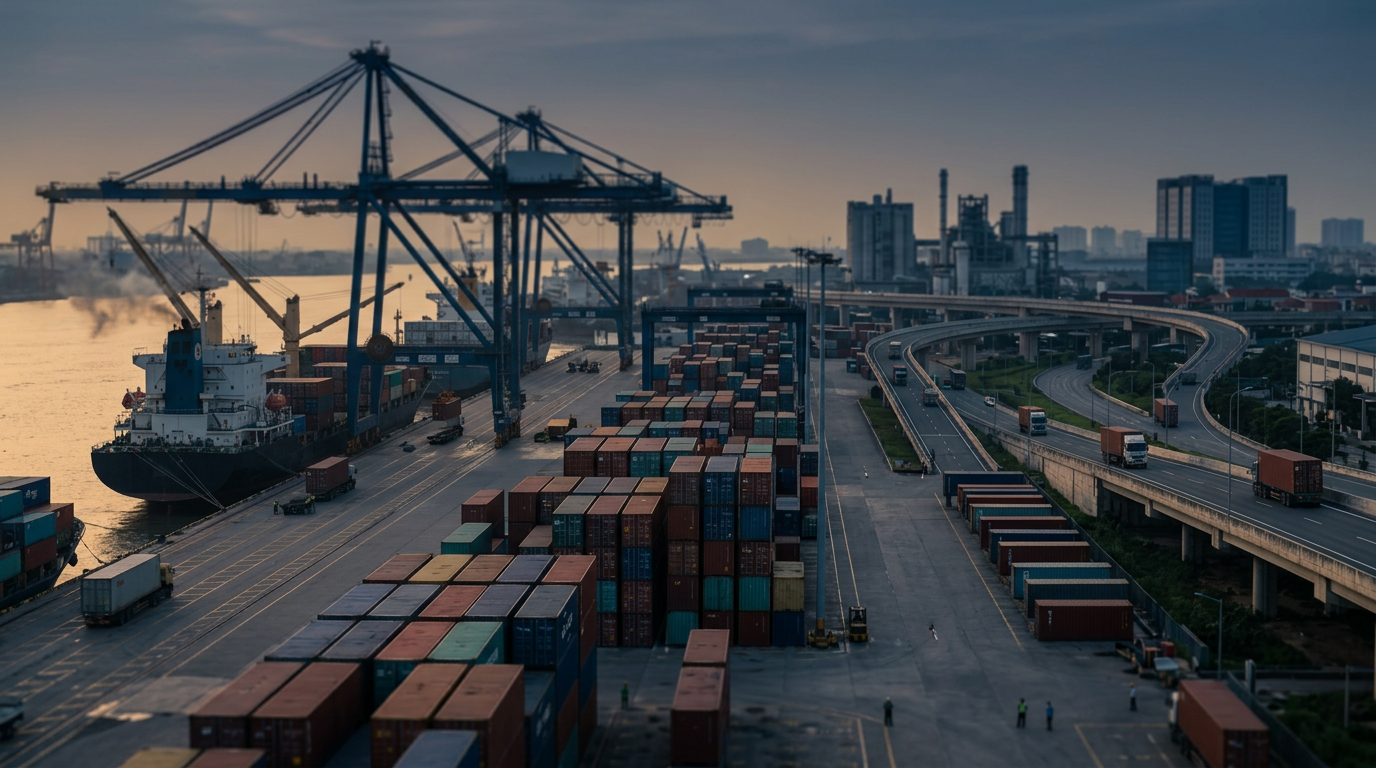
Vietnam and Samsung: A half-trillion dollar lesson in state capacity
Samsung has exported $500 billion worth of mobile phones from Vietnam since 2009. The success of this long-standing relationship has less to do with cheap labor and more to do with the steady, reliable state capacity that lets global firms execute.
 Vietnam
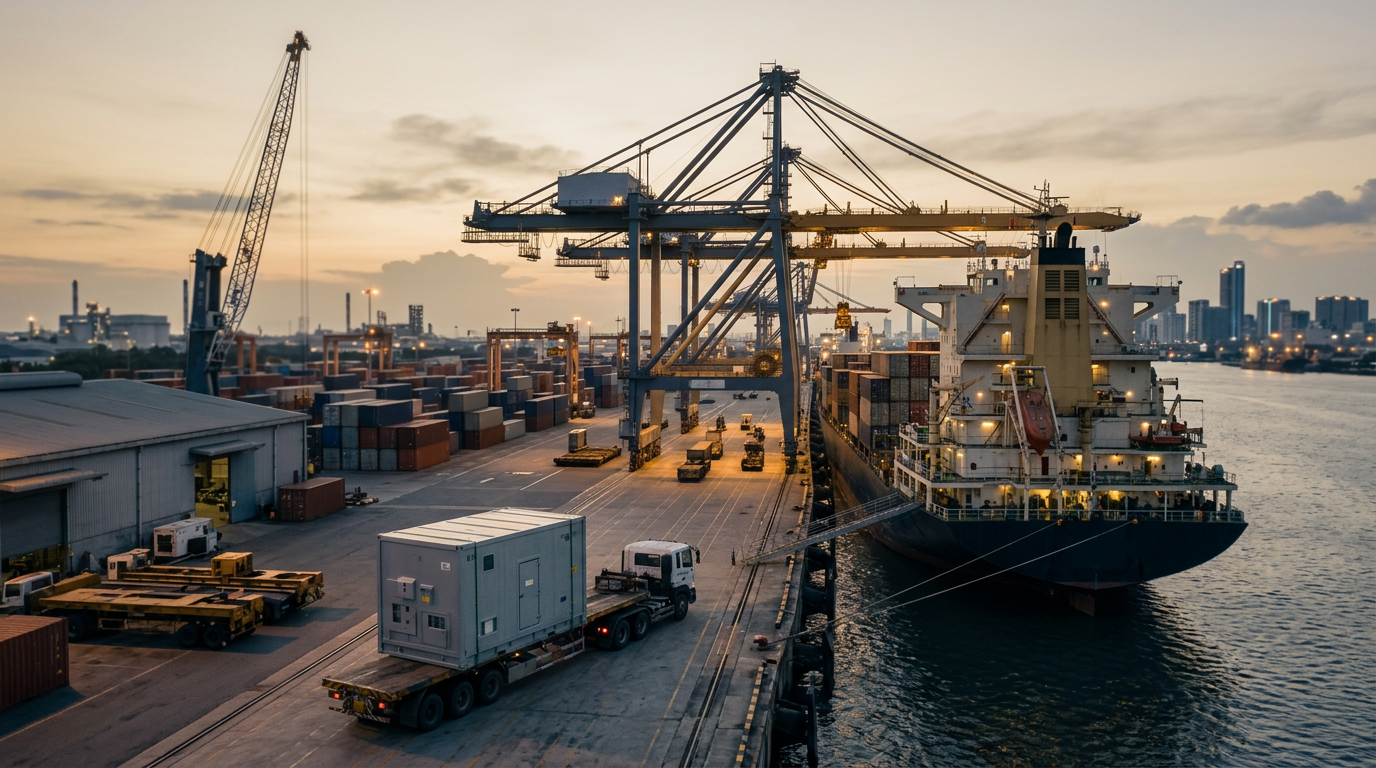
Vietnam, the US, and China: The Trade Dependency Dilemma
Hanoi is trying to manage its deep trade dependency on China by improving trade terms with the United States. Success will depend on institutions, execution, and trust.
 Vietnam
Vietnam: From FDI Promises to Realised Flows
Global shifts in semiconductor supply chains and effective macroeconomic policies are creating new opportunities for Vietnam to attract technology investment and sustain economic growth.
Vietnam intelligence
All trackers →Investment & FDI signals
Full fdi tracker →- fdi· Vietnam· 28 September 2026Cushman & Wakefield taps into Vietnam's hyperscale data center growth
Cushman & Wakefield is tapping into Vietnam's growing hyperscale data center market, noting the country is underserved while a development pipeline indicates rising demand for digital infrastructure.
- fdi· Vietnam· 25 September 2026Al-Amanah Bank to finance LGU projects next year
Al-Amanah Islamic Investment Bank of the Philippines will start financing local government units (LGUs) next year to address underfunding and support infrastructure deficits and basic public services.
- fdi· Vietnam· 24 September 2026Vietnam weighs tax overhaul to push local firms up global supply chain
Vietnam is considering a tax overhaul to channel investment towards technology, R&D, supporting industries, and supply capacity to help local firms integrate into global supply chains.
- fdi· Vietnam· 23 September 2026US capital takes broader footprint in Vietnam
US capital, including private-equity funds, corporate investors, and technology companies, is expanding its presence and deploying capital across various sectors in Vietnam.
AI policy & adoption
Full ai tracker →- ai· Vietnam· 28 August 2026Vietnam urges Qualcomm, Samsung to deepen AI, chip investment as it seeks tech upgrade
Vietnamese leaders have urged U.S. chip designer Qualcomm and South Korea's Samsung Electronics to expand their AI and chip investment in Vietnam, as the country seeks a technology upgrade.
Trade & supply chain signals
Full trade tracker →- trade· Vietnam· 24 September 2026Vietnam-US trade talks near final outcome
Vietnam and the United States are nearing an outcome in reciprocal trade negotiations, as both sides deepen economic cooperation.
- trade· Vietnam· 23 September 2026Vietnam, US close to reaching reciprocal trade agreement
Negotiating teams from Vietnam and the U.S. are reportedly very close to reaching a final outcome on a reciprocal trade agreement, with substantial progress hailed by U.S. Trade Representative Ambassador Jamieson Greer.
Infrastructure signals
Full infrastructure tracker →- infrastructure· Vietnam· 26 September 2026Proposal to expand 350km of the North-South Expressway to six lanes
Cả Group has proposed to the Ministry of Construction to expand 350km of the North-South Expressway to six lanes using the public-private partnership (PPP) method.
- infrastructure· Vietnam· 29 September 2026Secretary-General of ASEAN to participate in the Australia-ASEAN Business Forum 2026 in Adelaide, Australia
The Secretary-General of ASEAN, Dr. Kao Kim Hourn, will participate in the Australia-ASEAN Business Forum 2026 in Adelaide, Australia, on September 29-30, 2026, delivering keynote remarks.
- infrastructure· Vietnam· 23 September 2026The renewable energy deal that looks cheap on paper can leave data centers most exposed
Opinion piece discussing how renewable energy deals, while appearing cheap, can expose data centers to price shocks, suggesting the need for robust clean power portfolios to mitigate risks.
Vietnam coverage themes
- Trade & supply chains. Bilateral flows, RCEP, tariff shifts and sector exposure.
- Investment & FDI. Inbound capital, sovereign deals and sector destinations.
- Capital markets. Exchanges, IPO pipeline, debt, currency and portfolio flows.
- Technology. Startups, fintech, AI deployment and platform regulation.
- Binding constraints. Fiscal, structural, institutional and geopolitical limits.
- Boardroom briefings. Bespoke Vietnam briefings for boards and investors.