Indonesia
Indonesia, China, and the New Politics of Nickel
Indonesia is leveraging its nickel reserves to build domestic value, a strategy that deeply involves Chinese capital and technology, testing its ability to manage dependency while maximizing national gains.
Indonesia is moving to influence the global price of nickel, a critical mineral for electric vehicle batteries. According to a recent report from asiatimes.com, the government is creating a new price-setting mechanism, aiming to capture more value from its significant nickel reserves. This initiative reflects a broader strategy of resource nationalism, where the state seeks greater control over its natural wealth, but it also highlights a complex codependency with China.
The Nickel Strategy
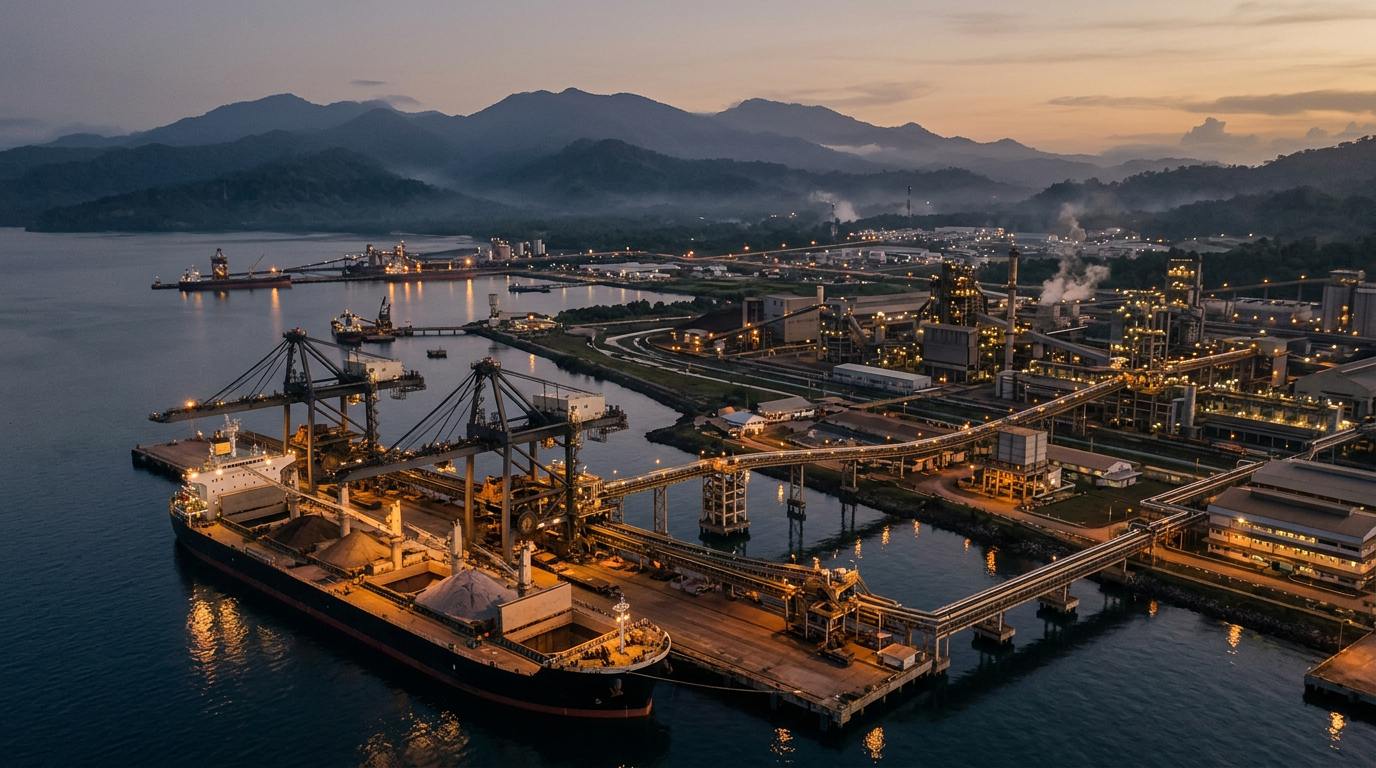
Indonesia, holding the world's largest nickel reserves, banned the export of unprocessed nickel ore in 2020. The policy was designed to force foreign companies to invest in domestic smelting and refining infrastructure. This move has been successful in attracting billions of dollars in foreign direct investment, primarily from Chinese firms, who have built a sprawling network of smelters in industrial parks across the archipelago. The result is a substantial increase in the production of higher-value nickel products, such as nickel pig iron (NPI) and mixed hydroxide precipitate (MHP).
The government's latest plan to establish a domestic nickel price index is the next logical step. By creating its own benchmark, Jakarta aims to shift pricing power away from established global exchanges like the London Metal Exchange (LME). This would allow Indonesia to set prices that better reflect its production costs and strategic goals, ensuring that a larger share of the profits remains within the country. The execution of this plan depends on the state's institutional capacity to create a transparent and trusted pricing mechanism that market participants, both domestic and international, will adopt.
China's Role
China's involvement is fundamental to Indonesia's nickel ambitions. Chinese companies provide the necessary capital, technology, and engineering expertise to build and operate the sophisticated smelters required for nickel processing. These firms are not just passive investors; they are integral partners in the entire value chain. This deep integration has turned Indonesia into a dominant force in the global nickel market, but it has also created a significant dependency on Chinese industry.
This situation exemplifies a structural economic reality for many countries in the region. As the book "ASEAN Rising" notes, the focus for governments is shifting toward how to "manage dependency without losing optionality." For Indonesia, this means navigating its relationship with Beijing carefully. The government must balance its need for Chinese investment against the risks of over-reliance on a single partner. The challenge lies in building domestic capabilities and fostering a competitive environment that includes investors from other nations, thereby preserving its strategic autonomy.
Balancing Interests
Indonesia's nickel strategy is a test of its ability to translate resource wealth into sustainable economic development. The influx of capital has created jobs and spurred infrastructure development in previously underdeveloped regions. However, it has also raised concerns about labor practices, environmental standards, and the long-term distribution of economic benefits.
The government's task is to enforce regulations that ensure these investments serve the national interest. This requires robust institutions capable of overseeing complex industrial projects and negotiating with powerful foreign corporations. Building local talent is also essential, ensuring that Indonesians can eventually assume leadership roles in the industry, reducing reliance on expatriate expertise. The success of this industrial policy will be measured not just by export volumes, but by its contribution to a more equitable and self-sufficient economy.
What to watch
Observers should monitor the formal launch and market adoption of Indonesia's proposed nickel price index. The reaction from global commodity markets and other nickel-producing countries will indicate the viability of this price-setting ambition. Pay attention to how the Indonesian government manages its deep industrial ties with Chinese firms as it pursues this assertive resource strategy, and whether it can attract new investment from other countries to diversify its partnerships.