
 Indonesia
 and the test of FDI realisation
FDI announcements travel quickly. Realised flows depend on the slower work of land, permits, power and talent reaching the ground.
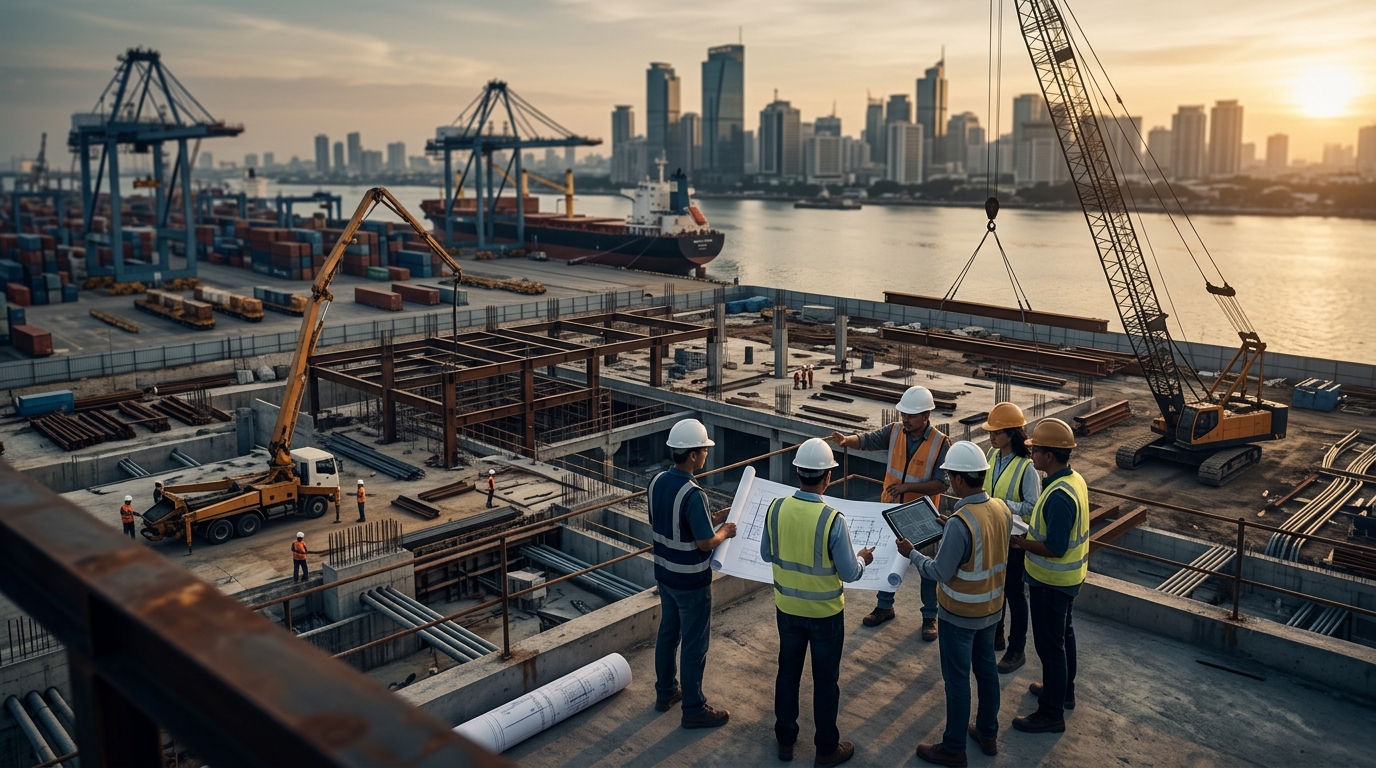
An October report from the Bangkok Post highlighted a brighter outlook for Thailand's tourism sector, with analysts pointing to recovering short-haul demand and expanding flight connectivity as key drivers. While this is positive news for the region, it also brings into focus the persistent gap between investment announcements and their real-world implementation, a theme explored in ASEAN Rising. For a country like Indonesia, the challenge is not attracting interest, but converting that interest into tangible economic activity.
From Pledges to Projects
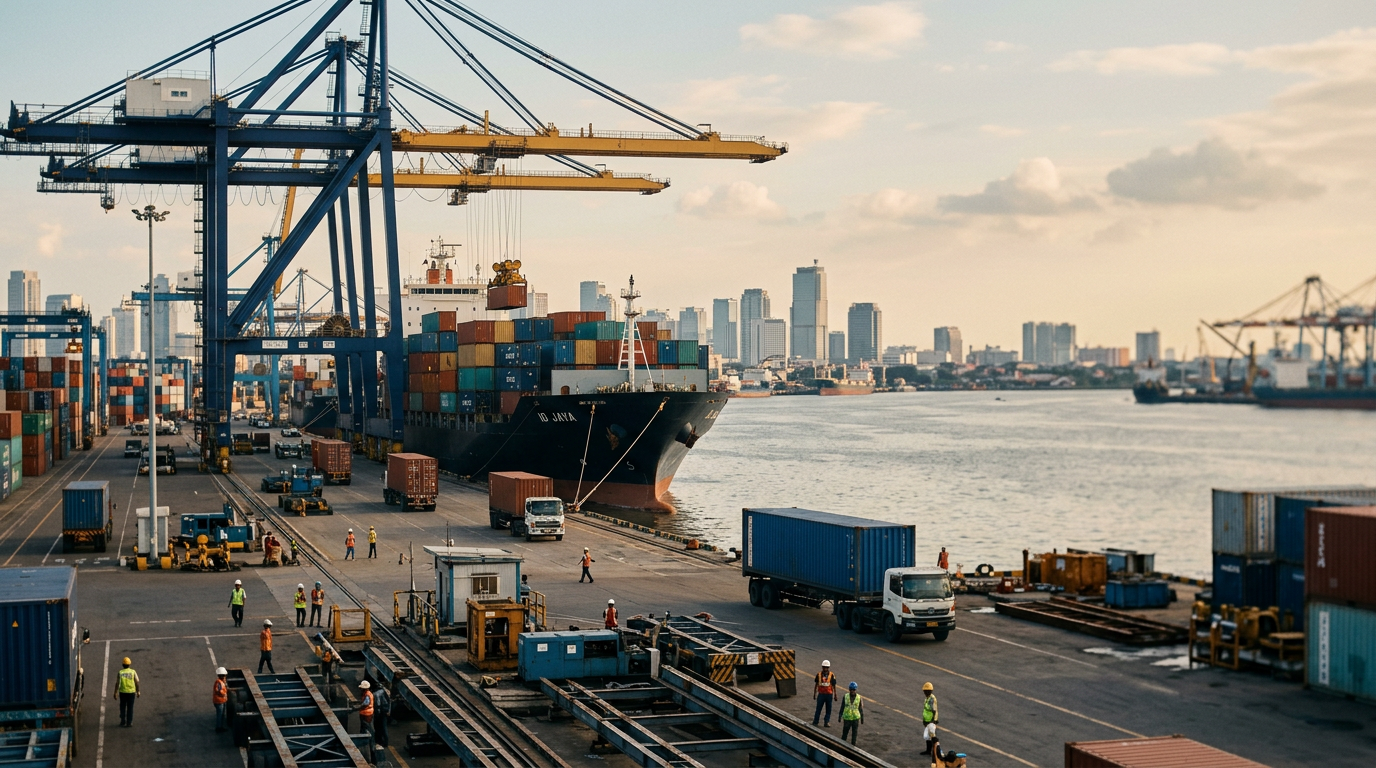
Indonesia has long been a focus for foreign direct investment, thanks to its significant market size and demographic advantages. The government has actively courted international capital with promises of a streamlined regulatory environment and ambitious infrastructure projects. However, the journey from a signed memorandum of understanding to a fully operational factory or resort is often long and complex.
The core of the issue lies in execution. As noted in the book, "Scale matters only when institutions can turn it into investable depth." Foreign investors, upon arrival, are often confronted with the practical difficulties of securing land titles, navigating multiple layers of bureaucracy for permits, ensuring reliable power supply, and finding a workforce with the right skills. These on-the-ground realities can delay projects for years, and in some cases, lead to their abandonment.
The Institutional Bottleneck
Resolving these execution-level problems requires robust institutional capacity. It is not enough to announce reforms at the national level; these changes must be implemented consistently by local and provincial authorities. This is where the disconnect often occurs. Local officials may have different priorities or interpretations of new regulations, creating uncertainty for investors. The process of land acquisition, in particular, can be fraught with legal and social complexities that are not always apparent from a Jakarta boardroom.
Furthermore, the development of human capital is a long-term endeavor. While Indonesia has a large and youthful population, there is a mismatch between the skills demanded by new industries and the output of the education system. Addressing this requires sustained investment in vocational training and higher education, tailored to the needs of the modern economy. Without a deep pool of skilled labor, the value of incoming FDI is limited, and the country risks being stuck in lower-value-added industries.
What to watch: Observers should monitor not just the headline FDI numbers, but also the rate of "realised" investment published by the Indonesia Investment Coordinating Board (BKPM). A narrowing gap between pledges and realised projects would be a strong indicator that institutional reforms are taking hold and that the country is successfully converting its scale into sustainable economic depth. Improvements in the time and cost to start a business, as tracked by global indices, will also provide a measure of progress on the ground.
 Malaysia