Indonesia
Indonesia, Gulf FDI, and the Long Road from Announcement to Execution
Foreign direct investment announcements travel quickly. Realised flows depend on the slower work of land, permits, power and talent reaching the ground. For Indonesia, turning Gulf interest into real assets will be a test of institutional capacity.
Last week, foreign ministers from ASEAN and the Gulf Cooperation Council (GCC) met on the sidelines of the UN General Assembly in New York. The resulting press statement from the co-chairs noted progress on a Framework of Cooperation for 2024-2028, with a particular focus on economic and investment ties. For Indonesia, which has long courted Gulf capital for its ambitious development plans, the meeting is a welcome sign. But translating diplomatic overtures into tangible assets on the ground remains a persistent gap.
The Allure of Scale
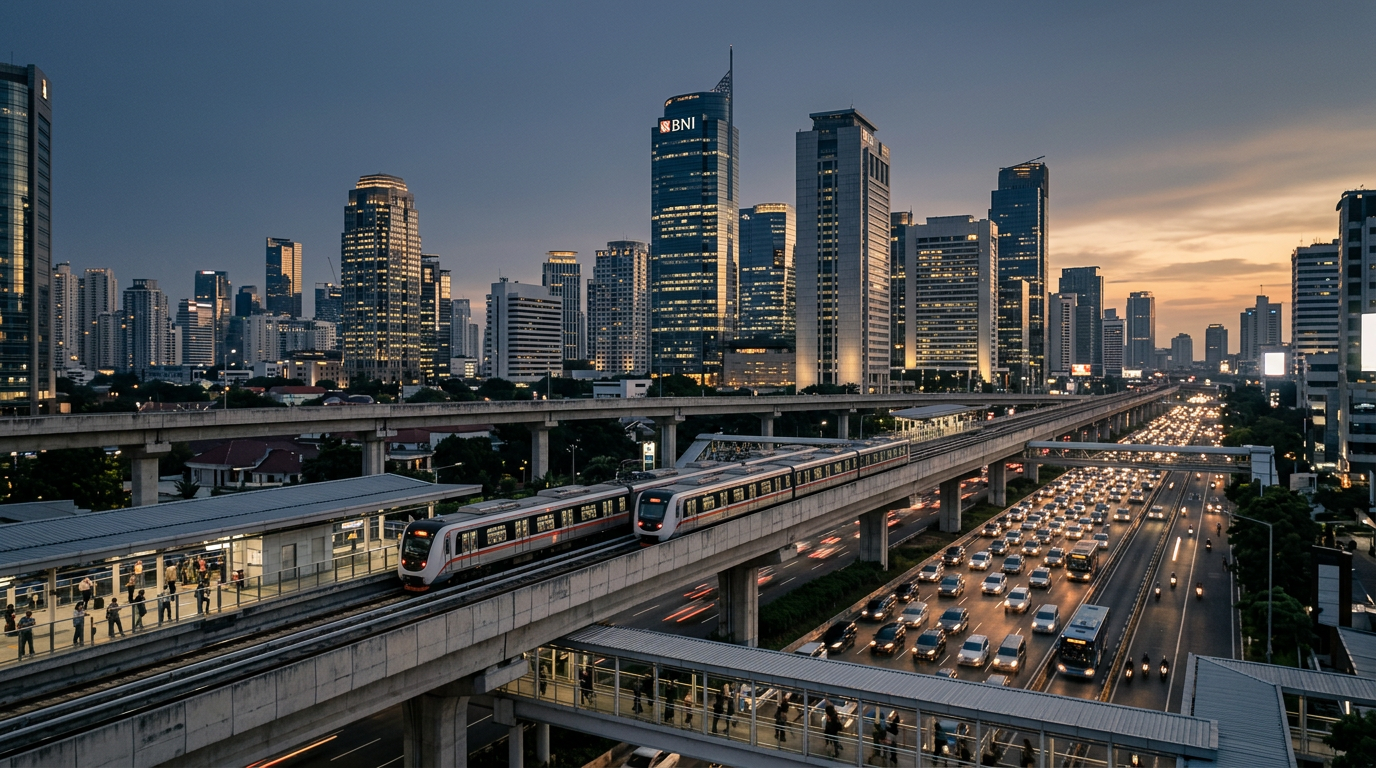
Indonesia's primary attraction for large pools of sovereign capital is its sheer scale. With a population of over 280 million and a nominal GDP exceeding a trillion dollars, the country presents a market that is simply too large to ignore. Gulf investors, tasked with diversifying their economies away from hydrocarbons, are naturally drawn to demographic and growth stories of this magnitude. This alignment of interests has produced a steady stream of high-profile investment announcements and memorandums of understanding over the years, often centered on infrastructure, energy, and the development of the new capital city, Nusantara.
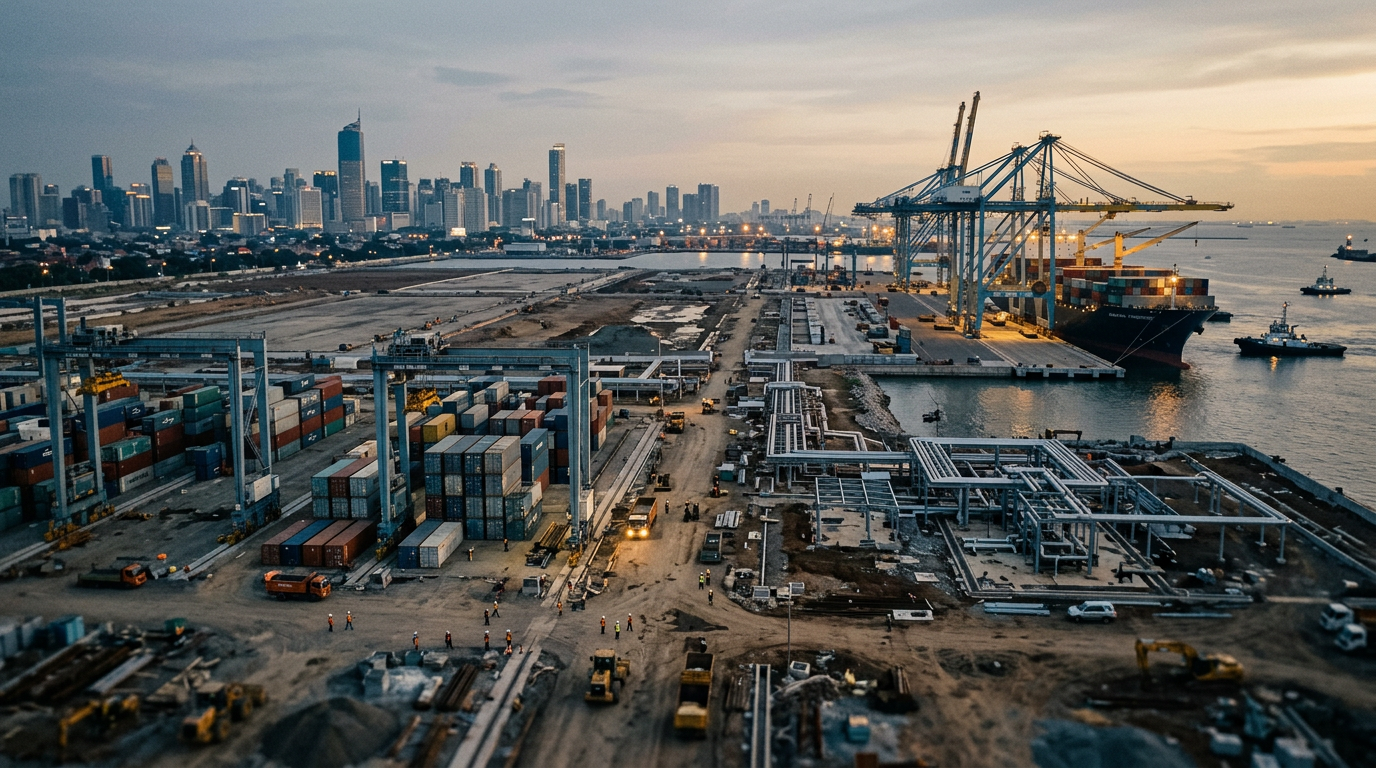
However, the promise of scale is only the first step. The book "ASEAN Rising" notes that large headline FDI figures mean little if the institutional capacity to absorb and deploy that capital is lacking. While official statements highlight mutual interests, the real work of turning a sovereign wealth fund's commitment into a functioning port, power plant, or industrial park involves a host of complex, localized challenges. Scale gets the meeting, but it does not guarantee the outcome.
Execution on the Ground
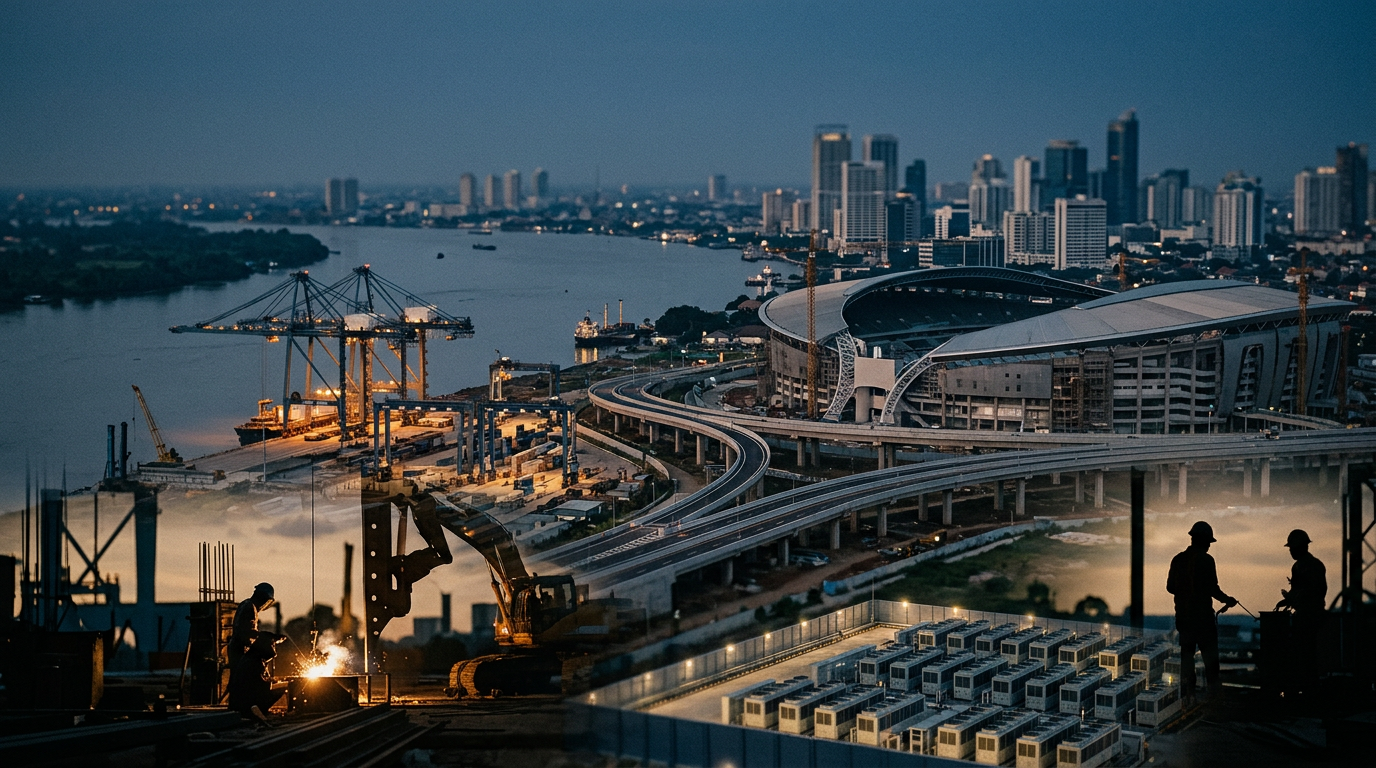
Converting investor interest into realized foreign direct investment is a matter of execution. This is where the institutional framework of the host country comes into focus. As the chapter on Indonesia in ASEAN Rising puts it, "realised flows depend on the slower work of land, permits, power and talent reaching the ground." These are the mundane but essential gears of development that often prove to be the biggest hurdles.
For Gulf investors, who are often accustomed to environments with highly centralized decision-making and state control over land and resources, navigating Indonesia's decentralized governance can be a steep learning curve. The country's post-Suharto reforms devolved significant authority to provincial and district-level governments. While this has deepened democracy, it has also created a complex and sometimes contradictory regulatory landscape for investors to navigate. Securing land titles, obtaining the necessary permits from multiple agencies, ensuring reliable power connections, and sourcing skilled labor are all processes that test an investor's patience and risk tolerance. The success of attracting and, more importantly, retaining Gulf capital will depend on the ability of Indonesia's institutions to streamline these processes and provide a predictable path from announcement to operation.
What to watch
Pay less attention to the headline figures from diplomatic meetings and more to the progress of specific, on-the-ground projects. The implementation of the ASEAN-GCC Framework of Cooperation will offer clues, but the real indicators will be the reported value of realized FDI from Gulf states into Indonesia and the successful commissioning of major infrastructure projects backed by this capital. The gap between announced and realized investment remains the most important metric for assessing whether Indonesia is successfully turning its strategic weight into durable economic assets.