Indonesia
Indonesia's AI Ambition Meets the Infrastructure Test
Foreign direct investment in data centers is flowing into Indonesia, drawn by the promise of a massive digital market. But turning these announcements into operational assets depends on the slower, harder work of securing land, power, and talent.
The Asian Development Bank recently upgraded its growth forecast for the Asia-Pacific, citing the artificial intelligence boom as a contributing factor. As reported by CNA, this optimism reflects a wave of investment into the digital economy, and Indonesia is a prime destination for foreign capital seeking to build the region's data infrastructure.
Microsoft has announced a $1.7 billion investment over four years in new cloud and AI infrastructure in Indonesia. This follows major commitments from other global technology players, all looking to serve a young, digitally active population. The government has welcomed this, promoting its vision of a "Golden Indonesia 2045" powered by a technologically advanced economy. Yet, the path from investment announcement to operational reality is a complex one. As "ASEAN Rising" notes, "Scale matters only when institutions can turn it into investable depth."
From Announcement to Execution
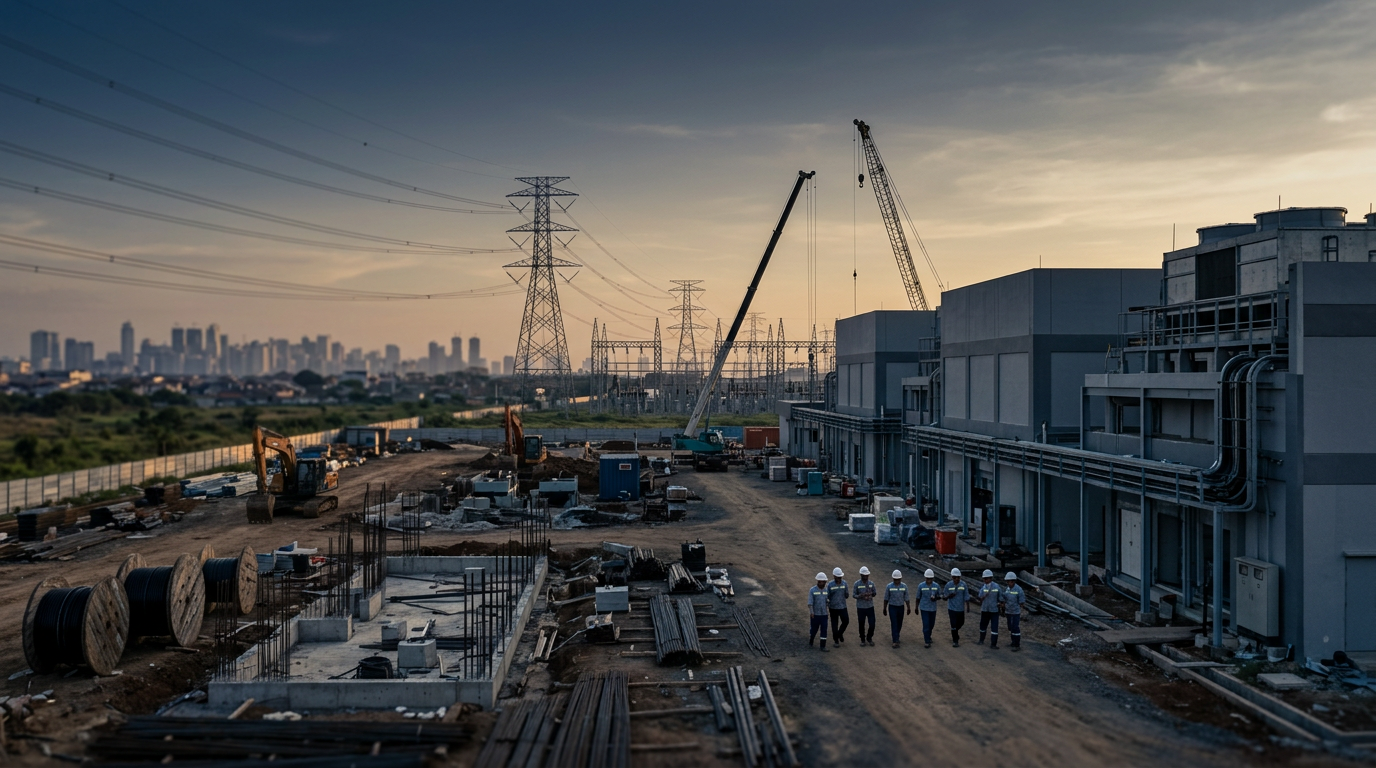
The flow of foreign direct investment into high-tech sectors like data centers is a vote of confidence in Indonesia's market potential. The country's large and growing economy presents a compelling case for building digital infrastructure locally. However, the execution of these large-scale projects is where the primary difficulties lie.
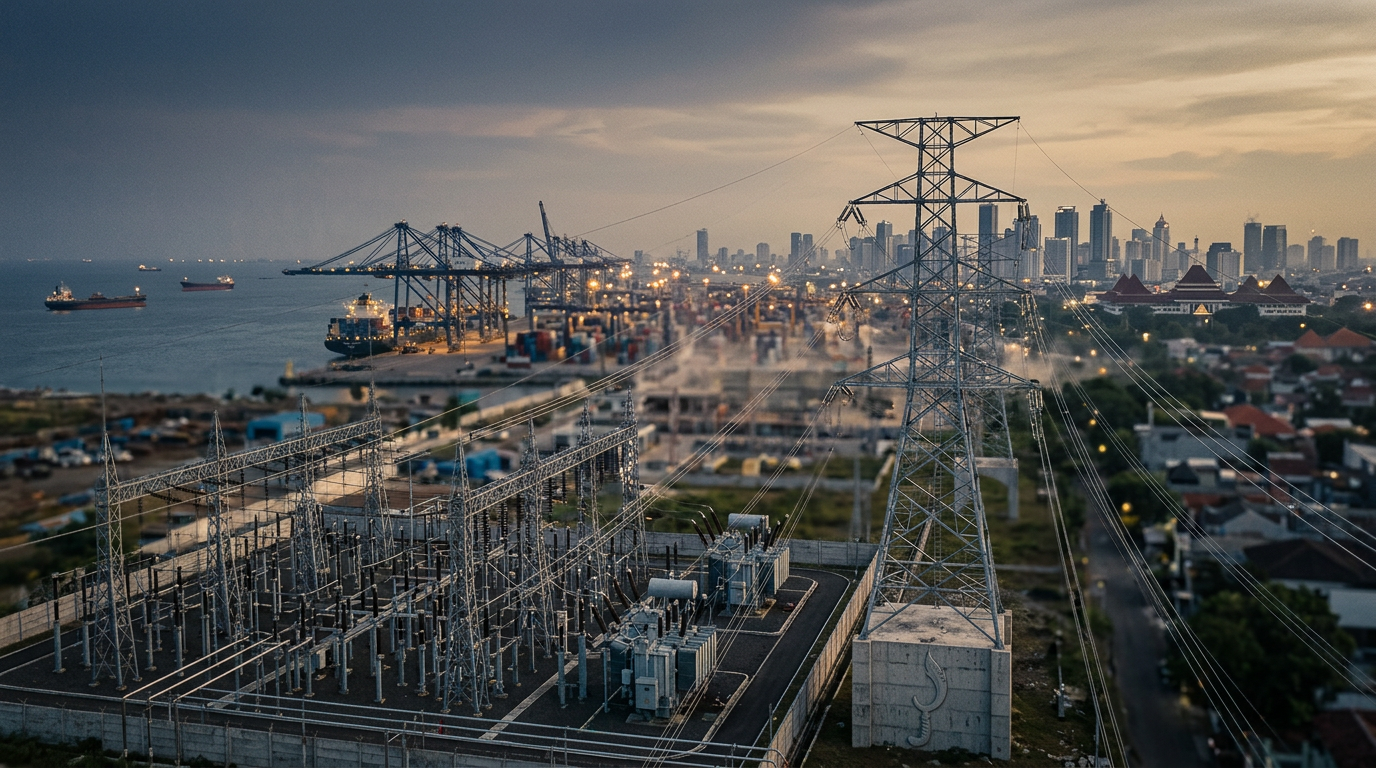
The core challenges are not unique to the digital sector but are magnified by its specific needs. Securing suitable land with clear title, navigating the multi-layered permitting process, and ensuring a stable and sufficient power supply are fundamental hurdles. Data centers are exceptionally power-hungry, and their reliability is non-negotiable. This puts direct pressure on the capacity and stability of the national grid, requiring close coordination between investors and state-owned utility providers. The Indonesian government has made significant strides in streamlining business approvals through its Omnibus Law on Job Creation, but the implementation of these reforms at the local level remains inconsistent.
The Talent Bottleneck
Beyond physical infrastructure, the human element is a significant constraint. Building and operating sophisticated data centers and AI platforms requires a deep pool of specialized talent. This includes not only software engineers and data scientists but also technicians, cybersecurity experts, and facilities managers with experience in high-tech environments.
Indonesia possesses a large youth population, but the educational and vocational training systems are not yet producing graduates with the required skills at the necessary scale. The government's initiatives to promote digital literacy and partner with universities are steps in the right direction. However, the immediate demand for experienced professionals will likely outstrip local supply. This forces companies to compete for a limited number of qualified individuals or invest heavily in their own training programs, adding cost and time to their projects. Successfully anchoring the AI industry in Indonesia will depend on a concerted, long-term effort to align the country's educational output with the demands of the digital economy.
What to watch
The coming 18-24 months will show how effectively announced FDI in Indonesia's digital sector is converted into operational assets. Observers should monitor the progress of major data center projects, not just in their construction timelines but also in their ability to connect reliably to the power grid. Attention should also be paid to public-private initiatives aimed at developing a skilled workforce, as this will determine whether Indonesia can build a self-sustaining digital ecosystem or remains primarily a consumer market for services hosted elsewhere.