Indonesia
, China, and the MSME Export Question
An export clinic in Palu is a small but significant indicator of how Indonesian policymakers are thinking about the country's trade relationship with China, focusing on building institutional capacity for smaller firms to manage dependency and access new markets.
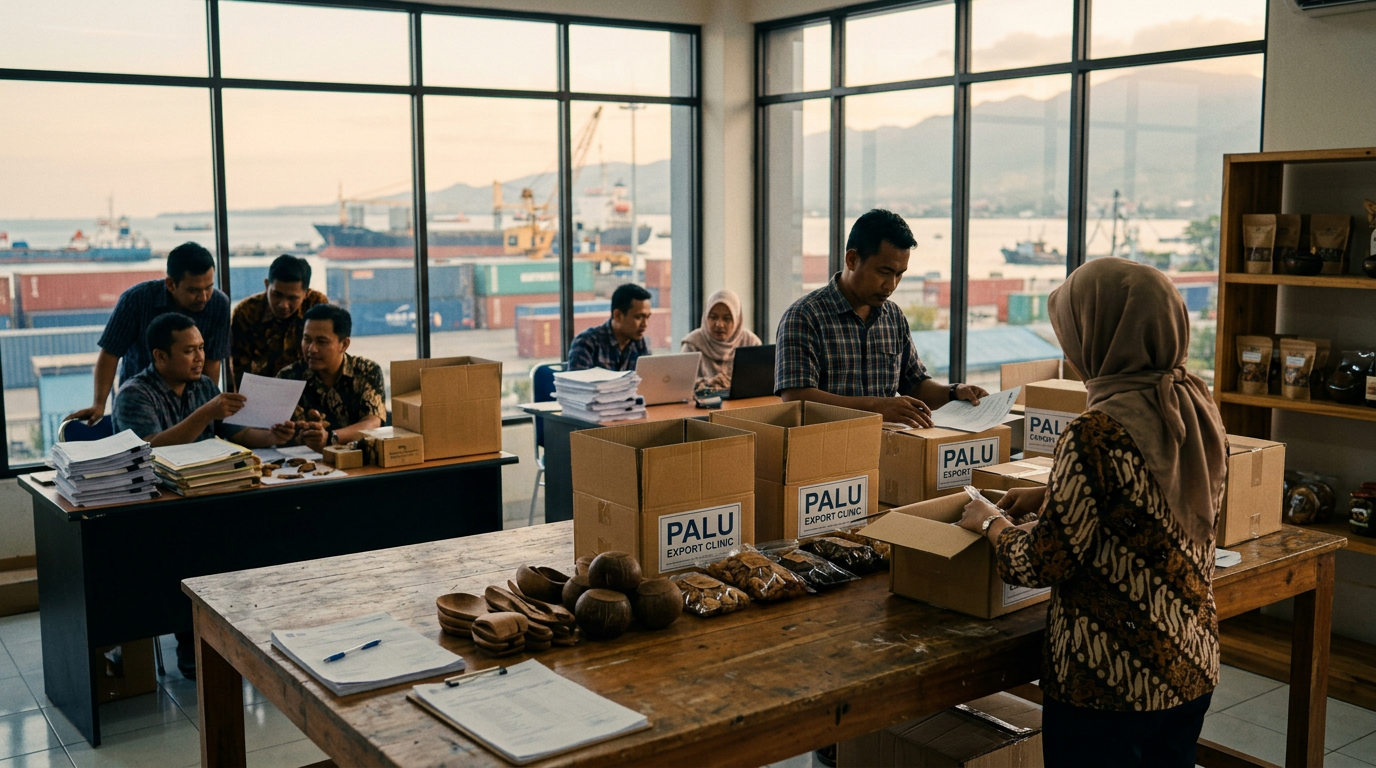
An export clinic to help small businesses in Palu, Indonesia, access global markets is a small but telling sign of a larger regional dynamic, as reported by Antara News. While a local initiative, it speaks to the core challenge facing not just Indonesia, but all ASEAN member states: how to translate deep trade relationships, particularly with China, into broad-based economic benefits that reach beyond large corporations.
Institutions for Export
For Micro, Small, and Medium Enterprises (MSMEs), the leap from domestic sales to international export is substantial. It requires navigating a complex web of customs procedures, quality standards, financing, and logistics. Initiatives like the Barantin export clinic in Palu are practical examples of the institution-building required to help smaller firms make this jump. These are not high-level policy statements, but the granular, ground-level work of building capacity. By equipping entrepreneurs with the knowledge and tools to export, such programs aim to distribute the gains from trade more widely across the economy.
The focus on MSMEs is a recurring theme in Indonesian economic policy. These firms are the backbone of the domestic economy, but they have historically been underrepresented in the country's export figures. The challenge is to build a scalable and sustainable institutional framework that can support thousands of small businesses, not just a handful. This involves creating reliable access to information, streamlining bureaucracy, and providing the financing and infrastructure necessary to compete on a global scale. The Palu clinic is a small-scale model of how this might be achieved, one locality at a time.
Managing Dependency on China
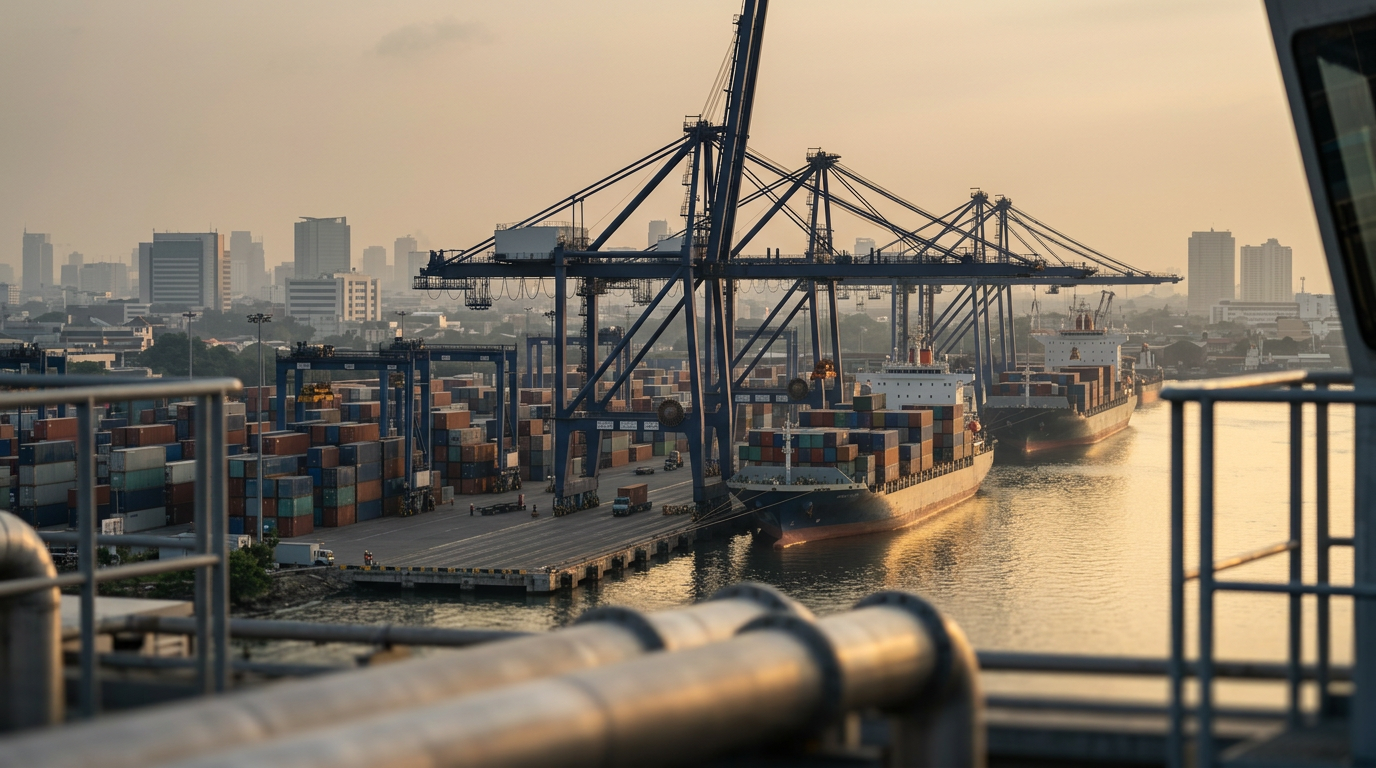
No discussion of ASEAN trade can ignore the role of China. As the book "ASEAN Rising" notes, deep trade with China is a structural reality for the region. The core issue for governments is "how to manage dependency without losing optionality." For Indonesia, this means ensuring that its economic relationship with Beijing serves its broader development goals, including the empowerment of its MSMEs. The country benefits from Chinese investment in infrastructure and its role as a major commodity market, but policymakers are also aware of the need to cultivate other trade relationships and move up the value chain.
Helping MSMEs export is a direct response to this strategic challenge. By diversifying the range of products Indonesia sells and the markets it sells them to, the country can reduce its reliance on any single trading partner. Furthermore, by enabling smaller firms to participate in global trade, Indonesia strengthens its domestic economic fabric, making it more resilient to external shocks. The goal is not to decouple from China, but to create a more balanced and mutually beneficial trade portfolio where Indonesian firms, large and small, can thrive.
Capital and Talent
The success of programs like the Palu export clinic depends on more than just good intentions. It requires sustained investment in both physical capital and human talent. On the capital side, MSMEs need access to affordable financing for production and export operations. This is often a major barrier for small businesses that lack the collateral or credit history of larger firms. Government-backed loan guarantees and partnerships with financial institutions are essential components of a comprehensive MSME export strategy.
Equally important is the investment in talent. Exporting requires specific skills, from marketing and digital literacy to logistics management and cross-cultural negotiation. Building this talent pool is a long-term project that involves vocational training, mentorship programs, and the integration of export-oriented skills into the broader education system. The Barantin clinic is a step in this direction, providing targeted training to entrepreneurs. The long-term success of Indonesia's export diversification strategy will depend on its ability to scale up these efforts and create a deep reservoir of globally competitive talent.
What to watch
Watch for further government initiatives at the national and provincial levels in Indonesia aimed at simplifying export procedures and providing targeted financial support for MSMEs. The degree to which these programs move beyond one-off clinics and become embedded, scalable institutions will be a key indicator of Indonesia's success in building a more inclusive and resilient export economy. Also, monitor the trade data for signs of diversification in both the products exported and their destinations, as this will signal whether the strategy to manage dependency is yielding results.