Indonesia
, China, and the MSME Export Question
An export clinic for MSMEs in Palu, Sulawesi highlights a deeper structural question for Indonesia: how to manage its trade dependency on China while building sustainable, broad-based export growth.
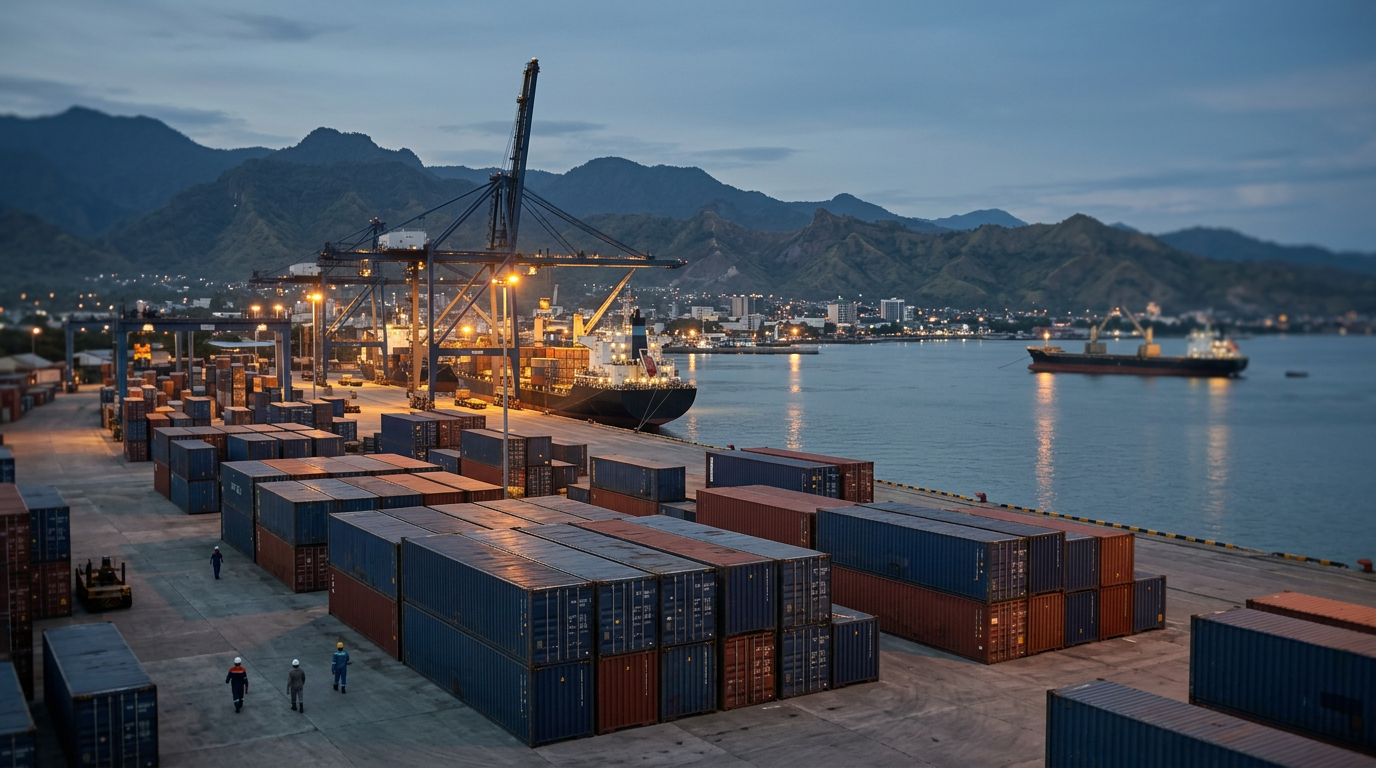
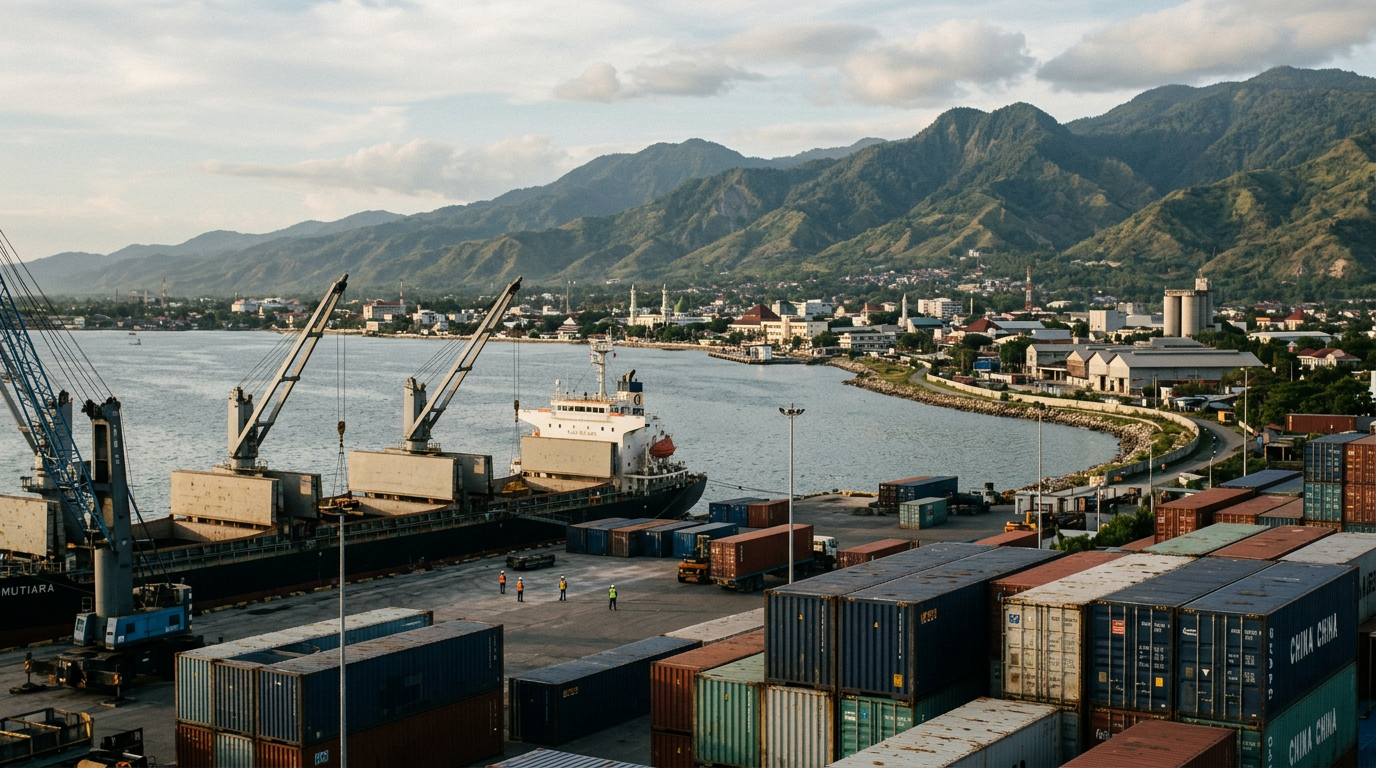
An export clinic in Palu, reported by Antara, is helping local micro, small, and medium enterprises (MSMEs) access export markets. While a positive local initiative, it brings a larger structural issue for Indonesia and its neighbors into focus: the deep, complex, and often challenging trade relationship with China.
The Gravity of China Trade
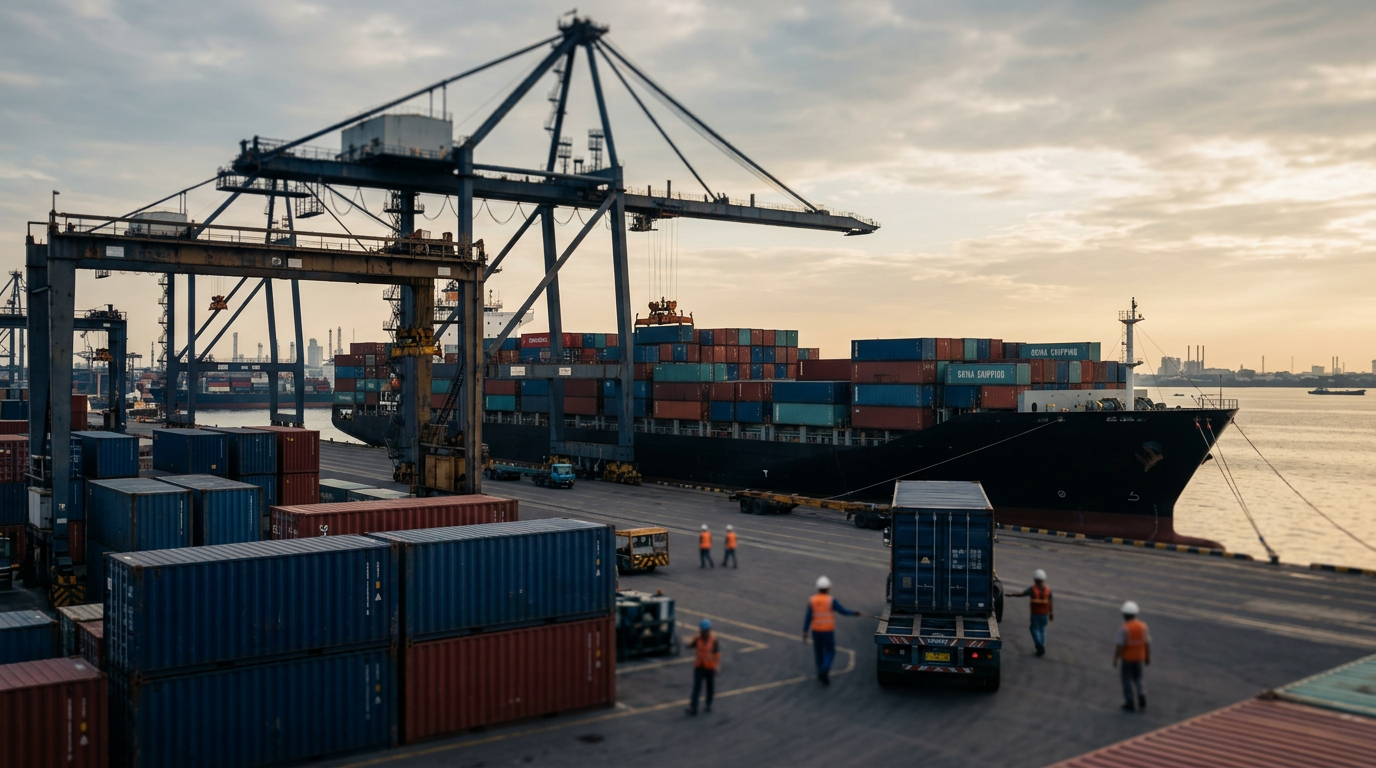
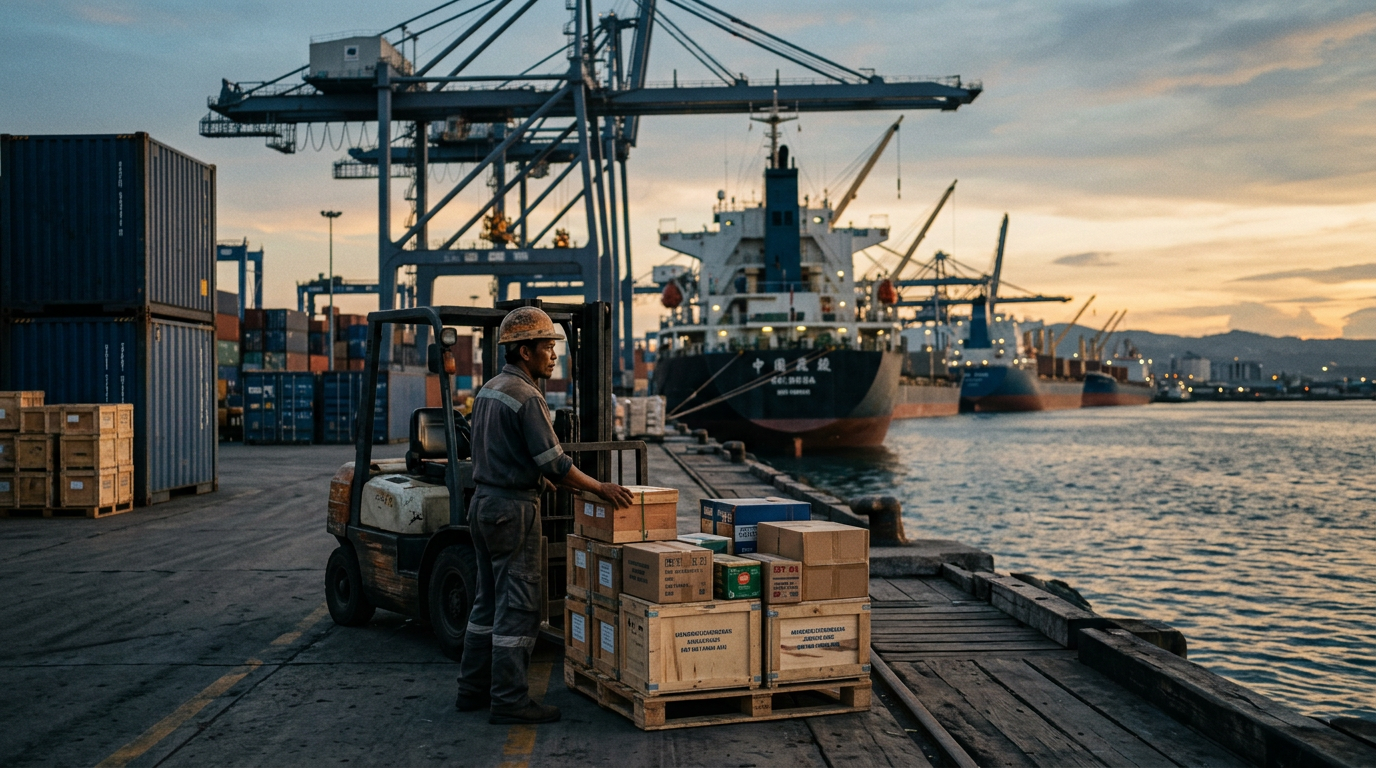
Indonesia's trade with China is substantial and has grown consistently. From January to October 2023, the bilateral trade value reached USD 114.6 billion, with Indonesia maintaining a trade surplus of USD 1.8 billion. This surplus, however, is largely driven by raw material exports. The scale of this relationship means that for many Indonesian businesses, China is not just an export market; it is the market. The gravitational pull is immense, shaping infrastructure investments, logistics networks, and business strategies.
This is not a uniquely Indonesian phenomenon. As detailed in "ASEAN Rising", this trade depth with China is now a structural feature for the entire region. It creates a powerful incentive for businesses, from large conglomerates to small enterprises, to orient their production and export activities toward Chinese demand. For an MSME in Palu, the theoretical possibility of exporting to Europe or North America often pales in comparison to the more immediate and tangible prospect of selling into the Chinese supply chain, whether directly or indirectly.
From Local Clinic to National Strategy
Initiatives like the Barantin export clinic are valuable for building local capacity. They provide essential knowledge on customs procedures, quality standards, and market access. However, their ultimate success depends on the larger institutional and policy framework they operate within. Helping an MSME in Palu prepare a product for export is one part of the equation; ensuring it has competitive pathways to diverse markets is another.
For Indonesia, the question is how to translate these ground-level efforts into a national strategy that diversifies its export base beyond raw materials and reduces over-reliance on a single market. This involves more than just trade promotion. It requires investment in infrastructure that connects producers to multiple ports and logistics hubs, not just those optimized for shipping commodities to China. It also requires developing the institutional capacity to enforce standards, negotiate better trade terms, and provide financing that allows MSMEs to grow and compete internationally.
Managing Dependency
The core challenge for Jakarta, and for other ASEAN capitals, is one of managed dependency. The economic benefits of the China trade are undeniable, but they come with strategic risks. Relying too heavily on one trade partner, especially for commodity exports, leaves the economy vulnerable to shifts in that partner's economic health and policy priorities. As the book "ASEAN Rising" notes, "The question for ASEAN governments is no longer whether to engage, but how to manage dependency without losing optionality."
Building a robust and resilient MSME export sector is a direct answer to this challenge. A diverse ecosystem of smaller exporters selling a variety of finished goods and services to multiple countries is less susceptible to single-market shocks. It creates a broader base for economic growth and distributes the gains from trade more widely. The clinic in Palu is a small step, but it points toward a much larger strategic imperative for Indonesia: leveraging its institutional and capital resources to build an export economy with more options.
What to watch
Watch for how Indonesia's industrial and trade policies evolve under the new administration, particularly regarding downstream processing of raw materials and targeted support for non-commodity exporters. The allocation of infrastructure spending will also be a key indicator, revealing whether logistics investments are aimed at diversifying trade routes or further deepening the existing corridors to China. Finally, observe the real-world export performance of MSMEs in regions outside of Java to see if initiatives like the Palu clinic are translating into measurable, diversified trade growth.