Indonesia
Coordinating Capital: The Data Center Boom in Indonesia
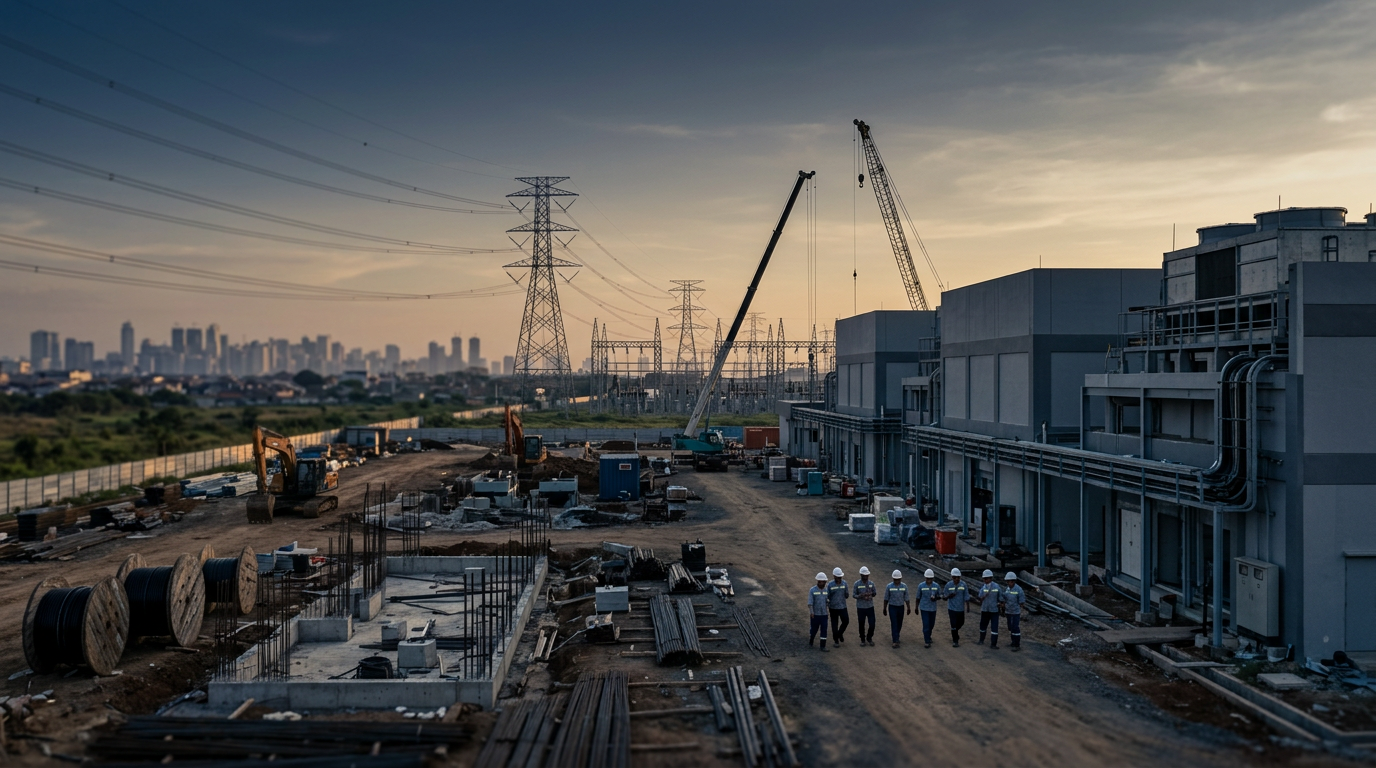
Singapore-based BDx's new 640 MW AI data center in Indonesia is a significant step, but its success will depend on more than just capital. It requires a complex interplay of infrastructure, regulatory alignment, and talent development, echoing the growth models of established.
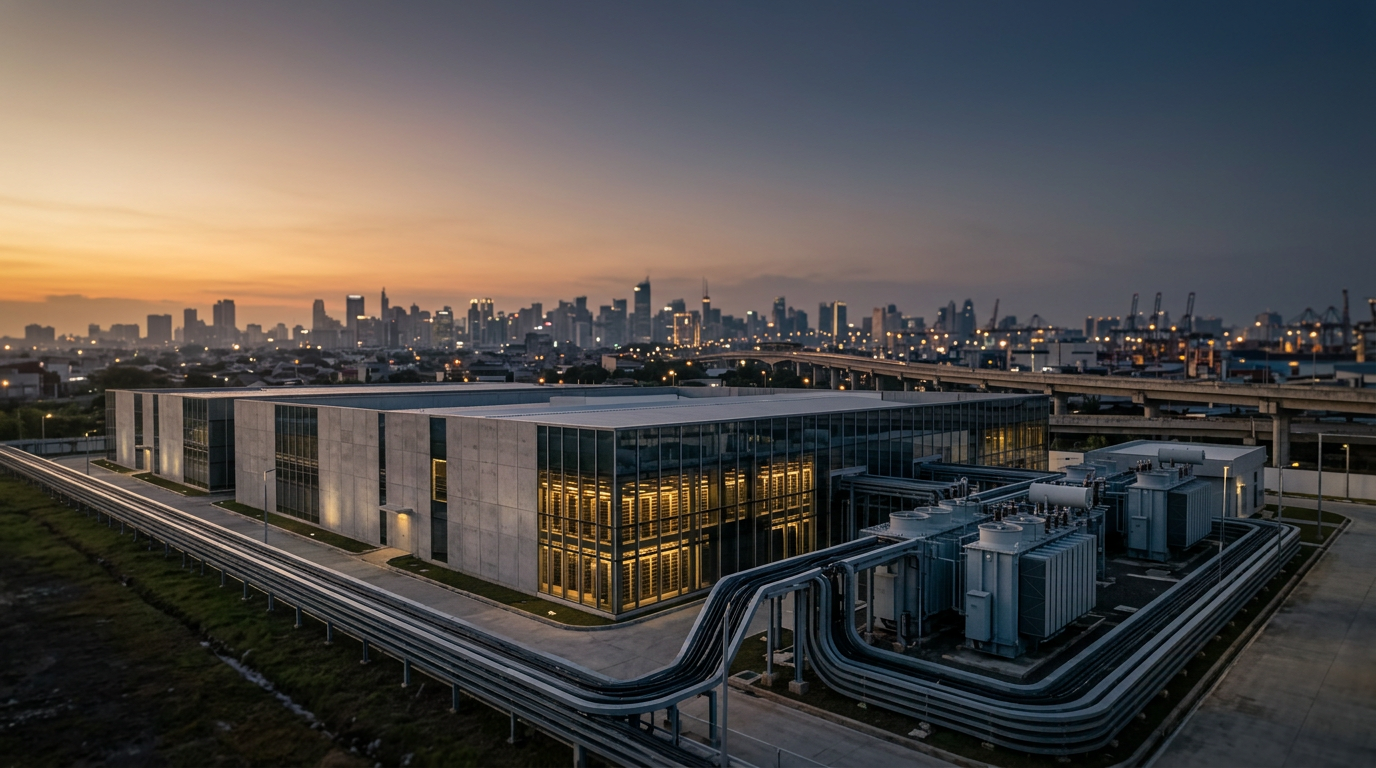
A recent report from the Business Times highlights a significant development in Southeast Asia's digital infrastructure landscape: Singapore-based Big Data Exchange (BDx) has started building a 640-megawatt AI-ready data center in Indonesia. This move, backed by a substantial loan facility, signals the growing appetite for digital services and the capital flowing into the region to support them. While the investment is a vote of confidence in Indonesia's market, it also brings to the forefront the institutional and infrastructural frameworks necessary to support such large-scale projects.
Infrastructure and Institutional Alignment
Large-scale data centers are complex industrial undertakings that demand more than just land and power. Their success hinges on the synchronized delivery of multiple inputs, including reliable electricity grids, high-speed fiber optic connectivity, and streamlined regulatory approvals. As "ASEAN Rising" notes, "Capital coordination is itself an industrial input." The availability of cheap power or land is insufficient if planning, utilities, and connectivity are not developed in concert. This is the institutional challenge that Indonesia faces as it seeks to attract more hyperscale investment.
Singapore's own success as a data center hub was built on a foundation of meticulously planned infrastructure and a clear regulatory environment. Its model demonstrates how public and private sectors can work together to create a predictable and efficient ecosystem for complex industrial projects. For Indonesia to fully capitalize on the investment from firms like BDx, it must ensure that its own institutional frameworks can provide the same level of coordination. This involves aligning the objectives of state-owned utilities, telecommunications providers, and local planning authorities to create a seamless development process.
The Role of Capital and Talent
The BDx project is financed through a combination of shareholder equity and a US$320 million syndicated loan, illustrating the type of complex financial arrangements needed for such ventures. This inflow of foreign capital is a positive indicator for Indonesia, but it also underscores the need for a robust local financial ecosystem and a skilled workforce to manage and operate these advanced facilities. The development of a 640 MW facility, specifically designed for AI workloads, requires a talent pool with specialized expertise in high-density power management, advanced cooling systems, and network architecture.
As Indonesia builds out its digital infrastructure, it must also invest in human capital. This means fostering educational programs and vocational training that can produce a new generation of engineers, technicians, and project managers. The presence of international players like BDx can act as a catalyst, creating demand for local talent and providing opportunities for knowledge transfer. However, a sustainable growth model requires a proactive approach from the government and educational institutions to ensure that the workforce can keep pace with technological demands.
What to watch
The successful execution of the BDx data center will be a telling indicator of Indonesia's capacity to manage hyperscale projects. Observers should monitor the level of coordination between Indonesian government agencies, state-owned enterprises, and private investors. The project's progress will offer insights into the country's ability to align its infrastructure development with its digital economy ambitions, and whether it can replicate the integrated planning that has defined established data center markets.