
ASEAN Analysis & Commentary
Every analysis published on ASEAN Rising is sourced, datestamped and signed. We're more interested in being right in 12 months than first in 12 minutes.
Foundation pieces
Start here. The three pieces below set out the lens ASEAN Rising uses to read every story.
ASEAN Rising's core lens. Execution Economics is the study of whether countries, companies and institutions can convert obvious potential into delivered outcomes - and which six pillars decide the answer.
The region has capital, demographics, location and policy ambition. None of that has ever been the binding constraint. The next decade is an execution test, not a potential test - and it is already being scored.
Malaysia is the test case for whether ASEAN's middle powers can turn FDI, semiconductors and data centres into compounding domestic capability. Read the live coverage and execution scorecard.
Analysis tagged #trade
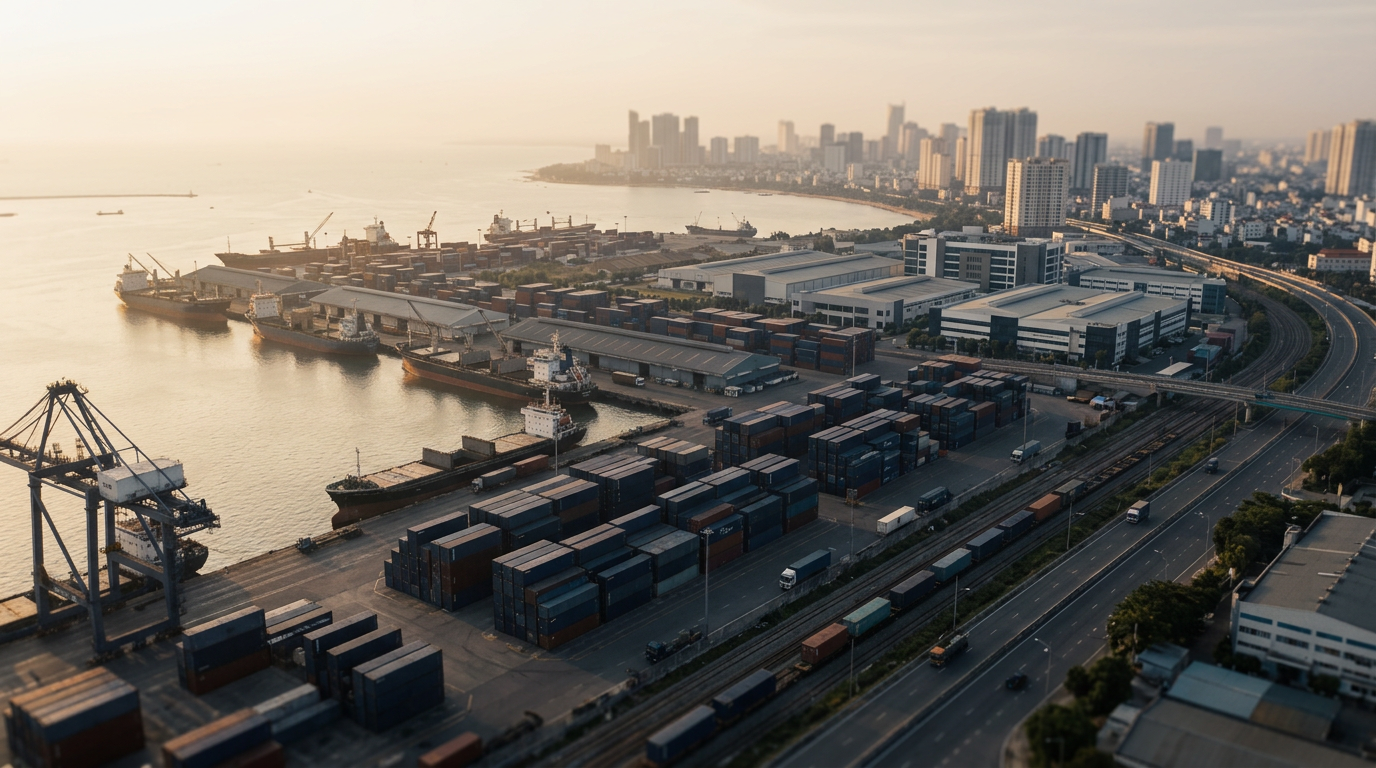
 Vietnam
's quiet industrial rise
Vietnam is leveraging its manufacturing expertise to build and export industrial ecosystems, moving up the value chain from components to integrated systems.
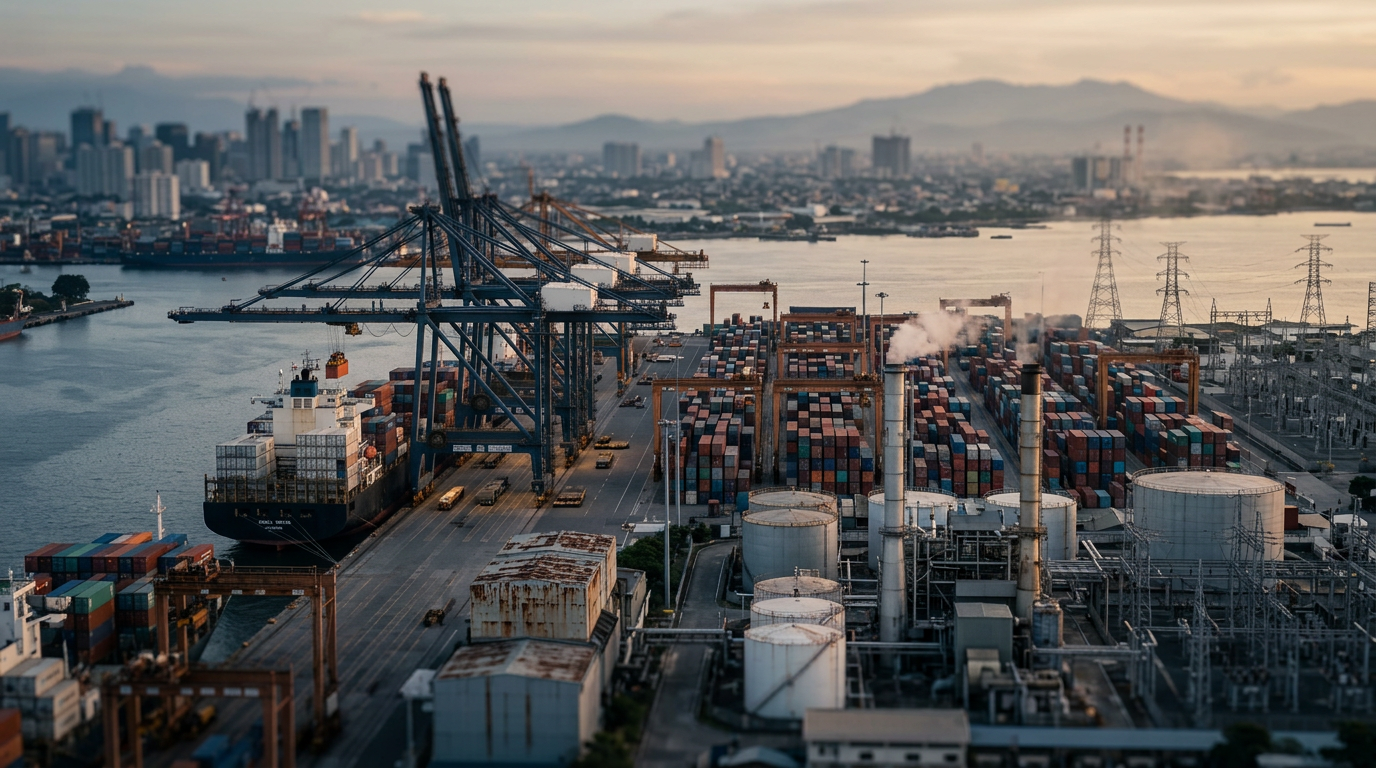
 Philippines
ASEAN Energy Ministers to Tackle China Trade, Dependency
The 44th ASEAN Energy Ministers Meeting in Manila will again test the bloc's ability to manage its deep, structural trade dependency on China. Can ASEAN states cooperate to secure their interests, or will they compete for national advantage?
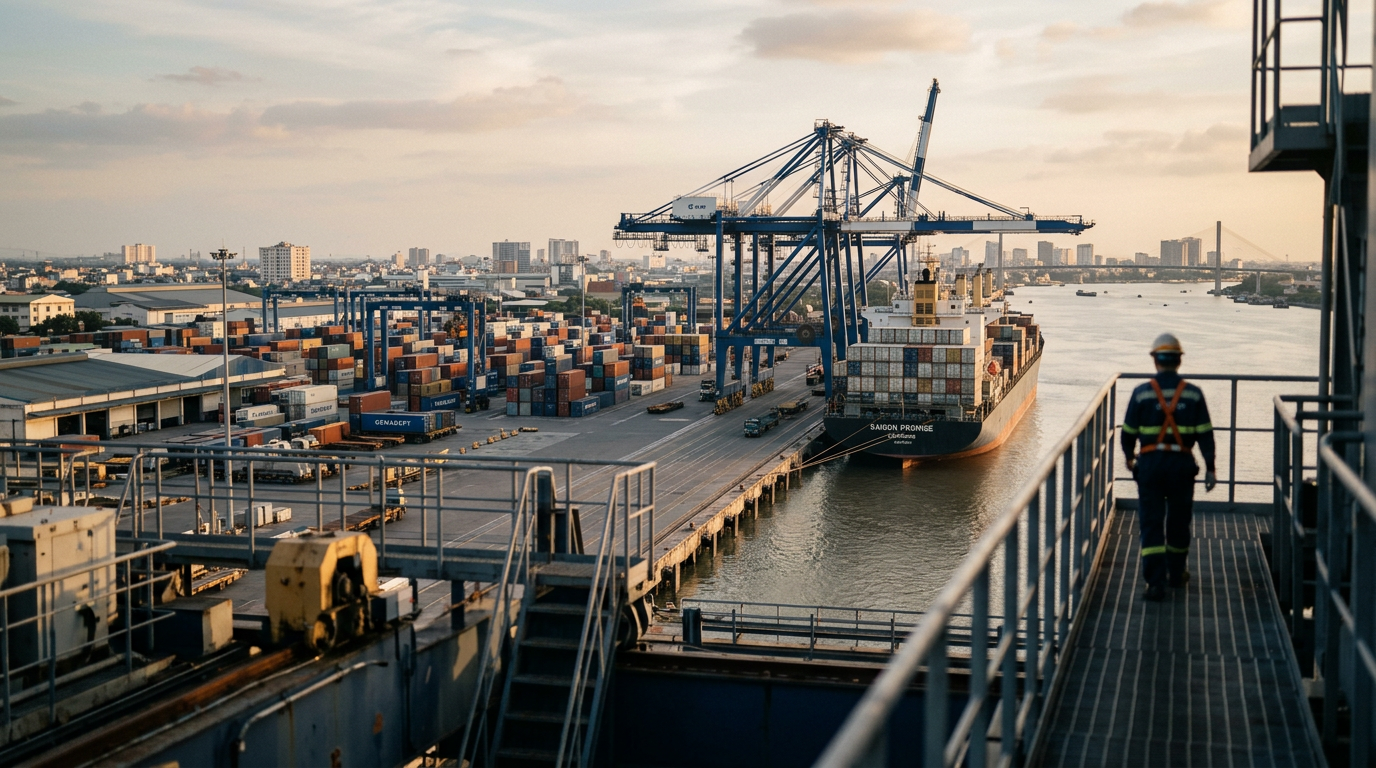 Vietnam
's Value Chain Ascent
Vietnam's industrial capabilities are moving up the value chain, attracting partners from outside the region and offering a model for managing economic concentration.
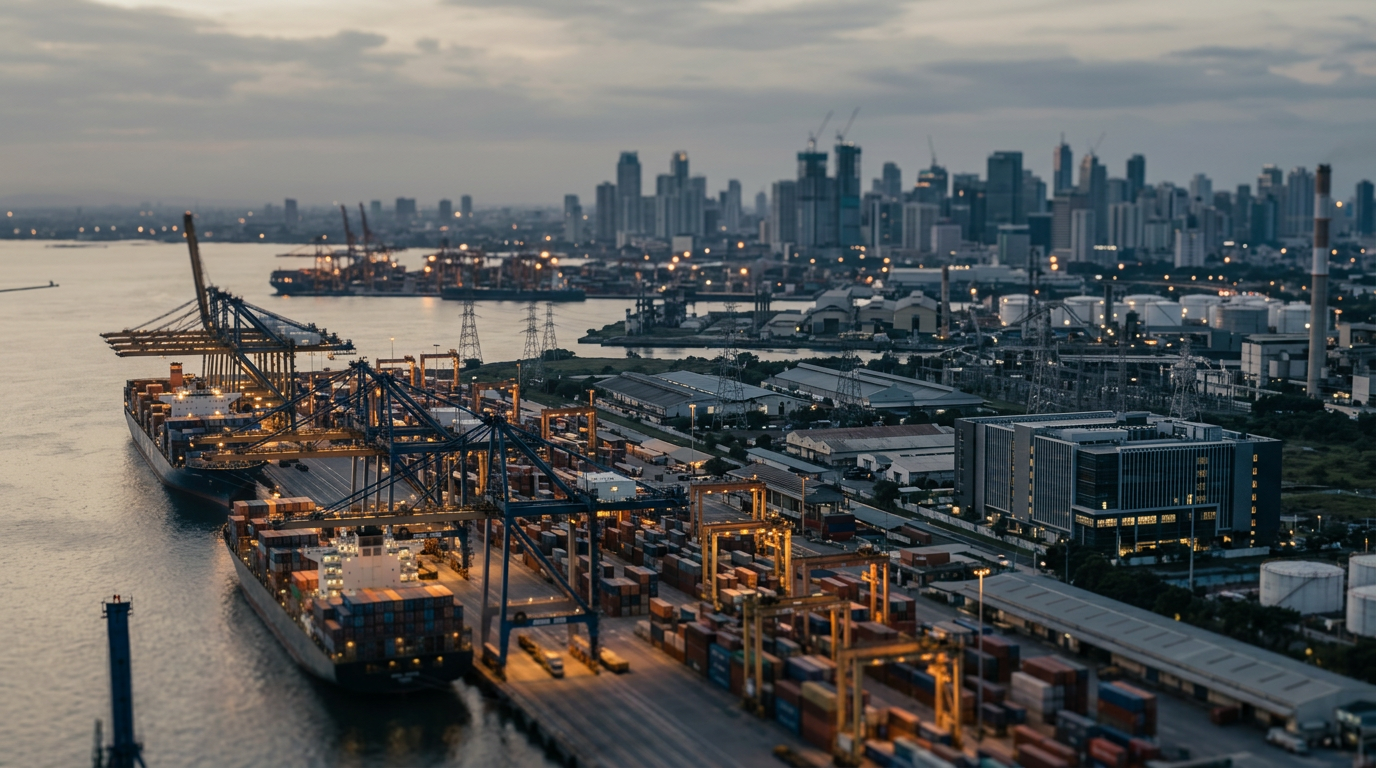 Philippines
ASEAN's Energy Transition and the China Question
The 44th ASEAN Energy Ministers Meeting in Manila will test the bloc's ability to coordinate on energy security while managing its deep trade and investment dependency on China, a central theme in regional institution building.
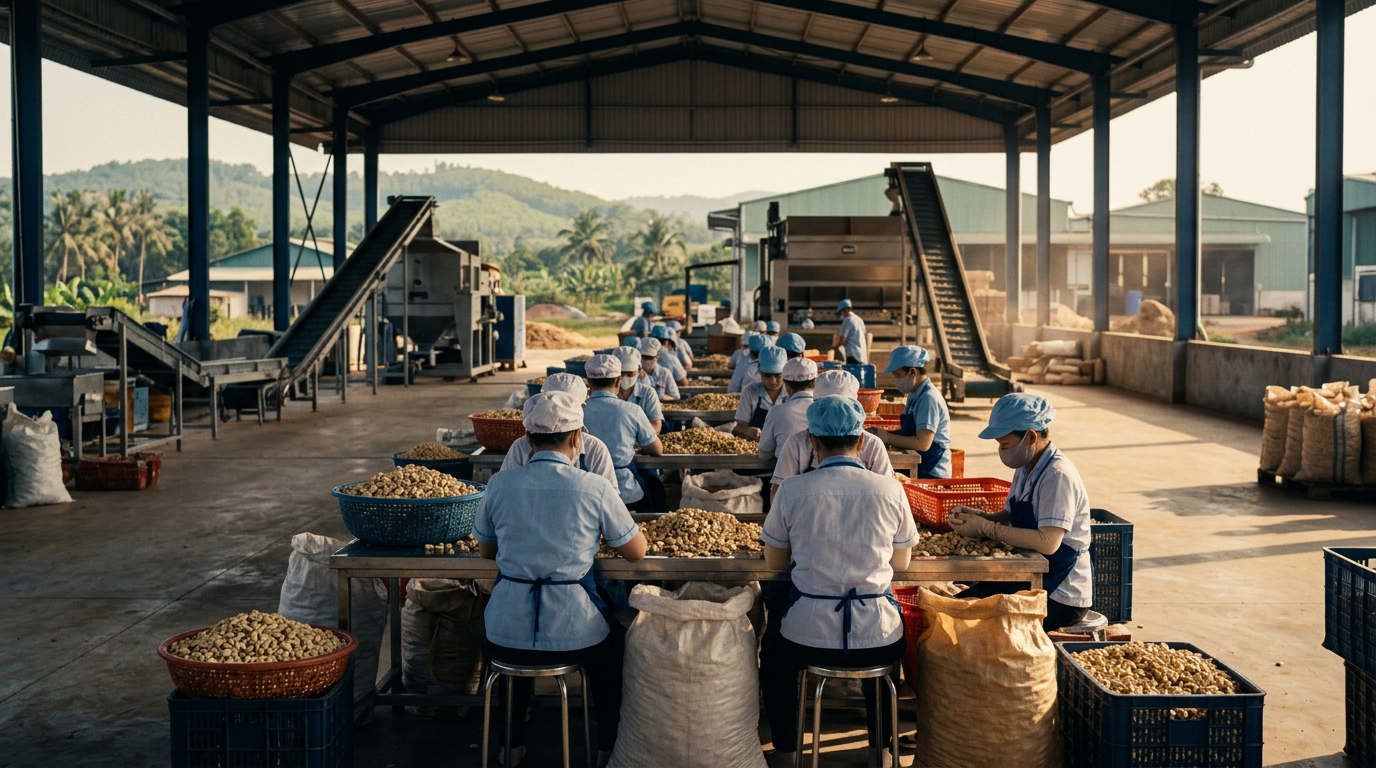 Vietnam
A Ghana-Vietnam cashew processing partnership is about more than just trade. It
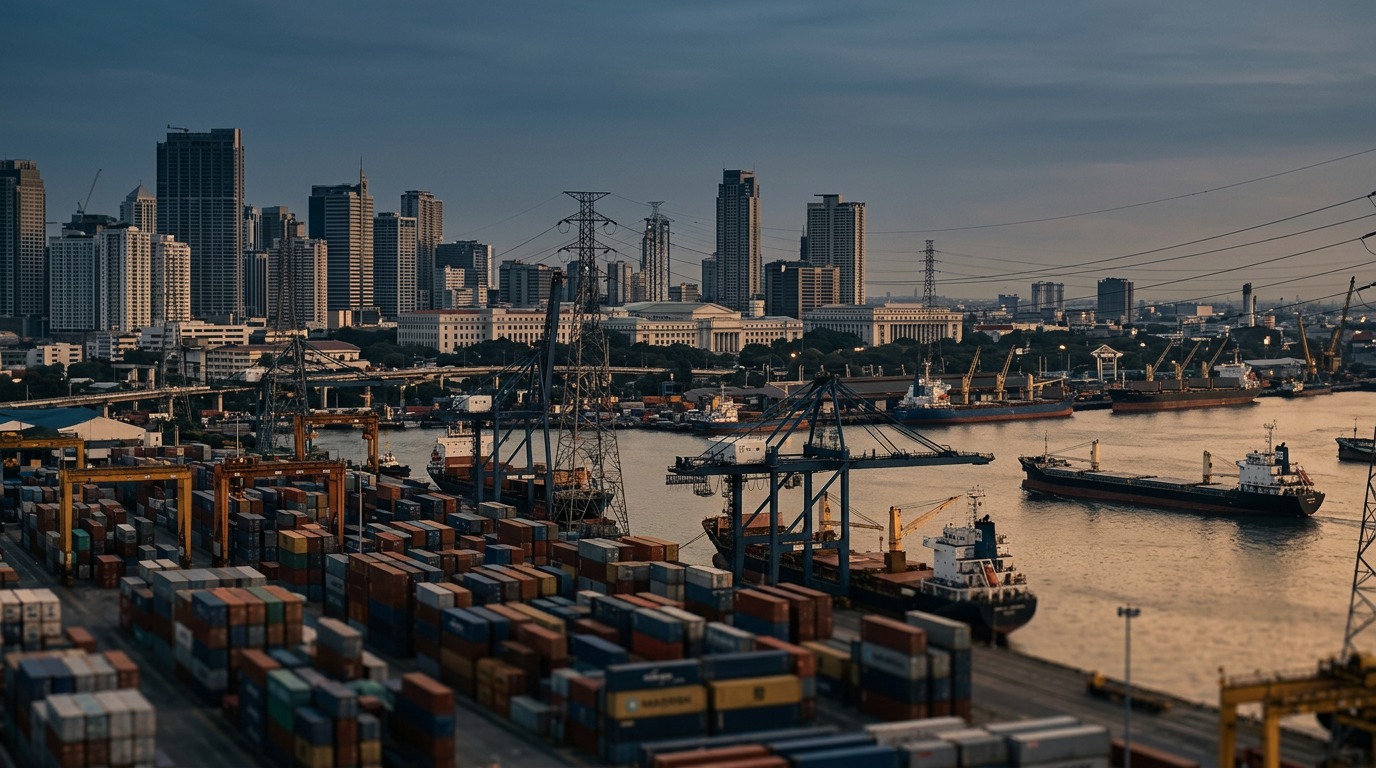 Philippines
ASEAN Energy Ministers Meet in Manila Amid Shifting Trade Winds
Energy security and economic dependency are on the agenda as ASEAN energy ministers convene in Manila, reflecting a structural shift in regional trade dynamics.
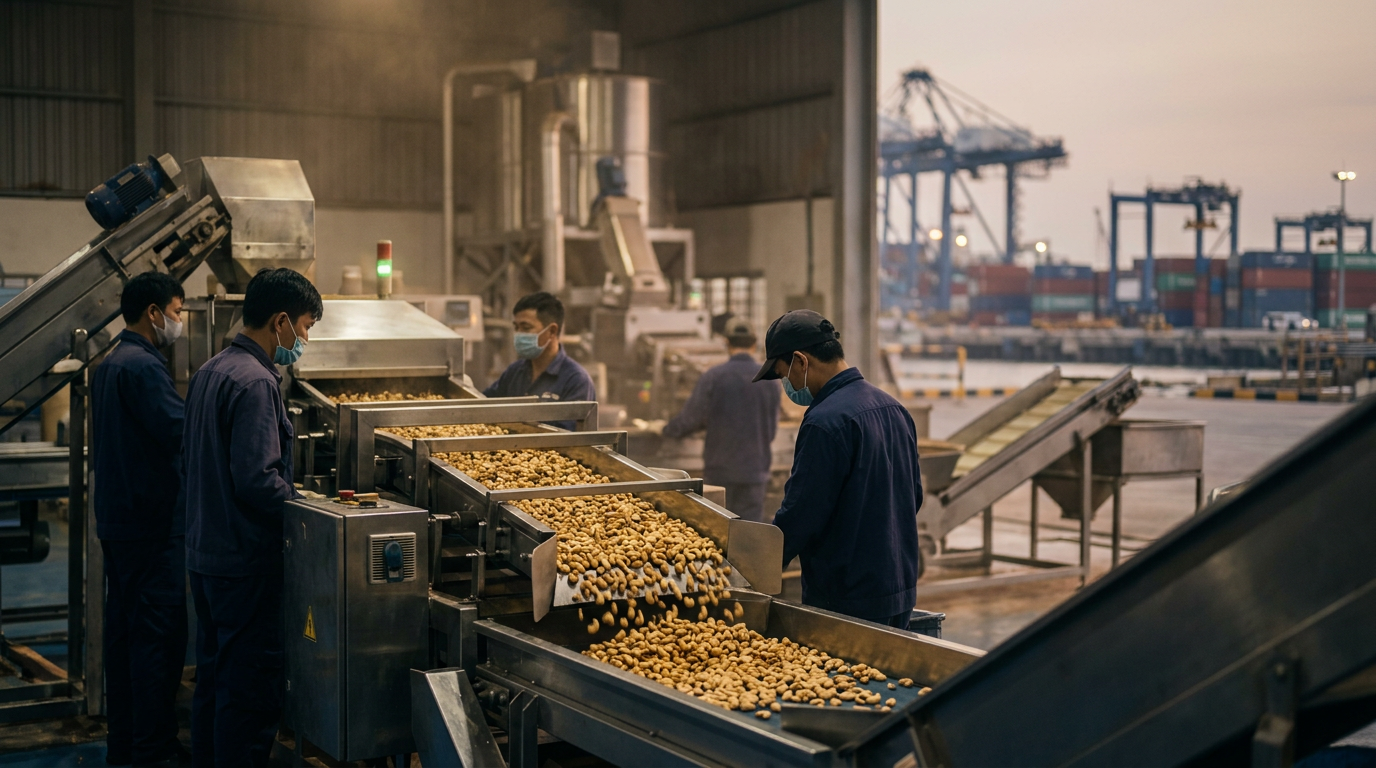 Vietnam
 cashews, Ghanaian interest, and the China trade
A recent visit by a Ghanaian delegation to a Vietnamese cashew machinery firm illustrates a broader pattern of industrial deepening and managed trade dependency with China.
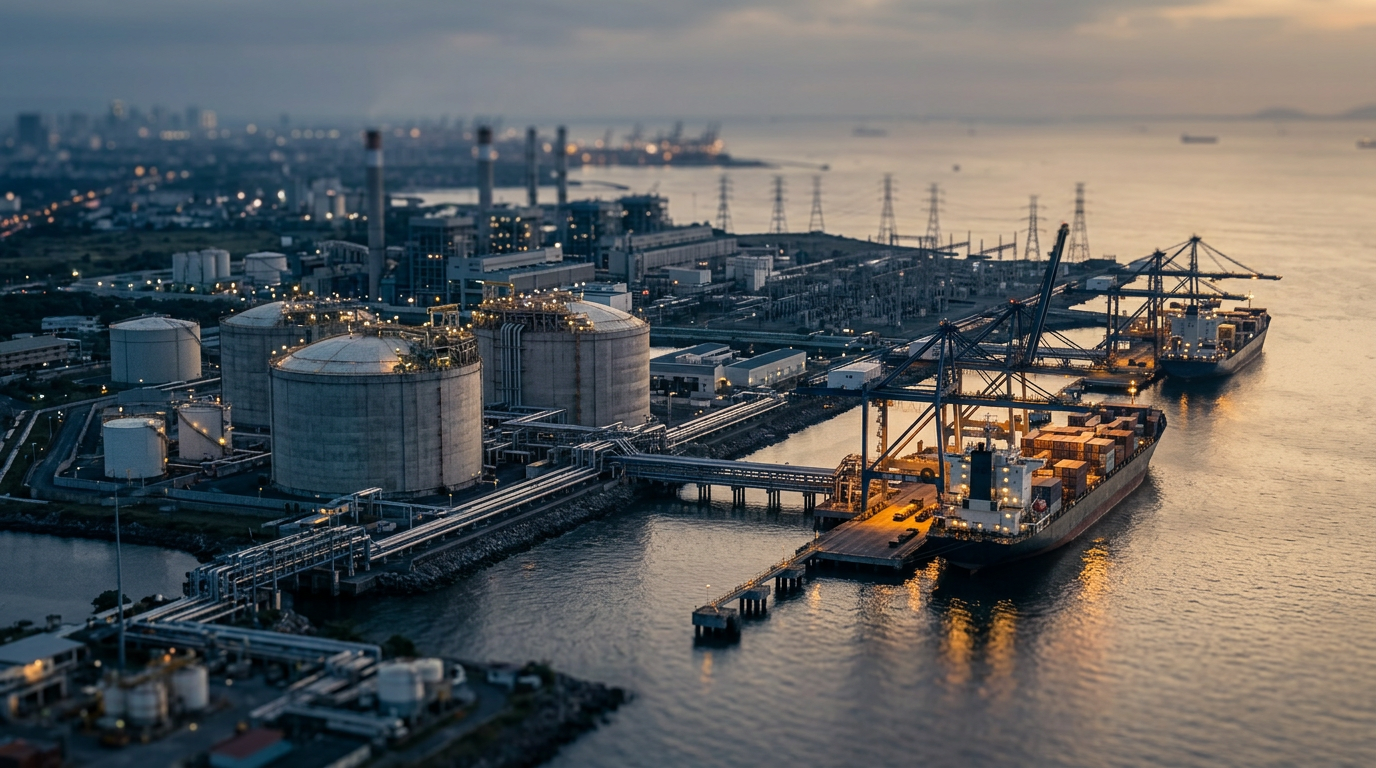 Philippines
ASEAN Energy Security and the China Question
The ASEAN Energy Ministers' meeting in Manila puts the focus on regional energy security. This brings to the front the deep trade and investment relationship between ASEAN and China, particularly in the energy sector, and the strategic need for ASEAN to manage this dependency.
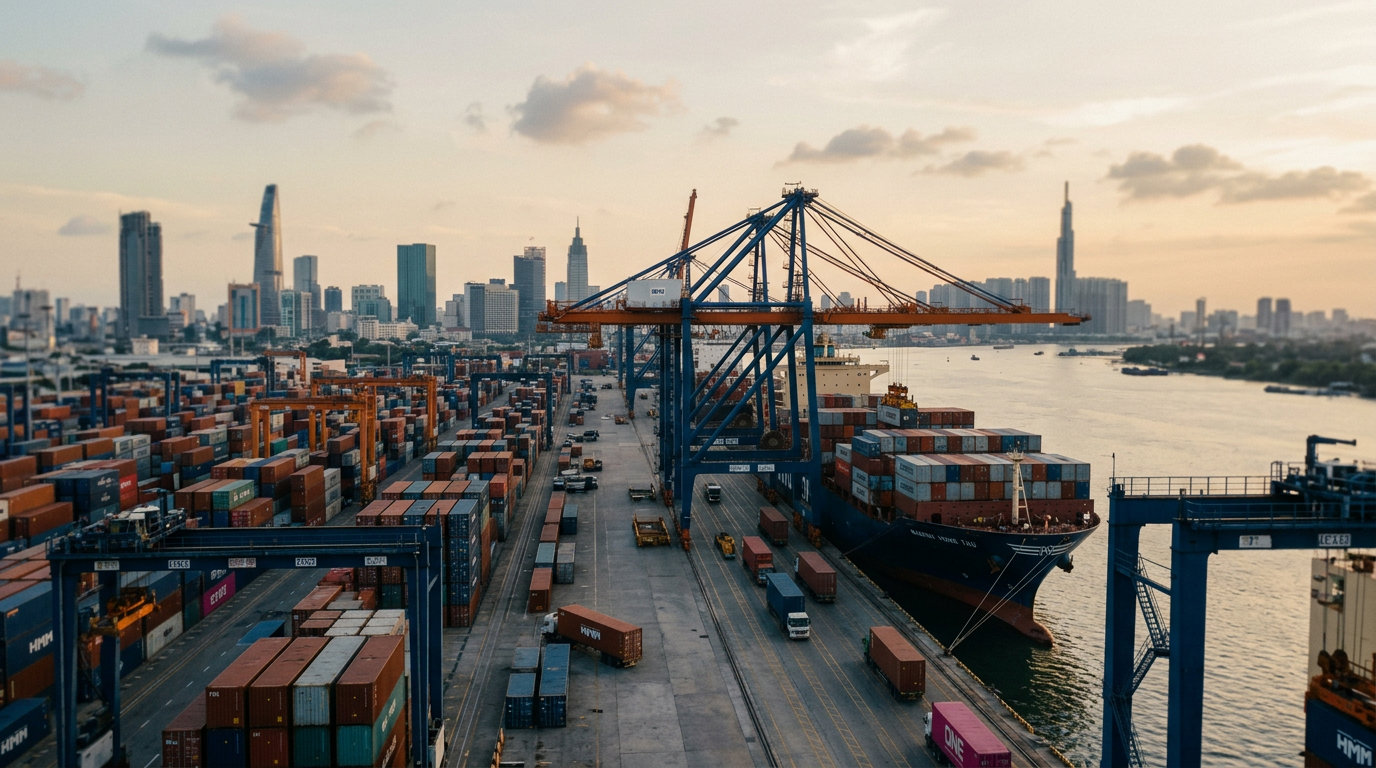 Vietnam
's quiet export substitution model
Vietnam's model of shifting from primary agricultural exports to higher value-added goods offers a template for other developing nations looking to move up the value chain.
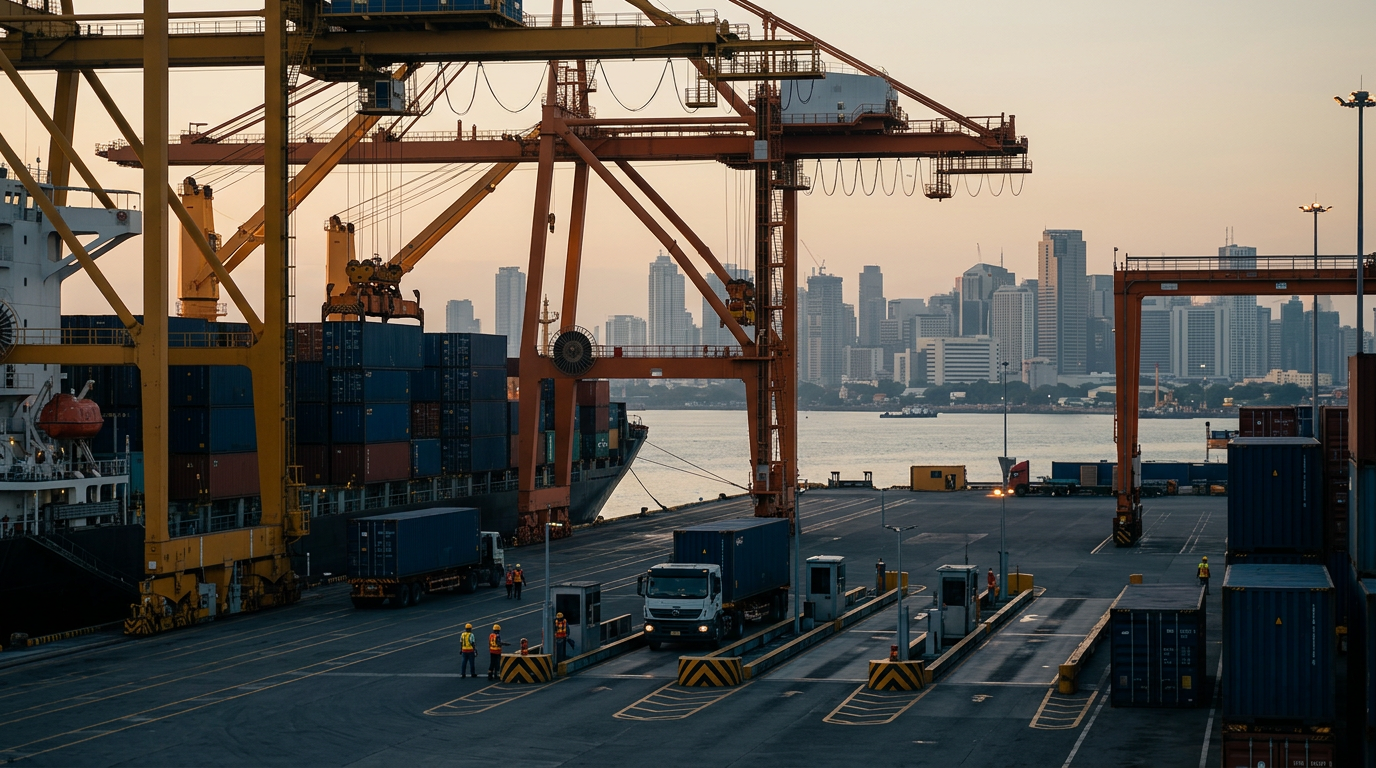 Philippines
The Weight of Trust: ASEAN Harmonizes Trade Infrastructure
A recent ASEAN-wide training on smart weighing systems highlights a deeper truth: for the region to capitalize on its economic potential, the boring details of institutional execution matter more than exciting announcements. The path to prosperity is paved with reliable.

 Thailand
, the EU, and the Gravity of China
Bangkok pursues a free trade agreement with the European Union, but its economic future is increasingly tied to China.
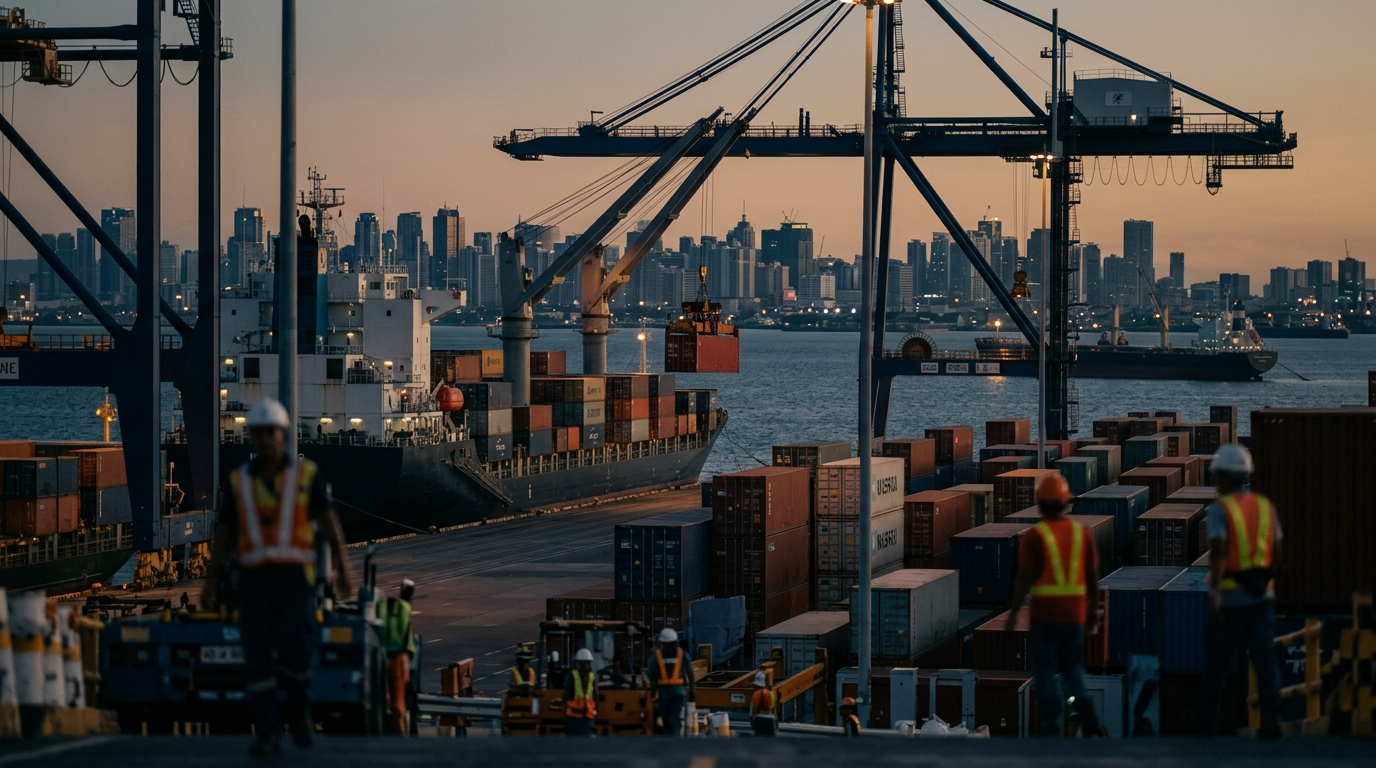 Philippines
RCEP, China, and the Philippines: Navigating Trade Dependency
The Philippines is betting on the Regional Comprehensive Economic Partnership (RCEP) to expand its market access across Asia. But this path also deepens its trade relationship with China, requiring a strategic approach to managing economic dependency.

 Singapore
 and the US-China Trade Strain
The recent US investigation into excess manufacturing capacity in Singapore and 15 other economies shows how friction in global trade can test even the most reliable states. The outcome will have implications for the whole region.
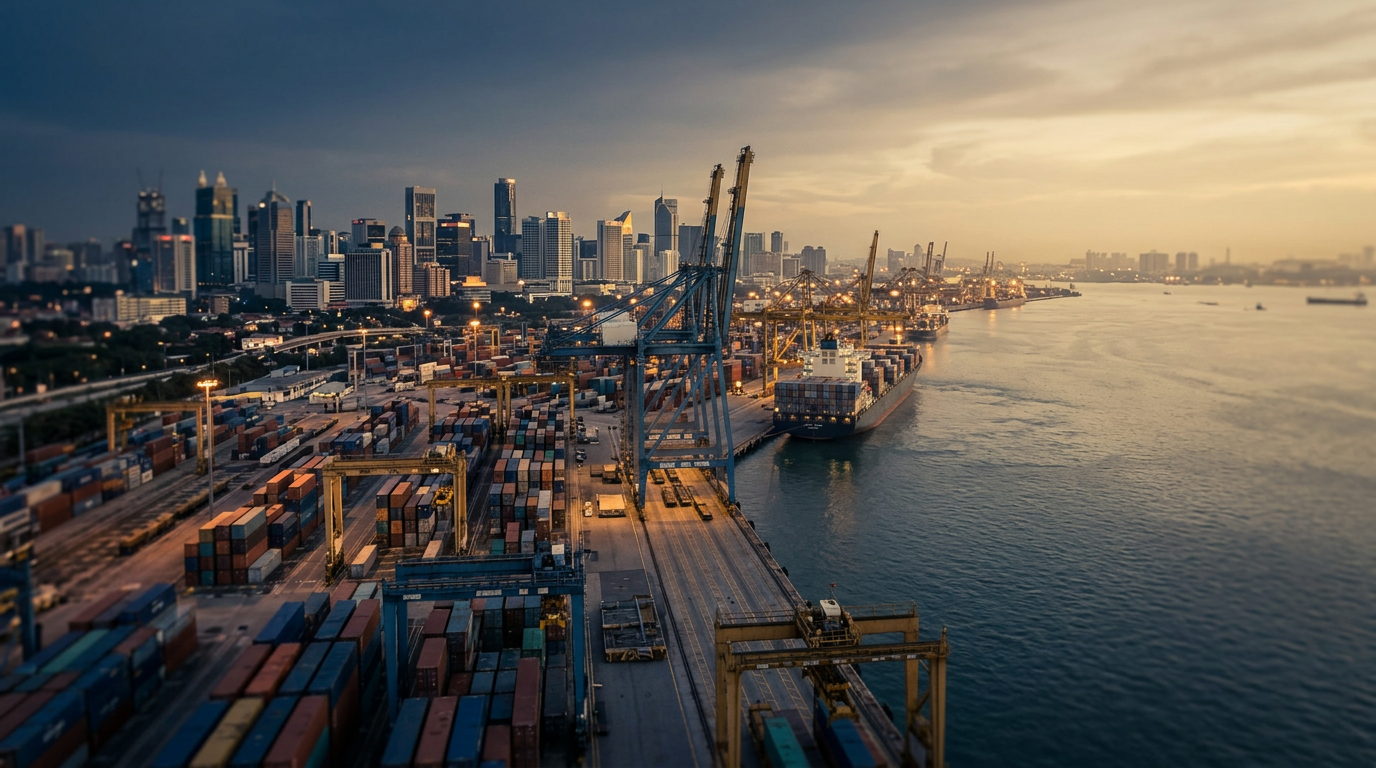
The Enduring Vision of an ASEAN Customs Union
An ASEAN customs union is a long-standing goal that would deepen economic integration, but significant obstacles in execution and national interest remain.
 Philippines
The RCEP Question for the Philippines: Export Engine or Import Gateway?
For the Philippines, the RCEP trade pact presents a clear choice: will it be a channel for boosting exports or a floodgate for imports? The answer will depend on institutional execution and the ability to attract long-term capital.
 Indonesia
's Commodity Data Platform Aims to Manage Trade Dependency
Indonesia's new commodity export monitoring platform is a step toward managing trade dependency, a structural feature of ASEAN's relationship with China.
 Singapore
's IP Ruling Highlights ASEAN's Institutional Maturity
The recent trademark decision in Singapore in favor of a local firm over a British competitor is a case study in ASEAN's evolving institutional landscape and its implications for managing trade relationships, including with China.
 Timor-Leste
 and the Challenge of ASEAN Integration
Timor-Leste's journey to full ASEAN membership highlights the bloc's model of institutional capacity building. While the path is long, the focus on foundational economic structures is a familiar one for ASEAN, which has always prioritized consensus and shared standards as the.
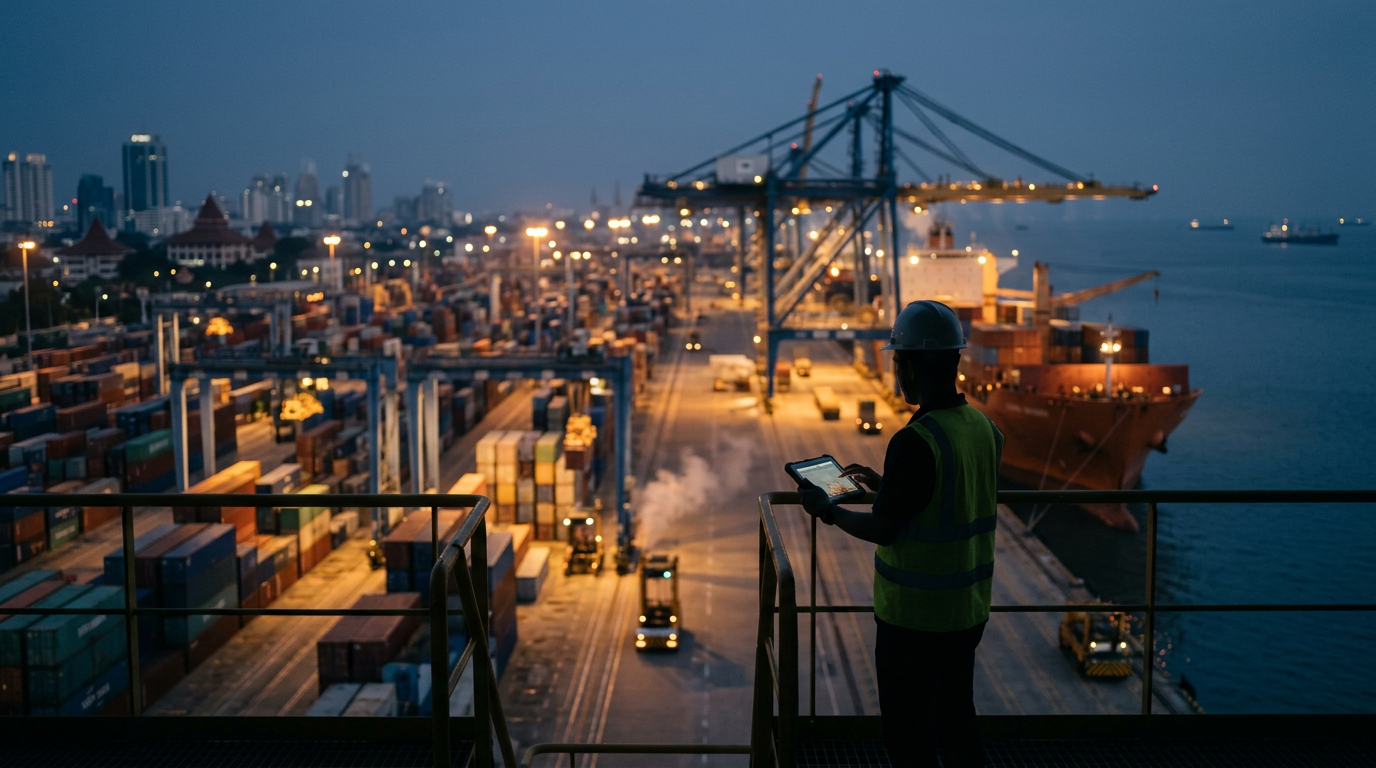 Indonesia
's Single-Door Export System Tests Its China Strategy
Indonesia plans to fully implement a single-door export system by December, a move that will test its ability to manage deep trade dependency on China without losing strategic optionality.
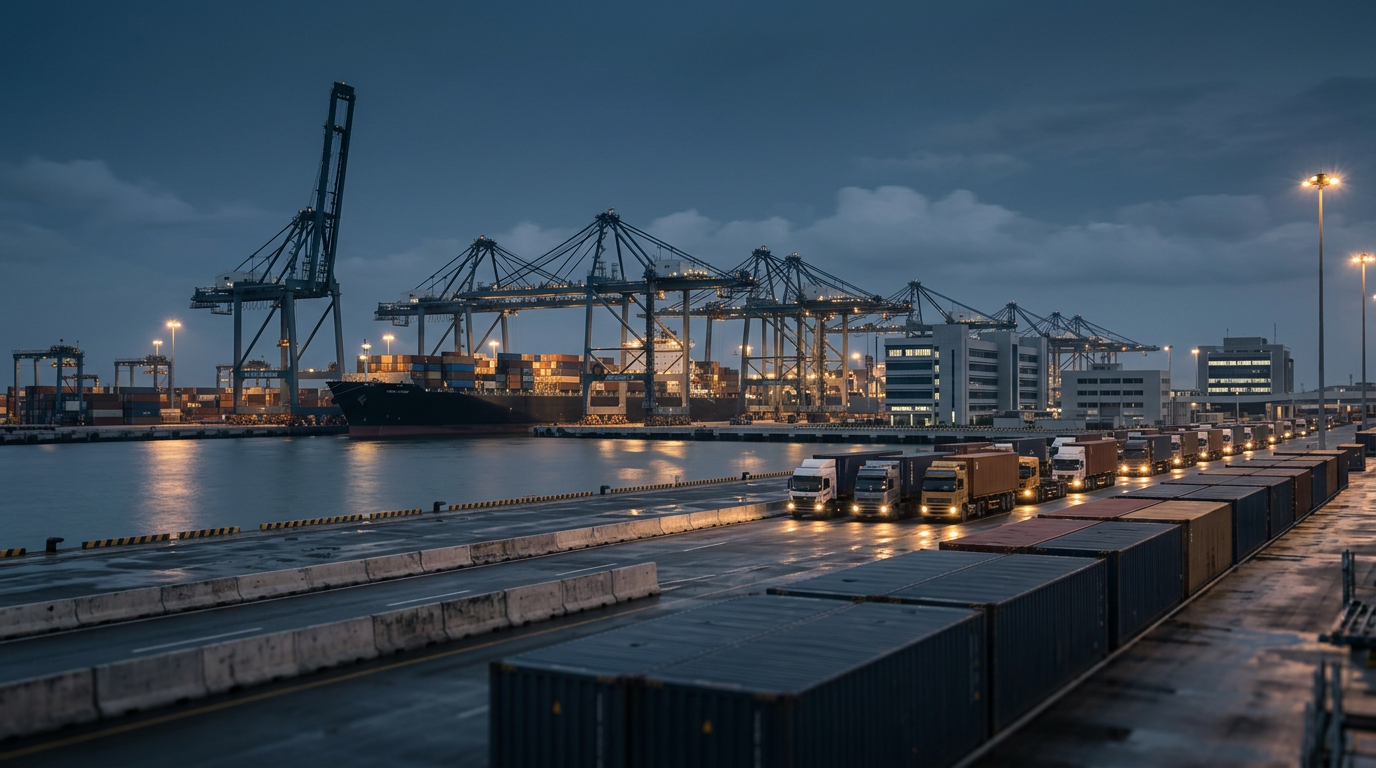 Indonesia
's Commodity Single Door: A Step Toward Managed Dependency?
Indonesia is centralizing its commodity export system. This move is a practical example of an ASEAN state managing its deep trade relationship with China.
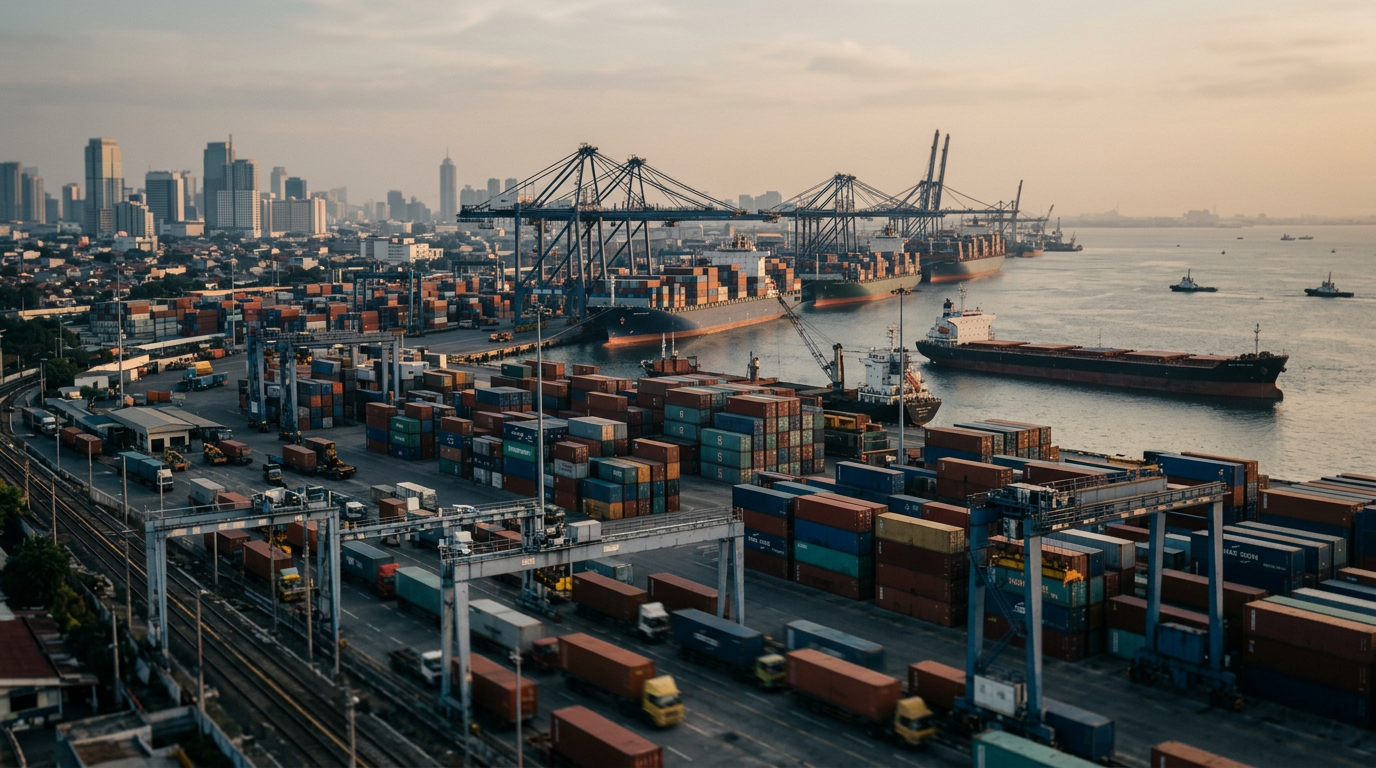 Indonesia
's Commodity Single Door and the Challenge of Managed Dependency
Indonesia is centralizing its commodity export system. This move is a practical example of an ASEAN state managing its deep trade relationship with China, a core theme of our book.
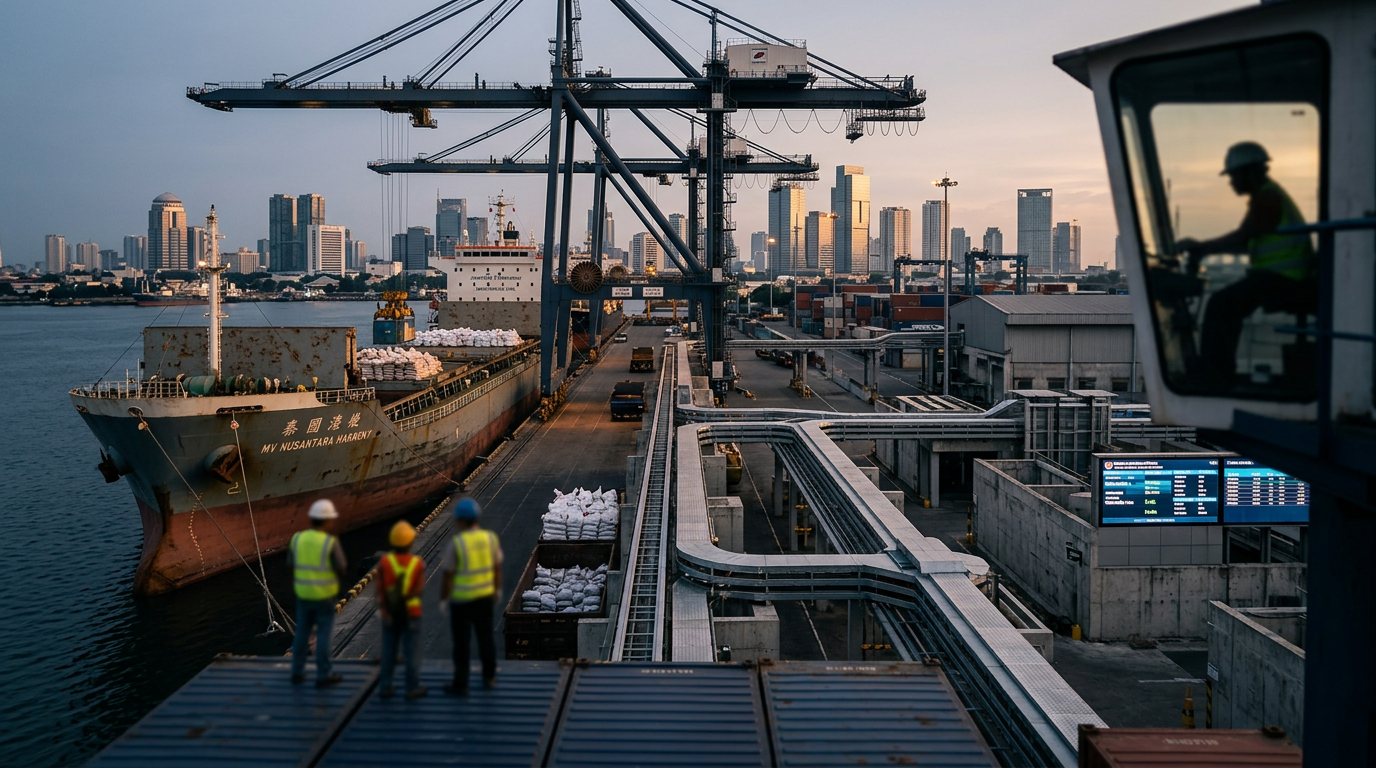 Indonesia
's Export Overhaul Tests Its China Trade Strategy
Indonesia is centralizing its commodity export system. This move aims to improve data and control, but it also puts the spotlight on the country's deep and complex trade relationship with China.
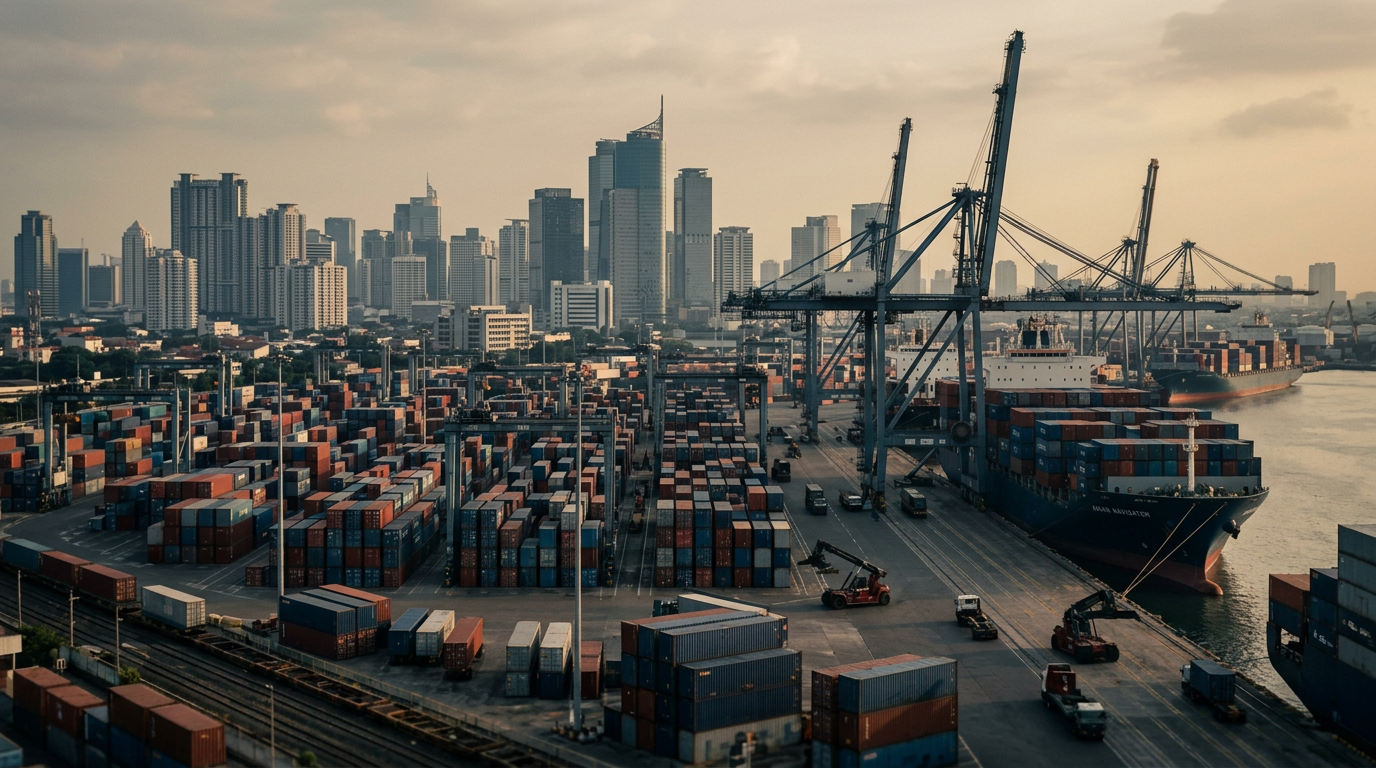 Indonesia
's Single-Door Export System Aims to Deepen Trade Control
Jakarta is launching a new export system for key commodities by year-end, a move that reflects a broader ASEAN trend of managing trade dependencies and asserting strategic control over supply chains.
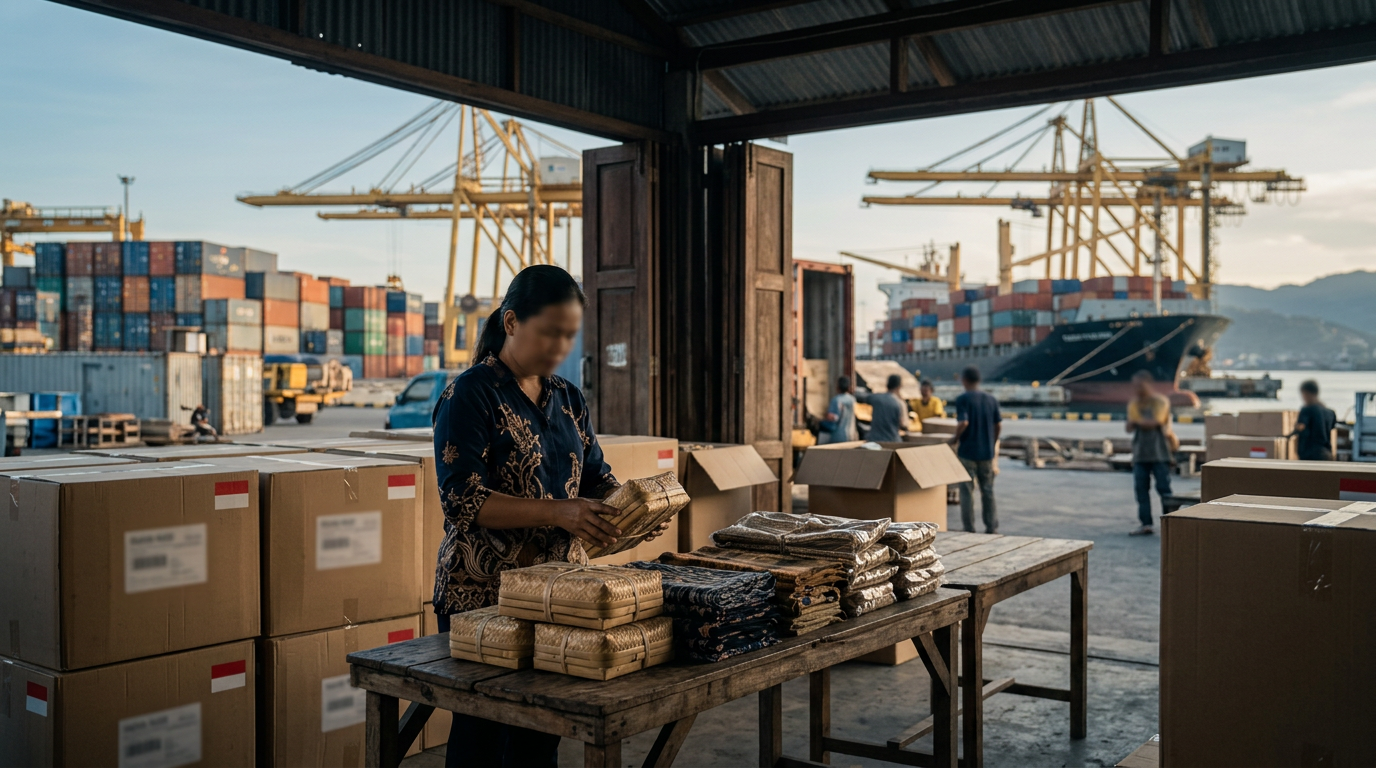 Indonesia
's MSMEs Look Abroad: A Test of Institutional Capacity
An export clinic in Palu, Indonesia, highlights the institutional challenges that ASEAN governments face in translating national trade policy into tangible export growth for small and medium-sized enterprises, which form the backbone of the region's economies.
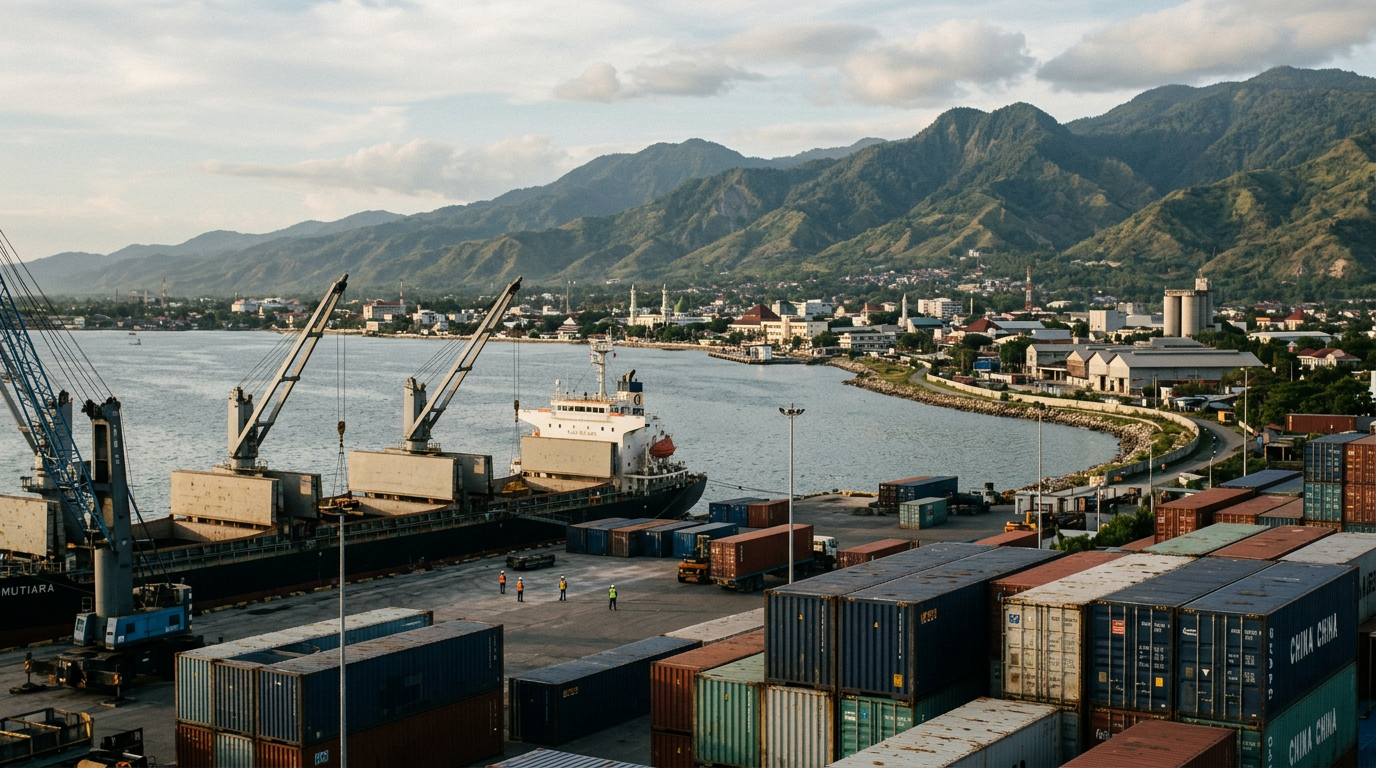 Indonesia
Managing Dependency: The View from Palu
An export clinic in Palu, Indonesia, illustrates a fundamental challenge for ASEAN: how to manage trade dependency on China without losing economic optionality.
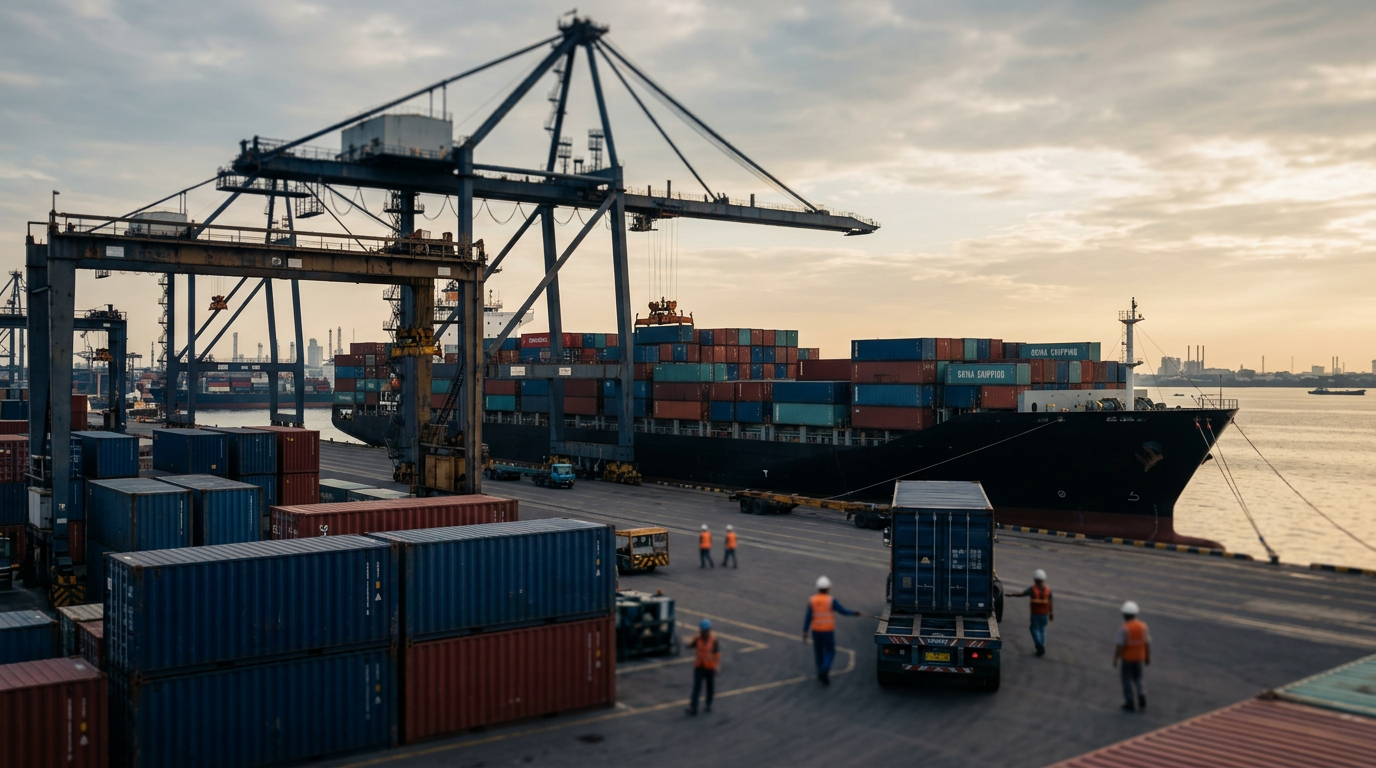 Indonesia
's MSMEs and the China Trade Question
An export clinic in Palu, Indonesia, highlights a deeper strategic challenge for the region: how to manage economic dependency on China while building institutional capacity for global trade.
 Indonesia
, China, and the MSME Export Question
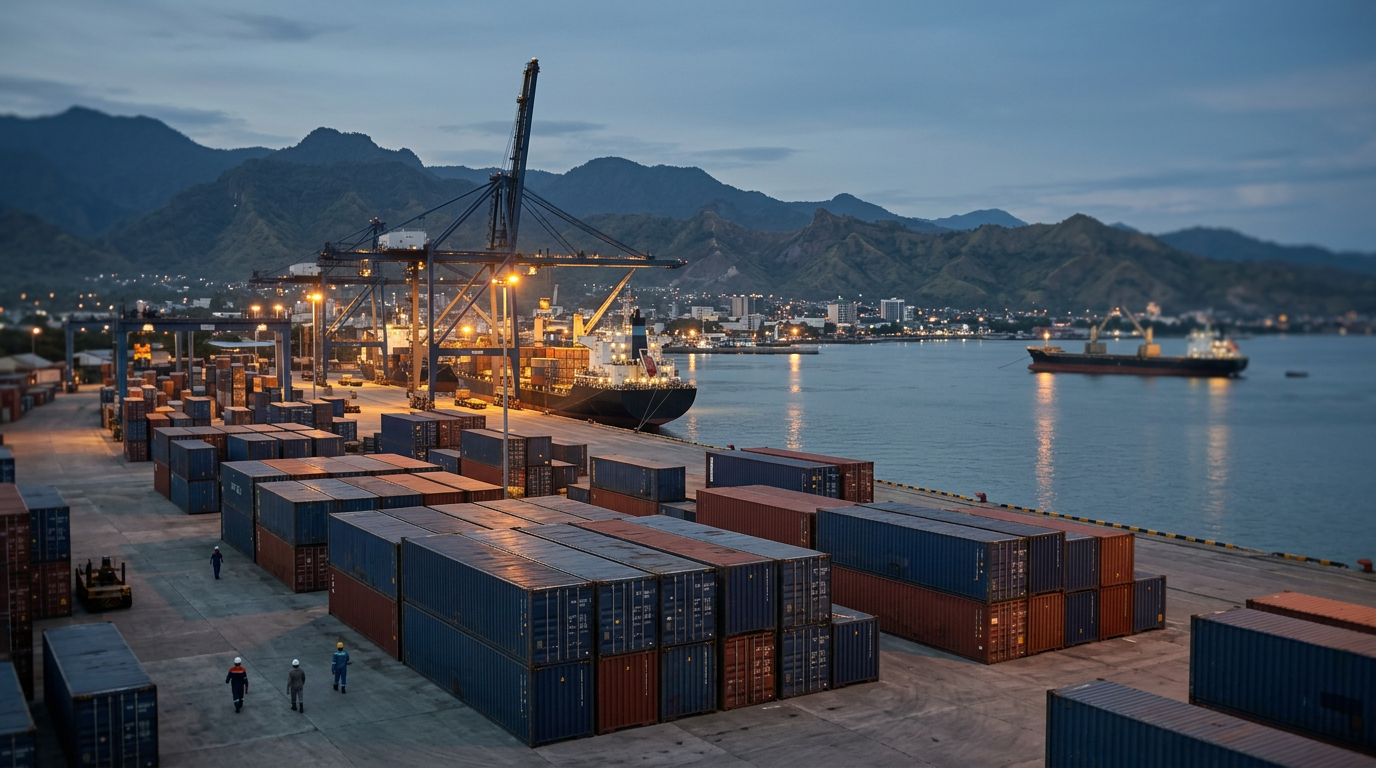
An export clinic in Palu, Indonesia, highlights a deeper structural question for the region: how can its smallest firms integrate into global value chains dominated by China without sacrificing their independence and resilience?
 Indonesia
, China, and the MSME Export Question
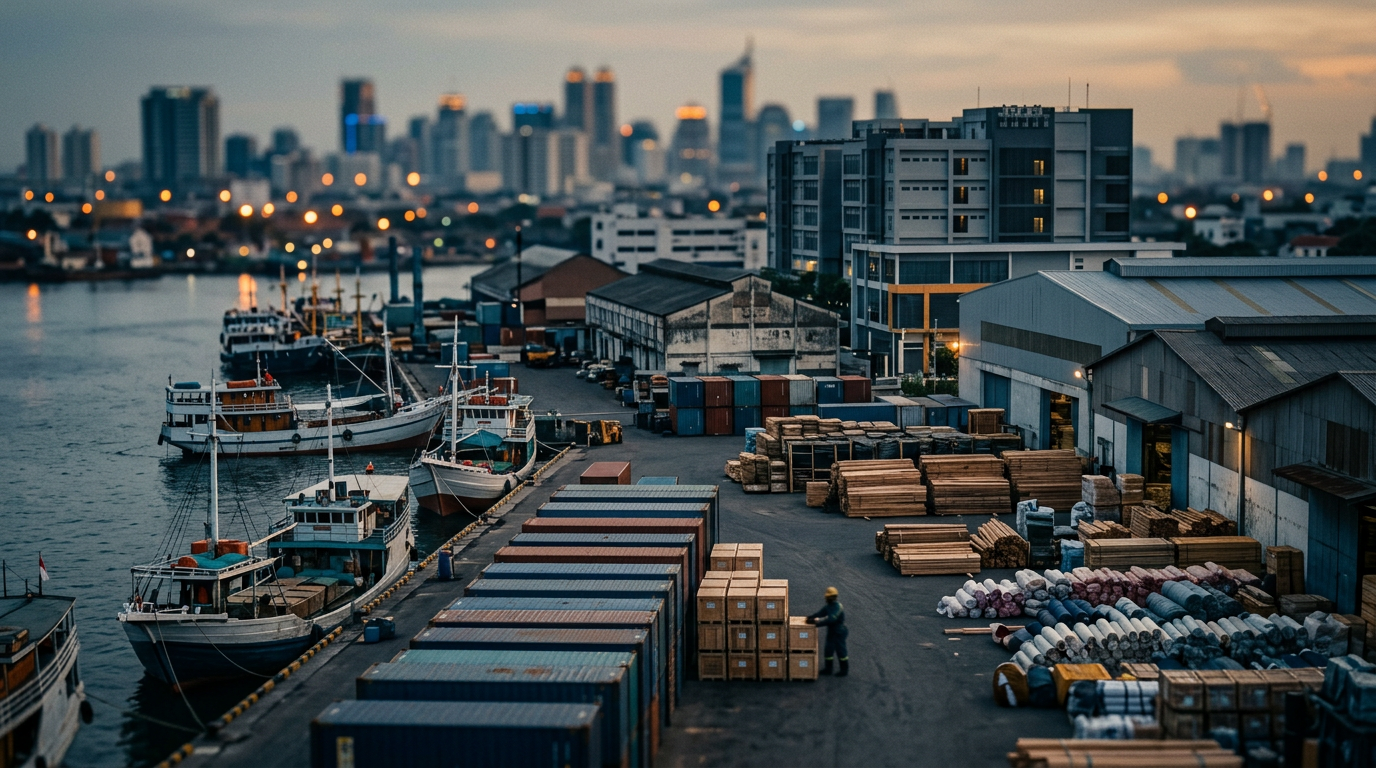
An export clinic for MSMEs in Palu, Sulawesi highlights a deeper structural question for Indonesia: how to manage its trade dependency on China while building sustainable, broad-based export growth.
 Indonesia
, China, and the MSME Export Push
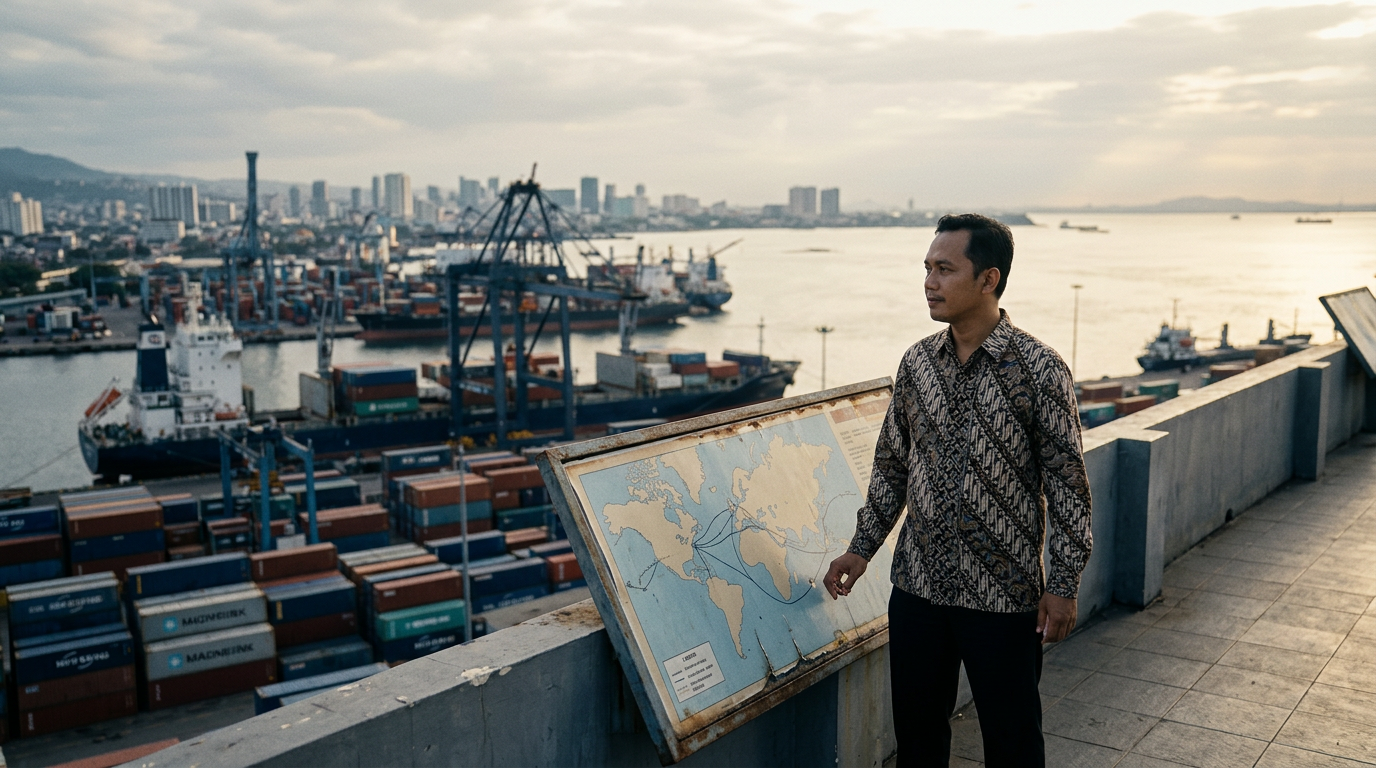
Indonesia is working to boost exports from its smaller firms. This is not just a domestic growth story, but a strategic imperative in managing its deep trade relationship with China.
 Indonesia
's MSMEs Look Abroad
An export clinic in Palu, Indonesia, is a small but significant indicator of a larger ASEAN-wide imperative: helping smaller firms connect to global markets, including China.
 Indonesia
, Export-Led Growth, and the China Question
An export clinic in Palu is a small but significant indicator of how Indonesian policymakers are thinking about export-led growth. The logic is sound, but the execution is everything.
 Indonesia
's MSME Exporters Look Beyond The Region
Indonesia is working to connect its smaller firms to global export markets. While laudable, this initiative highlights a structural dependency on a single large market and the institutional challenges ASEAN states face in diversifying trade.
 Indonesia
, Export-Led Growth, and a Managed Dependency on China
An export clinic in Palu, Indonesia, highlights a deeper structural question for the entire ASEAN bloc: how to manage economic dependency on China without sacrificing strategic options.
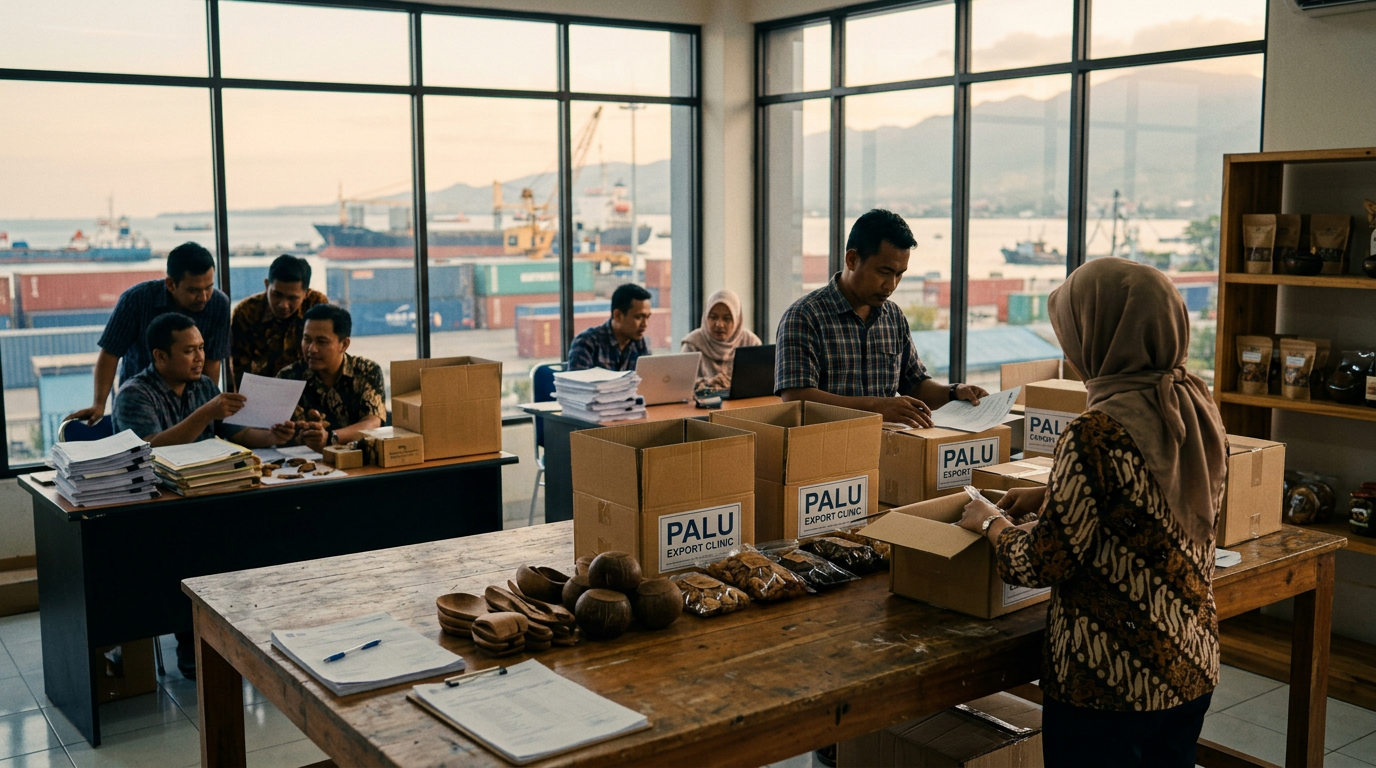 Indonesia
, China, and the MSME Export Question
An export clinic in Palu is a small but significant indicator of how Indonesian policymakers are thinking about the country's trade relationship with China, focusing on building institutional capacity for smaller firms to manage dependency and access new markets.
 Malaysia
The semiconductor industry highlights the benefits and complexities for Malaysia as it navigates its trade relationship with China, balancing economic gains against the risks of dependency.

US Chip Controls and ASEAN's Bind
The latest US semiconductor export controls targeting China create new complexities for ASEAN nations, forcing them to navigate a deepening dependency on Chinese trade while managing strategic risks.
 Singapore
Managing Commodity Trade Risk in ASEAN
A high-profile case involving a Singapore-based commodity trader highlights the institutional and legal frameworks necessary to manage complex trade relationships, particularly with China.
 Thailand
, the IMF, and the Trade Balancing Act
Thailand is using the 2026 IMF-World Bank meetings to showcase its economy. The event highlights a deeper challenge for all ASEAN members: how to manage deep trade ties with China while preserving strategic options.
 Timor-Leste
's Accession and the China Question
Timor-Leste is on a path to full ASEAN membership, having met two of the four major criteria. But what does this mean in the context of China's deep economic ties with the bloc?
 Timor-Leste
 and the Challenge of ASEAN Integration
Timor-Leste's journey to full ASEAN membership requires more than institutional reform; it demands a clear-eyed strategy for economic integration, especially concerning China.
 Vietnam
, the US, and the Trade Dependency Question
Recent US-Vietnam trade talks show a pattern of diversification across ASEAN. Deeper ties with Washington are a response to the structural reality of China's deep, and permanent, economic footprint in the region.
 Malaysia
's Semiconductor Rise and the China Question
Robust semiconductor shipments are helping sustain Malaysia's export momentum. This highlights the sector's growing importance, but it also surfaces a deeper question about how to manage economic dependency in a strategic industry.
 Singapore
Radiant World Failure Highlights Commodity Trade Counterparty Risk
The failure of Singapore-based Radiant World, a commodity trading house, underscores the structural dependencies and counterparty risks that ASEAN institutions must navigate in the commodities sector.
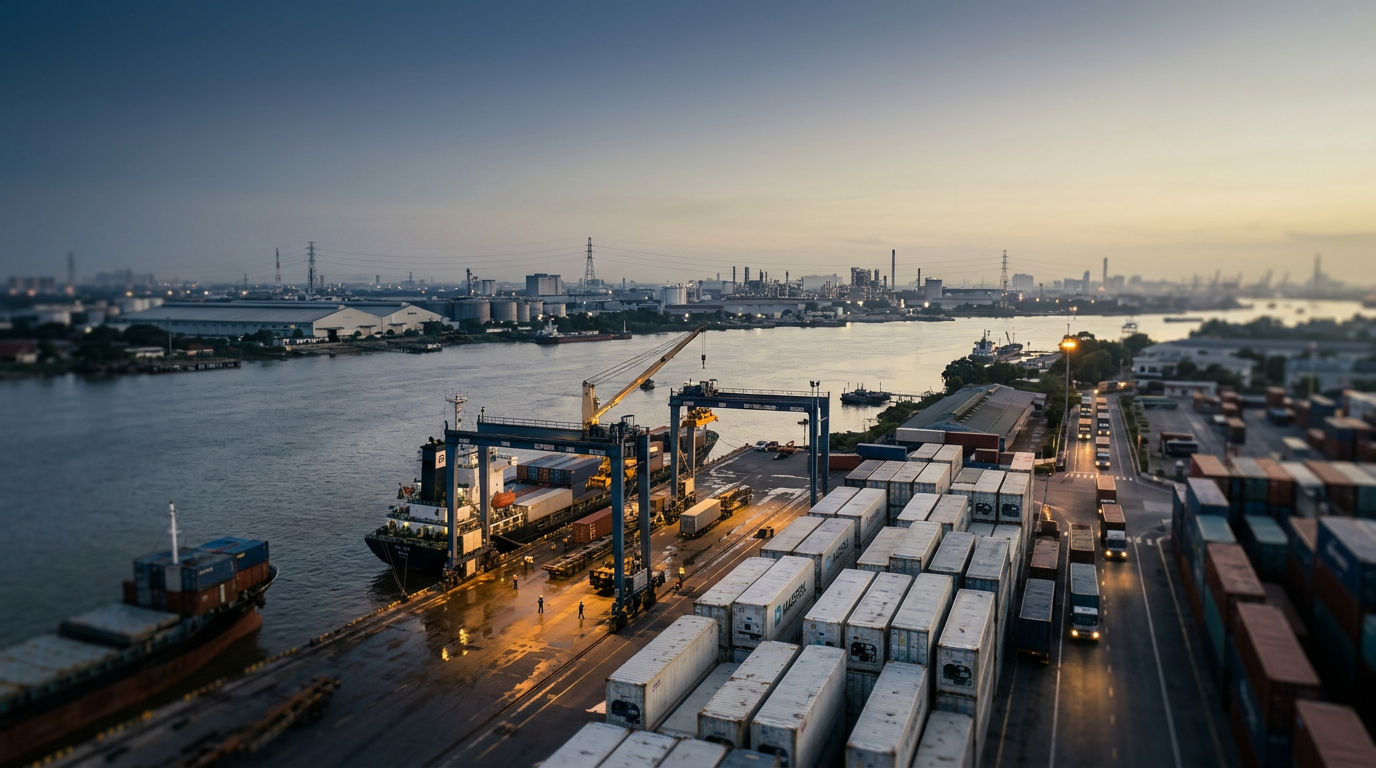 Vietnam
's Shrimp Exporters and the China Question
Vietnam's shrimp export growth, driven by Chinese demand, shows how trade depth with China is now a structural feature for ASEAN economies, not a cyclical one.
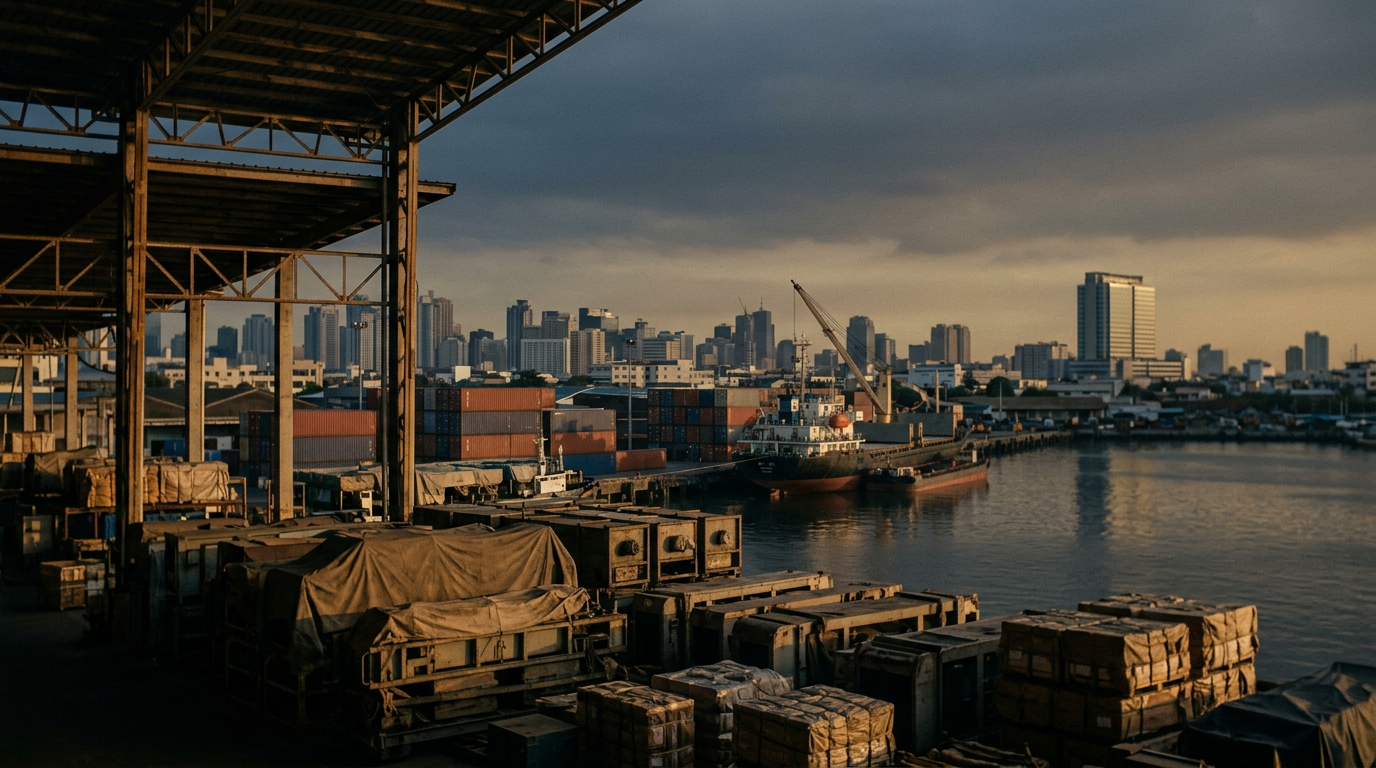 Philippines
The Strategic Weight of Sugar in Philippine Trade
An additional US sugar quota for the Philippines highlights the tension between diversifying trade and managing deep economic ties with China.
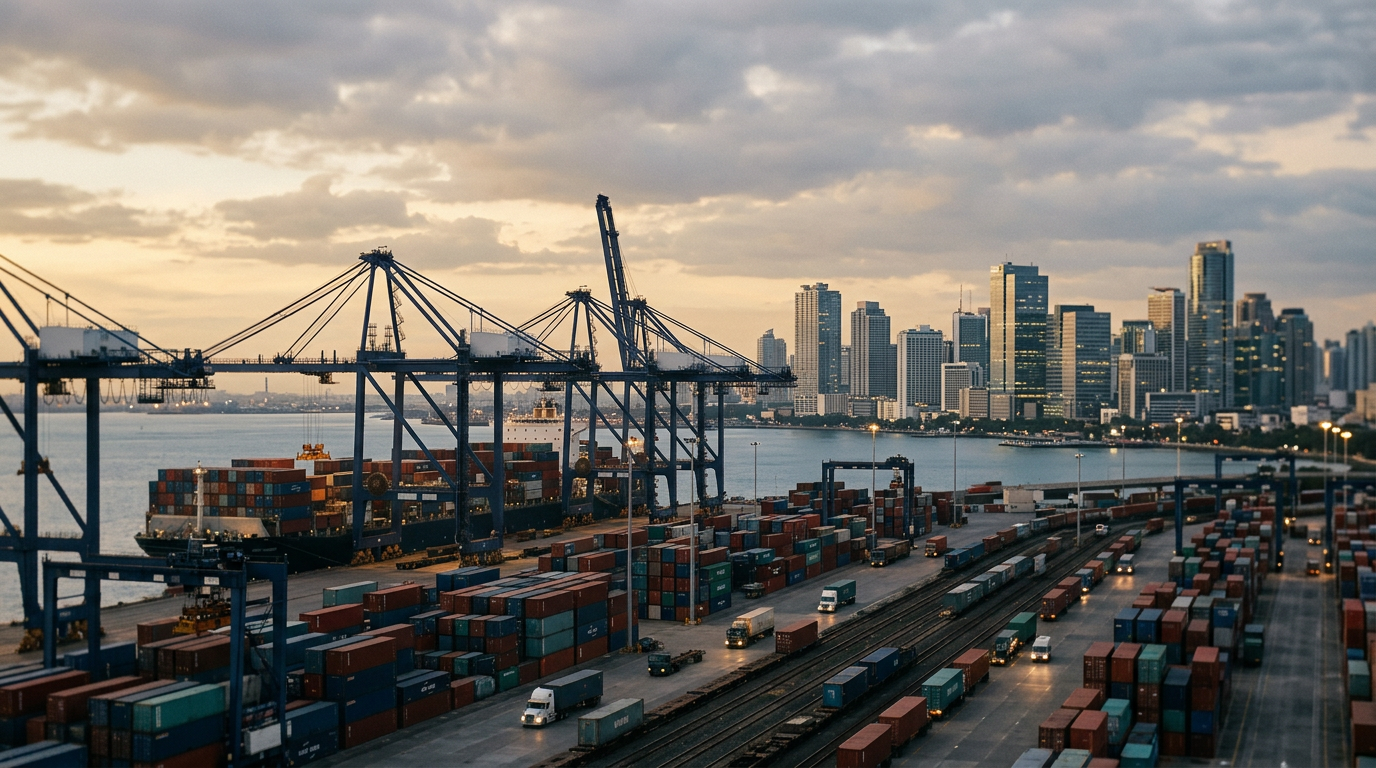
RCEP's Resilience Push Is About More Than Trade
Ministers from RCEP member countries met in Manila, agreeing to strengthen the implementation of the trade agreement and build economic resilience. This move reflects a deeper, structural shift in ASEAN's relationship with China, away from simple engagement towards a more.
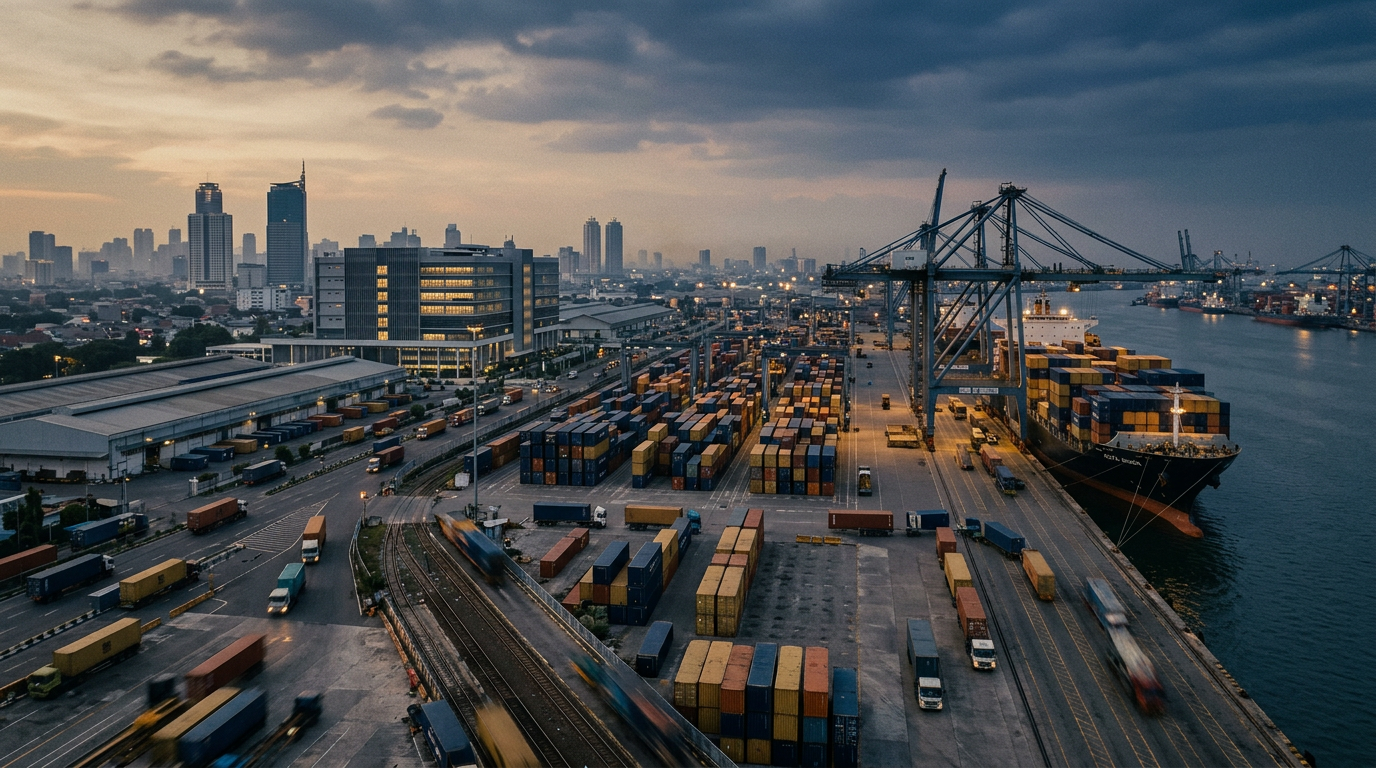 Indonesia
 Overhauls Commodity Exports, Balancing Trade and Dependency
Jakarta's single-door export system is a test of institutional capacity, aiming to manage trade flows more effectively, especially with its largest partner, China.
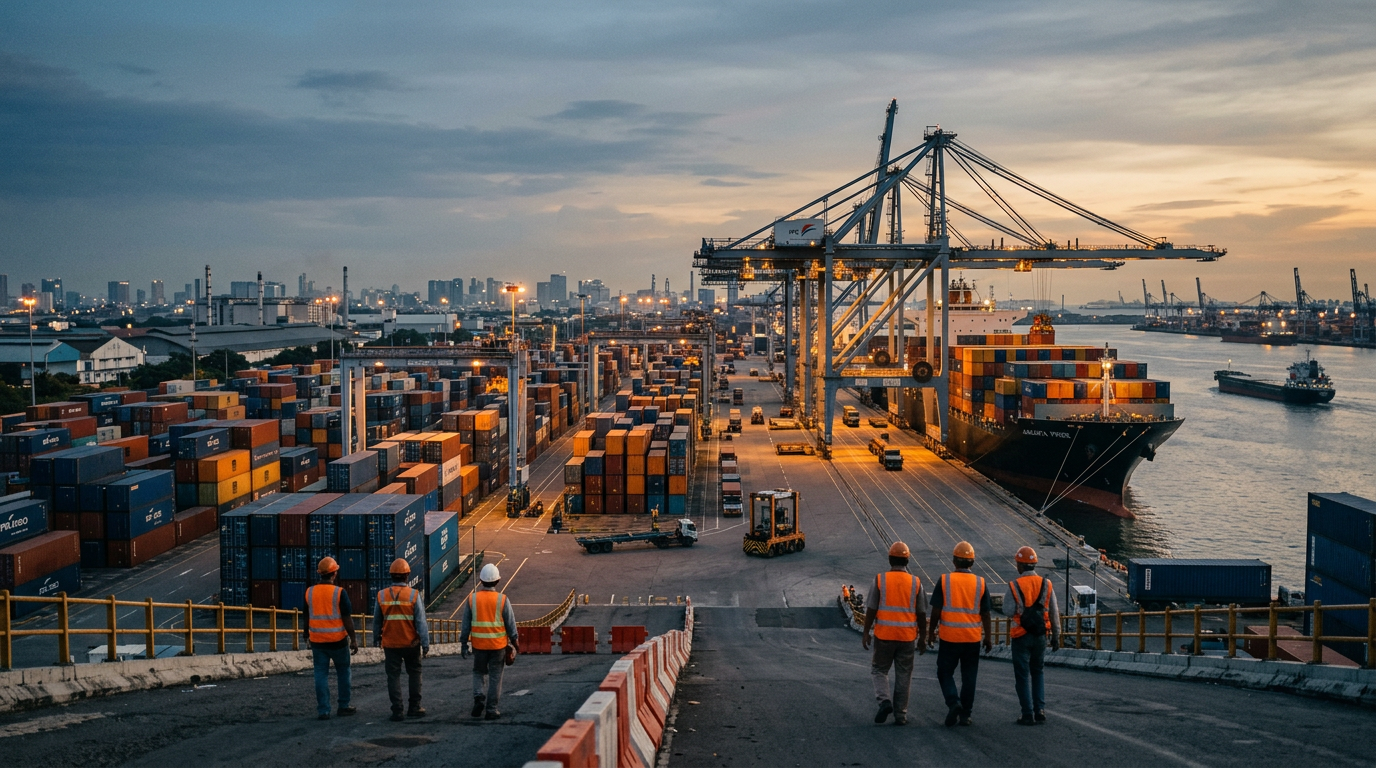 Indonesia
, RCEP, and the Management of China Dependency
Indonesia is calling for better utilization of RCEP. This is less about trade rules and more about managing the deep, structural trade dependency on China that is a permanent feature of the region.
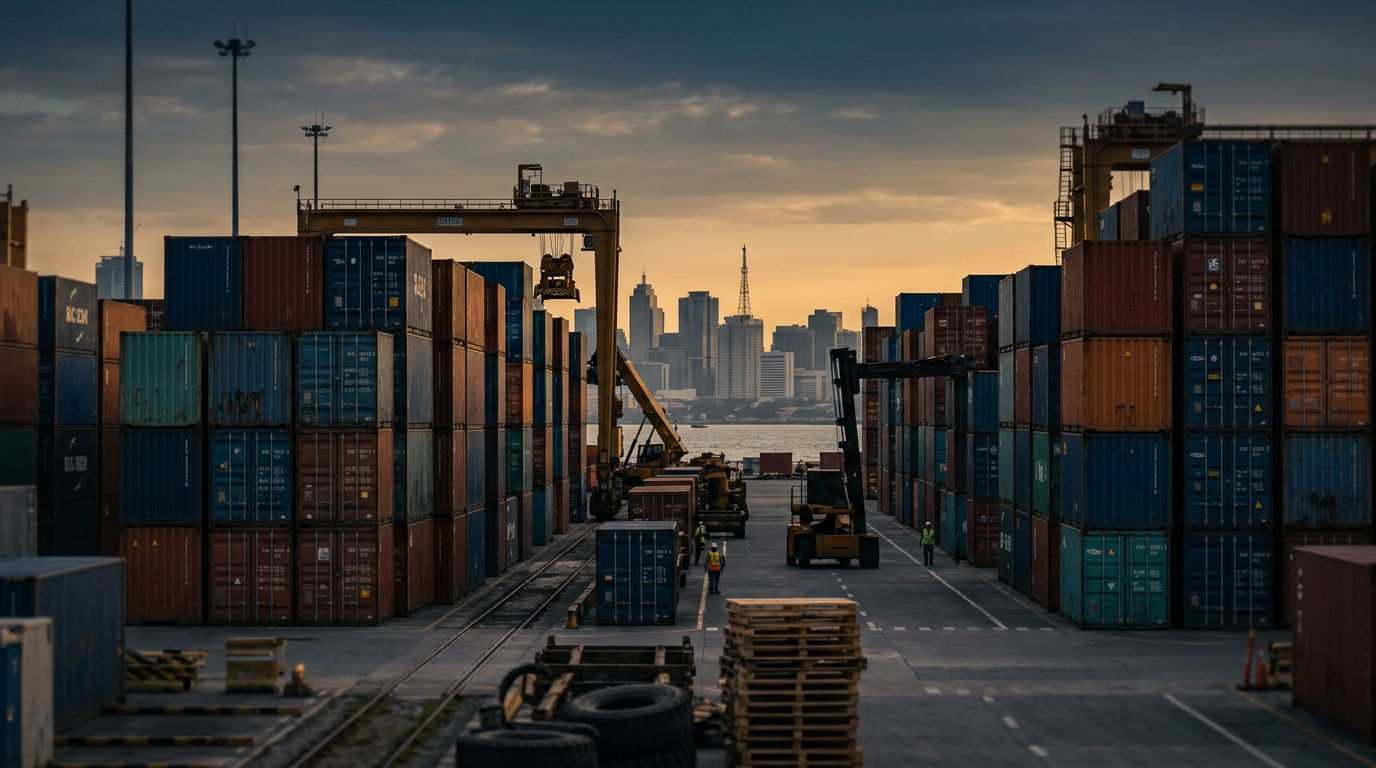 Philippines
The Philippines' Widening Trade Deficit and the China Question
The Philippines' widening trade deficit is not just a national issue, but a reflection of a region-wide structural reality: deep economic integration with China that requires careful management to maintain strategic optionality.
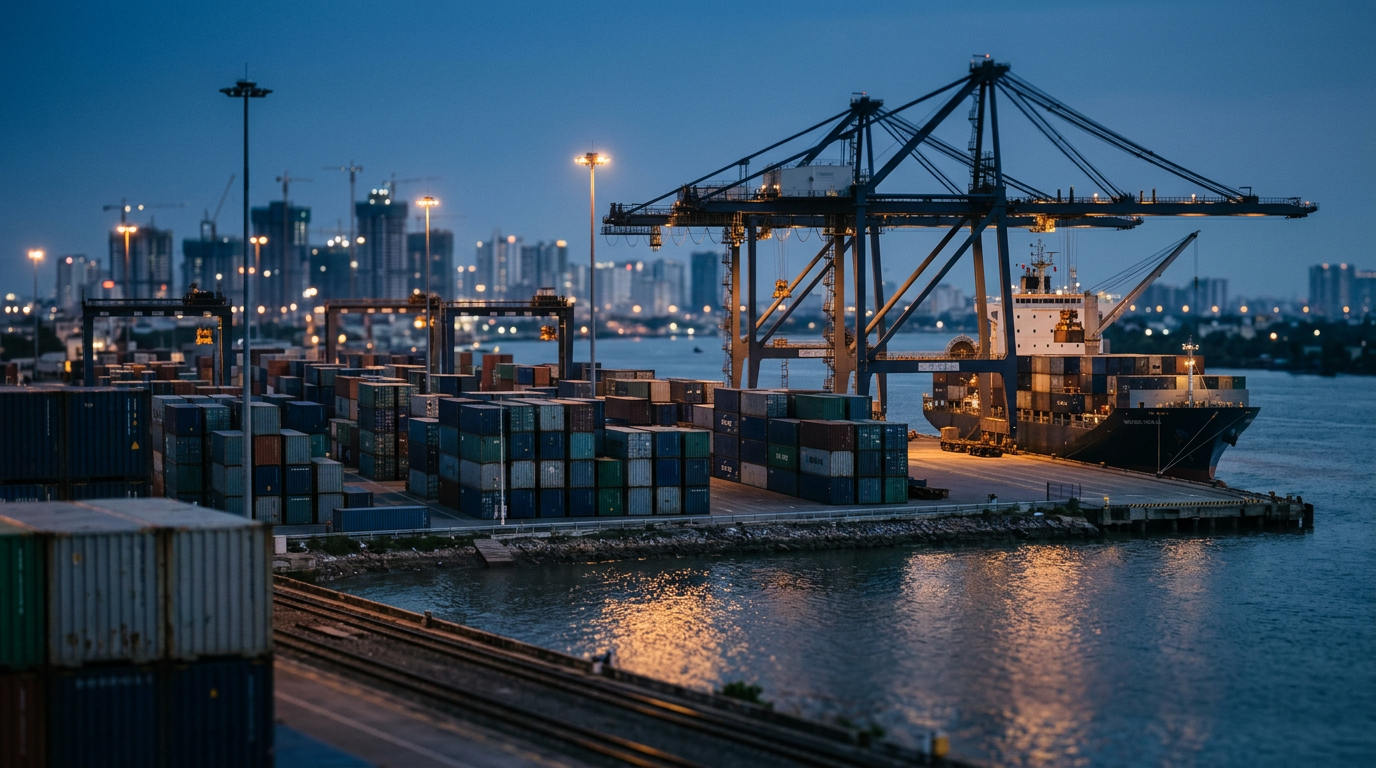 Vietnam
's U.S. Trade Talks and the Test of Optionality
Hanoi is testing a core assumption of its foreign policy: that it can keep its strategic options open while managing a deep, structural trade dependency on China. A new trade agreement with the United States would be a stress test of this balancing act.