Malaysia
Malaysia's Semiconductor Rise and the China Question
Robust semiconductor shipments are helping sustain Malaysia's export momentum. This highlights the sector's growing importance, but it also surfaces a deeper question about how to manage economic dependency in a strategic industry.
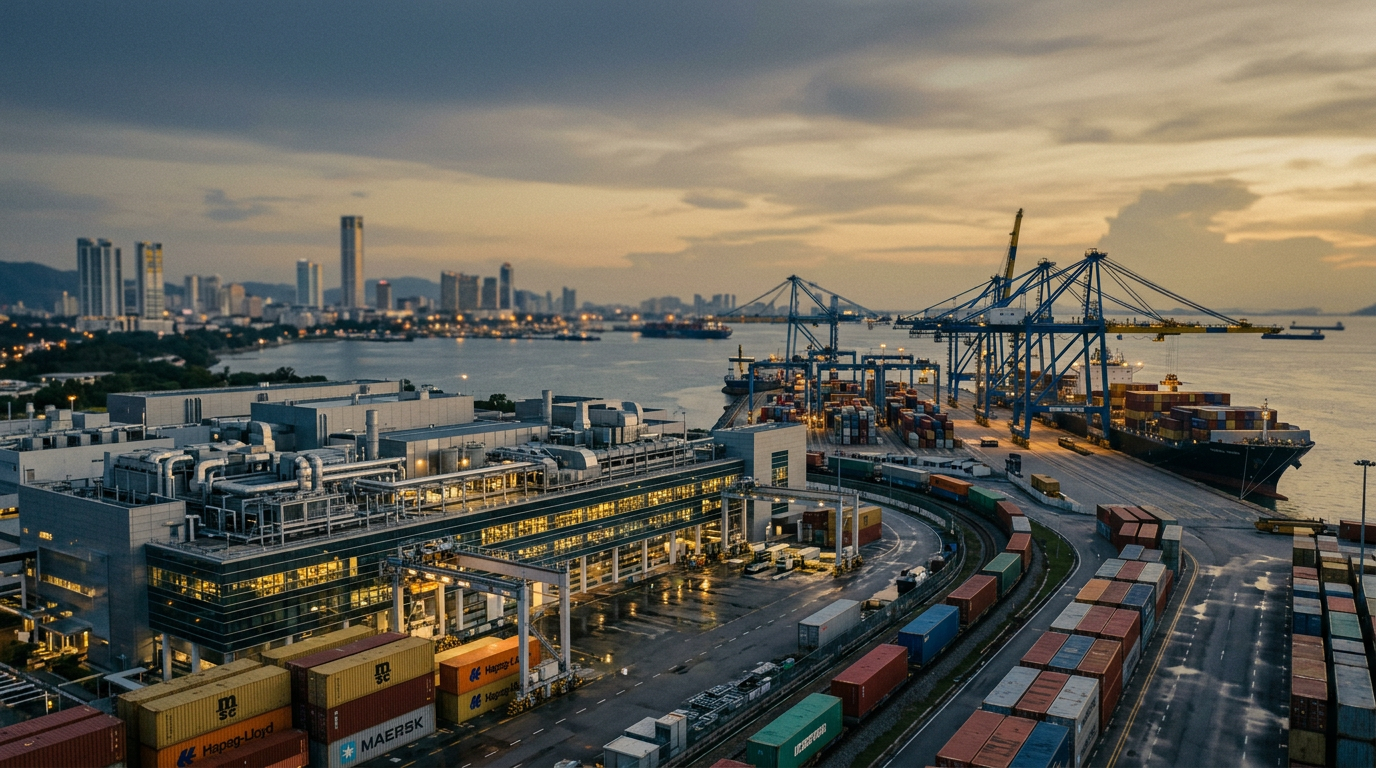
A recent report from The Star highlights the role of semiconductor shipments in sustaining Malaysia's export momentum. This is not just a cyclical upswing but a reflection of a deeper structural shift. Malaysia, along with other ASEAN nations, is deepening its position in the global electronics value chain. While this brings economic benefits, it also brings complex strategic questions, particularly concerning the dominant role of China as both a market and a partner in the supply chain.
Institutions and Infrastructure
Malaysia's success in the semiconductor sector is not accidental. It is built on decades of targeted industrial policy and investment in infrastructure. Free-trade zones, particularly in states like Penang, have been instrumental in attracting foreign direct investment. The country has focused on the assembly, testing, and packaging segment of the semiconductor industry, which is labor-intensive but also requires a high degree of precision and reliability. This institutional framework has proven effective. Now, the government aims to move up the value chain into higher-value activities like integrated circuit design. This requires not just physical infrastructure, such as industrial parks and reliable power, but also soft infrastructure in the form of a supportive regulatory environment and strong intellectual property protections. The execution of these next steps will determine whether Malaysia can capture more value from the industry.
Capital and Talent
Advancing in the semiconductor value chain is a capital-intensive and talent-intensive endeavor. Malaysia has historically relied on foreign capital, which has brought technology and market access. To foster a domestic ecosystem, however, more local capital needs to be mobilized, both from public and private sources. The talent equation is equally demanding. While Malaysia has a skilled workforce in manufacturing, a push into chip design and fabrication requires a different order of human capital. This means significant investment in science, technology, engineering, and mathematics (STEM) education at all levels, from vocational training to post-graduate research. Attracting and retaining world-class engineers is a global competition, and Malaysia must compete not just on cost but on the quality of its research institutions and the opportunities available within the industry.
Managing Dependency
The semiconductor industry is at the heart of the tech rivalry between the United States and China. For an export-oriented nation like Malaysia, navigating this is a delicate balancing act. China is a massive market for finished electronic goods and a source of intermediate components. As the book "ASEAN Rising" notes, deep trade ties with China are now a structural feature of the region's economies. The core issue for governments is "how to manage dependency without losing optionality." For Malaysia, this means diversifying its export markets and import sources where possible. It also means building a domestic industrial base that is resilient enough to withstand external shocks, whether they come from geopolitical tensions or supply chain disruptions. This is not about choosing sides but about building the capacity to make independent choices that serve Malaysia's long-term economic security.
What to watch next is how the Malaysian government's industrial policies evolve. Pay attention to specific budget allocations for research and development, initiatives for public-private partnerships in chip design, and any new incentives aimed at developing the local talent pool. The degree to which Malaysia can successfully execute these plans will shape its role in the global semiconductor industry and its ability to manage its strategic economic relationships.