Indonesia
's MSMEs Look Abroad: A Test of Institutional Capacity
An export clinic in Palu, Indonesia, highlights the institutional challenges that ASEAN governments face in translating national trade policy into tangible export growth for small and medium-sized enterprises, which form the backbone of the region's economies.
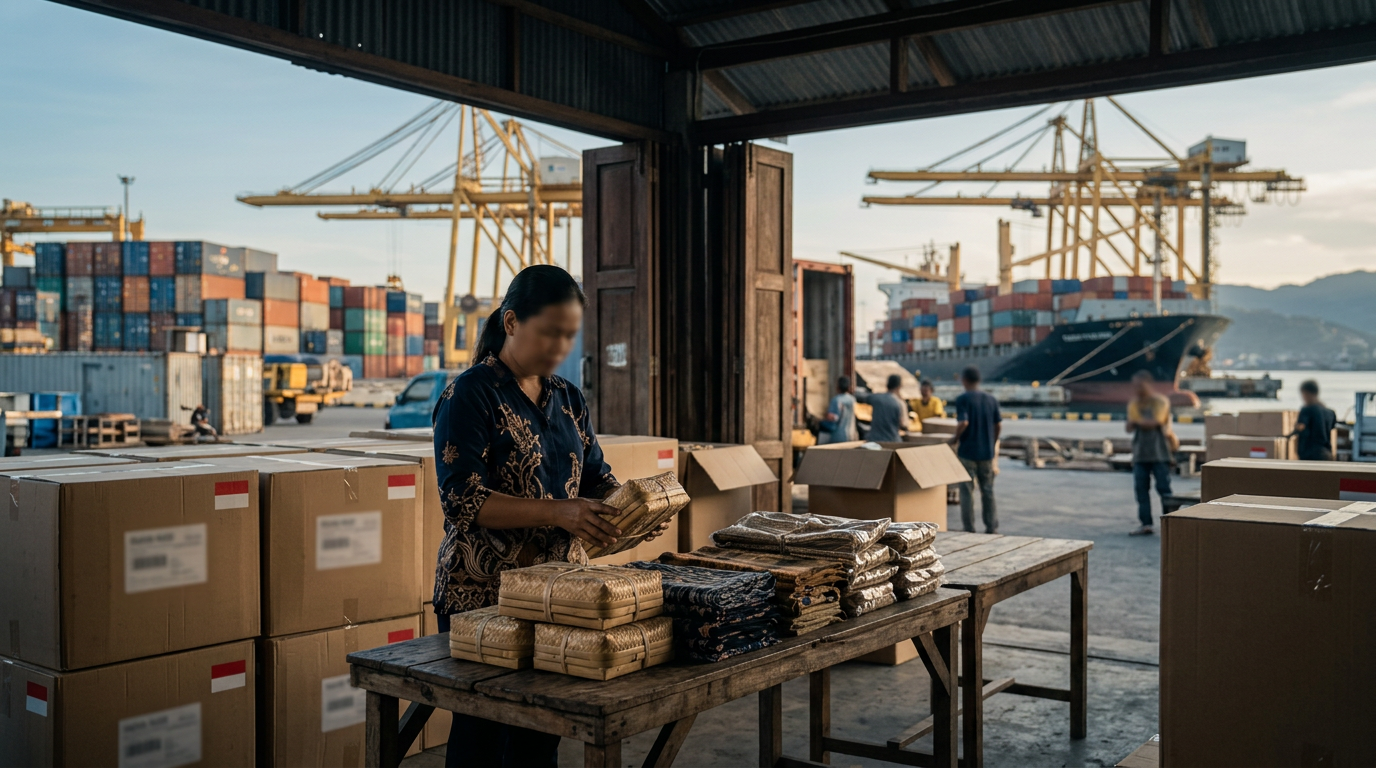
An export clinic organized by Indonesia's Quarantine Agency (Barantin) is assisting micro, small, and medium enterprises (MSMEs) in Palu, Central Sulawesi, to access export markets, as reported by Antara News. The initiative aims to equip local businesses with the knowledge to meet international standards and navigate the procedural complexities of global trade. While a localized effort, it illustrates a broader theme across ASEAN: the challenge of translating high-level trade agreements into concrete economic gains for the smaller firms that constitute the vast majority of the region's businesses.
Institutions and Execution
The Palu export clinic is a case study in the importance of institutional execution. National governments in ASEAN sign trade agreements and set export targets, but the benefits are not automatic. Success depends on the capacity of agencies like Barantin to connect with producers on the ground. These institutions are responsible for the practical, often mundane, work of disseminating information, certifying quality, and streamlining paperwork. Without this direct interface, MSMEs are often left unable to capitalize on the market access that trade deals are supposed to provide. Their products may fail to meet sanitary and phytosanitary (SPS) standards or get bogged down in customs procedures, not because of poor quality, but because of a lack of information and institutional support.
For many small businesses in places like Palu, the hurdles are fundamental. They include understanding tariff codes, preparing documentation, and meeting the specific packaging and labeling requirements of a destination market. The clinic's focus on these operational details is precisely what is needed. It represents a necessary link in the chain between policy and performance, turning the abstract goal of "export promotion" into a tangible process that a small business owner can follow.
From Local Production to Global Markets
The core of the issue extends beyond simple logistics; it involves integrating a vast and diverse base of small-scale producers into complex international supply chains. As the book ASEAN Rising notes, the region's economic ties with major partners like China are a structural reality. The book argues that for ASEAN governments, the main task "is no longer whether to engage, but how to manage dependency without losing optionality." Part of managing that dependency involves diversifying export markets and, just as important, diversifying the range of firms that can participate in exporting.
Initiatives like the Barantin clinic are the foundational work required to achieve this. By building the capacity of MSMEs, they help create a more resilient economic base. When a broader array of companies can export, the economy is less reliant on a few large state-owned enterprises or multinational corporations. This widens the distribution of economic gains and strengthens the national economy's ability to adapt to shifts in global demand. The effort in Palu, focused on local commodities, is a small but significant step in building this broader-based export capacity.
What to watch
Observe whether governments move beyond one-off workshops and build permanent, accessible platforms for MSME export support. The key indicators of progress will be the development of digital tools that simplify trade procedures, the establishment of accredited testing and certification labs outside of capital cities, and the degree to which trade promotion agencies are staffed and funded to provide consistent, long-term assistance to smaller enterprises. The success of these institutional efforts will determine if the benefits of global trade reach the wider economy or remain concentrated among a few large players.