Philippines
ASEAN Energy Security and the China Question
The ASEAN Energy Ministers' meeting in Manila puts the focus on regional energy security. This brings to the front the deep trade and investment relationship between ASEAN and China, particularly in the energy sector, and the strategic need for ASEAN to manage this dependency.
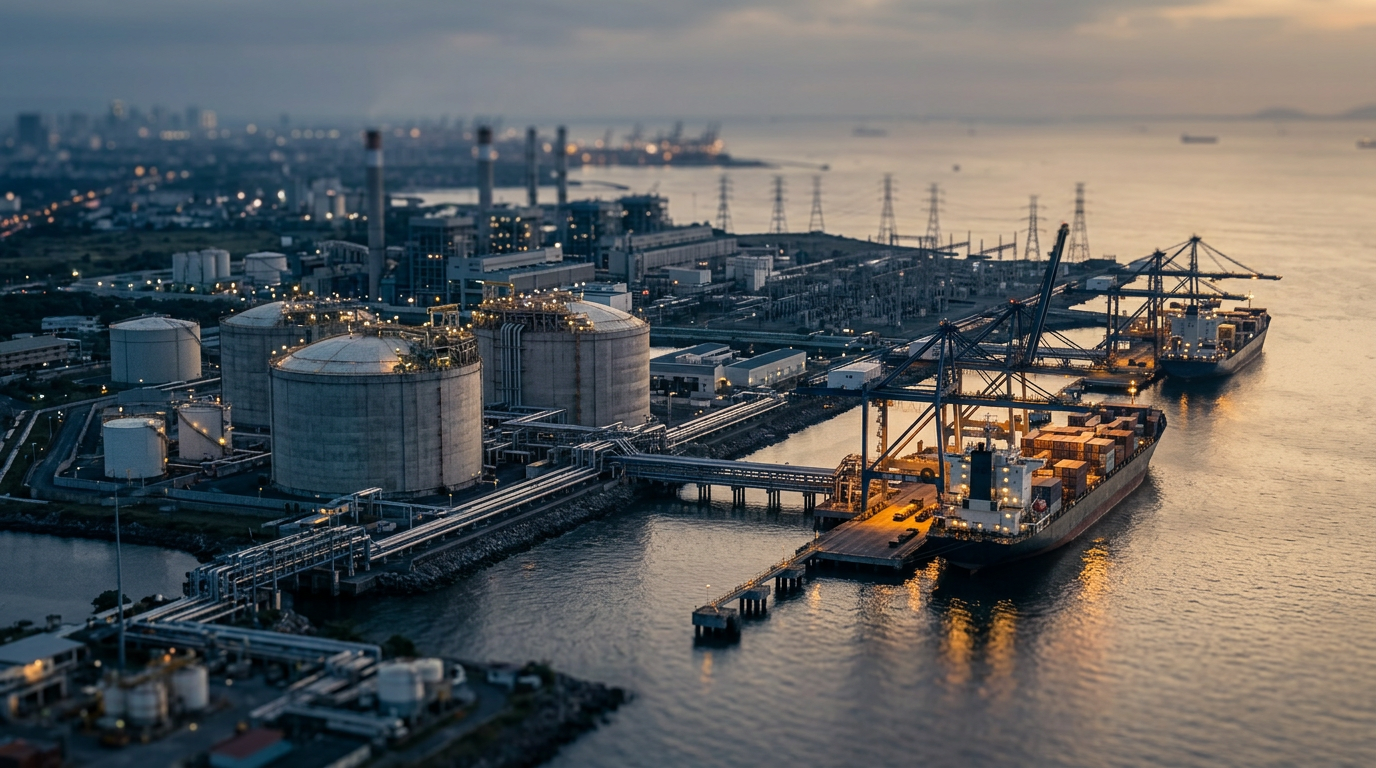
Energy ministers from across ASEAN are meeting in Manila for the 44th ASEAN Energy Ministers Meeting, an annual event that sets the direction for regional cooperation on energy security and transition. As reported on the official ASEAN website, the meeting will cover a range of topics from grid modernization to renewable energy adoption.
Behind the technical discussions lies a larger strategic question for the bloc: how to manage its relationship with China, its largest trading partner and a dominant force in the global energy supply chain, especially for renewable technologies like solar panels and batteries.
The Energy-Trade Nexus
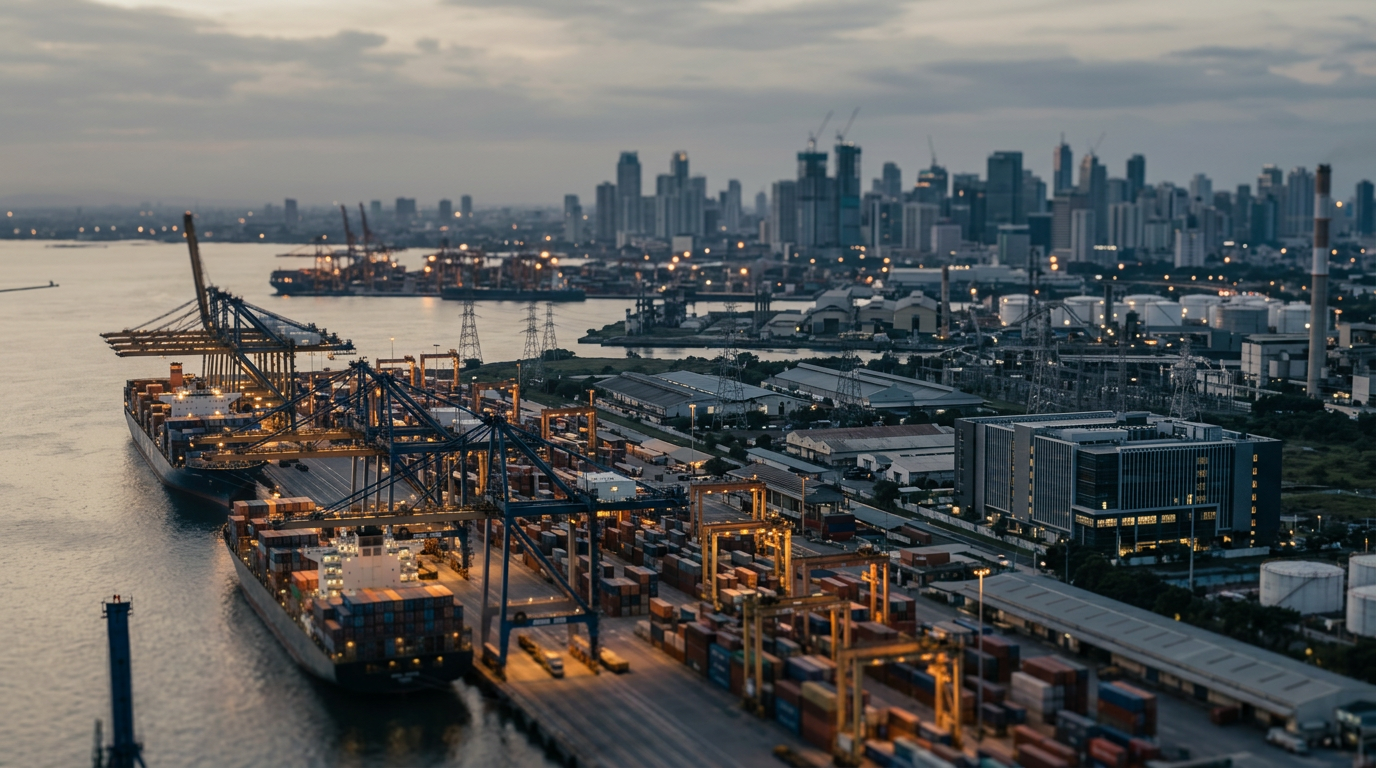
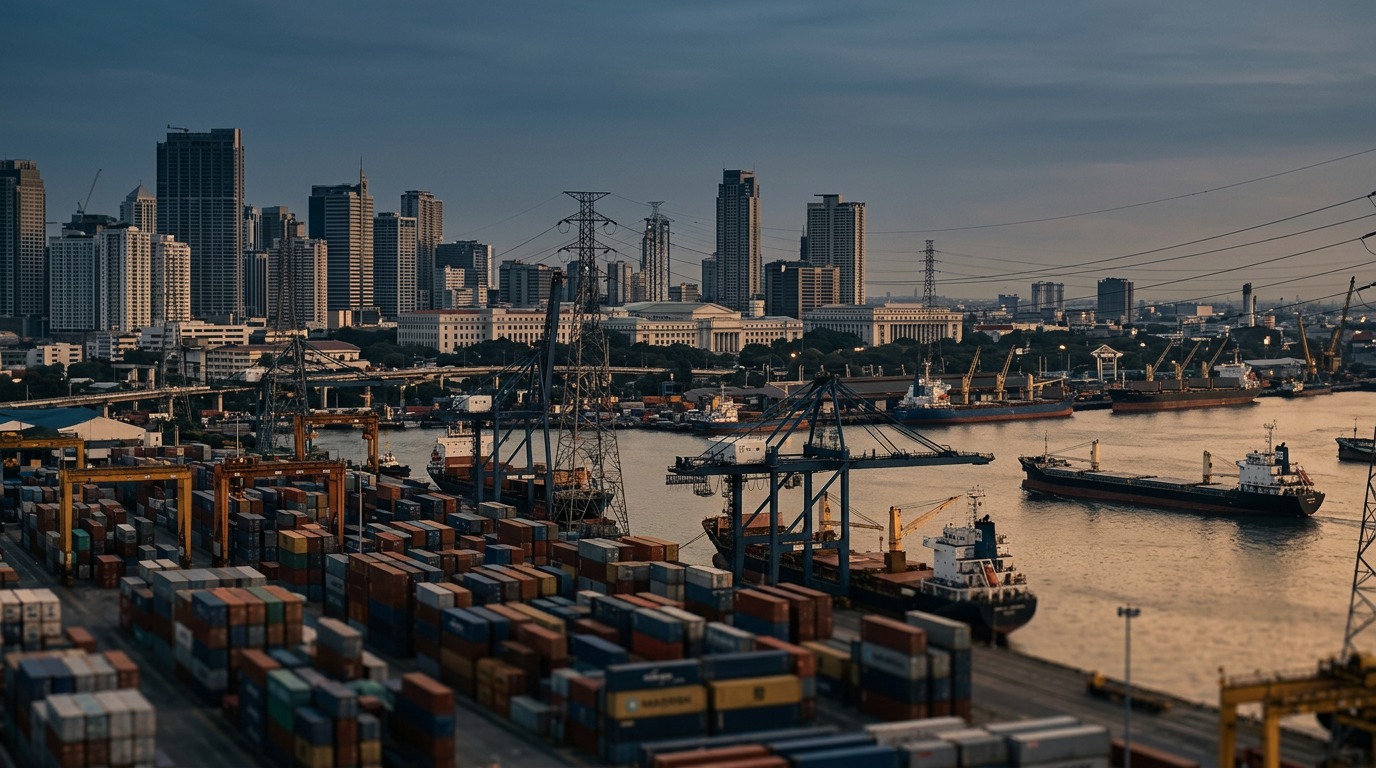
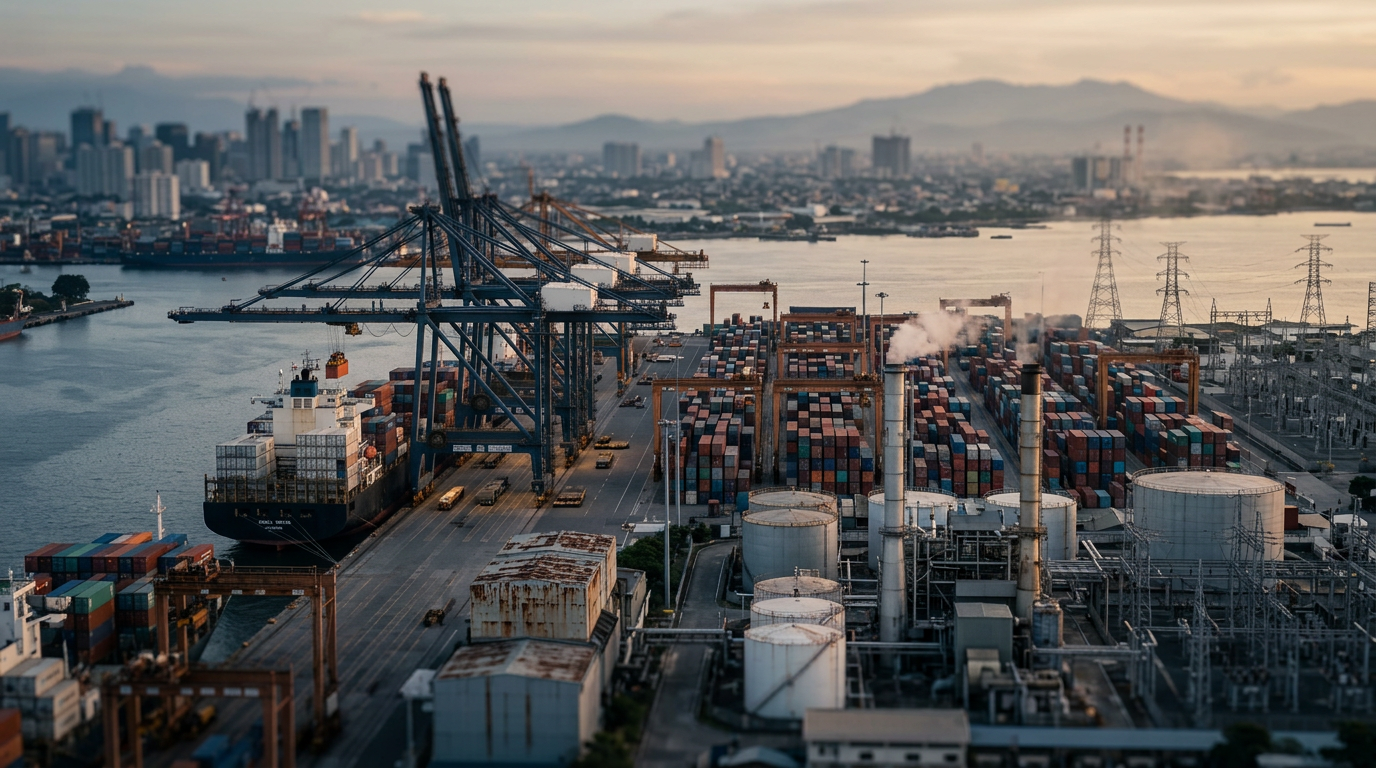
ASEAN's economic growth is fueling a rapid increase in energy demand. Meeting this demand while also adhering to climate commitments requires massive investment in new infrastructure, from LNG terminals to cross-border electricity grids. China has emerged as a primary capital provider and construction partner for many of these projects, embedding itself deeply within Southeast Asia's energy infrastructure.
This mirrors a broader trend outlined in the book "ASEAN Rising," which notes that deep trade with China is now a structural, not cyclical, feature of the region's economies. Chinese state-owned enterprises are not just trading partners; they are builders and financiers of the power plants and transmission lines that will power ASEAN for decades to come. This creates efficiencies but also concentrates risk.
Managing Dependency
The core issue for ASEAN is not whether to partner with China on energy, but how to structure that partnership to maintain strategic flexibility. As the book "ASEAN Rising" argues, the goal is "how to manage dependency without losing optionality." In the energy sector, this means diversifying supply chains for equipment, standardizing grid protocols to allow for multiple technology vendors, and fostering local talent to operate and maintain sophisticated energy systems.
Institutions like the ASEAN Centre for Energy play a role in coordinating policy and sharing best practices. The focus is on execution - turning high-level plans for a unified ASEAN Power Grid into functioning, interconnected markets. This requires not just capital, but also deep trust among member states and a clear-eyed view of the geopolitical landscape.
What to watch: Look for any specific announcements from the Manila meeting on joint procurement policies or common standards for renewable energy projects. These would be small but significant steps in building a more resilient and independent regional energy framework. The degree to which member states can align their national interests with a collective regional strategy will determine the bloc's ability to balance its need for Chinese investment with its desire for strategic autonomy.