Indonesia
Indonesia, RCEP, and the Management of China Dependency
Indonesia is calling for better utilization of RCEP. This is less about trade rules and more about managing the deep, structural trade dependency on China that is a permanent feature of the region.
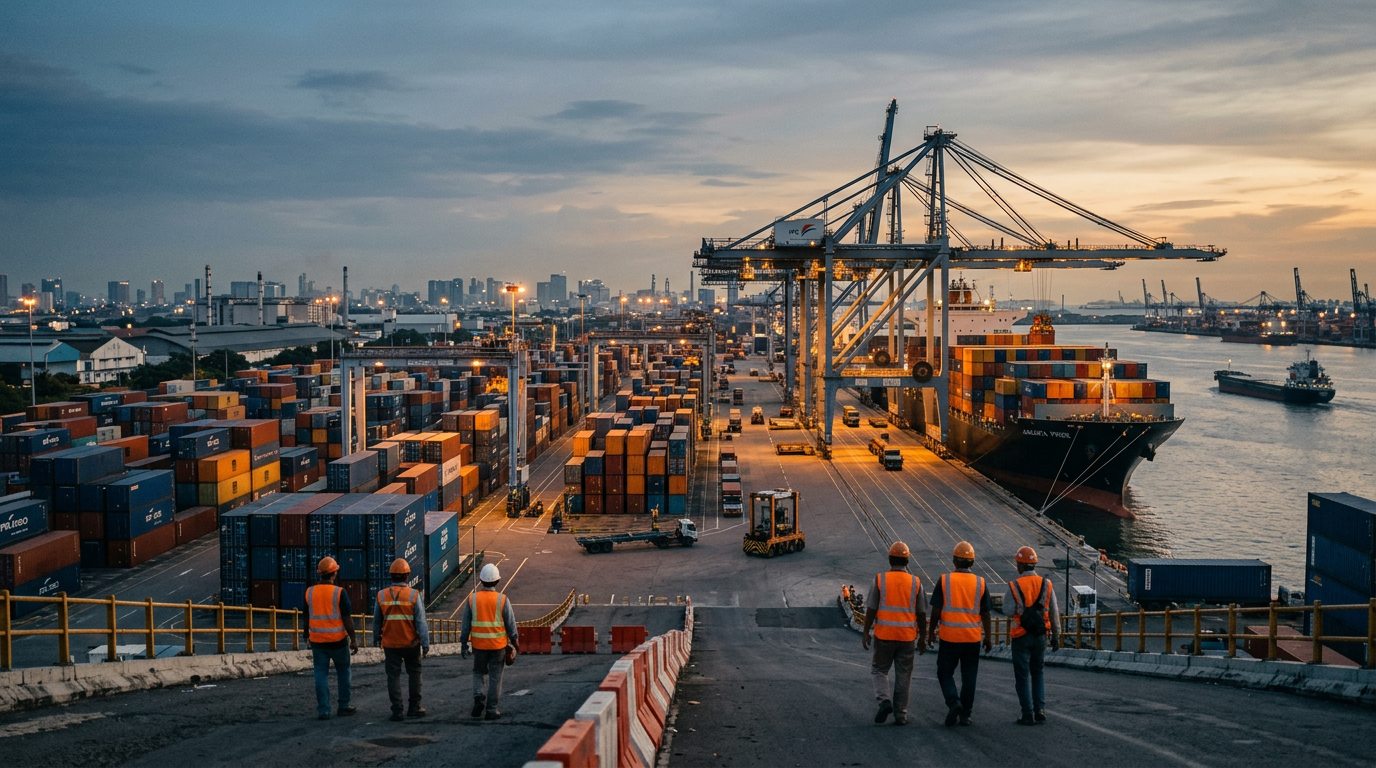
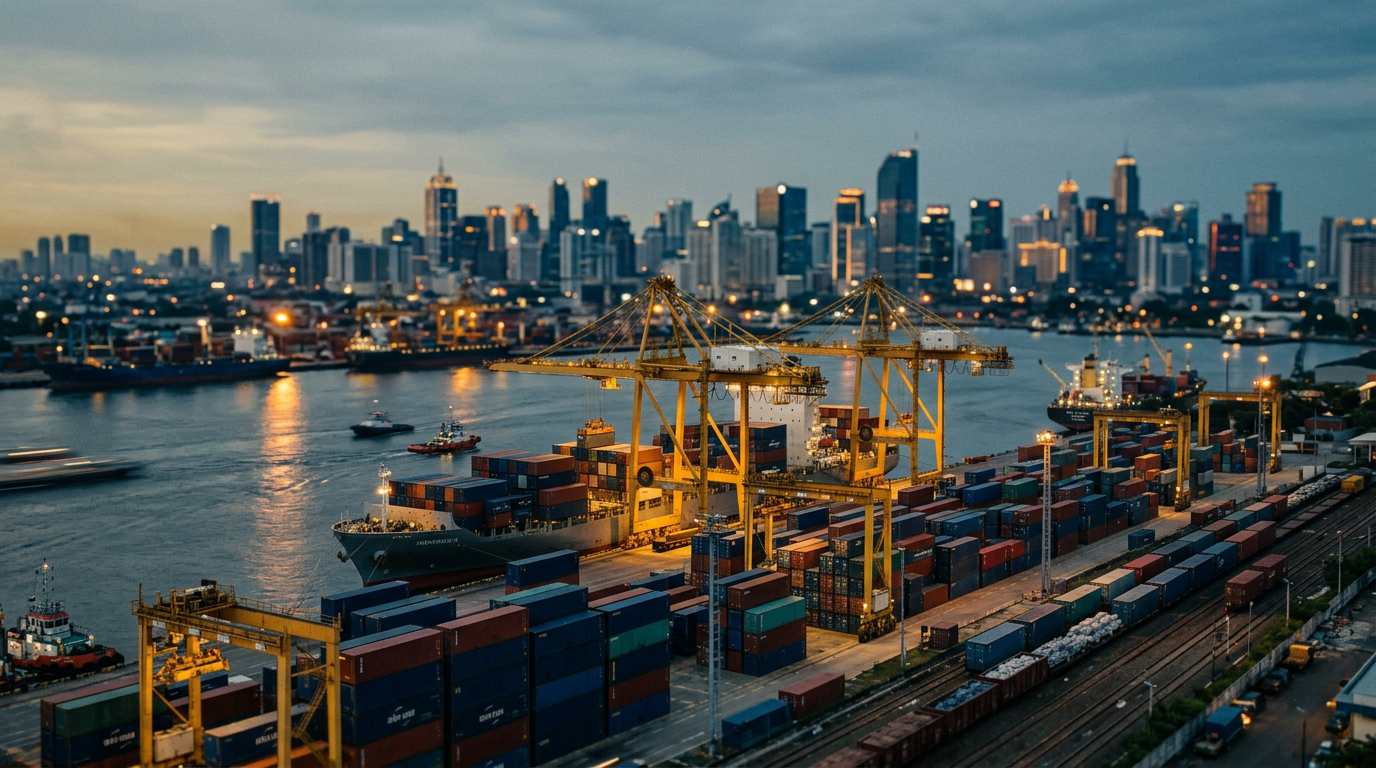
Indonesia used a recent ministerial meeting to call for stronger cooperation and better utilization of the Regional Comprehensive Economic Partnership (RCEP), according to a report from en.antaranews.com. The call to action is a reminder that the trade pact's effectiveness is not guaranteed by its existence. Instead, its value will be determined by the quality of its implementation and the ability of member states to translate its provisions into tangible economic gains. For Indonesia and its ASEAN neighbors, this is not just a matter of trade promotion. It is a core component of managing their complex and deepening economic relationship with China.
Institutions and Execution
The RCEP agreement, which includes all ten ASEAN members plus China, Japan, South Korea, Australia, and New Zealand, is a substantial institutional framework. It offers a common set of rules for trade, services, and investment across a market covering nearly a third of the world's population and GDP. However, the agreement's ambitious scope requires competent execution to be effective. Indonesia's push for "stronger cooperation and better utilization" hints at the gap between the agreement on paper and the realities of implementation on the ground. Businesses need to understand the rules, customs officials need to apply them consistently, and governments need to resolve disputes efficiently. Without this, RCEP remains a set of principles rather than a driver of commerce.
Trade, Dependency, and Optionality
For ASEAN countries, the RCEP framework is inextricably linked to the management of their relationship with China. As the book "ASEAN Rising" notes, "Trade depth with China is now a structural feature, not a cyclical one." The economic gravity of China is a permanent force shaping the region. The question for governments in Jakarta, Manila, and Bangkok is how to structure their trade relationships to maximize benefits while preserving their freedom of action. RCEP can be a tool for this. By embedding trade with China into a broader, rules-based plurilateral framework, ASEAN members can create a more predictable and balanced relationship. It allows them to deal with Beijing as part of a larger bloc, providing a degree of collective weight that no single Southeast Asian nation can achieve on its own.
Capital and Infrastructure
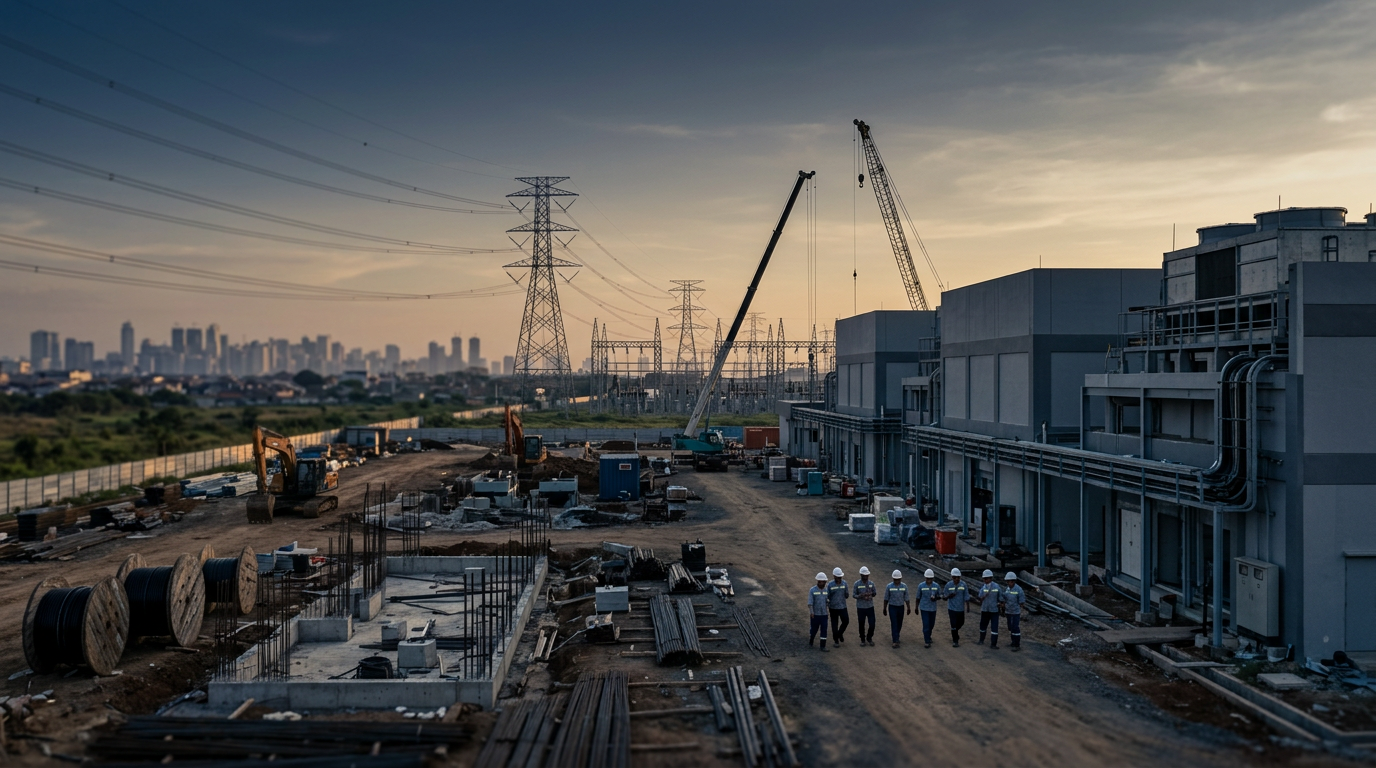
Beyond tariff lines, the RCEP discussion is also about the flow of capital and the development of infrastructure. Better utilization of the pact could facilitate more Chinese investment into Indonesian and ASEAN infrastructure projects, from ports and railways to industrial parks and digital networks. This investment is needed, but it also reinforces the dependency that governments are trying to manage. The challenge is to attract capital on terms that are financially sustainable and strategically sound. This means ensuring that projects are commercially viable, that they build local capacity, and that they do not create unsustainable debt burdens or cede control over strategic assets. A well-utilized RCEP can provide a platform for setting standards and promoting transparency in these areas, helping to ensure that Chinese capital contributes to genuine economic development.
What to watch
Watch for how Indonesia and other ASEAN members translate this call for better utilization into specific actions. The focus will likely be on harmonizing standards, simplifying customs procedures, and promoting the agreement to small and medium-sized enterprises who are often the last to benefit from such pacts. Also, observe how RCEP is used in practice to structure trade and investment flows with China, particularly in strategic sectors. The success of the agreement will be measured not by the volume of trade alone, but by its contribution to a more balanced and resilient economic architecture for the entire ASEAN region.